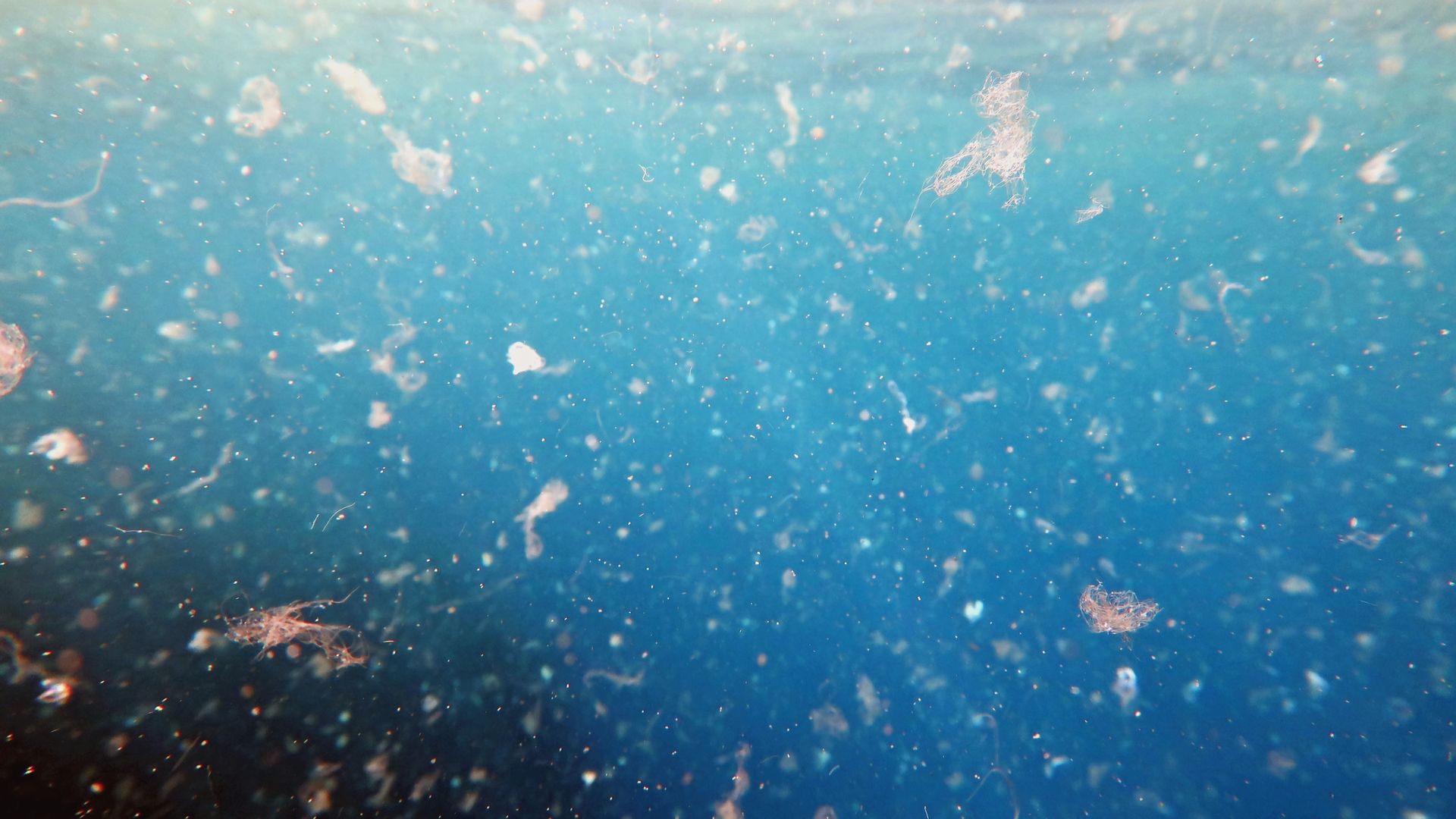
Huge quantities of microplastics can be found in the twilight zone depths of the ocean, where sunlight does not penetrate, a new study conducted in Monterey Bay finds.
Why it matters: The research, published Thursday in Scientific Reports, indicates that microplastics — tiny plastic particles less than 5 millimeters across — are entering the deep sea and being consumed as part of the marine food web. It's thought that these particles may be harming ocean life, but the details on that are just emerging.
Unrelenting rains catapulted May to the second-wettest month on record in the U.S., leaving vast tracts of farmlands flooded across the nation's midsection, and jeopardizing this year's corn crop.
The big picture: The May precipitation total for the Lower 48 states was 4.41 inches, which was 1.5 inches above average, according to the National Oceanic and Atmospheric Administration (NOAA). The past 12 months have been the wettest such period on record for the Lower 48 since such records began in 1895, with rains especially concentrated in the Midwest, Plains and Northeast.
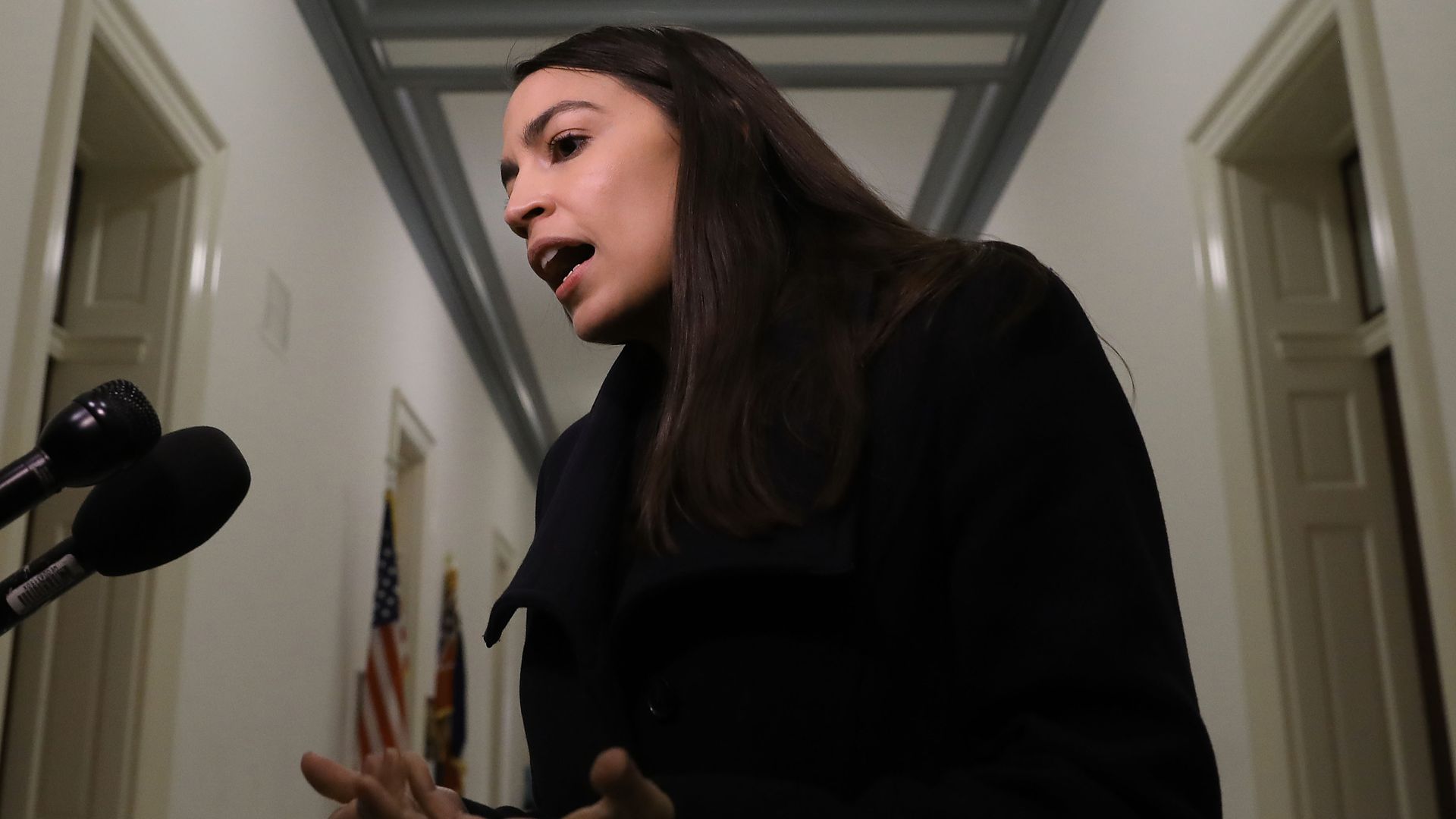
In an interview with The Hill on Wednesday, Rep. Alexandria Ocasio-Cortez (D-N.Y.) said that a plan to address climate change would have to come with a $10 trillion price tag "to have a shot."
Why it matters: Ocasio-Cortez catalyzed climate talks with her Green New Deal, which called for ambitious goals such as net-zero U.S. greenhouse gas emissions and de-carbonizing the economy. As 2020 approaches, most Democrats have had to answer to the Green New Deal's stances. Of the existing plans presented by presidential contenders, AOC says she likes Gov. Jay Inslee's plan for more than $5 trillion and Sen. Elizabeth Warren's $2 trillion proposal.
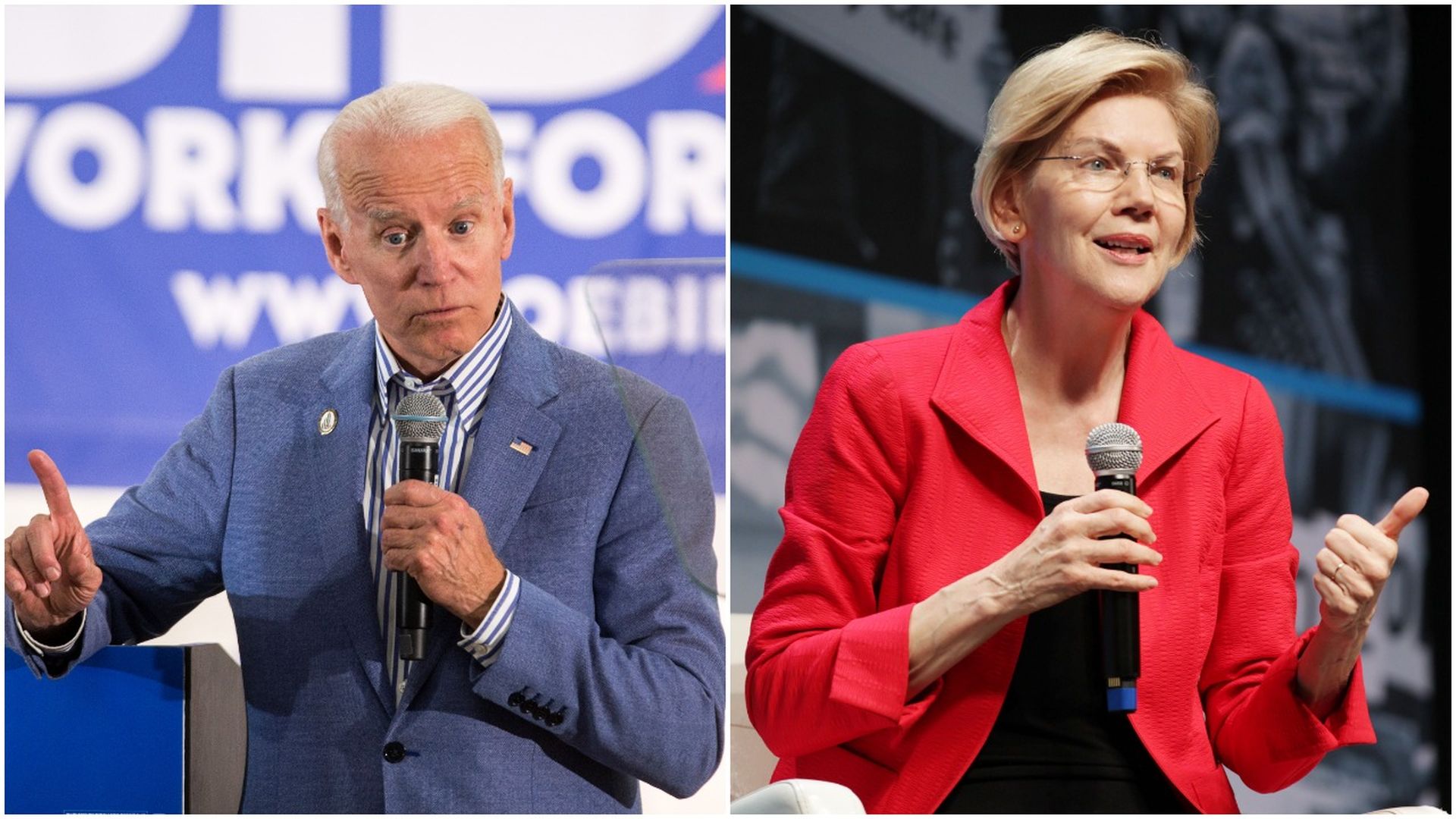
Frontrunner Joe Biden and Sen. Elizabeth Warren's respective plans to combat climate change, which were unveiled Tuesday, both call for creating new federal agencies.
Why it matters: The plans signal acknowledgment that the federal government's existing structures are imperfectly aligned to spur deep emissions cuts.
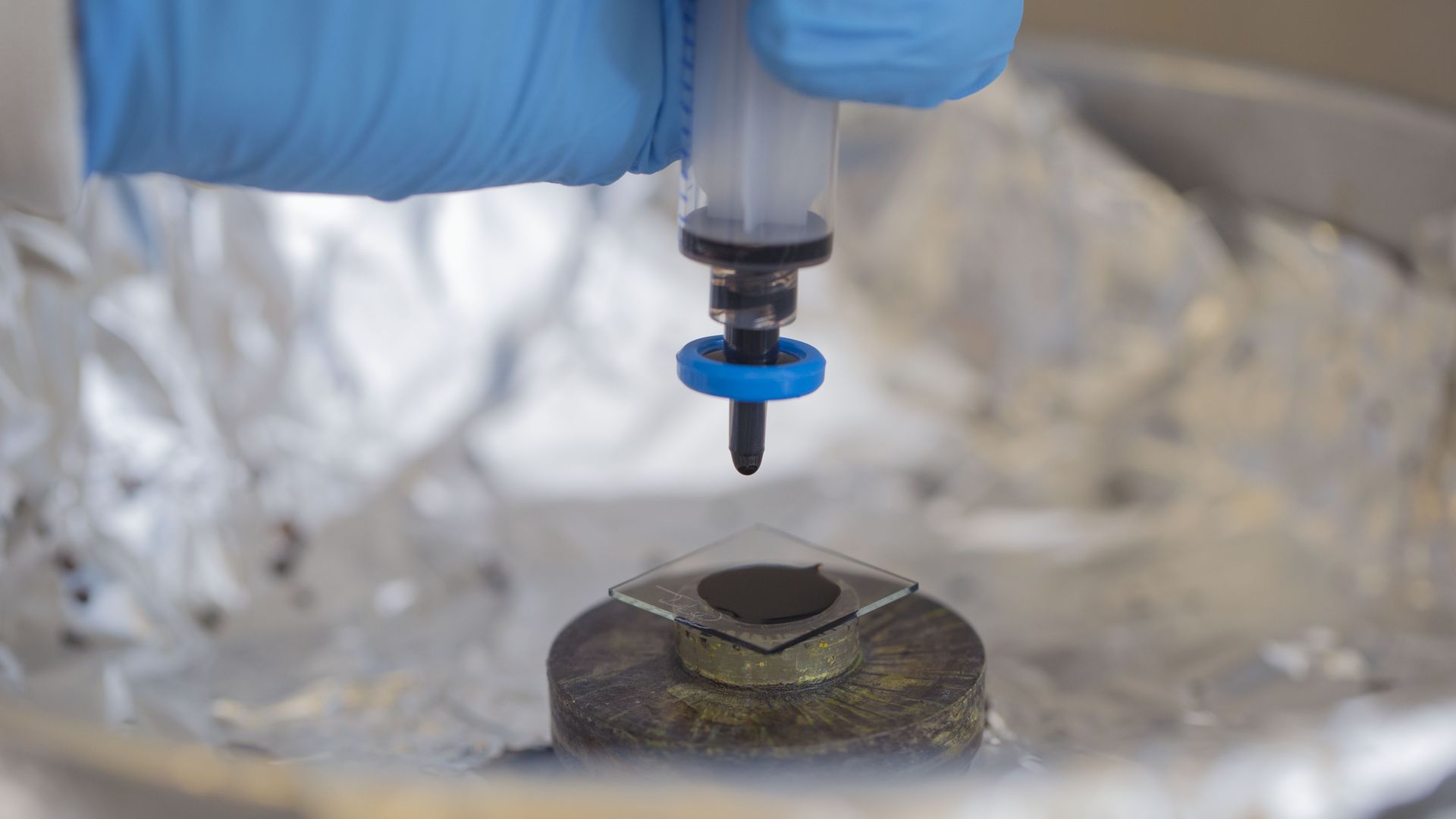
The Commerce Department released on Tuesday an interagency report that identifies a list of minerals deemed critical to U.S. strategic interests and outlines an action plan to ensure their supply.
Why it matters: Securing these minerals and their supply chains is essential to leading the way on technologies that will enable the global energy transition, including cobalt and lithium for batteries, graphite and scandium for fuel cells, and indium and tellurium for solar panels.
As electric vehicles proliferate, it is increasingly urgent to address limitations of the U.S. electrical grid and anticipate the effects of fully autonomous vehicles on charging strategies and infrastructure.
The big picture: Driven by market forces, tightening emissions rules and environmental concerns, automakers are introducing nearly 100 hybrid and electric vehicle models through 2022 — and many have an eye toward electric AVs eventually.
Tesla's tumultuous year has analysts and industry pundits speculating about a possible end game for the 16-year-old electric car manufacturer, ranging from a distressed sale of the company to a soaring, China-led rebound.
Why it matters: Even once-bullish investors have turned decidedly sour on the company lately amid slowing demand for cars like the Model 3 and cash flow warnings from CEO Elon Musk. The next 6 to 12 months will be critical in determining the eventual outcome.
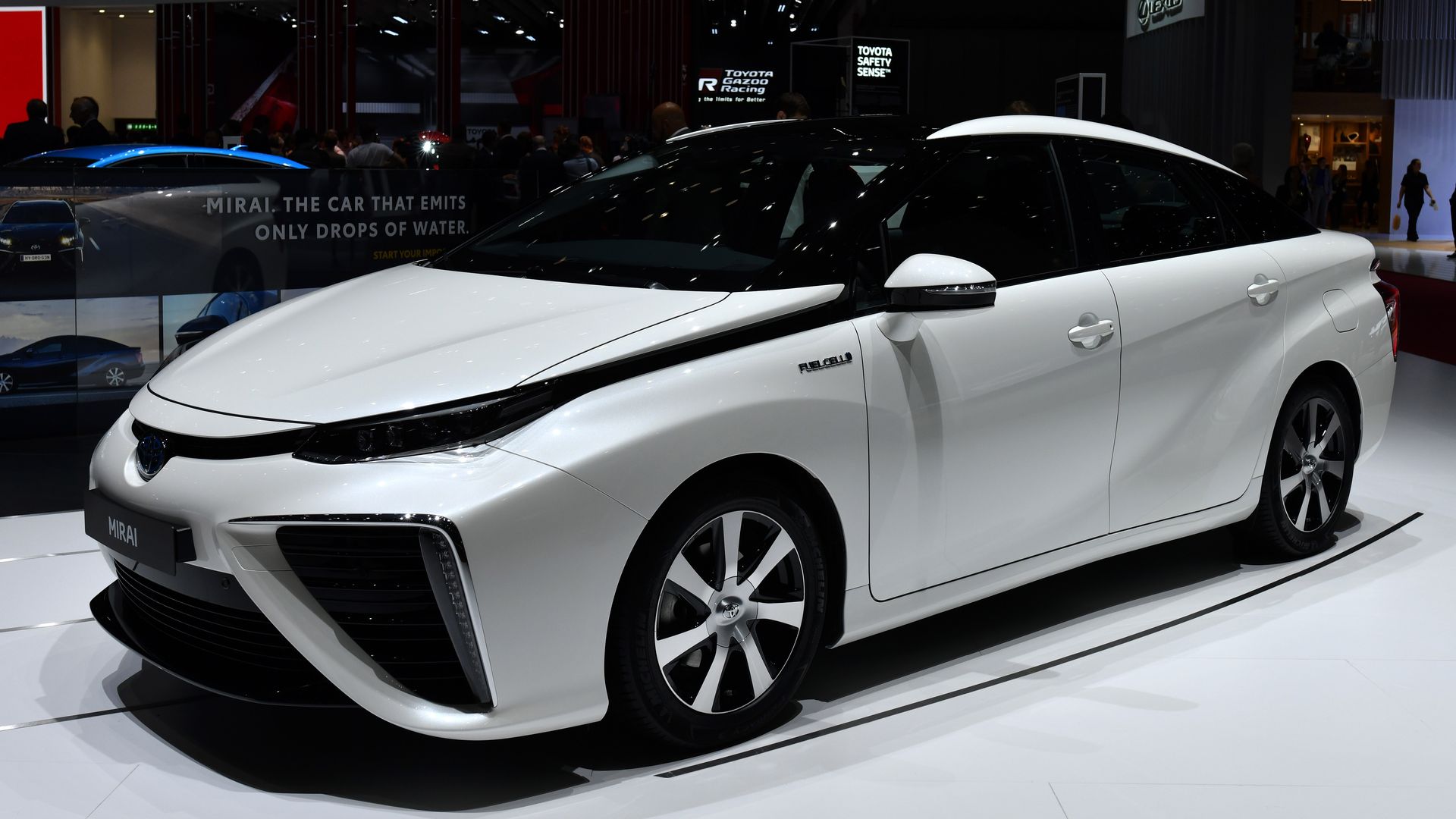
Toyota plans to unveil a new type of "personal electric vehicle" this week and will outline a broad electrification strategy heavily reliant on partnerships with Chinese manufacturers, Axios has learned.
Why it matters: Despite its longtime lead in hybrids like the Prius, Toyota is seen as lagging on the industrywide shift to battery electric vehicles (BEVs), especially as China and Europe have moved to mandate more zero-emission vehicles.
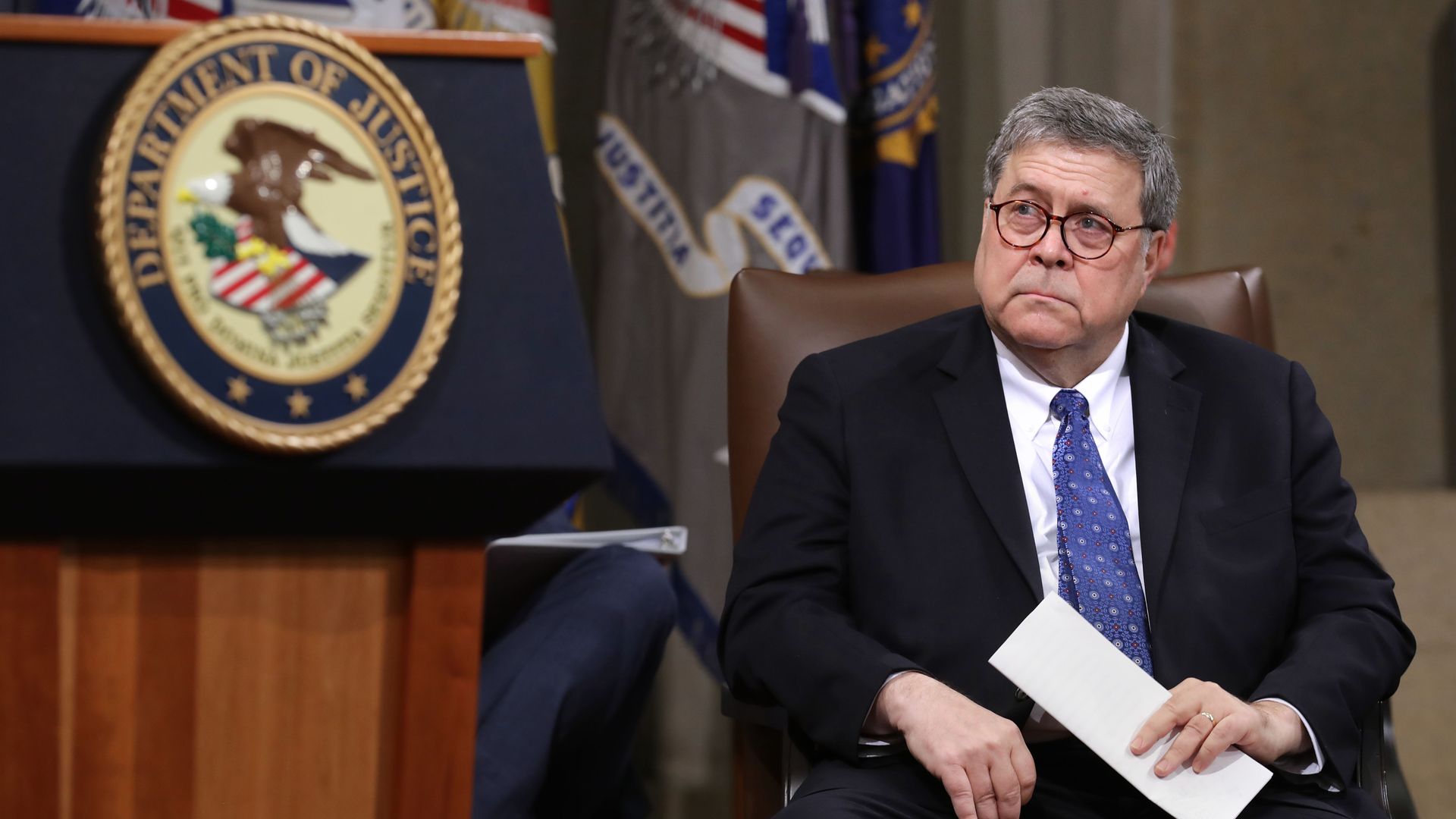
House Judiciary Chairman Jerry Nadler (D-N.Y.) on Tuesday evening refused the Justice Department's offer to reopen negotiations on a subpoena for the full Mueller report in exchange for calling off next week's contempt vote for Attorney General Bill Barr.
Catch up quick: The DOJ claims Nadler sent a letter on May 24 recognizing that the committee's subpoena was "unworkably broad" and offering for the first time "to narrow the subpoena's scope to cover a much more limited set of documents." In light of this offer, DOJ asserted that it would "hardly make sense" to hold Barr in contempt for not complying with the original subpoena and asked the House Judiciary Committee to withdraw its previous contempt citation so that the two sides could negotiate an accommodation.