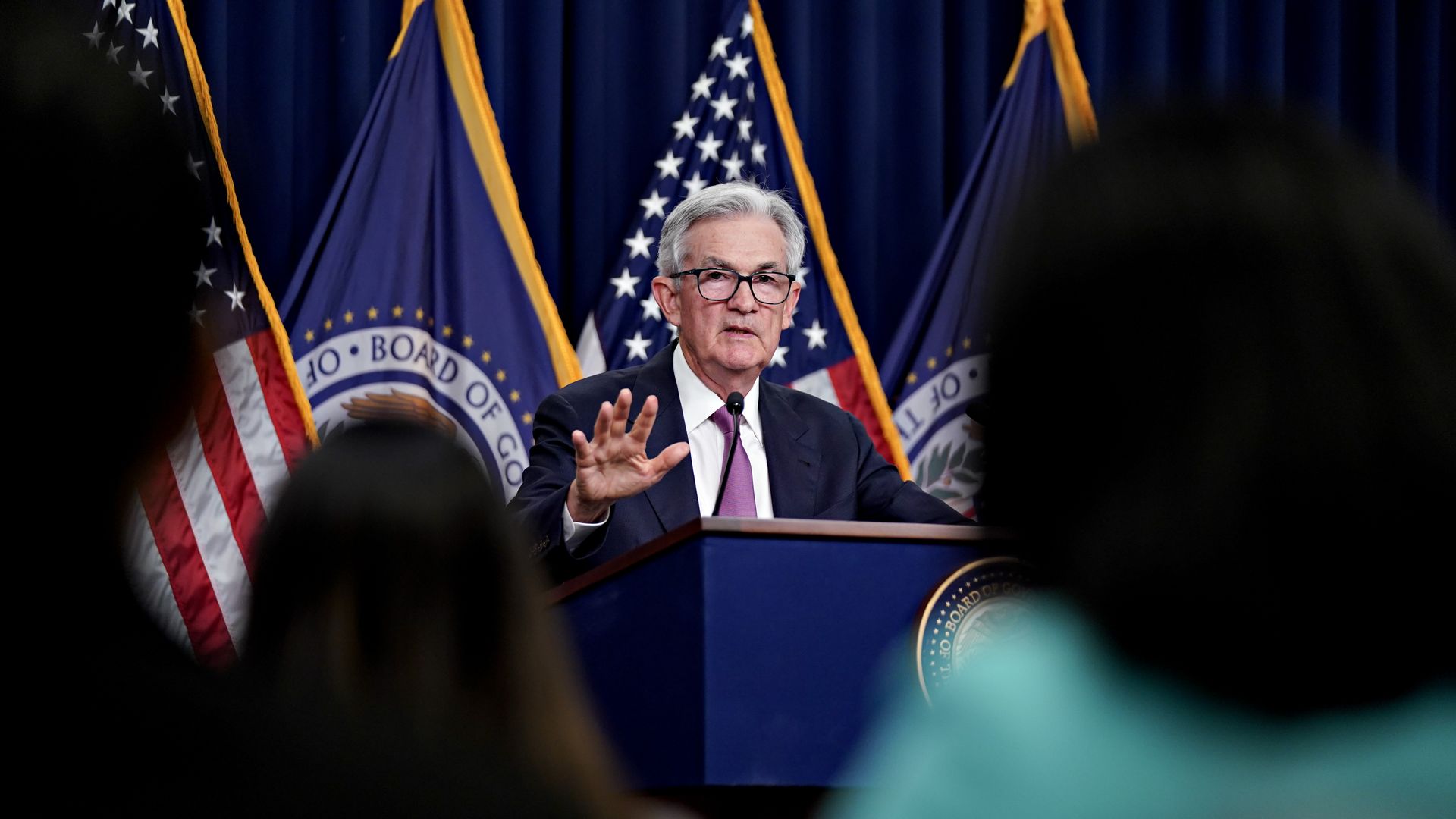
Some Federal Reserve officials wanted to raise interest rates in June, citing "few clear signs" of progress that America's high inflation was receding, according to newly released minutes from the June 13-14 policy meeting.
Why it matters: The minutes released Wednesday are the most in-depth look into the discussions that led policymakers to pause the Fed's historic streak of interest rate hikes.
As the world gears up for the blockbuster release of the new "Barbie" movie this month, one country won't be diving into Barbie world: Vietnam.
Driving the news: Vietnamese officials banned screenings of the forthcoming film this week because it shows a map with disputed Chinese territorial claims in the South China Sea, per state media.
How tight is the labor market? That's a crucial question for American workers and economic policymakers right now, yet indicators give conflicting answers.
Why it matters: If central bankers believe the labor market is not cooling as swiftly as desired, they could pump the brakes on the economy more than might be necessary in an attempt to slow inflation.
By one of the Fed's go-to measures, the labor market has slowly started to loosen up. A private sector gauge, however, shows more slack than government data suggests.
There is more worrying data about the health of the manufacturing sector: The industry continues to slide deeper into contractionary territory, despite an economy that is otherwise humming along.
Driving the news: The Institute for Supply Management's manufacturing gauge fell to 46% in June (nearly one percentage point below May's gauge) — the weakest since May 2020. A reading below 50 suggests contracting activity.
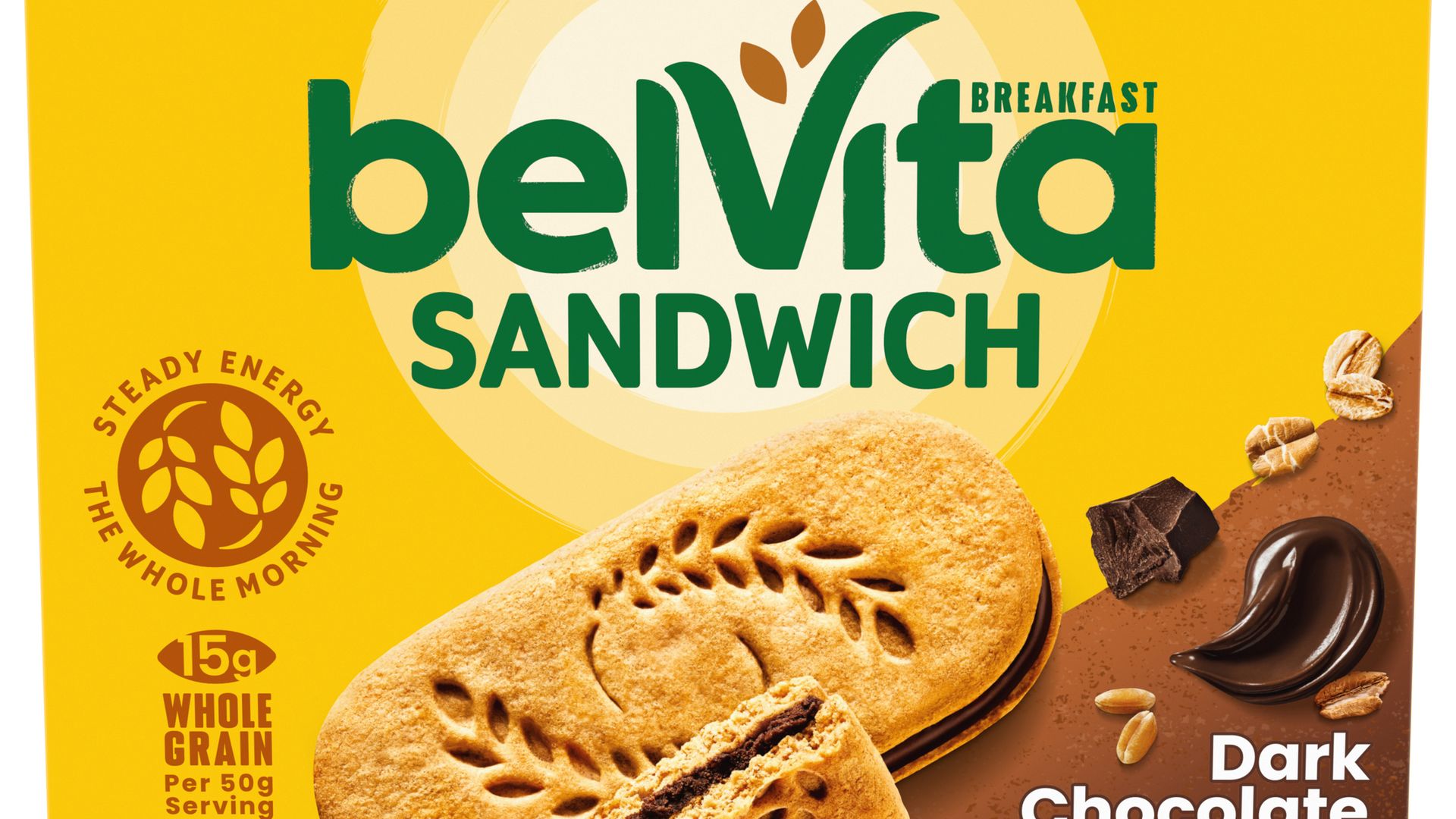
Mondelēz Global LLC is voluntarily recalling two varieties of its belVita Breakfast Sandwich products sold nationwide because they may contain “undeclared peanuts,” according to a company announcement.
Why it matters: People who have a peanut allergy or severe sensitivity to peanuts “may risk serious or life-threatening allergic reactions by consuming these products,” per the recall.
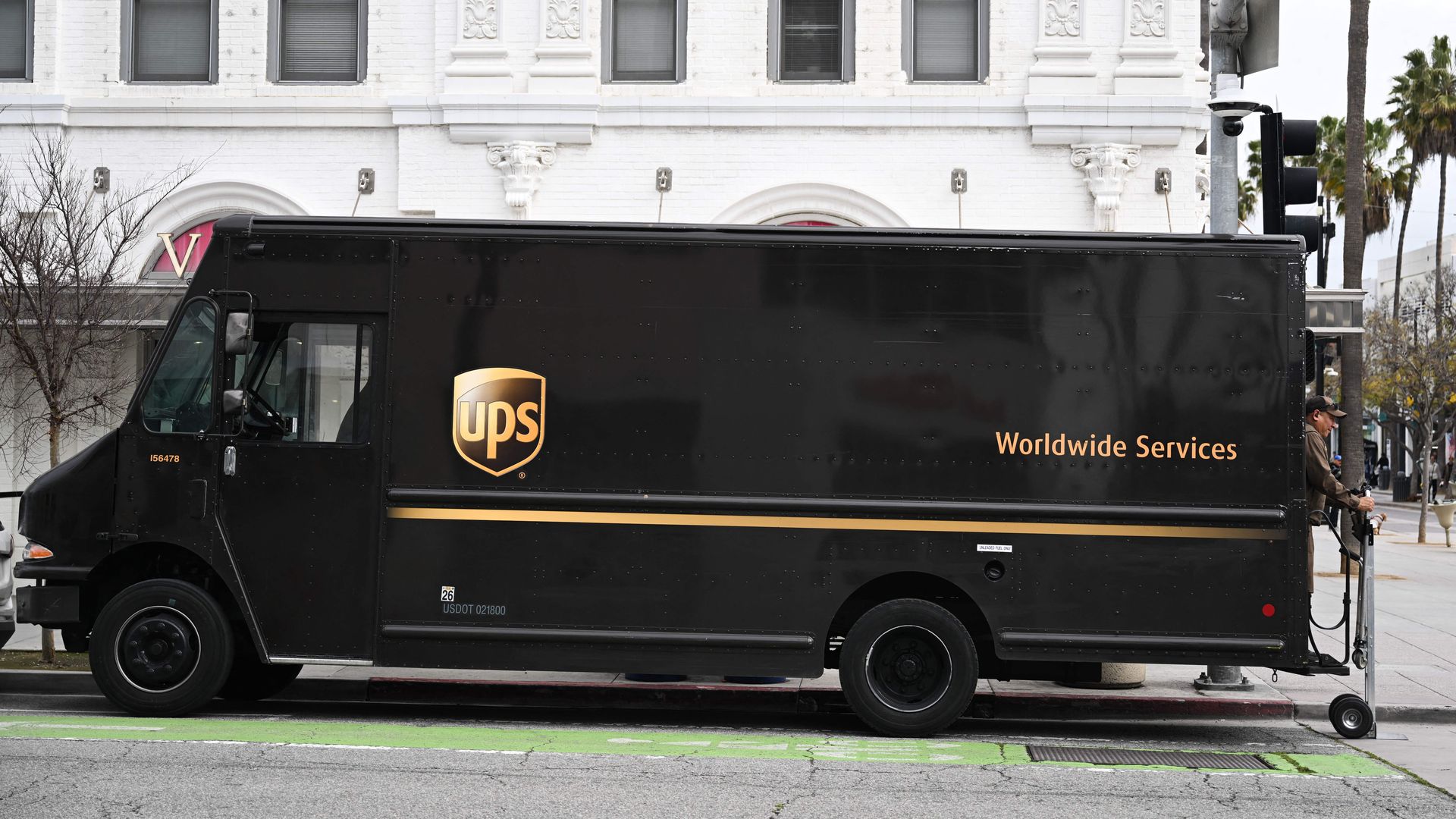
Labor talks between UPS and its unionized drivers and warehouse workers broke down early Wednesday, with both sides accusing the other of walking away from the negotiating table.
Why it matters: If no deal is reached, a strike could throw the supply chain into chaos, disrupt the U.S. economy and push customers toward rival shipping companies.
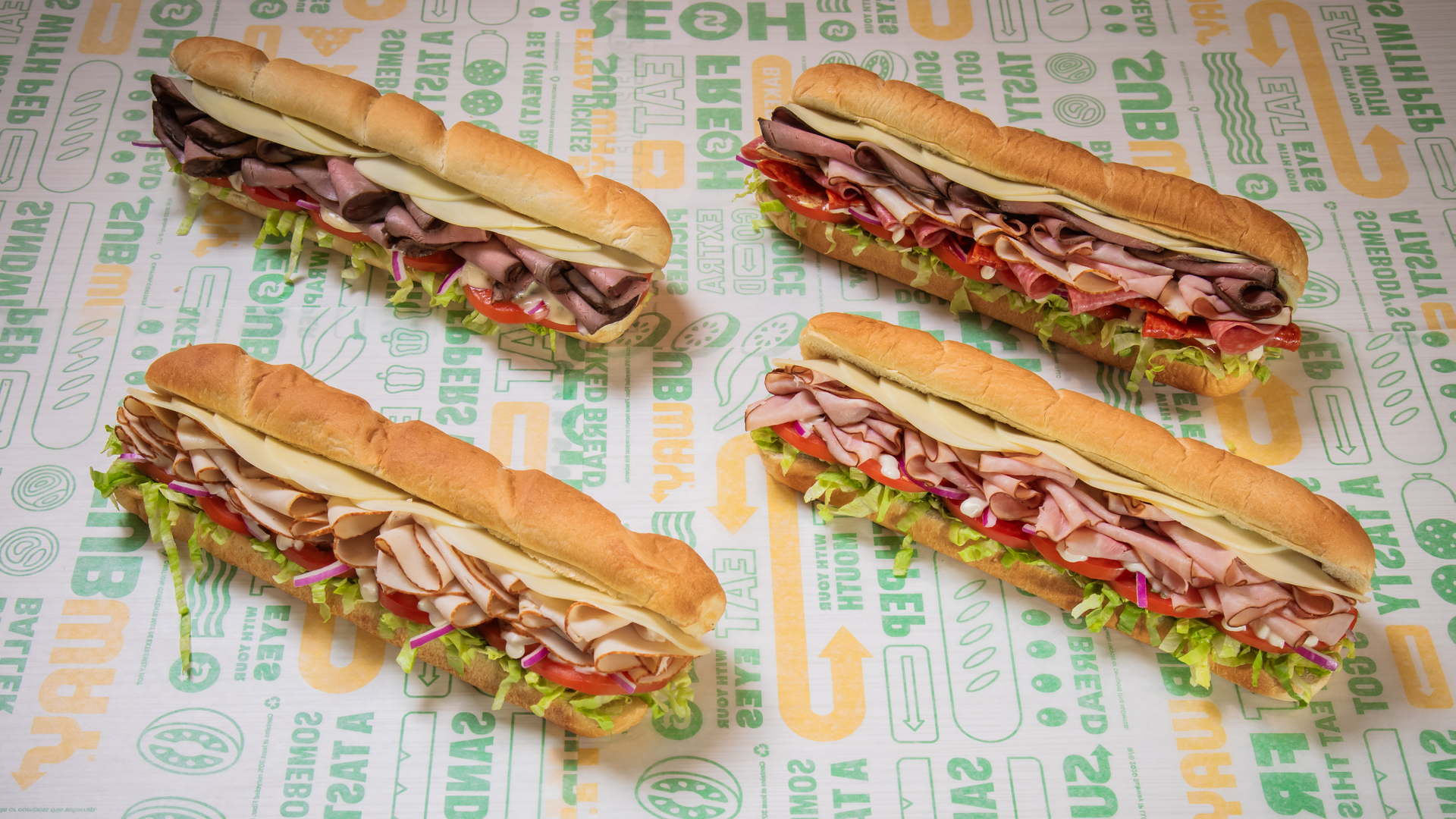
Subway says it's adding deli slicers and pushing out pre-cut meat at the company's 20,000-plus U.S. locations by mid-July.
The big picture: With the arrival of freshly sliced meats, Subway is pushing to boost sales and further compete with other chains like Jersey Mike's and Jimmy John's as it prepares for a possible sale this summer.
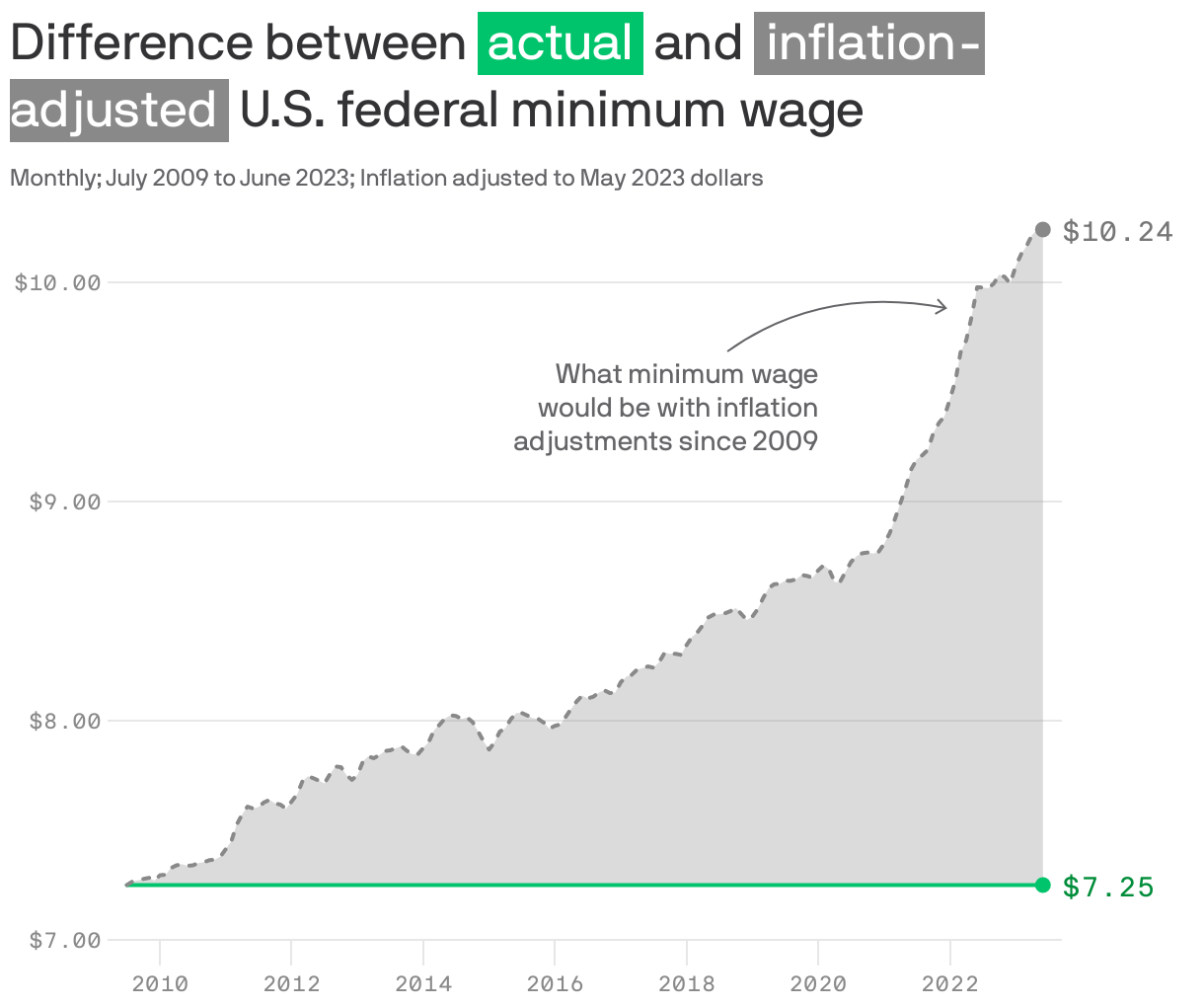
Three states and 16 localities raised their minimum wage this summer, many of them through automatic inflation adjustments, the Economic Policy Institute notes in a new report.
Why it matters: Boosting the wage floor has the downstream effect of raising pay for those who make more than the minimum — as employers have to adjust their wage ladders upward.
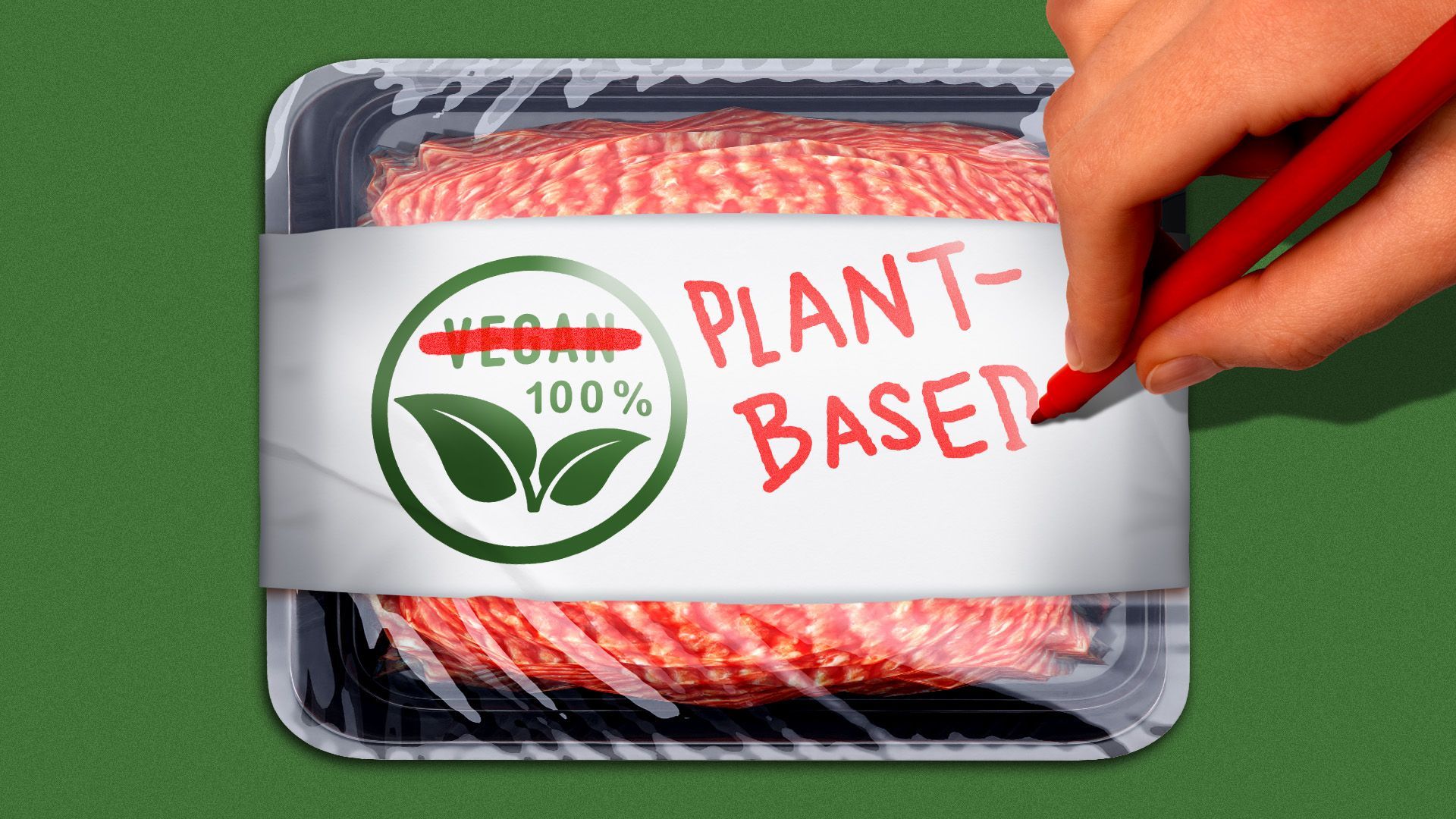
Food makers are tripping over themselves to introduce new "plant-based" products — but many are shying away from the term "vegan," which some perceive as having negative or off-putting connotations.
Why it matters: The two terms aren't always synonymous — "vegan" tends to refer to a lifestyle as well as a diet, in which all animal products, including honey, are avoided.
But the semantic differences are critically important to marketers, as demand for animal-free foodstuffs balloons.

/2023/07/05/1688593069335.gif?w=3840)