Nvidia's stock soared more than 20% after the chipmaker on Wednesday reported much better than expected quarterly results — and upped its forecast for the year, citing "surging demand."
Why it matters: Nvidia is one of the semiconductor companies considered to be at the center of the hype around artificial intelligence, which has supercharged its shares this year.
With this upcoming Memorial Day weekend projected to be the third busiest on record, travelers may want to consider the best and worst times to drive or fly.
The big picture: Those traveling can expect to see heavy traffic on roads and congestion at airports as air travel is expected to exceed pre-pandemic levels, according to AAA.
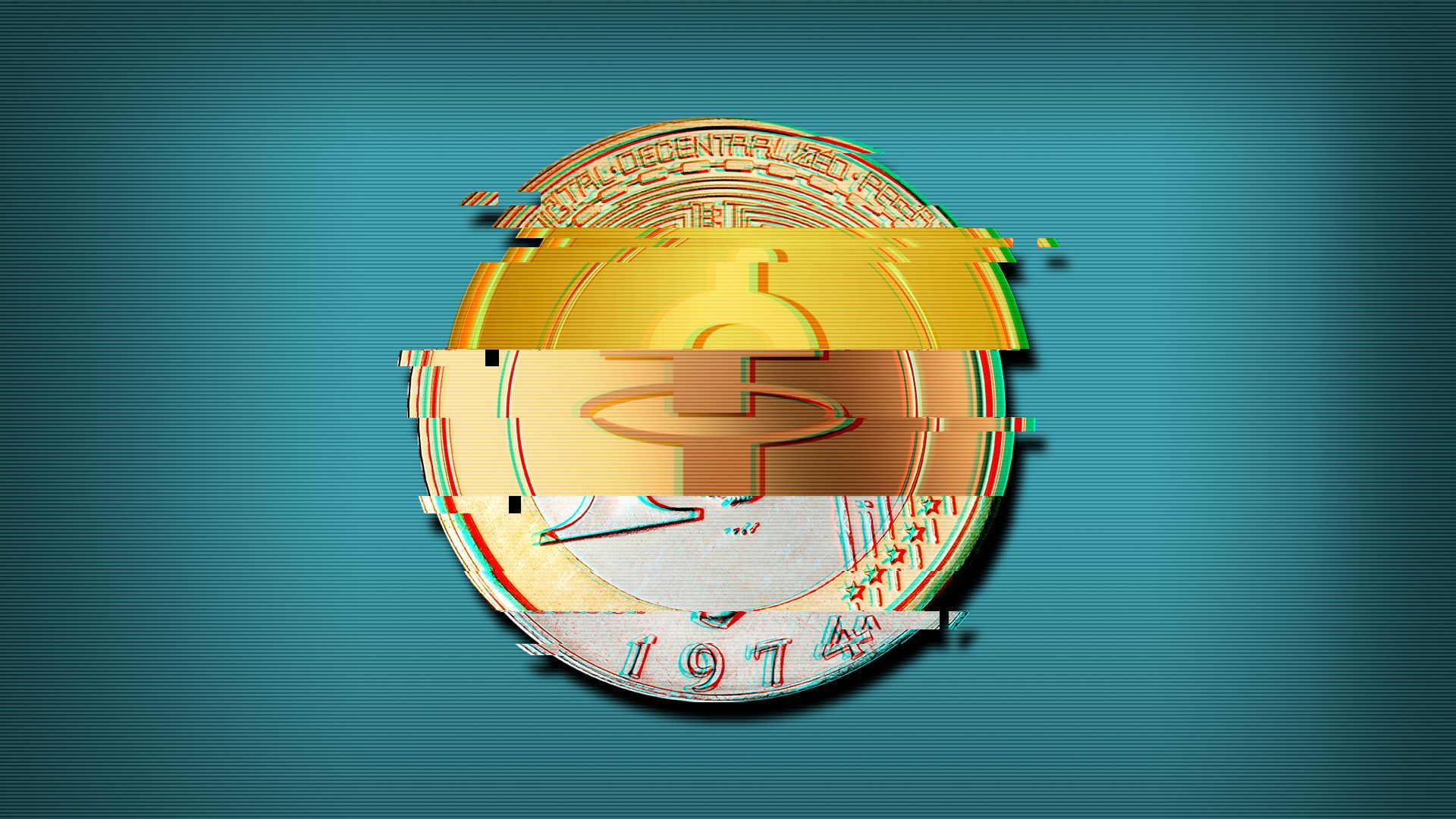
There’s some debate about whether or not stablecoins backed by dollars strengthen the dollar’s global dominance.
Why it matters: With over $117 billion in dollar value tied up in the top three stablecoins, this sector of the blockchain industry is unquestionably satisfying some kind of dollar demand, but it also ties the dollar to the most controversial and unpredictable corner of the digital economy.
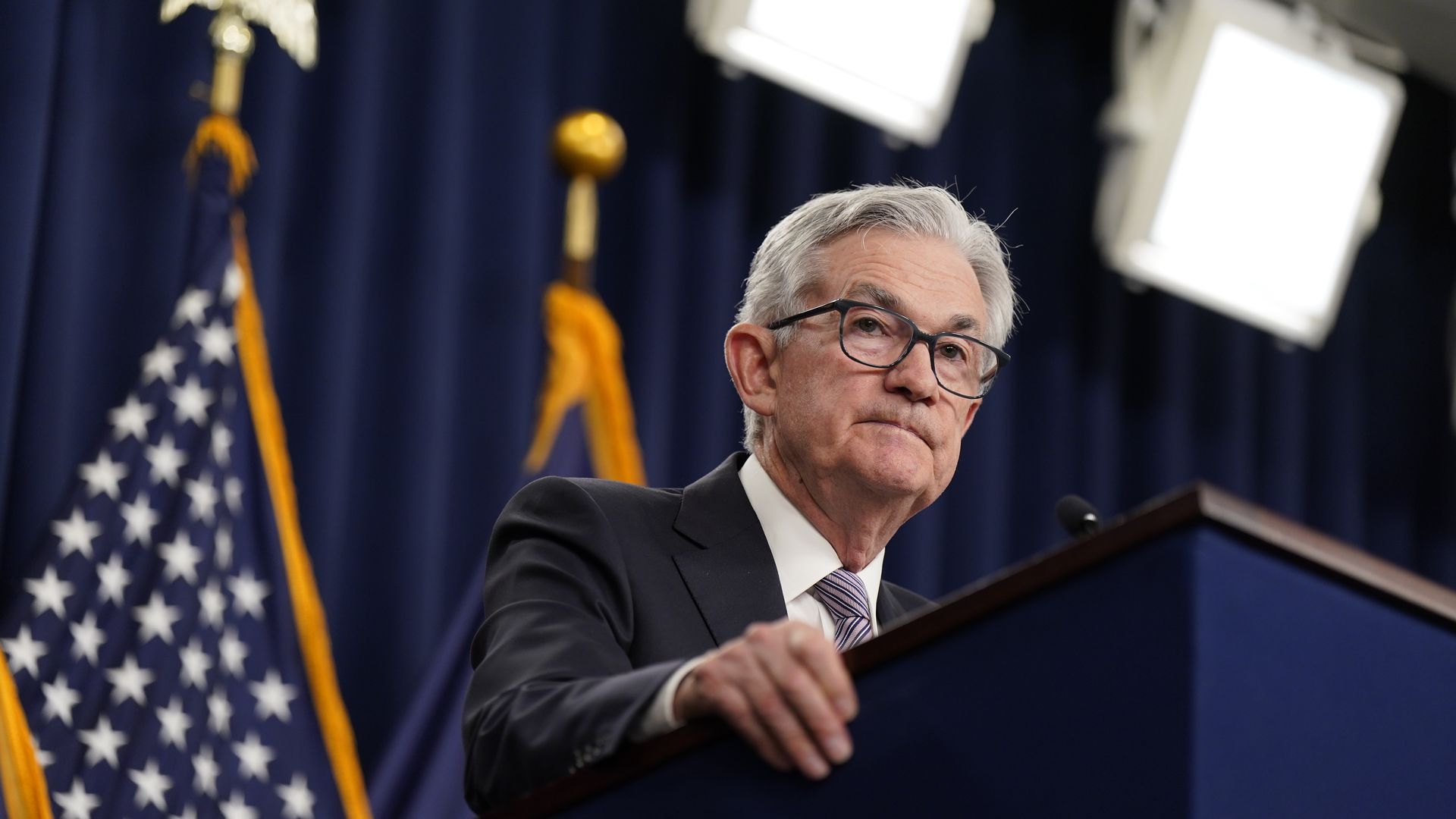
Some Federal Reserve officials did not want to signal that the central bank was definitively done with its aggressive interest rate hiking cycle at the policy meeting earlier this month, according to minutes from that May 2-3 meeting released on Wednesday.
Why it matters: The Fed this month raised rates by a quarter-percentage point and made a notable change to its policy statement that's closely tracked by economists and traders — one that suggested it may soon pause its run of hikes, even as inflation continues to run hot.
Elon Musk has displaced Rupert Murdoch and Fox News as the king of conservative media in recent weeks.
Why it matters: Fox News used to be the place where conservatives went to break news. But the right-wing ecosystem has turned on the network, leaving Twitter as the center of media gravity for the Republican Party just as the 2024 election heats up.
A lab-made opioid makes its way as chemical components from China to a shop in Latin America, where it's made into fentanyl, packaged and trafficked into the U.S. — a drug move that crypto can track.
Why it matters: Criminals use crypto as a means to operate — but that also means that law enforcement can leverage blockchain analysis to stop them.
The private equity and venture capital industries may be edging back toward the political spotlight, whether they like it or not, nearly a decade after Bain Capital founder Mitt Romney was the Republican Party's presidential nominee.
Driving the news: Virginia Gov. Glenn Youngkin, former Carlyle Group co-CEO, is reconsidering a bid for the 2024 GOP presidential nomination, Axios reports.
Activist investor Jana Partners on Wednesday launched a proxy fight at Freshpet, nominating four candidates to the pet food company's board of directors.
Why it matters: Jana is accusing Freshpet directors not only of poor management oversight, but also that they "pursued outside interests with corporate resources."
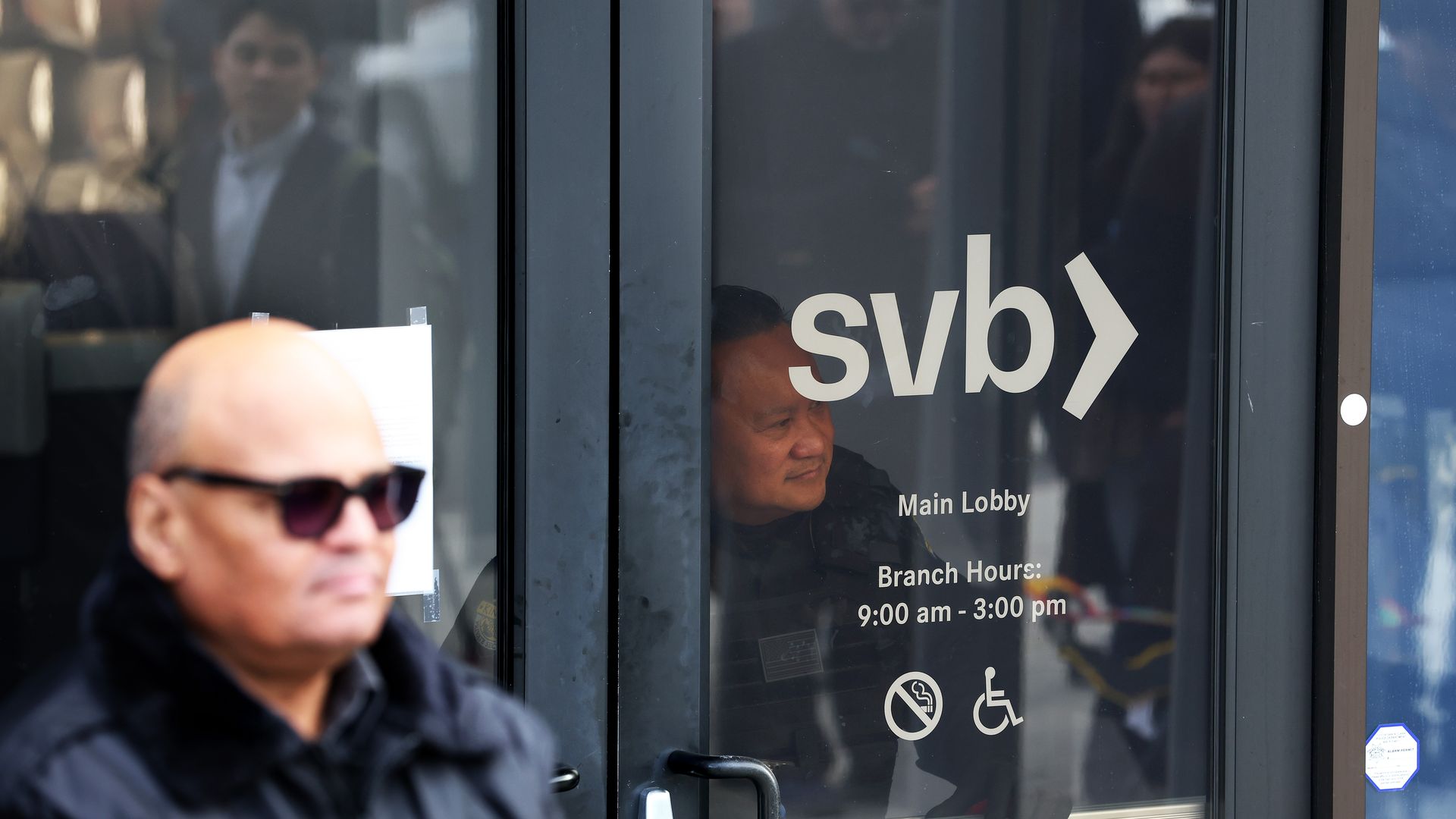
First Citizens Bancshares on Wednesday laid off nearly 500 Silicon Valley Bank employees, two months after buying the failed lender, Axios has learned from multiple sources.
Details: Almost all of the layoffs were in SVB's commercial banking business, rather than its private wealth management group.
Inflation in the UK is not where anybody wants it to be — and this time no one can blame Liz Truss.
Why it matters: The UK economy is beginning to feel the full brunt of its exit from the European Union. Disappointing inflation numbers out this morninghave driven bond yields up to crisis levels.
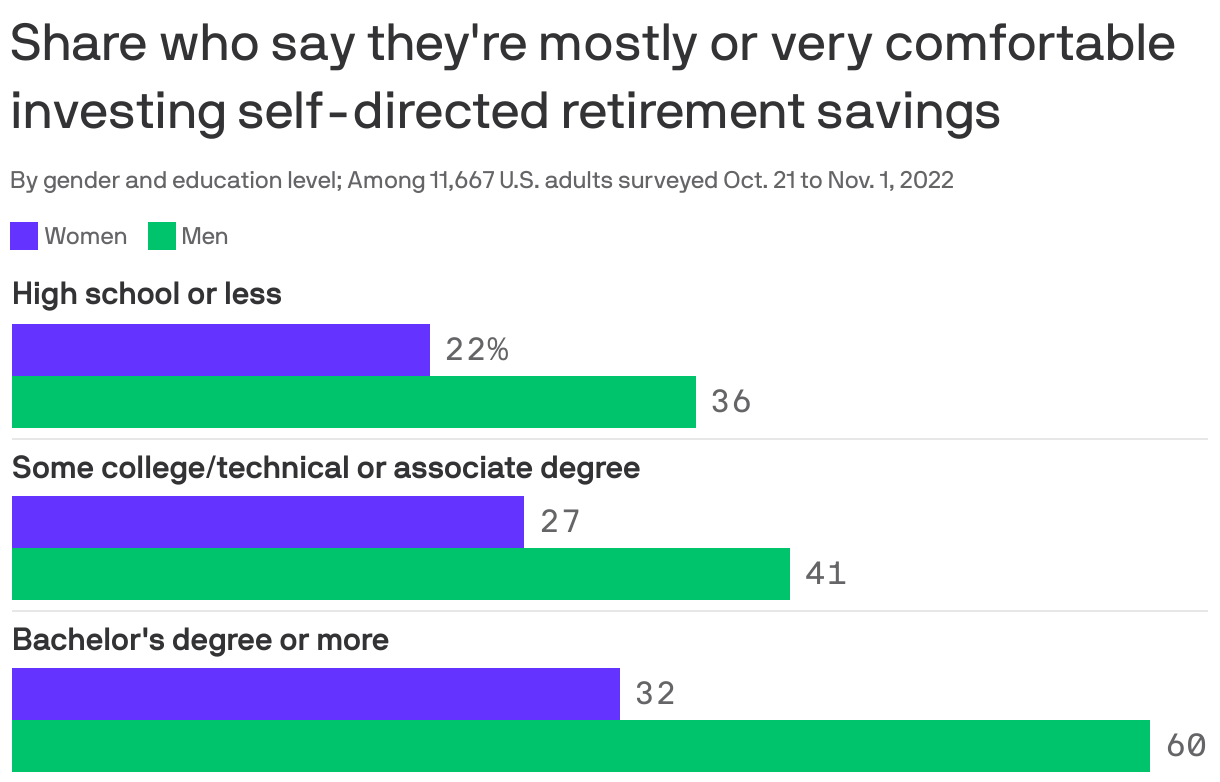
Note: Among non-retirees with self-directed retirement savings. Data: Federal Reserve; Chart: Axios Visuals
Men are far more comfortable investing their own retirement money than women, a new Fed survey shows.
Driving the news: This is across all education levels, but the gap is widest for those with a bachelor's degree or more, per the Federal Reserve's Economic Well-Being Survey.
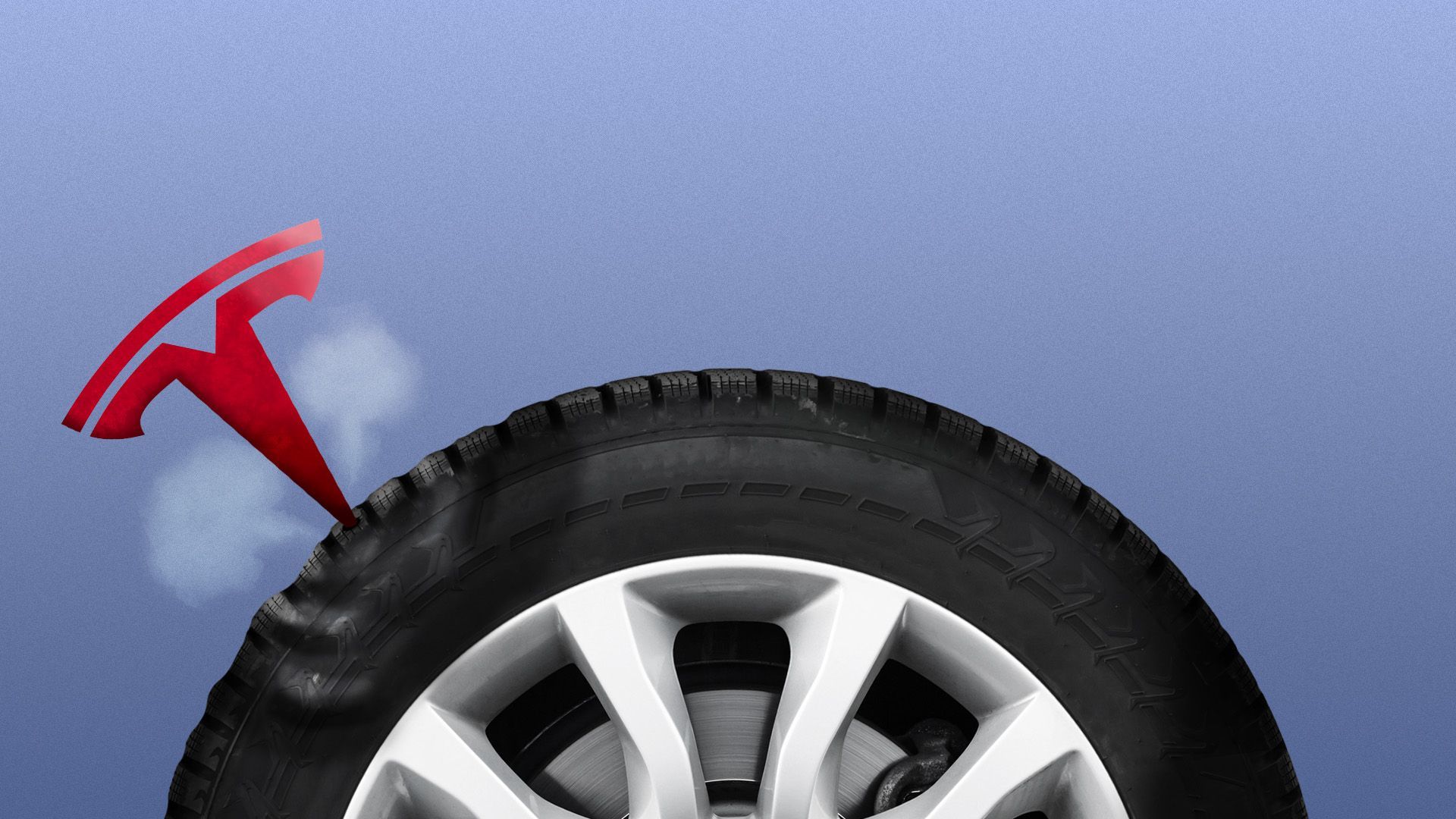
Tesla Motors' brand reputation dipped over the last year as CEO Elon Musk made headlines for a range of controversies, new Axios Harris Poll 100 survey results show.
Why it matters: The world's leading electric vehicle (EV) company is defined by its billionaire CEO, whose messy takeover of Twitter, along with his unfiltered online persona, may have caused collateral damage to other parts of his empire.
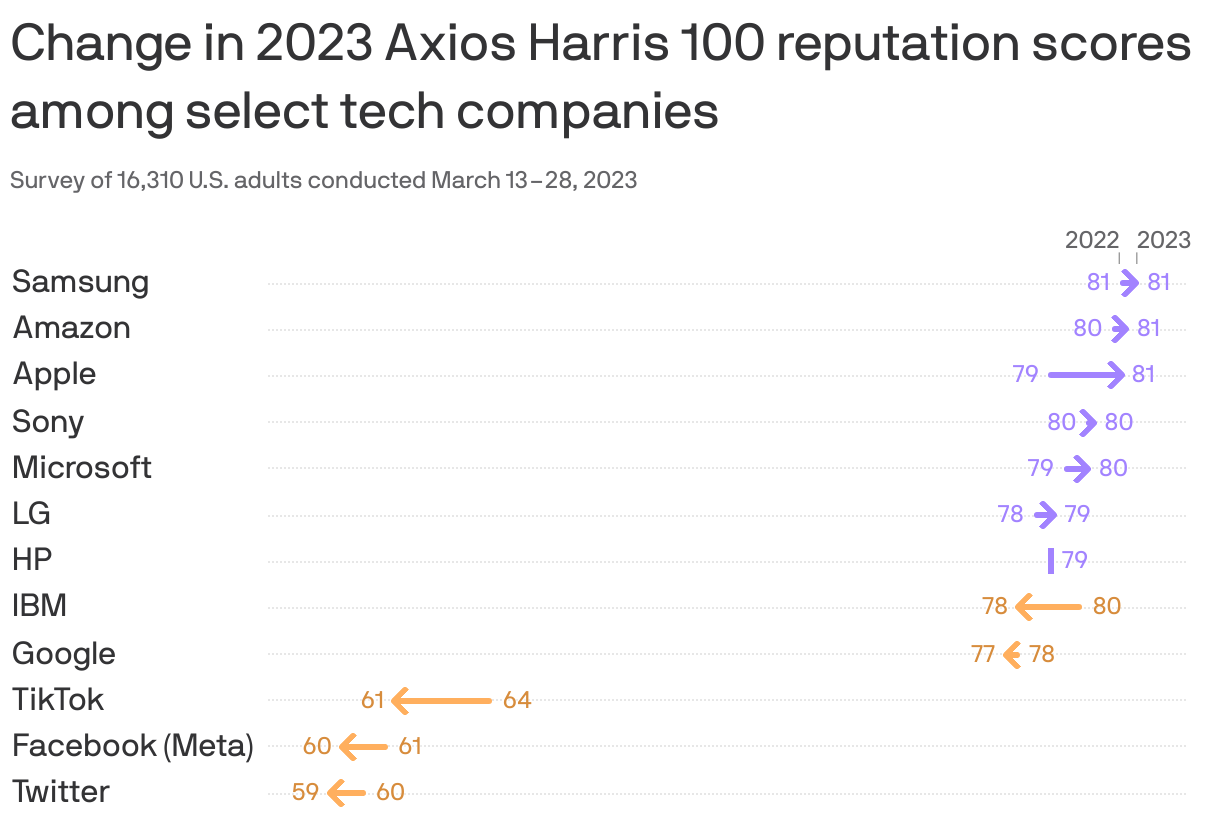
Large tech companies crowd both ends of the rankings in this year's Axios Harris Poll 100 brand reputation survey, with those that provide tangible products and useful services clustered near the top and those that trade in social-media messages banished to the bottom.
Consumers are seeking significant value from companies they shop from — in more ways than one.
Why it matters: Affordability alone isn't improving Americans' affinity for a brand amid sustained levels of high inflation, according to findings from this year's Axios Harris Poll 100 brand reputation survey.
Shoppers have also become increasingly discerning of reliability and consistent authenticity.
State of play: Americans are juggling a "skimp and splurge" budget strategy, in order to pocket life's necessities and must-haves, results from the poll suggest.
Costco's Reputational Quotient (RQ®) score jumped 5% from last year, propelling the big box retailer to the No. 2 spot in this year's poll — up from 26th place last year.
Patagonia's score saw a gain of 2%, and a jump to first place from third place.
And while Aldi benefitted from consumers trading down to store brand items, "cheapness" dragged down the reputation of other merchants like Walmart, Shein, Dollar Tree and Family Dollar.
Between the lines: Perceptions of e-commerce giant Shein likely took a hit from allegations about its business practices, the study suggests.
Walmart's reputation, specifically, has struggled to recover from decades-long labor problems, John Gerzema, CEO of The Harris Poll, told Axios.
In contrast, Patagonia and Costco were the top companies in terms of trust and ethics.
By the numbers: A majority of Americans polled (59%) now say, “I care more about the values of the companies I interact with today more than ever before.”
Consumers are more likely to forgive a company if it provided poor service (50%) and passed along inflation through higher prices (41%) than if they operated unethically (35%); polluted the environment (38%), or were guilty of "greenwashing" (39%).
What they're saying: "Consumers are smart ... they know [when] there's virtue signaling," Gerzema said, which can backfire if companies try to appease multiple political viewpoints.
"They're getting burned because they're being seen as not really being sincere."
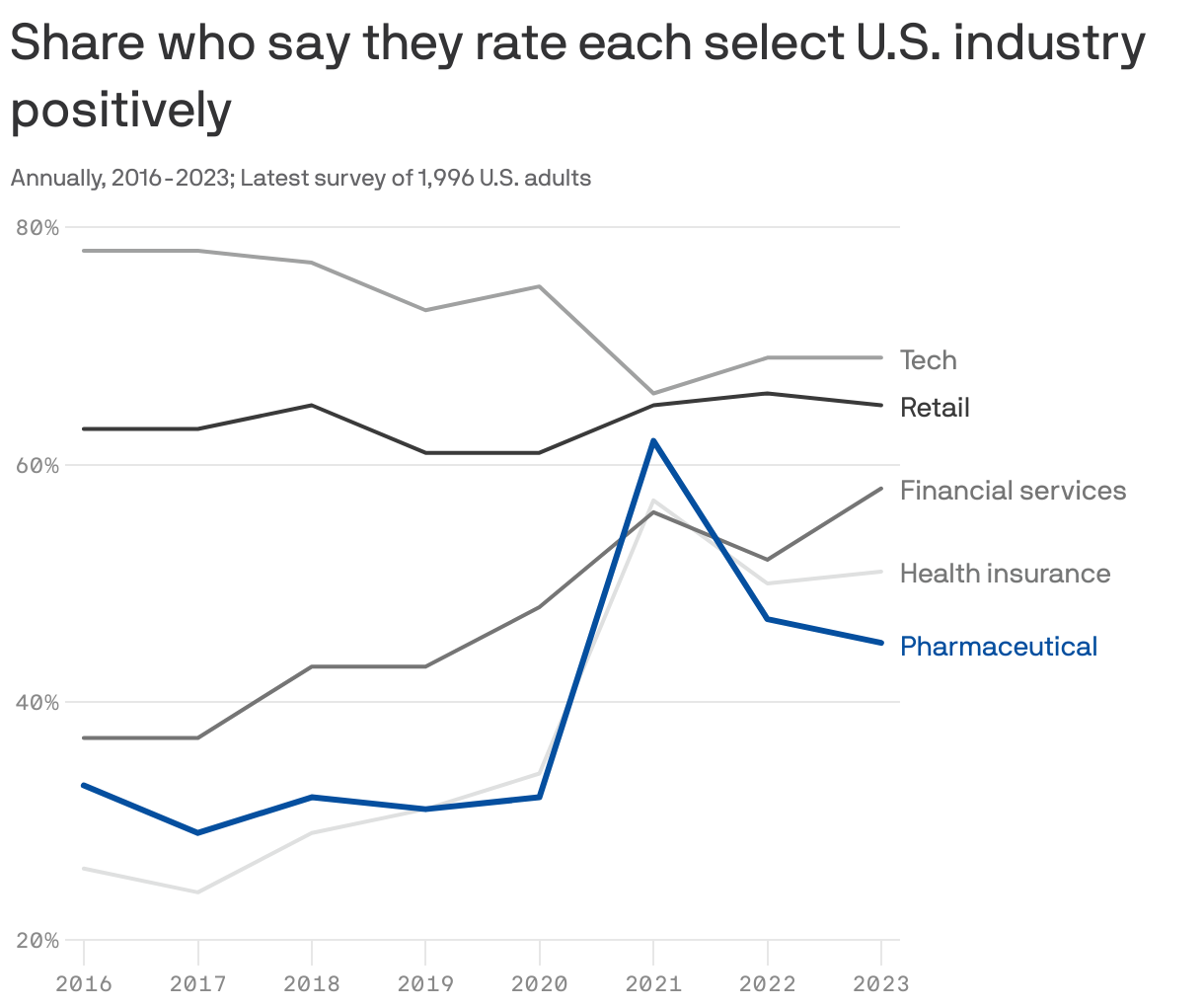
The big picture: Overall, companies that make real, tangible products matter more to consumers now than those providing digital services, the poll results show.
That may be in part because Americans have also grown wary and weary of big ideas like crypto, that have failed to deliver.
Why it matters: The crisis put drugmakers, insurers and other health sector players at the top of most everyone's mind. Now, Americans have shifted their focus to companies that offer more tangible services.