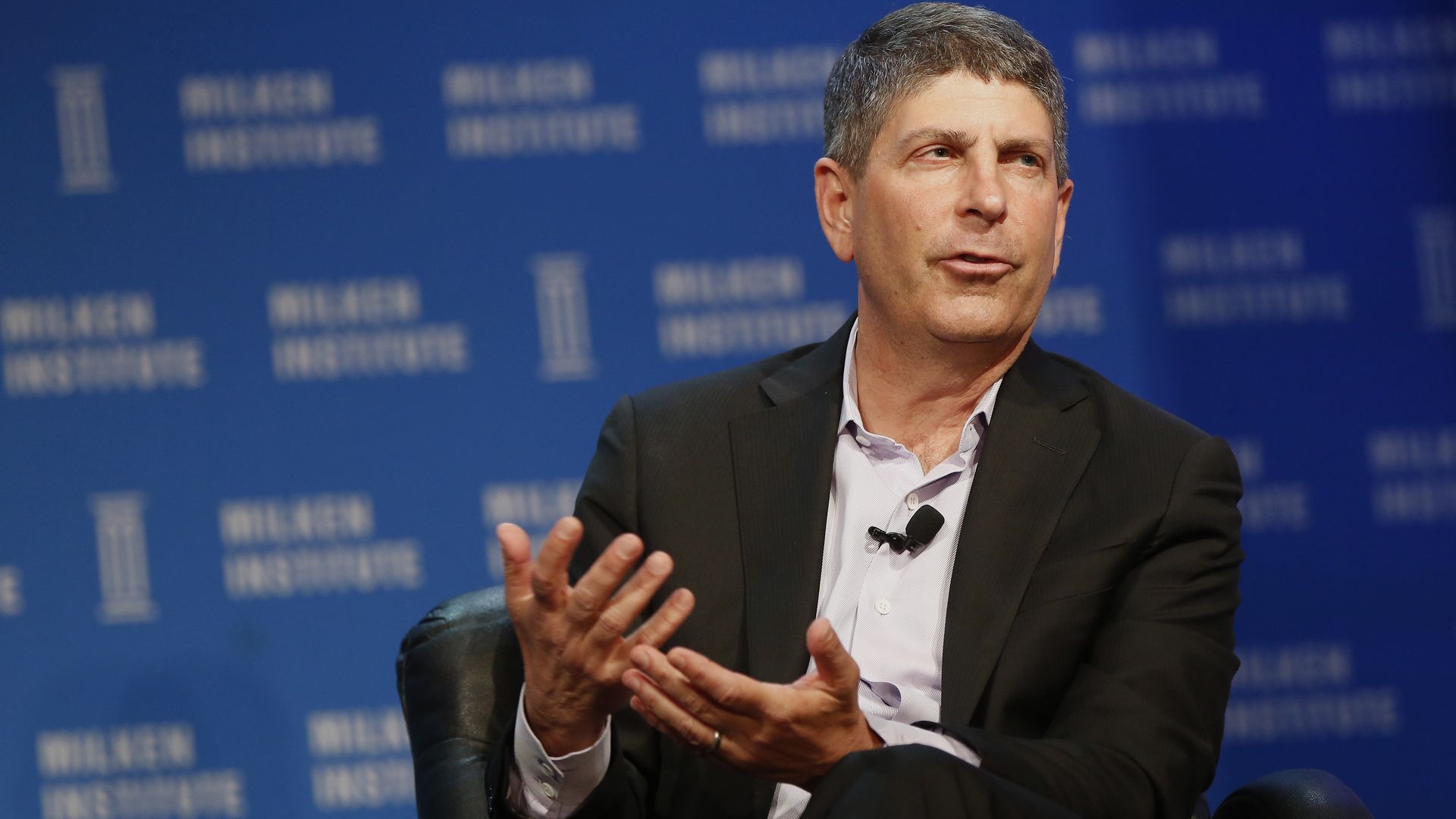
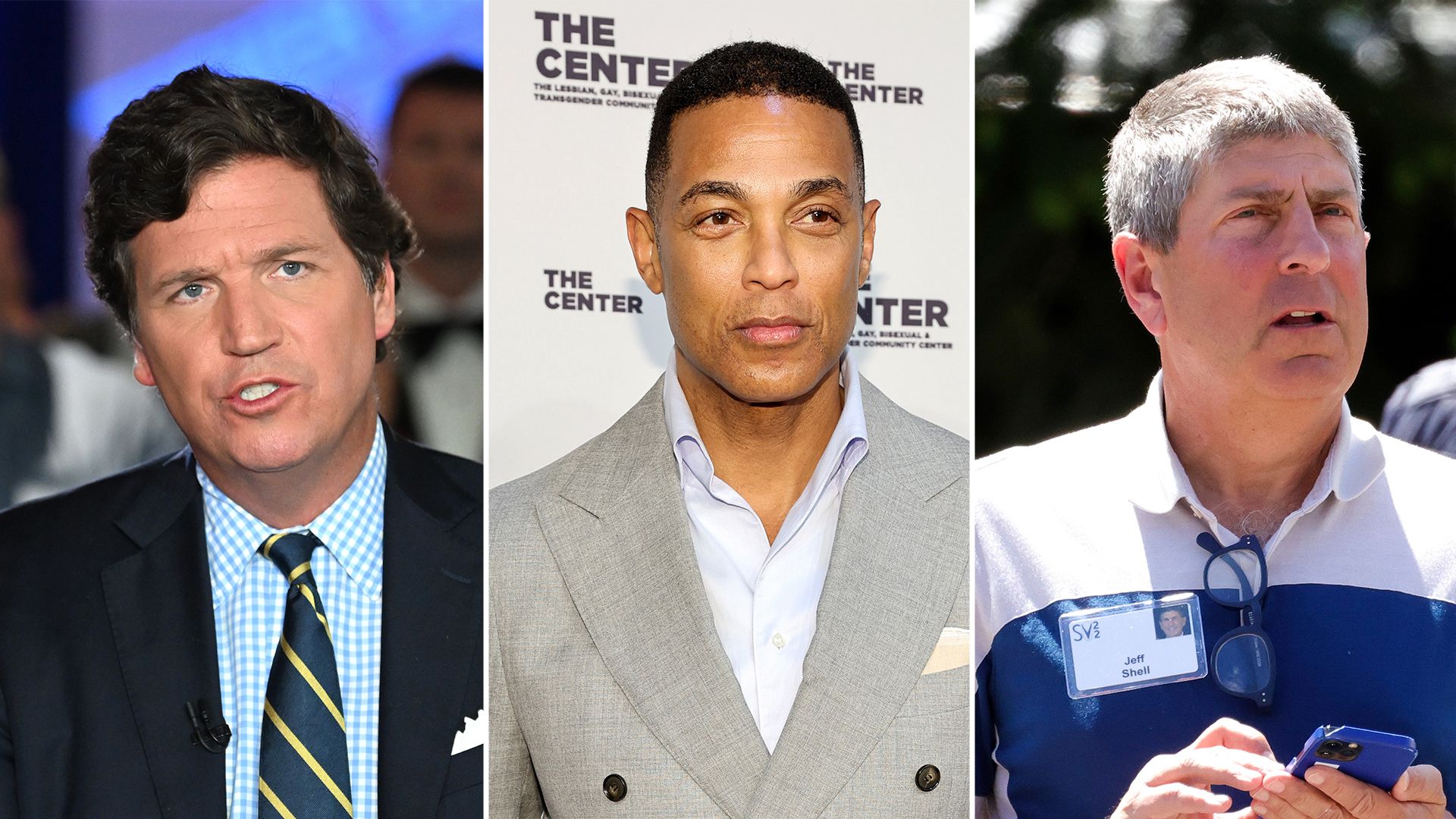
Jeff Shell, the former CEO of NBCUniversal who was fired Sunday after admitting to an "inappropriate relationship with a woman in the company," was being investigated for a relationship with CNBC senior international correspondent Hadley Gamble, multiple outlets reported citing Gamble's lawyer.
Why it matters: The lawyer told outlets includingThe Wall Street Journal that she filed a sexual harassment and sex discrimination complaint at the company against Shell.
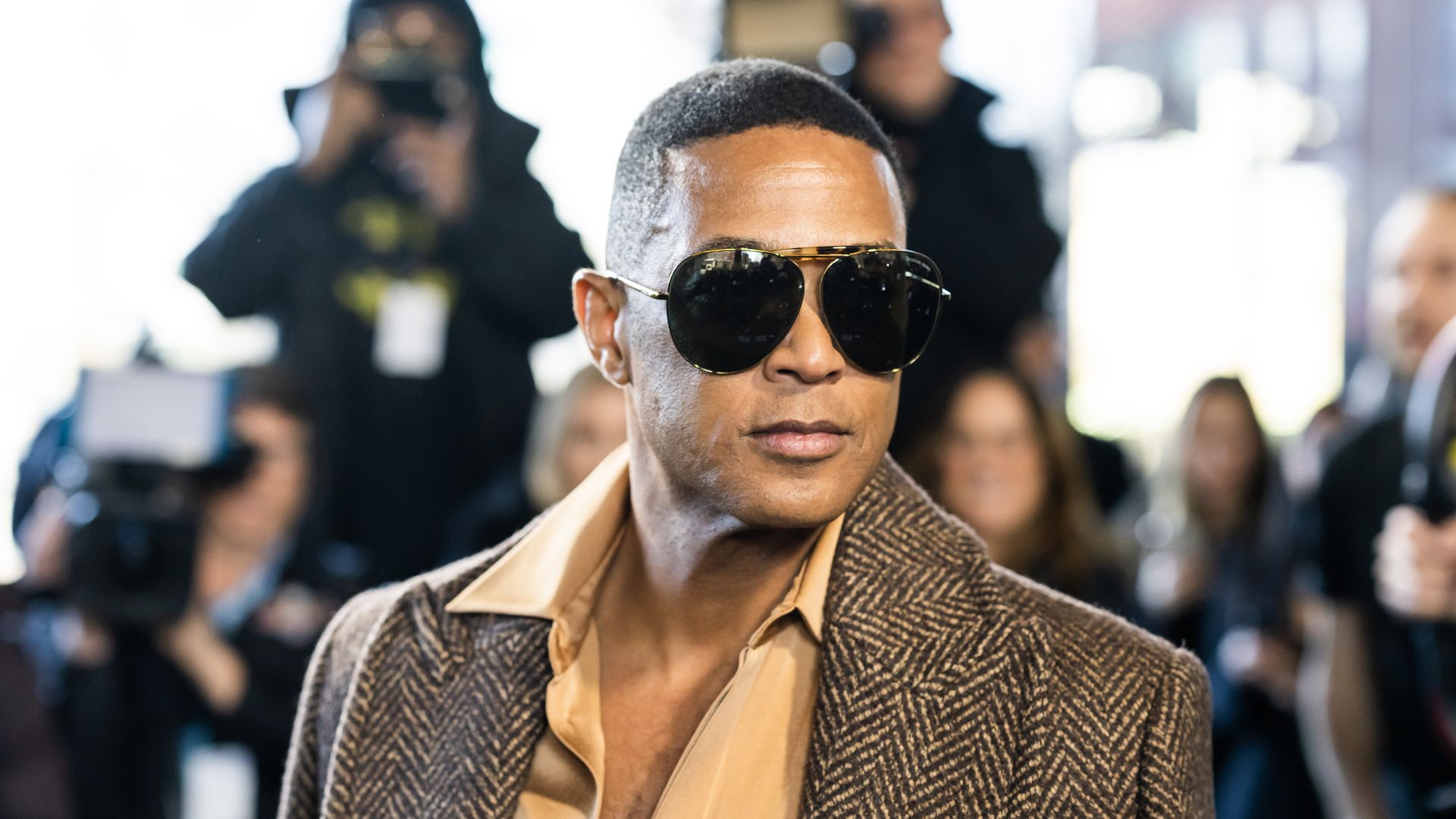
Don Lemon has been fired from CNN, the former morning news show anchor said in a Twitter post on Monday.
Why it matters: Lemon was one of CNN's most popular primetime anchors before new leadership moved him to co-host the network's new morning show. A set of on-air blunders, and reports that Lemon struggled to get along with his co-hosts, put the show's drama in the spotlight.
The riptide of client money out of First Republic was even stronger than analysts expected.
Driving the news: The San Francisco-based lender, which was battered by the collapse in confidence that followed Silicon Valley Bank's failure, reported that its deposits plunged by nearly $72 billion during the quarter that ended in March.
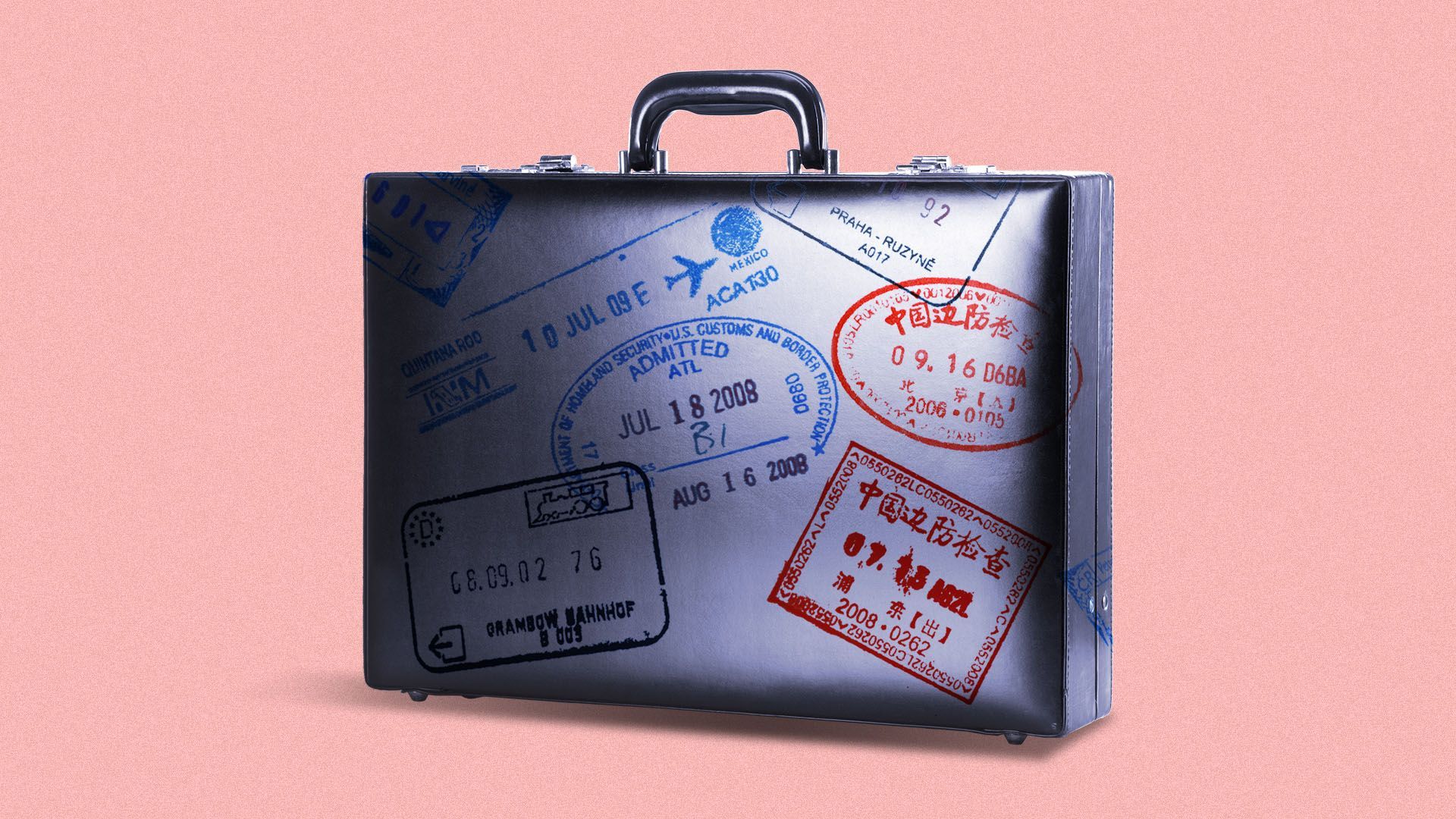
If you haven't already submitted your passport application or renewal for summer travel, you could be out of luck and money.
The big picture: Surging international travel demand has created a backlog of passport applications with increased processing times of up to three months not counting shipping time, the State Department has warned.
Not even Sonic the Hedgehog can outrun the wave of unionization sweeping across the games industry.
Driving the news: Workers from Sega of America announced today that they plan to unionize and have filed for an election with the National Labor Relations Board.
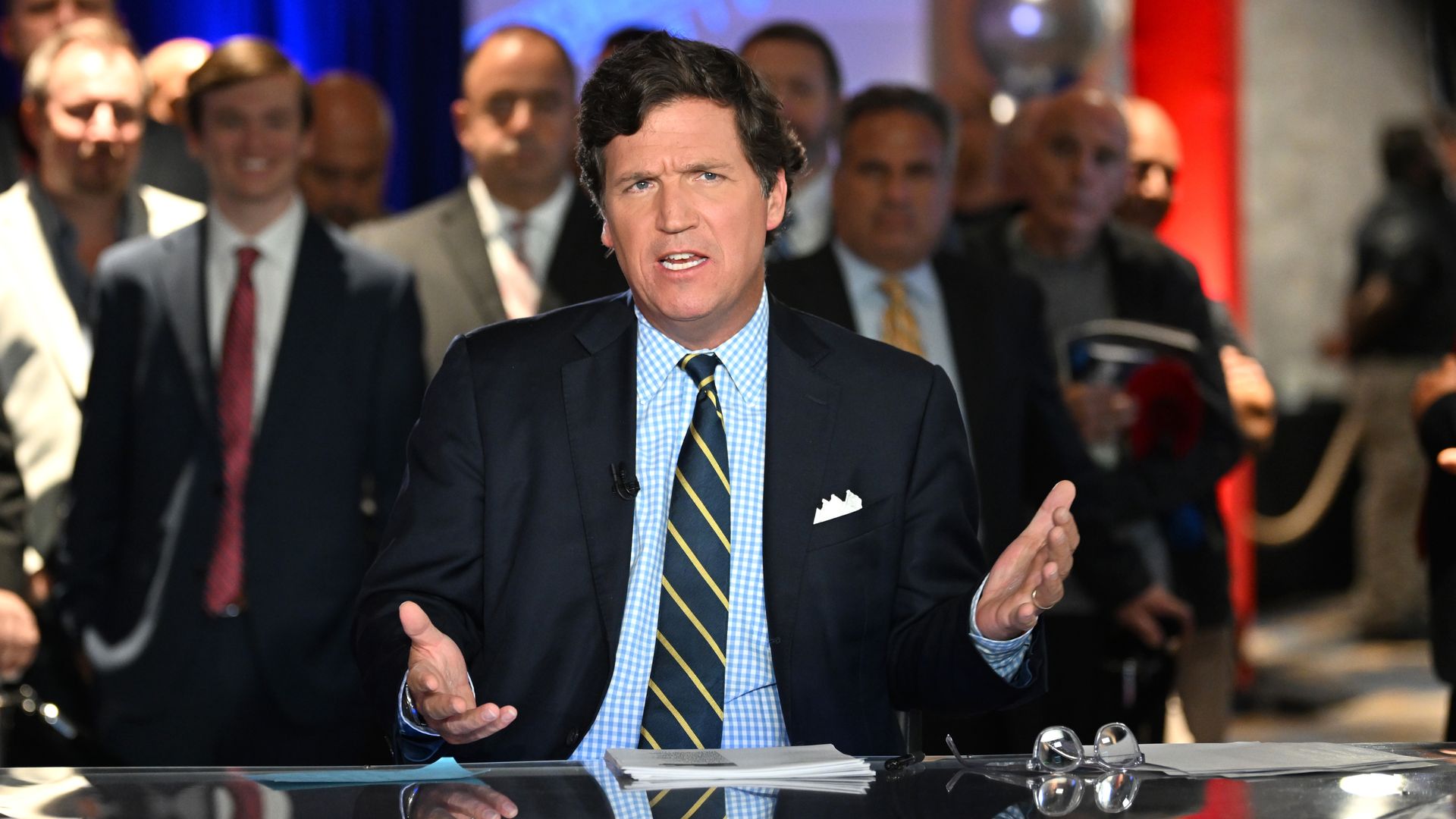
A slew of shocking media firings, all occurring in less than 24 hours for different reasons, has thrown the cable news industry into a tailspin.
Why it matters: Cable news is already under extraordinary pressure to survive. But the drama engulfing some of the industry's top personnel is putting a spotlight on how chaotic the industry has become.
For months, central bankers around the world — including those at the Fed — feared that rising wages would be a big problem for inflation.
For now, that doesn't appear to be the case.
Why it matters: Inflation is still much too high. But economists say rising pay for workers is not the primary factor fueling price increases at the moment.
Silicon Valley Bank was systemically important. When SVB failed, Signature Bank — a New York regional bank known mainly for lending to Broadway, and which came unstuck in crypto — turned out to be systemically important, too. If they were important, who isn't?
Why it matters: The Financial Stability Oversight Council, the top body overseeing the strength and resilience of the financial system, last week released "a new proposed analytic framework for financial stability risks."
Boston-based cybersecurity "unicorn" Cybereason earlier this month announced $100 million in new funding from existing investor SoftBank.
What it didn't mention was that the new Series G shares were sold at more than a 90% discount to Cybereason's prior round in mid-2021, when it was valued at around $2.7 billion, according to a Delaware stock authorization form first noticed by Nasdaq Private Market.
Nestlé announced a joint venture with private equity firm PAI Partners to house its European frozen pizza business, which generates nearly $350 million in annual sales.
Why it matters: The deal lets Nestlé push a low-growth business off its balance sheet, while also acceding to some shareholder demands that its product portfolio become healthier.
Frontier-market countries owe billions in debt payments over the next few years.
Why it matters: The backdrop for sovereign debt restructurings is increasingly fraught. And the ranks of those in need of restructuring could grow if any of these countries can't make their upcoming payments.
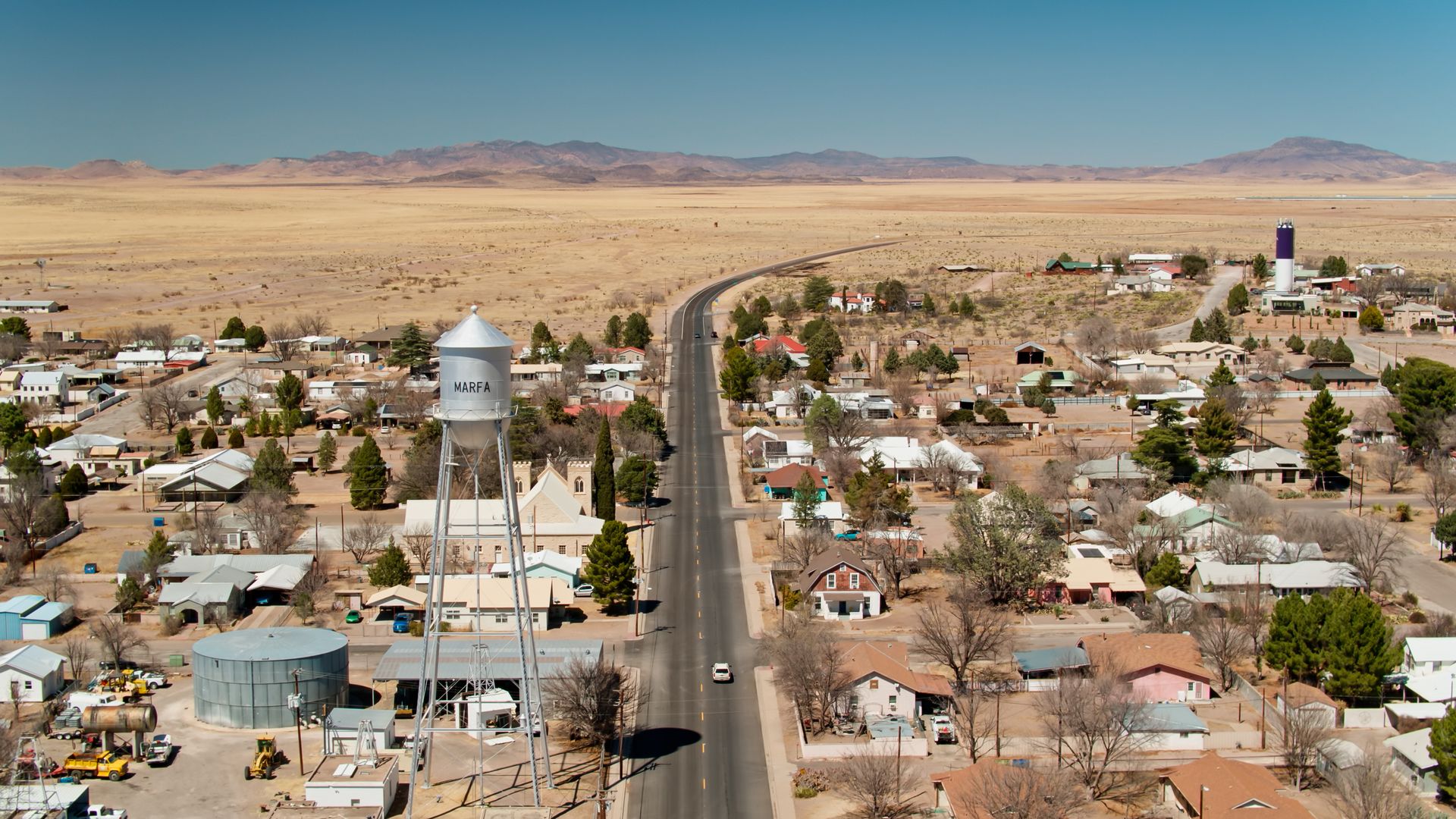
Marfa, Texas — set amid the vast Chihuahuan Desert, 90 miles from a Walmart and 60 miles from the Mexico border — paints an unusual rural American scene.
Its main streets feature art galleries and highly curated boutiques. You can find $400 dresses, $12 artisanal soaps, $4 lattes and a $125 prix-fixe menu.
Which came first, the tweets or the bank run? A new paper finds evidence that tweets — particularly from those in the startup community— exacerbated the run on Silicon Valley Bank last month.
Why it matters: Social media-fueled bank runs — SVB's collapse was the first — are a new risk to the financial system, and regulators don't know yet how to manage them. Research like this helps us understand the phenomenon.
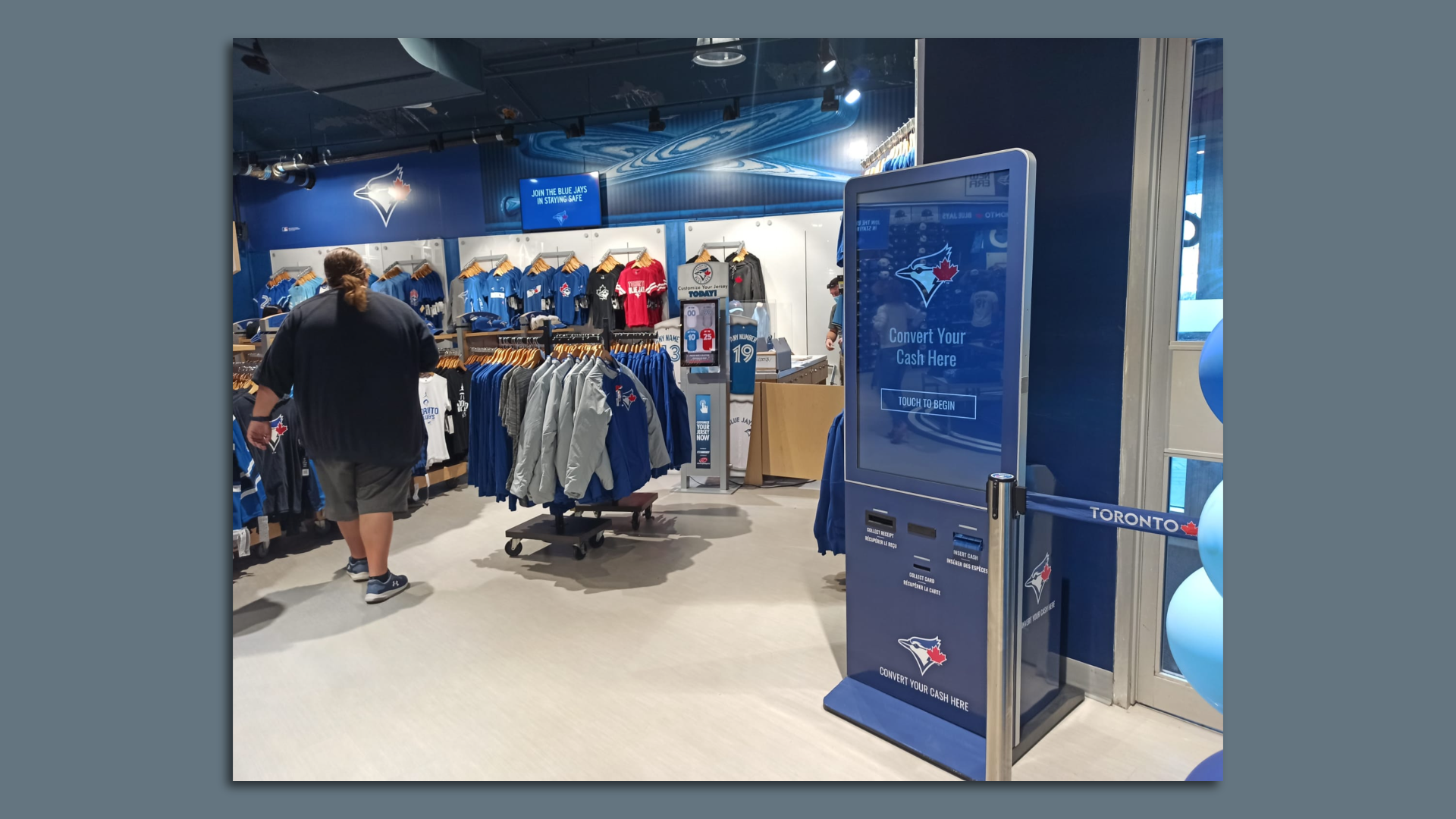
As stores and restaurants attempt to go cashless, they're installing "reverse ATMs" that dispense stored-value cards in exchange for greenbacks.
Why it matters: More businesses are eschewing cash — a trend accelerated by the pandemic — but states and cities are passing laws banning them from doing so, in deference to people who don't have bank accounts or credit cards.