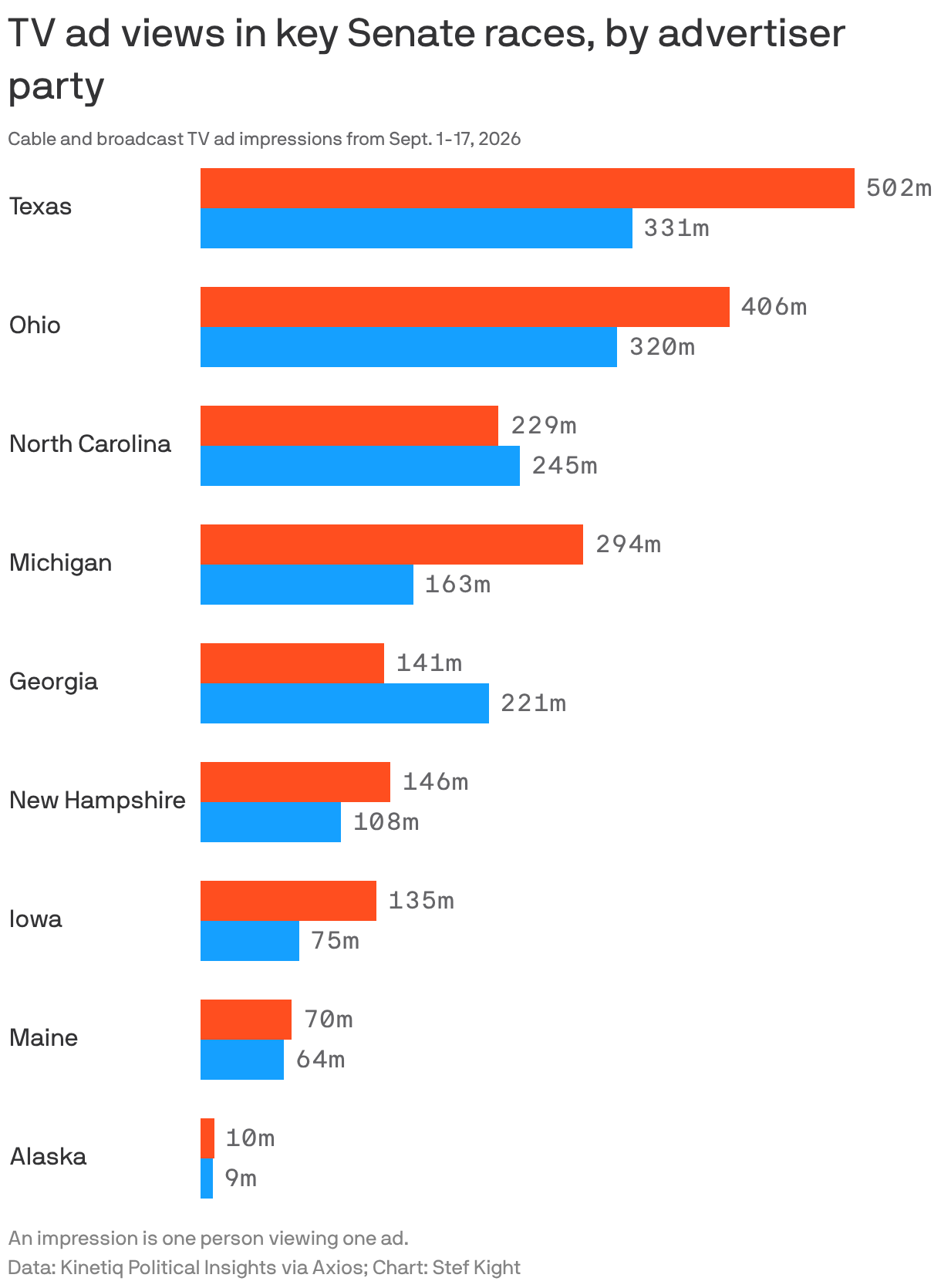
Republicans are starting to trounce Democrats in political spending across the Senate map, and that advantage is now showing up in one of the metrics campaigns care about most: impressions.
Why it matters: Money matters in a campaign's closing weeks, but what campaigns are ultimately buying is voters' attention — and the price varies, depending on who is buying and when they place their ads.
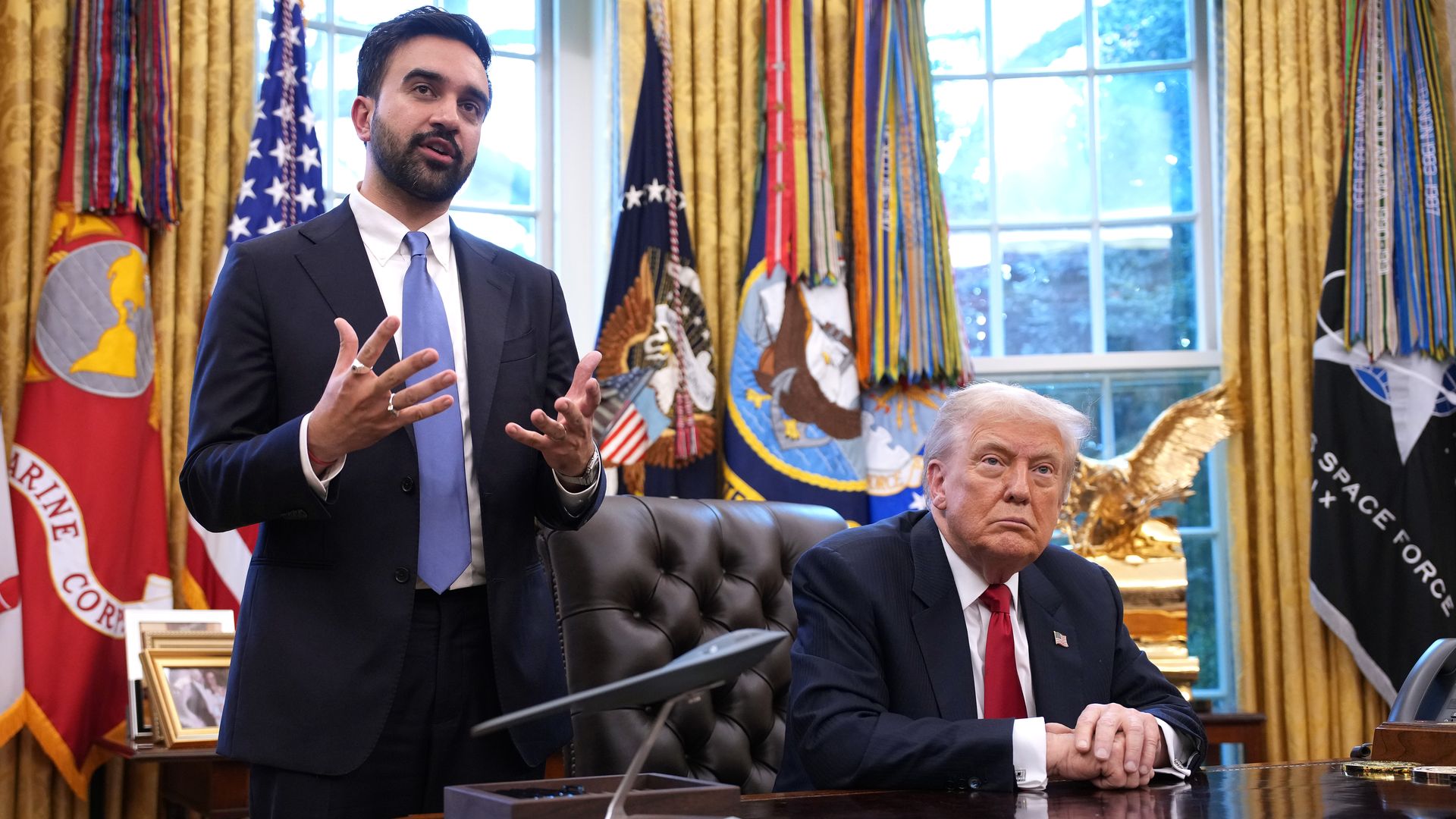
President Trump and New York Mayor Zohran Mamdani struck a warm tone Monday during their third in-person meeting and agreed to deepen talks over a major housing project in Queens.
Why it matters: The friendly encounter showed Trump and Mamdani's unusual personal rapport has endured despite their recent political clashes — and fresh disagreements on display Monday.
The agentic shopping revolution is already running into a major roadblock: tension over who controls the experience and the related data.
Why it matters: A conflict between Amazon and Meta suggests that AI-powered shopping could become a high-stakes battleground for retailers as a wave of consumer AI assistants promise to simplify every aspect of users' lives.
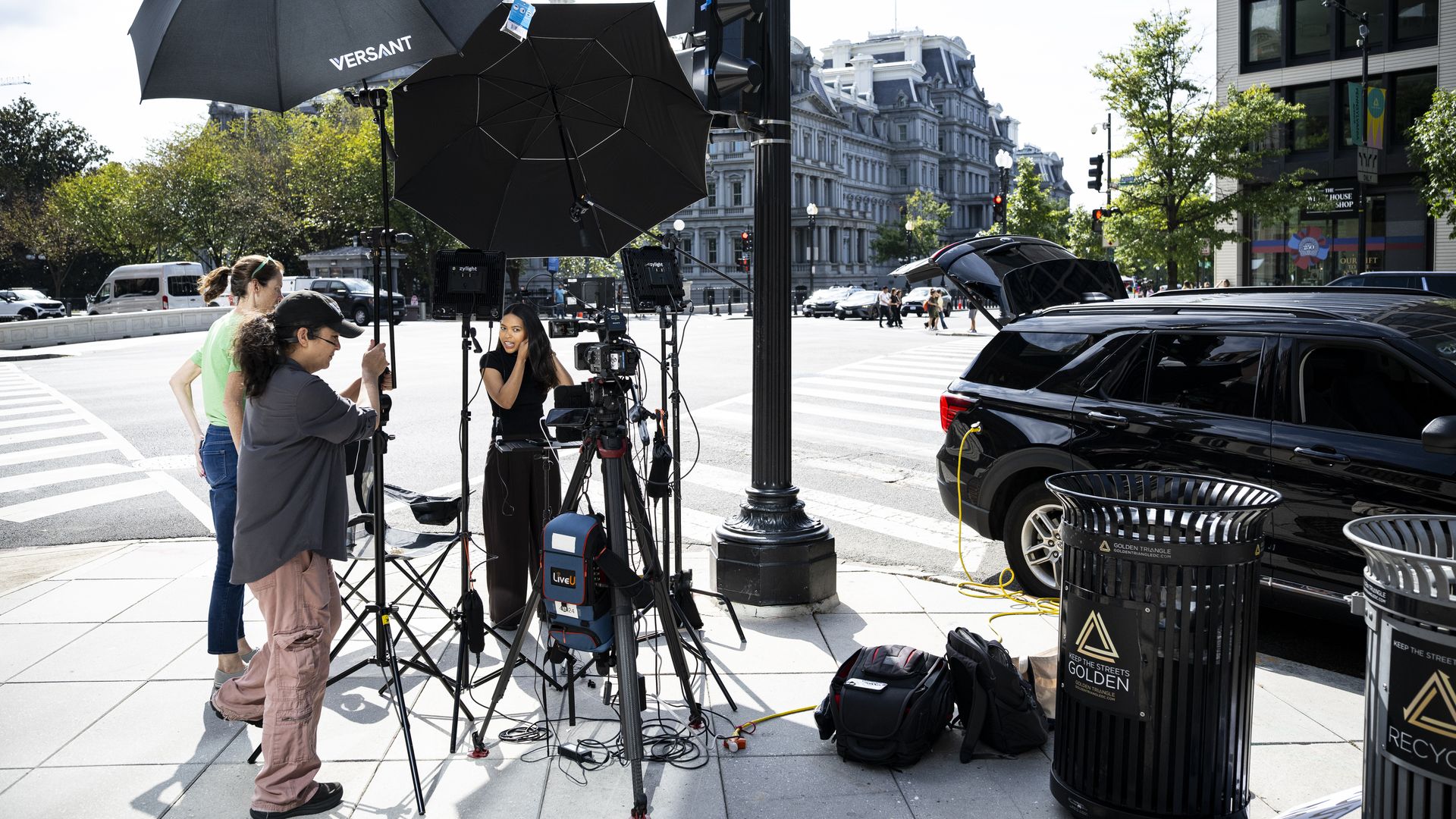
The five major TV networks that rotate responsibility for pooled video coverage of President Trump issued a unified statement Monday in solidarity with the outlets he banned from White House grounds.
Why it matters: By backing CNN, MS NOW and Politico, the TV giants signaled they are willing to use their combined leverage to pressure the White House into reinstating access.
CNN, MS NOW, and Politico on Monday filed a First Amendment lawsuit against the White House, arguing the president and the administration violated their rights by blocking their access over the weekend.
Why it matters: Many presidents have had a contentious relationship with certain outlets, but none have gone so far as to unilaterally block them.
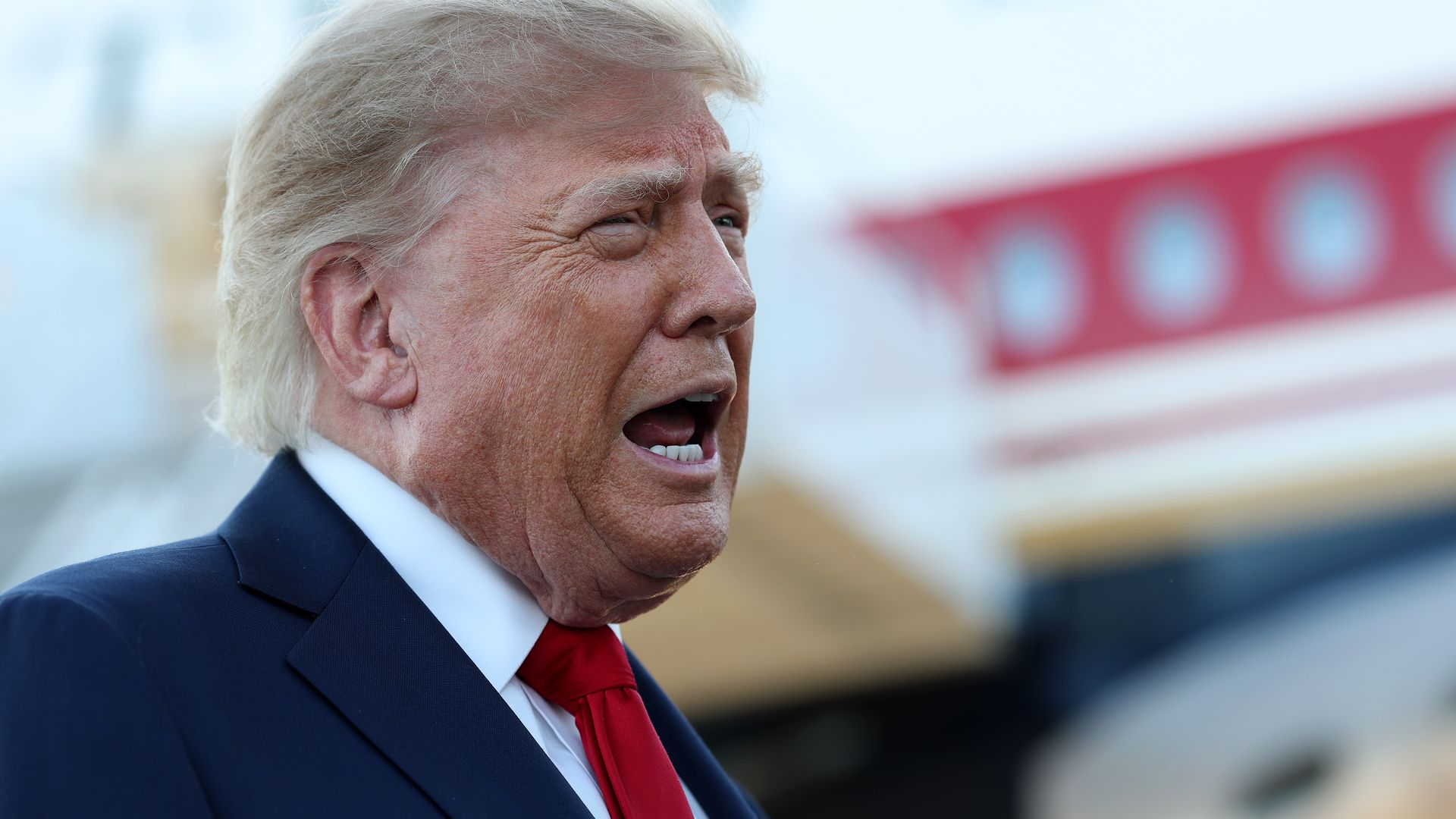
President Trump was inaudible during a press conference Monday after the TV pool suspended coverage, with White House-provided video carrying no usable audio of his remarks.
Why it matters: It's a remarkable and immediate ramification of Trump's attempt to limit pool access.
Paramount Skydance agreed to a highly anticipated settlement with 12 state attorneys general that sued to block its $110 billion acquisition of Warner Bros. Discovery, the company confirmed in a filing Monday.
Why it matters: The settlement clears the path for the creation of one of the biggest TV and movie behemoths in the world and ends what has been one of the most expensive, drawn-out and dramatic merger fights in U.S. history.
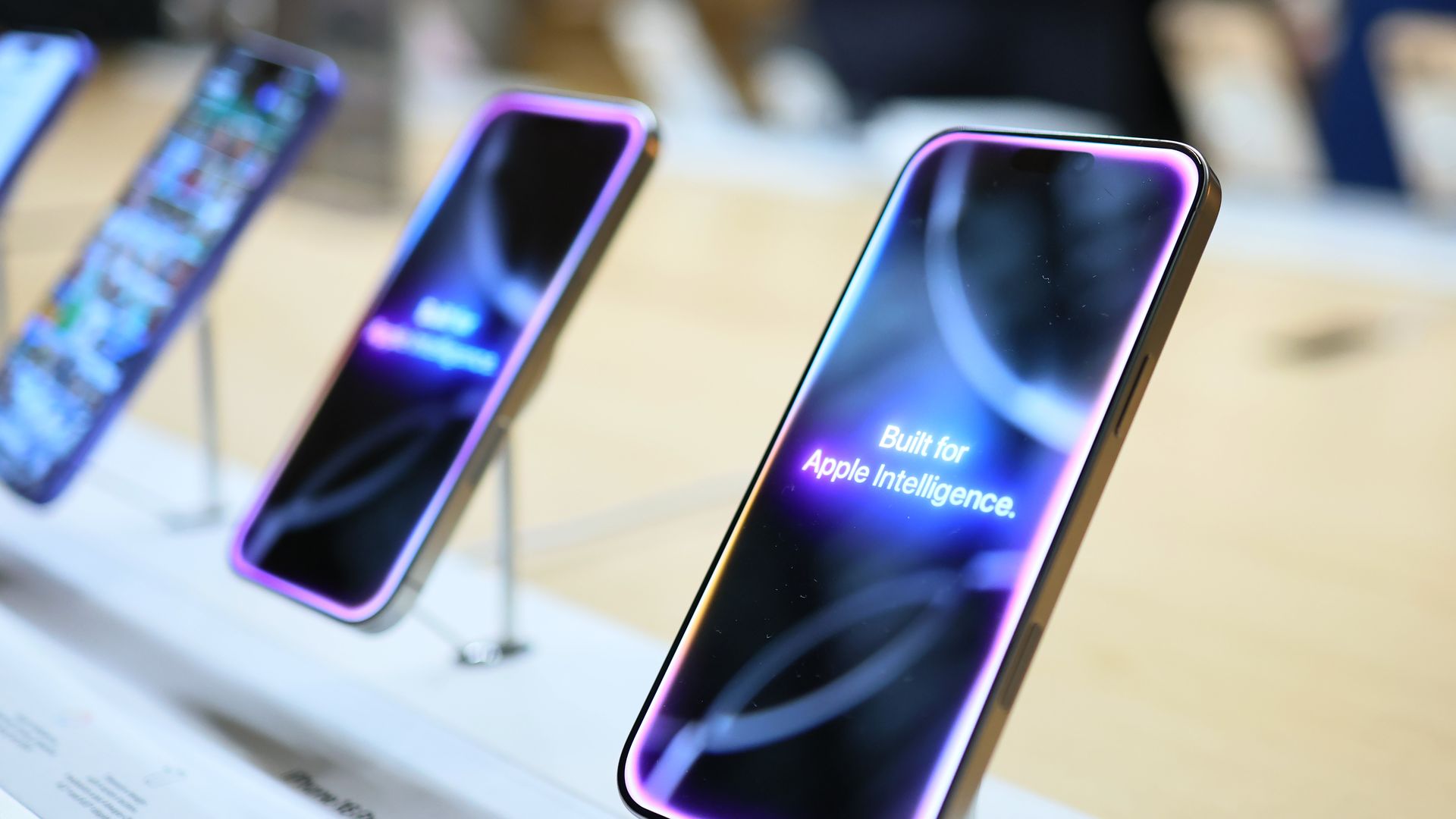
Apple customers can now file claims in a massive class-action settlement over Siri's delayed AI rollout.
Why it matters: Apple's struggles to deliver some of the AI features it promoted for its newest iPhones could now mean cash payments for millions of customers.
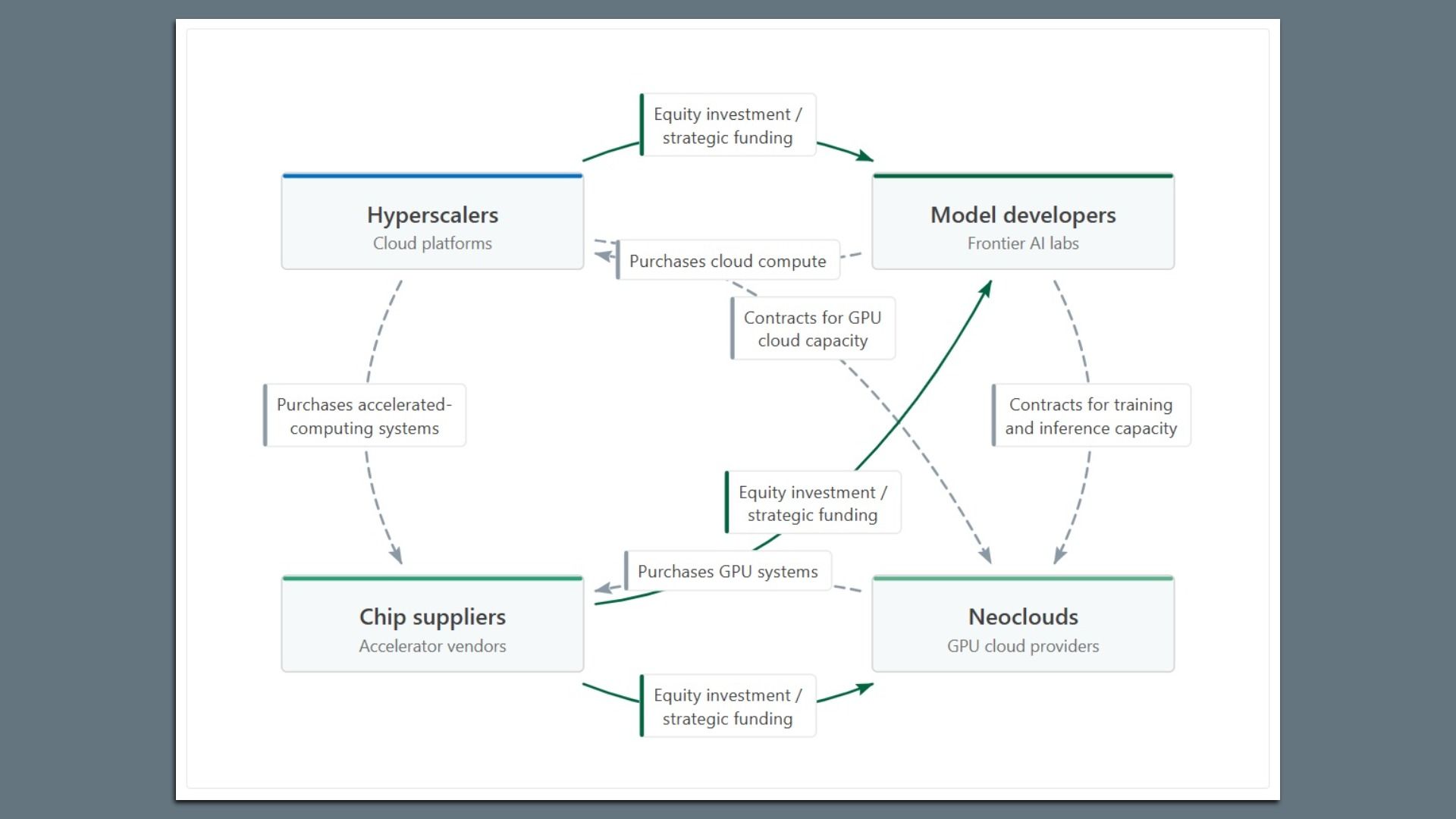
Nscale, a London-based AI hyperscaler, on Friday filed for its initial public offering.
Why it maters: This would be the first major AI listing since the safety debate exploded into the mainstream and Anthropic — a major Nscale customer — talked about "pacing the frontier."
State attorneys general have become America's top antitrust cops, believing that federal regulators have become too quick to approve or settle the thorniest of deals.
Not surprisingly, the Trump administration doesn't like that too much.
Google is launching a new line of laptops with a starting price of $899, aiming to rethink the laptop for an AI world where people move constantly between phones and computers.
Why it matters: The tech giant is trying to build a laptop that works as smoothly for premium Android phone users as Apple's MacBook works with the iPhone. The goal is a seamless device ecosystem.
The carbon removal company Vaulted Deep has secured up to $35 million in debt financing from the Italian bank Mediobanca to help expand its U.S. buildout.
Why it matters: This kind of financing has been rare in the carbon removal space to date.
Australian space object imagery startup HEO has raised $25 million in Series B funding, Axios is first to report.
Why it matters: The company uses cameras and sensors attached to satellites to take "flyby" images of other satellites and spacecraft in orbit — a technique that it says provides a more complete picture than relying solely on Earth-based tracking.
That lets space companies and governments see objects in orbit, to help them better understand what's going on with their spacecraft and satellites — or those of adversarial nations.
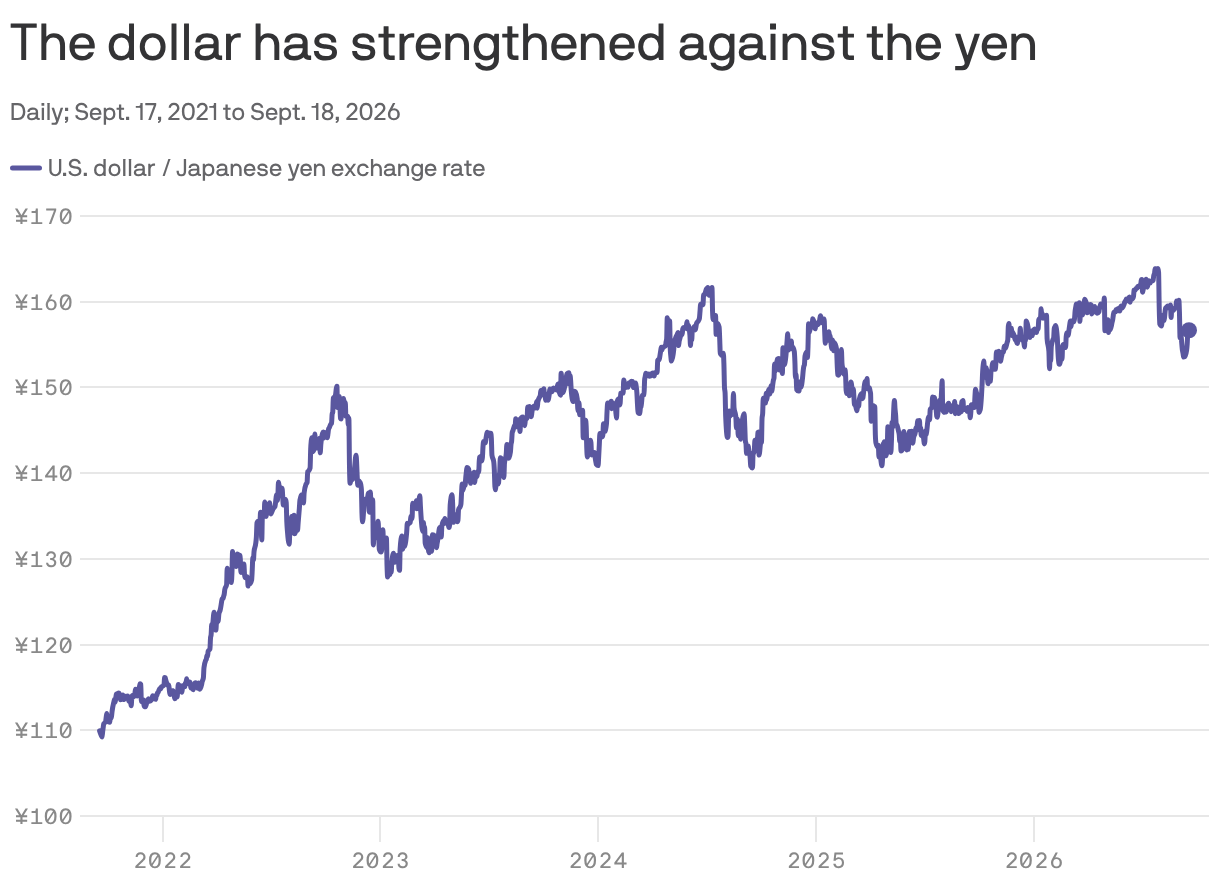
Currency traders largely shrugged off the Bank of Japan's decision to raise its key interest rate to a 31-year high Friday.
Why it matters: It's the latest example of the challenge economic officials face in managing markets that are increasingly jumpy about inflation and large government debts in what seems to be a new, higher-interest-rate environment for the world economy.
We should assume every person under us has the same tough question: Why are we using AI aggressively if its own creators fear their technology could unleash catastrophic harm?
Why it matters: This is THE topic dominating conversation everywhere right now. It will inevitably and understandably lead to deep worry — even anger — inside our companies. There's no ducking this one.
You cannot understand the push to slow AI inside the companies building AI without learning about effective altruism, or EA.
Why it matters to YOU: EA is a real movement that exerts a real influence across the AI industry — but it's quickly becoming something else: a pejorative critics attach to anyone urging caution about the technology.
There's no one blueprint for a CEO transition today — but there's a definite trend toward hedging, elevating multiple voices to positions of power. One person can't keep sales numbers and AI enablement balanced in their brain.
Spotify, Comcast and Oracle all named two co-CEOs. Disney created a dual president and chief creative officer. Coca-Cola added a chief digital officer.
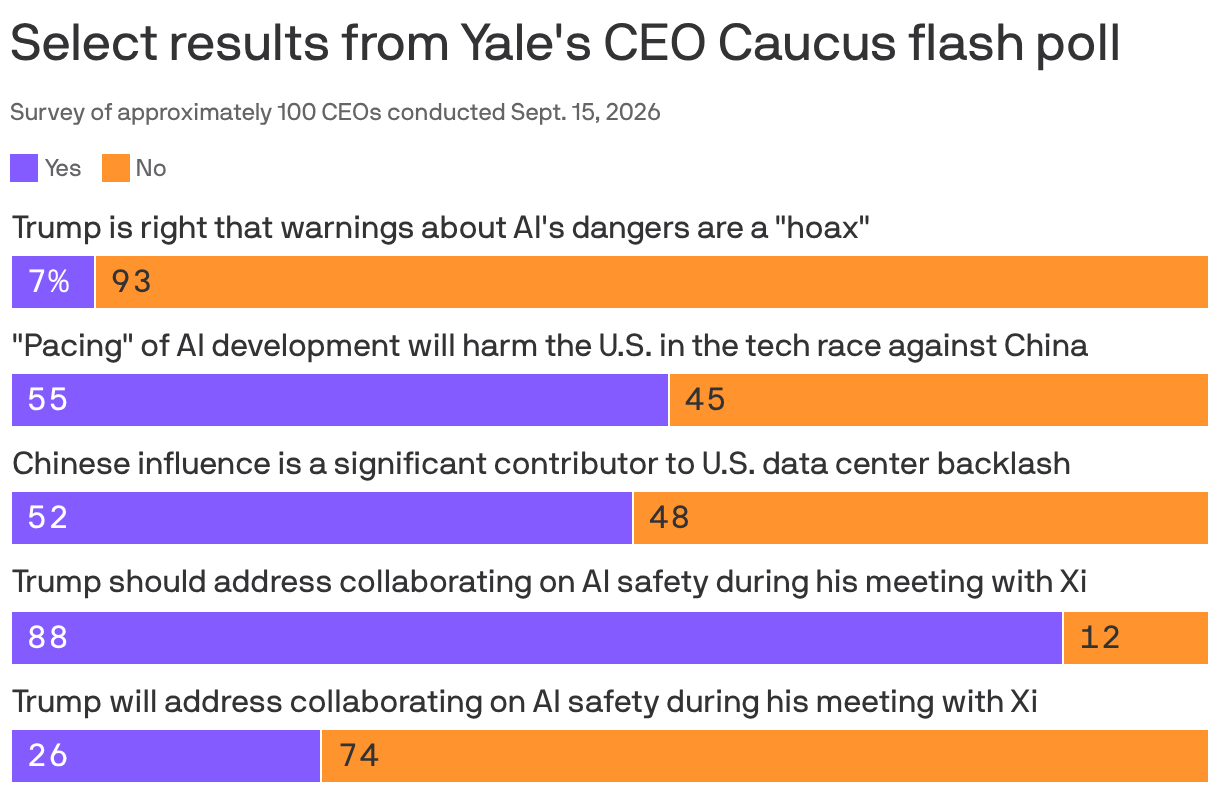
Data: Professor Jeffrey Sonnenfeld, Yale School of Management; Chart: Erin Davis/Axios Visuals
Professor Jeffrey Sonnenfeld and the Yale CEO Caucus did a poll this past week of roughly 100 CEOs on several topics, including AI fears.
The results: There's a clear desire for President Trump to be more proactive on the topic, especially with China — even as business leaders are split on China's influence and competition.
📈 If you're a CEO or on a CEO's team: Ask to join Jim's new weekly Axios C-Suite newsletter.
President Trump's announcement this weekend that he's forming an "AI Force," modeled on the Space Force he launched in his first term, caught advisers by surprise, sources said.
Officials and executives inside and outside the administration are now jockeying to be Trump's AI czar, which he said he'll name soon.
The czar will likely be a seasoned surrogate with Silicon Valley ties who can spearhead an AI rebranding effort, the sources said.
The house always wins — but now the house has some serious competition, and that's triggered an explosion of shock marketing and promotions in the sports betting space.
Why it matters: DraftKings and FanDuel — and a few smaller sportsbooks — had largely cornered the sports gambling industry until prediction markets suddenly began threatening their turf.