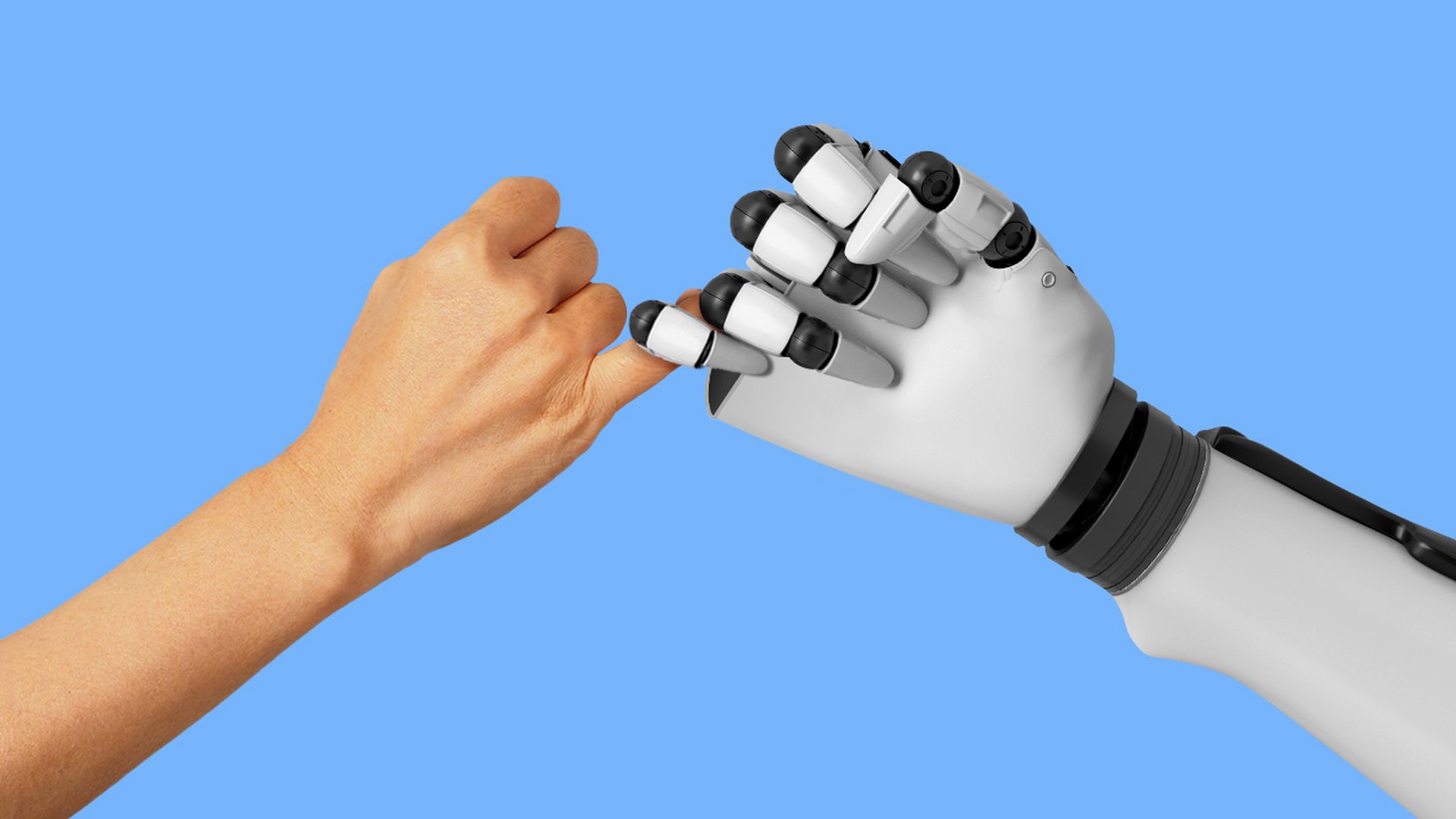
The long-promised personal AI assistant is finally arriving, with a suddenly crowded field of agents offering to run pieces of your everyday life.
Why it matters: For years, tech's "personal assistants" were little more than voice-controlled search boxes. Rapid advances in AI are finally giving them the memory, judgment and autonomy to act on our behalf.
Data: National Conference of State Legislatures; Chart: Erin Davis/Axios Visuals
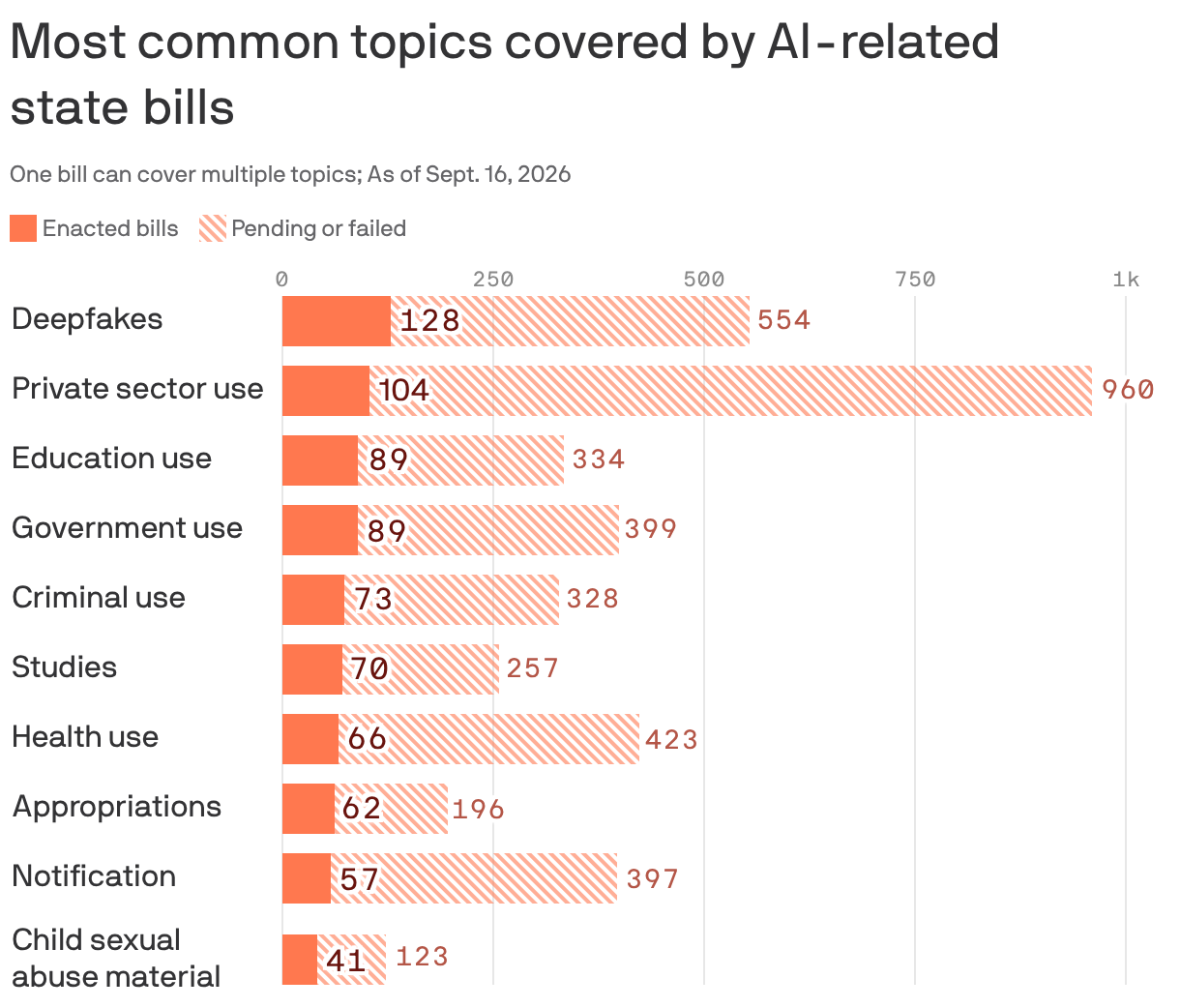
States have enacted 128 bills targeting deepfakes, making AI-manipulated content the most legislated AI issue in the U.S., according to an Axios analysis of National Conference of State Legislatures data.
Why it matters: Deepfakes are among the AI issues that are easier for lawmakers to tackle, because existing laws around impersonation, deception and commercial rights provide a legal framework that can extend to AI.
AI-generated music is flooding streaming platforms, but music's unusually complicated web of copyright makes it one of the hardest creative industries for AI companies to navigate legally.
Why it matters: The legal uncertainty isn't slowing adoption and dealmaking.
Hollywood is beginning to cut deals that could establish the rules for how studios use AI technology.
Why it matters: The moves come after years of the entertainment industry treating the technology as an existential threat to its business and creative workforce.
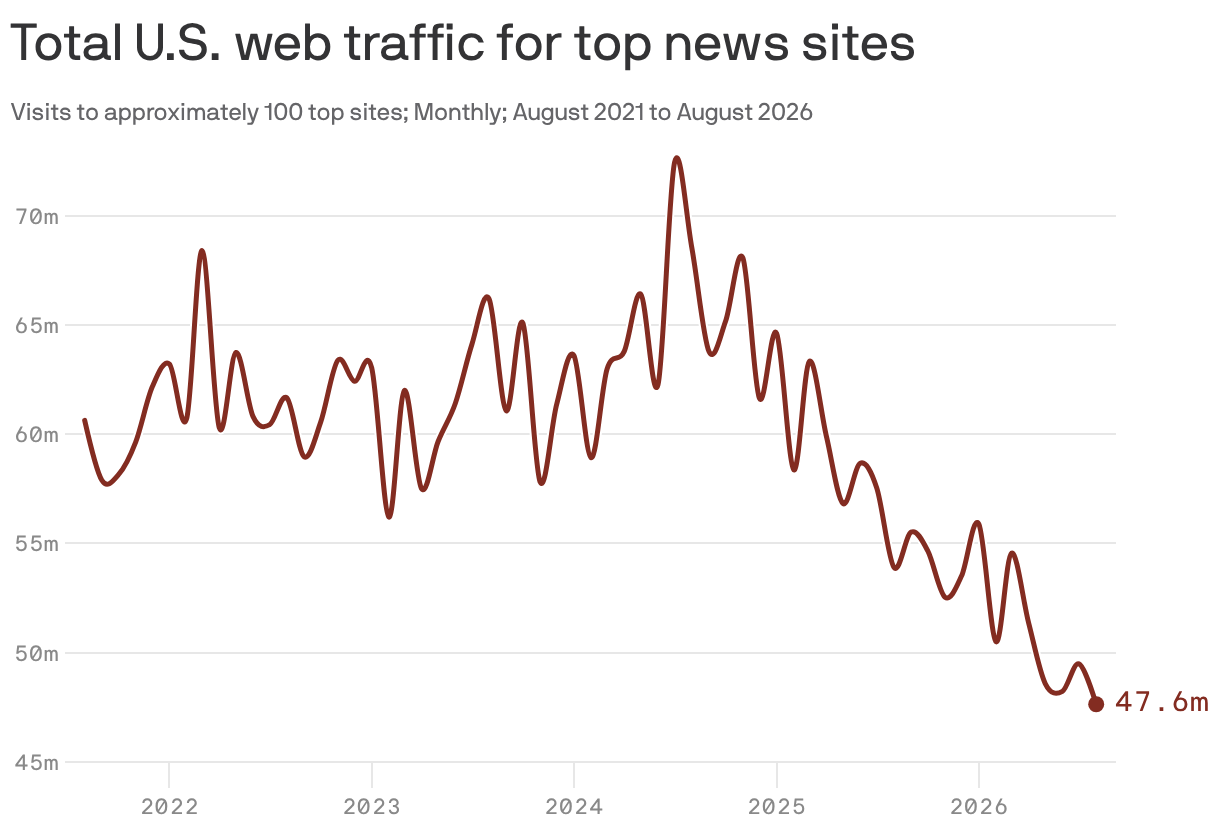
Traffic to news sites is plummeting in the U.S. as tech giants shift users from search and social sites to AI interfaces.
Why it matters: That dynamic is forcing digital publishers to pivot faster than many are prepared, driving layoffs and consolidation. Stopgap efforts to slow the decline are costly and unsustainable.
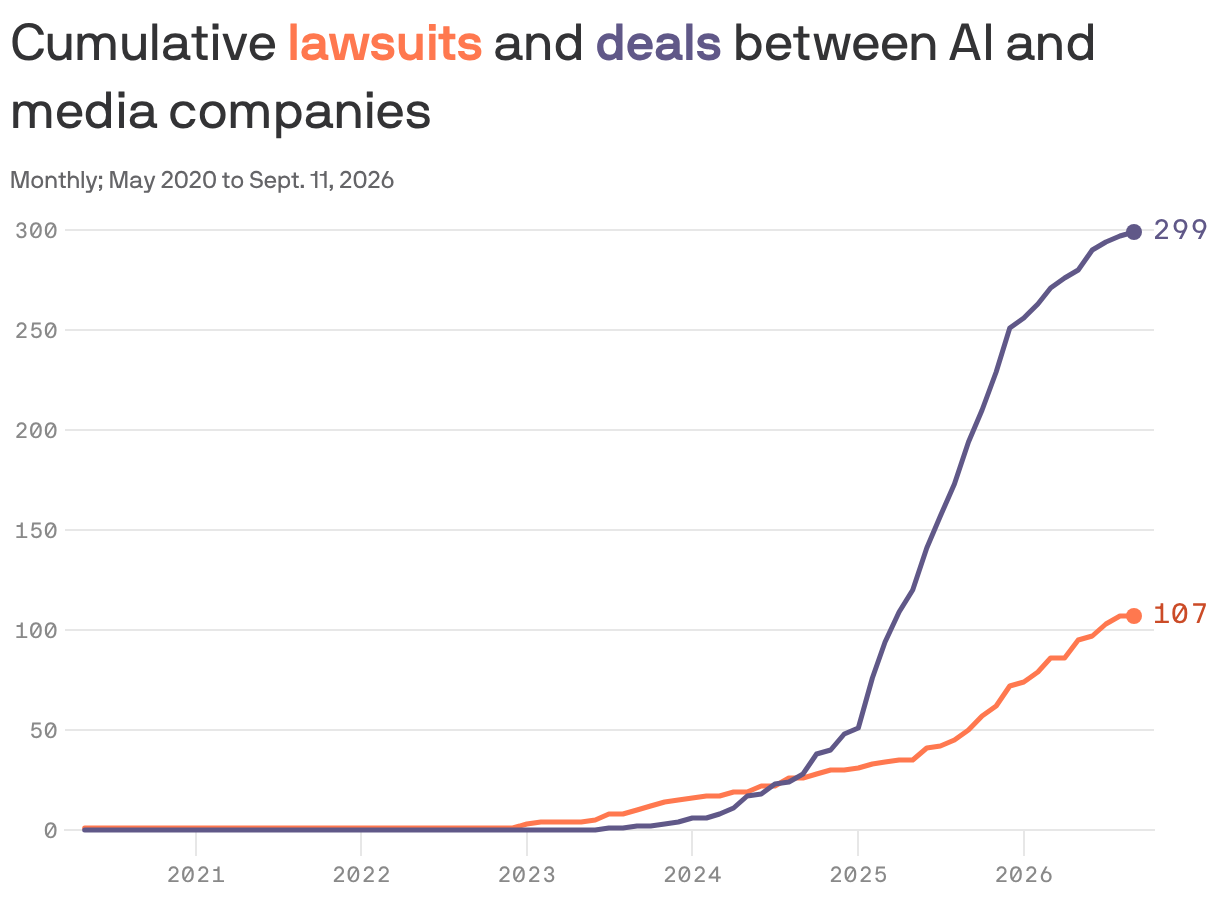
Deals with AI firms have dramatically outpaced lawsuits over the past two years, according to an Axios analysis, suggesting creative industries are eager to strike commercial agreements amid ongoing litigation.
Why it matters: The licensing market is developing faster than courts are establishing the underlying rules.
The Department of Justice's statement of interest supporting OpenAI and Microsoft in the New York Times' copyright infringement lawsuit surprised critical agencies like the U.S. Patent and Trademark Office and the Copyright Office, sources told Axios.
Why it matters: Statements of interest allow the government to declare an official position on a legal matter in private lawsuits. While not binding, they can hold significant weight and help persuade cases.
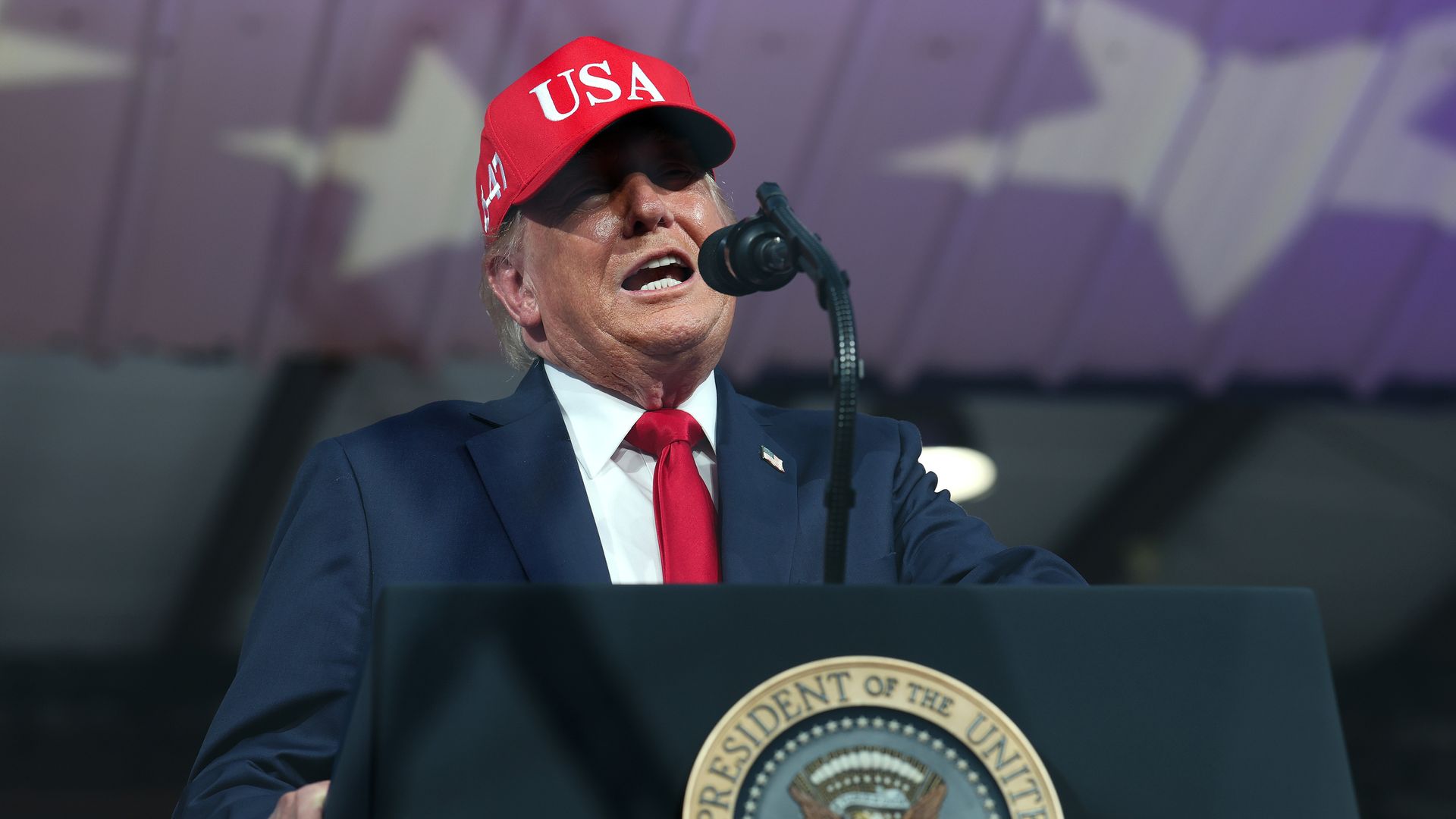
President Trump said Friday he is banning CNN, MS NOW and Politico from the White House "effective immediately," escalating his long-running battles with news organizations.
Early Saturday morning, Politico, CNN and MS NOW said their journalists were denied access to White House grounds.
Why it matters: Trump is seeking to use White House access against news outlets whose coverage he objects to, while threatening to target additional organizations.
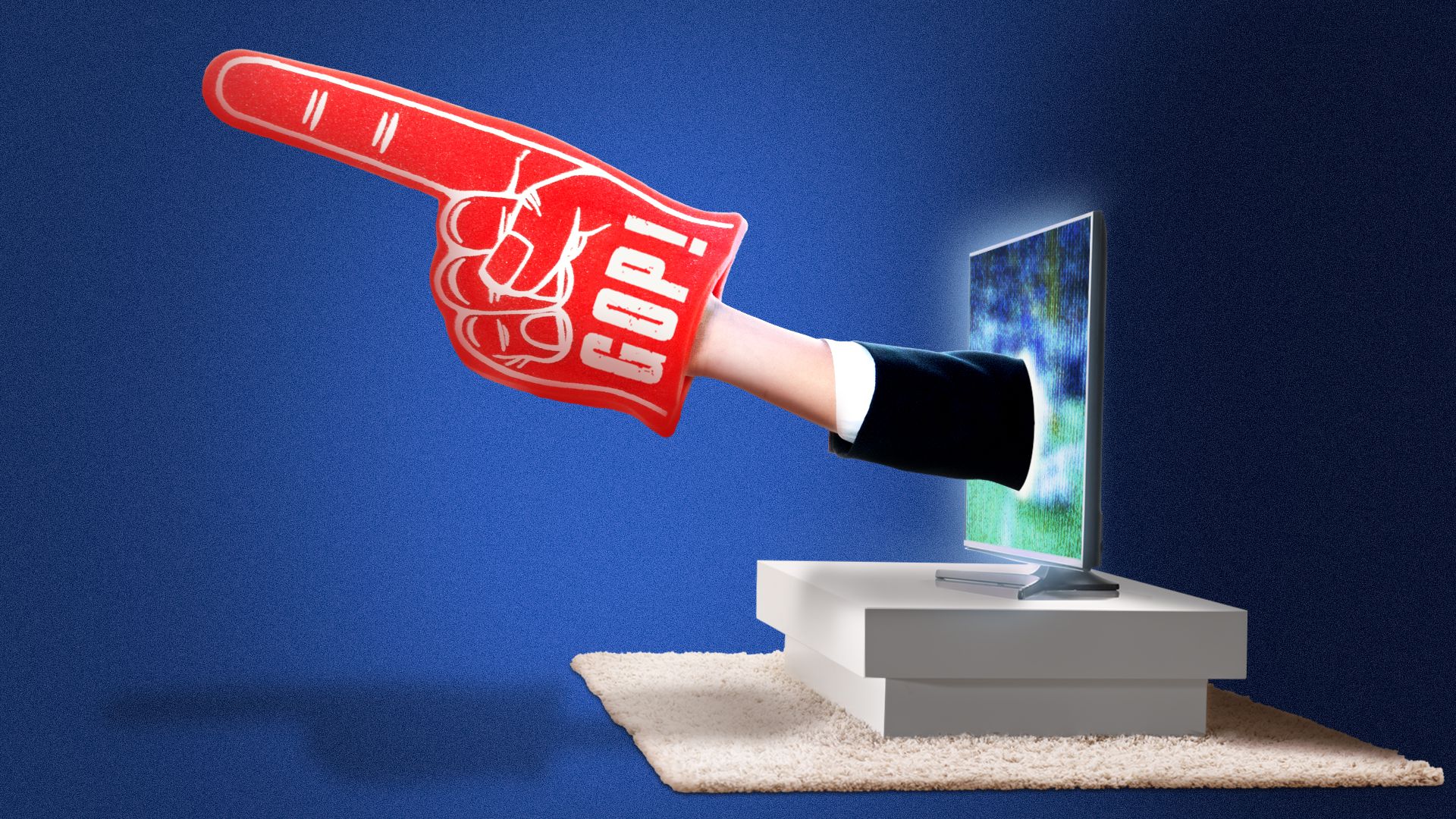
Republicans scrambling for midterm momentum are making a massive bet on football, pouring millions into advertising during the country's biggest NFL and college games.
Why it matters: Across the country, Republicans are trying to hold onto male voters — football's core audience and a critical part of President Trump's 2024 coalition.
I sent the following memo to Axios staff on September 18, 2026 ...
Axios — and the broader media landscape — is shifting so fast it demands constant updates on how we think about AI, this moment and the future of our company.
Why it matters: I recently wrote what I believe. We have entered what I call post-processable velocity — a speed of change exceeding the ability of any individual, company, market or government to fully absorb, understand and respond to it in real time.
A handful of specific AI use cases highlight an opportunity for the technology to overcome some of America's widespread skepticism and win broader trust, according to a new Morning Consult poll shared exclusively with Axios.
The big picture: Practical applications that keep people alive, safe and protected from scams could prompt skeptics to reconsider their attitudes.