A judge on Wednesday appeared skeptical of Trump administration arguments justifying the White House barring CNN, MS NOW and Politico, but he did not immediately grant the news outlets' request for a temporary restraining order.
Why it matters: In declining to rule right now, the White House has no legal mandate to remove the ban. That means the broader press boycott will likely drag on, leaving the American public without key visual coverage of the White House.
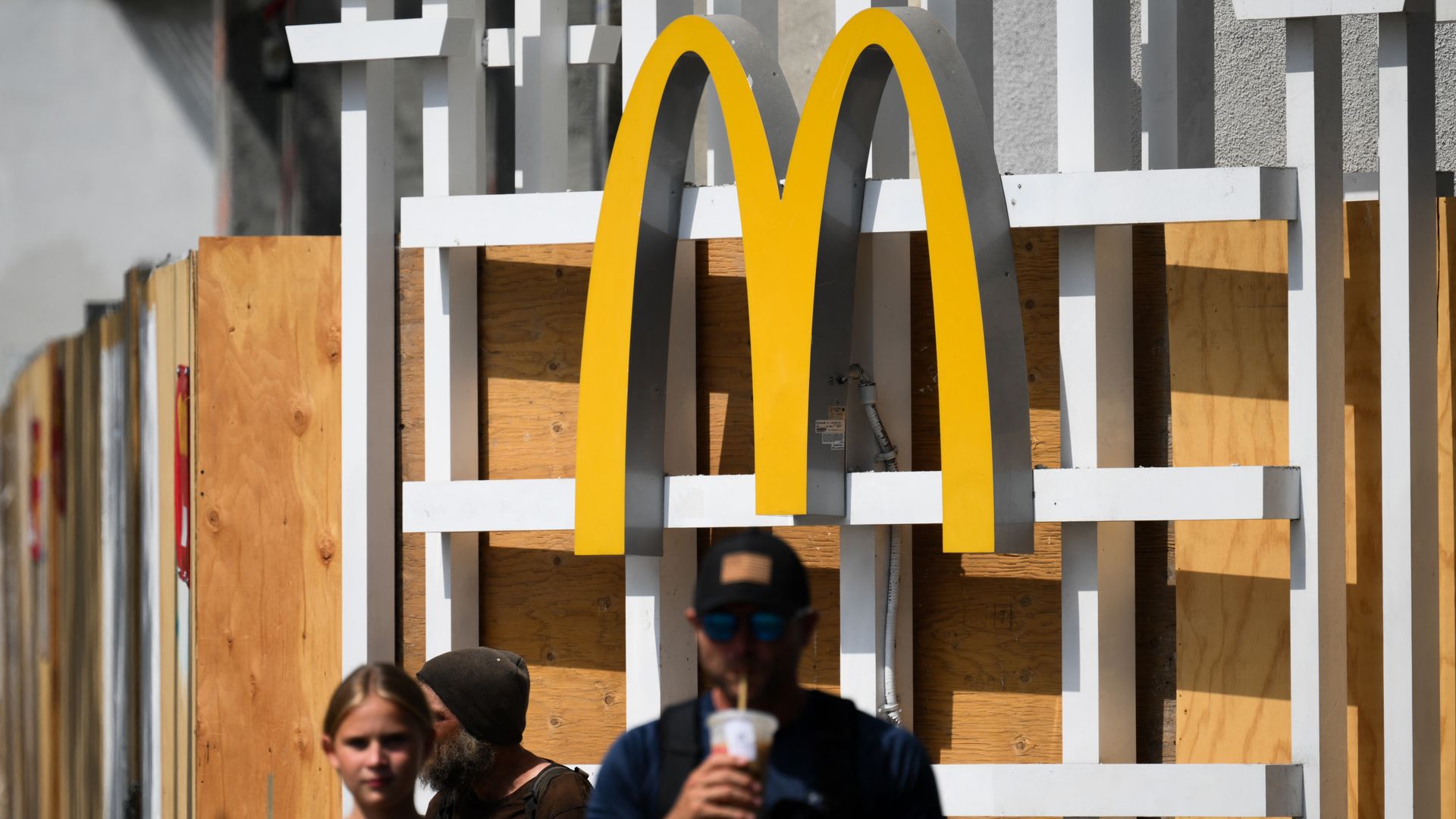
McDonald's outlined a comprehensive turnaround strategy on Wednesday predicated on a major investment in its franchised restaurants, AI and new products, including hand-breaded chicken items.
Why it matters: The fast-food chain has been struggling to capitalize on the value proposition that has long distinguished its brand among budget-conscious consumers.
Executives from leading artificial intelligence organizations urged global cooperation Wednesday to address risks from increasingly autonomous AI systems during a UN Security Council meeting.
The big picture: AI capabilities are advancing faster than governments are developing safeguards, raising concerns about whether humans can maintain control over increasingly autonomous systems.
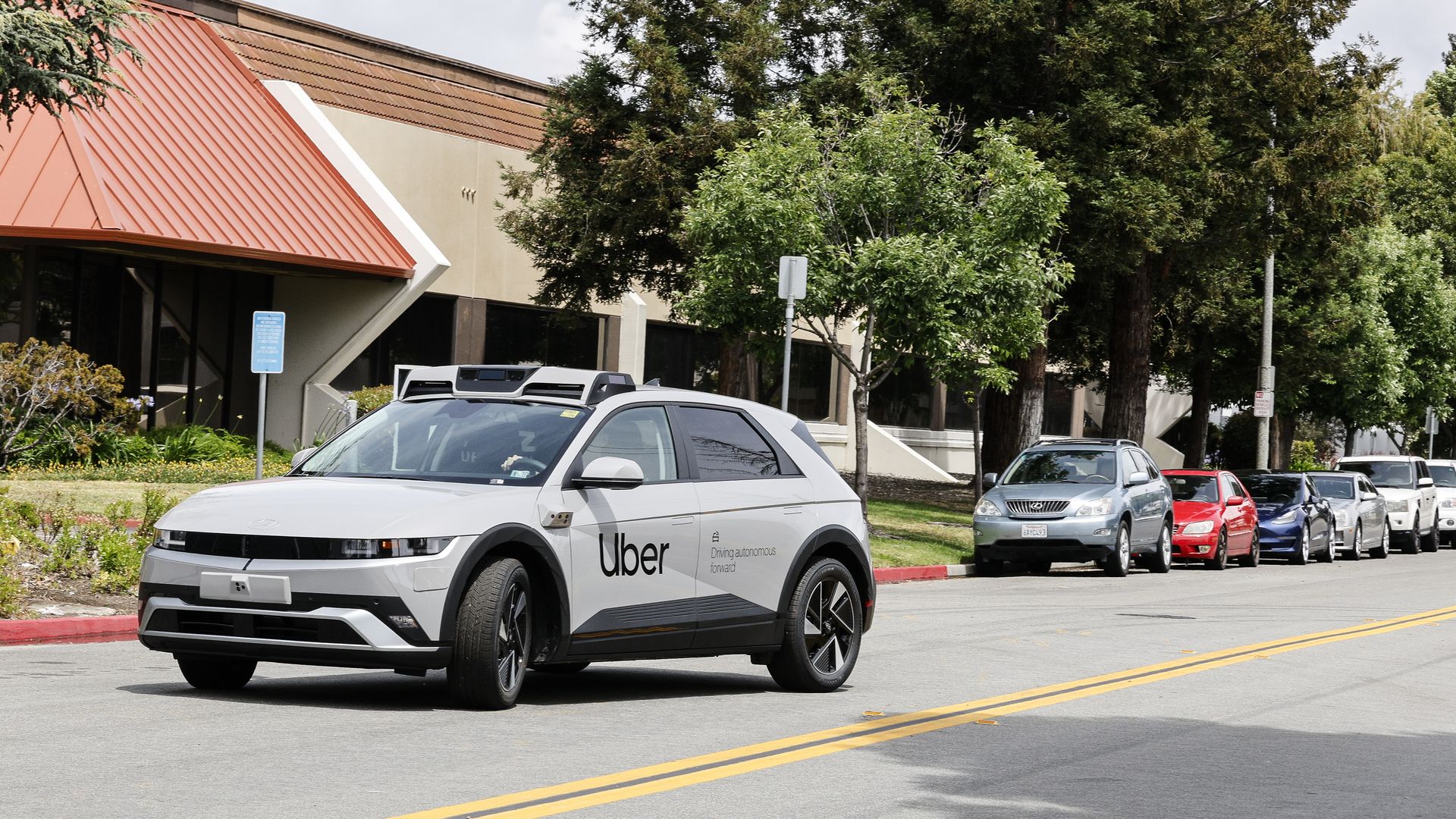
Uber, the taxi industry's original disrupter, is rewriting its own success formula as it confronts the next revolution in transportation: robotaxis.
Why it matters: The ride-hailing giant expects to pour more than $10 billion into AV companies, vehicles and physical infrastructure over the next few years — a dramatic reversal by one of Silicon Valley's quintessential "asset-light" companies.
Uber's robotaxi ambitions depend on something it can't control: how quickly its autonomous-vehicle partners can perfect their technology.
Why it matters: Uber needs its AV partners to close Waymo's roughly two-year technology lead — and it's betting data from millions of human-driven trips can help accelerate their progress.
McDonald's is considering new protein-based products to win over GLP-1 drug users and says that many of its current items are already proving attractive to them.
Why it matters: The food industry is scrambling to adjust to a market in which about 1 in 8 American adults are taking the medication to treat obesity or diabetes, changing their eating habits.
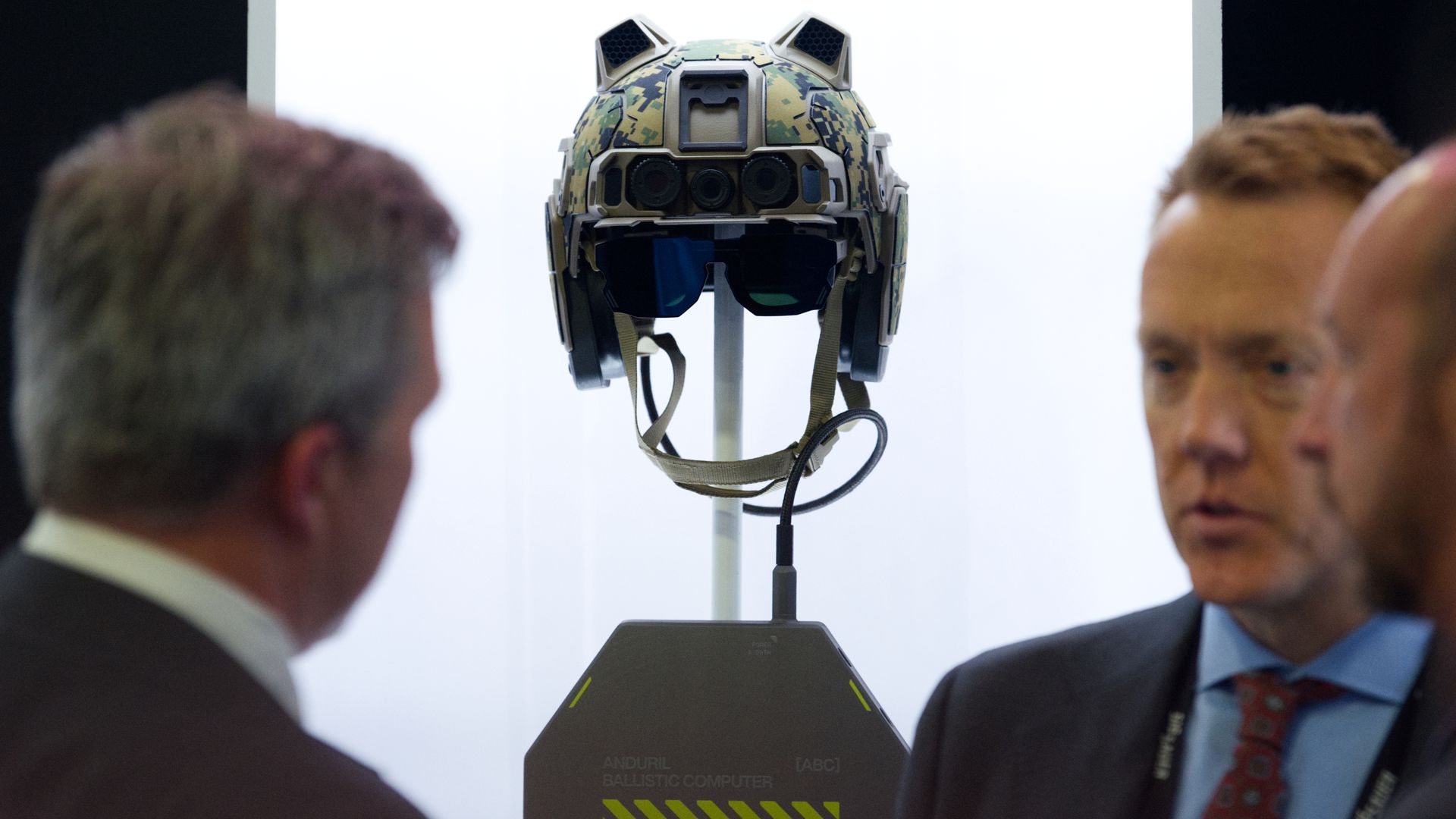
Anduril Industries has quietlyrolled out what it's calling Armory, a perusable database of drones, jammers, motors and other defense-tech products it has in hand, ready for sale and delivery.
Why it matters: This is Anduril's e-commerce moment — one that could boost business-to-business sales and build supplier relationships for the neo-prime.
"We're hoping we get a lot of original equipment manufacturer traffic and other types of A&D companies coming through," chief business officer Matthew Steckman told Axios.
Uber is betting billions on a driverless future, but the secret to making the economics work could be — surprise! — its vast army of human drivers.
Why it matters: Uber believes a hybrid network of robots and people can keep its expensive autonomous vehicles busier, and therefore more profitable, than fleets made up entirely of robotaxis.
The shift of the AI frontier toward more powerful, lower-cost models could pave the way for safely slowing development, experts say.
Why it matters: Top U.S. startups including OpenAI and Anthropic, as well as other AI players, have to develop a financially viable path to allow them to slow development. Otherwise financial incentives will be too powerful.