The AFL-CIO, the nation's largest labor federation, addressed a letter to members of the Senate Banking Committee Monday night opposing the Senate's draft legislation to create a regulatory framework for the trading of digital assets.
The big picture: Citing the "volatility of the assets class," the labor giant says it worries about the retirement funds of its millions of members if cryptocurrency were to become more common in portfolios.
British philanthropist and investor Lynn Forester de Rothschild has put her family's entire 26.7% stake in The Economist up for sale, a source familiar with the transaction process told Axios.
Why it matters: A sale would mark the biggest ownership shake-up for the 182-year-old publication in a decade.
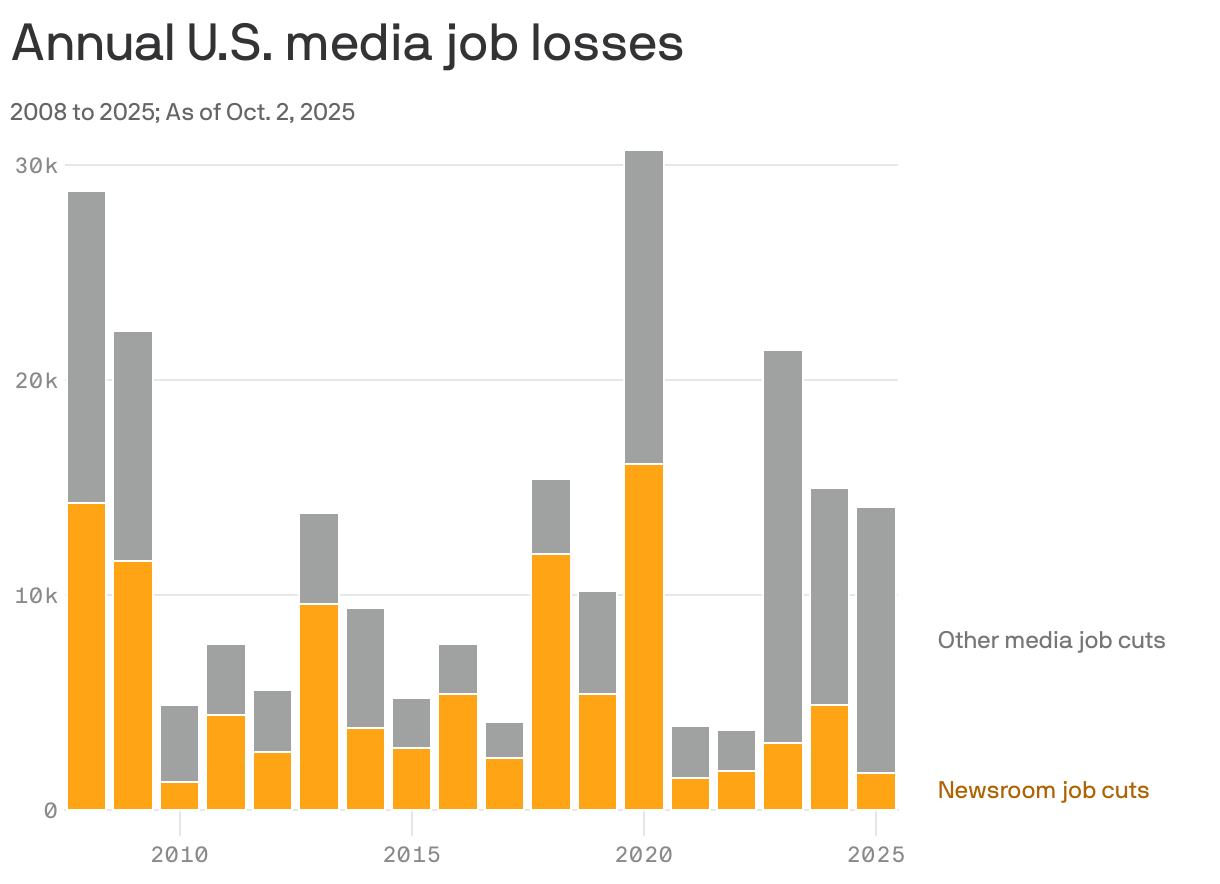
News media job cuts are more tempered so far this year, despite a few outlier organizations hit by public funding cuts and looming layoffs tied to consolidation.
Why it matters: 2024 was a particularly brutal year for the news industry, as outlets raced to cut positions in an attempt to offset a weak ad market and get ahead of business disruptions from artificial intelligence.
Tesla debuted a slightly cheaper version of its Model Y crossover and Model 3 sedan on Tuesday.
Why it matters: The announcement apparently disappointed investors who were eager to see what the company had in store after it teased a product reveal.
Taylor Swift has been on a rare press blitz following the release of her new album, "The Life of a Showgirl," which has already broken streaming and theatrical records.
Why it matters: Swift is re-engaging in person with traditional media after years of speaking directly with her fans through her social media and on "The Eras Tour."
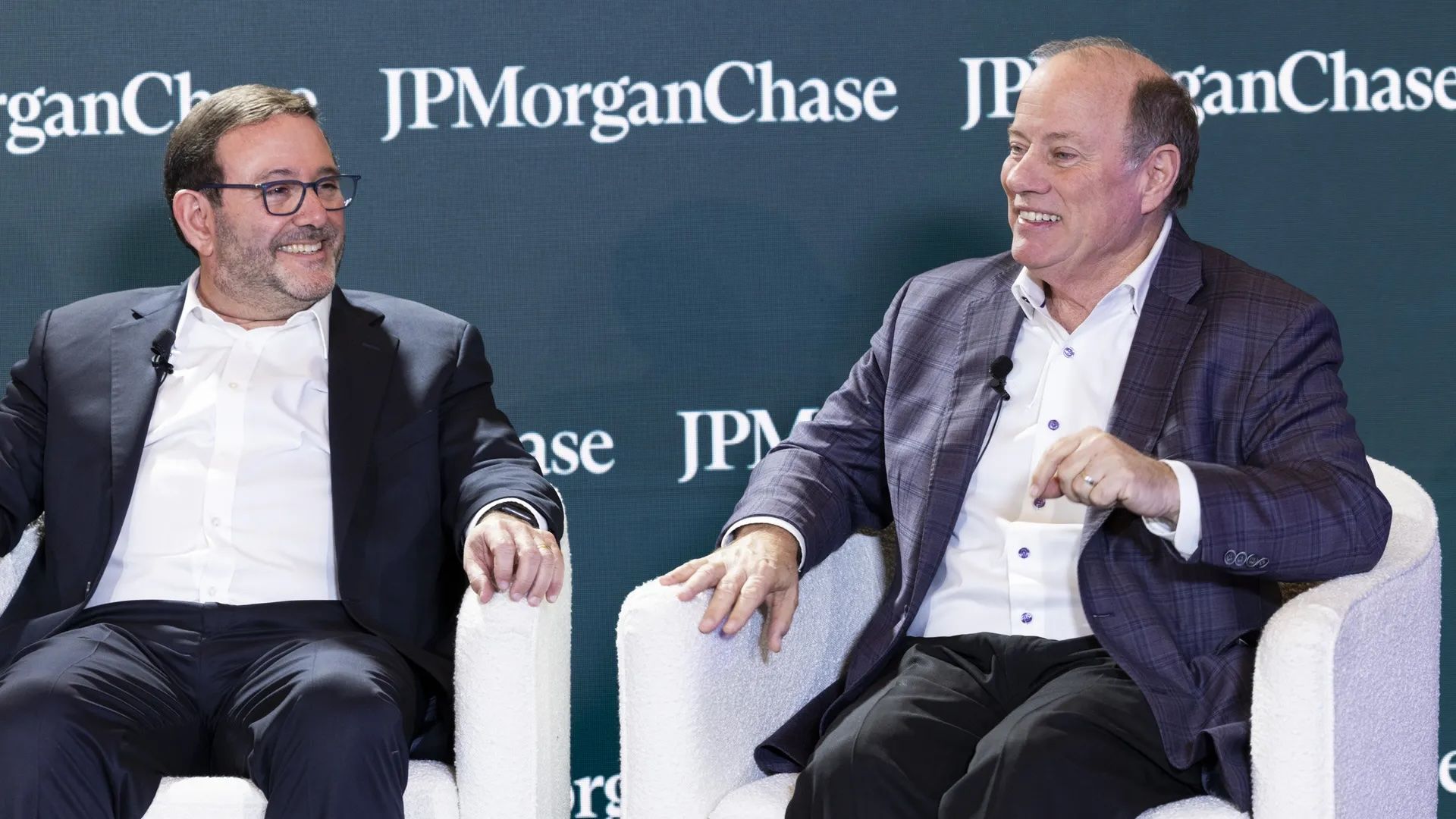
Peter Scher — JPMorgan Chase vice chair, and longtime champion of Detroit's revitalization — announced Tuesday that he'll retire next spring.
Why it matters: Scher has been one of the closest and longest-serving advisers to JPMorgan Chase chair and CEO Jamie Dimon.
Dimon said in an internal note to employees that from the financial crisis to a huge Mid-Atlantic expansion, Scher has helped "navigate some of the most complex business, economic and geopolitical events of our time."
Axios is combining its premium member subscription — Axios Communicators Pro — with Mixing Board to create a new community for modern communications and corporate affairs professionals.
Why it matters: The comms world is being upended by AI, geopolitics and media disruption, fueling a need for membership groups where practitioners swap tactics, gain insights and sharpen skills.
President Trump met Tuesday with his top national security team to discuss the progress of the Gaza negotiations before his envoys Steve Witkoff and Jared Kushner departed for Egypt, two sources with knowledge tell Axios.
Why it matters: Trump and his team are pushing hard for both Israel and Hamas to conclude their negotiations within days and agree on a deal that would free the remaining hostages and end a war that has now crossed the two-year mark.
San Francisco Fed president Mary Daly doesn't think a potential AI bubble in the stock market would threaten broader financial stability.
Why it matters: If the Fed doesn't see an AI-fueled selloff as an economic risk, it may be less likely to intervene if the bubble bursts and stocks slide.
Marketing tech startup Northbeam has launched a new attribution model that connects video views and in-app clicks across platforms and raised new growth funding, CEO Austin Harrison exclusively tells Axios.
Why it matters: The new model seeks to help marketers better allocate ad dollars amid the fragmentation across social, video and commerce platforms.
Almost one in five U.S. homes — worth around $8 trillion — are at severe or extreme risk from hurricane wind damage, according to a Realtor.com analysis.
The analysis also found that roughly 6.1% of homes (worth around $3.4 trillion) are at severe or extreme risk of flood damage and 5.6% ($3.2 trillion) from fire.
Why it matters: Climate change is intensifying extreme weather — hiking home insurance premiums in especially storm-prone areas and driving some insurers to retreat.
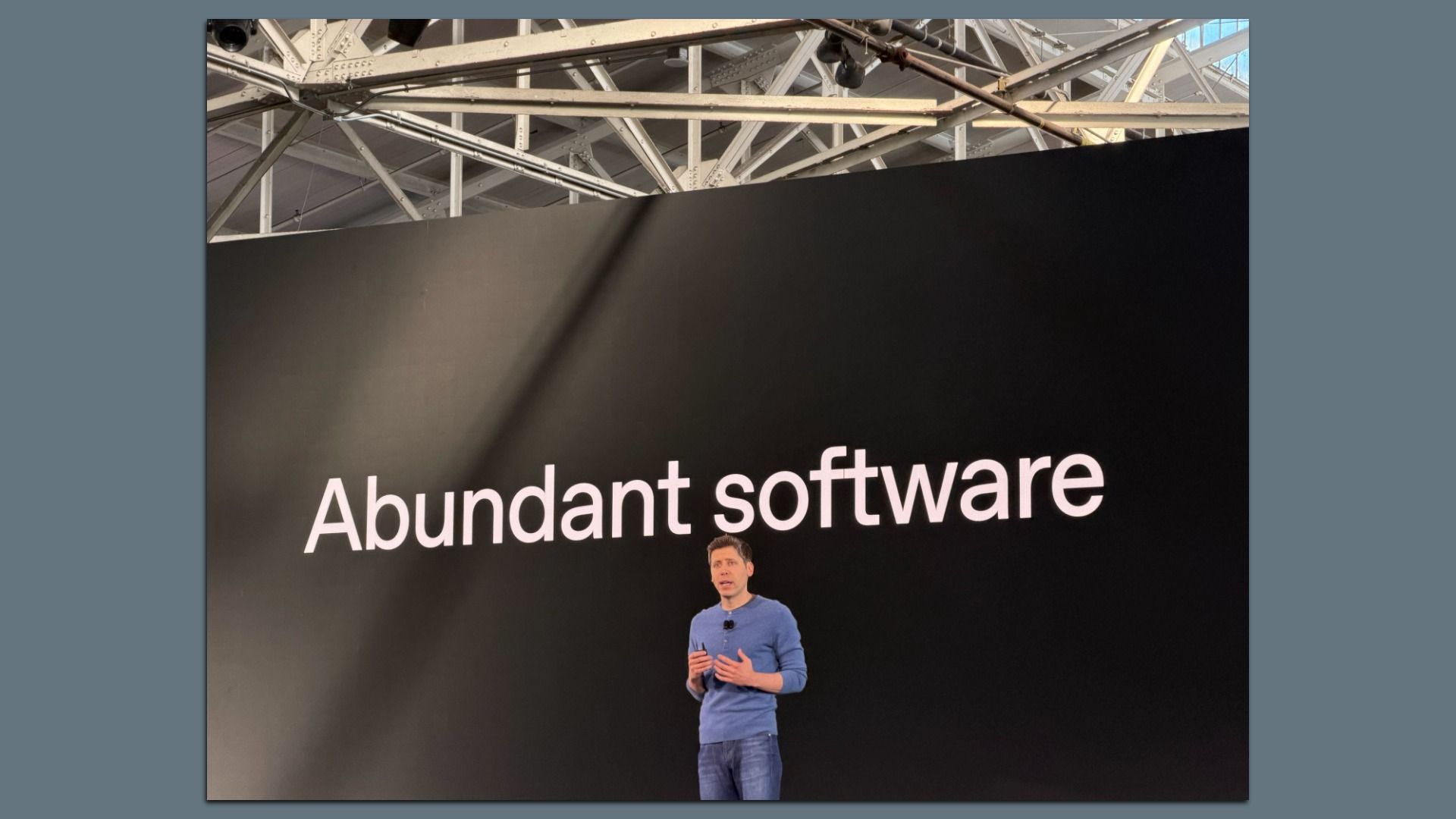
OpenAI isn't just opening up ChatGPT for app developers. It's looking to turn today's leading chatbot into tomorrow's operating system.
Why it matters: OpenAI — following a playbook honed by Apple, Google, Microsoft and Meta — aims to transform its product into a platform that developers can extend and users will rely on to meet more of their needs.
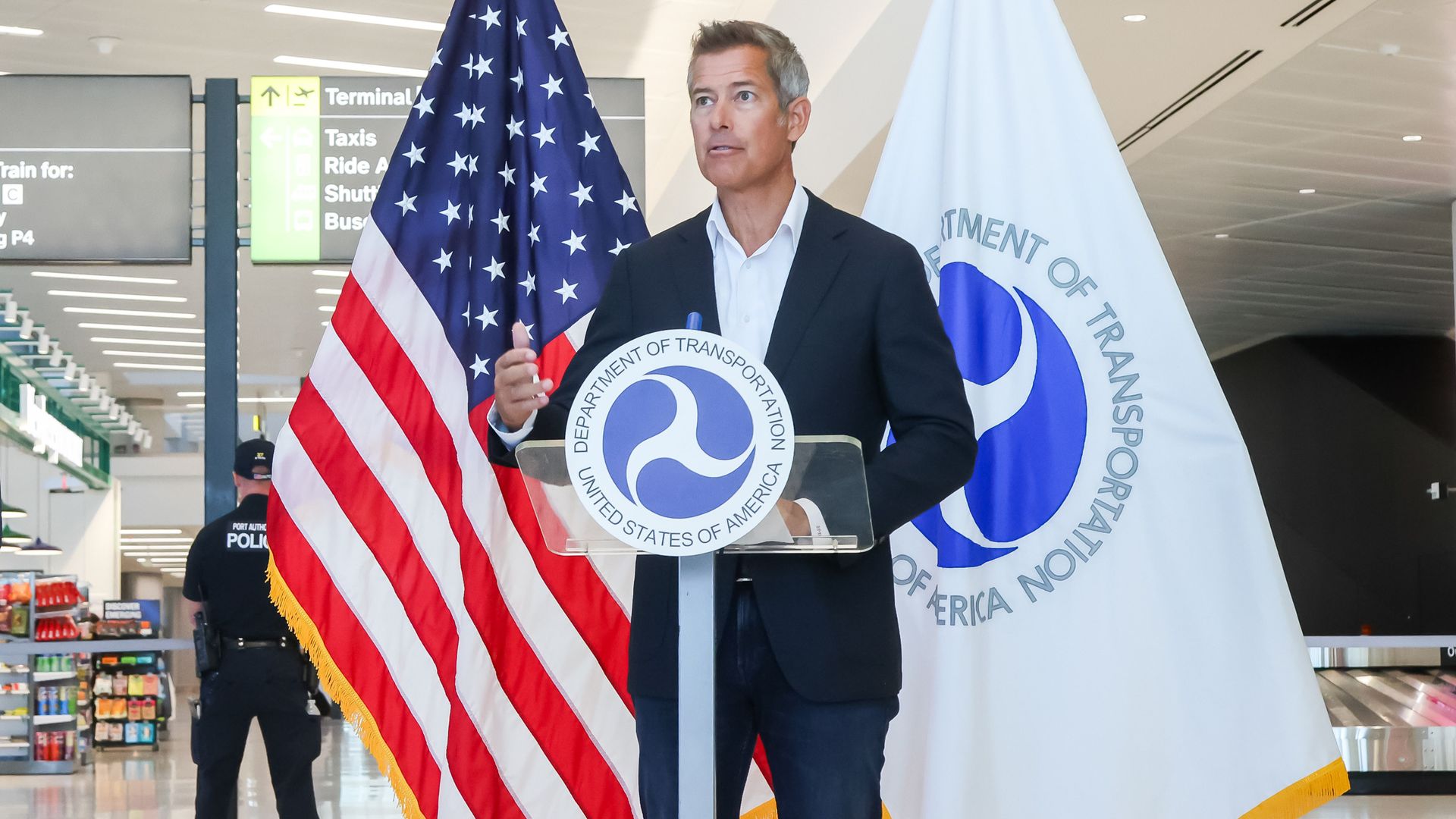
Flights at major U.S. airports were delayed amid staffing issues on Monday night, hours after Transportation Secretary Sean Duffy reported an uptick in air traffic controllers calling in sick since the government shutdown began.
Why it matters: The disruptions were affecting airports in the Los Angeles-area, Newark and Denver. But there are concerns the situation could escalate like during the 2019 shutdown, when severe strains on U.S. air travel helped push President Trump to end it after 35 days.
Napheesa Collier canceled her scheduled meeting with WNBA commissioner Cathy Engelbert due to what she sees as a "lack of accountability" in her recent statements to the media, the Minnesota Lynx star told Axios on Monday evening.
The latest: Collier said she opted out of speaking with Engelbert after the WNBA commissioner denied telling her in a private conversation last week that Caitlin Clark and other players should be "grateful" for the platform the league has given them.
President Trump announced the U.S. will take a 10% stake in Canadian minerals explorer Trilogy Metals and ordered the approval of a permit for a mining road in northwest Alaska.
Why it matters: Interior Secretary Doug Burgum told reporters the moves will unlock "all of the minerals that we need to win the AI arms race against China," which dominates in the processing of metals.
Congressional leadersare not talking to each other during this government shutdown, but they're being extra chatty on the airwaves — especially House Speaker Mike Johnson (R-La.).
Why it matters: Both sides are adamant the other party is to blame for the shutdown. Convincing the American public is the best leverage any leader can have for shutdown-ending negotiations.