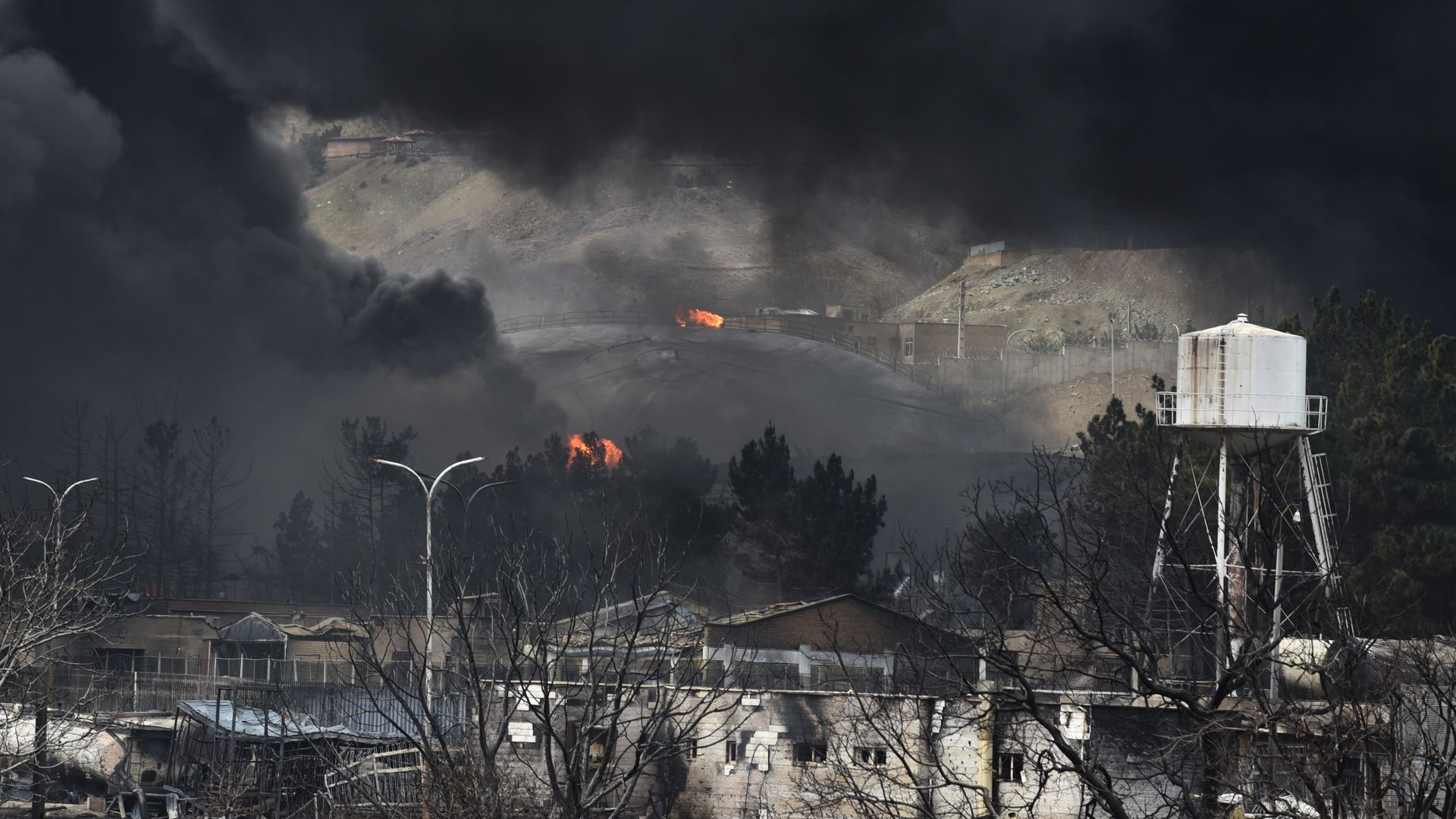
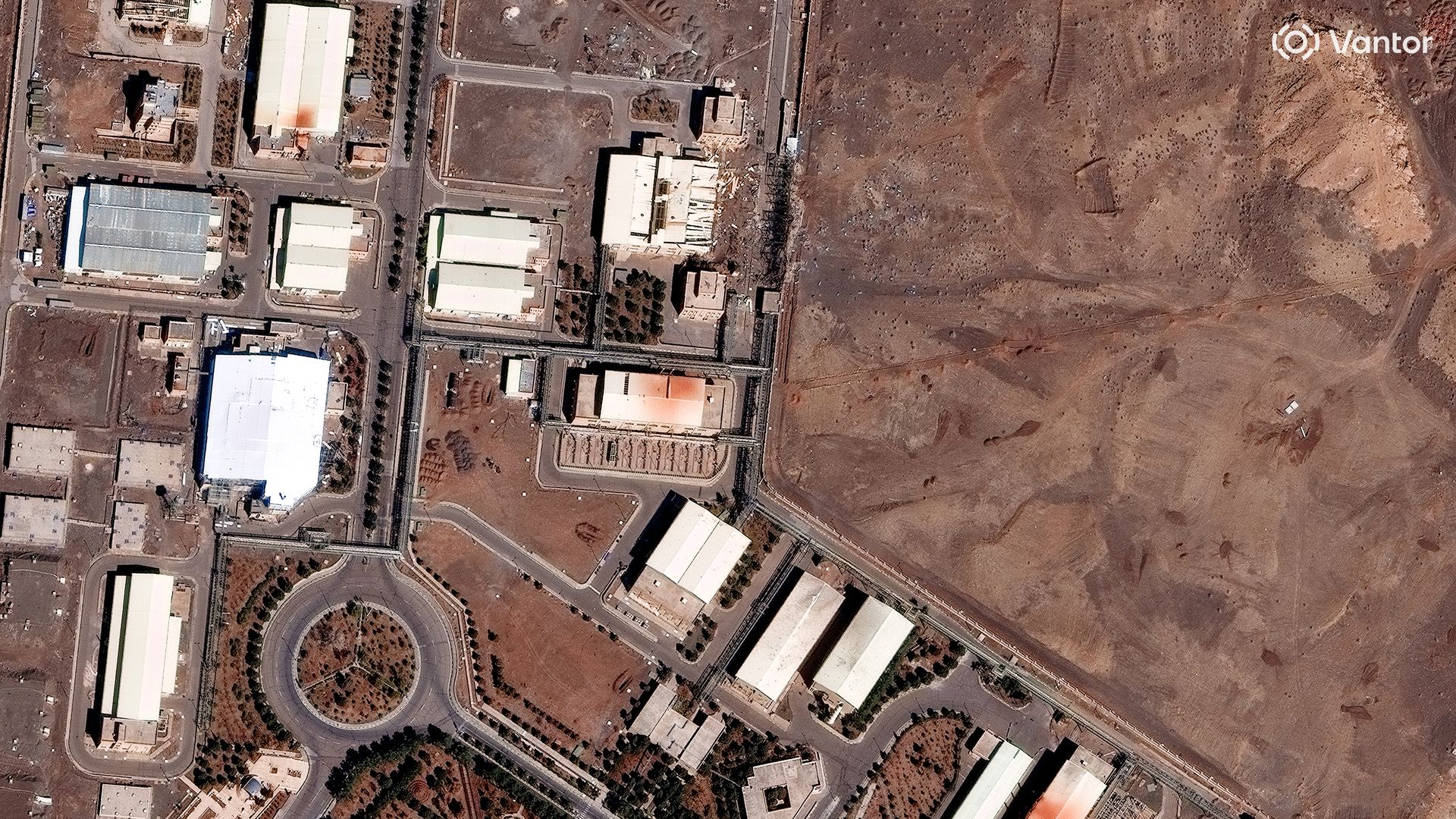
Israel's strikes on 30 Iranian fuel depots Saturday went far beyond what the U.S. expected when Israel notified it in advance, sparking the first significant disagreement between the allies since the war began eight days ago, according to a U.S. official, Israeli official and a source with knowledge.
Why it matters: The U.S. is concerned Israeli strikes on infrastructure that serves ordinary Iranians could backfire strategically, rallying Iranian society to support the regime and driving up oil prices.
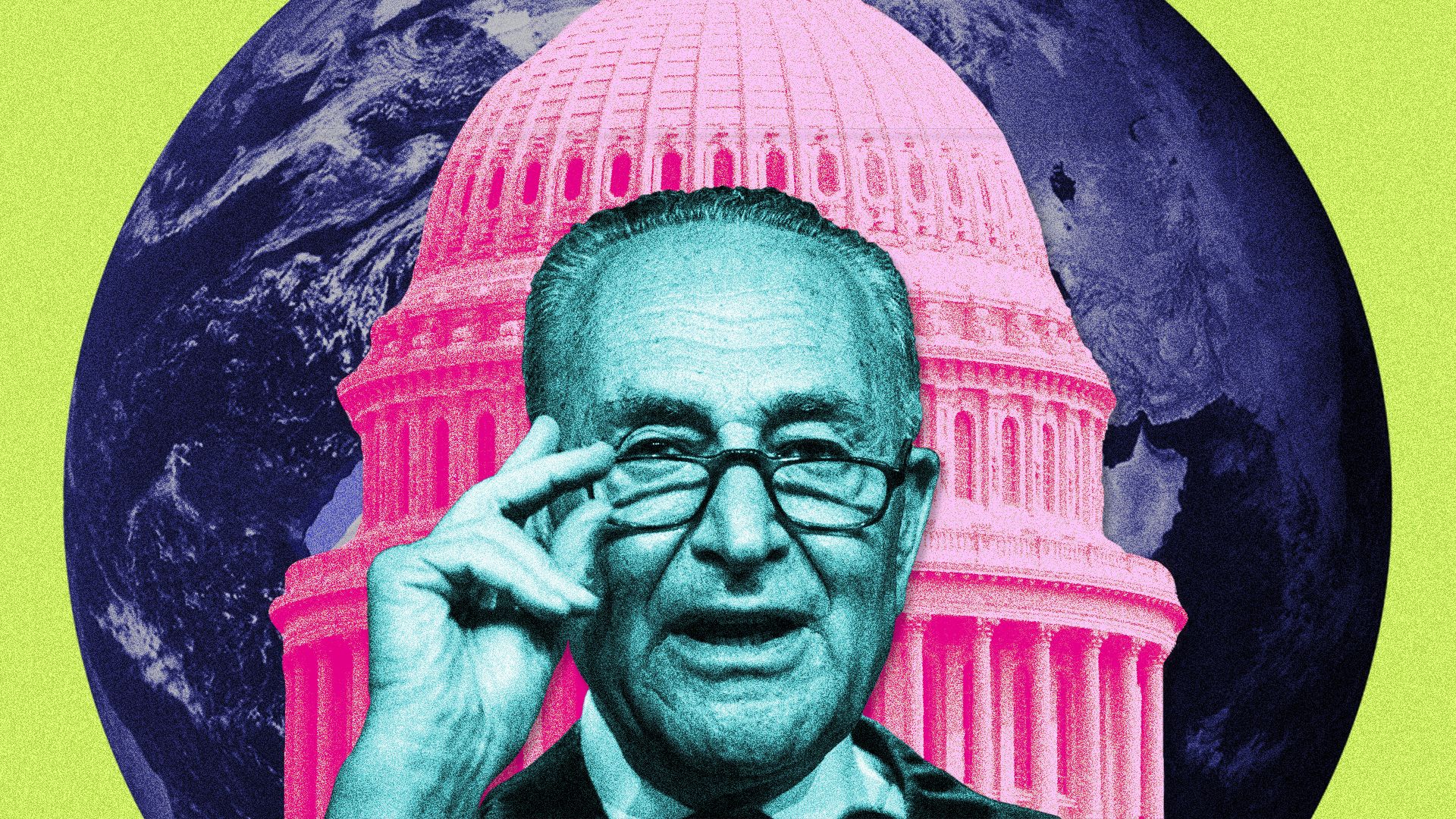
Senate Minority Leader Chuck Schumer (D-N.Y.) on Sunday called on President Trump to release oil from the national stockpile to counter soaring gas prices — an idea that Republicans have been slow to embrace.
Why it matters: Tapping the Strategic Petroleum Reserve (SPR) could deprive Republicans of a talking point: That then-President Biden's move to do so in 2022 was done for purely political reasons.
The Trump administration's top energy official argued Sunday that fear — not supply shortages — is driving a historic surge in oil prices.
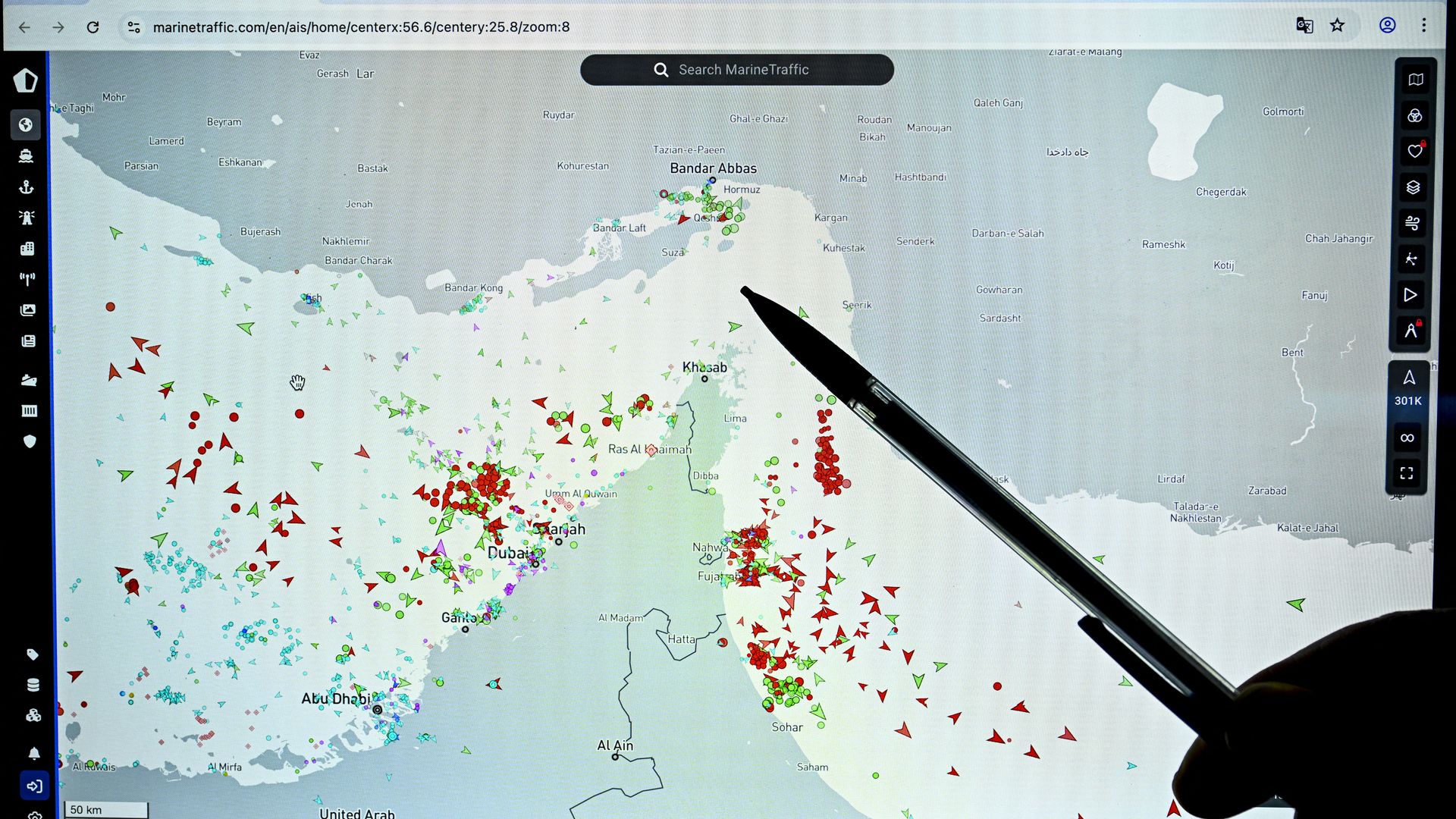
The big picture: The world is well-supplied with oil, but markets are reacting to real-world disruptions — a strangled Strait of Hormuz, halted production and strikes on fuel storage.
The U.S. and Israel have discussed sending special forces into Iran to secure its stockpile of highly enriched uranium at a later stage of the war, according to four sources with knowledge of the discussions.
Why it matters: Preventing Iran from ever obtaining a nuclear weapon is one of President Trump's stated war objectives. The regime's 450 kilograms of 60%-enriched uranium — convertible to weapons grade within weeks — is one key to that goal.
The United States has an extensive history of interventionism, but President Trump has grown especially frank about his intentions abroad in recent months.
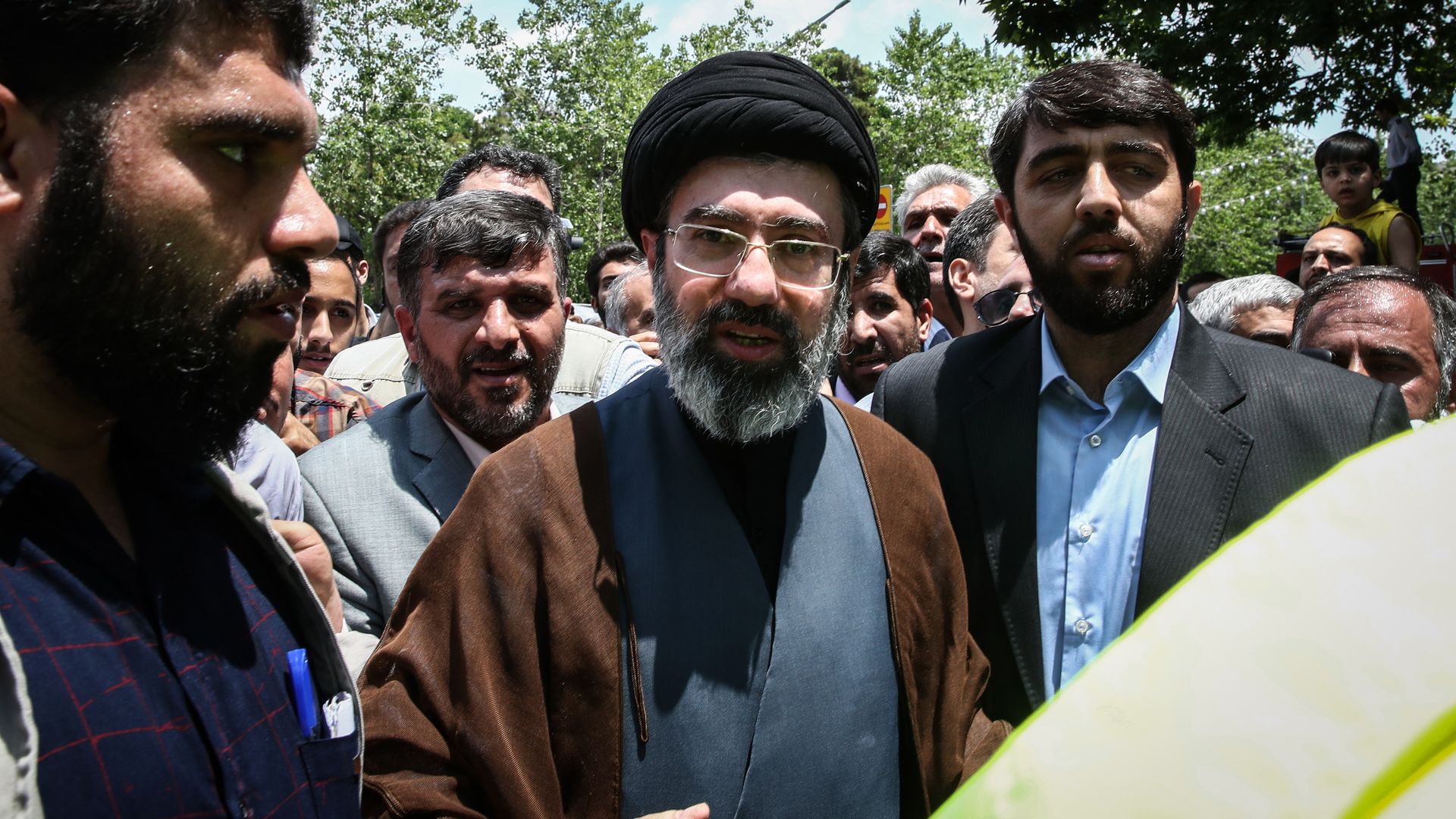
The big picture: Trump told Axios this week that he must be involved in picking Iran's next leader, which — alongside his recent moves in Cuba and Venezuela — demonstrate that aggressive military force has become part and parcel of his foreign policy.
It wouldn't be the first time, however, that the U.S. has pushed for specific leaders to fill the vacancies it helped create.
President Trump said Saturday "we've knocked out 42 navy ships" in three days, adding that the US is doing "very well" in Iran.
Why it matters: Trump bragged about dominance in Iran and hinted at possible action in Cuba at the first Shield of the Americas Summit, which has outgoing Homeland Security Secretary Kristi Noem at the helm.
President Trump threatened early Saturday morning to step up the bombing campaign in Iran, saying it may expand to people and regions that hadn't been targeted previously.
Why it matters: The war is entering its second week, with no let-up in sight.
Why it matters: Trump fancies himself a high-risk, high-reward president, a confidence cheered by the vast majority of Republican officials and voters. But risk is risk — and by most measures, it's rising everywhere.
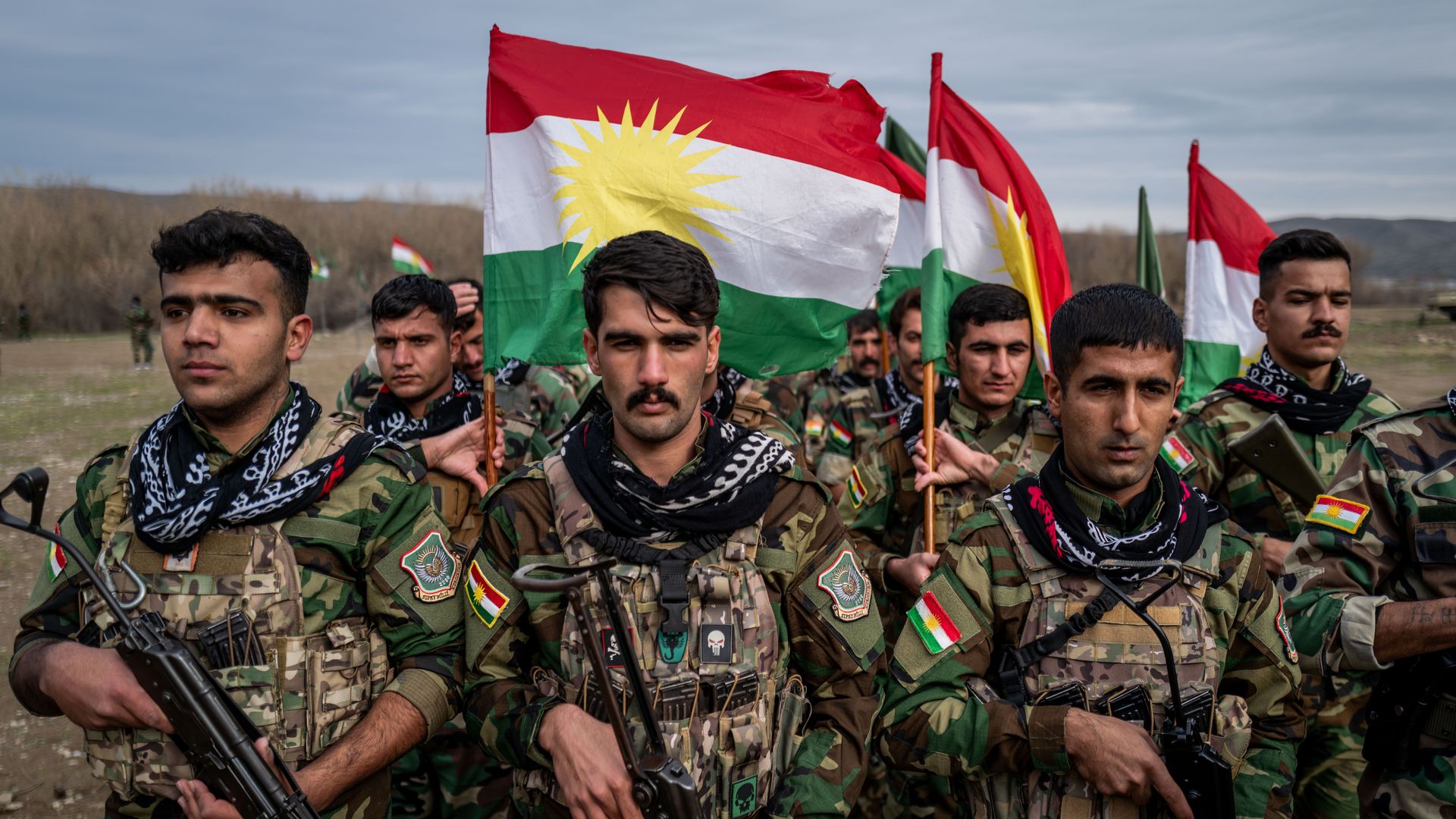
Iraq's Kurds are caught in a three-way vise as the Iran war spills across their border:
They're uncertain, based on President Trump's messaging, whether the U.S. actually wants regime change next door.
They're under pressure to open the border from Iranian Kurds who want to fight the regime.
And they're facing a public threat — backed by a private warning — that Iran will retaliate if those militants attack from Iraqi Kurdish soil.
Why it matters: The Kurds of northern Iraq have carved out a stable, semi-autonomous region in one of the world's most volatile neighborhoods. Now, the war next door is threatening to make their neutrality impossible to hold.
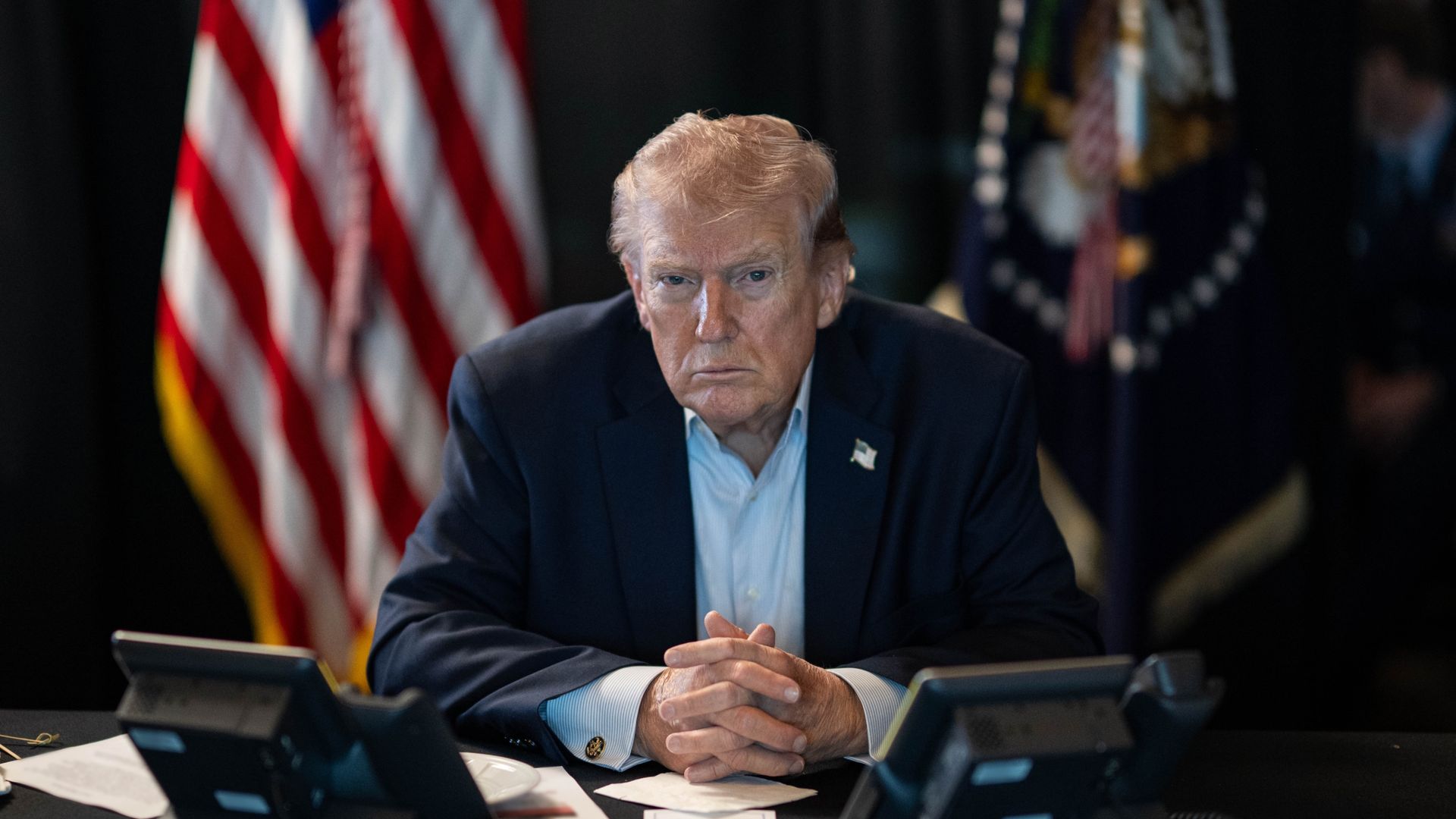
President Trump is positioning himself as a central architect of Iran's post-war future, demanding "UNCONDITIONAL SURRENDER" on Friday.
The big picture:Trump is signaling ambitions that extend beyond military action into reshaping Iran's political and economic order just as he did in Venezuela. But experts warn it's not that simple.
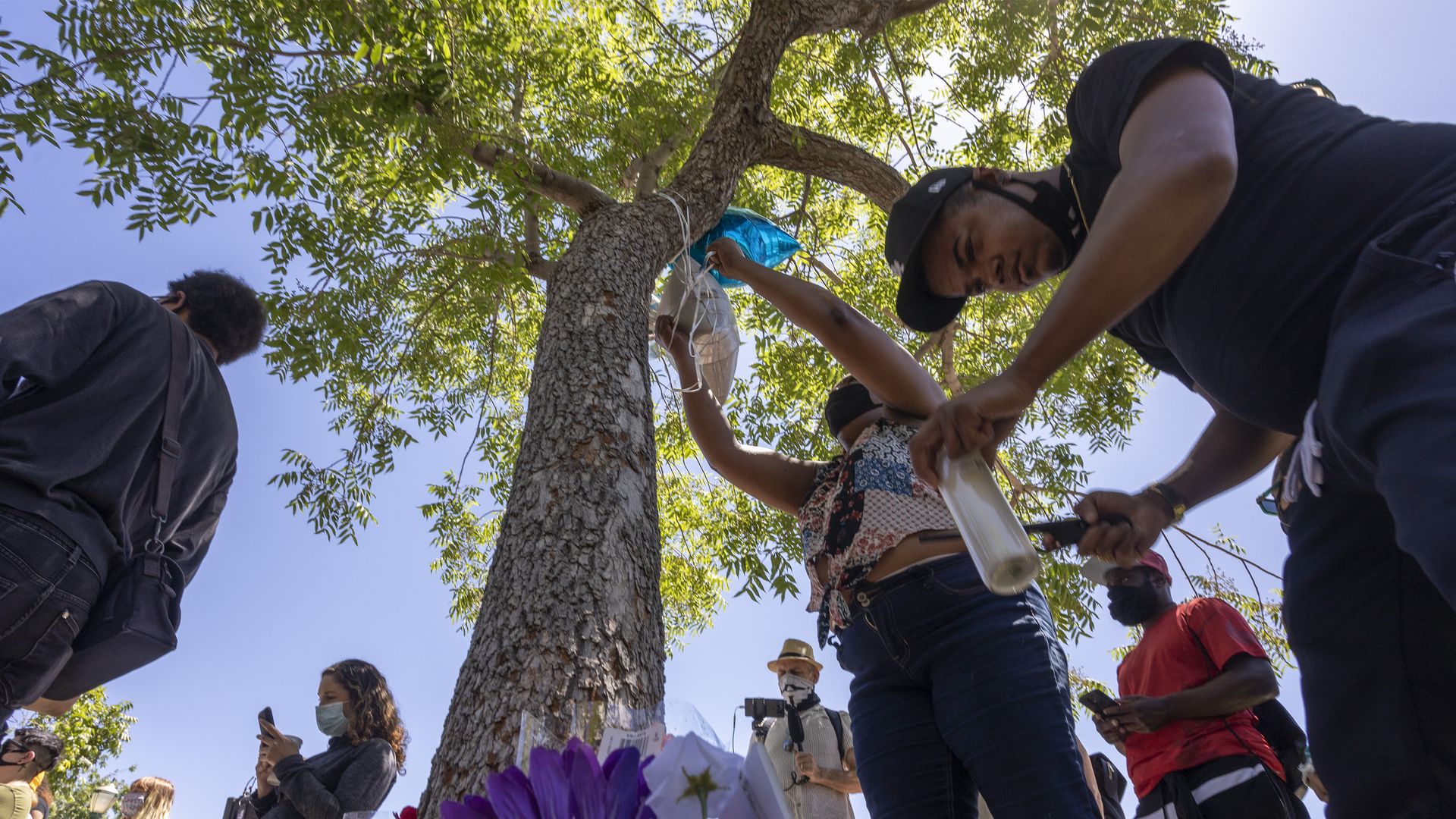
A new civil rights report argues that lynchings of Black men didn't end in America — they evolved — and that some deaths today may still be misclassified as suicides or accidents.
The big picture: If killings are misclassified, families can lose their paths to justice, and possible patterns of racial violence can remain hidden in plain sight.