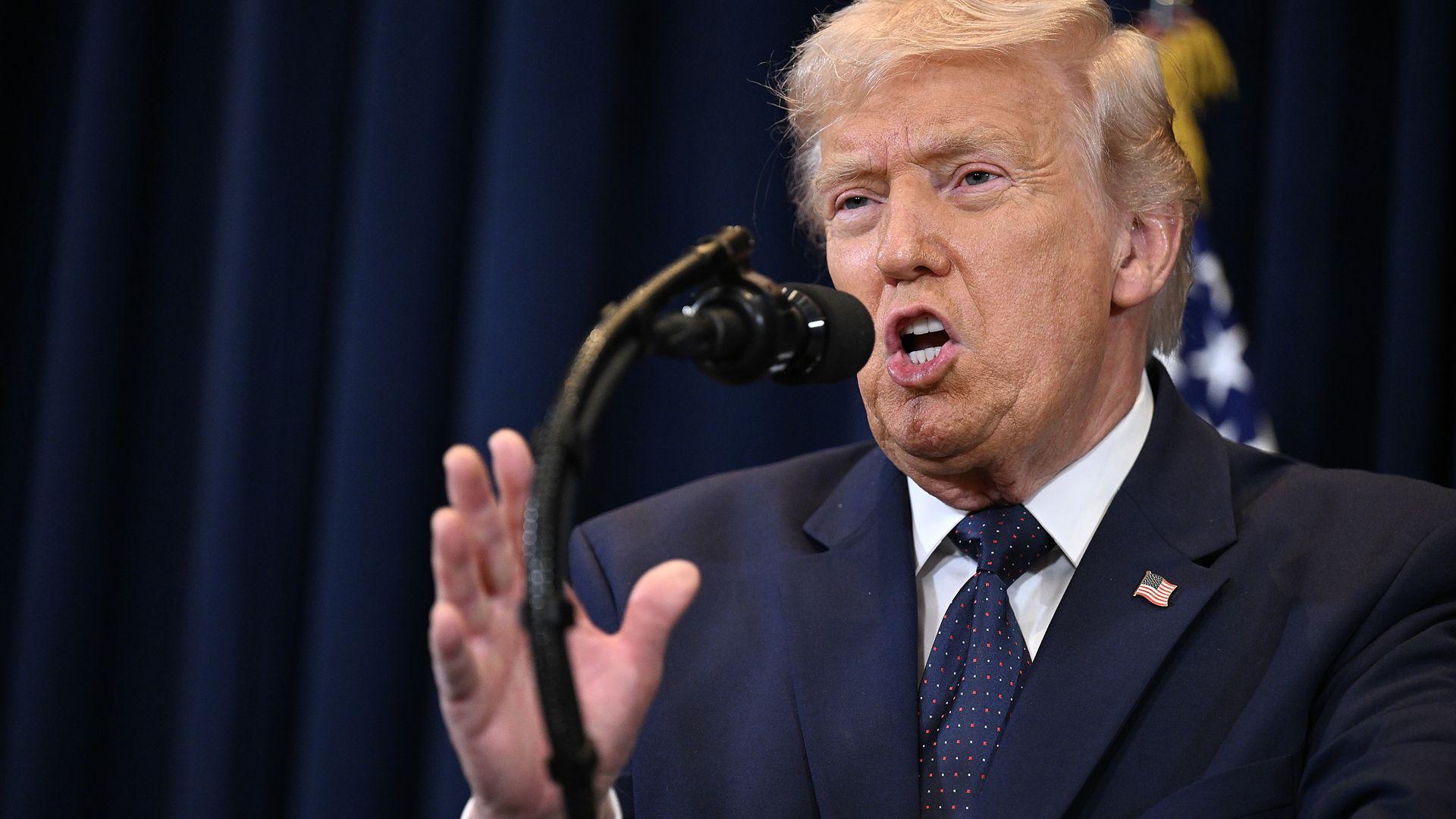
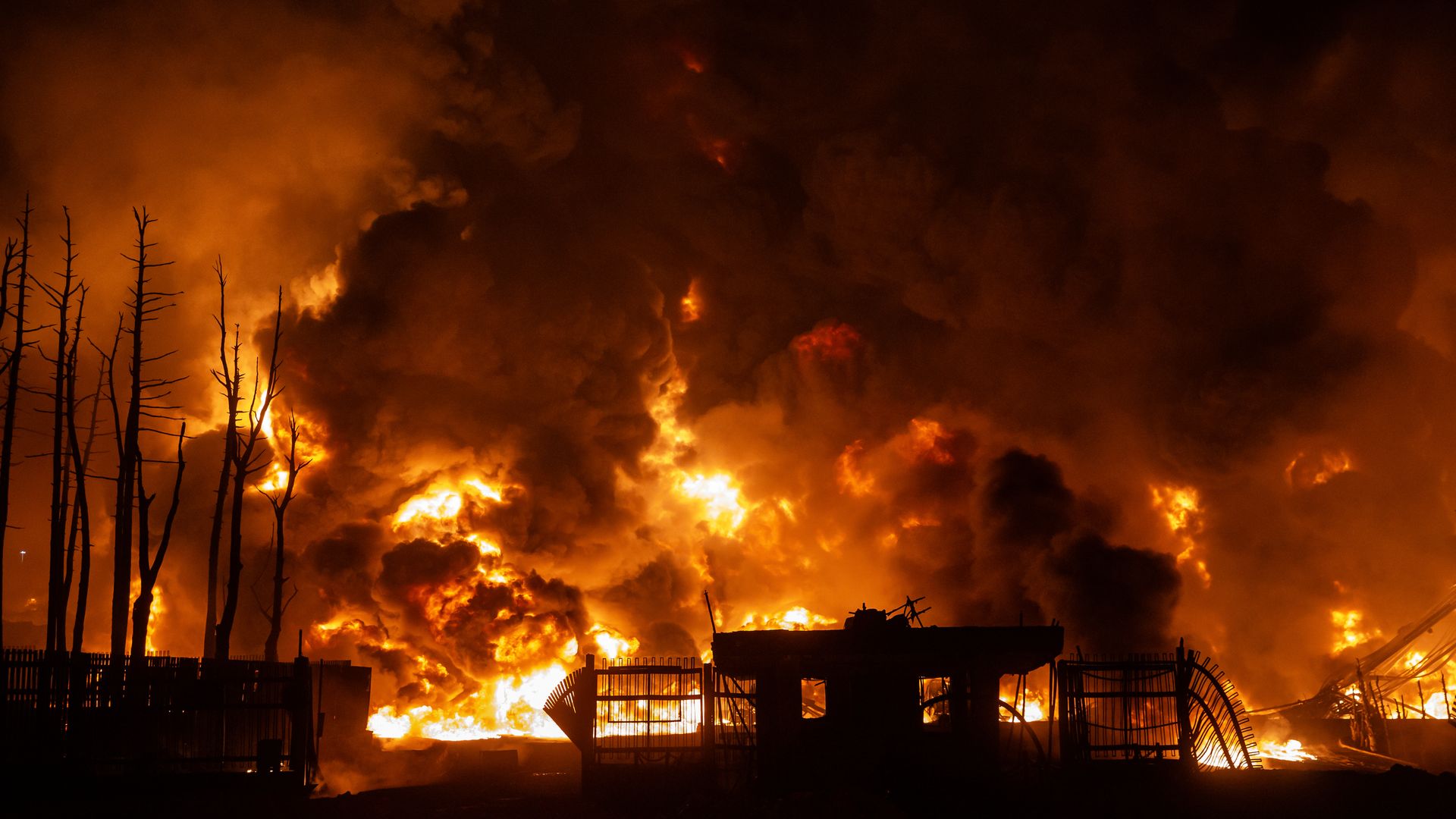
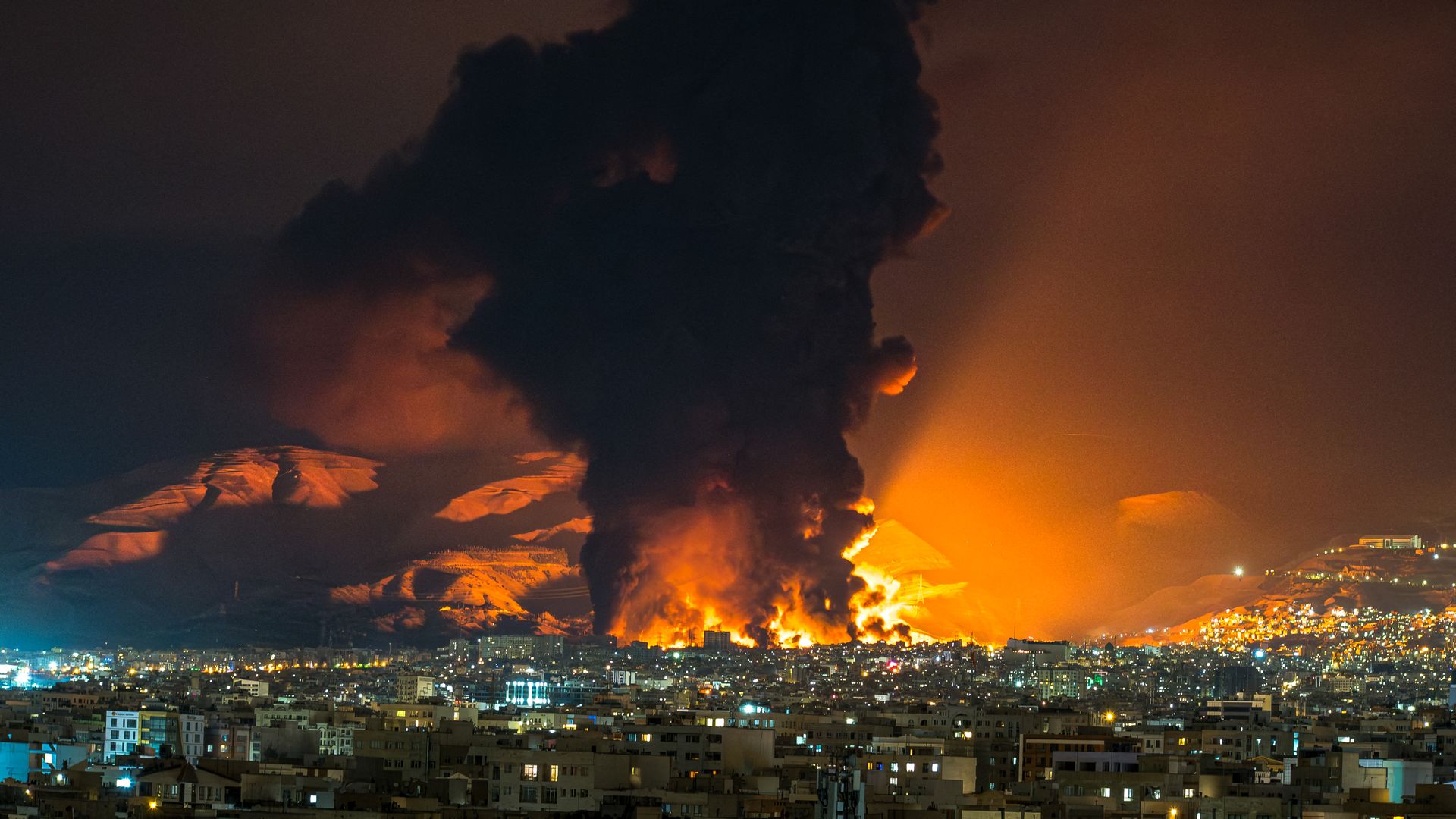
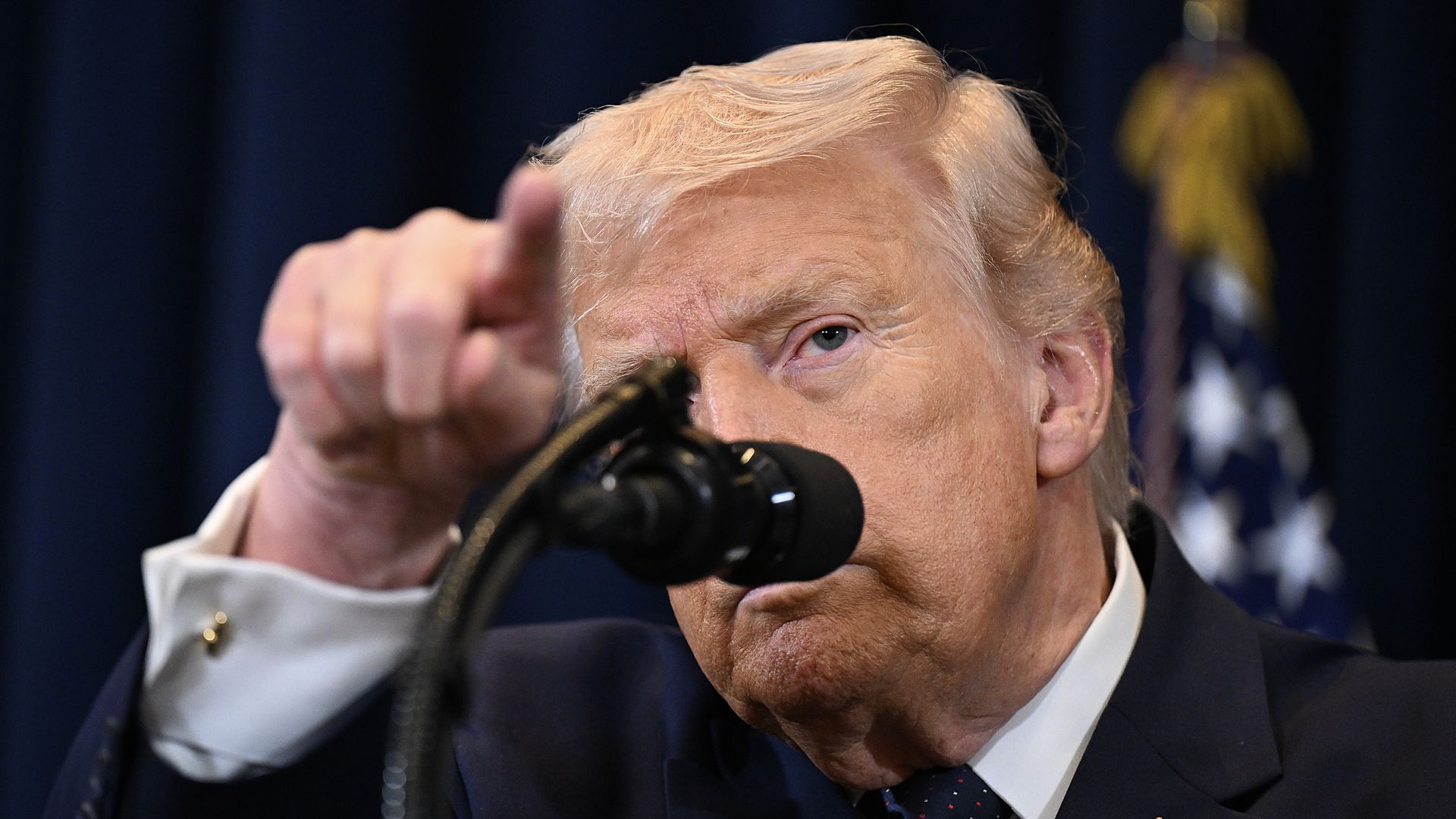
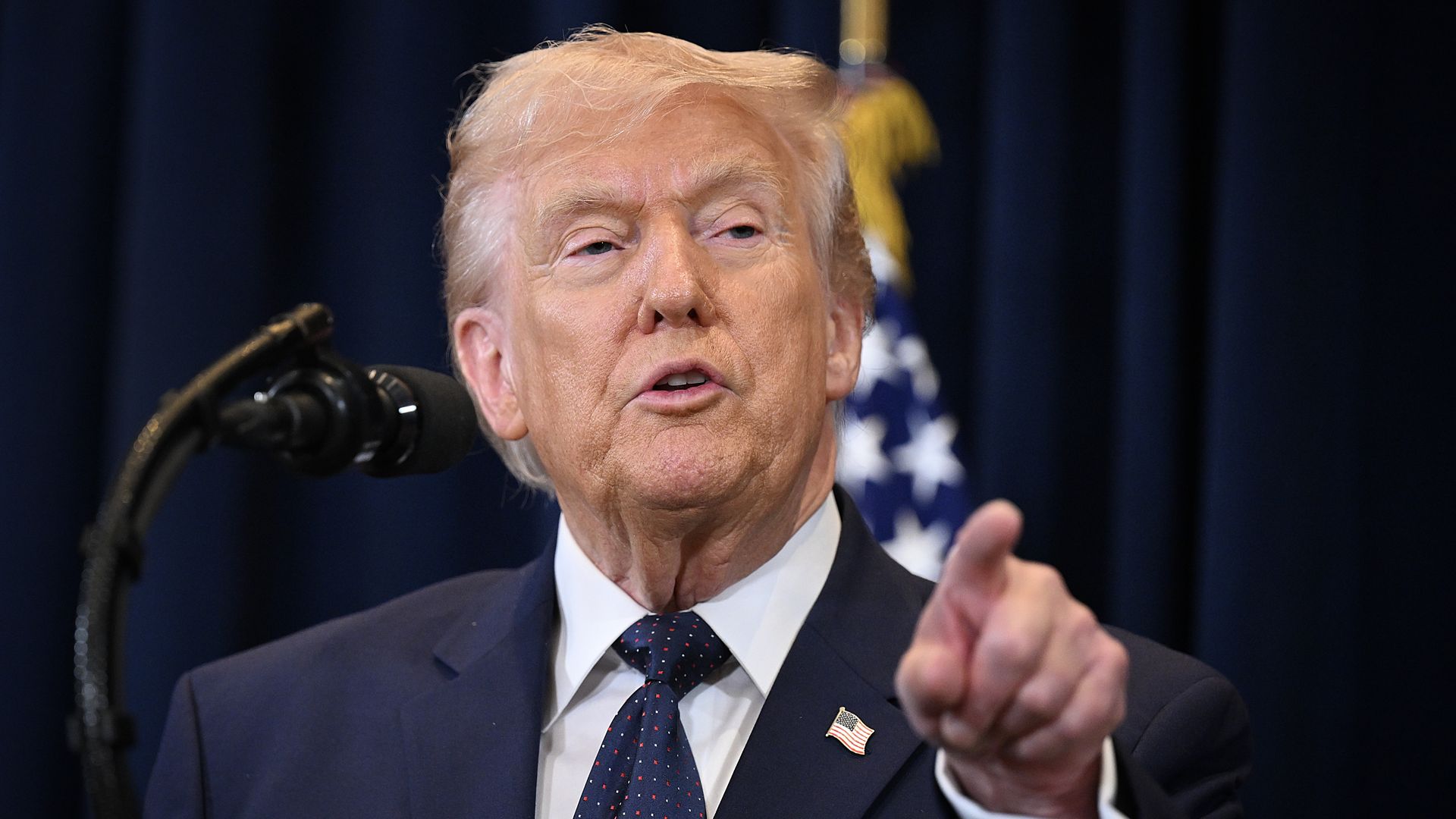
Ten days after the U.S. and Israel struck Iran, President Trump's endgame is a murky, ever-moving target.
The big picture: Across interviews, press conferences and social media, Trump floated and erased timelines, predicted the war's end or promised new escalation, and argued he must choose Iran's new leader while the administration denies regime change is the goal.
The U.S. military destroyed 16 Iranian mine-laying naval vessels on Tuesday amid concerns that Iran is preparing to deploy mines in the Strait of Hormuz.
Why it matters: A senior U.S. official told Axios the strike on the inactive ships was a preemptive measure that was a result of intelligence about Iran's operational plans.
Mixed signals from President Trump and his own Pentagon are leaving allies, markets and lawmakers guessing how — or when — the Iran war ends.
Why it matters: Every week without a resolution deepens economic pain at home and instability abroad — raising the political stakes for Trump ahead of the midterms.
The Trump administration asked Israel on Monday not to carry out further strikes on energy facilities in Iran, particularly oil infrastructure, according to three sources familiar with the matter.
Why it matters: The U.S. request marks the first time the Trump administration has reined in Israel since the two countries launched their joint operation against Iran ten days ago.
The Iran war's fuel-price shock is slamming states that could decide Senate control in November, a potential headache for Republicans defending their majority.
After President Trumpthreatened further "Death, Fire, and Fury" against Iran, the secretary of its Supreme National Security Council issued an ominous warning to him on social media.
The big picture: Despite Trump signaling that the war is nearing a close, he has made it clear that he doesn't accept Iran's newly installed leader, Mojtaba Khamenei, and won't tolerate attempts to choke off oil coming through the Strait of Hormuz.
A new coalition of companies that includes Google and Tesla will address energy affordability by tapping into underused electricity grid capacity, coalition officials told Axios exclusively.
Why it matters: It's the latest example of how soaring electricity rates — from AI data centers and other demands — have moved affordability to the front burner.
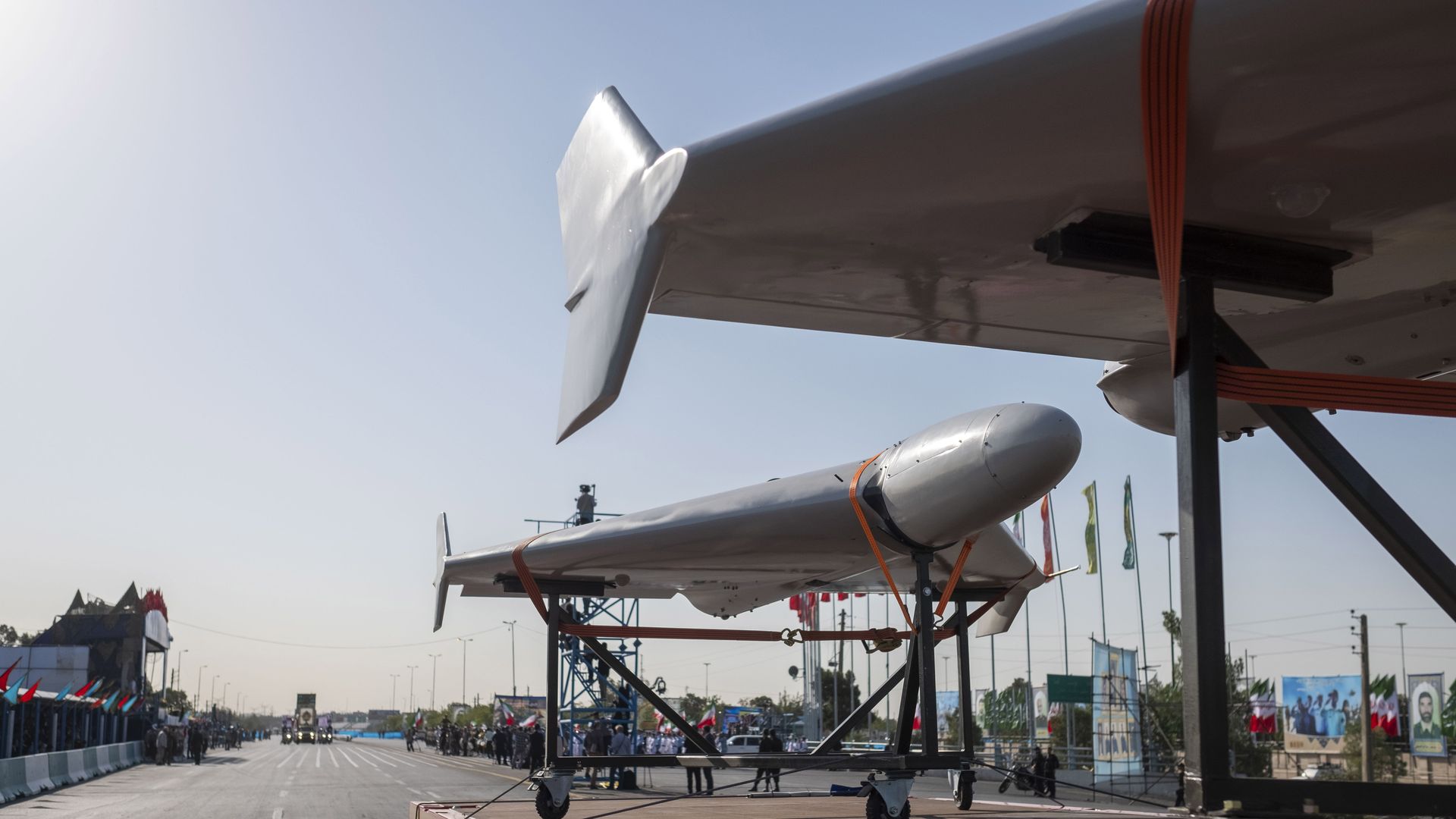
Nearly seven months ago, Ukrainian officials tried to sell the U.S. their battle-proven technology for downing Iranian-made attack drones. They even made a PowerPoint presentation — obtained exclusively by Axios — showing how it could protect American forces and their allies in a Middle East war.
The Trump administration dismissed the Ukrainians, only to reverse course last week because of more-than-expected drone strikes from Iran.
Why it matters: Snubbing Ukraine's offer ranks as one of the biggest tactical miscalculations by the administration since the bombing of Iran began Feb. 28, two U.S. officials tell Axios.
Oil prices would need to stay high for years — not weeks or months — to drive a lasting shift away from the fossil fuel.
The big picture: Every time oil spikes, the same question surfaces: Will this push more people into electric cars or install solar panels onto rooftops?
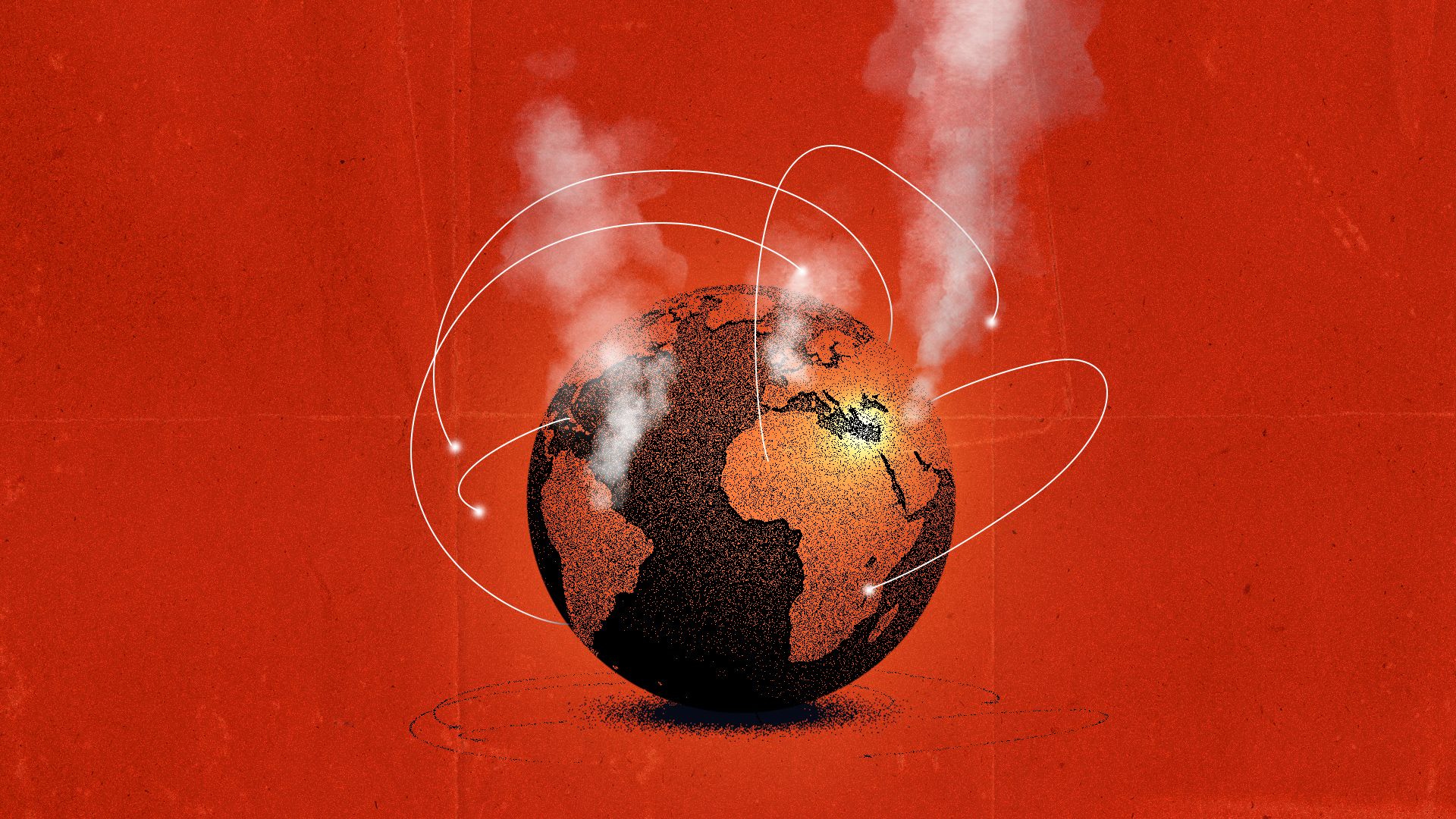
Ten days into President Trump's Iran campaign, the war has gone global.
At least 20 countries are now militarily involved — shooting, shielding or quietly supplying — while a widening energy shock punishes nations far from the front lines.
Why it matters: This isn't World War III. But it may be the closest we've come in decades — drawing in more countries, more great powers and more overlapping conflicts than any crisis since the Cold War.