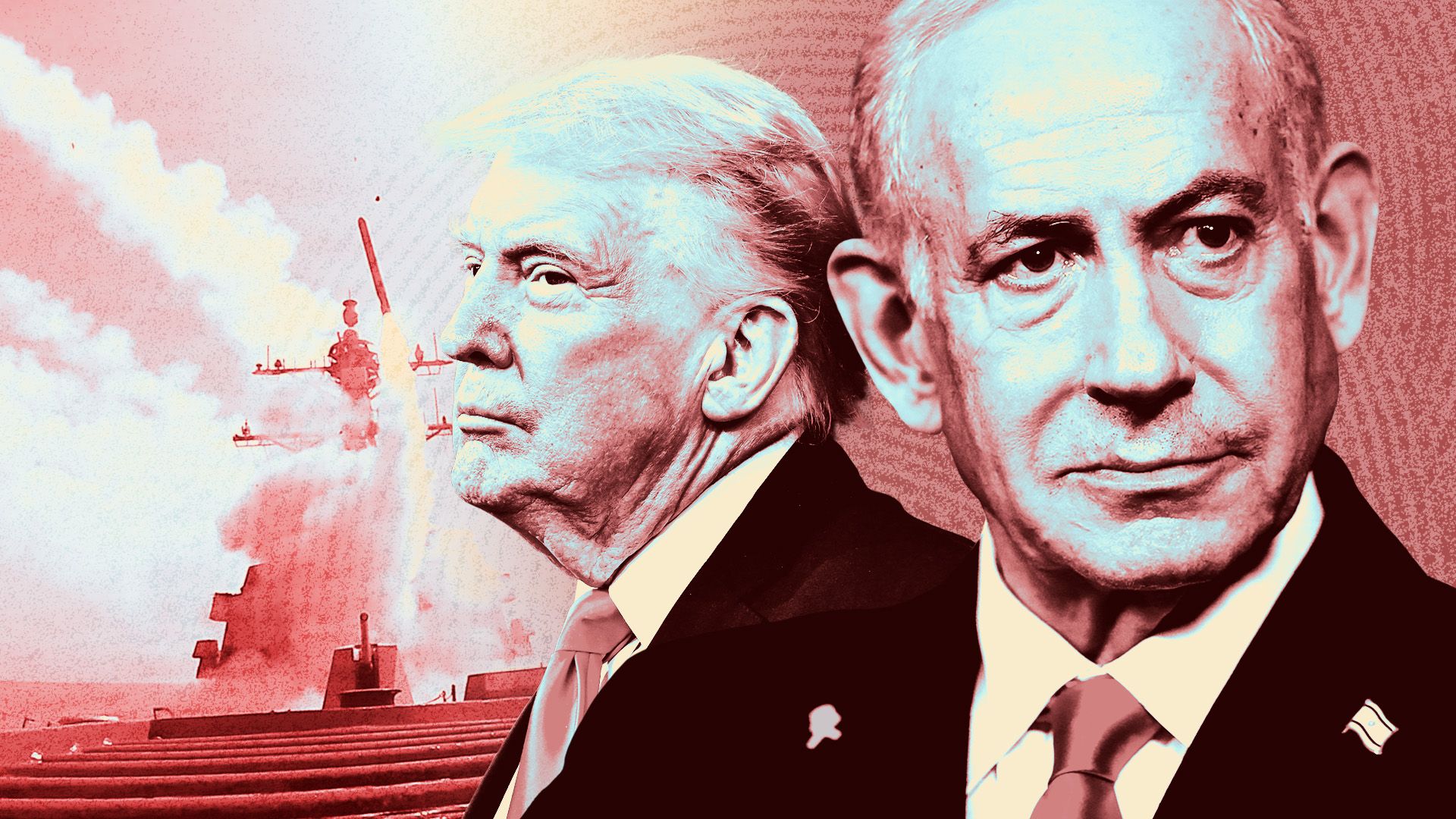
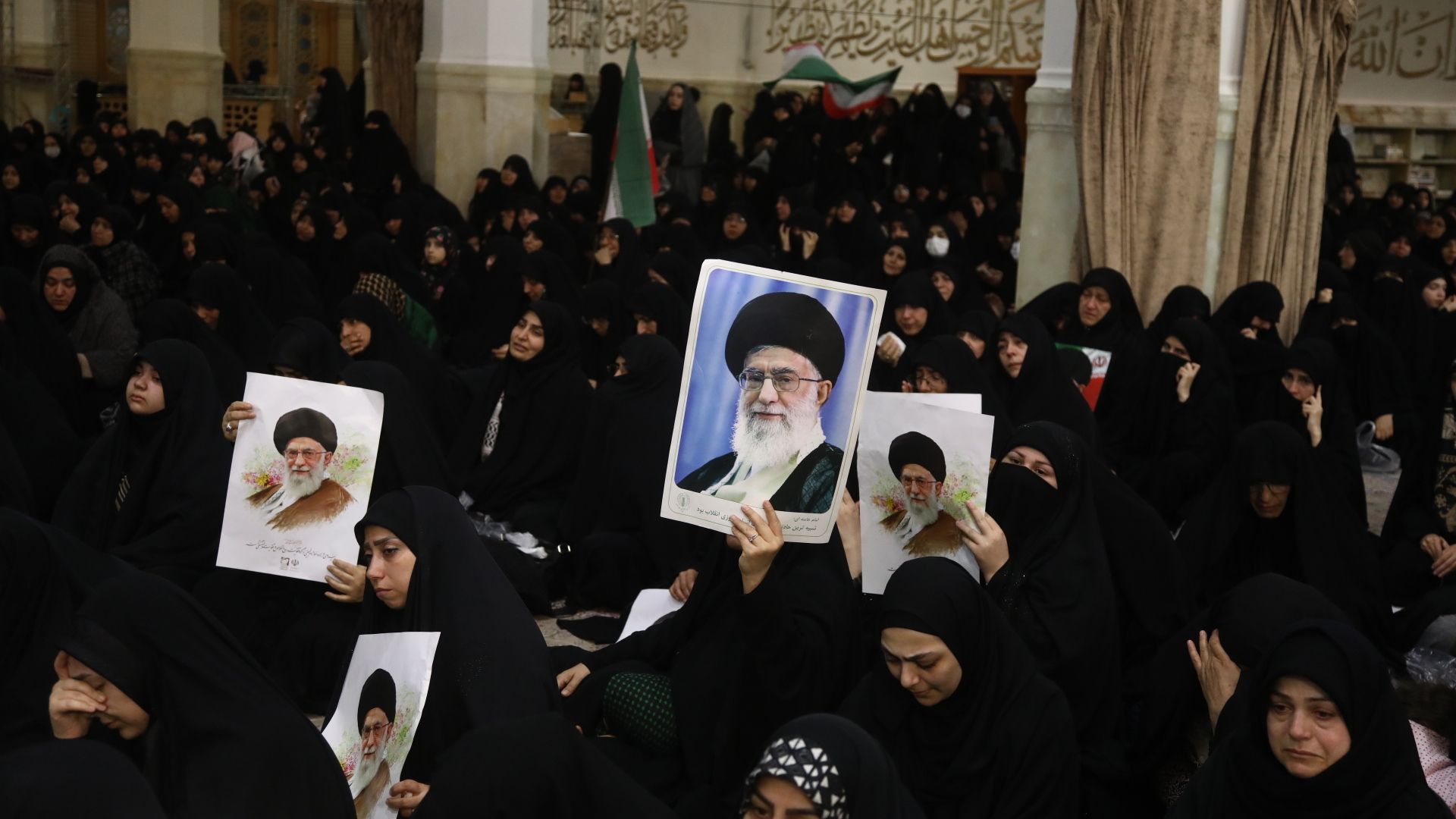
Last Monday, Israeli Prime Minister Benjamin Netanyahu called President Trump with a stunning tip: Iran's supreme leader and his top advisers were all set to meet at one location in Tehran on Saturday morning.
They could all be killed in a single devastating airstrike, Netanyahu told Trump and his team, according to three sources briefed on the discussion.
Why it matters: The Feb. 23 call — held from the White House Situation Room and unreported until now — was a pivotal moment that set the Iran war in motion.
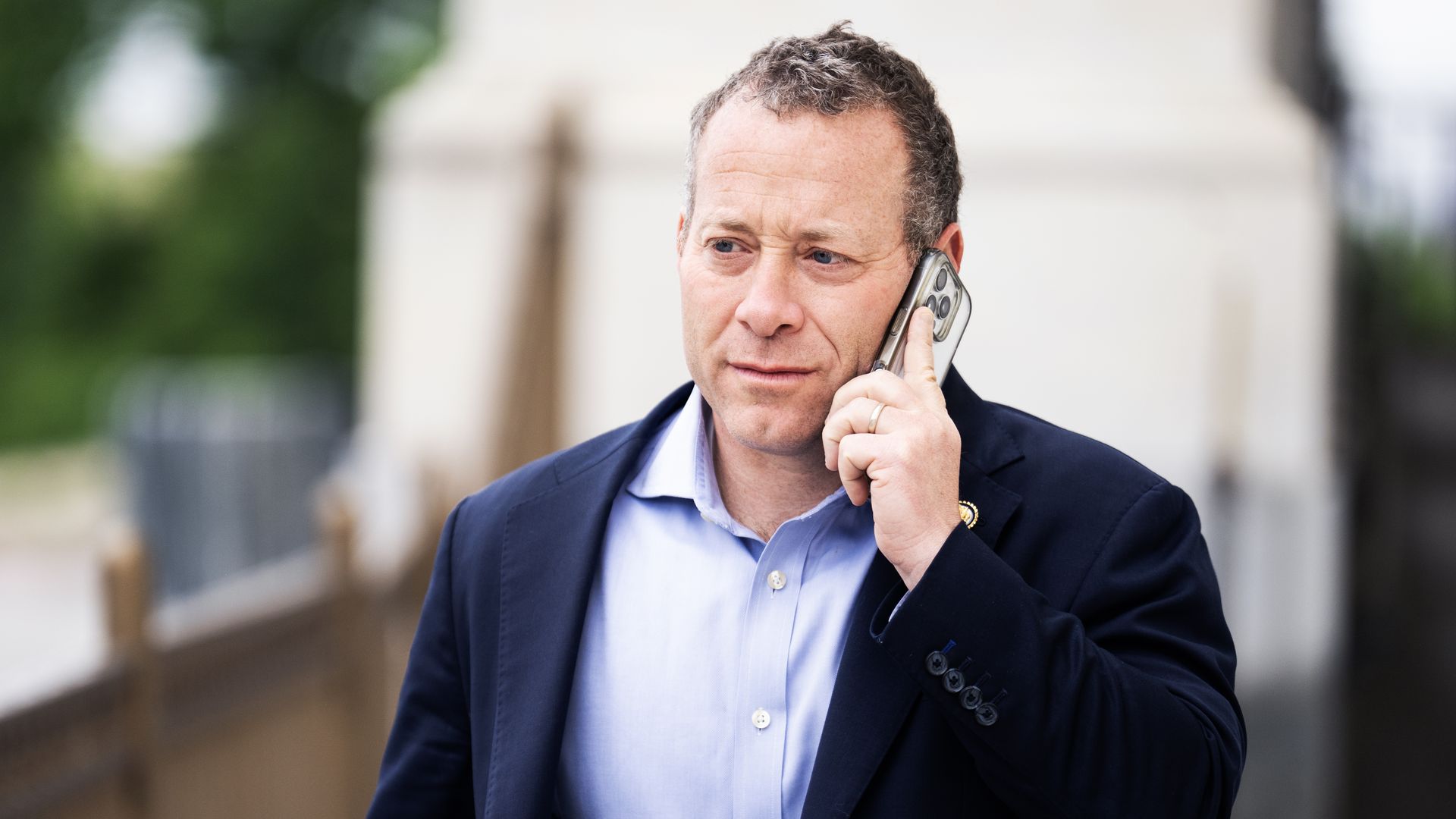
A group of centrist House Democrats on Tuesday unveiled a war powers resolution that would give the Trump administration more leeway on Iran than the measure their leadership is pushing.
Why it matters: The effort reflects the extreme reluctance some hawkish Democrats have towards voting for the resolution introduced by anti-interventionist Reps. Ro Khanna (D-Calif.) and Thomas Massie (R-Ky.).
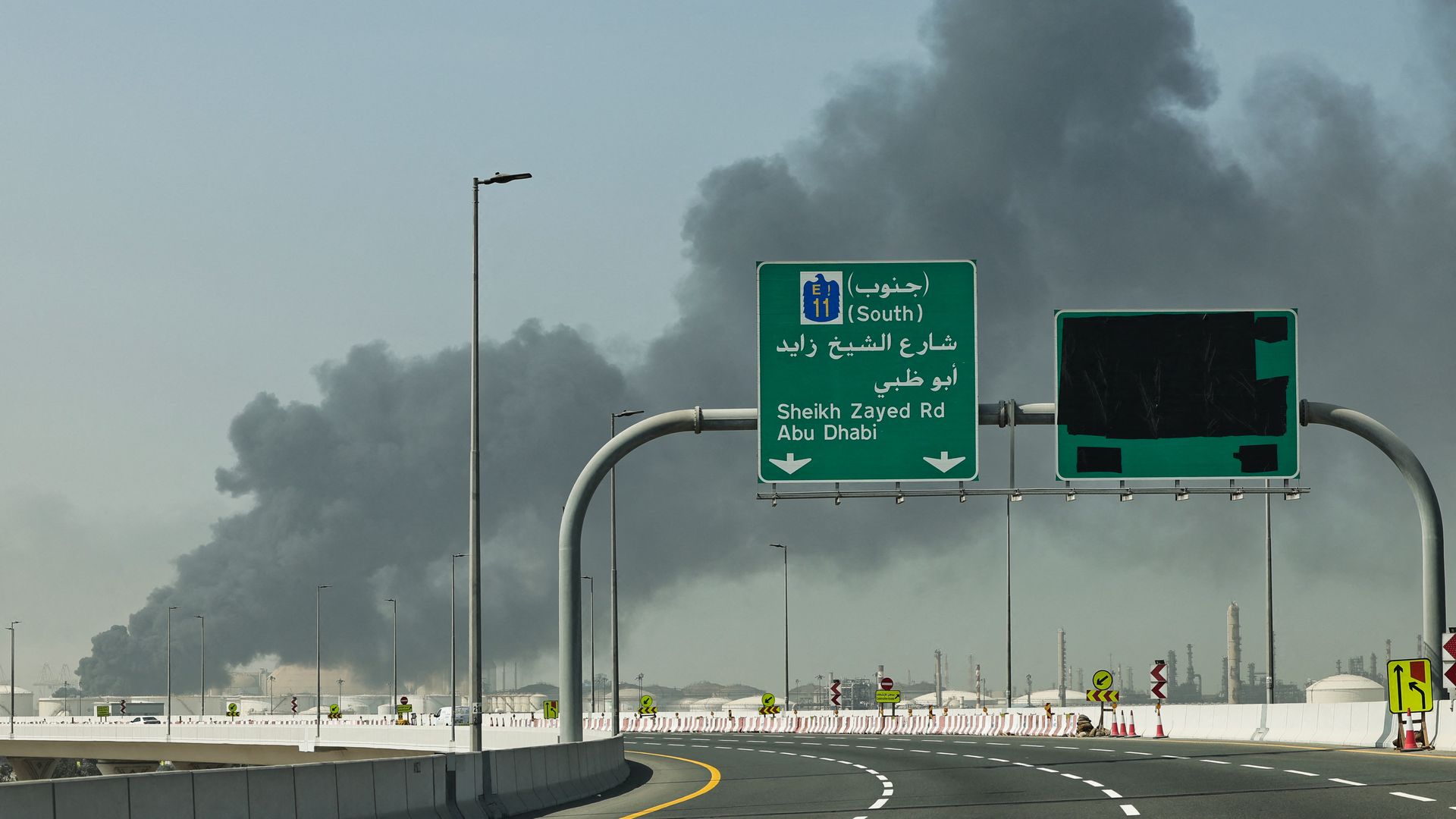
The United Arab Emirates is considering taking military action to stop Iranian missile and drone strikes on the country, two sources with knowledge of the matter tell Axios.
Why it matters: An Emirati strike on Iran would be unprecedented. The fact that it's being considered reflects the enormous anger among Gulf countries over Iranian attacks that have targeted civilian infrastructure and oil and gas facilities.
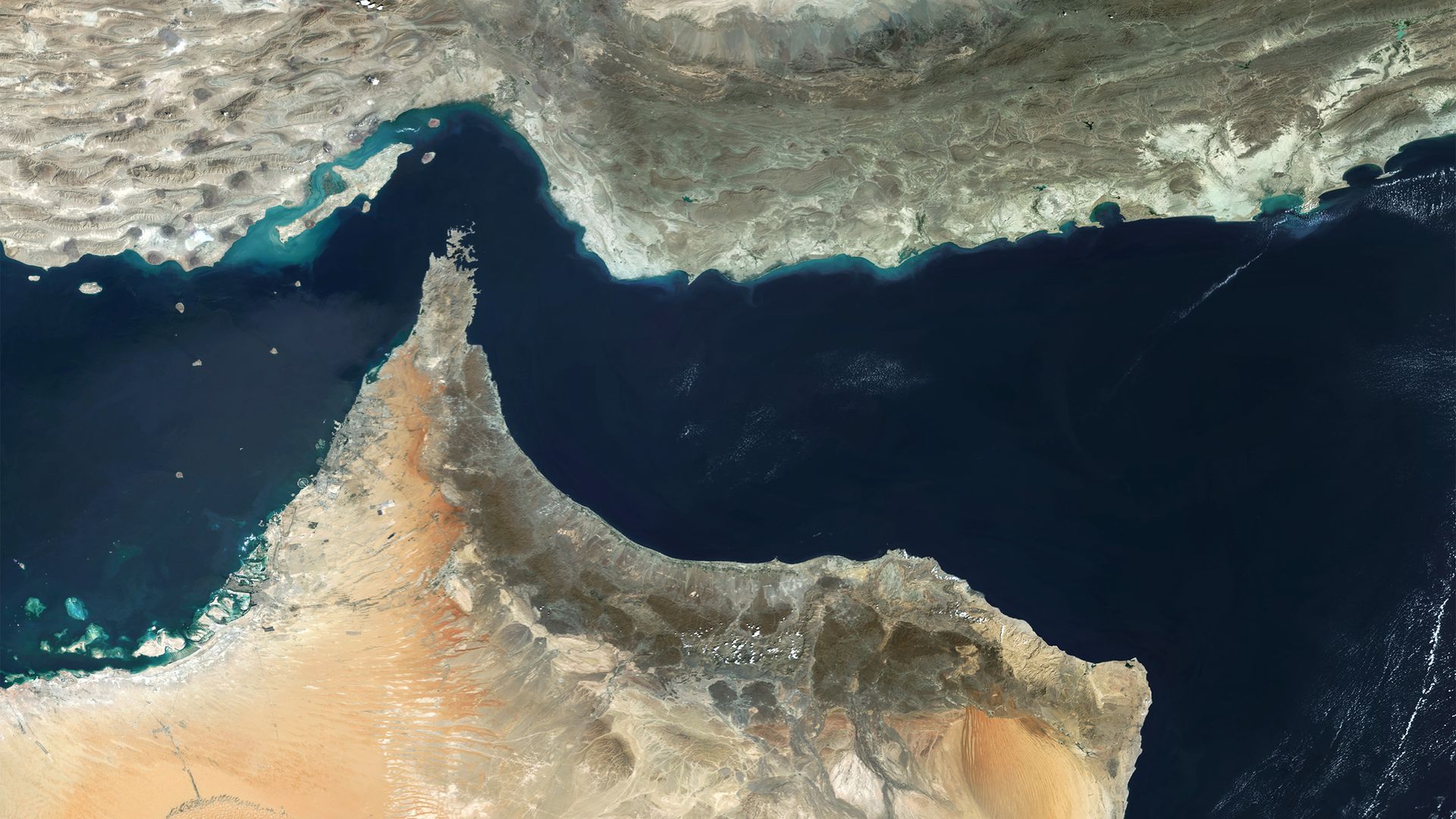
President Trump said the U.S. will "immediately" offer "political risk insurance and guarantees" for energy tankers and other ships in the Gulf region, and that the Navy will escort tankers through the Strait of Hormuz if needed.
Why it matters: The White House is trying to ease oil price spikes that are starting to boost U.S. gasoline prices. Oil prices retreated Tuesday as word of the plans began to emerge.
Fear of Iran getting nuclear weapons drove the U.S. and Israeli strikes over the weekend, but the location and security of Tehran's uranium stockpile remains unclear.
The big picture: The UN's nuclear watchdog hasn't been able to inspect key Iranian nuclear sites, and a prolonged conflict could mean even less transparency.
Gasoline prices are jumping as oil prices spike following the U.S. and Israel strikes on Iran, reflecting market fears of extended geopolitical upheaval.
Why it matters: Americans use about 370 million gallons of gas per day, so price increases have an immediate effect on their pocketbook and mood about the economy.
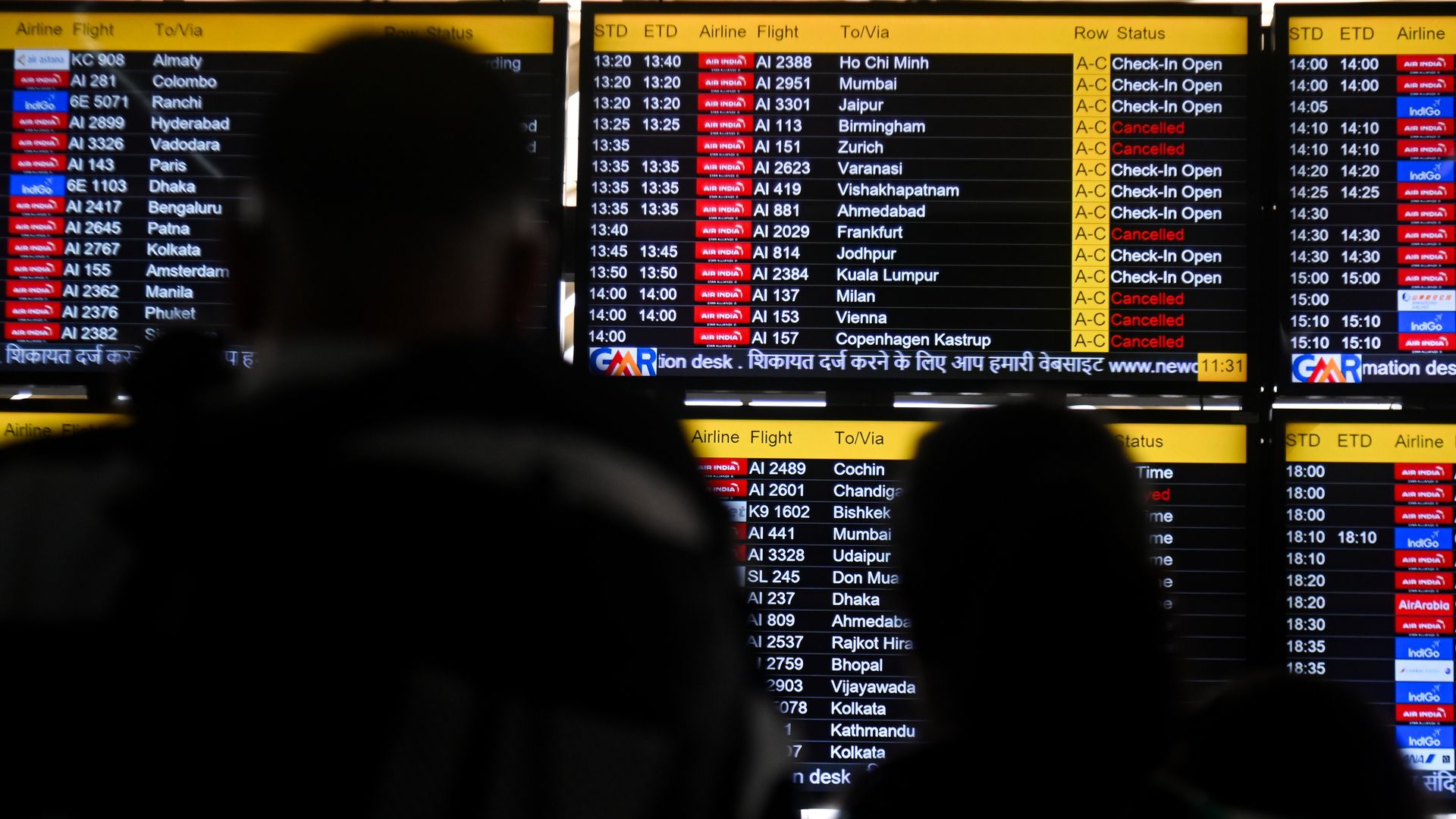
The State Department is organizing military aircraft and charter flights for American citizens who want to leave the Middle East as the conflict with Iran widens.
The big picture: For days, the Trump administration told thousands of stranded Americans to book commercial flights despite airports suspending operations after many were hit by strikes.
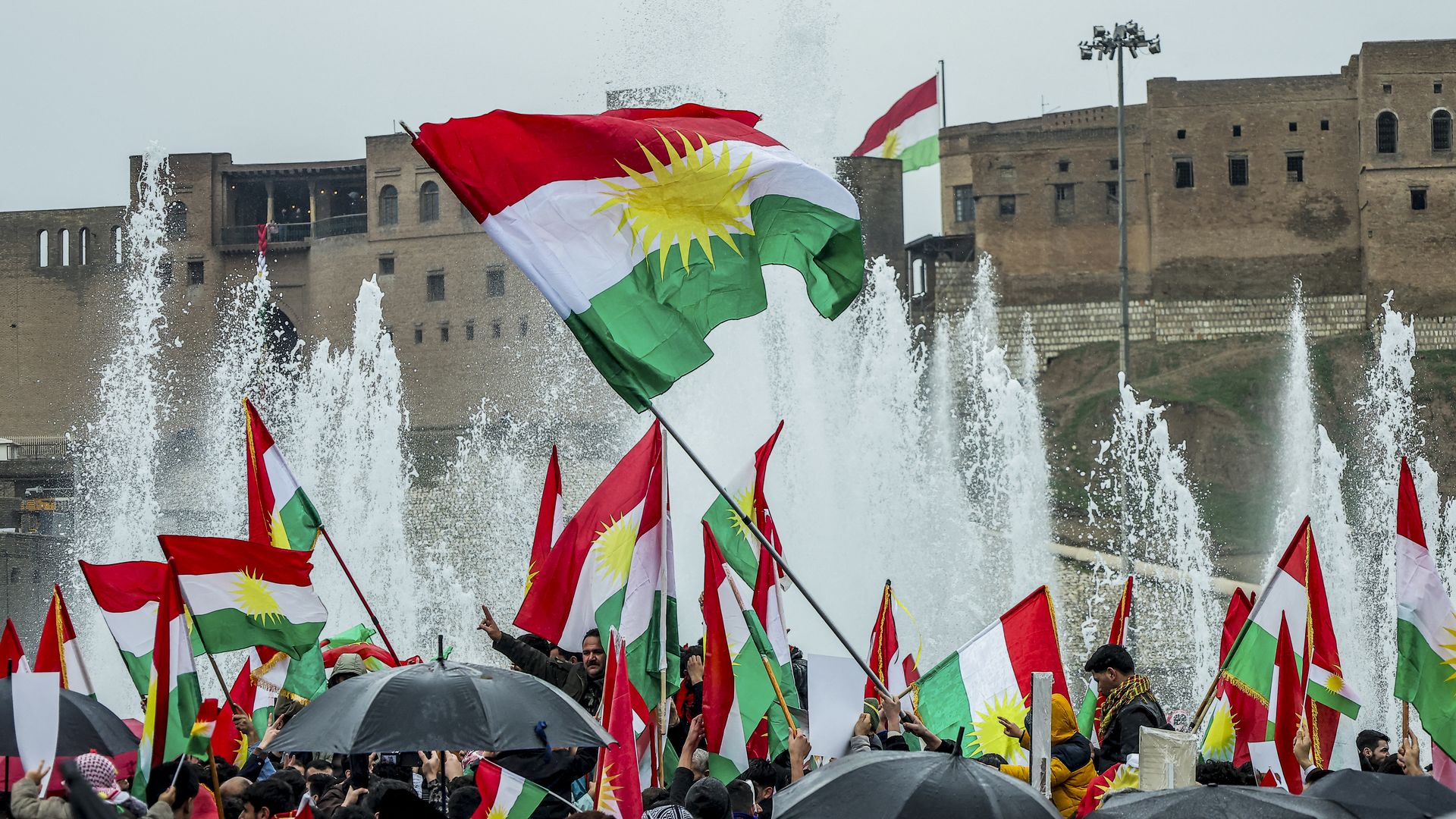
President Trump spoke by phone with Kurdish leaders in Iraq on Sunday to discuss the U.S.-Israel war with Iran and what might come next, three sources with knowledge of the calls told Axios.
Why it matters: The Kurds have thousands of soldiers along the Iran-Iraq border and control strategic areas that could be significant as the war develops. Iraq's Kurds also have close ties to Iran's Kurdish minority.
Prominent economists have warned for years that the low-volatility era of the 2010s has given way to a more fractured era, defined by trade wars, real wars and recurring supply shocks that policymakers are poorly equipped to manage.
The Iran war leaves little doubt that this analysis is correct.
Why it matters: The war is pushing up energy prices and rattling markets — something that central banks can't neutralize with an interest-rate tweak.
If these types of disruptions persist through the 2020s, policymakers face harsher trade-offs, higher volatility and a global economy that's structurally less stable.
The Israeli air force on Tuesday struck the building housing Iran's Council of Experts in the holy city of Qom in an attempt to disrupt the process of appointing a new supreme leader, an Israeli defense official said.
Why it matters: The Council of Experts is the body within the Iranian regime with the authority to appoint a new supreme leader. The clerics on the council vote on a short list of candidates being drafted by a smaller secret committee.
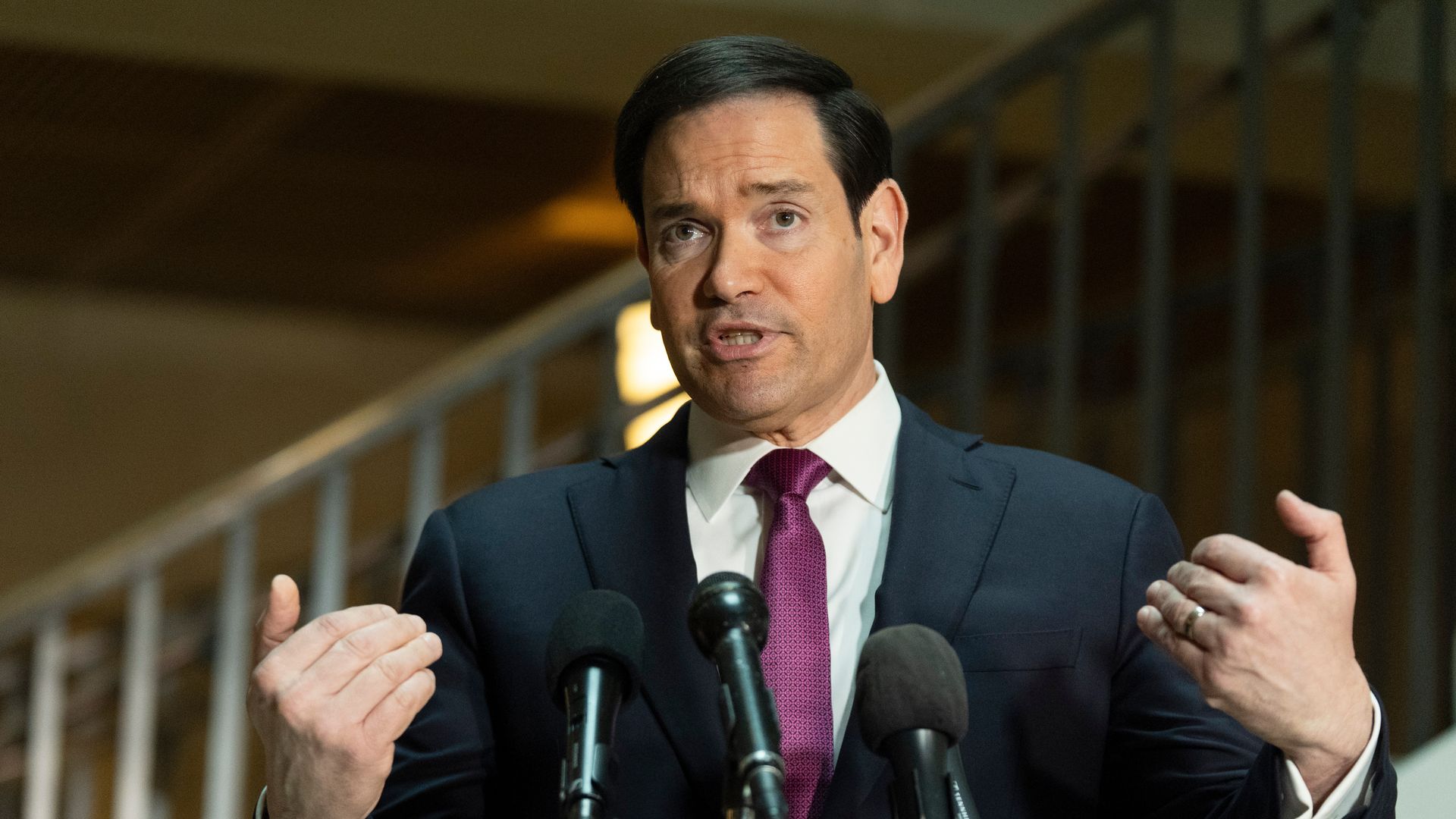
MAGA's ascendant "America First" wing erupted after Secretary of State Marco Rubio effectively blamed Israel for drawing the U.S. into war with Iran.
Why it matters: Rubio's remarks were the first time a Trump official had so explicitly acknowledged Israel as a driving force behind the war — landing at a moment when Americans' public support for Israel has hit historic lows.
"We knew that there was going to be an Israeli action" against Iran, Rubio told reporters on Capitol Hill on Monday. "We knew that that would precipitate an attack against American forces" by the Iranian regime.
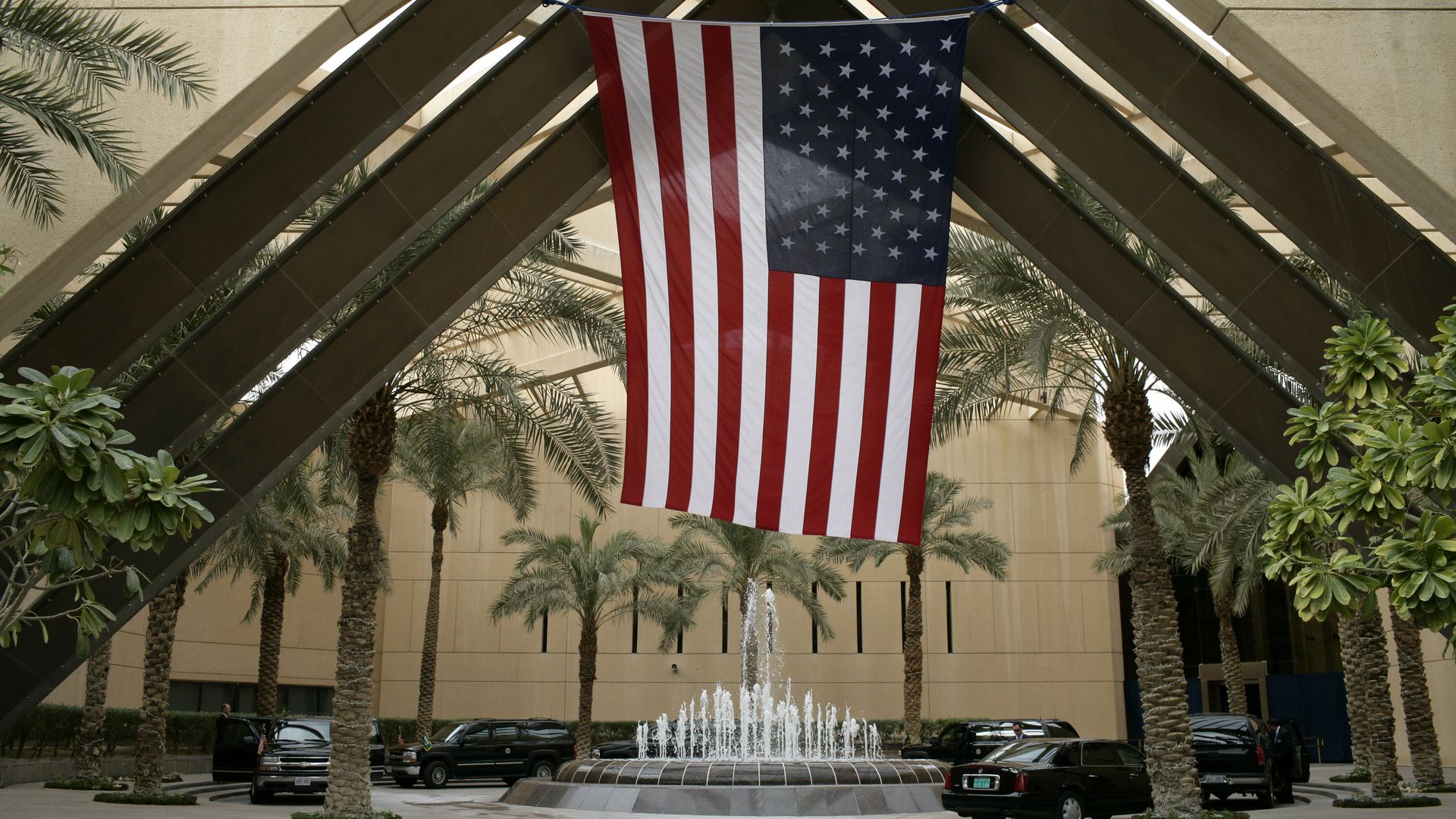
The U.S. Embassy in Riyadh was attacked by two drones, according to initial estimates, resulting in a limited fire and minor material damage to the building, a Saudi Defense Ministry spokesperson said.
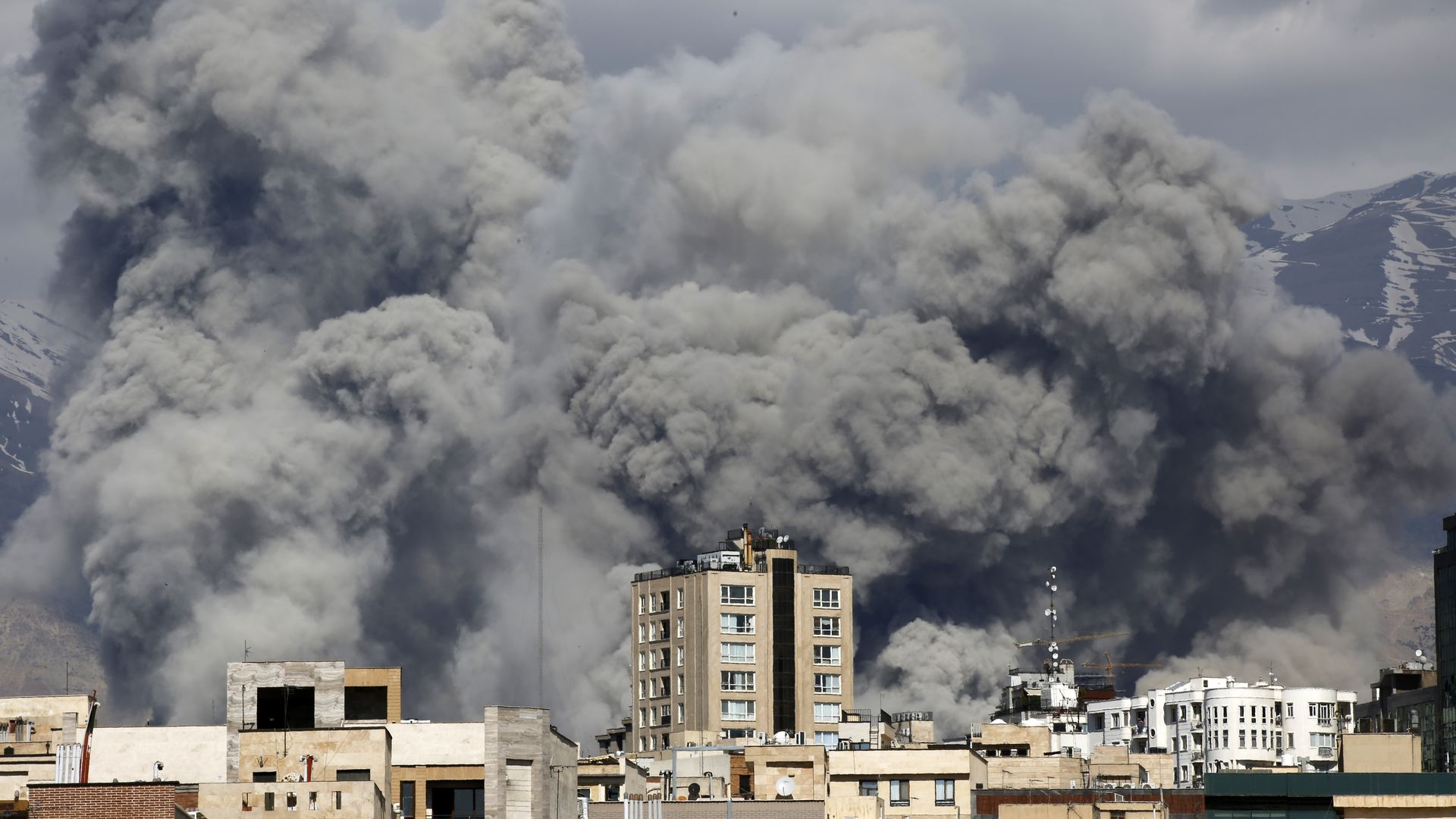
The big picture: Tehran has launched a wave of counterattacks following weekend airstrikes by American and Israeli forces on Iran, firing missiles at Middle Eastern countries that are allied with the U.S. into Tuesday morning — as the U.S. and Israel continued to target Iran.
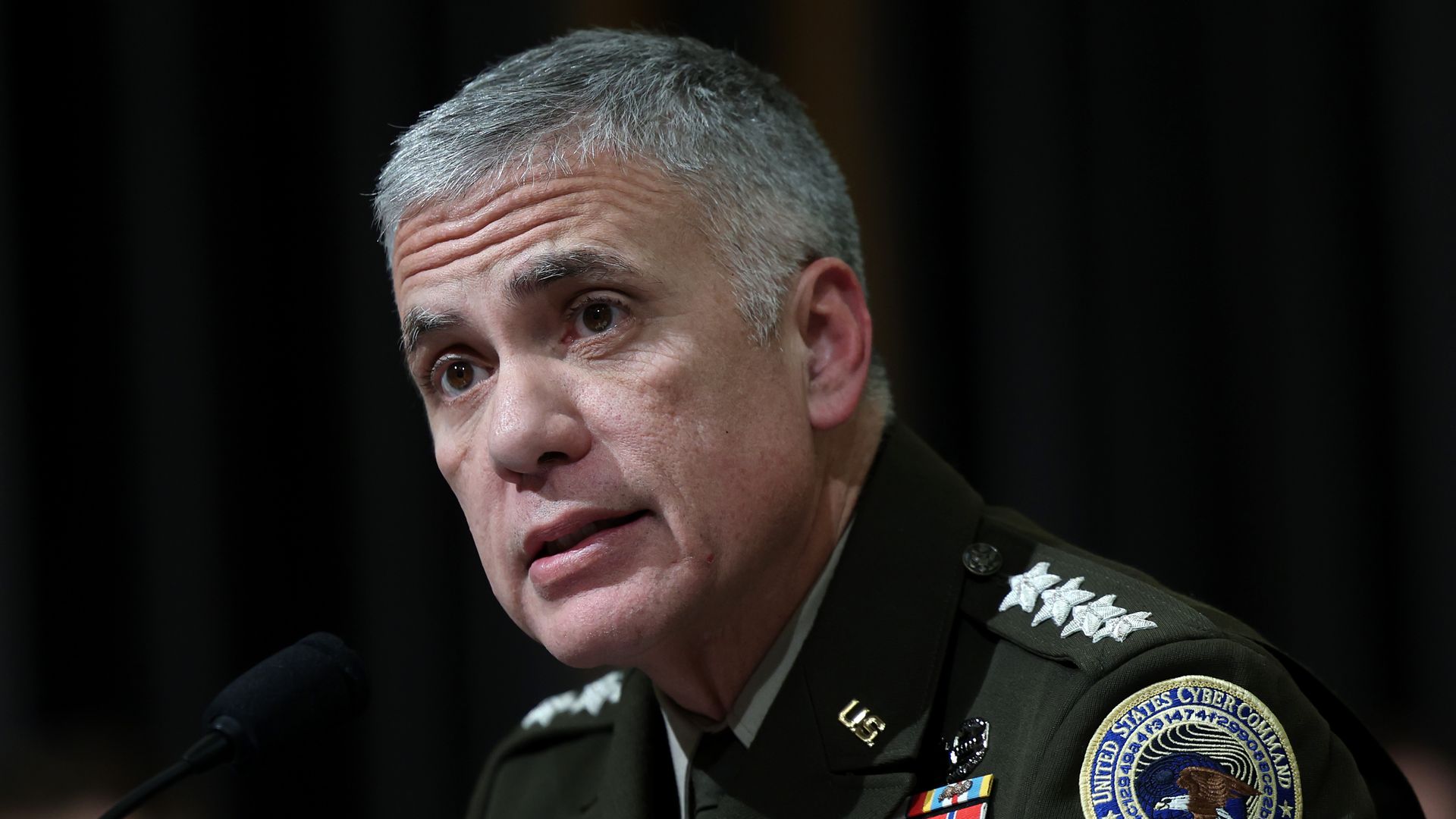
Retired Gen. Paul Nakasone, former NSA and U.S. Cyber Command director and an OpenAI board member, criticized the Trump administration's decision to label Anthropic a supply chain risk.
Why it matters: Designating just one American AI company as a risk could dismantle the Pentagon's decades of work to build trust across Silicon Valley, he warned.
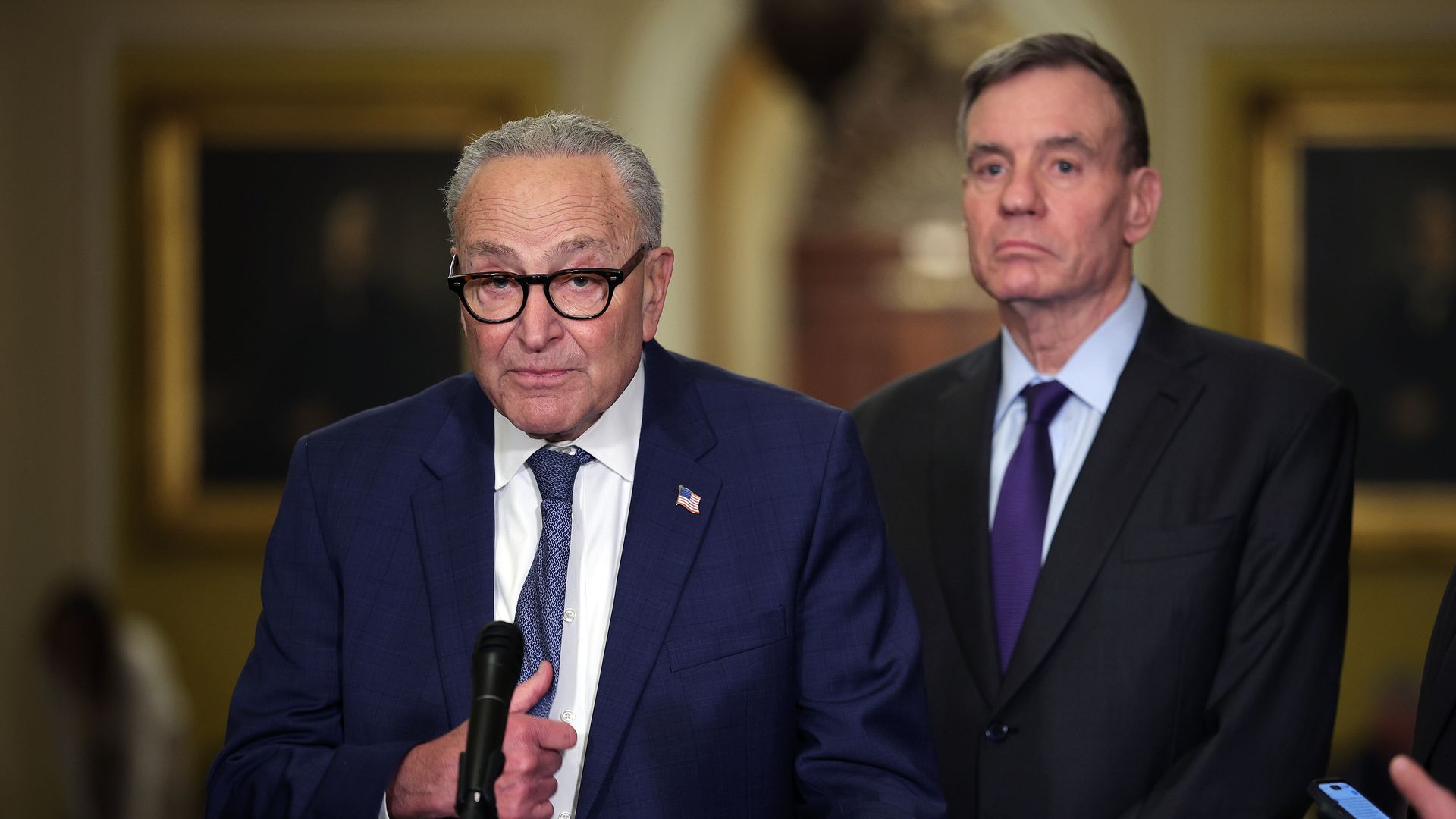
Senate Democrats expect to lose a symbolic vote this week to check President Trump's authority to strike Iran. They're preparing for a bigger fight over the war's funding.
Why it matters: The War Powers Resolution vote, which could come as soon as Tuesday, will unite the Democratic Party on process. But a potential funding debate could expose deeper foreign policy disagreements in the party.