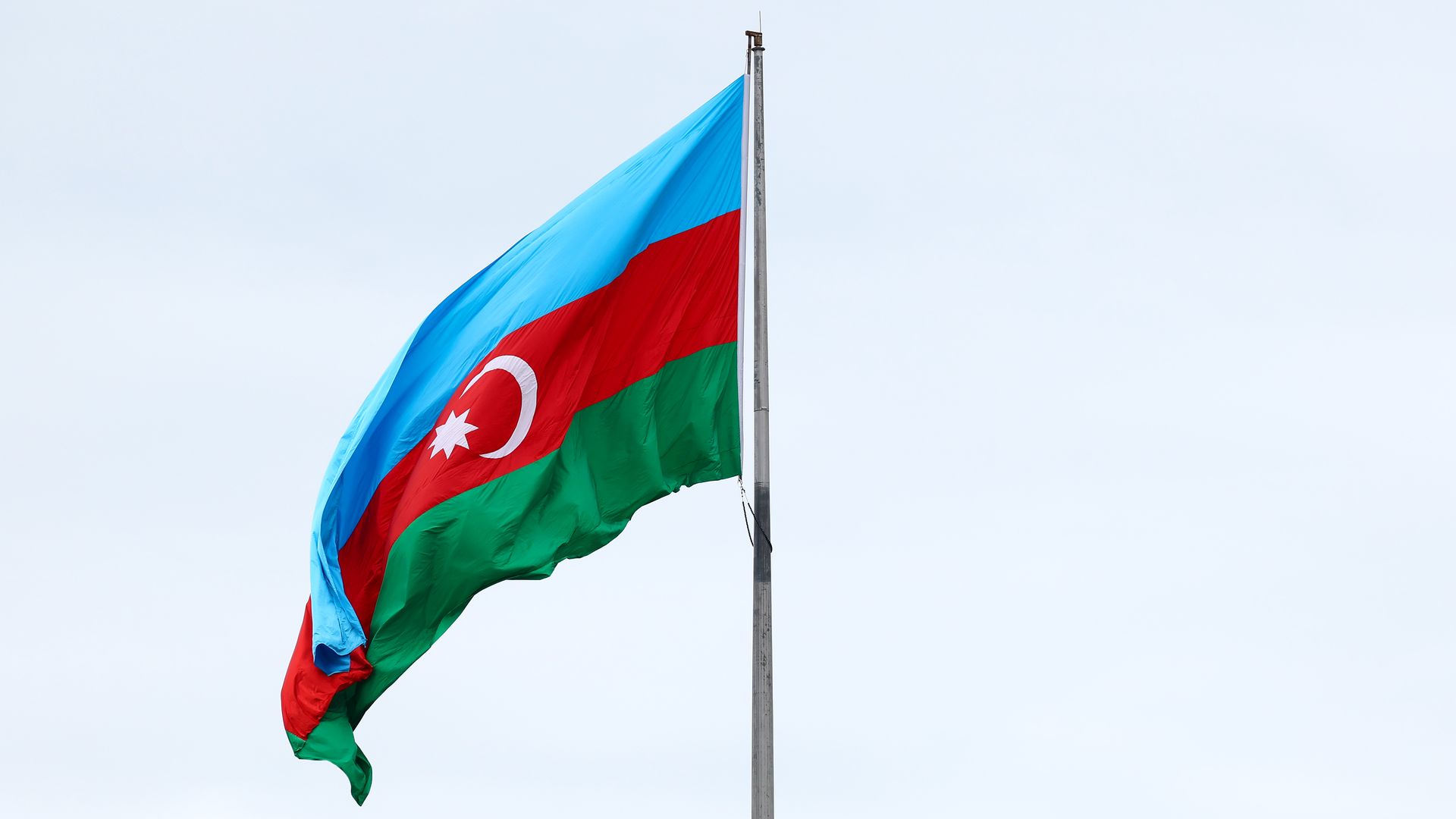
Azerbaijan's ambassador to the U.S. told Axios his country is taking "appropriate defensive and precautionary measures" following an Iranian drone strike on the Nakhchivan exclave.
Asked if he was worried about another attack, ambassador Khazar Ibrahim said it's "not about worrying." Instead: "We are calculating, we are looking at facts, and we are making decisions."
Why it matters: The salvo, which Iran denied responsibility for, again widens a war that is just days-old and has killed many, including American troops.
The House on Thursday rejected an effort to advance legislation that would restrict President Trump from using further military action in Iran.
Why it matters: The failed vote amounts to an endorsement of Trump's military campaign in Iran from Congress, which has the constitutional authority to declare war.
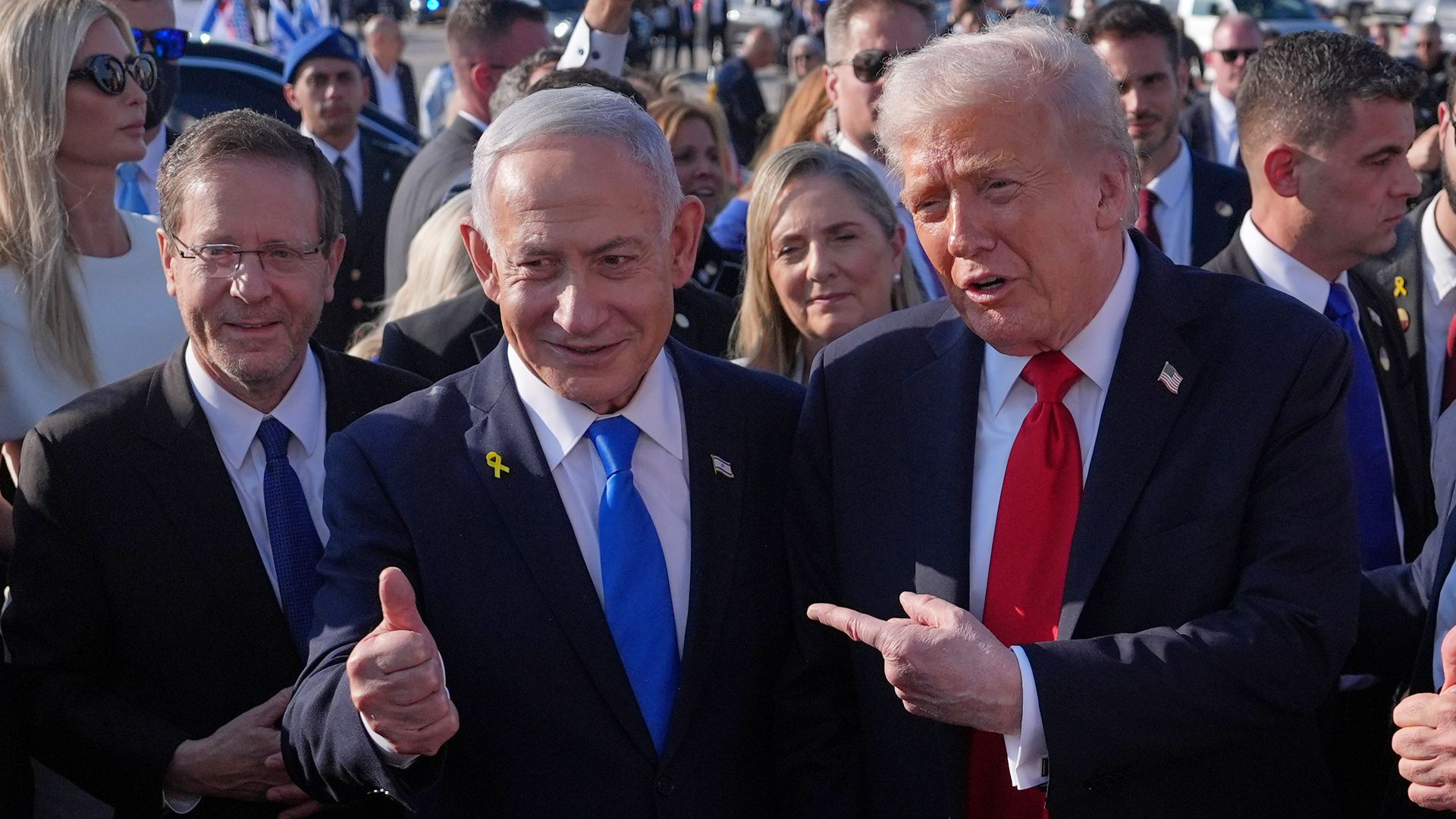
President Trump told Axios on Thursday that Israeli President Isaac Herzog must pardon Prime Minister Benjamin Netanyahu "today" — calling Herzog "a disgrace" for failing to act over the last year.
"Every day I talk to Bibi about the war. I want him to focus on the war and not on the f*cking court case. I want the only pressure on Bibi to be the fighting against Iran," Trump said in a phone interview.
Why it matters: Trump has been pushing for a Netanyahu pardon since last June, arguing that his trial on corruption charges — ongoing since 2020 — is a "witch hunt" akin to the U.S. president's own legal troubles.
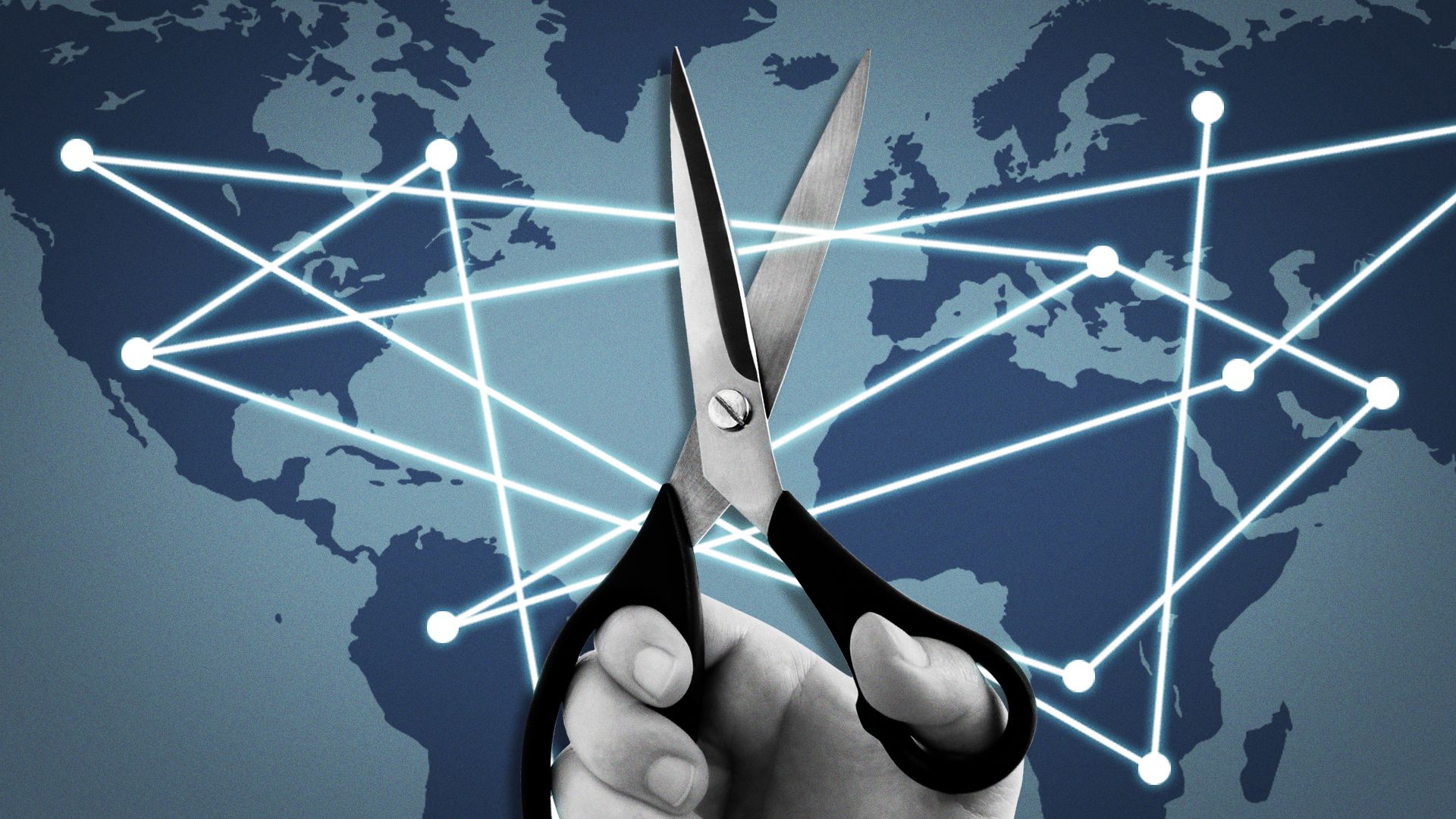
When war breaks out, micro issues have a way of quickly becoming macro issues. Specific blockages and bottlenecks tend to cause broad supply disruptions and price pressure.
And so it is with the war in Iran.
Why it matters: Global supply chains have already been facing years of stress, first from the COVID-19 pandemic and then from the rise of tariffs and other trade barriers. The Middle East conflagration adds a new layer of stress.
The good news for American consumers is that the biggest effects on the U.S. economy are likely to be second-order — but that's not the same as non-existent.
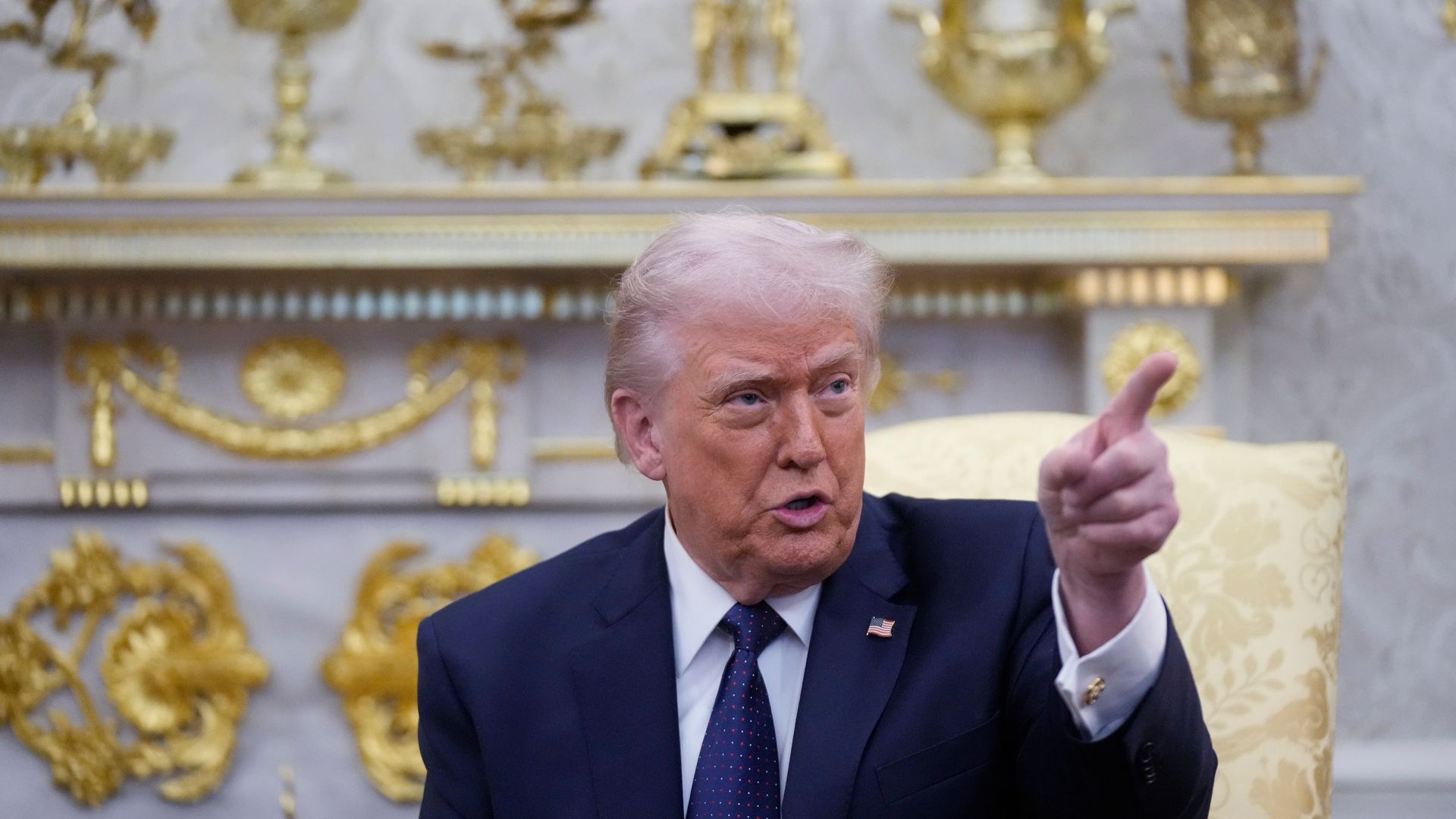
President Trump told Axios in an interview Thursday that he needs to be personally involved in selecting Iran's next leader — just as he was in Venezuela.
Trump revealed this exclusively in an eight-minute phone call — his second conversation with us to explain his war planning.
Why it matters: Trump acknowledged that Mojtaba Khamenei, son of assassinated supreme leader Ali Khamenei, is the most likely successor — while making clear he finds that outcome unacceptable.
The war in Iran has rapidly expanded beyond the Middle East, pulling in U.S. allies and bystanders alike.
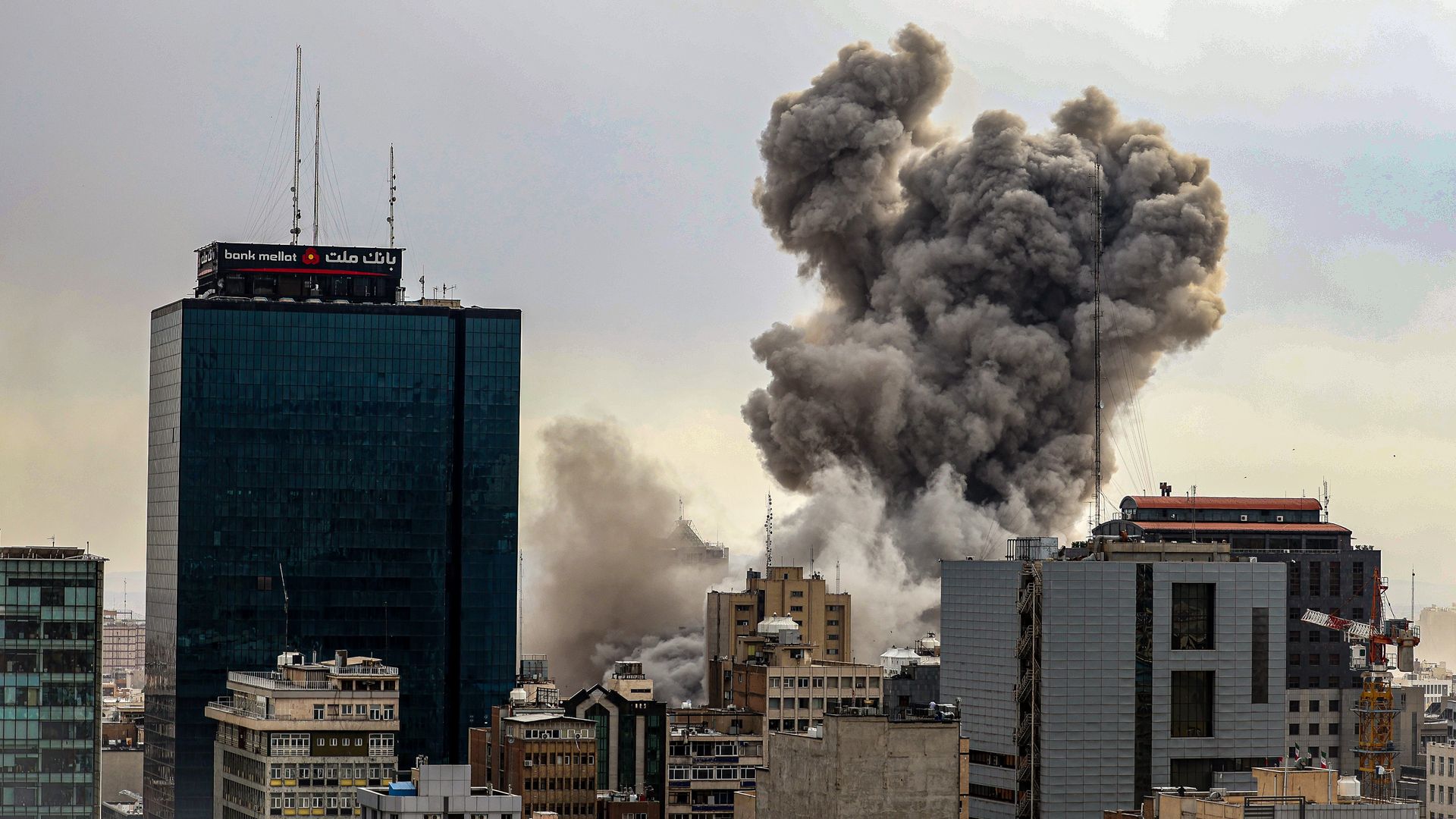
The big picture: Since the U.S. strikes began on Saturday, Iran has retaliated against Israel and multiple Gulf states, plunging the region further into chaos.
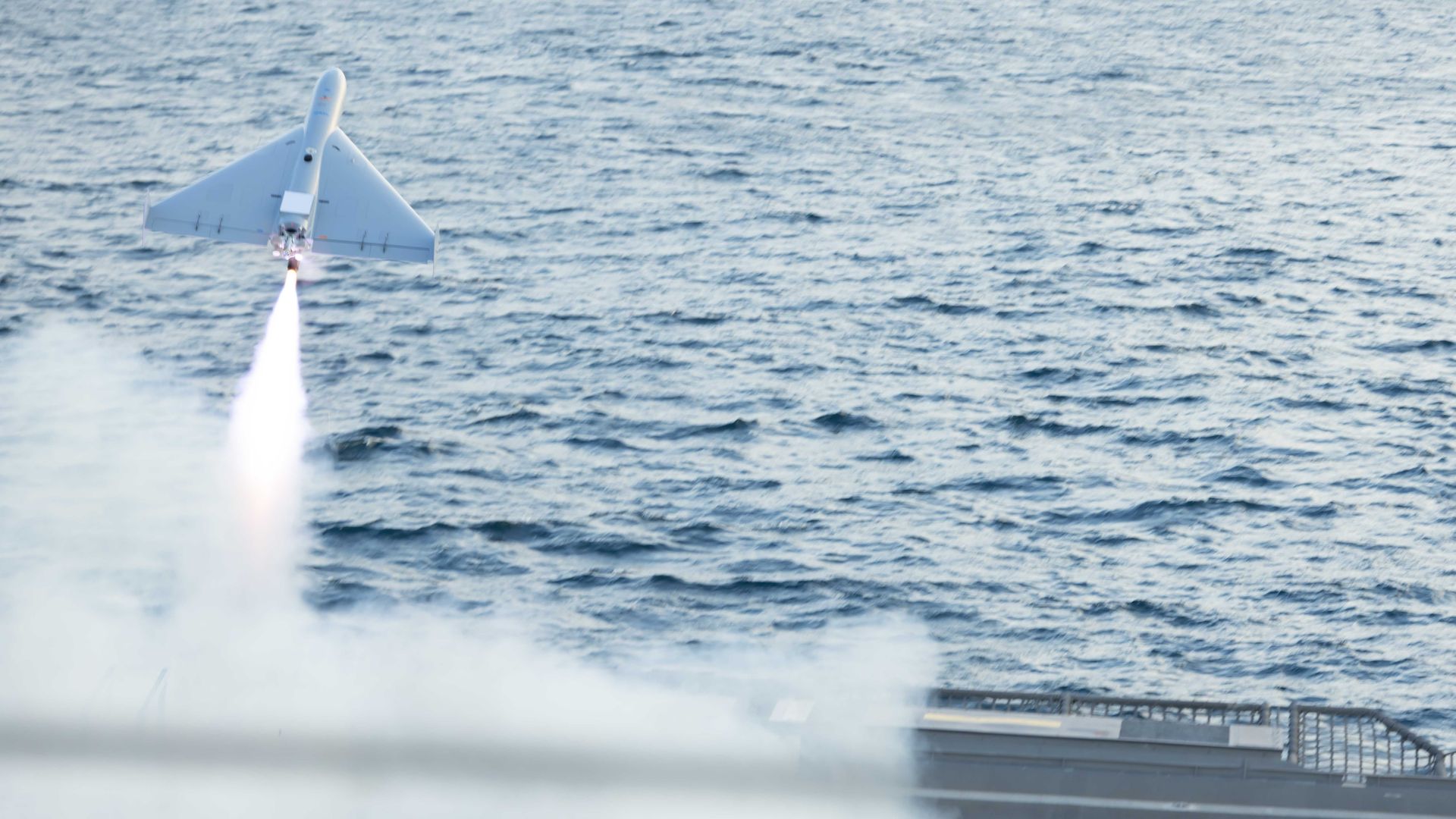
In less than one week, the Iran war has produced a remarkable string of combat firsts that pull back the curtain on an American military boosted by AI and stocked with upgraded weapons.
Why it matters: Some of America's defense-tech advancements have been on full display during Operation Epic Fury. The Trump administration has been happy to confirm — and flex — the results.
Defense Secretary Pete Hegseth said at a Pentagon briefing Wednesday that Washington is "punching" Tehran while it's down, "which is exactly how it should be."
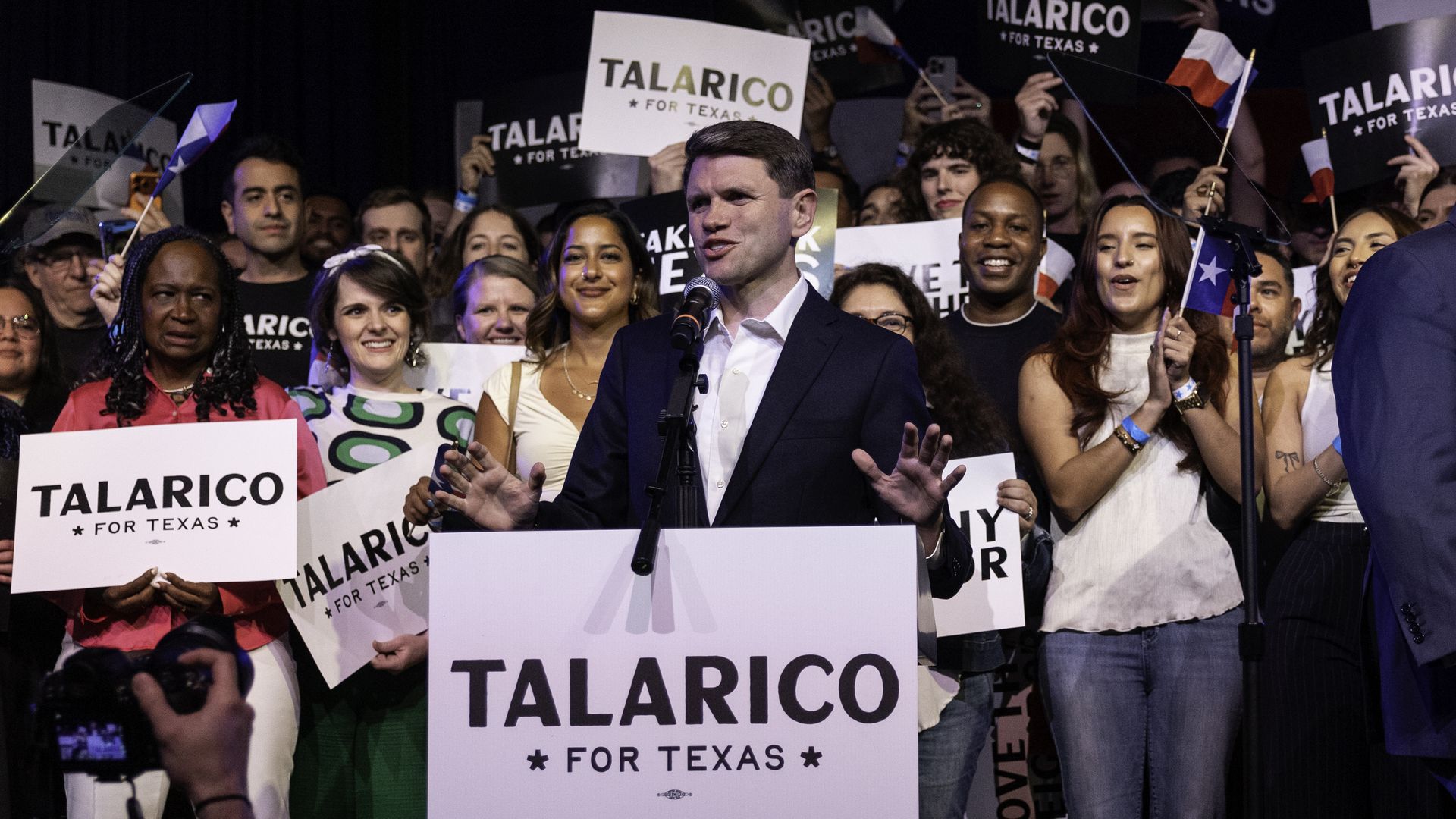
"Turn Texas blue" has been more of a punchline than a battle cry in the Lone Star State lately, but Democrats' enthusiastic turnout in Tuesday's Senate primary has given them hope for November.
Why it matters: In counties across Texas, Democratic voters made up a dramatically larger percentage of the electorate than in 2024 — with big increases in hot battlegrounds such as mostly Hispanic South Texas and the well-off suburbs of North Texas.
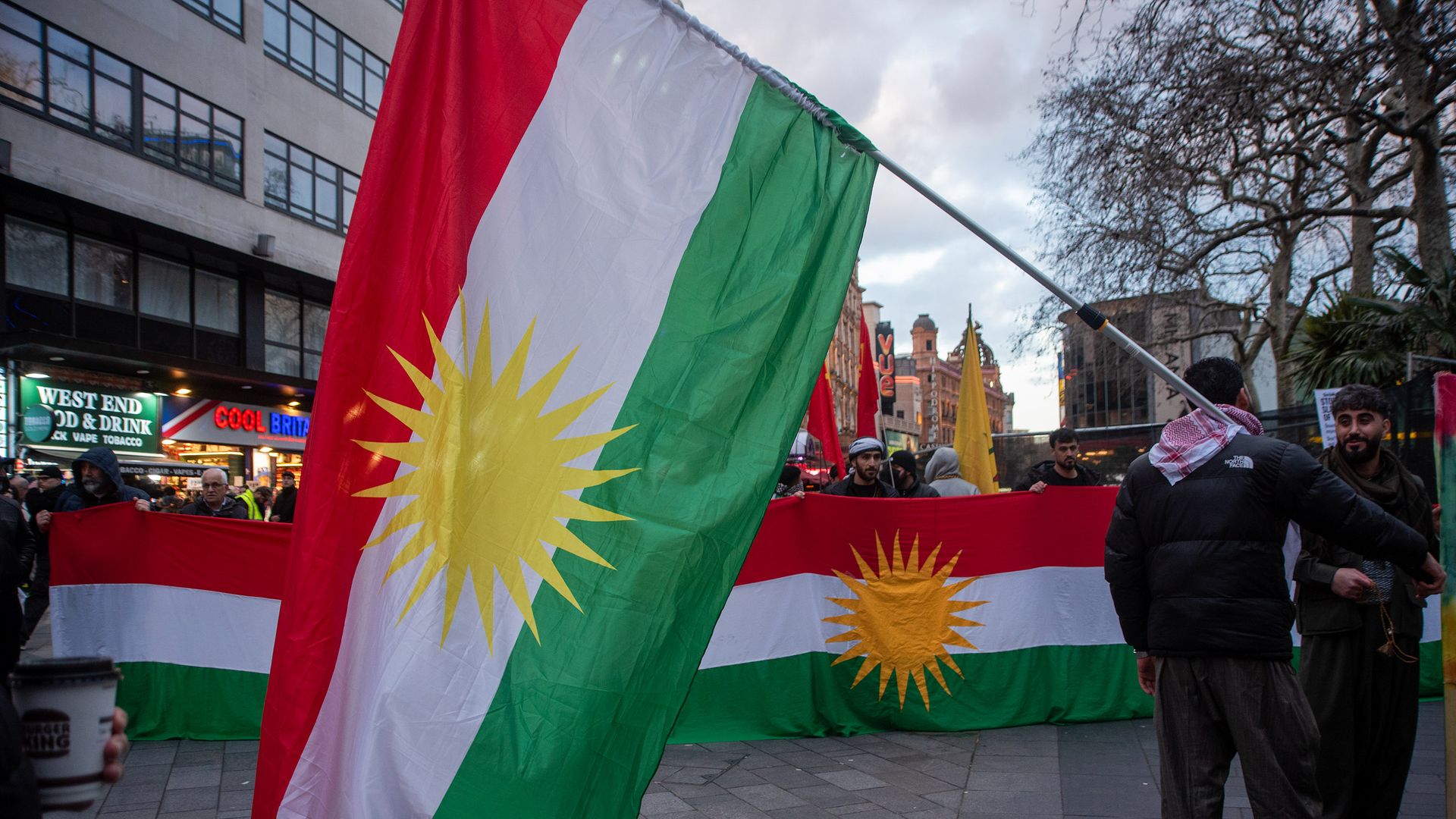
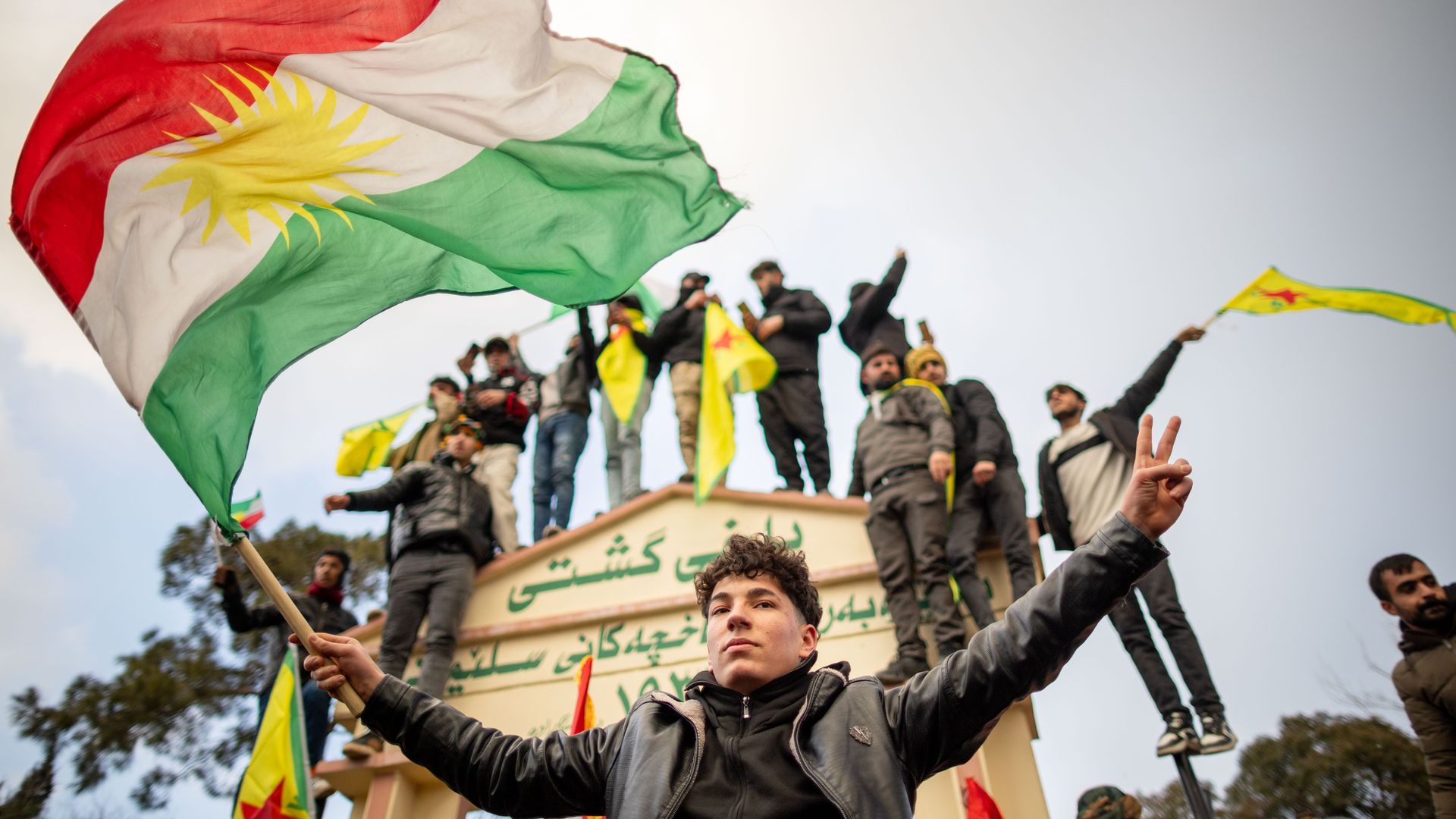
Militants from several Kurdish Iranian factions are preparing for a possible ground offensive against Iran's regime in the northwestern part of the country, according to U.S. and Israeli officials and a senior official in one of the factions.
Why it matters: A Kurdish ground offensive coordinated with the U.S.-Israeli bombing campaign against Tehran could increase pressure on the regime and encourage an internal rebellion that could spread to other parts of Iran.
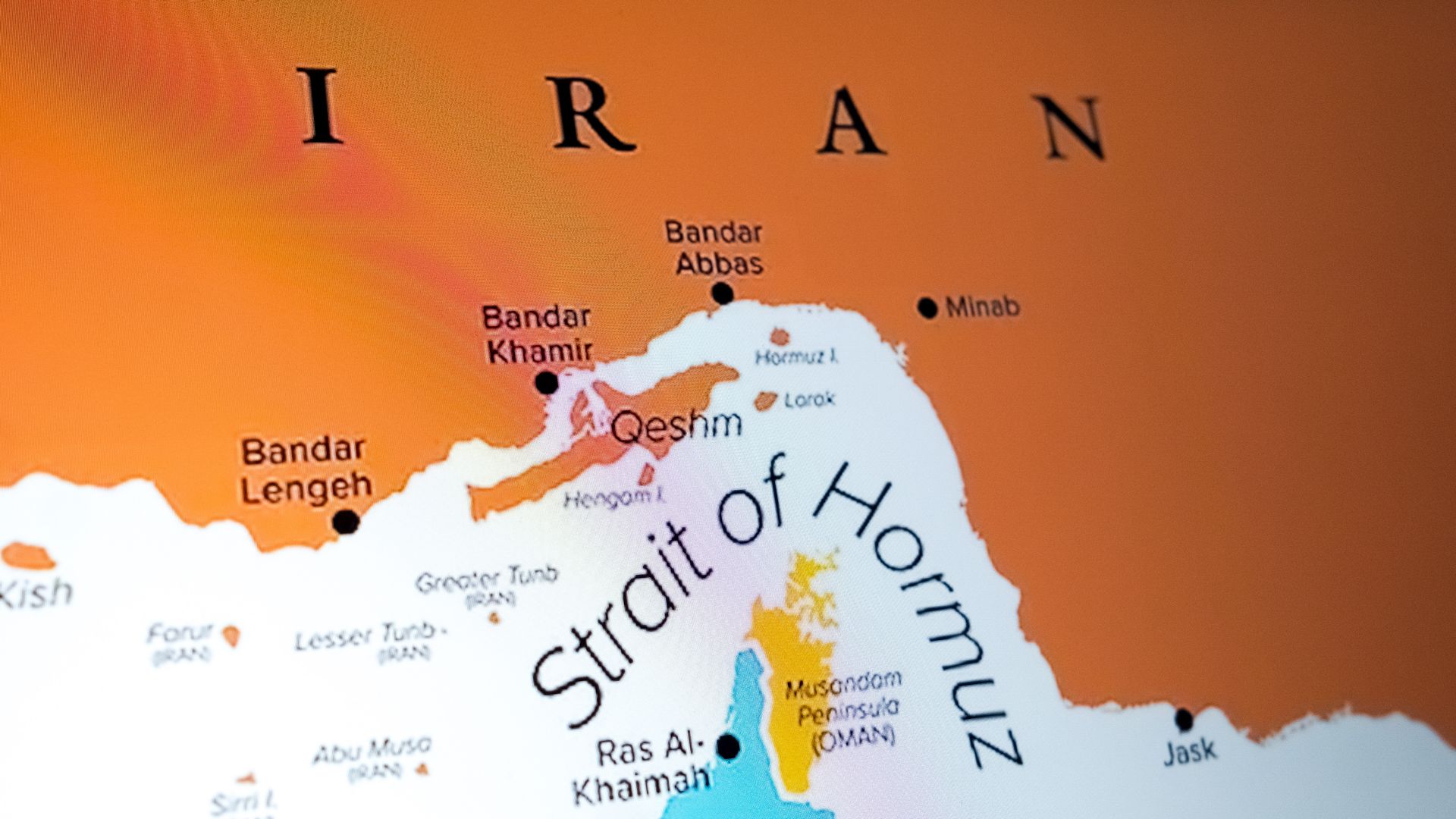
The U.S. and Israel's war with Iran is likely to impact people around the world as tensions escalate around the Strait of Hormuz, a waterway on Iran's southern coast, where traffic has ground to a halt.
Why it matters: Trade disruptions along this key waterway on Iran's southern coast that handles 25% of the world's maritime oil trade and 20% of liquefied natural gas shipments will likely produce a domino effect across the global economy.