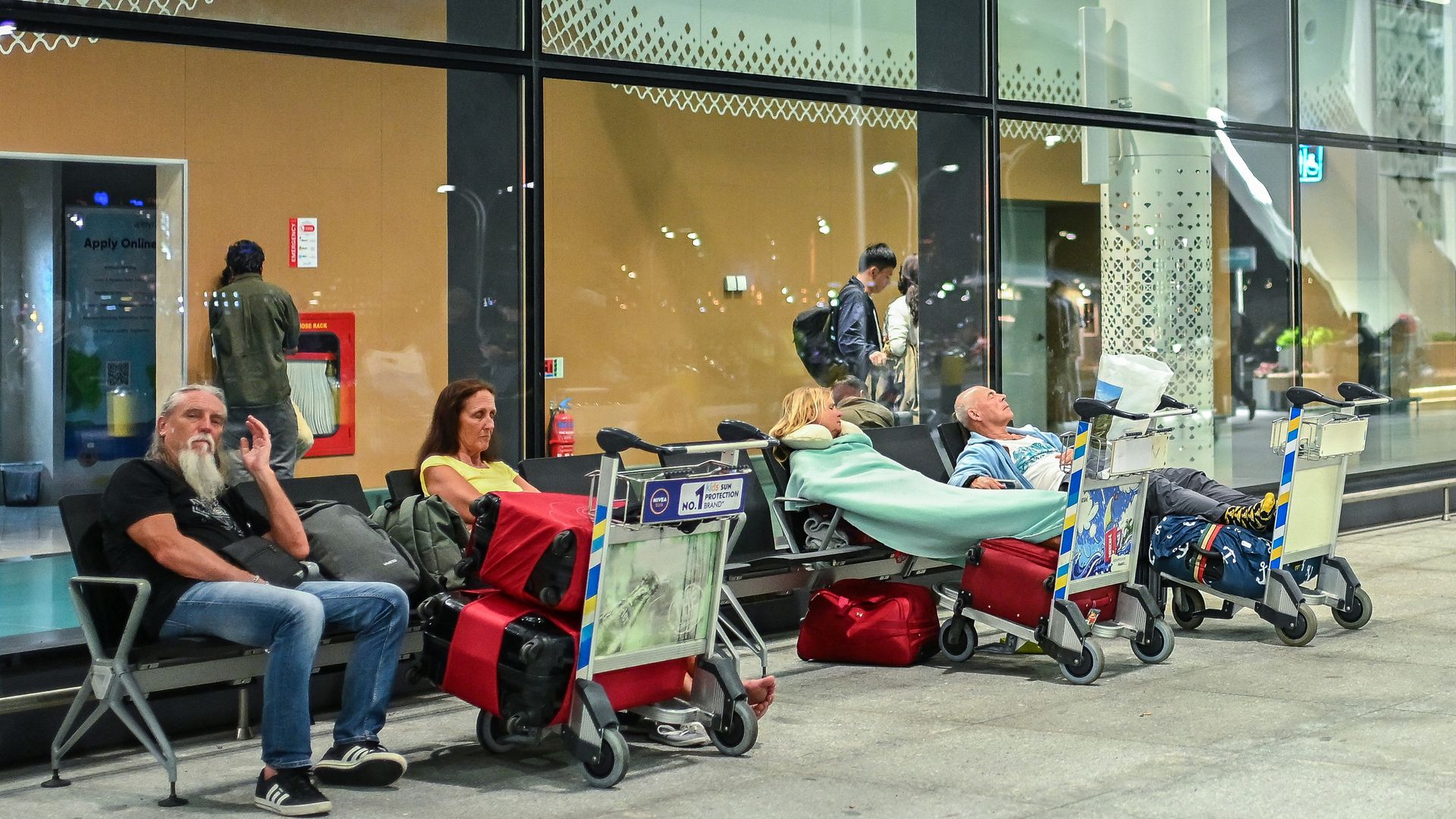
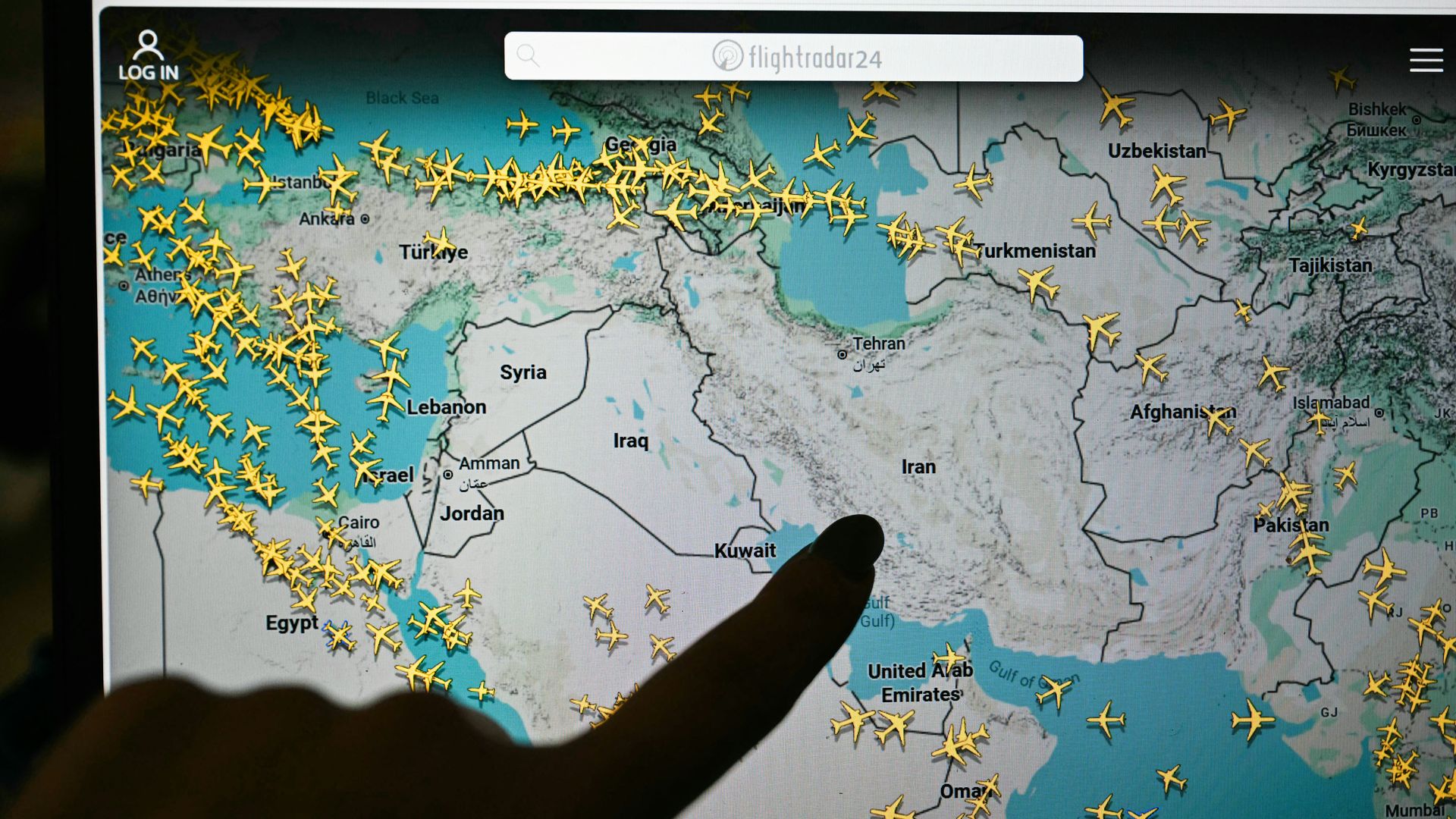
The fallout from U.S. and Israeli strikes on Iran has disrupted air travel and prompted the State Department to issue a worldwide caution for Americans in addition to warnings against visiting several countries in the Middle East.
The big picture: Thousands of flights have been canceled, major airports in the region have shut, and the State Department on Monday urged Americans to "DEPART NOW" from 14 countries and two Palestinian territories via commercial transportation "due to serious safety risks," per a post to X by Mora Namdar, assistant secretary of state for consular affairs.
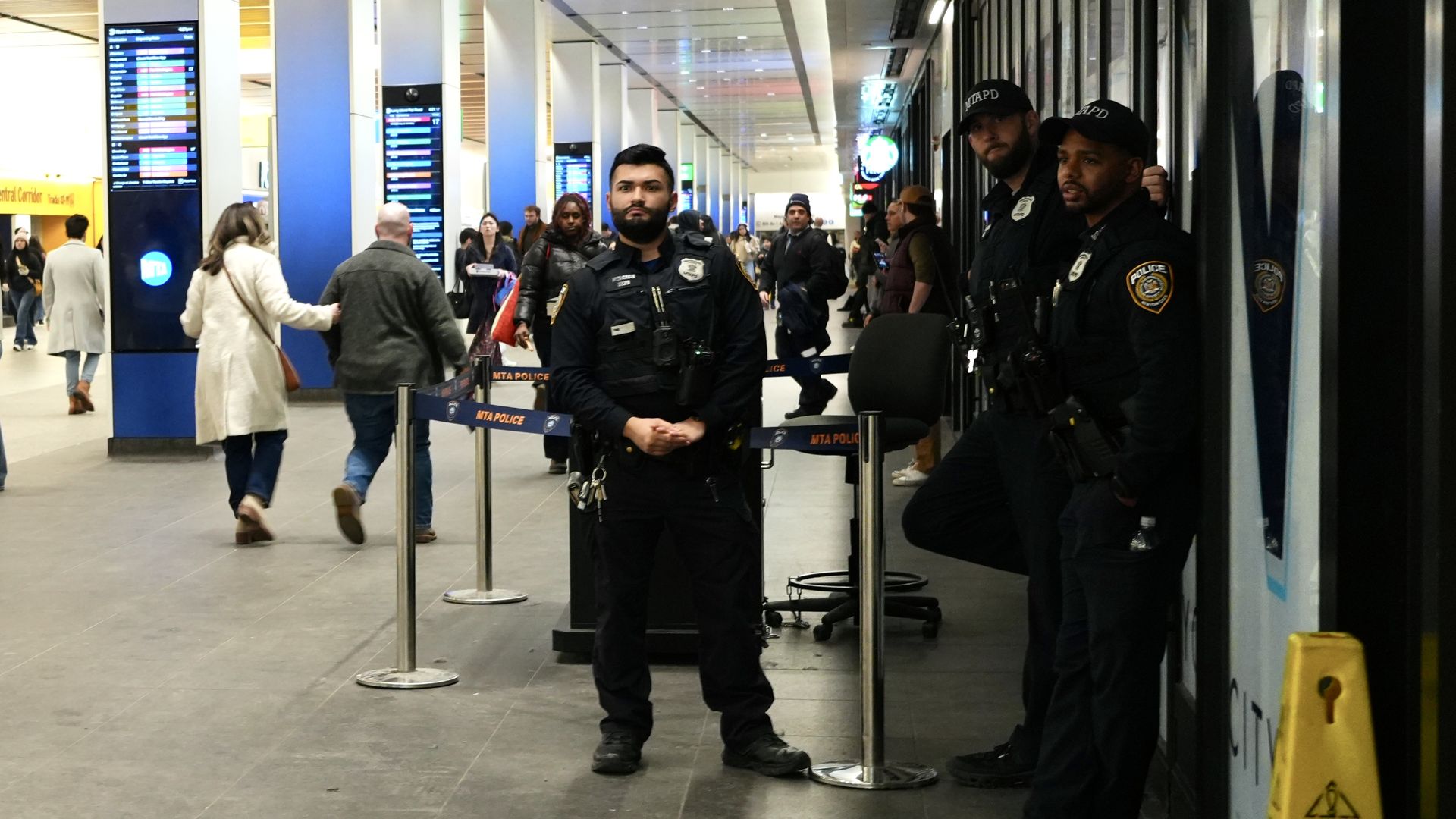
U.S. counterterrorism and intelligence teams are on high alert and law enforcement in major cities has bolstered security in the wake of this weekend's strikes on Iran.
The big picture: FBI director Kash Patel instructed federal counterterrorism and intelligence to "mobilize all assisting security assets needed" after placing them on high alert Saturday, per a post to X, while law enforcement in D.C., New York City and Los Angeles are among those to take additional steps.
Six U.S. service members have been killed in action following the massive U.S.-Israel military operation launched in Iran Saturday that sparked swift retaliation.
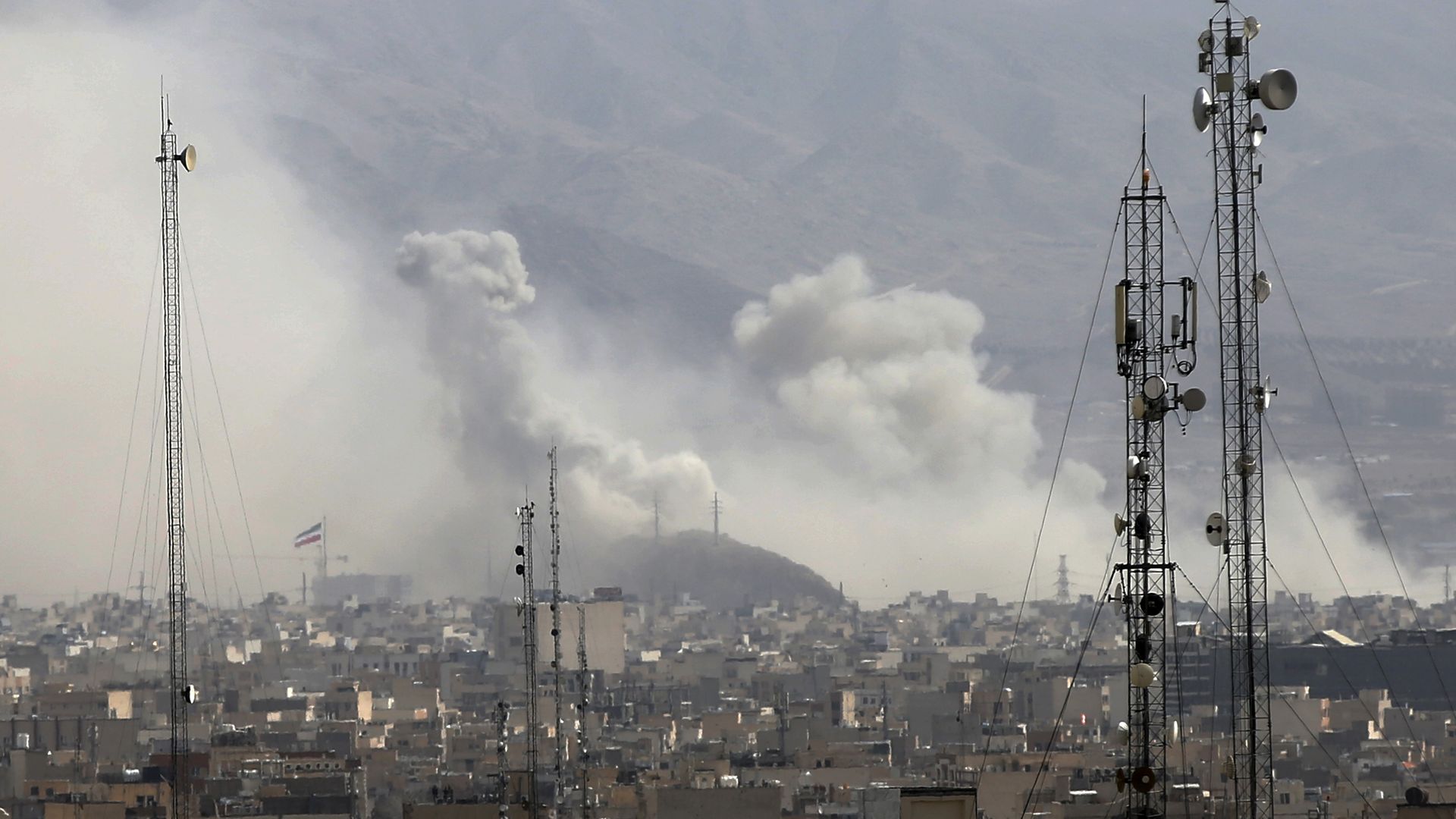
Just 72 hours after the U.S. and Israel began bombing Iran, the war has already consumed nearly the entire Middle East, reached the gates of Europe and raised new fears of attacks on American soil.
Why it matters: The sheer geographic scope of the war is staggering — directly involving at least 11 countries, disrupting the global flow of oil and gas, and rattling markets worldwide.
Congressional security officials are instituting "heightened security measures" at the U.S. Capitol in response to escalating conflict in the Middle East, according to a notice to House offices obtained by Axios.
Why it matters: It is a signal of how seriously domestic law enforcement is taking the possibility of attacks on U.S. soil related to ongoing U.S. operations in Iran.
President Trump has made a scattershot case for Israel and America's joint attacks on Iran through a series of one-on-one interviews with various media outlets.
The big picture: The mission's timelines and goals vary depending on when and to whom Trump is speaking as the administration tries to assure the American public the operation will not be another prolonged war in the Middle East.
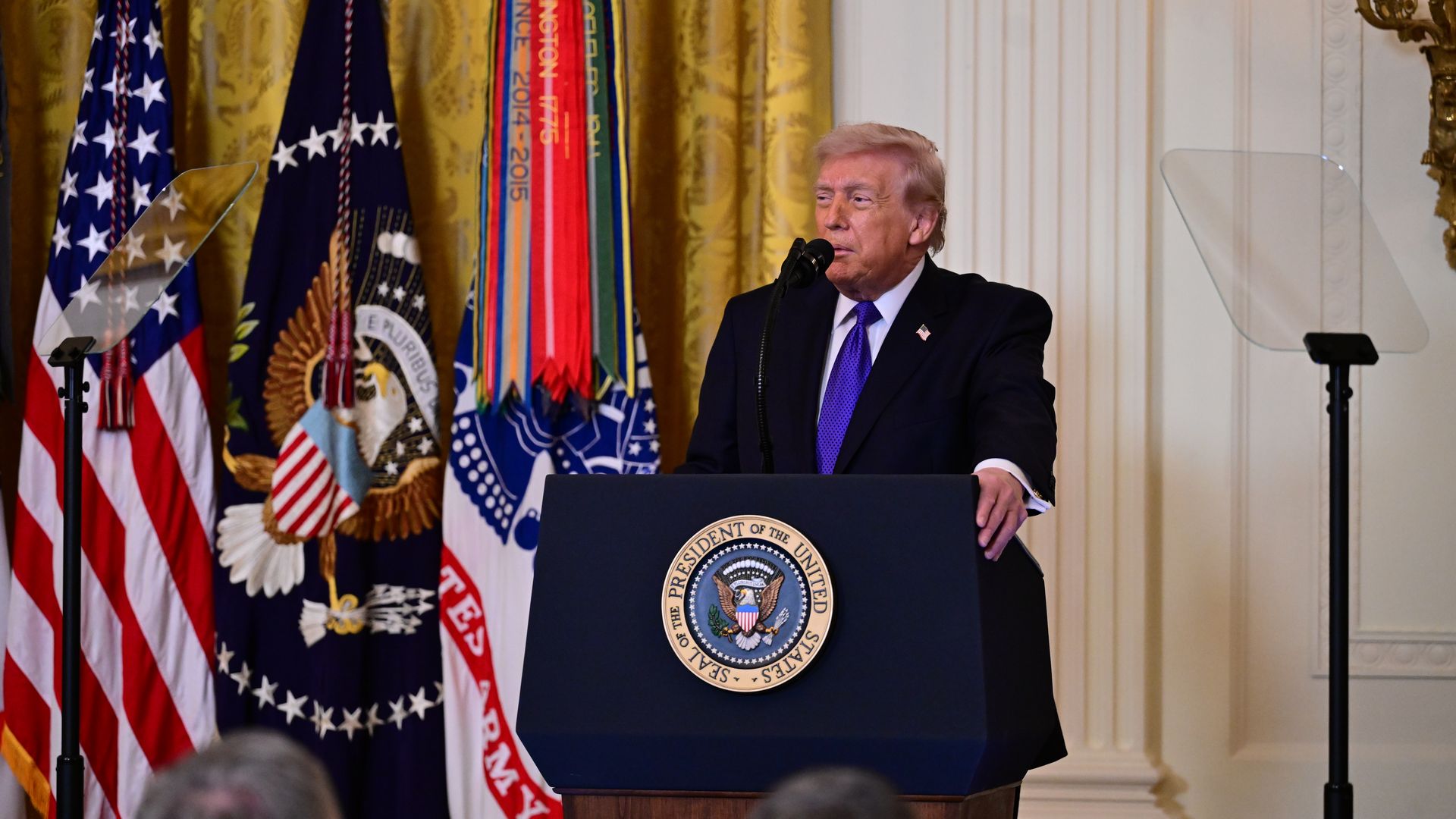
In his first live address since striking Iran, President Trump said the initial U.S. military plan called for four to five weeks of combat operations — but that the campaign is moving "substantially ahead" of schedule.
Why it matters: Trump has floated several possible timelines and "off ramps," keeping his plans vague as reporters have pressed him on the scope, duration and goals of the massive U.S.-Israel bombing campaign.
Americans will see higher prices for energy in the weeks ahead. They aren't likely to see the kind of broad economic slowdown that has accompanied oil price shocks in the past.
The big picture: That's the implication of early market moves following the U.S. and Israeli strikes. It follows logically from a reordering of global energy markets over the last two decades.
A Saudi oil refinery — one of the world's largest — suffered "limited" damage overnight from an Iranian attack, per the kingdom's press agency and multiple news reports.
Why it matters: "The attack on Saudi Arabia's Ras Tanura refinery marks a significant escalation, with Gulf energy infrastructure now squarely in Iran's sights," Torbjorn Soltvedt, a top analyst with risk intelligence firm Verisk Maplecroft, said in a note.
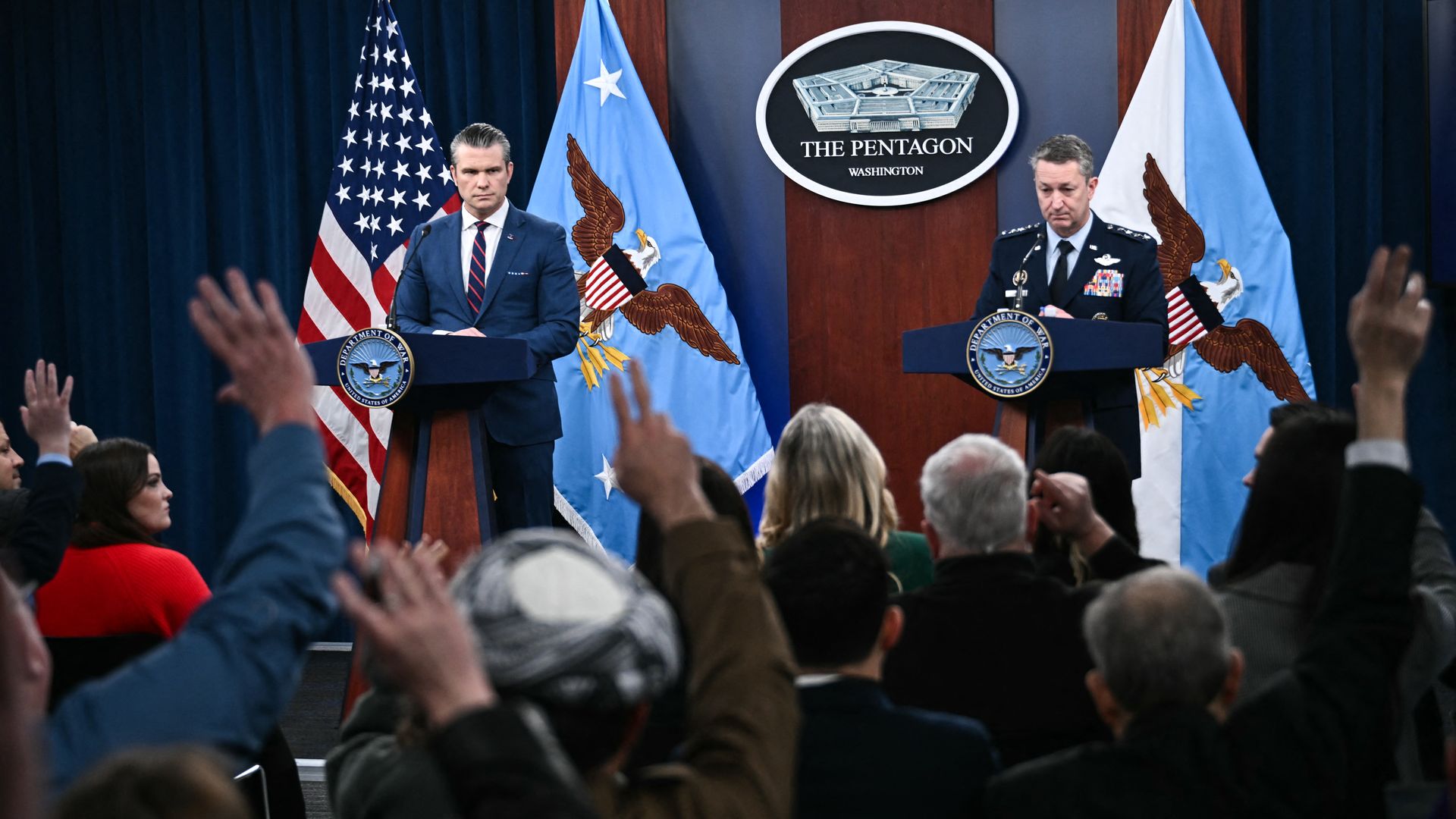
The U.S. military operation against Iran, dubbed "Epic Fury," will not end "overnight," Secretary of Defense Pete Hegseth and Joint Chiefs of Staff Chairman Gen. Dan Caine said at a Pentagon press conference Monday.
Why it matters: The briefing marked the first time senior Trump administration officials publicly described the ongoing combat operations and took questions from reporters since the fighting began Saturday.
Jewish people have been eating hamantaschen on Purim for centuries — but now the desserts are getting a modern remix.
Instead of pastries filled with just poppy seed or prune, options now include everything from matcha to Funfetti.
Why it matters: The triangle-shaped pastry has become a creative showcase and a business opportunity, especially as younger customers embrace Purim's playful, costume-filled spirit.
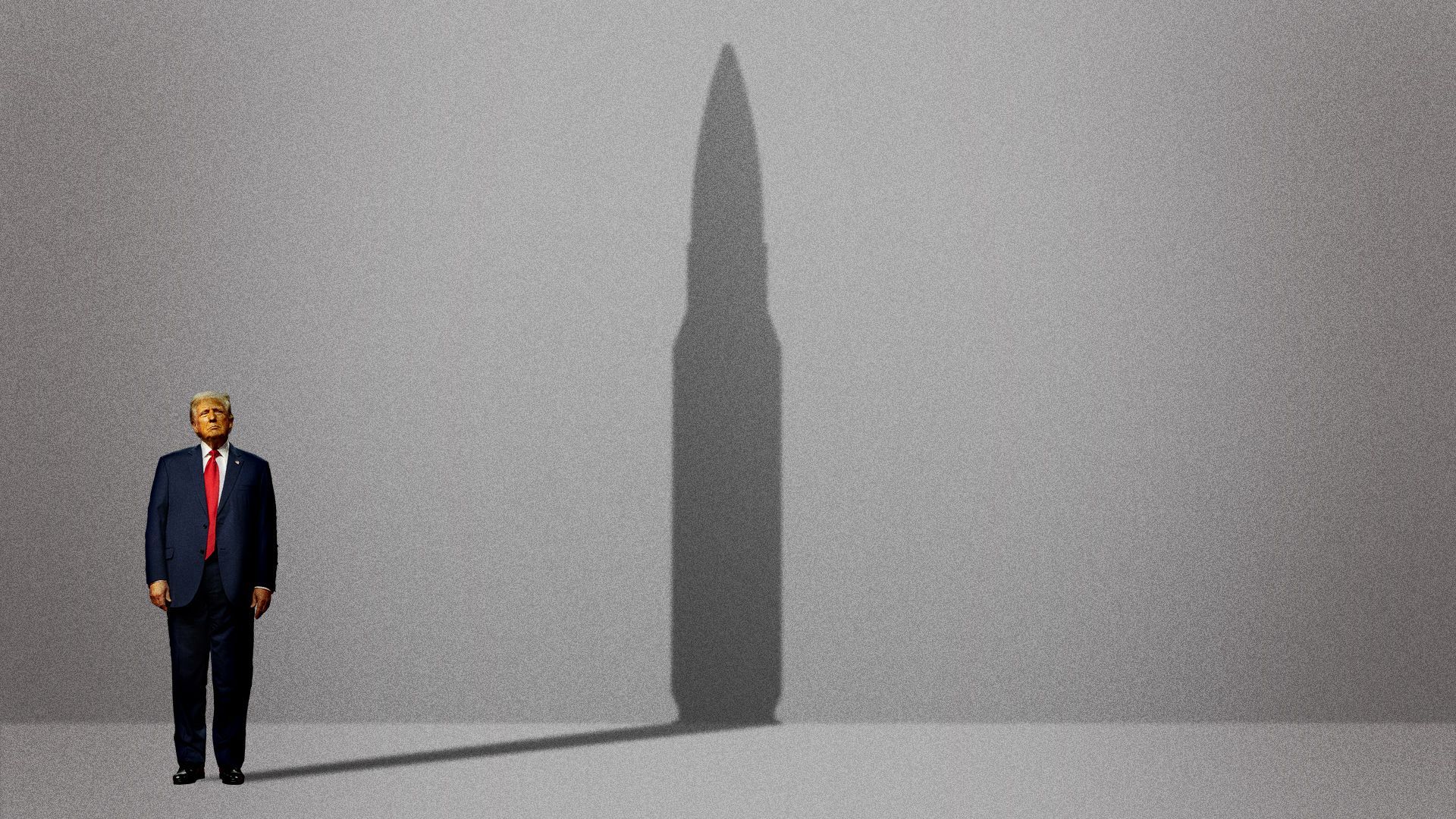
No president in the modern era has ordered more military strikes against as many different countries as Donald Trump.
He's attacked seven nations, three of which — Iran, Nigeria and Venezuela — had never been targeted by U.S. military strikes. He authorized more individual air strikes in 2025 than President Biden did in four years.
Why it matters: Trump explicitly ran as the anti-war candidate. The White House argues he still is — that he always exhausts diplomacy before acting, and that projecting overwhelming force is itself a path to lasting peace.
President Trump's strikes on Iran have emerged as a potent issue in Democratic congressional primaries just days after the start of military operations in the region.
Why it matters: The new internal divide threatens to add even more upheaval to a midterm campaign that has been marked by severe fractures in the Democratic coalition.
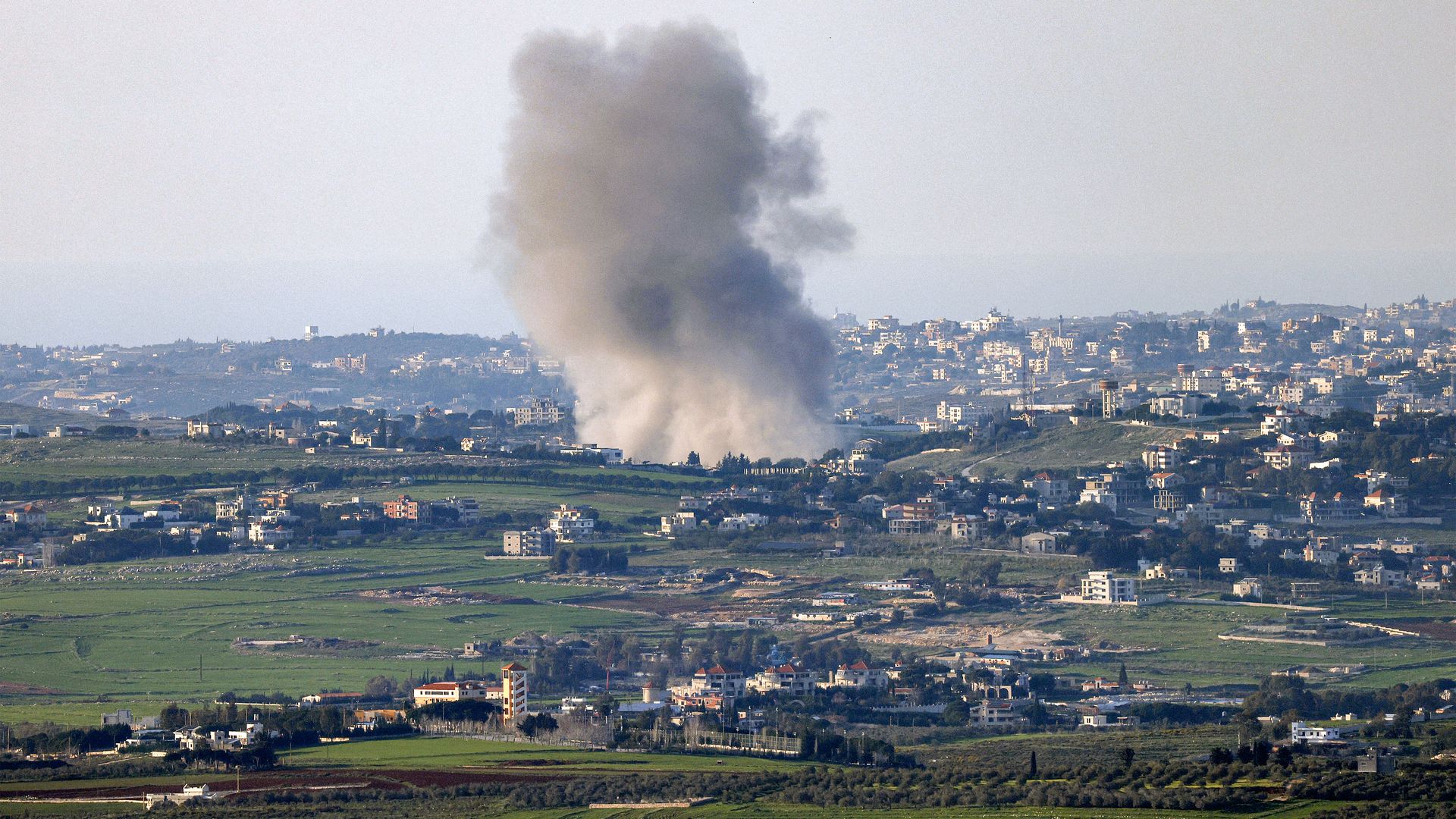
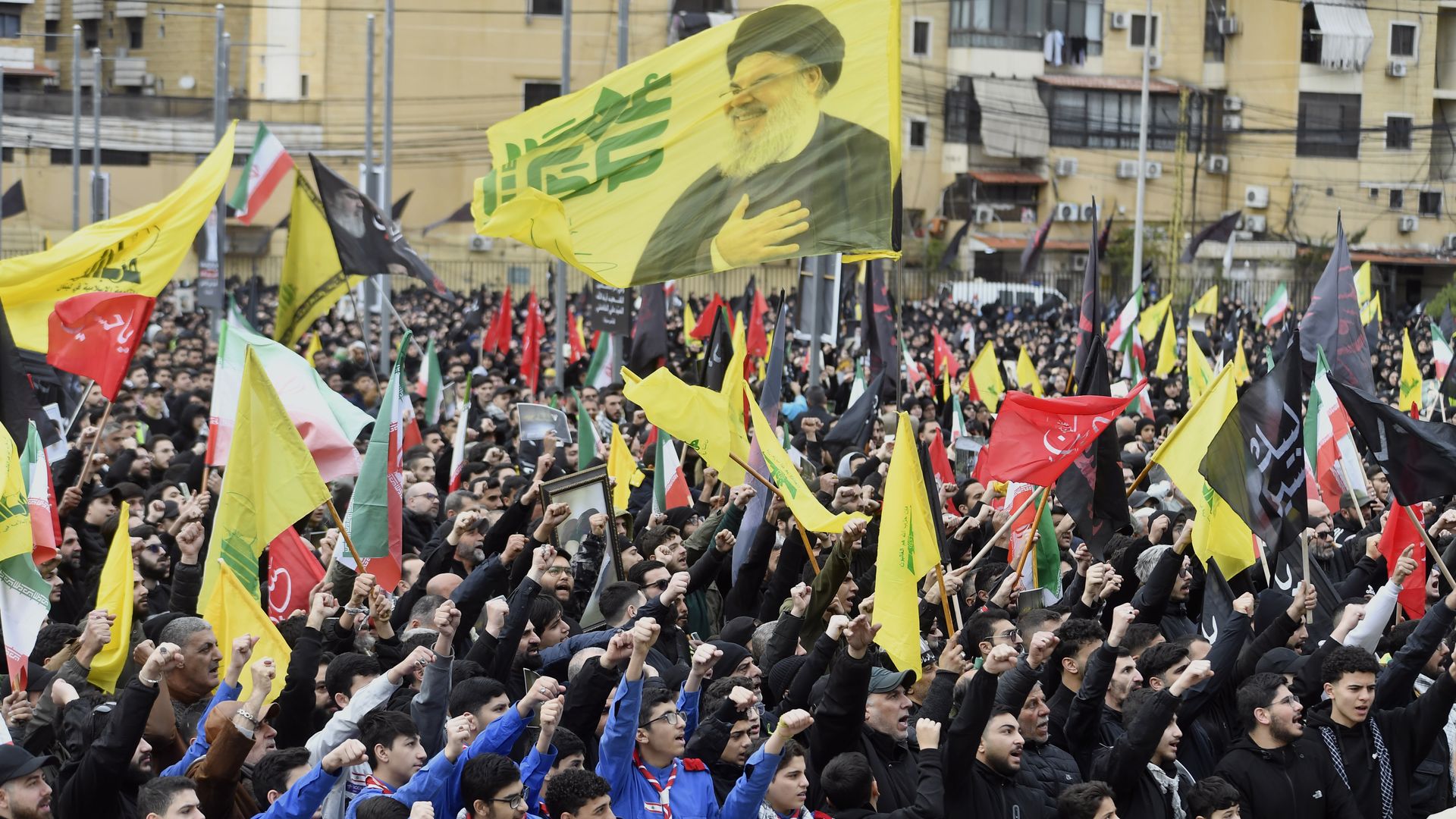
Hezbollah fired several missiles from Lebanon towards Israel on Sunday, two days after the U.S. and Israel launched strikes on Iran, the Tehran-backed militant group and the IDF said.
Why it matters: This would expand the current conflict to another country in the region and threatens to seriously destabilize Lebanon.
Crude oil prices soared to their highest level in slightly over a yearin early trading in Asian markets Sunday night.
Why it matters: The surge from the Asia markets' opening is an early concrete sign that prices at the pump could go up because of supply disruptions from the strikes against Iran.
The U.S. and Israel originally planned to attack Iran a week earlier than they did, but the opening strike was delayed for operational and intelligence reasons, according to senior U.S. and Israeli officials.
Why it matters: The delay gave President Trump another week to choose between the two parallel tracks — diplomacy and war — he had been walking for nearly two months.