Secretary of State Antony Blinken authorized U.S. diplomatic facilities around the world to fly Pride flags, the New York Times first reported and a State Department spokesperson confirmed to Axios.
Why it matters: Under the Trump administration, diplomatic facilities were prevented from flying the U.S. flag and Pride flag on the same pole during the month of June, which is recognized as LGBTQ Pride Month in the U.S. and many other countries. American embassies were still permitted to have rainbow flags on the premises.
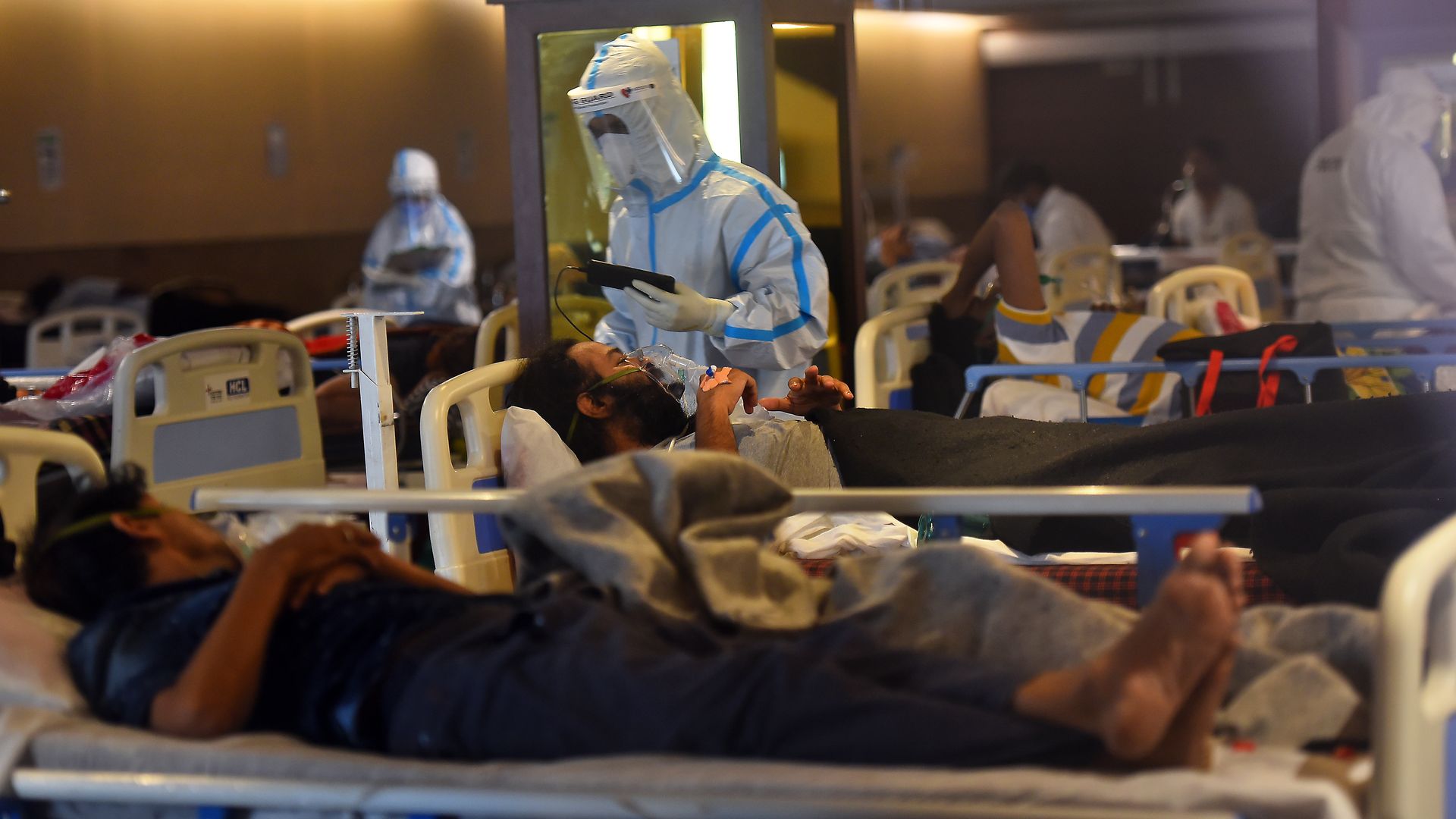
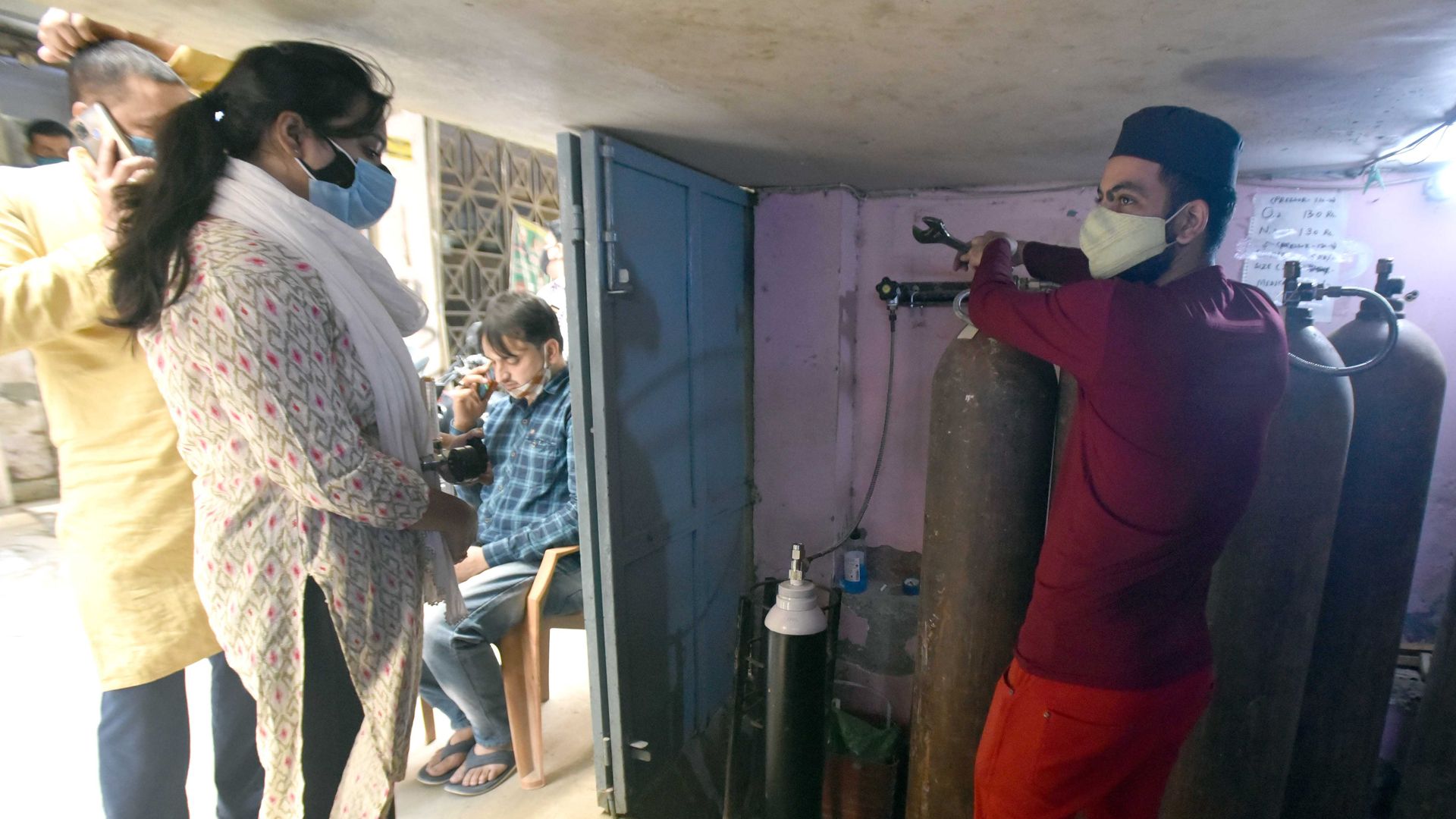
Hospitals in New Delhi are pleading on social media for the government to provide more oxygen tanks and other medical supplies as India battles the world's worst coronavirus surge, AP reported on Friday.
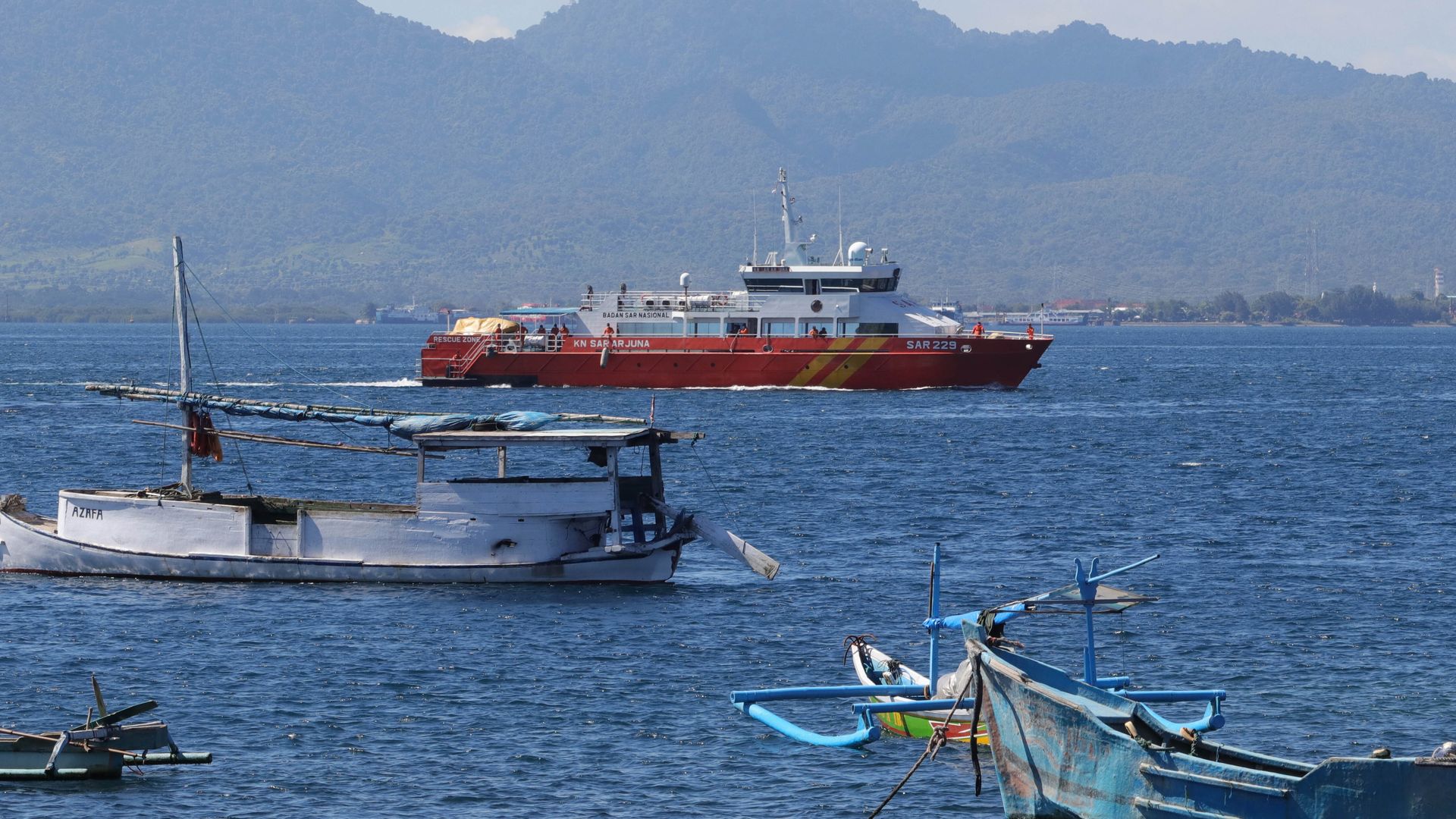
The Indonesian Navy dispatched multiple ships and several helicopters on Friday to search for a submarine carrying a crew of 53 people that went missing earlier this week after conducting torpedo drills, according to NBC News.
Why it matters: Officials said that if the 44-year-old KRI Nanggala-402 submarine is still intact, it will only have enough oxygen onboard to sustain the crew until around 3 p.m ET on Friday.
President Biden will travel to the U.K. on June 11-13 for the G7 summit, followed by a trip to Brussels on June 14 for the NATO summit, the White House announced Friday.
Why it matters: Biden's first overseas trip — which has been delayed due to the pandemic — will be used to reaffirm the U.S. commitment to multilateralism, following four years of strained relations with European allies under former President Trump.
The European Medical Agency (EMA) said on Friday that people who received the first dose of the AstraZeneca coronavirus vaccine should get the second one, reiterating that the benefits of the shot outweigh the risks.
The big picture: EMA's decision comes after several countries suspended the use of the AstraZeneca vaccine due to the agency's assessment of a "possible link" between the shot and rare blood clots. EMA recommended the condition be listed as a "very rare" side effect.
Jailed Russian opposition leader Alexei Navalny said Friday that he's ending his three-week hunger strike, one day after his doctors pleaded for him to do so to preserve his life.
Why it matters: Navalny's treatment in prison has drawn international condemnation. The U.S. and its Western allies had warned that Navalny's death in the custody of Russian authorities would have serious consequences.
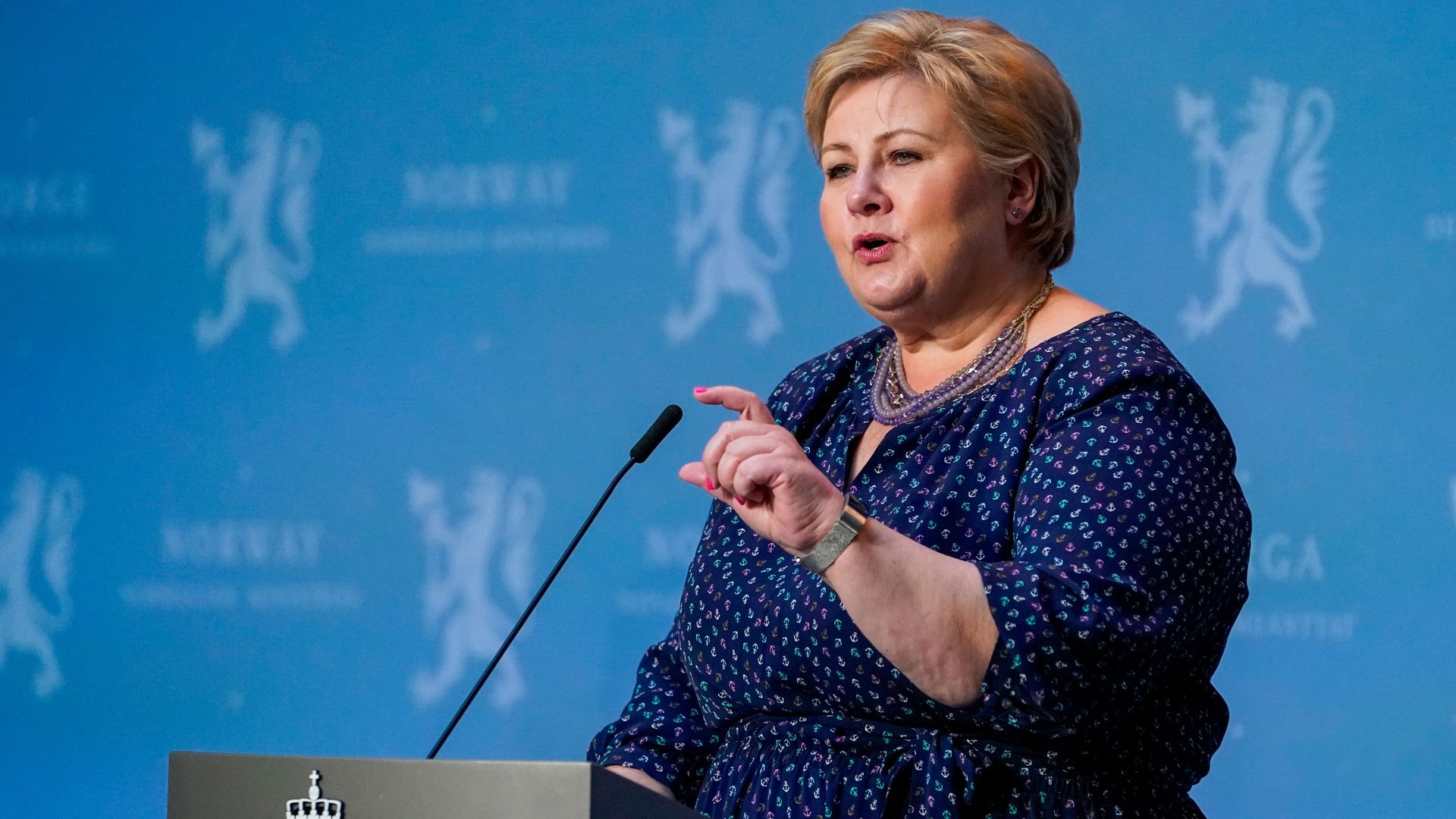
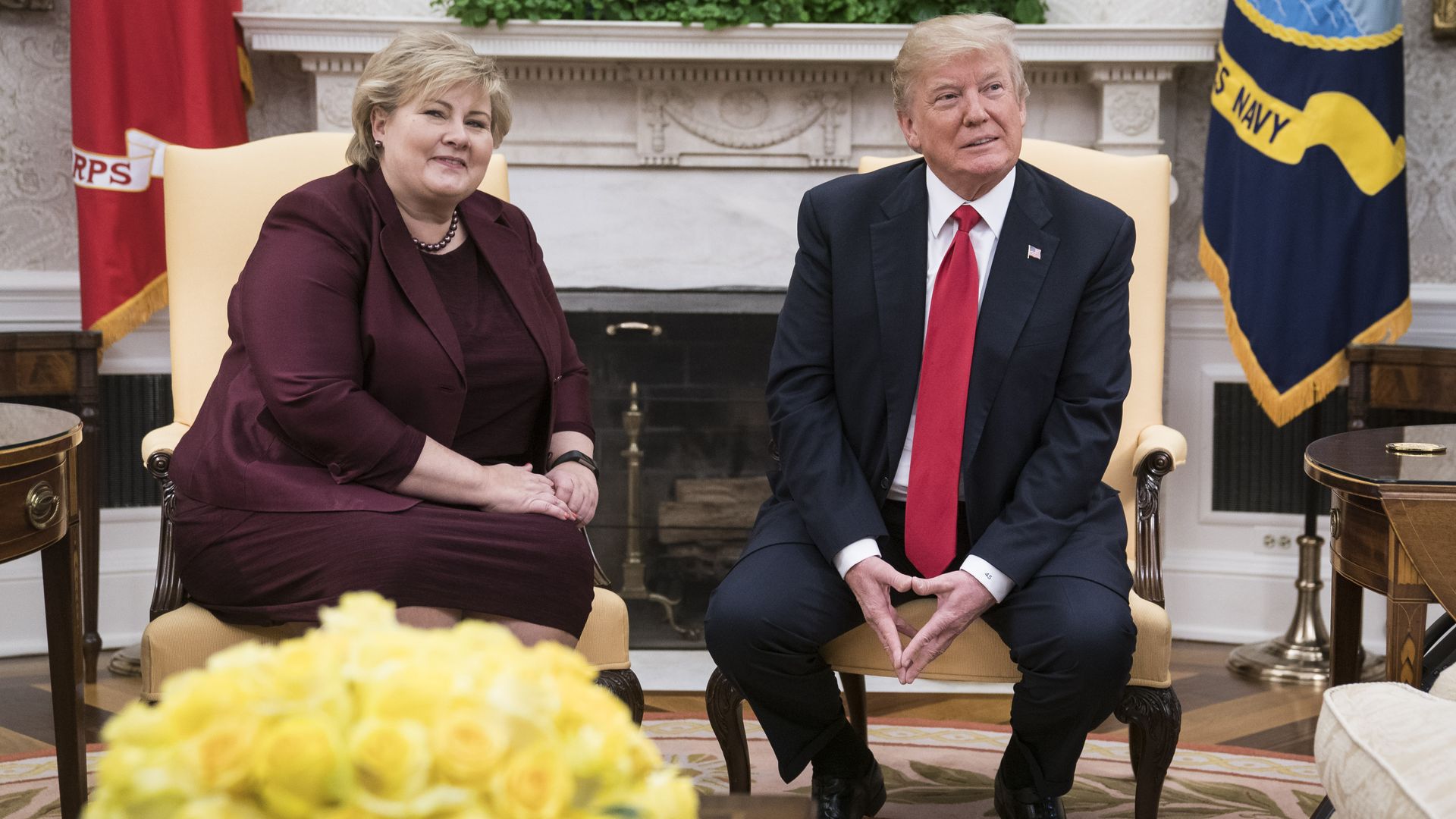
Norwegian Prime Minister Erna Solberg says electric vehicles have become a status symbol in her country, with widespread adoption spurred by government policies.
Why it matters: As shown in the viral Super Bowl commercialsstarring Will Ferrell, Norway is a potential model for implementing policy incentives that other countries might choose to follow to increase the adoption of electric vehicles.
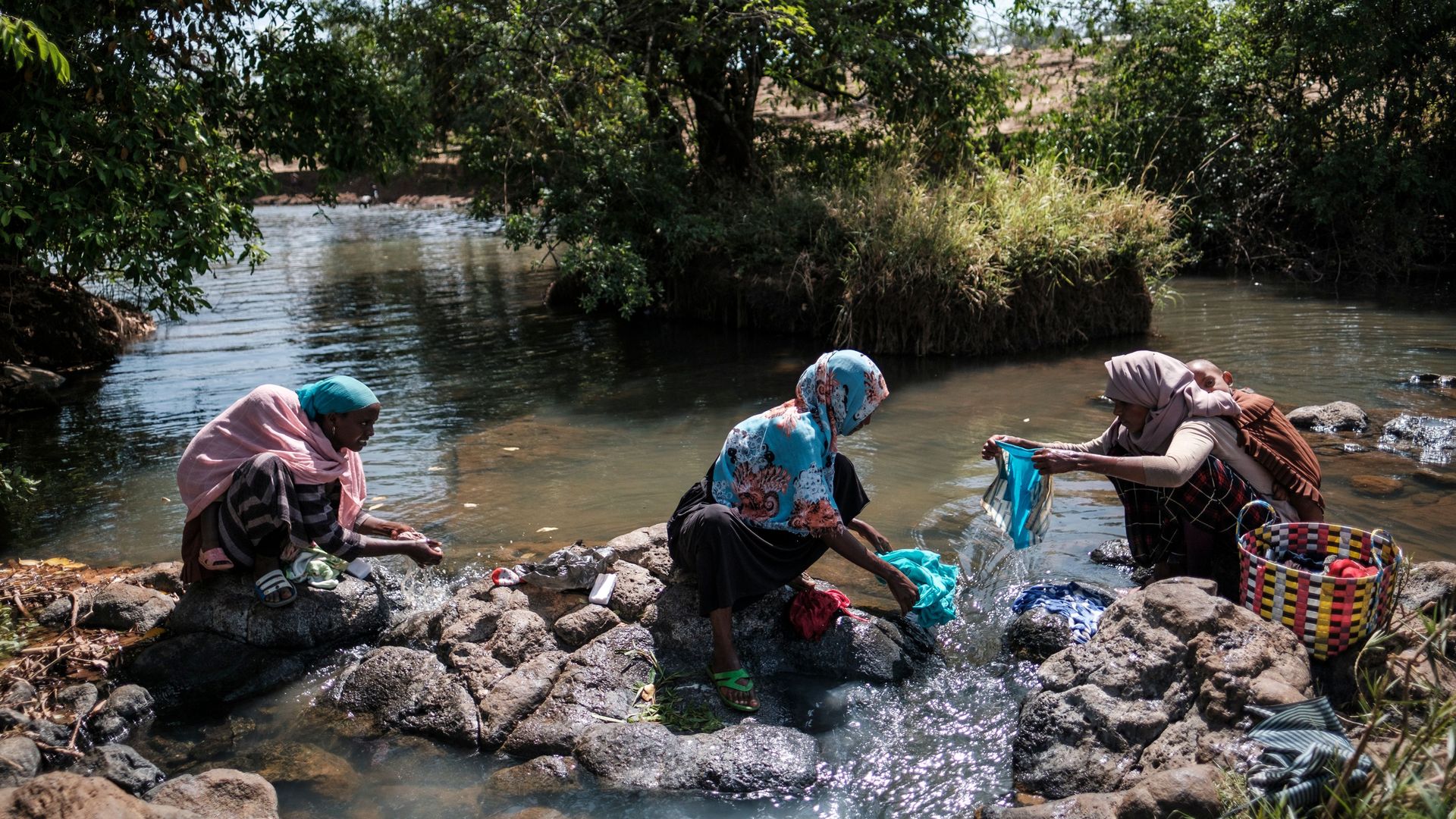
The UN Security Council voiced its "deep concern" Thursday over the deteriorating humanitarian situation in Ethiopia's Tigray region, noting reports of sexual violence against women and girls, per a press release.
Why it matters: This is the first time the UNSC has made a public statement regarding the conflict in the Tigray, though the council previously received five briefings on the topic, Reuters reports.
The Jan. 6 insurrection was a "shock to the system," propelling members of Congress toward the goal of shoring up America's ability to compete with China, Sen. Chris Coons (D-Del.) told Axios during an interview Thursday.
Why it matters: Competition between China's authoritarian model and the West's liberal democratic one is likely to define the 21st century. A bipartisan response would help the U.S. present a united front.
Norwegian Prime Minister Erna Solberg acknowledged Thursday the precedent-shattering Trump administration fueled a belief that agreements or promises made by one U.S. president now come with a four-year expiration date.
Why it matters: "We are not naive," Solberg said in response to a question from Axios. The view is particularly important as climate change opens the Arctic to exploration, exploitation and militarization by the Russians, and they chafe at NATO defense exercises in Norway and elsewhere on their doorstep.
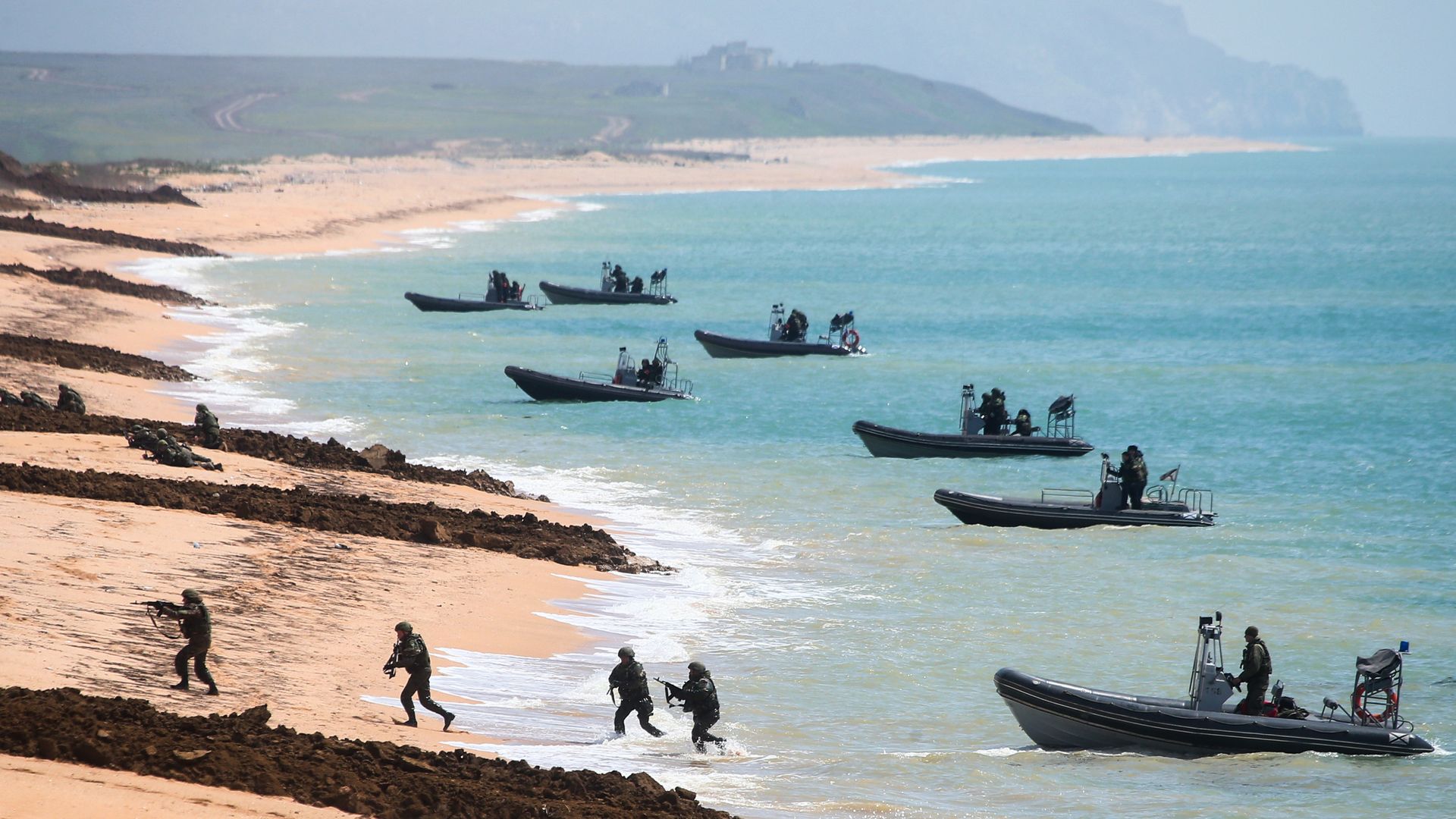
Just as the threat of a Russian invasion seemed to be looming largest, Russia's defense minister announced today that the troops that had massed on Ukraine's borders would return to their barracks by May 1.
Driving the news: Some 80,000 troops and heavy military equipment had been moved over the last month to occupied Crimea and to Ukraine's eastern borders.
Israeli Prime Minister Benjamin Netanyahu has instructed the delegation traveling to Washington, D.C. next week for strategic talks on Iran to stress their objection to a U.S. return to the 2015 nuclear deal and to refuse to discuss its contents, Israeli officials say.
Why it matters: That position is similar to the one Israel took in the year before the 2015 nuclear deal was announced, which led to a rift between the Israeli government and the Obama administration. History could now repeat itself.
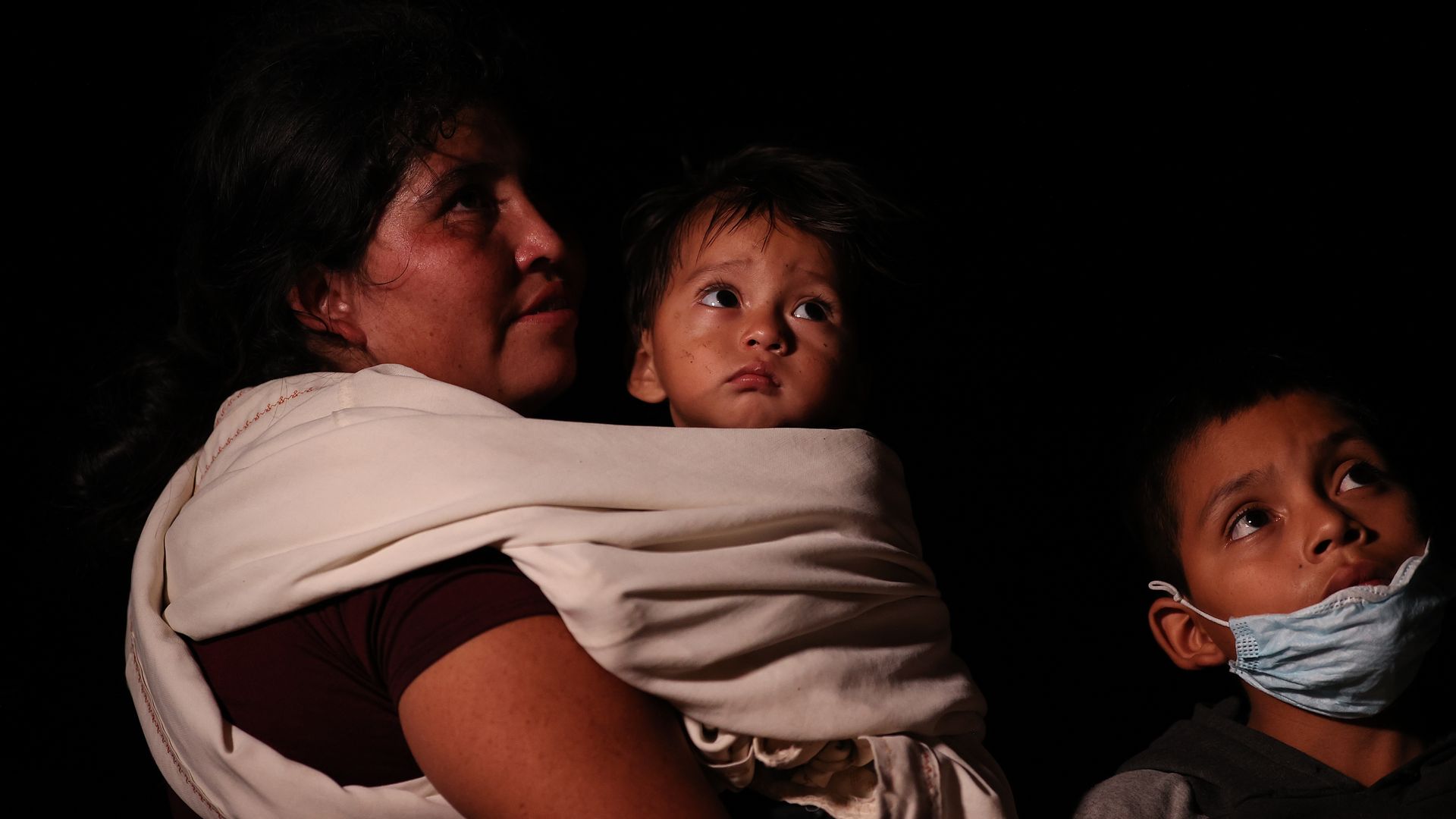
Hispanic U.S. House members are pushing for an aggressive, multiyear "Marshall Plan" for Central America to tackle regional violence, corruption and economic devastation.
The big picture: The call for a Central American plan, similar to a U.S. program that rebuilt Western Europe following World War II, comes as both political parties and the Biden administration struggle to find short-term solutions to the ongoing humanitarian crisis. The price tag: TBD.
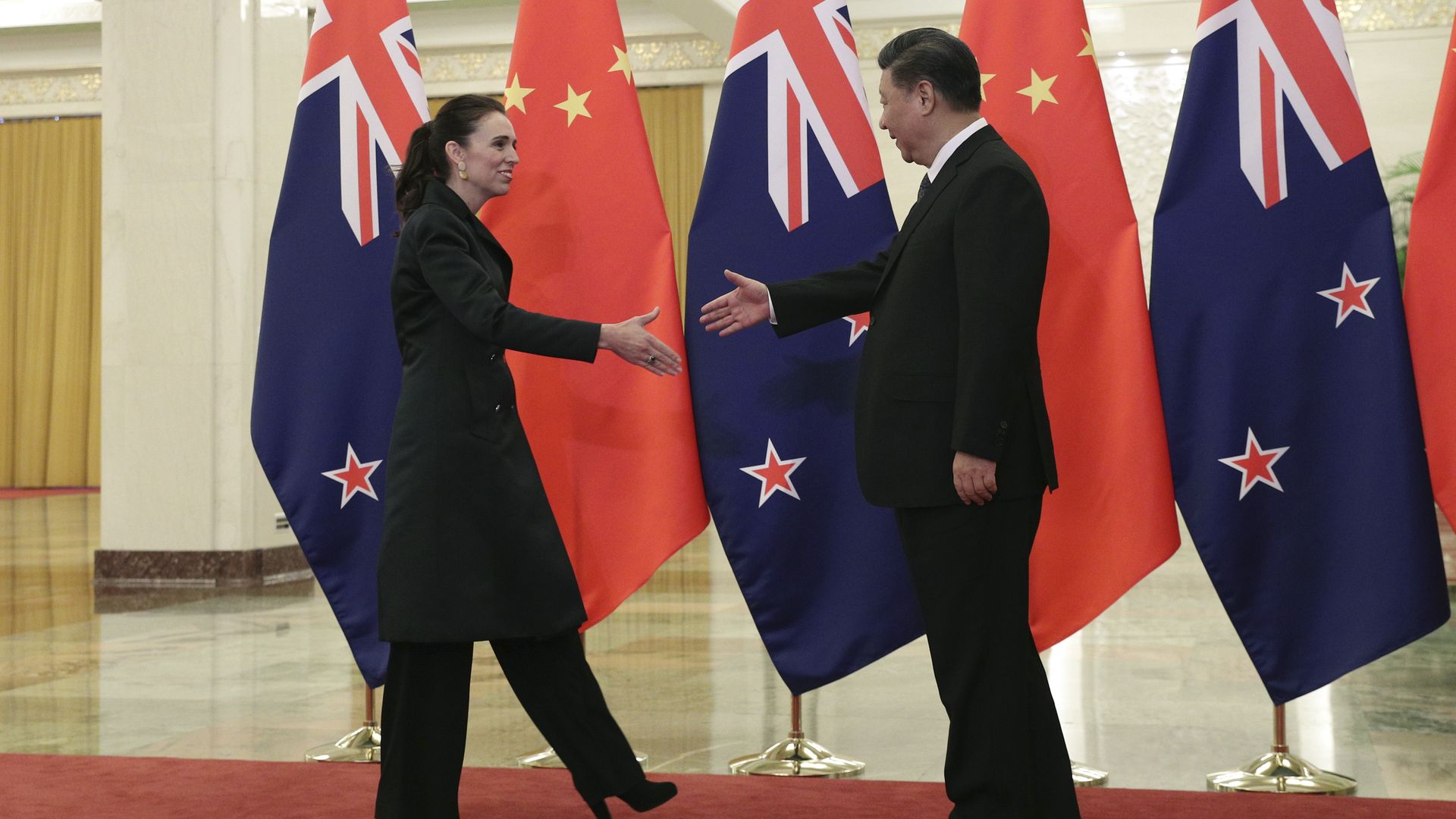
Australia’s federal government has ripped up two agreements the state of Victoria signed as part of China’s Belt and Road Initiative, citing the “national interest in a free and open Indo-Pacific.”
Why it matters: Australia is showing increased willingness to risk backlash from China — by far its largest trading partner. Beijing swiftly accused Canberra of showing a “Cold War mentality and ideological bias.”
Journalism is seriously restricted in 132 of 180 countries included in Reporters without Borders' annual Press Freedom Index — a particularly dangerous state of affairs during the pandemic.
Breaking it down: Nordic countries are ranked high on the list for having "good" press freedoms, while China, Turkmenistan, North Korea and Eritrea are at the bottom. The U.S. is ranked 44th.
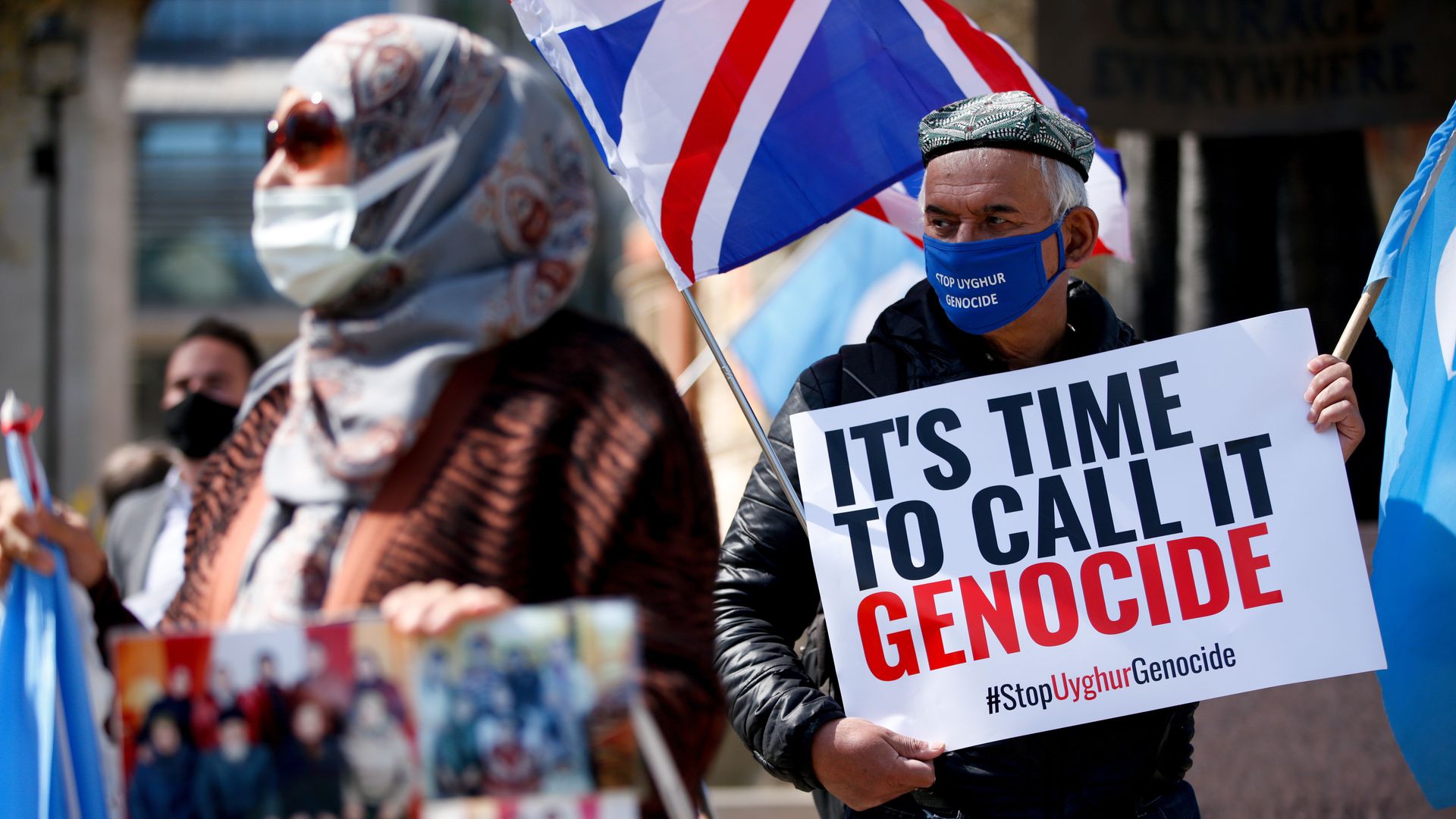
The U.K.'s House of Commons unanimously approved a non-binding motion on Thursday to declare the Chinese government's repression of Uyghur Muslims to be a genocide.
Why it matters: British backbench lawmakers join the Dutch and Canadian parliaments, as well as the U.S. State Department, in recognizing China's sweeping campaign of mass detention, surveillance, forced labor and forced sterilization against ethnic minorities in Xinjiang as genocide.
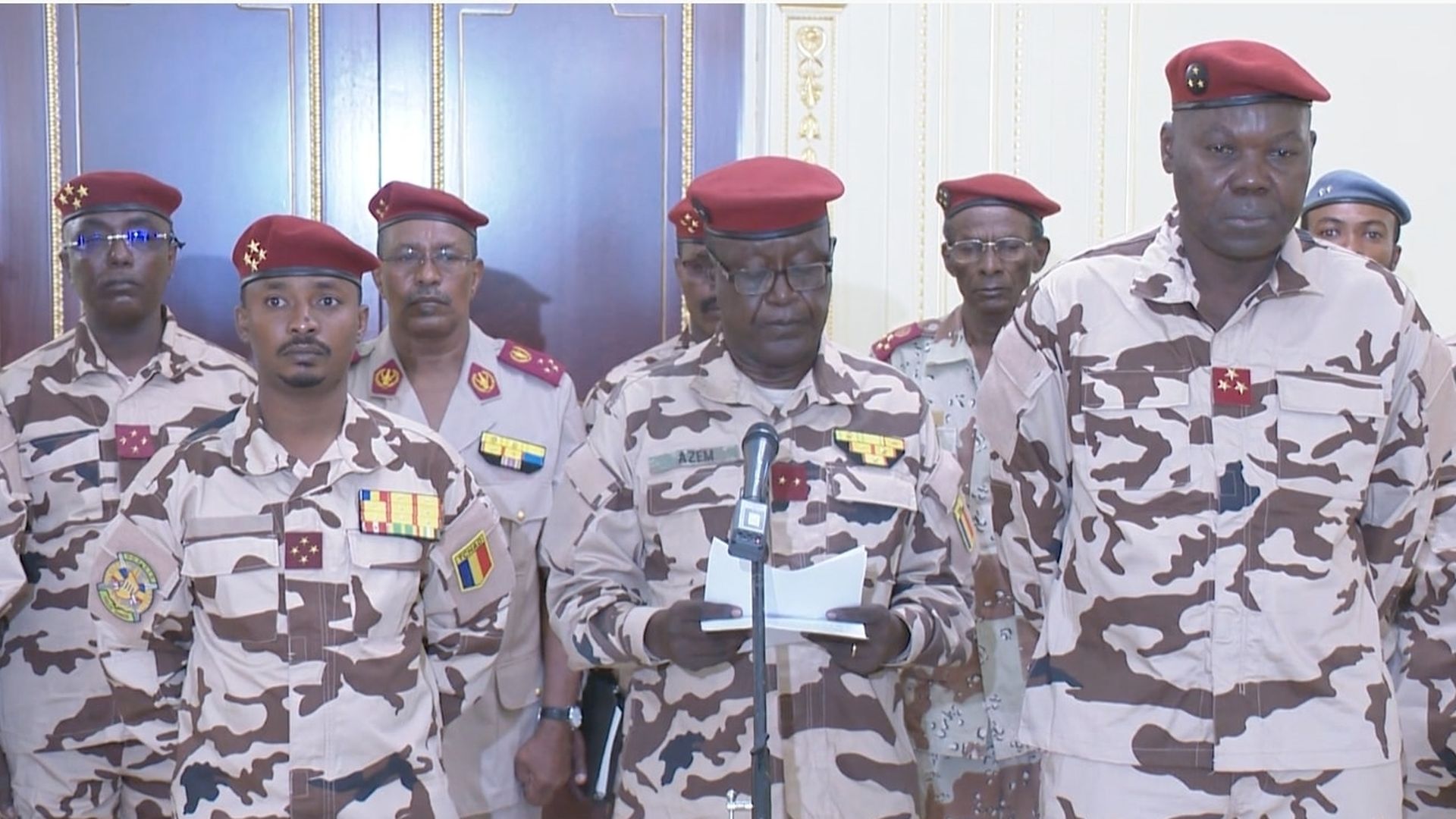
Mahamat Idriss Déby is set to replace his father Idriss Déby, who ruled Chad for 30 years before being killed on Tuesday while on the front lines with forces attempting to repel a rebel advance.
Why it matters: The younger Déby, 39, has been named the head of a military council that is to take power for 18 months, during which time the constitution will be suspended.
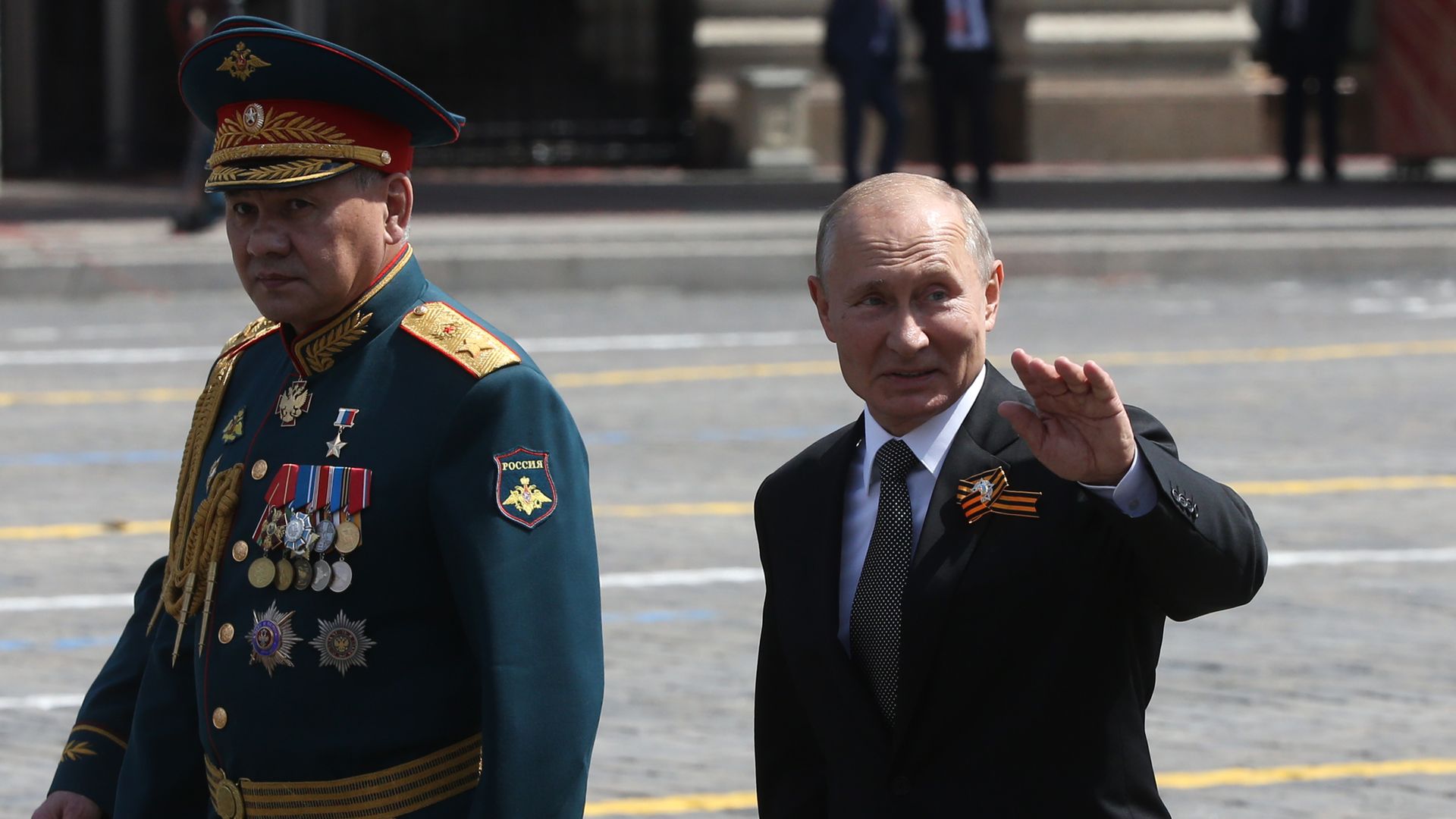
Russia's defense minister said Thursday that massive military exercises near the border with Ukraine had been completed, and that he had ordered troops to return to their permanent bases by May 1, according to state media.
Why it matters: Tens of thousands of troops and heavy military equipment had been moved to the border of eastern Ukraine and the annexed territory of Crimea over the last month, sparking fears of a potential Russian invasion.
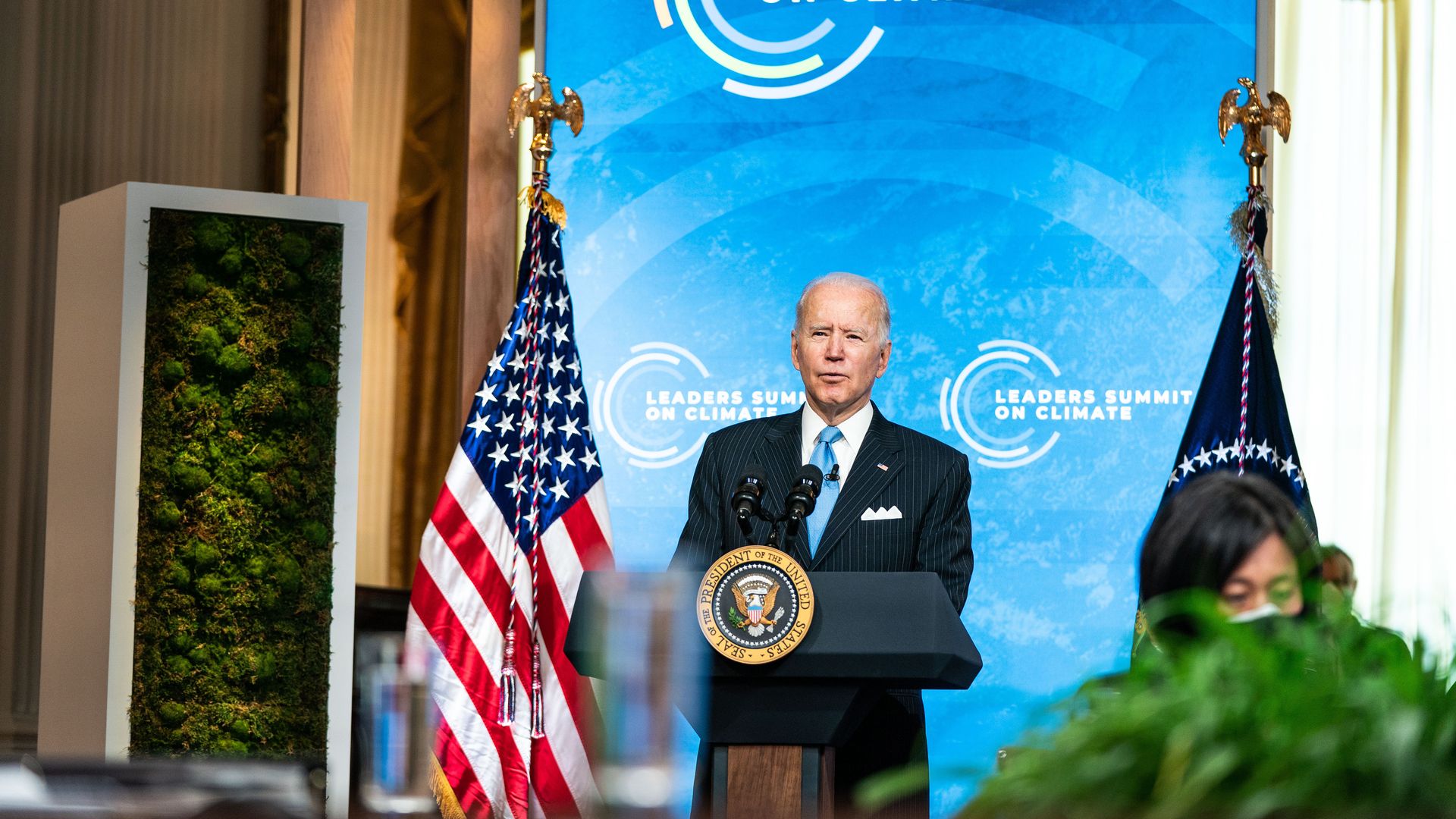
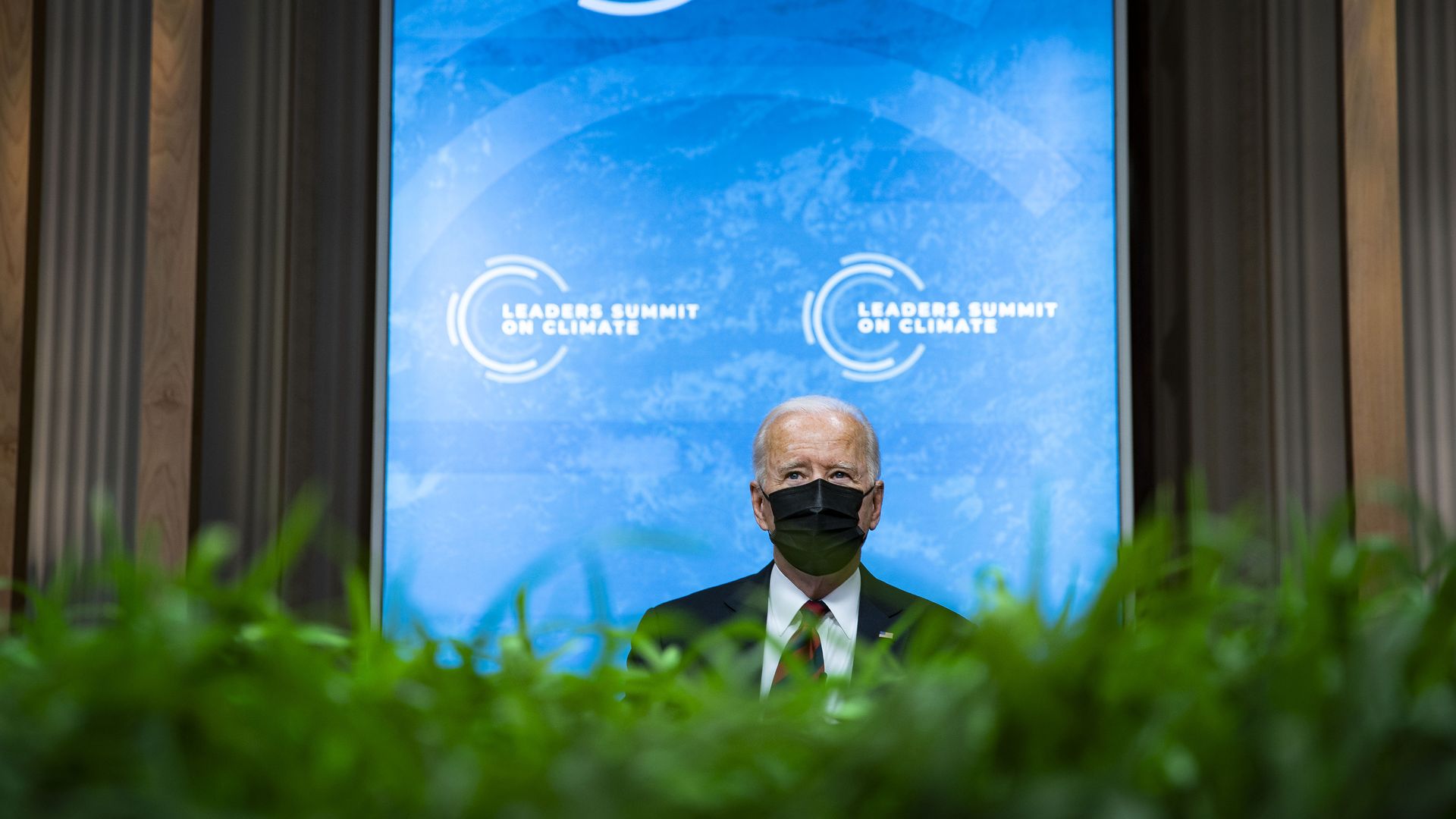
Multiple world leaders announced new targets for reducing greenhouse gases during President Biden's virtual climate summit, which featured more than 40 heads of state and other world and business leaders.
Why it matters: The goal of the summit is to spur more ambitious emissions reductions through non-binding commitments, bringing the world in line with the global warming goals of the Paris Climate Agreement.
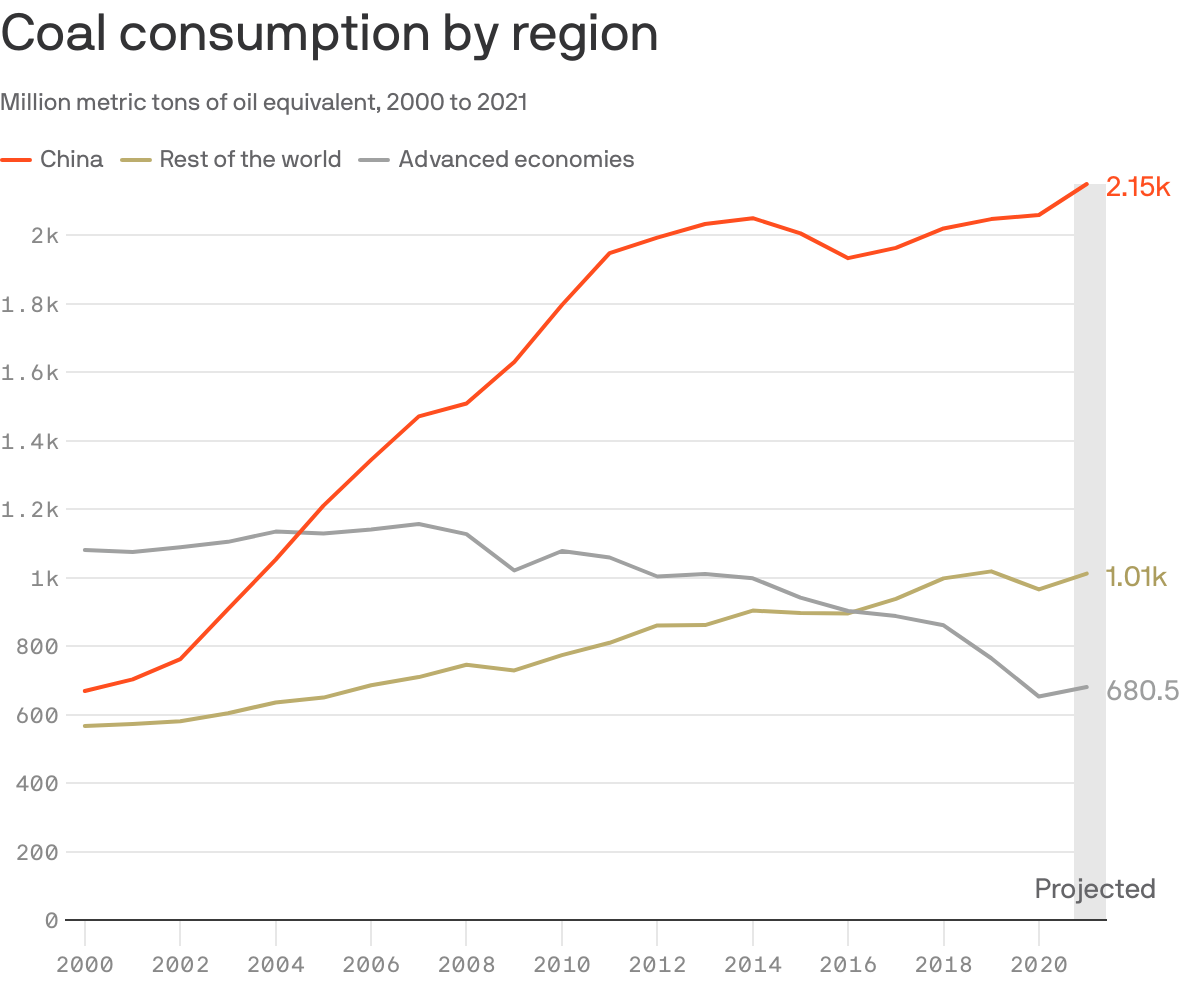
The chart above shows one reason cutting global emissions is so hard: the persistence of coal, especially in China, where demand for the most carbon-intensive fuel grew even during the pandemic.
The big picture: The International Energy Agency, in a report this week, said it sees global coal demand increasing by 4.5% in 2021 after last year's decline.
Regulators in Europe and Washington are racing to figure out how to govern business' use of artificial intelligence while companies push to deploy the technology.
Driving the news: On Wednesday, the EU revealed a detailed proposal on how AI should be regulated, banning some uses outright and defining which uses of AI are deemed "high-risk."
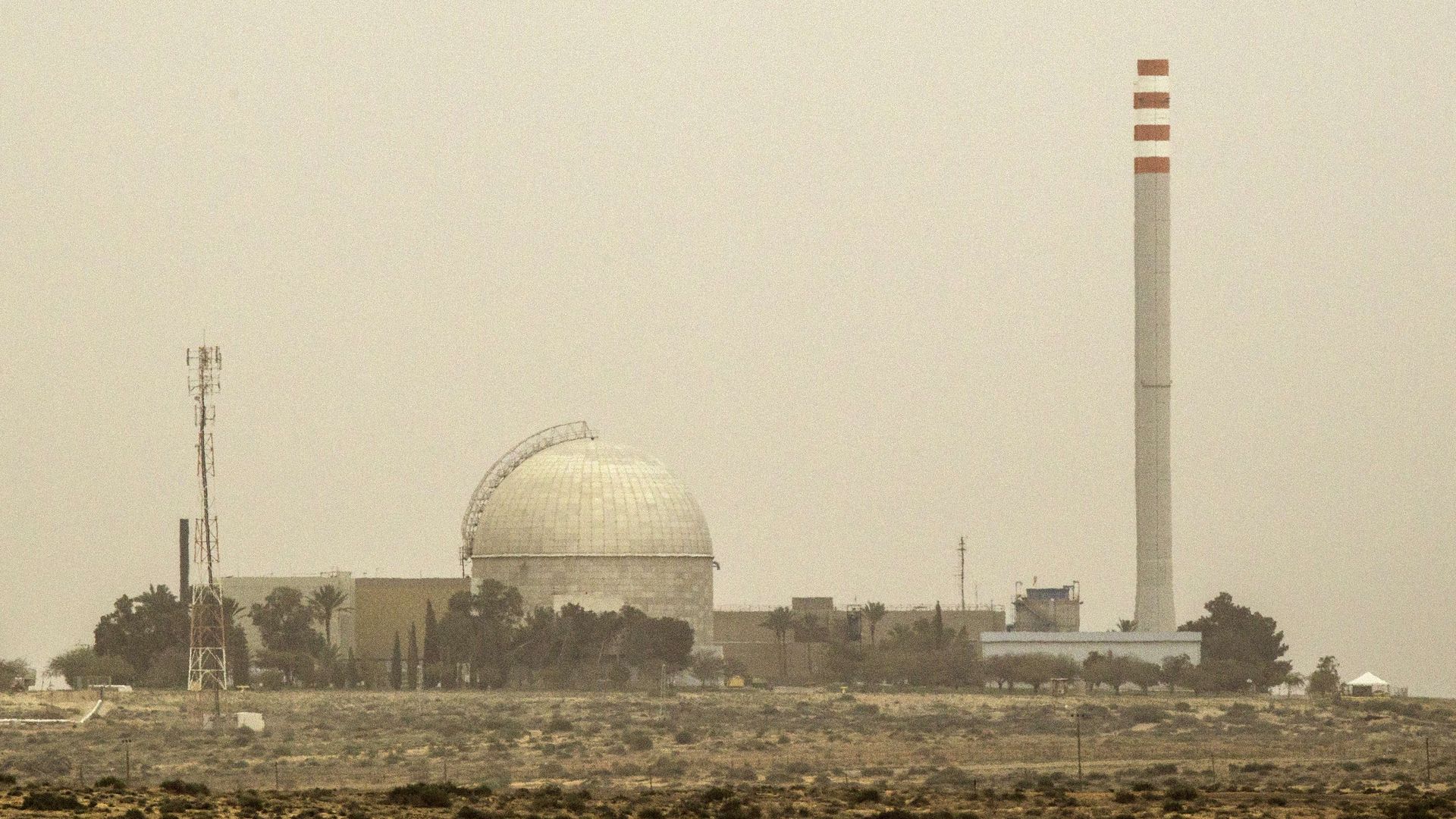
The Israeli military struck back at Syria after a missile from the country triggered air raid sirens near the Dimona nuclear reactor as it landed in southern Israel, AFP reports.
Why it matters: The exchange, which Syrian state media said wounded four of its soldiers, marked the biggest clashes between the two countries in years.
No one immediately claimed responsibility for the attack, but Iranian troops and proxies operate in Syria and the incident indicates Iran's involvement, AP notes. It comes amid rising tensions between Israel and Iran.
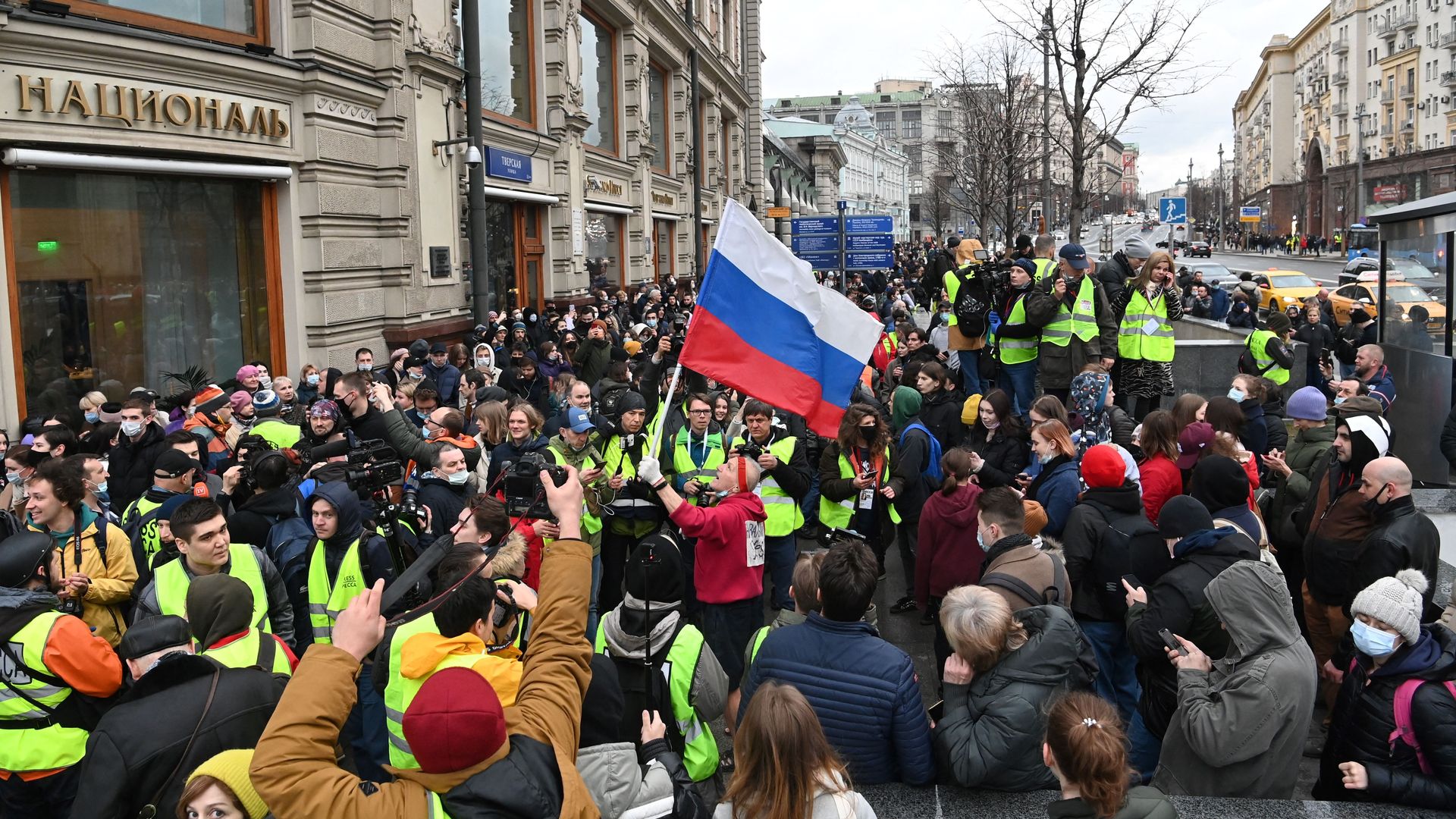
Security forces detained at least 1,770 supporters of the jailed, hunger-striking Kremlin critic Alexei Navalny amid protests across Russia Wednesday, according to the independent monitoring group OVD-Info.
The big picture: At least 30 protesters were arrested in Moscow, 805 in St. Petersburg and 119 in the Urals city of Ufa, among dozens of other cities, the group estimates.
India's health ministry confirmed 314,835 new COVID-19 cases on Thursday, taking the total tally to nearly 16 million infections.
Why it matters: It's the highest number of coronavirus cases reported in a single day anywhere in the world, eclipsing the previous record of 307,581 cases set in the U.S. on Jan. 8, AP notes.
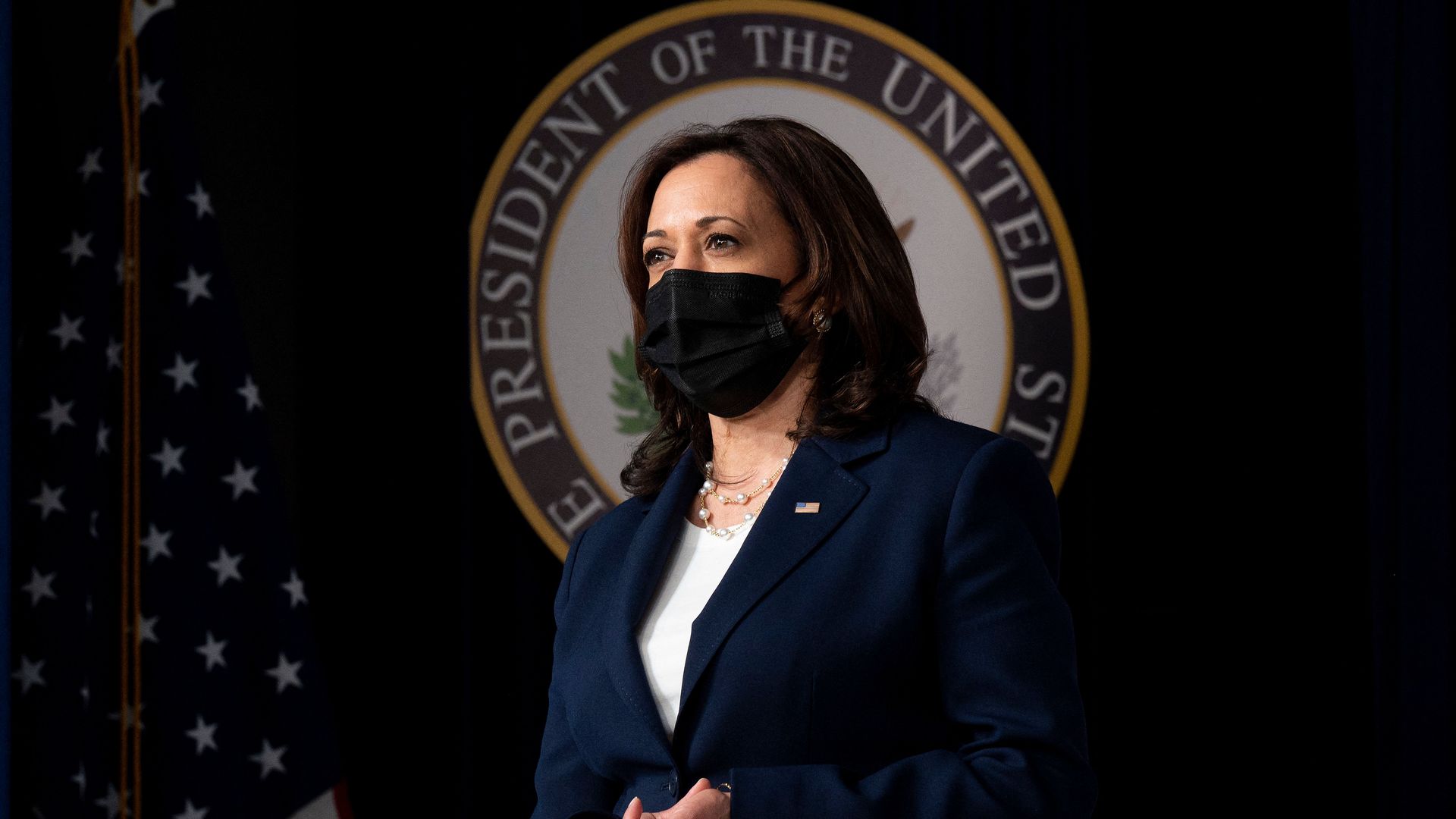
Vice President Kamala Harris will meet virtually Monday with Guatemalan President Alejandro Giammattei to discuss solutions to the surge of migration, and she'll visit the region in June, a senior White House official told Axios.
Why it matters: The administration is taking a multi-pronged approach to solving the problem and also hopes to announce details about its plan for investing aid in Central America on Monday — although a final dollar amount has yet to be decided.