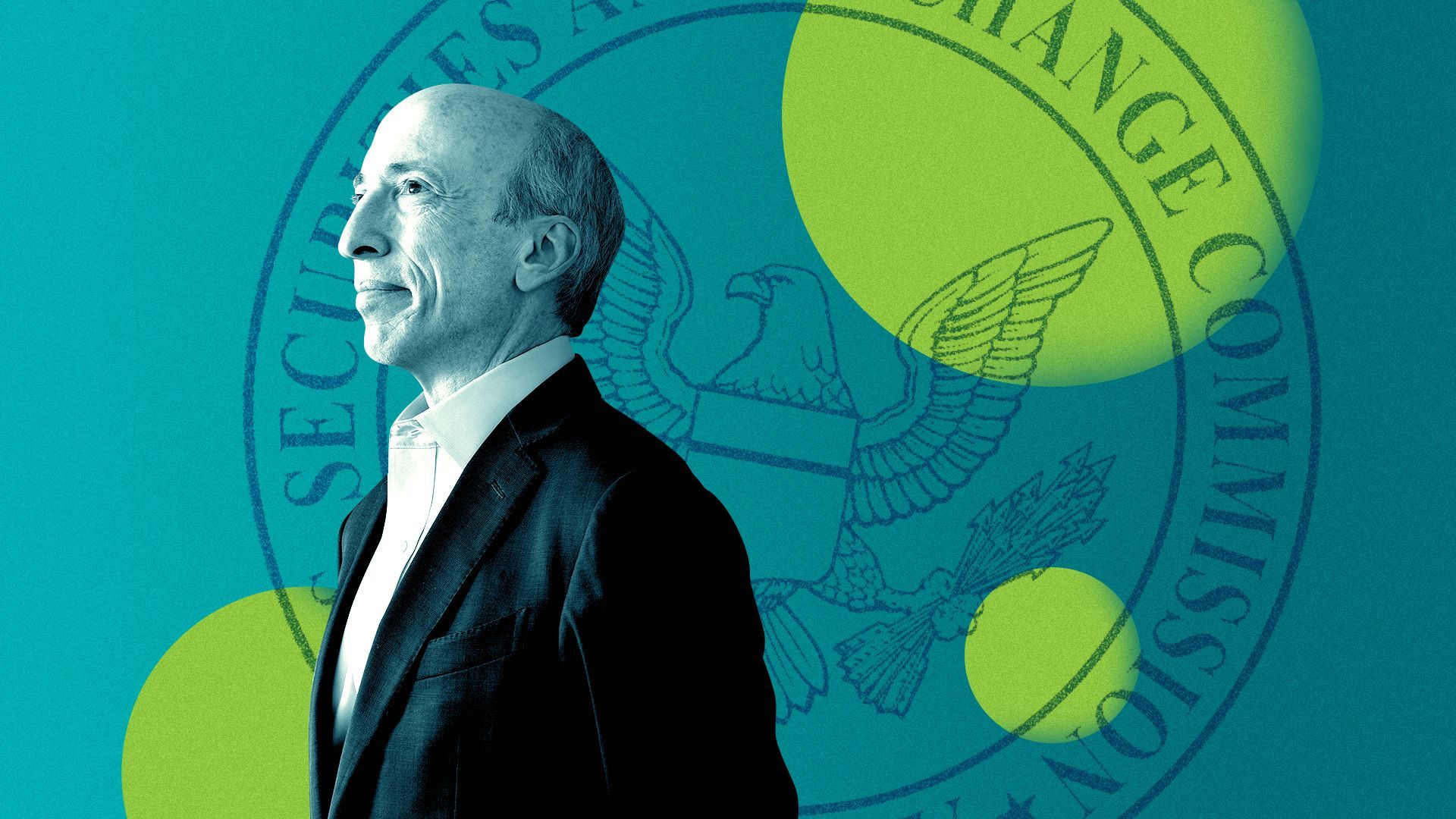
Gary Gensler's Securities and Exchange Commission has really been faceplanting in the courts lately when it comes to crypto industry enforcement.
Why it matters: The regulated community is liable to smell blood in the water. Companies settle when they believe they will lose in court or that the price of the fight will be too high — but every loss for the SEC makes it less likely the next company it goes after will settle.
Fidelity marked up the value of its shares in X/Twitter for the third consecutive month — while still holding them at a deep discount, according to new disclosures.
By the numbers: Fidelity increased the valuation by 8% during the month ending July 31, following an 11% bump for June.
Companies keep flexing their muscles to get more bodies back into the office, but employees remain as emboldened as ever in pushing back.
Driving the news: Two New York Times unions are challenging a policy that proposes monitoring employee badge swipes, Axios' Sara Fischer reported exclusively on Tuesday. Meanwhile, Amazon is ramping up pressure on workers to report to the office more frequently.
As the United Nations wraps up the latest negotiation session this week for a highly anticipated cybercrime treaty, Microsoft is worried the final product won't hit the mark.
Driving the news: The company published a LinkedIn post Tuesday detailing its concerns about the current treaty draft member states are discussing and called on members to limit the scope of certain provisions, incorporate human rights safeguards and more.
Meta has taken down what it believes is the biggest online influence operation of all time, the company announced Tuesday.
Why it matters: The wide-reaching, pro-Chinese operation targeted social media users in Taiwan, alongside users in a handful of the island's allies like the U.S., the U.K. and Japan, as anxieties over a possible Chinese invasion of Taiwan grow.
A first-of-its-kind initiative is cracking down on the proliferation of child sexual abuse materials that could be accessed at major hotel chains across the U.S.
Driving the news: Marriott and Cisco shared details exclusively with Axios about the progress they've made so far in a new partnership with U.K.-based nonprofit the Internet Watch Foundation to detect and block websites sharing child sexual abuse materials (CSAM).
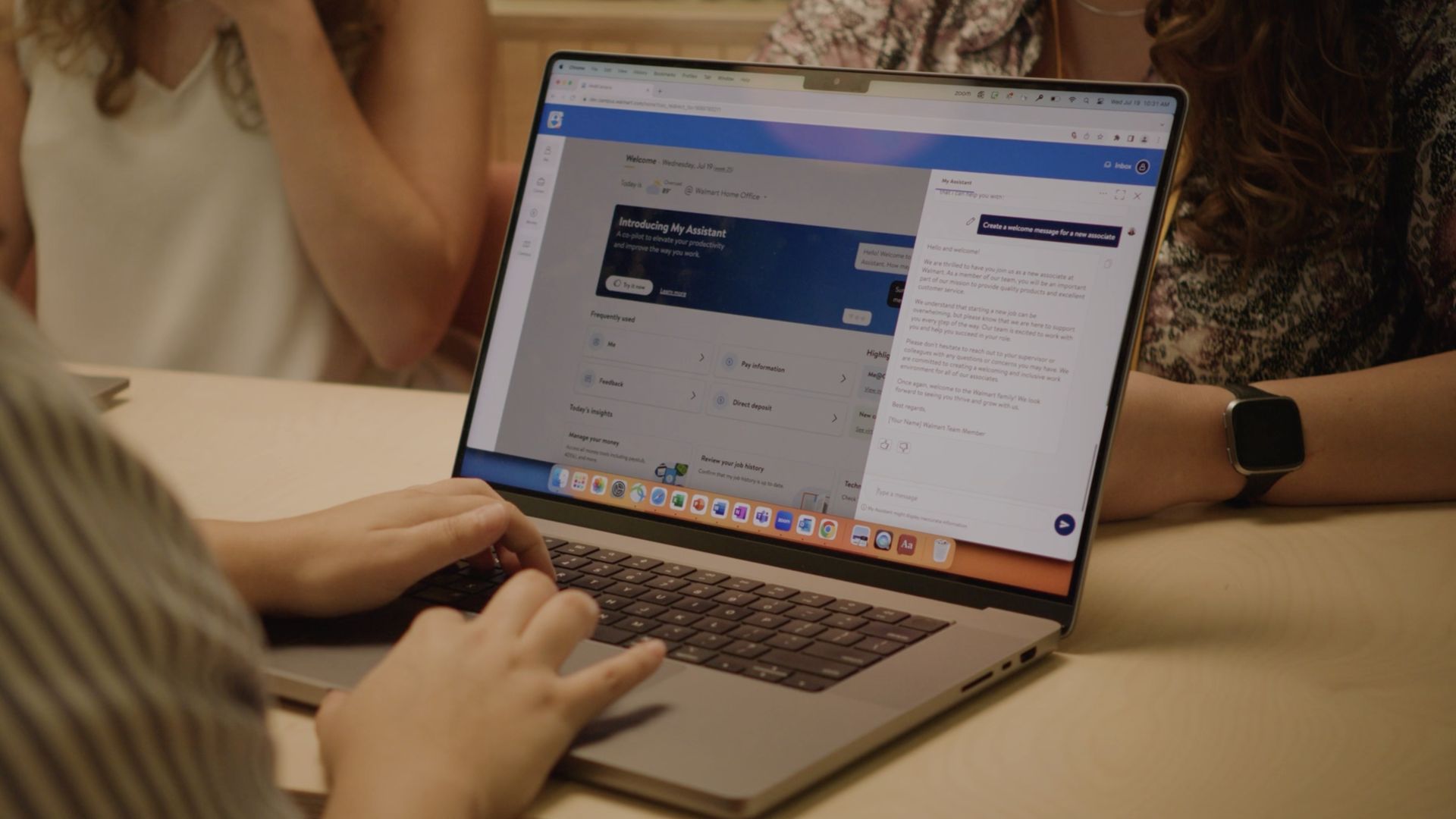
Walmart is announcing a program Wednesday that will give its roughly 50,000 non-store employees access to a generative AI app trained on corporate information.
Why it matters: The move shows one of America's biggest companies sees value in providing broad access to the tech industry's hottest new product.
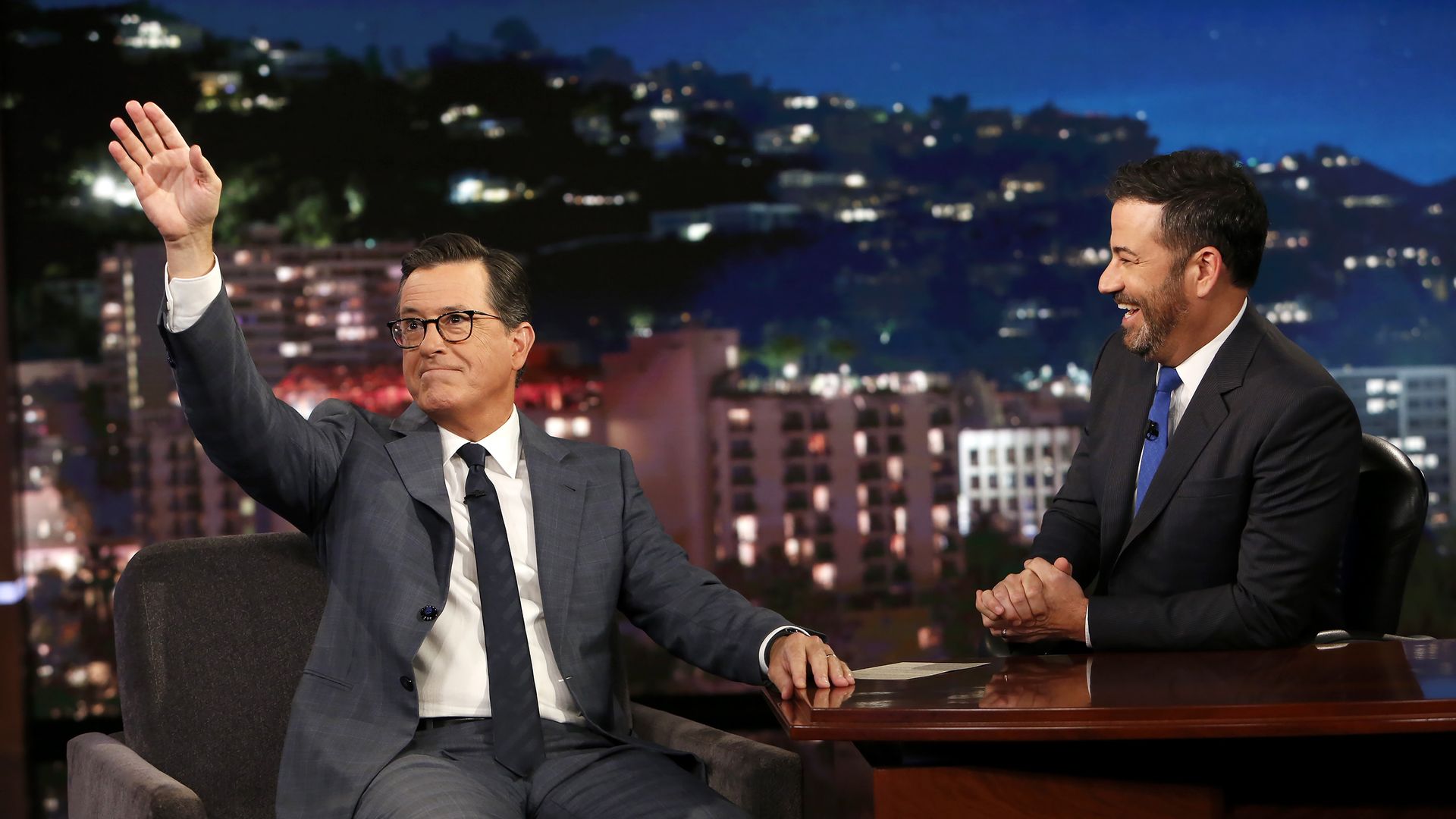
Late-night hosts Stephen Colbert, Jimmy Fallon, Jimmy Kimmel, Seth Meyers and John Oliver are teaming up for a new podcast set to launch Wednesday.
The big picture: The show will cover "the Hollywood strikes and beyond," and proceeds from the podcasts will go to out-of-work staff from the hosts' respective shows, according to Spotify.
A U.S. court sided with the shop behind the world's largest bitcoin trust, better known by its ticker symbol "GBTC."
Why it matters: The price of bitcoin shot through the roof immediately following the news on anticipation that spot ETFs will open up a wave of new demand from previously untapped investors.
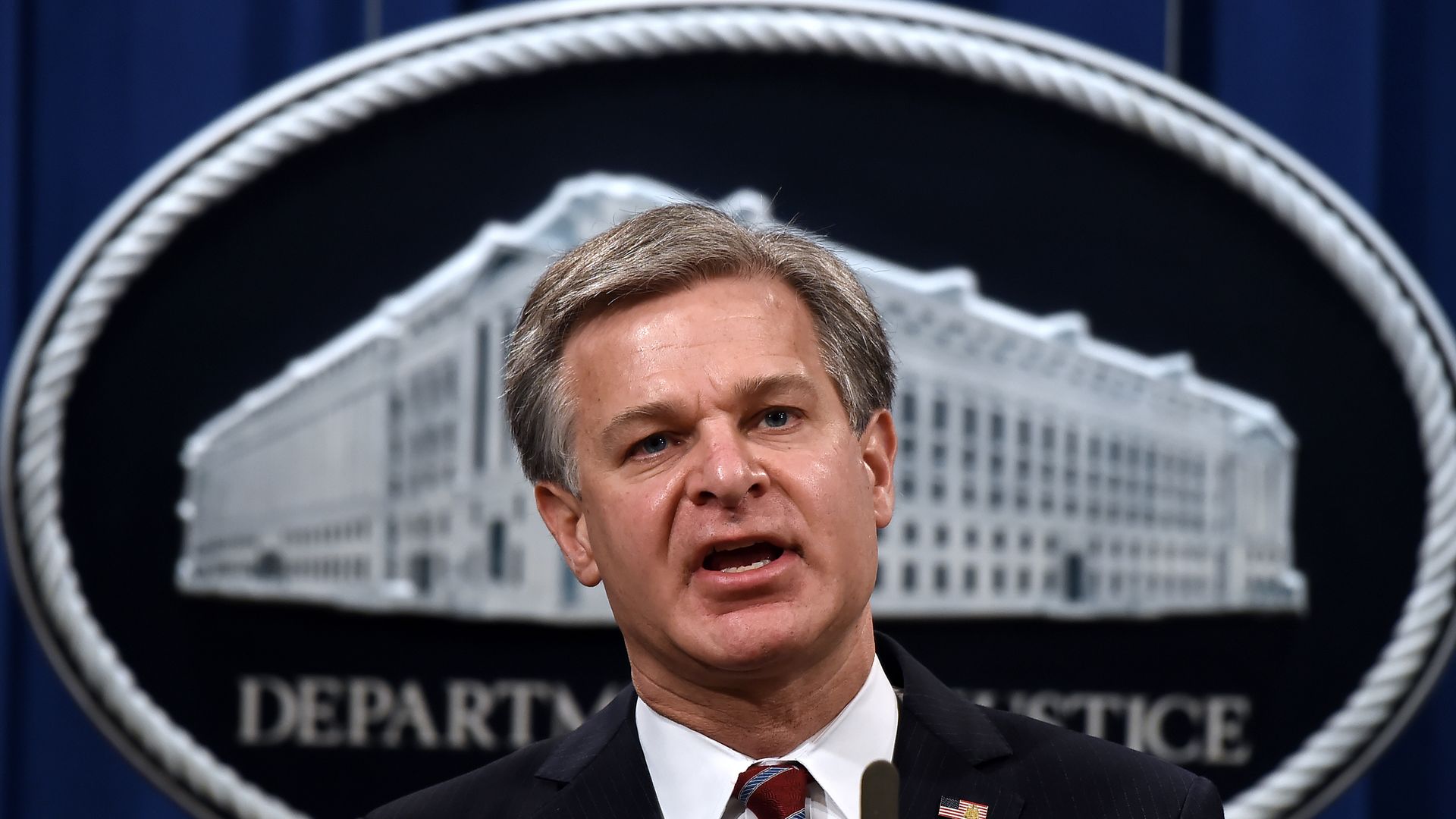
The Federal Bureau of Investigation has disrupted and dismantled one of the largest botnets in operation as part of an international cybercrime investigation.
Driving the news: FBI Director Christopher Wray announced the bureau had infiltrated and redirected traffic flowing through servers belonging to the Qakbot botnet, which is believed to have allowed hackers to target financial institutions, government contractors and other critical infrastructure.
Yahoo is on a buying spree to bolster its core products, most of which have miraculously survived nearly three decades of internet tumult.
Why it matters: Yahoo was all but left dead by Verizon when it was sold to Apollo Global Management in 2021. Under its new owners, the company — founded in January 1994 — is getting a rare chance to reinvent itself.
Gina Raimondo spent more than a decade in venture capital, before becoming Rhode Island's governor and then U.S. Commerce Secretary. This week she's in China, in part defending the Biden administration's ban on U.S. venture capital investment in certain Chinese tech sectors.
Why it matters: Raimondo must do a delicate dance in Beijing — maintaining hawkishness without clawing into a still-vital trade relationship.
TechCrunch, the digital tech and business publication owned by Yahoo, has acquired StrictlyVC, a media startup, from longtime Silicon Valley journalist Connie Loizos. Loizos, who currently serves as TechCrunch's Silicon Valley editor, has also been appointed editor-in-chief and general manager of TechCrunch.
Why it matters: The deal represents Yahoo's commitment to TechCrunch under its new ownership. It also signals a shift by TechCrunch back to its roots covering venture investments and startups in Silicon Valley.
Google's DeepMind unit is unveiling today a new method it says can invisibly and permanently label images that have been generated by artificial intelligence.
Why it matters: It's become increasingly hard for people to distinguish between images made by humans and those generated by AI programs. Google and other tech giants have pledged to develop technical means to do so.
As AI capabilities advance in complex medical scenarios that doctors face on a daily basis, the technology remains controversial in medical communities.
The big picture: Doctors are grappling with questions about what counts as an acceptable success rate for AI-supported diagnosis and whether AI's reliability under controlled research conditions will hold up in the real world.
Elon Musk and X face more than 2,200 arbitration cases linked to sweeping changes that followed the takeover he led last year of the platform then known as Twitter, according to a court filing Monday.
Driving the news: Former Twitter employees accuse X in the filing of not paying them their promised severance after massive job cuts and delaying their arbitration cases by not paying the corresponding filing fees, per CNBC, which first reported the news.