Nintendo's next big game, Super Mario Bros. Wonder, plays like a throwback to the Mario series' earliest games, but has the energy of the newest ones.
Why it matters: Wonder — set for an Oct. 20 release — is Nintendo's flagship game for the fall, as it brings back one of its most-popular styles of game: a side-scrolling Mario adventure, the first new one in 11 years.
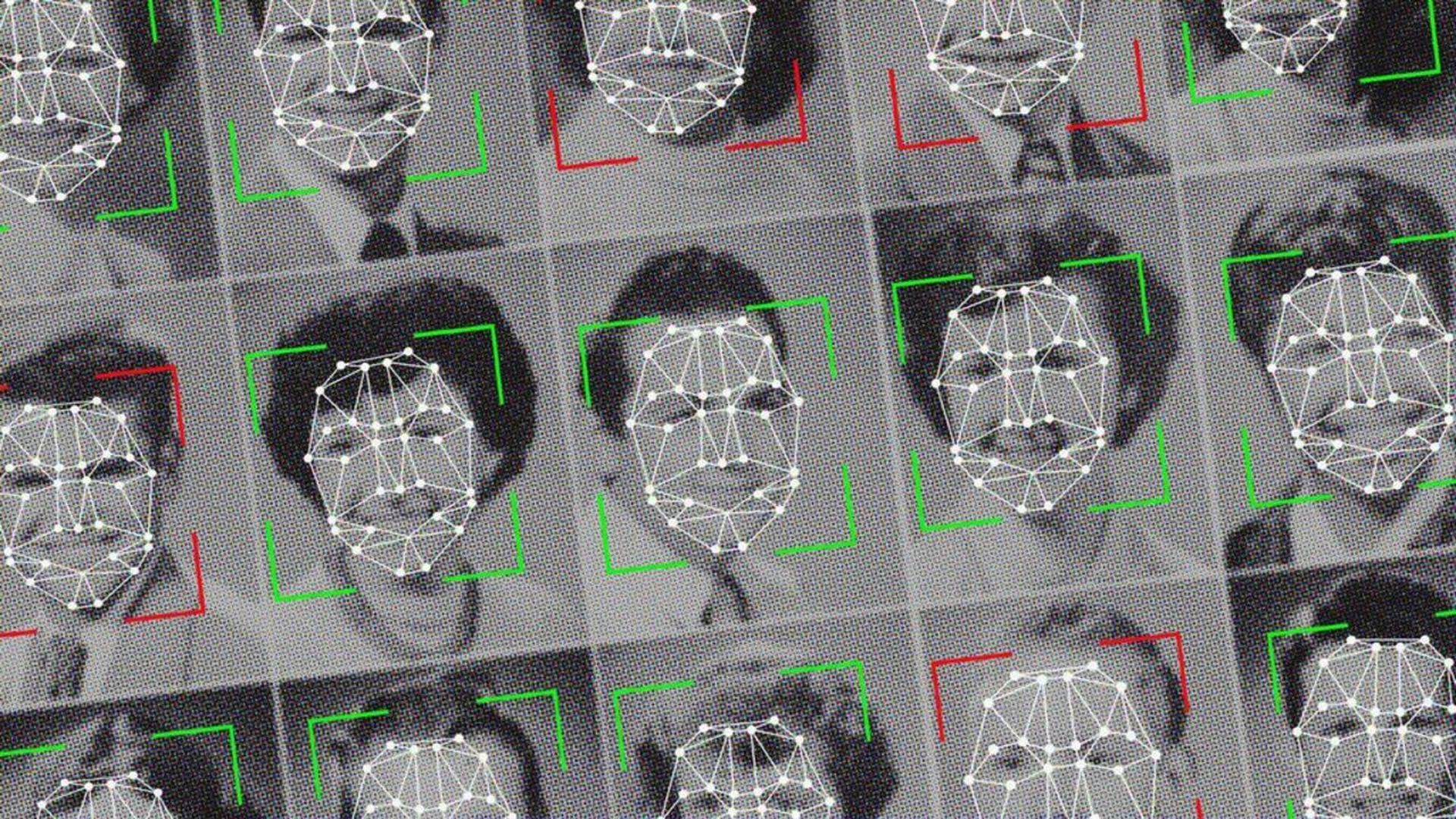
Meta on Thursday released a new tool designed to spot racial and gender bias within computer vision systems.
Why it matters: Many computer vision models have shown systematic bias against women and people of color. The hope is that improved tools will enable developers to better detect shortcomings and address them.
Nearly 20% of the top 1000 websites in the world are blocking crawler bots that gather web data for AI services, according to new data from Originality.AI, an AI content detector.
Why it matters: In the absence of clear legal or regulatory rules governing AI's use of copyrighted material, websites big and small are taking matters into their own hands.
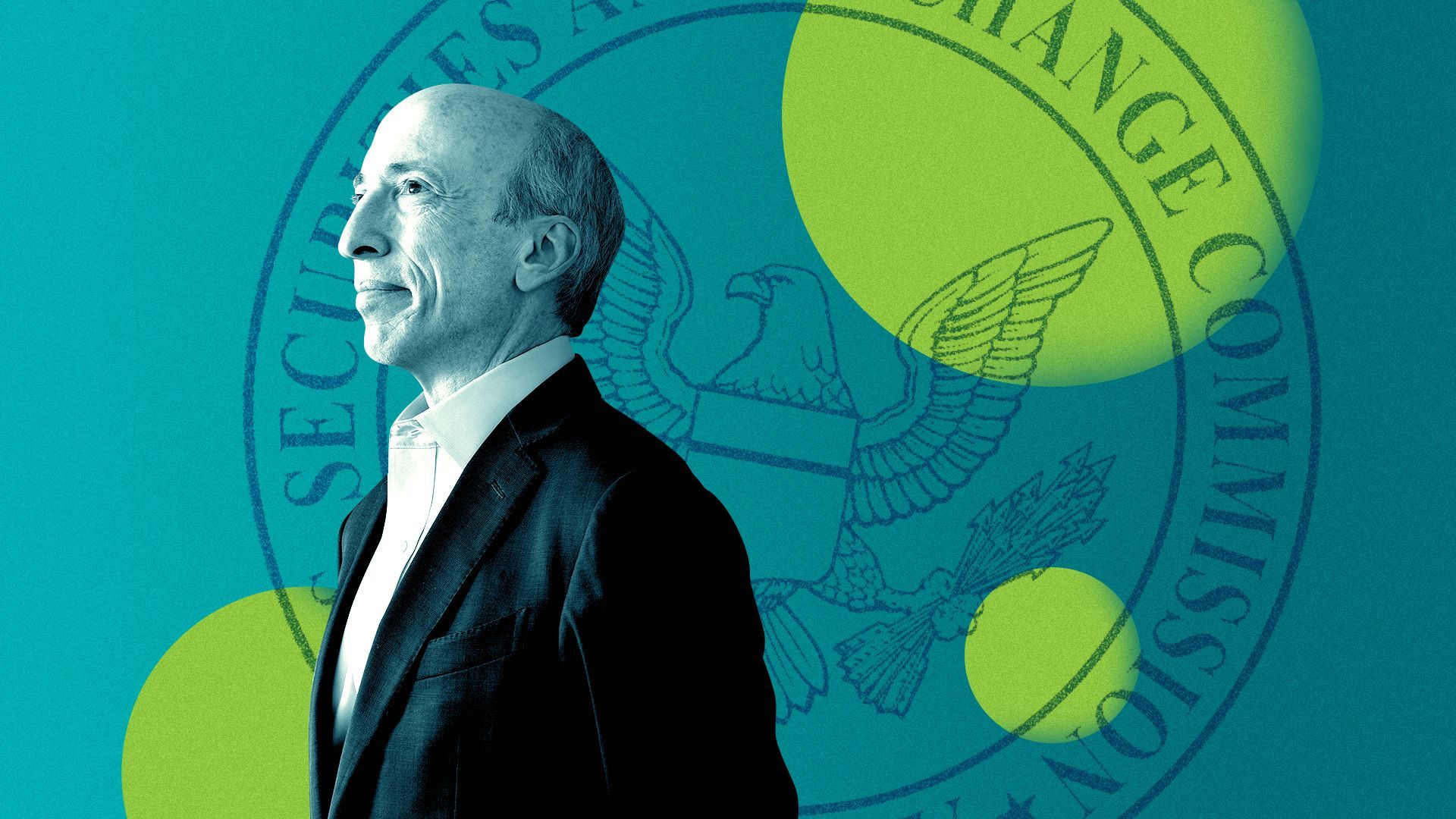
Gary Gensler's Securities and Exchange Commission has really been faceplanting in the courts lately when it comes to crypto industry enforcement.
Why it matters: The regulated community is liable to smell blood in the water. Companies settle when they believe they will lose in court or that the price of the fight will be too high — but every loss for the SEC makes it less likely the next company it goes after will settle.
Fidelity marked up the value of its shares in X/Twitter for the third consecutive month — while still holding them at a deep discount, according to new disclosures.
By the numbers: Fidelity increased the valuation by 8% during the month ending July 31, following an 11% bump for June.
Companies keep flexing their muscles to get more bodies back into the office, but employees remain as emboldened as ever in pushing back.
Driving the news: Two New York Times unions are challenging a policy that proposes monitoring employee badge swipes, Axios' Sara Fischer reported exclusively on Tuesday. Meanwhile, Amazon is ramping up pressure on workers to report to the office more frequently.
As the United Nations wraps up the latest negotiation session this week for a highly anticipated cybercrime treaty, Microsoft is worried the final product won't hit the mark.
Driving the news: The company published a LinkedIn post Tuesday detailing its concerns about the current treaty draft member states are discussing and called on members to limit the scope of certain provisions, incorporate human rights safeguards and more.
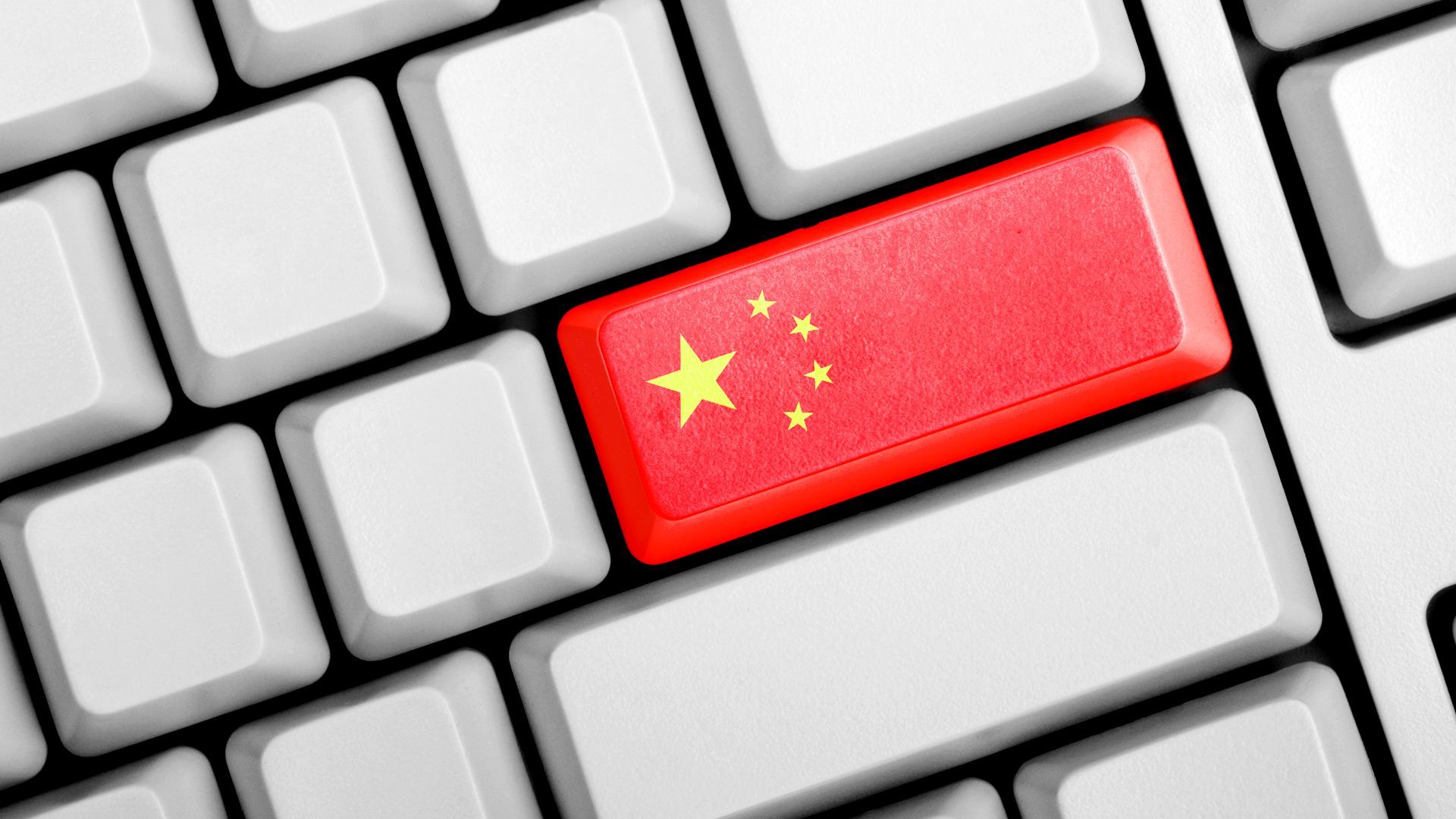
Meta has taken down what it believes is the biggest online influence operation of all time, the company announced Tuesday.
Why it matters: The wide-reaching, pro-Chinese operation targeted social media users in Taiwan, alongside users in a handful of the island's allies like the U.S., the U.K. and Japan, as anxieties over a possible Chinese invasion of Taiwan grow.
A first-of-its-kind initiative is cracking down on the proliferation of child sexual abuse materials that could be accessed at major hotel chains across the U.S.
Driving the news: Marriott and Cisco shared details exclusively with Axios about the progress they've made so far in a new partnership with U.K.-based nonprofit the Internet Watch Foundation to detect and block websites sharing child sexual abuse materials (CSAM).