U.S. officials are reportedly concerned about the possibility that China-backed hackers have snuck malware onto networks underpinning military and critical infrastructure operations.
Driving the news: That's according to a New York Times report that ran Saturday, which raises the question of whether China is already laying the groundwork for a potential Taiwan invasion.
NATO has raised more than €1 billion from certain member nations for a fund that will invest in deep tech startups, including those that developing technologies that could have military or defense applications.
Why it matters: This appears to be the first-ever "multi-sovereign" investment fund.
A group of presidential advisers is calling for limits on when federal investigators can tap into a controversial foreign surveillance database as Congress debates the program's future.
What's happening: The President's Intelligence Advisory Board (PIAB) released its recommendations Monday on how lawmakers should reauthorize Section 702 of the Foreign Intelligence Surveillance Act, which is set to expire at the end of the year.
A first-of-its-kind government plan is hoping to do what employers, agencies and universities have struggled to accomplish: meet the growing demand for cybersecurity workers in the U.S.
Driving the news: The White House released its highly anticipated cybersecurity workforce and education strategy Monday, aimed at making cybersecurity careers more attainable and attractive to U.S. workers.
Purveyors of lab-grown meat — who prefer the term "cell-cultivated," to avoid the mad-scientist-with-a-test-tube image — foresee a world where our plates are full of steak but animal slaughter is largely a thing of the past.
Why it matters:Investors are pouring money into the sector and its promise of cruelty-free meals that are (maybe) better for the environment, but many unknowns remain.
Researchers continue to face roadblocks in trying to study how long-dominant social media platforms operate even as the tech industry is expanding its power into the new realm of artificial intelligence.
Why it matters:Tech giants — fearful of helping competitors, violating user privacy, triggering legal problems or earning bad publicity from negative findings — remain reluctant to share data with academic researchers who are trying to assess their impact.
Driving the news: The complaint accuses the hate speech watchdog of "using flawed methodologies to advance incorrect, misleading narratives." The CCDH said in an online post earlier Monday that "Musk's lawyers have threatened CCDH with baseless legal action over our work exposing the rise in hate & lies on Twitter."
HEX and its related cryptocurrencies are among those projects that most people in the blockchain world have found embarrassing for a very long time.
Driving the news: Monday, four years after HEX first went live, the U.S. Securities and Exchange Commission charged its creator Richard Schueler for conducting unregistered offerings, and with fraud in connection with another project, PulseChain.
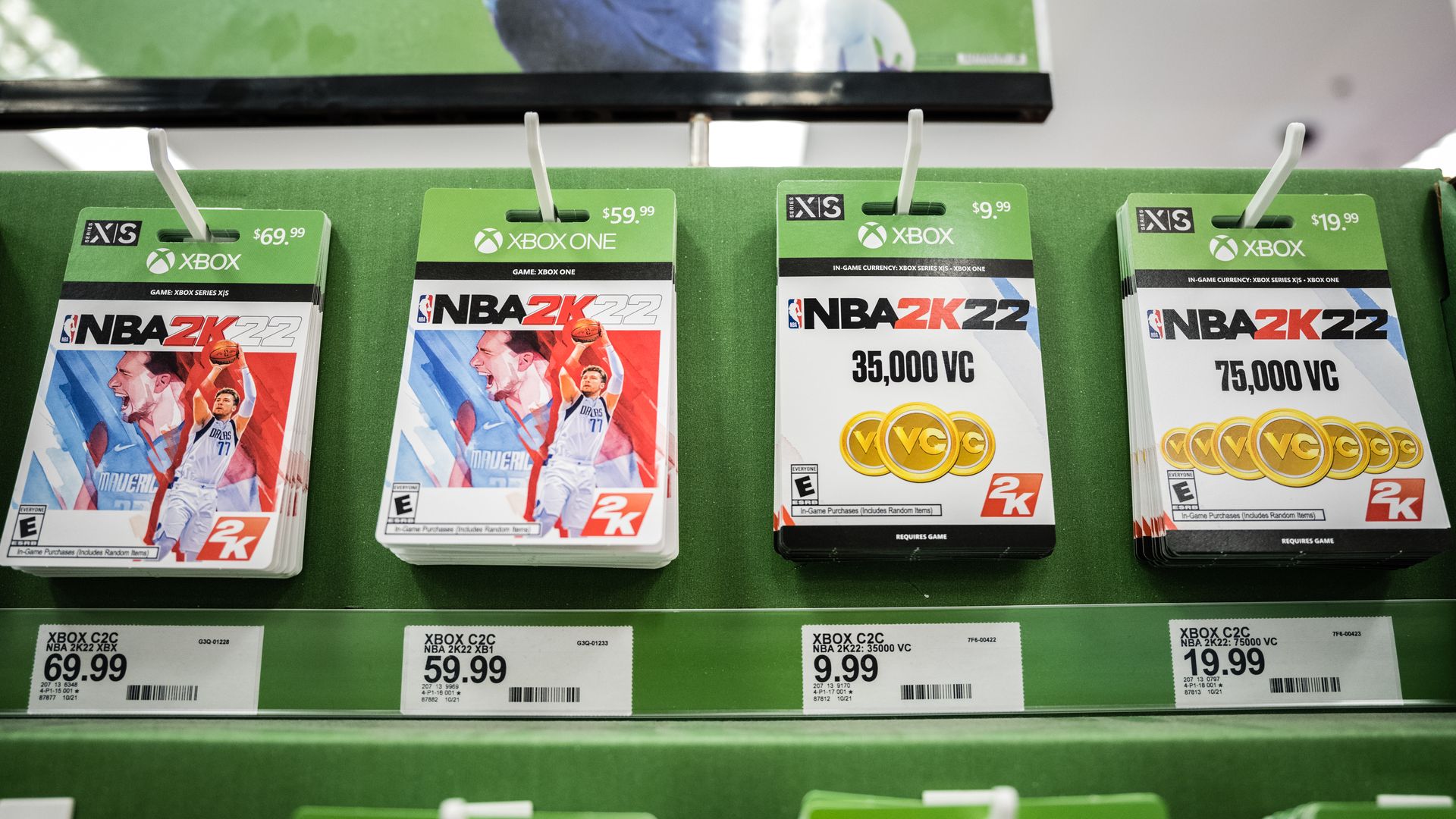
NBA 2K and Grand Theft Auto publisher Take-Two Interactive is paying its two top executives $72,350,718 this year — a number that could go far higher based on some factors, including an uptick in player microtransaction spending.
Driving the news: The pay, disclosed in Take-Two's annual proxy filing to shareholders and offered as a mix of cash and stock, is more than double the execs' 2022 compensation of $30,040,000.
Jenova Chen has had a clear professional goal for more than a decade: get the world to take video games seriously — to see them, simply, as the ultimate art form.
Why it matters: For Chen and some other creators and players, gaming's rep among many people as a frivolous pastime provokes a strong counter-response.
Google plans to overhaul its Assistant to focus on using generative AI technologies similar to those that power ChatGPT and its own Bard chatbot, according to an internal e-mail sent to employees Monday and seen by Axios.
Why it matters: The move will change howAssistant works for consumers, developers and Google's own employees, with the company — for now — supporting both new and old approaches.
Fidelity Investments increased the carrying value of its Twitter/X shares by nearly 11% during the month of June, according to new disclosures.
Why it matters: This is the second straight month of X markups by Fidelity, after it marked down the shares or kept them flat during the first six months of Elon Musk's ownership.