Silicon Valley Bank, long one of the most popular financial institutions among tech and life sciences startups, saw its shares fall more than 60% on Thursday, wiping out a whopping $9.4 billion in market value.
Driving the news: Several top venture capital firms, including Coatue and Founders Fund, have suggested to some portfolio companies that they strongly consider pulling money out of SVB, as concerns grow over the bank's stability.
Epic Games is moving full steam ahead with its 4-year-old online store, launching tools today to self-publish video games and prepping it for the day it can finally appear on iPhones and Androids.
Why it matters: The company behind Fortnite and Unreal Engine has major ambitions to change global marketplaces for games and apps.
The Pentagon is attempting to better compete with Silicon Valley for civilian cyber talent in a newly released workforce strategy.
Driving the news: The Defense Department released a cyber workforce strategy Thursday that details training programs, recruitment process changes and apprenticeship programs it hopes to pursue between 2023 and 2027.
Silicon Valley Bank said it will launch $1.25 billion common stock sale, plus another $500 million of depository shares, and said private equity firm General Atlantic is buying $500 million of common stock in a separate transaction.
Why it matters: SVB is something of an avatar for the health of U.S. tech and life sciences startups, and right now it's calling for a doctor.
Two years after joining Meta, civil rights head Roy Austin Jr. tells Axios he believes the company has made strides on everything from how it designs products to checking for unintended discriminatory impacts.
Austin said the company has now completed or created ongoing projects to address 97 of the 117 to-do items identified as part of a civil rights audit completed in 2020.
Facebook parent Meta is sharing an updated data set for voice and face recognition AI that it hopes others in the industry will use to test how accurately their systems work across a diverse set of people.
Why it matters: Machine learning-driven artificial intelligence — which powers everything from these recognition algorithms to the popular ChatGPT — is only as fair as the data used to train and test it. The more representative the data, the less likely it is that human bias will turn into automated discrimination.
New software that warns air traffic controllers if an inbound aircraft may be lining up to land on a taxiway rather than a runway has been installed at 43 major airports nationwide, the Federal Aviation Administration tells Axios.
Why it matters: Landing on a taxiway — essentially roads for aircraft that connect runways with terminals — can be a major safety hazard.
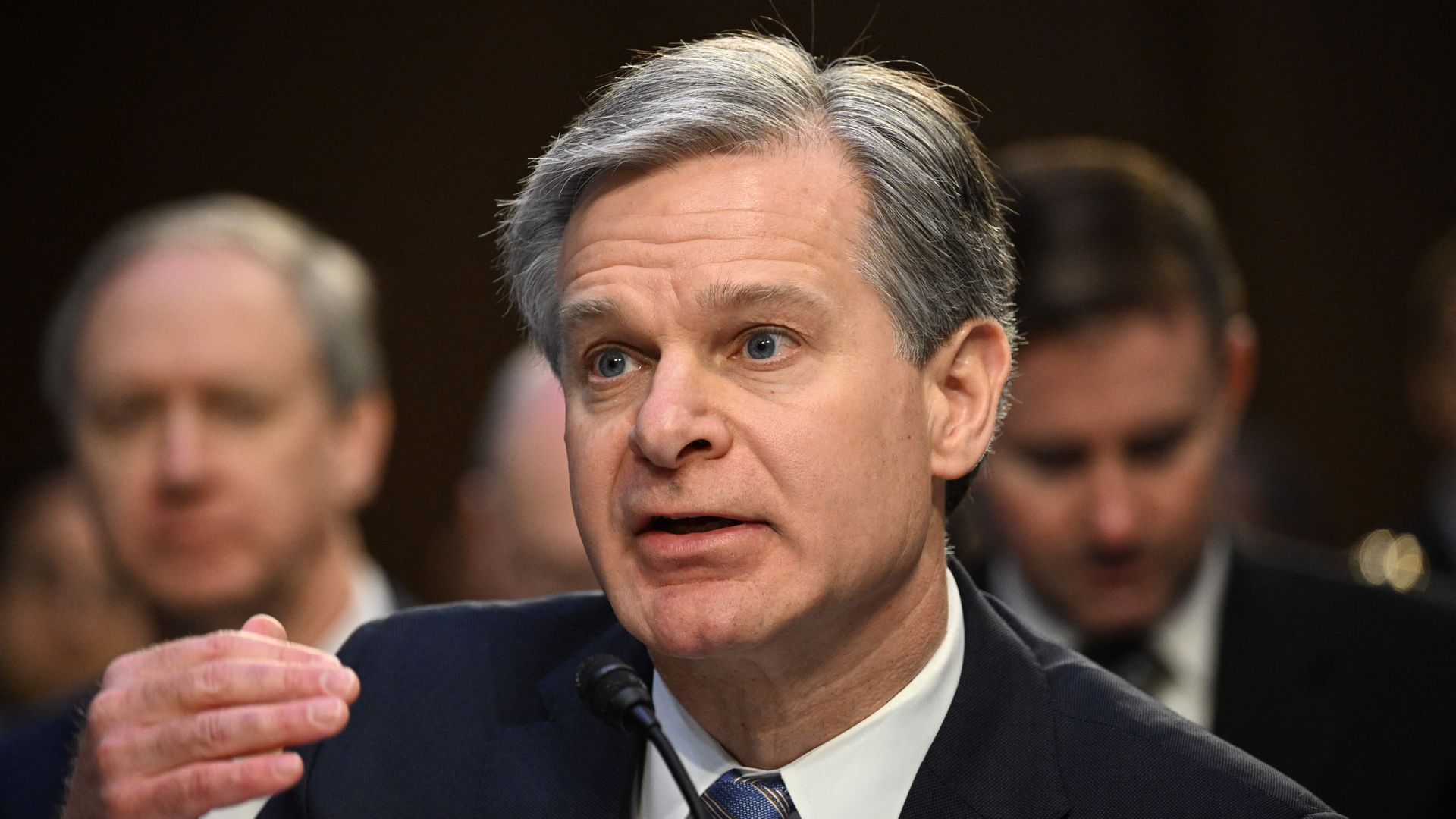
The Chinese government has the ability to control the software on millions of devices by virtue of its relationship with TikTok's owner, ByteDance, FBI director Chris Wray told the Senate Intelligence Committee on Wednesday.
Why it matters: TikTok has become a political flashpoint in Congress, with lawmakers introducing legislation that could restrict or ban the app.
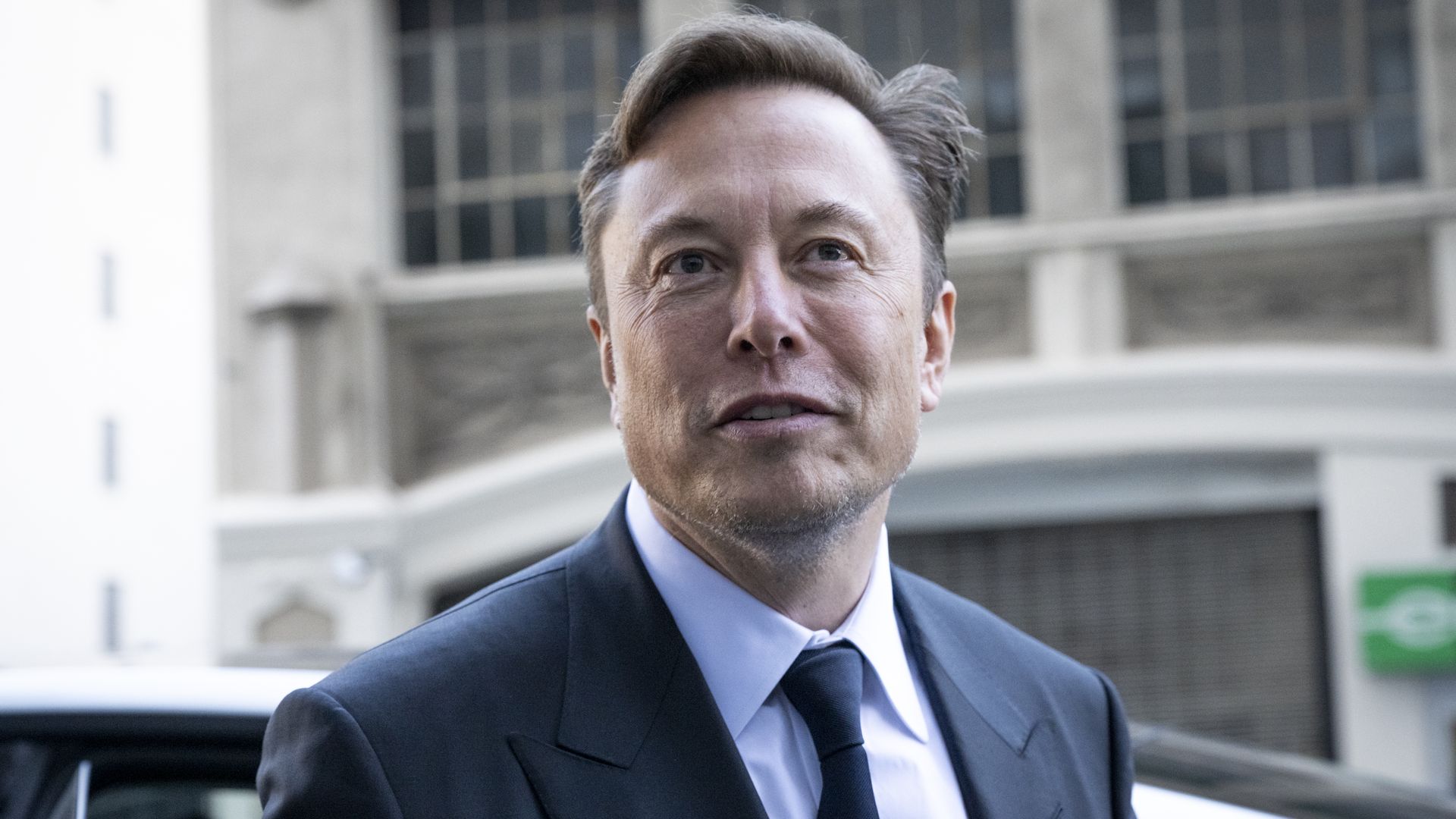
Elon Musk apologized on Monday after publicly ridiculing a Twitter employee on the social media platform and speaking dismissively about the worker's disability.
The big picture: Musk's attacks on the employee, Icelandic entrepreneur Haraldur Thorleifsson, who has muscular dystrophy, began after Thorleifsson asked for clarity about his job status at the company.
TikTok's access controls on U.S. user data are much weaker than the company says, a former ByteDance employee told the office of Sen. Josh Hawley (R-Mo.), per a letter from Hawley to Treasury Secretary Janet Yellen shared exclusively with Axios.
Driving the news: The whistleblower's allegations, which have not been independently seen or verified by Axios, suggest that TikTok overstates its separation from its China-based owner ByteDance, relies on proprietary Chinese software that could have backdoors, and uses tools that allow employees to easily toggle between U.S. and Chinese user data.
People are already using chatbots as therapists, as the emergence of generative AI has raised new questions around tech's role in mental health.
Why it matters: Virtually no one is suggesting you replace a compassionate human professional with a probability-driven neural network — but plenty of users seeking info or help say they appreciate the approachability (and low cost) of an onscreen text box.
Just when we thought we'd figured out how to master a long road trip in an electric vehicle (EV), Mother Nature imparted one final lesson.
Why it matters: We almost ruined our 2,500-mile electric adventure from Michigan to Florida and back because we were overconfident in our car's driving range.
We were excited to learn during our recent electric vehicle (EV) road trip that Tesla was opening a portion of its charging network to non-Tesla vehicles.
It seemed like a great opportunity to use Tesla's installed "magic dock" to plug in the Kia EV6 we drove from Michigan to Florida and back again.
The Federal Trade Commission has asked Twitter for information about recent layoffs as well as details on the firm's sharing of internal documents with journalists. Meanwhile, the EU wants Twitter to hire more content moderators, according to the Financial Times.
Why it matters: Regulators around the globe have warned Twitter that, however dire its need to cut costs, it must still meet legal obligations.
Fox Corp. chair Rupert Murdoch told Fox News CEO Suzanne Scott that hosts Sean Hannity and Laura Ingraham maybe "went too far" in pushing former President Trump's election fraud claims on the network, according to court documents made public Tuesday.