EA CEO Andrew Wilson said in yesterday's company call with investors that NFT-based gaming is "an important part of the future of our industry."
Why it matters: NFT gaming companies are announcing massive investments by the day, even as game makers and players are grappling with what NFT gaming can even be — and whether it's even appealing to anyone outside the crypto crowd.
Games that keep getting more content well after their launch date are here to stay. Major game companies continue to report eye-popping numbers for this kind of "live service" approach.
Driving the news: "Madden"-maker Electronic Arts posted record second quarter (July–September) results on Wednesday with two-thirds of its $1.8 billion in revenue coming from live service and other operations.
Fox plans to double down on its investments in blockchain technology by introducing more NFTs (non-fungible tokens) and digital collectibles for its shows and franchises in the coming months, a top executive tells Axios.
Why it matters: Fox Entertainment was the first major TV studio to debut its own blockchain division in May. At the time, the company said it would put at least $100 million behind the effort to build what it hopes will become a major part of its top line revenue growth in the years ahead.
A handful of Latino technology influencers on YouTube and social media are helping Hispanics navigate the changing world of smartphones, gaming, and noise-canceling headphones.
The big picture: Dominican American YouTube star Krystal Lora, with her 323,000 subscribers, is among the most popular technology reviewers. She breaks down the latest Apple and Google products for growing Latino YouTube audiences.
A national nonprofit backed by Silicon Valley luminaries is proposing to set up free WiFi in apartment buildings as one solution to an intractable problem — ensuring those who have access to the internet can actually afford it.
Why it matters: While there are public and private programs meant to help lower the cost of internet service, such as the Federal Communications Commission's new Emergency Broadband Benefit, barriers remain for millions of U.S. households.
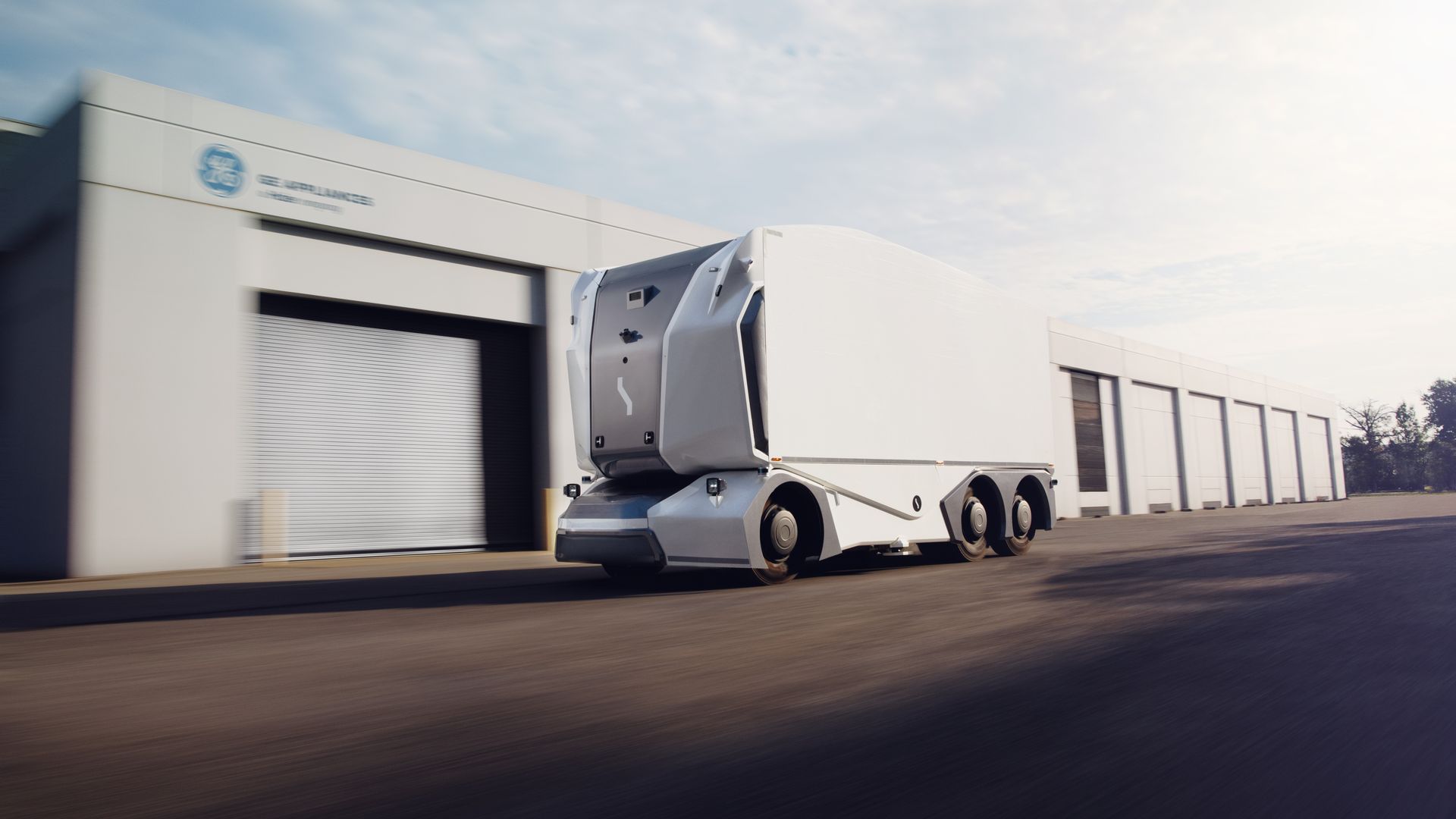
Truck driving is becoming a desk job at Einride, the Swedish company whose electric Pods are now plying the freight yards at GE Appliances' 750-acre campus in Louisville, Kentucky.
Why it matters: The company's fleet of electric, autonomous trucks could be a model for the commercial freight industry, which faces a shortage of truck drivers and demands to reduce its carbon emissions.
How it works: Einride's trucks don't have a cab, which means there's no room for a driver on board.
Instead, the trucks operate autonomously, with a remote truck driver — or “Pod operator” — monitoring the journey behind a computer screen, ready to take over if necessary.
For example: a remote operator could take the wheel virtuallyto navigate a construction zone or handle last-minute instructions in a dynamic loading dock.
The goal is for remote drivers to monitor and control as many as 10 Pods at once, CEO and founder Robert Falck tells Axios.
Having a "human in the loop" allows the technology to be more readily adopted — in stages, he says.
The trucks will start in private freight yards, then gradually move to public roads and highways.
"Our ambition is to have at least 90% autonomous for different routes," he said.
Yes, but: U.S. regulations don't currently allow such trucks on public roadways, which means their practical use could be limited for some time.
Driving the news: Einride this week announced it is setting up U.S. operations in New York and introduced a U.S. version of its Einride Pod and a new Flatbed Pod.
It plans to create more than 2,000 U.S. jobs within five years, including remote Pod operators.
Remote drivers will have better pay, safer working conditions "and much better coffee," which could make the job more attractive, Falck said.
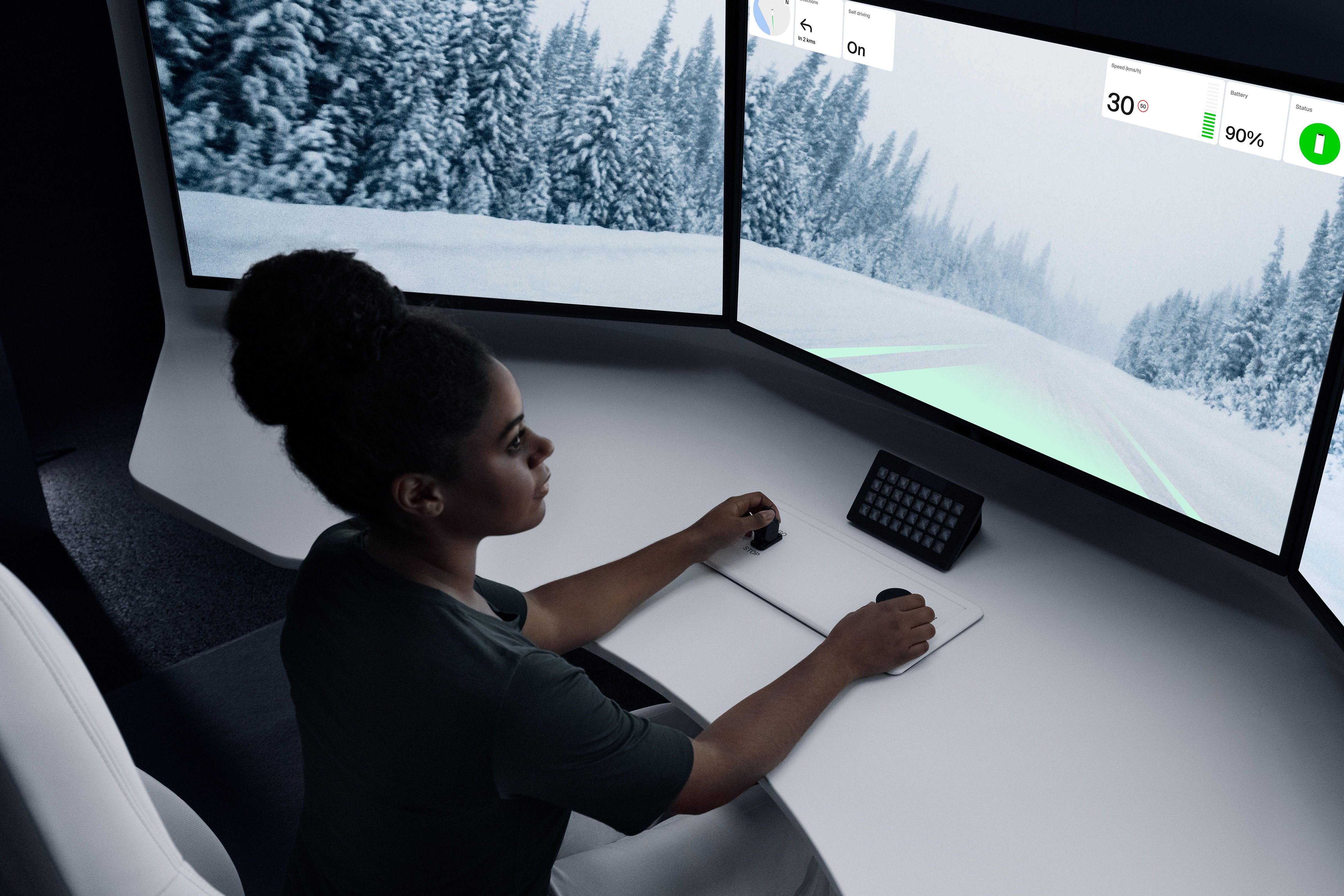
A remote driver monitors an Einride truck in Sweden. Photo: Einride
Smartmatic filed separate defamation lawsuits against Newsmax and One America News Network Wednesday, accusing the conservative networks of knowingly peddling disinformation about its voting technology during the 2020 presidential election.
Why it matters: The voting company is already suing Fox News and Rudy Giuliani and Sidney Powell. The latest suit makes similar allegations to the ones filed earlier this year — that the networks embarked on a "disinformation campaign" that harmed Smartmatic's business.
Synthetic data — the generation of artificial images to train AI and computer vision — will be key to building out a future metaverse.
Why it matters: AI has long been trained on images — including human faces — captured from the real world, but doing so can create serious privacy concerns.
Microsoft announced yesterday it will begin offering an updated version of the AI natural language program (NLP) GPT-3 to business customers as part of its Azure cloud platform.
Why it matters: The move puts what is likely the most powerful AI writing and reading algorithm at the fingertips of large businesses that will be able to use it to automatically analyze and generate new written content.
A top Apple executive sounded off Wednesday against a proposed European law that would force the company to let iPhone users download software outside of the App Store, also known as "sideloading."
Driving the news: Apple software senior vice president Craig Federighi told an audience at Web Summit in Lisbon, Portugal, that the EU bill, the Digital Markets Act (DMA), would be dangerous for iPhone users and limit consumer choice.
Moonrise, an annual fund from Glitch that was created to help a handful of small developers, has announced its first three investment studios: Virtuoso Neomedia, Future Club and Perfect Garbage.
Why it matters: The fund is specifically aimed at developers who traditional publishers might pass on or otherwise deem as risky.
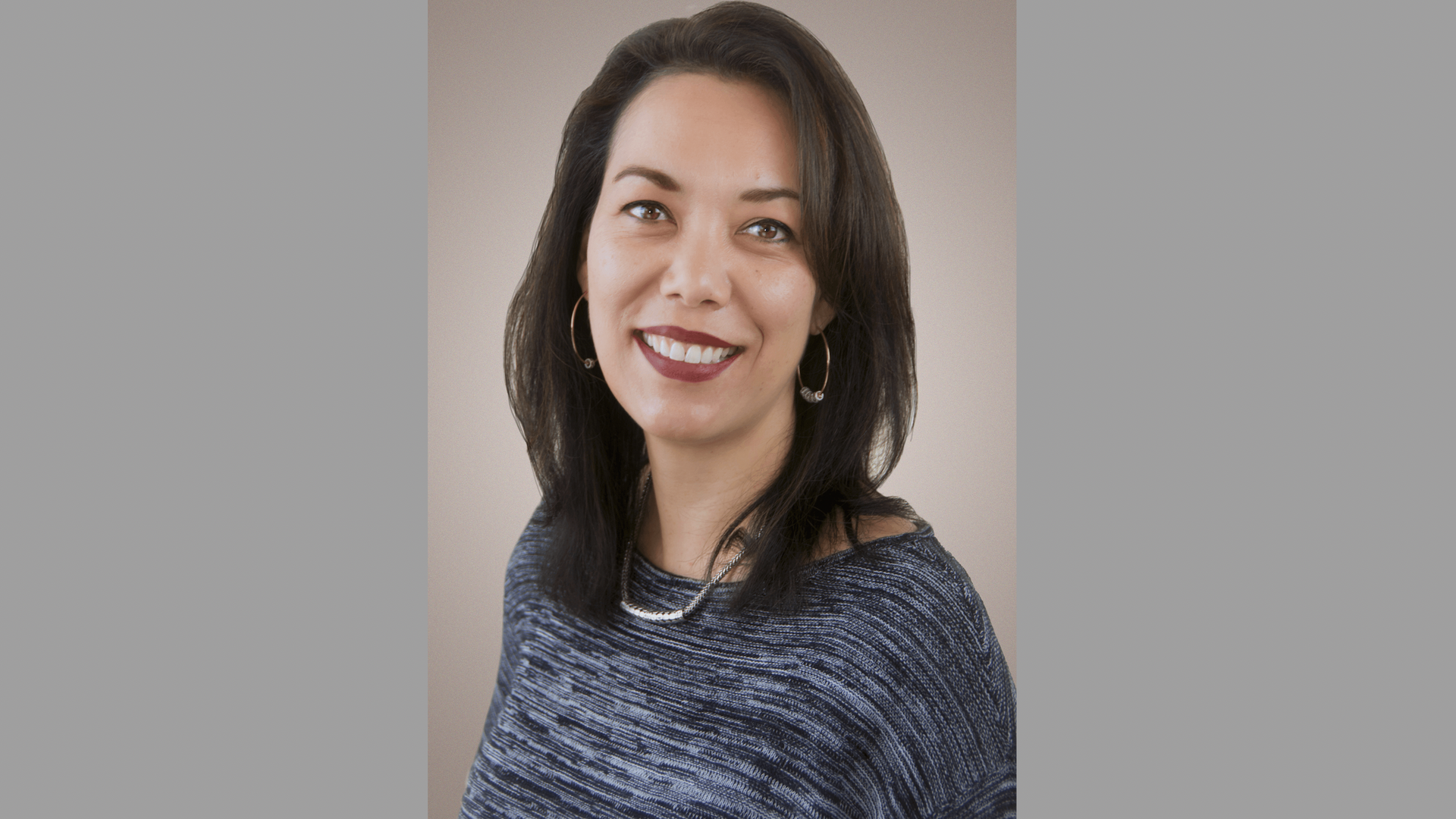
Activision Blizzard's internal upheavals continue with game delays and major departures, as Blizzard co-head Jen Oneal announced yesterday that she would step away from the role after only three months.
Driving the news: The company, on the precipice of launching a new "Call of Duty" from its Activision wing this Friday, announced the news during its investor call yesterday. That leaves Mike Ybarra as Blizzard's sole leader as the company faces harassment, misconduct and discrimination lawsuits and investigations.
Americans are driving more recklessly, with deadly consequences. The best way to reverse the trend could be to let robots do the driving, provided the technology is rolled out safely.
Why it matters: After decades of improvement, U.S. traffic deaths are climbing again, even though vehicles are safer than ever. An estimated 20,160 people died in vehicle crashes in the first half of 2021, an 18% spike over last year, according to the National Highway Traffic Safety Administration.
With a slew of virtual-reality-related announcements Tuesday, Microsoft reminded us that Facebook parent Meta isn't the only company with plans for a metaverse.
Driving the news: Microsoft said at its Ignite conference on Tuesday that it will bring avatars and its broader Mesh platform to Microsoft Teams, as part of an effort to make meetings more immersive and collaborative. That's part of a larger set of plans for the metaverse.
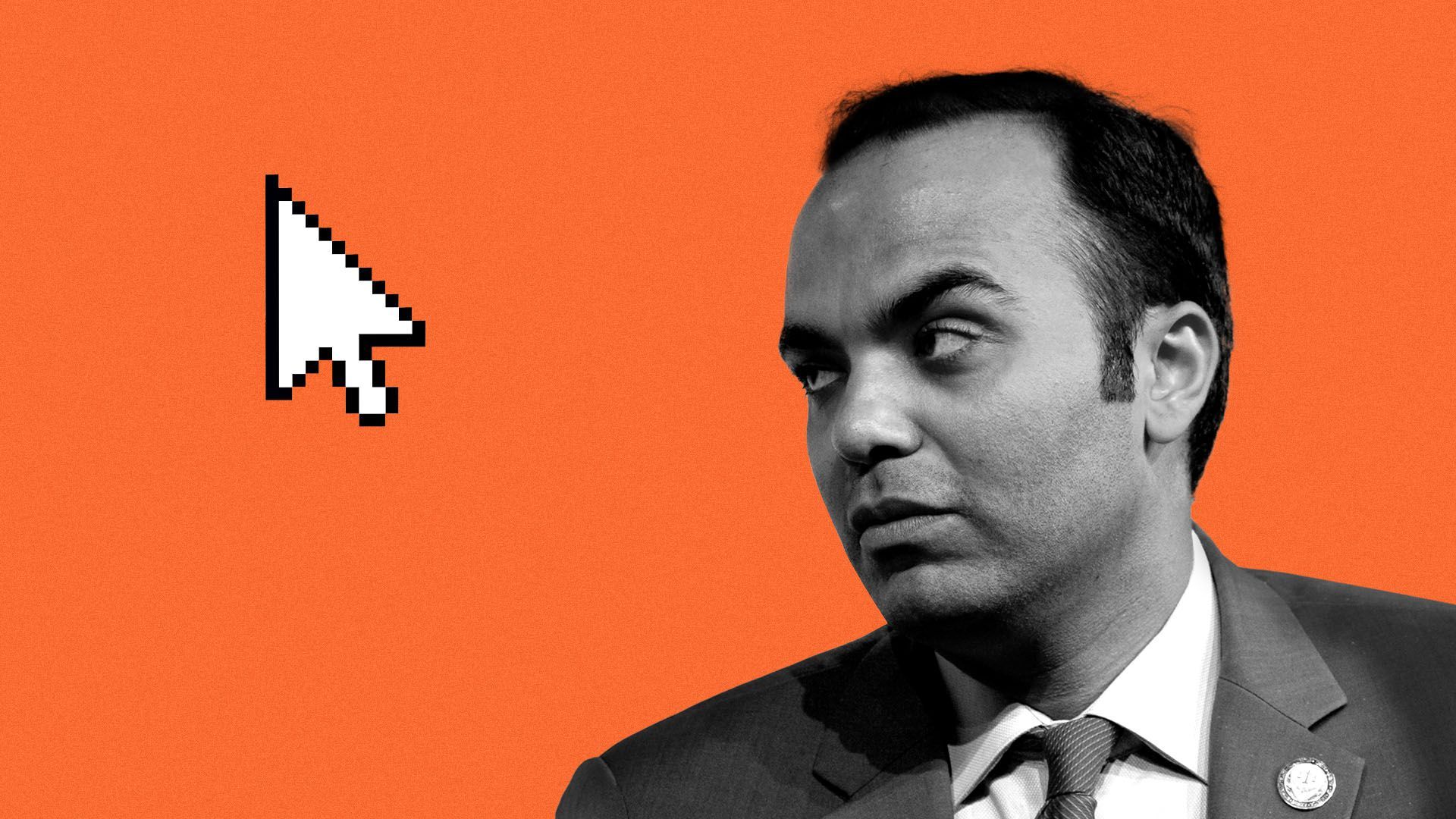
Since Rohit Chopra won confirmation a month ago as director of the Consumer Financial Protection Bureau (CFPB), which enforces federal consumer financial laws, he's already begun to flex the agency's regulatory powers in the tech realm.
Why it matters: One of Washington's most ardent Big Tech opponents is now empowered to investigate companies' inner business workings, write new rules and issue fines.