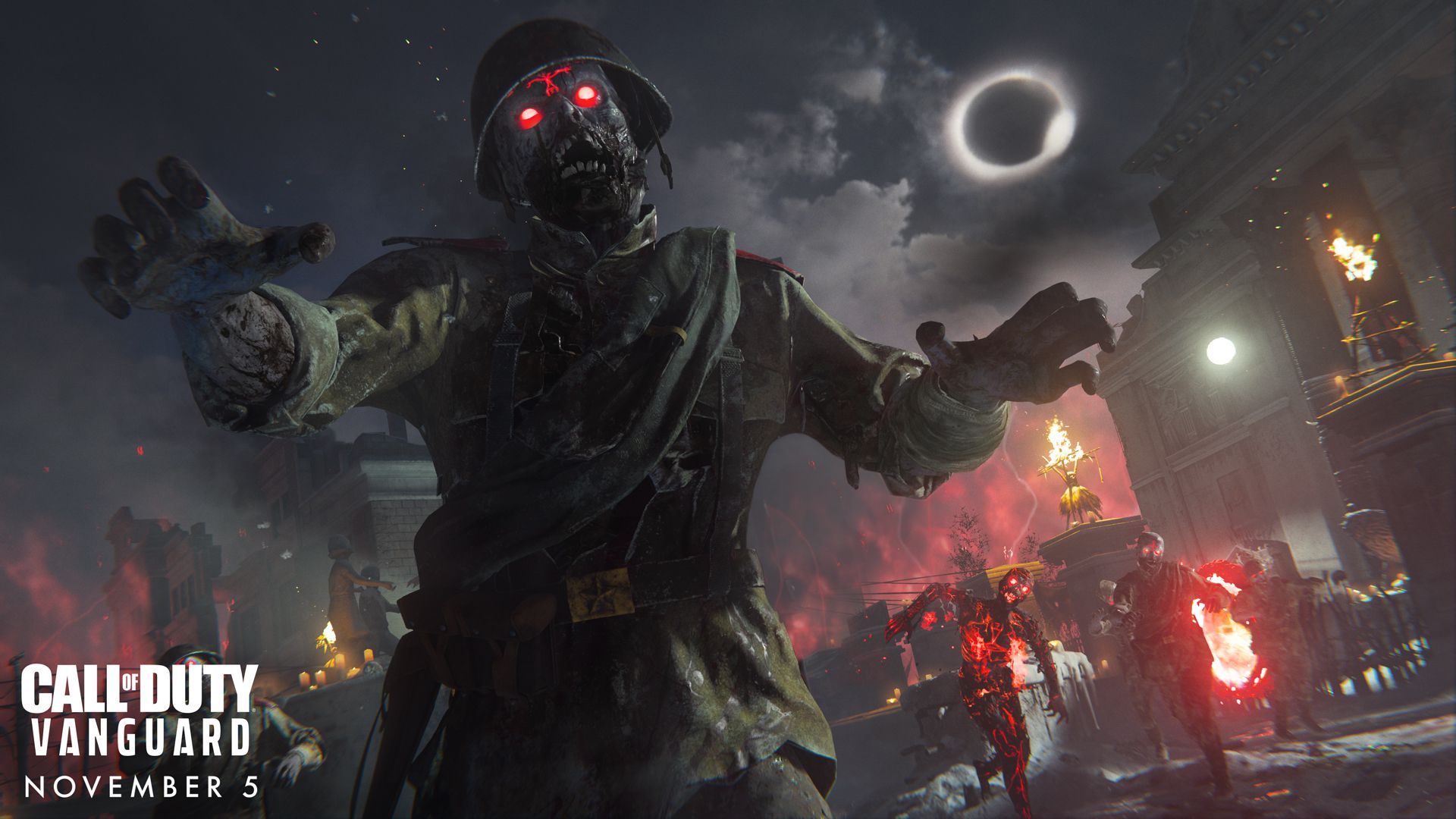
Why it matters: It’s become common, especially this year, for big games to launch without all the expected parts. That puts the onus on players to buy today and get the rest of the game later.
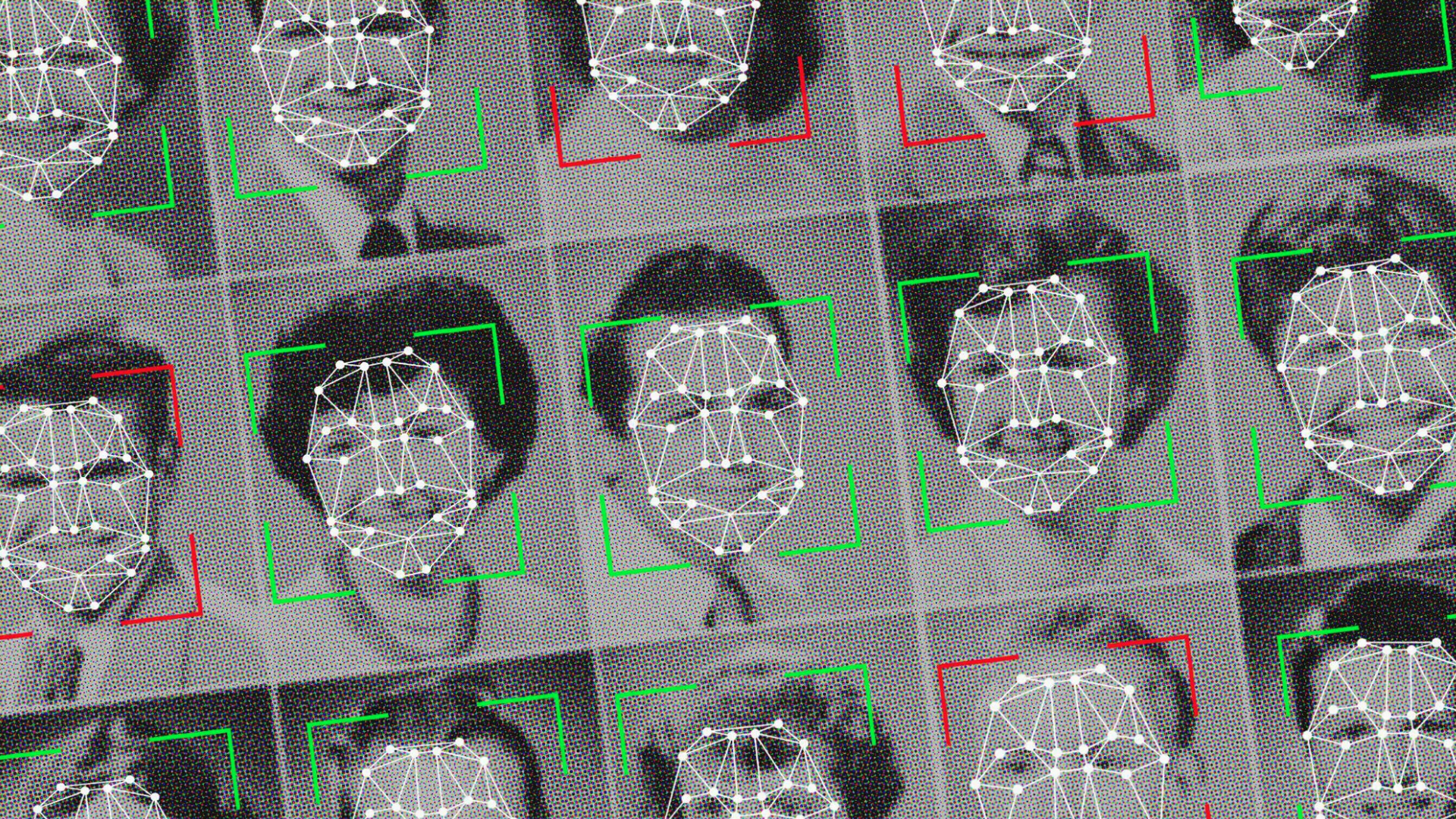
Facebook plans to shut down its face recognition system in the "coming weeks," Meta announced Tuesday, citing the "many concerns about the place of facial recognition technology in society."
Driving the news: The changes will affect more than a third of daily users, according to Jerome Pesenti, vice president of artificial intelligence at Meta, Facebook's newly-named parent company. Facebook "will delete more than a billion people’s individual facial recognition templates," Pesenti said.
China's new Personal Information Protection Law (PIPL) took effect yesterday, and it's likely to change the private data protection landscape in China and beyond.
The big picture: The law is part of the Chinese government's ongoing campaign to assert control over data and it's also a response to growing calls within China for stronger protection of user data.
Yahoo it ended its services in China Tuesday because of "the increasingly challenging business and legal environment" in the country, a spokesperson said in a statement.
Why it matters: Yahoo is the latest U.S.-based tech company to stop offering its services in China, where the government's strict control over the internet forces businesses to censor certain information that Beijing has deemed subversive.
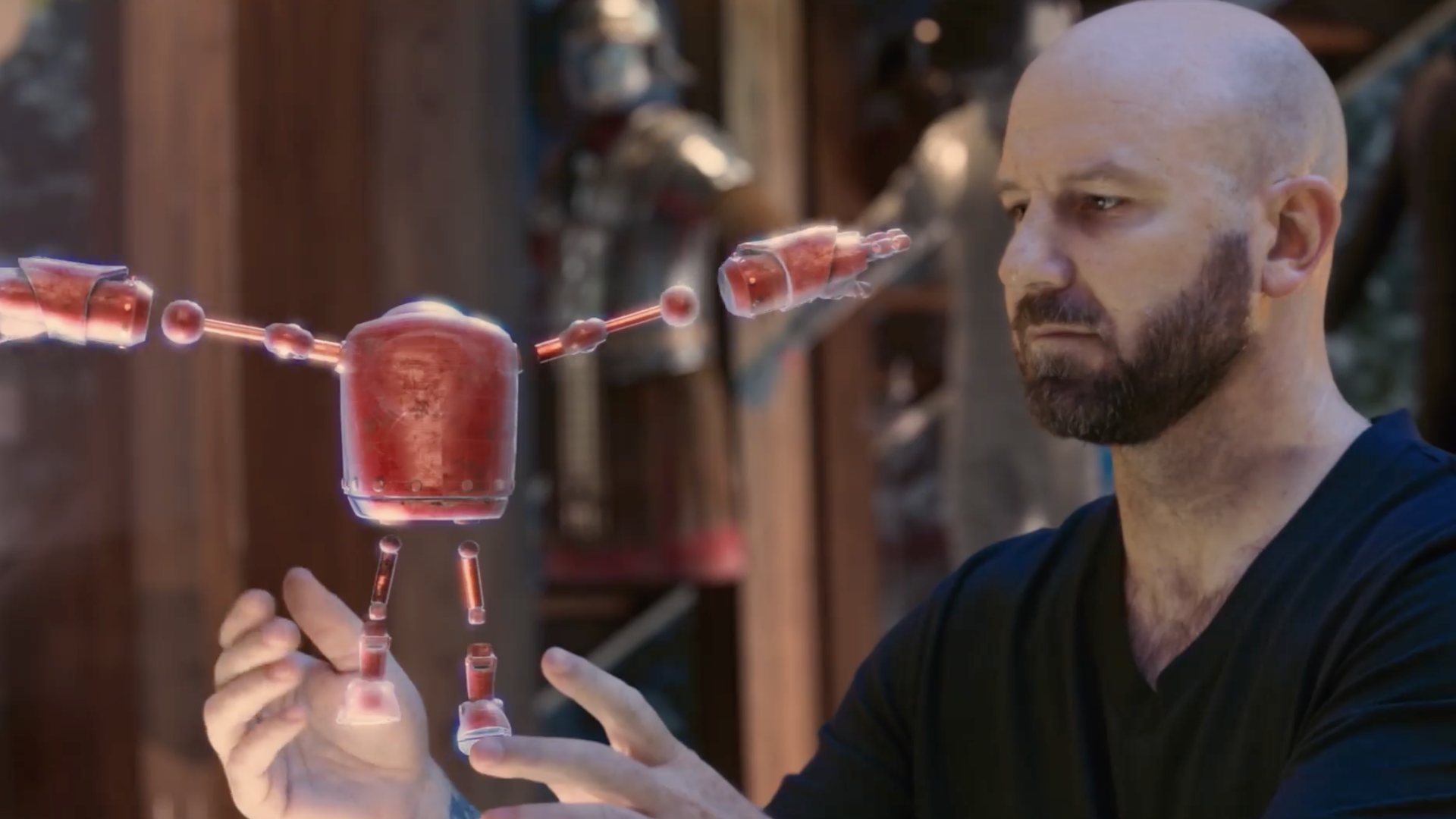
Many observers are skeptical that Facebook/Meta is capable of keeping people safe in the virtual metaverse it plans to build, given the company's struggles to moderate today's online world.
Yes, but: Veteran Facebook executive Andrew Bosworth argues Facebook's history is what makes it the firm best suited to the task.
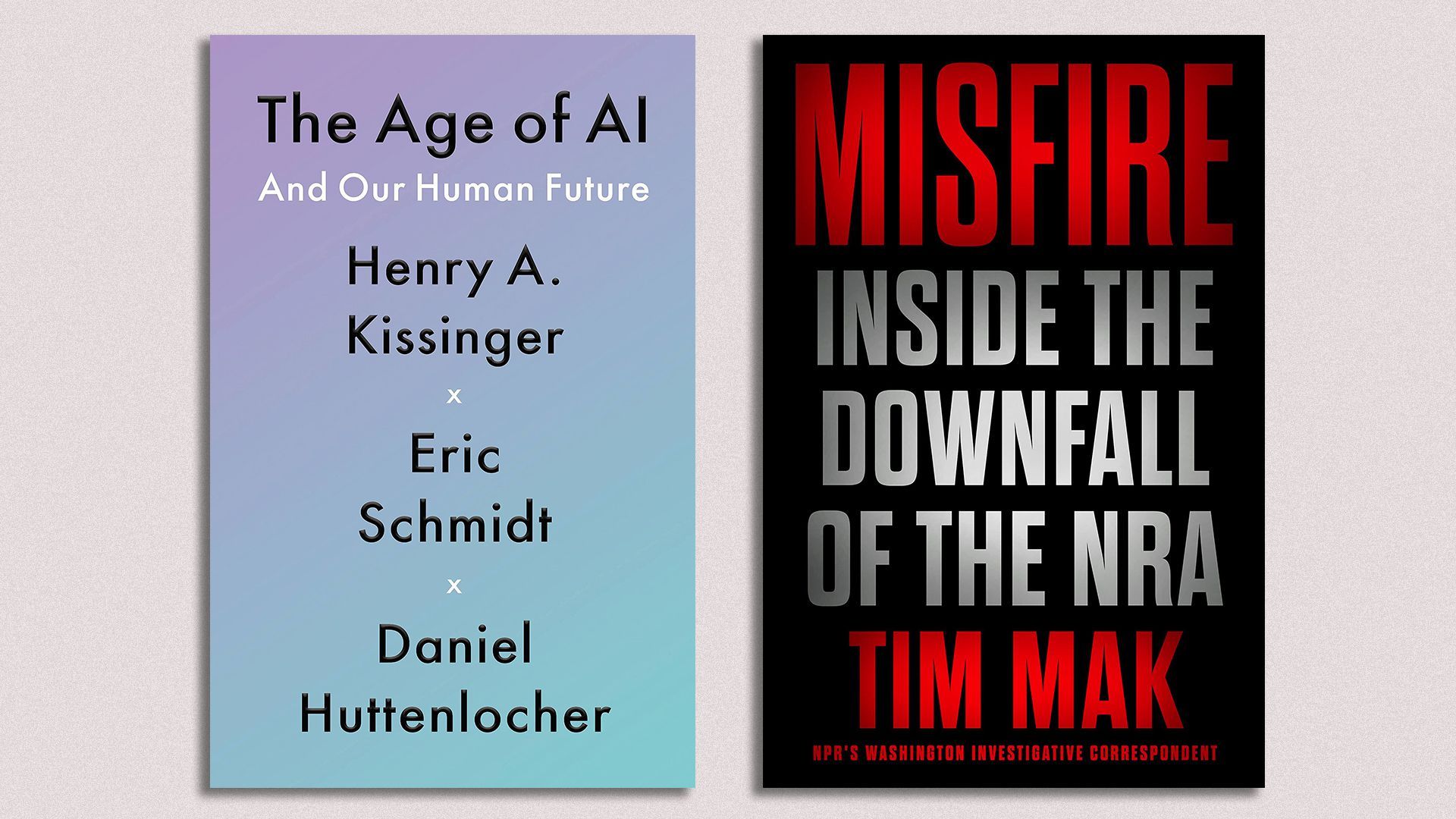
"The Age of AI," by Henry Kissinger, Eric Schmidt and computer scientist Daniel Huttenlocher: "AI may produce insights that are true but beyond the frontiers of ... human understanding. ... [H]umans may find themselves in a similar position to that of Alexander Fleming, the discoverer of penicillin. ... [H]umanity, lacking a concept of an antibiotic, did not understand how penicillin worked. The discovery launched an entire field of endeavor. AIs produce similarly startling insights — such as identifying drug candidates and new strategies for winning games — leaving it to humans to divine their significance."
Our friend Tim Mak of NPR has already driven news with "Misfire" — deep reporting on the NRA that "pulls back the curtains, from Wayne LaPierre's wedding to the reaction at NRA HQ after Sandy Hook, from the infighting and corruption that led to Oliver North's ejection ... from the elite world of the NRA's female million dollar donors, to an NRA delegation to Moscow, to confrontations between top officials in Oliver North's hotel suite." Read an excerpt.
Social media giants are sprinting towards the live shopping market that's long been dominated by traditional television networks like QVC and HSN.
Why it matters: Tech firms have spent years building algorithms to get people to click on ads, but now they're finding that the real purchasing power on social media lies in live product reviews from people users trust.
TikTok CEO Shou Zi Chew will step down from his role as chief financial officer of parent company ByteDance to "dedicate his time solely" on the short video platform, Reuters first reported.
Why it matters: The move is part of a major overhaul that will also see the creation of six business units, ByteDance CEO and co-founder Rubo Liang said Tuesday in a memo to staff, the details of which were also obtained by Axios.
In places without mandates, Amazon will no longer require fully vaccinated warehouse employees to wear masks at work starting Tuesday, an Amazon spokesperson said.
Why it matters: The e-commerce giant has yet to require its workforce to get inoculated against the virus, though it has implemented incentives to drive vaccinations among employees, according to CNBC.
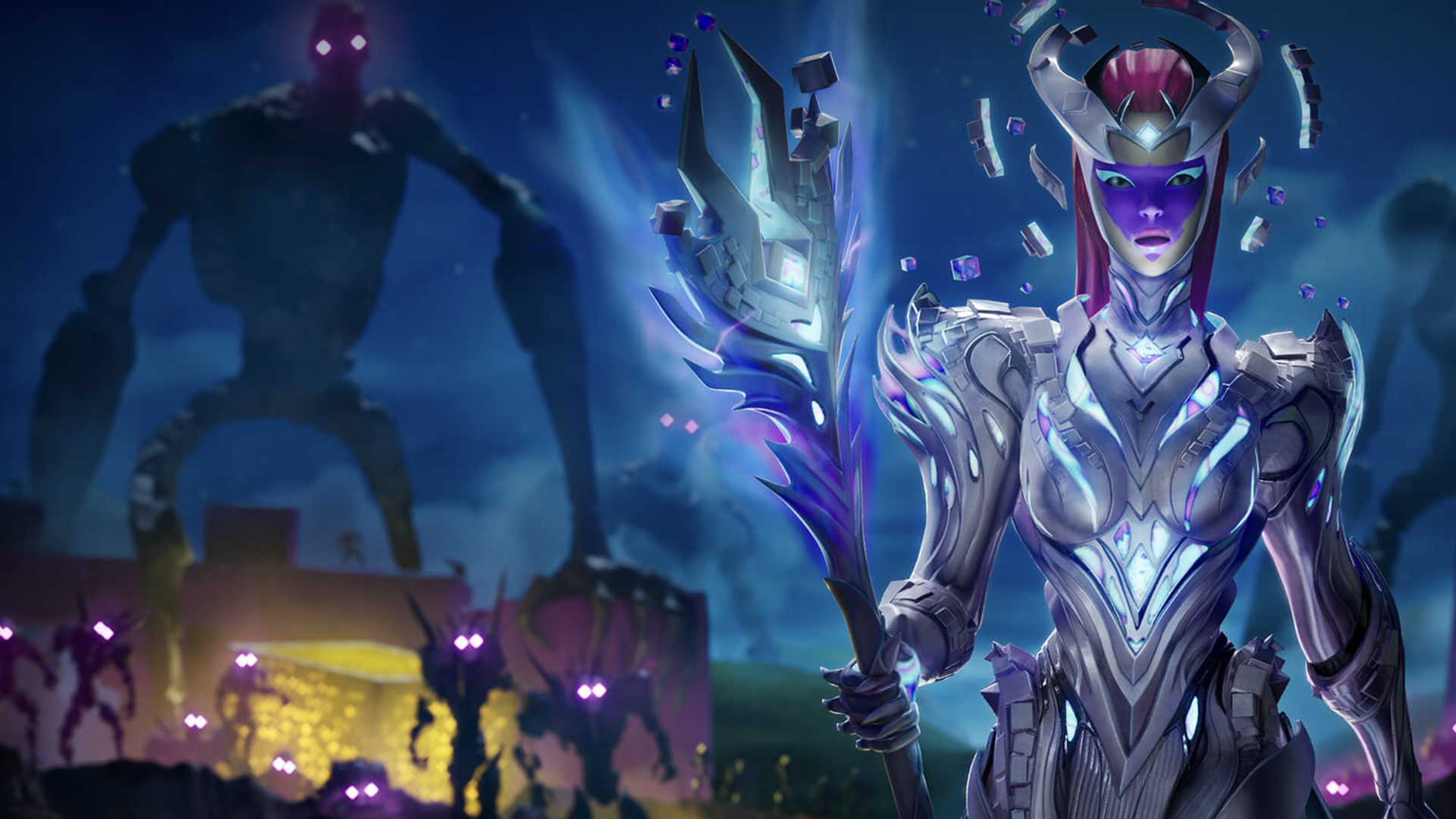
"Fortress Night," the Chinese version of Epic Games' massive hit "Fortnite," is shutting down this month after years of testing an altered version of the game.
Driving the news: The game's team announced the news on its website, noting that "the test of 'Fortress Night' has come to an end," and servers will shut down the morning of Nov. 15.
Amazon on Monday announced plans to launch prototype satellites for its proposed satellite broadband network.
Why it matters: The plans bring Amazon one step closer to building a satellite constellation to provide internet connectivity around the world, rivaling the SpaceX's Starlink service.
Sofar Ocean Technologies, which makes instruments for ocean data collection, has raised $39 million in a Series B syndicate round with Union Square Ventures and the Foundry Group.
Why it matters: Sofar's data could improve the accuracy of weather forecasts and climate monitoring in the world's oceans, which have vast blind spots compared to Earth's land areas.
Digital Currency Group, a crypto conglomerate whose holdings include media site CoinDesk and asset manager Grayscale, raised $700 million in secondary funding at a $10 billion valuation led by SoftBank.
Why it matters: DCG is unlike anything else in crypto; an operating and investment firm with exposure to almost every part of the industry. It also differs from its unicorn peers in that it plans to remain private indefinitely.
Roblox was back online Sunday night following an outage that stretched over three days.
Why it matters: By virtue of Roblox's success, an outage on its service not only affects the virtual world startup but all of the creators who have come to depend on the company, too.
Last week may go down in the Big Tech history books.
Driving the news: Tesla displaced Facebook — which unveiled a new name, Meta Platforms — in the S&P 500’s top five companies by market cap. And Microsoft overtook Apple as the world’s most valuable company, for the first time in over a year.
The cavalcade of wonders in Mark Zuckerberg's metaverse show last week left out one crucial screenshot: what your body actually looks like while your mind has gone meta.
The catch: The real you is just sitting in a chair wearing goggles.
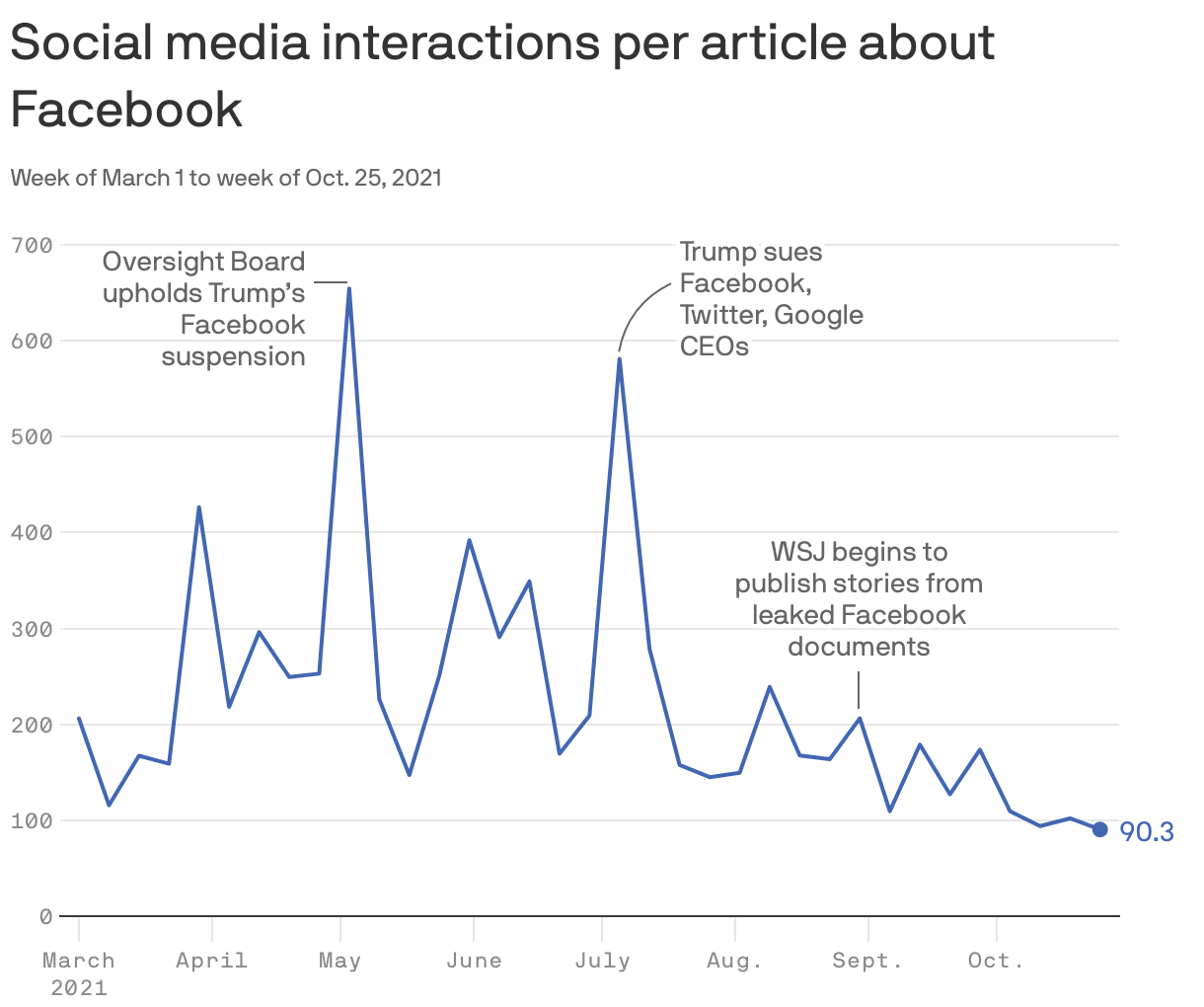
Data: NewsWhip; Chart: Will Chase/Axios. Last week's data as of Oct. 28.
The Facebook Papers and whistleblower accounts were a public relations nightmare for Facebook, but so far, the company's core stakeholders — advertisers, users and investors — seem unfazed.
The big picture: For now, this controversy is mainly of interest to the media and lawmakers.