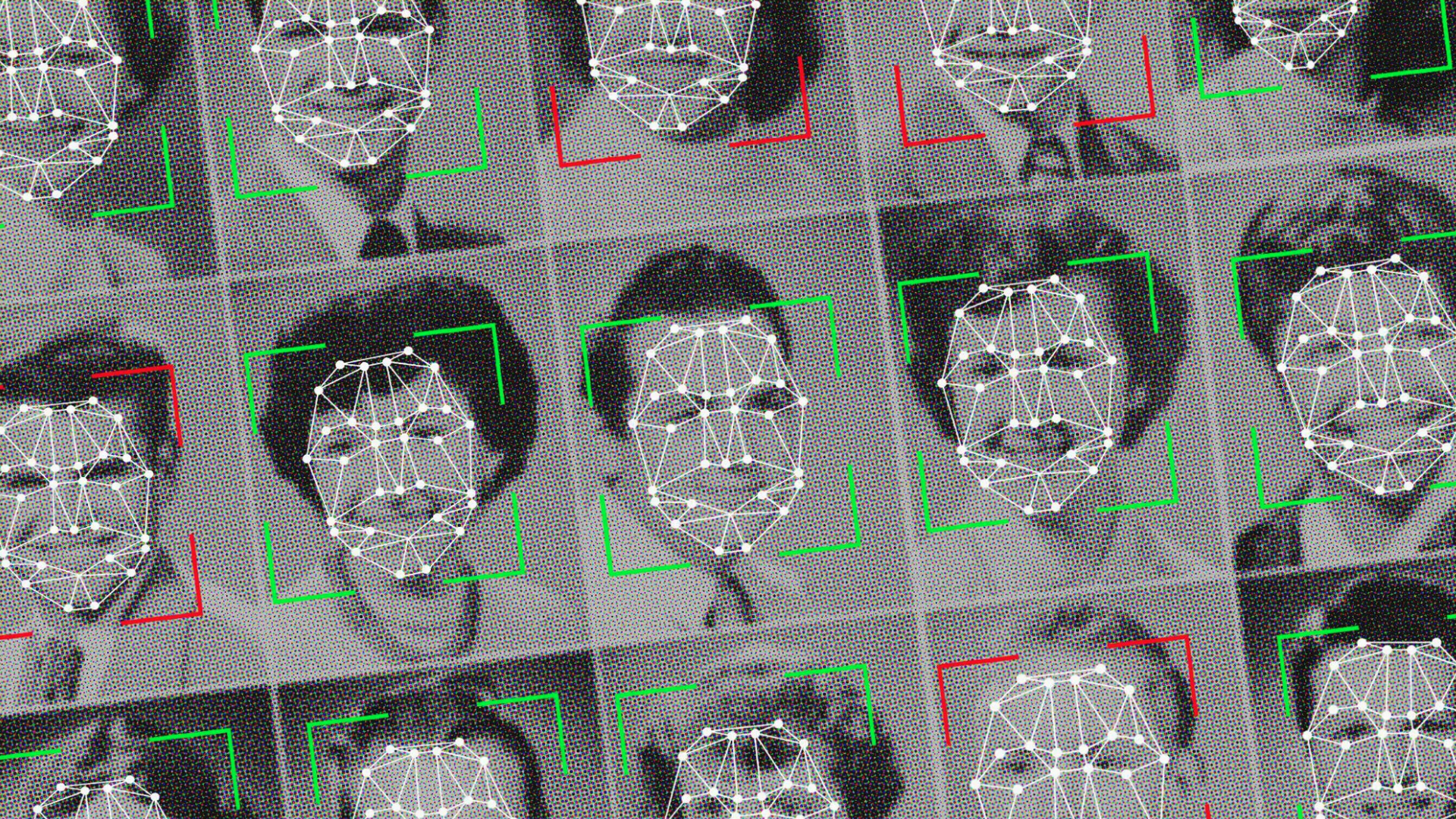
Synthetic data — the generation of artificial images to train AI and computer vision — will be key to building out a future metaverse.
Why it matters: AI has long been trained on images — including human faces — captured from the real world, but doing so can create serious privacy concerns.
Microsoft announced yesterday it will begin offering an updated version of the AI natural language program (NLP) GPT-3 to business customers as part of its Azure cloud platform.
Why it matters: The move puts what is likely the most powerful AI writing and reading algorithm at the fingertips of large businesses that will be able to use it to automatically analyze and generate new written content.
A top Apple executive sounded off Wednesday against a proposed European law that would force the company to let iPhone users download software outside of the App Store, also known as "sideloading."
Driving the news: Apple software senior vice president Craig Federighi told an audience at Web Summit in Lisbon, Portugal, that the EU bill, the Digital Markets Act (DMA), would be dangerous for iPhone users and limit consumer choice.
Moonrise, an annual fund from Glitch that was created to help a handful of small developers, has announced its first three investment studios: Virtuoso Neomedia, Future Club and Perfect Garbage.
Why it matters: The fund is specifically aimed at developers who traditional publishers might pass on or otherwise deem as risky.
Activision Blizzard's internal upheavals continue with game delays and major departures, as Blizzard co-head Jen Oneal announced yesterday that she would step away from the role after only three months.
Driving the news: The company, on the precipice of launching a new "Call of Duty" from its Activision wing this Friday, announced the news during its investor call yesterday. That leaves Mike Ybarra as Blizzard's sole leader as the company faces harassment, misconduct and discrimination lawsuits and investigations.
Americans are driving more recklessly, with deadly consequences. The best way to reverse the trend could be to let robots do the driving, provided the technology is rolled out safely.
Why it matters: After decades of improvement, U.S. traffic deaths are climbing again, even though vehicles are safer than ever. An estimated 20,160 people died in vehicle crashes in the first half of 2021, an 18% spike over last year, according to the National Highway Traffic Safety Administration.
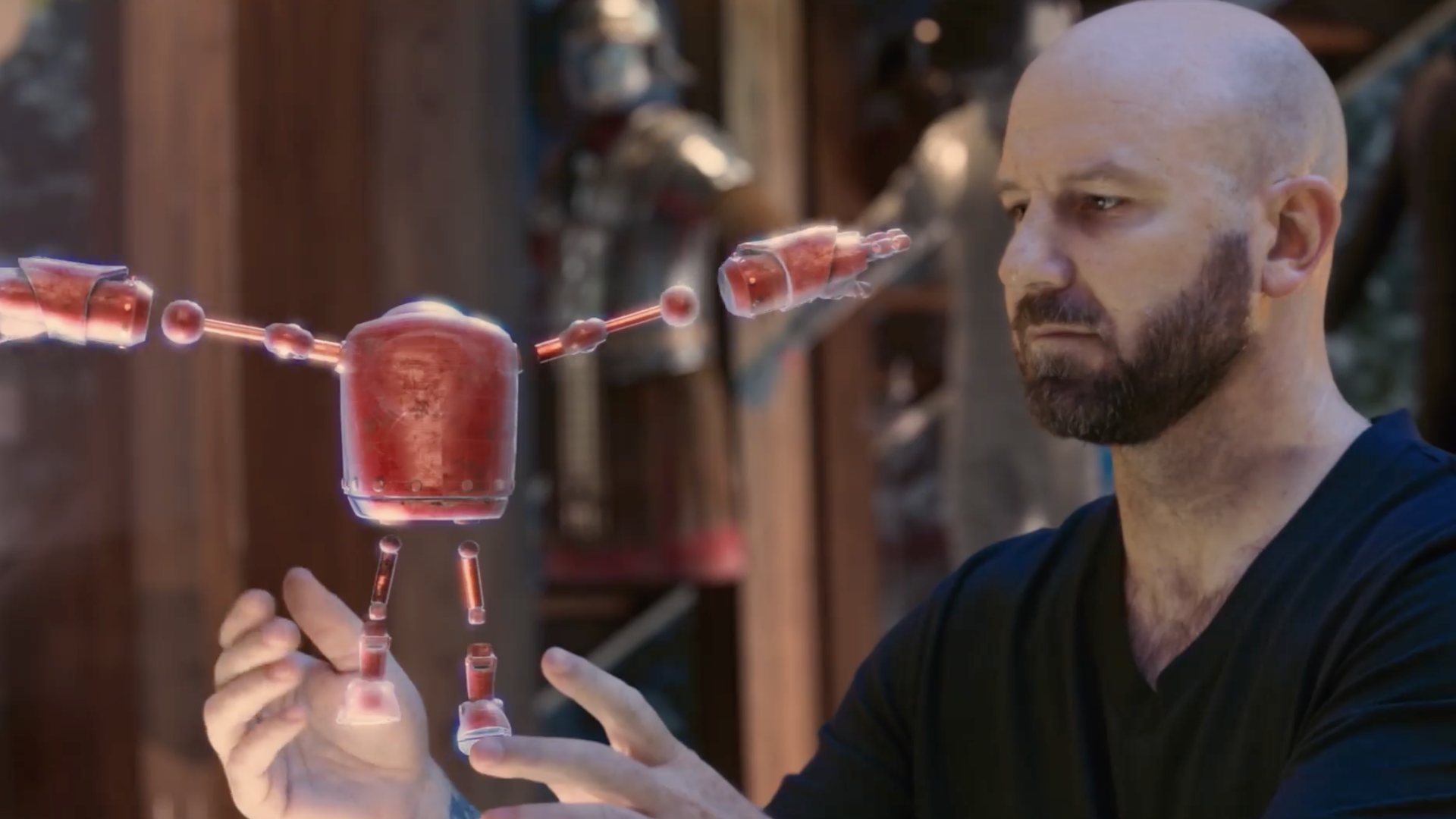
With a slew of virtual-reality-related announcements Tuesday, Microsoft reminded us that Facebook parent Meta isn't the only company with plans for a metaverse.
Driving the news: Microsoft said at its Ignite conference on Tuesday that it will bring avatars and its broader Mesh platform to Microsoft Teams, as part of an effort to make meetings more immersive and collaborative. That's part of a larger set of plans for the metaverse.
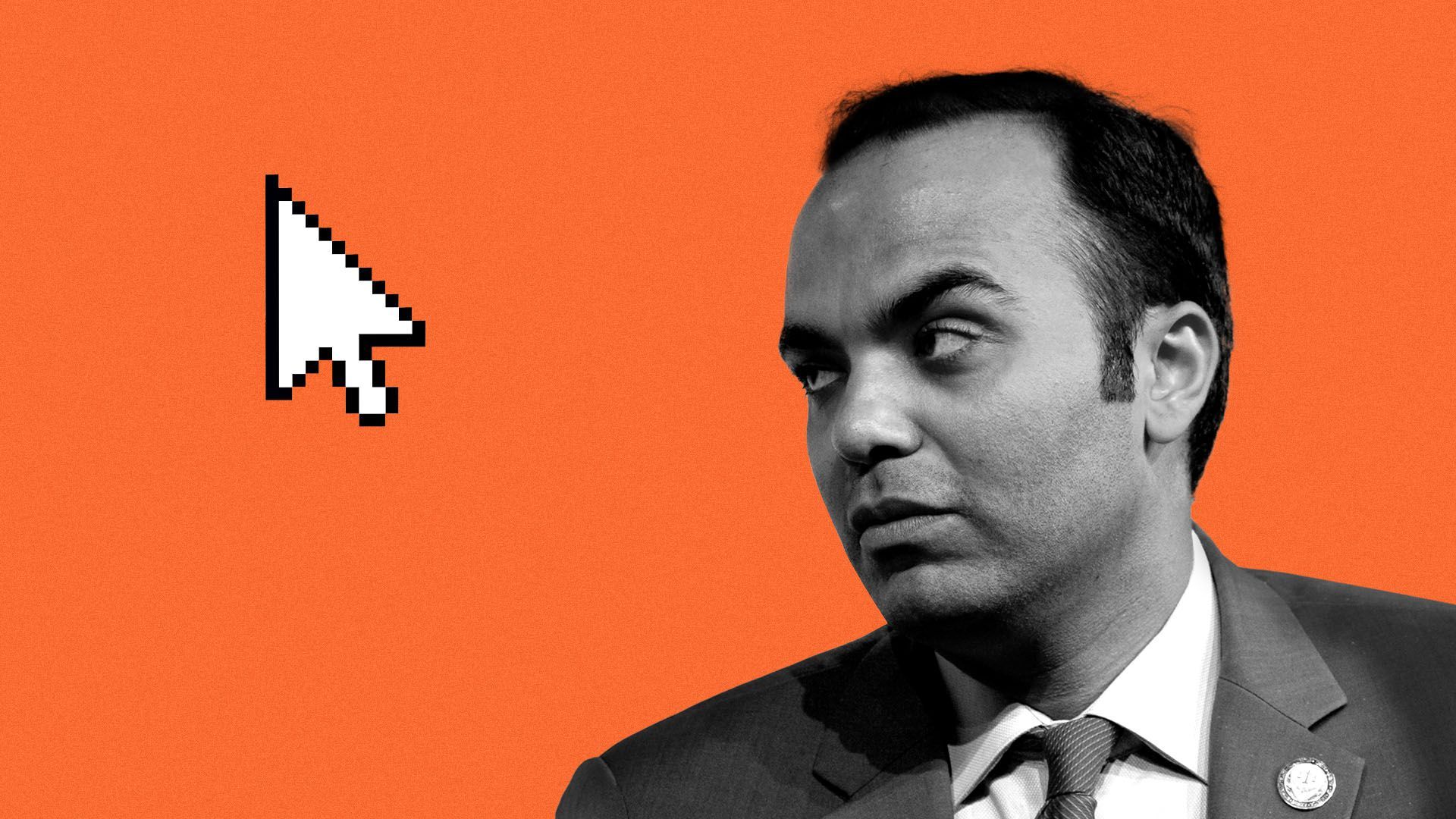
Since Rohit Chopra won confirmation a month ago as director of the Consumer Financial Protection Bureau (CFPB), which enforces federal consumer financial laws, he's already begun to flex the agency's regulatory powers in the tech realm.
Why it matters: One of Washington's most ardent Big Tech opponents is now empowered to investigate companies' inner business workings, write new rules and issue fines.
Why it matters: It’s become common, especially this year, for big games to launch without all the expected parts. That puts the onus on players to buy today and get the rest of the game later.
Facebook plans to shut down its face recognition system in the "coming weeks," Meta announced Tuesday, citing the "many concerns about the place of facial recognition technology in society."
Driving the news: The changes will affect more than a third of daily users, according to Jerome Pesenti, vice president of artificial intelligence at Meta, Facebook's newly-named parent company. Facebook "will delete more than a billion people’s individual facial recognition templates," Pesenti said.
China's new Personal Information Protection Law (PIPL) took effect yesterday, and it's likely to change the private data protection landscape in China and beyond.
The big picture: The law is part of the Chinese government's ongoing campaign to assert control over data and it's also a response to growing calls within China for stronger protection of user data.
Yahoo it ended its services in China Tuesday because of "the increasingly challenging business and legal environment" in the country, a spokesperson said in a statement.
Why it matters: Yahoo is the latest U.S.-based tech company to stop offering its services in China, where the government's strict control over the internet forces businesses to censor certain information that Beijing has deemed subversive.
Many observers are skeptical that Facebook/Meta is capable of keeping people safe in the virtual metaverse it plans to build, given the company's struggles to moderate today's online world.
Yes, but: Veteran Facebook executive Andrew Bosworth argues Facebook's history is what makes it the firm best suited to the task.
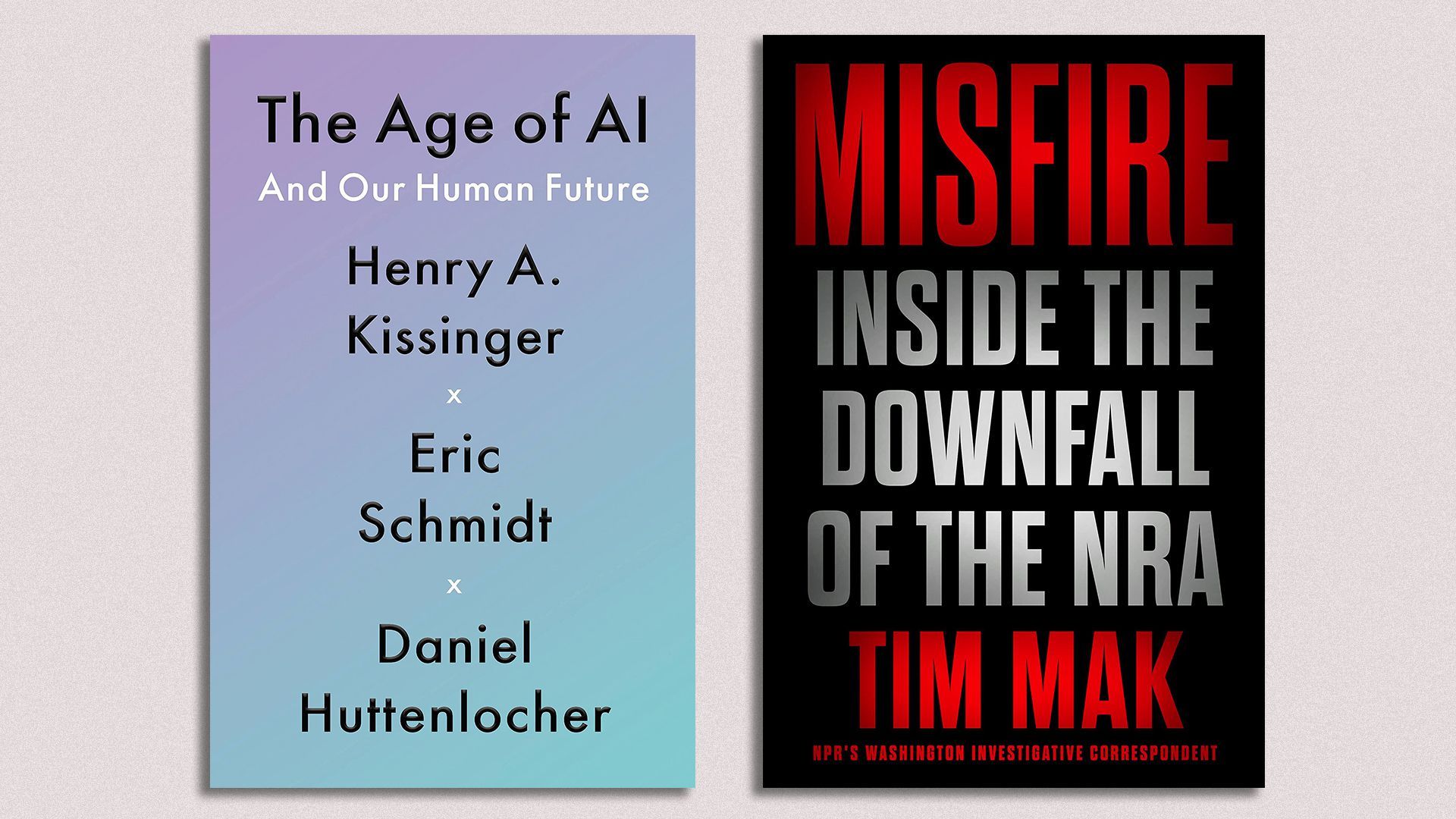
"The Age of AI," by Henry Kissinger, Eric Schmidt and computer scientist Daniel Huttenlocher: "AI may produce insights that are true but beyond the frontiers of ... human understanding. ... [H]umans may find themselves in a similar position to that of Alexander Fleming, the discoverer of penicillin. ... [H]umanity, lacking a concept of an antibiotic, did not understand how penicillin worked. The discovery launched an entire field of endeavor. AIs produce similarly startling insights — such as identifying drug candidates and new strategies for winning games — leaving it to humans to divine their significance."
Our friend Tim Mak of NPR has already driven news with "Misfire" — deep reporting on the NRA that "pulls back the curtains, from Wayne LaPierre's wedding to the reaction at NRA HQ after Sandy Hook, from the infighting and corruption that led to Oliver North's ejection ... from the elite world of the NRA's female million dollar donors, to an NRA delegation to Moscow, to confrontations between top officials in Oliver North's hotel suite." Read an excerpt.
Social media giants are sprinting towards the live shopping market that's long been dominated by traditional television networks like QVC and HSN.
Why it matters: Tech firms have spent years building algorithms to get people to click on ads, but now they're finding that the real purchasing power on social media lies in live product reviews from people users trust.
TikTok CEO Shou Zi Chew will step down from his role as chief financial officer of parent company ByteDance to "dedicate his time solely" on the short video platform, Reuters first reported.
Why it matters: The move is part of a major overhaul that will also see the creation of six business units, ByteDance CEO and co-founder Rubo Liang said Tuesday in a memo to staff, the details of which were also obtained by Axios.


/2021/11/03/1635958394430.gif?w=3840)