Friday's technology stories


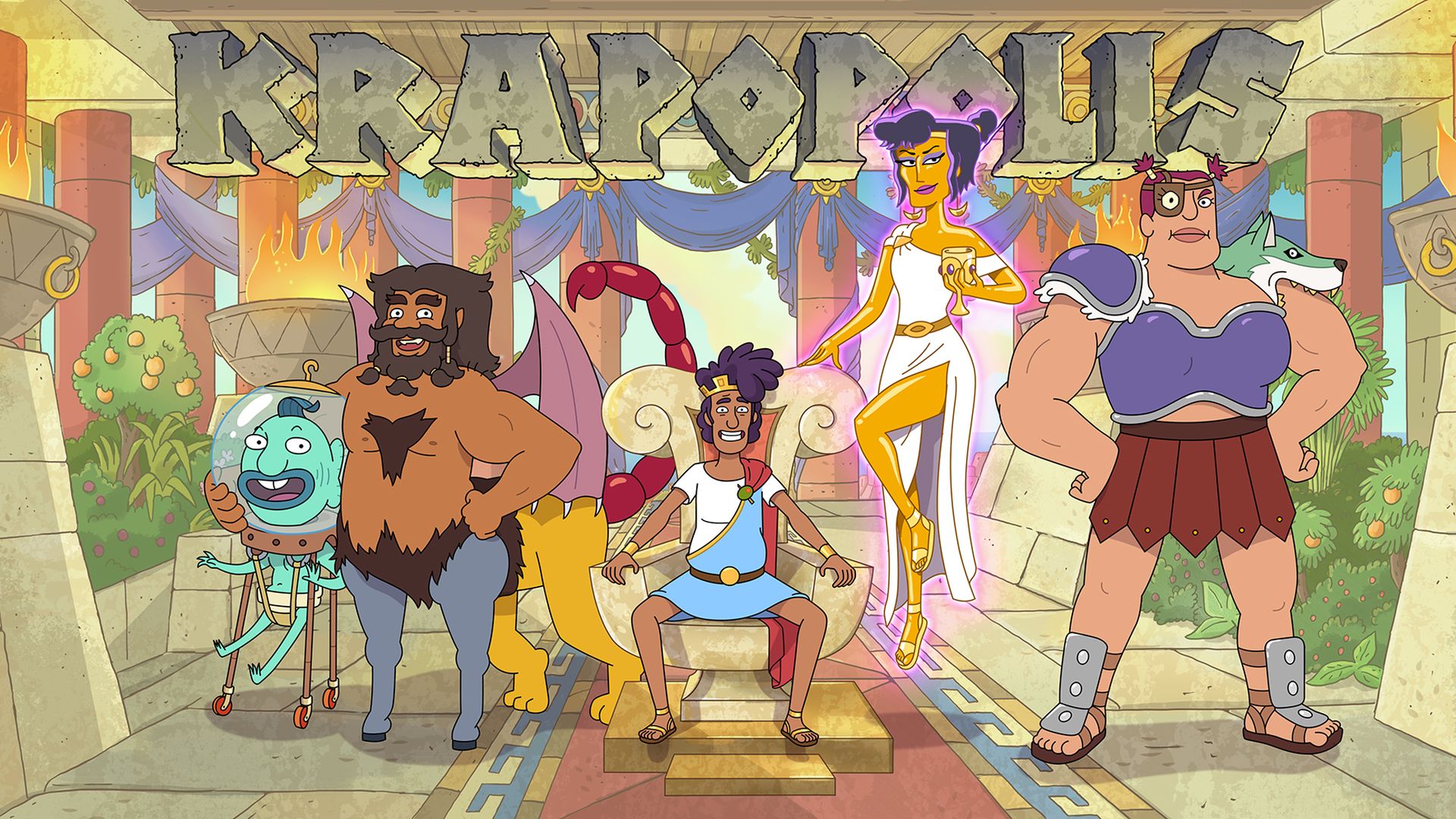
"Age of Empires IV" humanizes history
For Relic Entertainment and World's Edge, crafting their latest real-time strategy PC title, "Age of Empires IV," was more than just a matter of making a fun game — it also came with a responsibility to accurately and fairly capture a wide range of cultures.
Why it matters: "Age of Empires IV" is set in historical eras like the Mongol Empire or the Hundred Years' War, and its treatment of the past can influence how players view those cultures and what they take from the game.

Ubisoft employees call for public support
A Better Ubisoft, a group of current and former employees fighting to change the company's culture, is calling for public support by way of an online petition.
Driving the news: "100 days ago we signed our open letter and set out our four key demands," the group tweeted on Friday. "None of our demands have been met."

New Klobuchar, Cotton bill could block Big Tech mergers
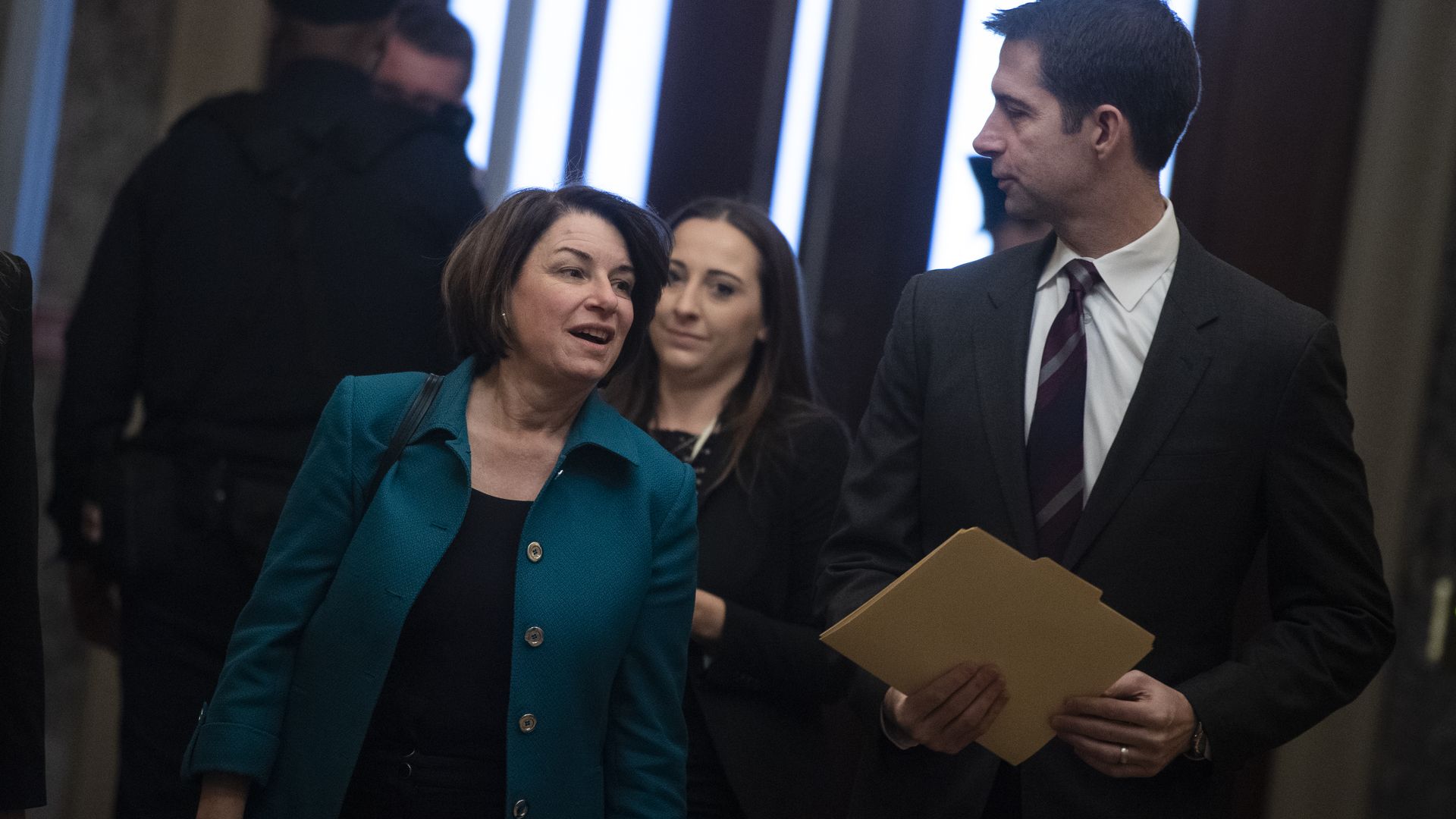
Sens. Amy Klobuchar (D-Minn.) and Tom Cotton (R-Ark.) introduced a bill Friday that would make it more difficult for Big Tech to acquire rival companies and would force them to prove proposed mergers aren't anticompetitive
Driving the news: The Platform Competition and Opportunity Act is a Senate companion bill to a similar House bill of the same name. It's motivated by a belief that acquisitions like Facebook's parent company Meta buying WhatsApp and Instagram has been bad for consumer choice and competition.

Digital gifts could win the holidays
The trend toward digital gifts could accelerate this holidays with supply-chain-related shortages of some tech goods leading to shipping delays and product scarcity.
Why it matters: Digital purchases of game downloads or App Store credits are quick and easy, so those who try it may never go back to physical gifts.

Exclusive: Poll shows rising TikTok mistrust
Men, conservatives and Americans with higher levels of education distrust tech platforms, particularly Facebook and TikTok, more than other demographics, according to a new poll from YouGov and the Center for Growth and Opportunity.
Why it matters: The poll, shared exclusively with Axios, shows an ongoing distrust of tech platforms and the media, as Americans’ faith in some of the most popular vehicles for information continues to drop.
- The poll also shows that Americans are split on whether news coverage is good for American society, with 41% agreeing with that statement and 43% disagreeing.
By the numbers: The poll, which has a 3.4% margin of error, sampled 1,000 U.S. adults from August 26-31, and showed men generally distrust social media platforms more than women.
- 59% of respondents said they distrust TikTok; 58% said they distrust Facebook; 55% said they distrust Twitter.
- 73% of Americans with post-graduate degrees are distrustful of Facebook; 49% are distrustful among those whose highest level of education is a high school diploma.
- Conservatives said they distrust Facebook more than liberals at 69% and 55%, respectively.
- 81% of respondents said they support free speech; at the same time, a majority of respondents say social media should be held liable for posts thought to be untrue or offensive content.
Of note: Distrust of Amazon and Twitter has gone up since the last YouGov/CGO poll, while Zoom showed a boost in its reputation, from 35% saying they distrust the platform to 26%.
Be smart: Distrust of the media and tech is shared among many demographics, but as the government investigates and scrutinizes these platforms, there’s little agreement on how to address the spread of misinformation and polarization.
Go deeper:

NFTs are "an important part of the future" of gaming, EA says
EA CEO Andrew Wilson said in yesterday's company call with investors that NFT-based gaming is "an important part of the future of our industry."
Why it matters: NFT gaming companies are announcing massive investments by the day, even as game makers and players are grappling with what NFT gaming can even be — and whether it's even appealing to anyone outside the crypto crowd.

"Live service" video games are booming
Games that keep getting more content well after their launch date are here to stay. Major game companies continue to report eye-popping numbers for this kind of "live service" approach.
Driving the news: "Madden"-maker Electronic Arts posted record second quarter (July–September) results on Wednesday with two-thirds of its $1.8 billion in revenue coming from live service and other operations.

Fox bets big on blockchain
Fox plans to double down on its investments in blockchain technology by introducing more NFTs (non-fungible tokens) and digital collectibles for its shows and franchises in the coming months, a top executive tells Axios.
Why it matters: Fox Entertainment was the first major TV studio to debut its own blockchain division in May. At the time, the company said it would put at least $100 million behind the effort to build what it hopes will become a major part of its top line revenue growth in the years ahead.
The rise of Latino tech influencers
A handful of Latino technology influencers on YouTube and social media are helping Hispanics navigate the changing world of smartphones, gaming, and noise-canceling headphones.
The big picture: Dominican American YouTube star Krystal Lora, with her 323,000 subscribers, is among the most popular technology reviewers. She breaks down the latest Apple and Google products for growing Latino YouTube audiences.

New digital divide fix: Free apartment-house WiFi
A national nonprofit backed by Silicon Valley luminaries is proposing to set up free WiFi in apartment buildings as one solution to an intractable problem — ensuring those who have access to the internet can actually afford it.
Why it matters: While there are public and private programs meant to help lower the cost of internet service, such as the Federal Communications Commission's new Emergency Broadband Benefit, barriers remain for millions of U.S. households.

Truck driving is a desk job at this freight tech company

Truck driving is becoming a desk job at Einride, the Swedish company whose electric Pods are now plying the freight yards at GE Appliances' 750-acre campus in Louisville, Kentucky.
Why it matters: The company's fleet of electric, autonomous trucks could be a model for the commercial freight industry, which faces a shortage of truck drivers and demands to reduce its carbon emissions.
How it works: Einride's trucks don't have a cab, which means there's no room for a driver on board.
- Instead, the trucks operate autonomously, with a remote truck driver — or “Pod operator” — monitoring the journey behind a computer screen, ready to take over if necessary.
- For example: a remote operator could take the wheel virtually to navigate a construction zone or handle last-minute instructions in a dynamic loading dock.
- The goal is for remote drivers to monitor and control as many as 10 Pods at once, CEO and founder Robert Falck tells Axios.
Having a "human in the loop" allows the technology to be more readily adopted — in stages, he says.
- The trucks will start in private freight yards, then gradually move to public roads and highways.
- "Our ambition is to have at least 90% autonomous for different routes," he said.
- Yes, but: U.S. regulations don't currently allow such trucks on public roadways, which means their practical use could be limited for some time.
Driving the news: Einride this week announced it is setting up U.S. operations in New York and introduced a U.S. version of its Einride Pod and a new Flatbed Pod.
- It plans to create more than 2,000 U.S. jobs within five years, including remote Pod operators.
- Remote drivers will have better pay, safer working conditions "and much better coffee," which could make the job more attractive, Falck said.


Smartmatic sues Newsmax and OANN for defamation
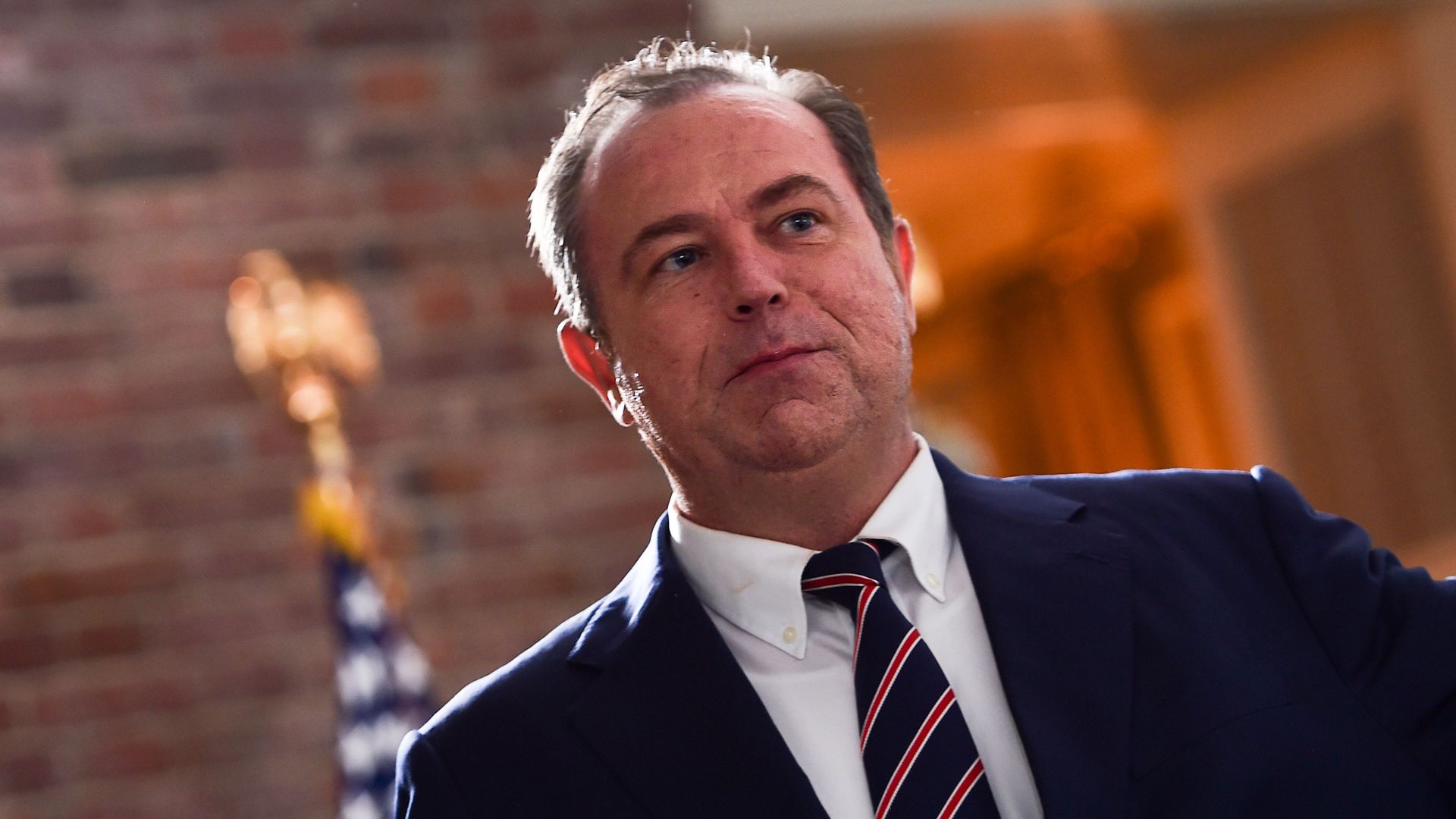
Smartmatic filed separate defamation lawsuits against Newsmax and One America News Network Wednesday, accusing the conservative networks of knowingly peddling disinformation about its voting technology during the 2020 presidential election.
Why it matters: The voting company is already suing Fox News and Rudy Giuliani and Sidney Powell. The latest suit makes similar allegations to the ones filed earlier this year — that the networks embarked on a "disinformation campaign" that harmed Smartmatic's business.