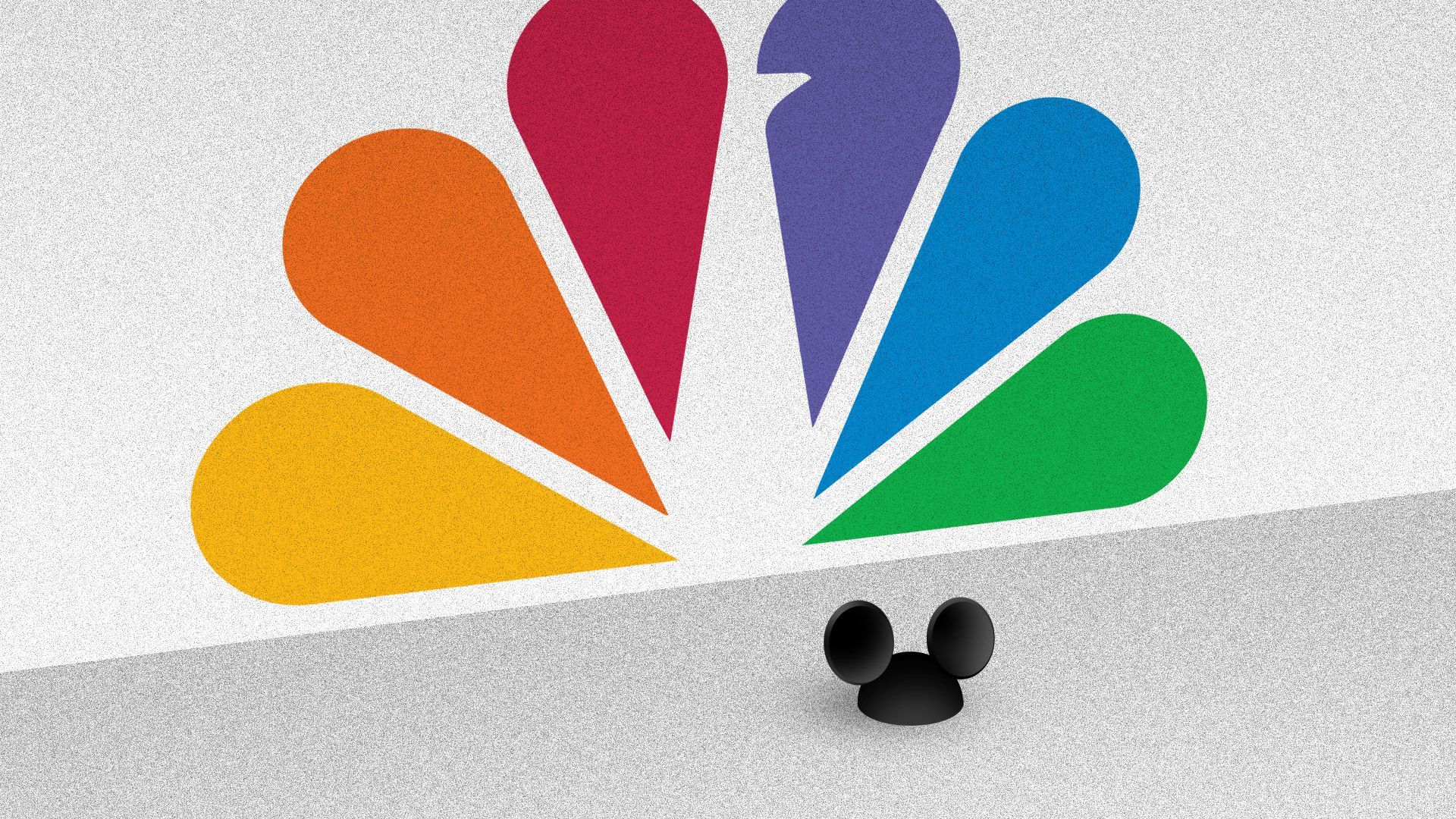
Why it matters: It demonstrates a massive shift in the elite television business from traditional TV companies to digital streaming companies that can pour billions of dollars into content. HBO has lead Emmy nominations for the past 17 years.
The Internet Research Agency, the Russian troll farm that was one of three entities indicted by Robert Mueller for conspiring to interfere in the 2016 election, created 48 Twitter accounts dating back to 2014 that were designed to mimic local news outlets, according to an investigation by NPR.
Why it matters: The now-suspended accounts, which had names like @ElPasoTopNews and @Seattle_Post, gained the trust of thousands of followers over the course of two years by posting real local news headlines. The potential for these accounts to mobilize at any moment and influence a narrative suggests that the Russian misinformation campaign — which was evidently a years-long effort — had an acute understanding of the authority and respect that local news commands in American society.
If you can't understand why chipmaker Broadcom is buying software maker CA, you aren't alone. The stock dropped more than 15% in morning trading with analysts struggling to understand the $19 billion deal.
The bottom line: Having failed in its bid to buy Qualcomm, CA is now looking very far afield.
With consumer virtual reality headset sales not living up to the original hype, there is growing interest in what is known as destination VR — fixed locations where people can try out a specific experience. Such installations are coming soon to a mall, theater or restaurant near you, if they aren't there already.
Why it matters: By virtue of dedicated space and being able to justify the cost over many patrons, destination VR efforts can often provide an experience well ahead of what even a traditional high-end home system can offer. As such, it's a glimpse of where the industry is headed.
21st Century Fox has been granted regulatory approval to purchase Sky Broadcasting Thursday, after more than a year of making concessions to regulators. The news comes just hours after Comcast increased its bid for Sky to £14.75 per share, topping 21st Century Fox's upped bid yesterday for £14 per share.
Why it matters: Now that both Fox and Comcast are in solid regulatory standing with regulators in the UK, the winner of Sky will come down to who offers the highest bid. (Regulators signaled in May that it wouldn't block Comcast's bid for Sky. )
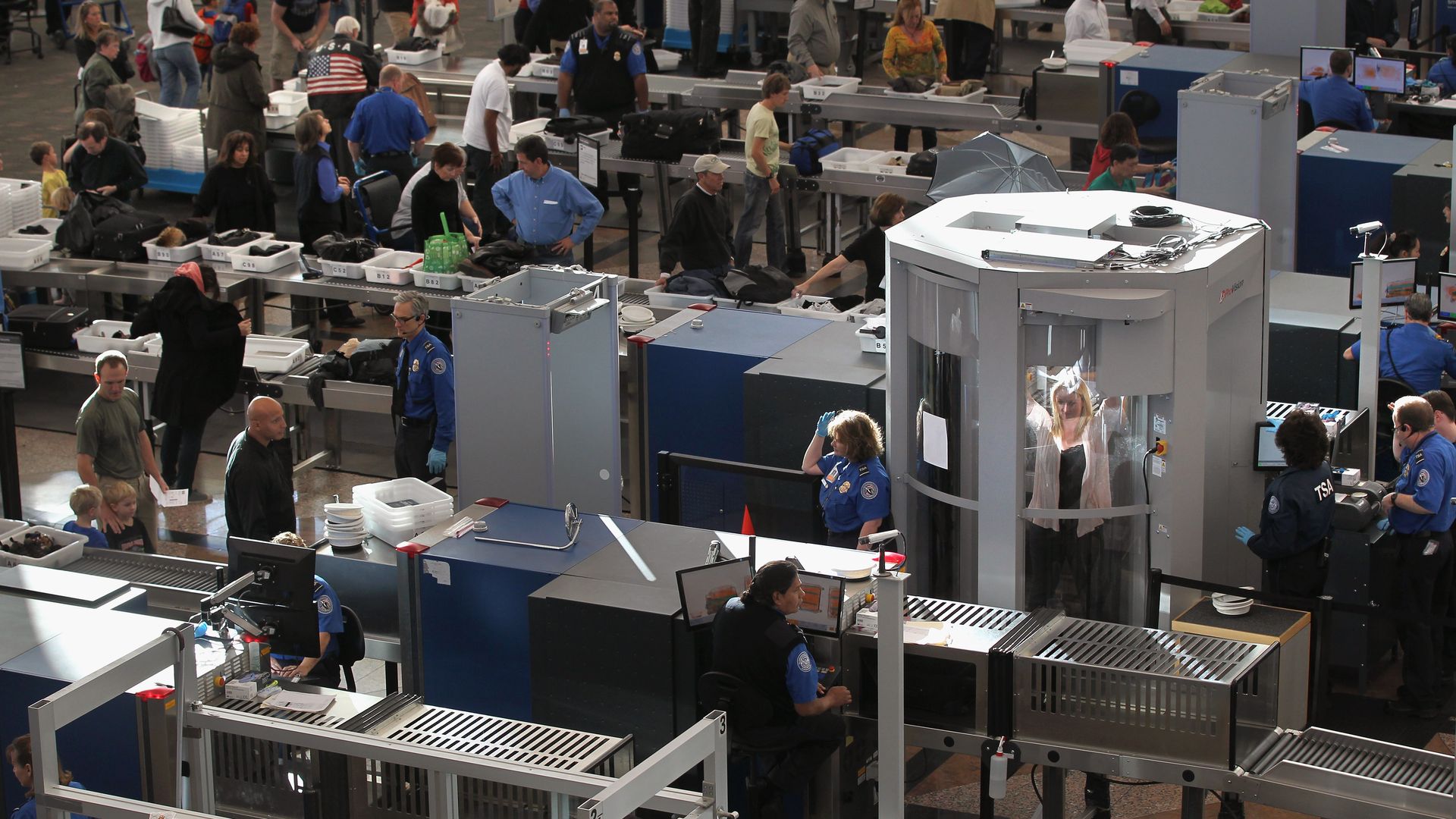
A federal appeals court in Philadelphia ruled on Wednesday that fliers have limited grounds to sue Transportation Security Administration (TSA) screeners because they are immune from being legally responsible for claims including assaults, false arrests, and abuse, reports the Washington Post.
The details: The 2-1 ruling came in response to a case brought by business consultant, Nadine Pellegrino. She and her husband sued for false arrest, false imprisonment and malicious prosecution after a July 2006 altercation at Philadelphia International Airport. Even though screeners' badges and titles identify them as "officers," they aren’t qualified as "investigative or law enforcement officers" who could be held legally responsible for abuses under federal law, the ruling said. The court added that it's on Congress to decide whether to expand liability for abuses.
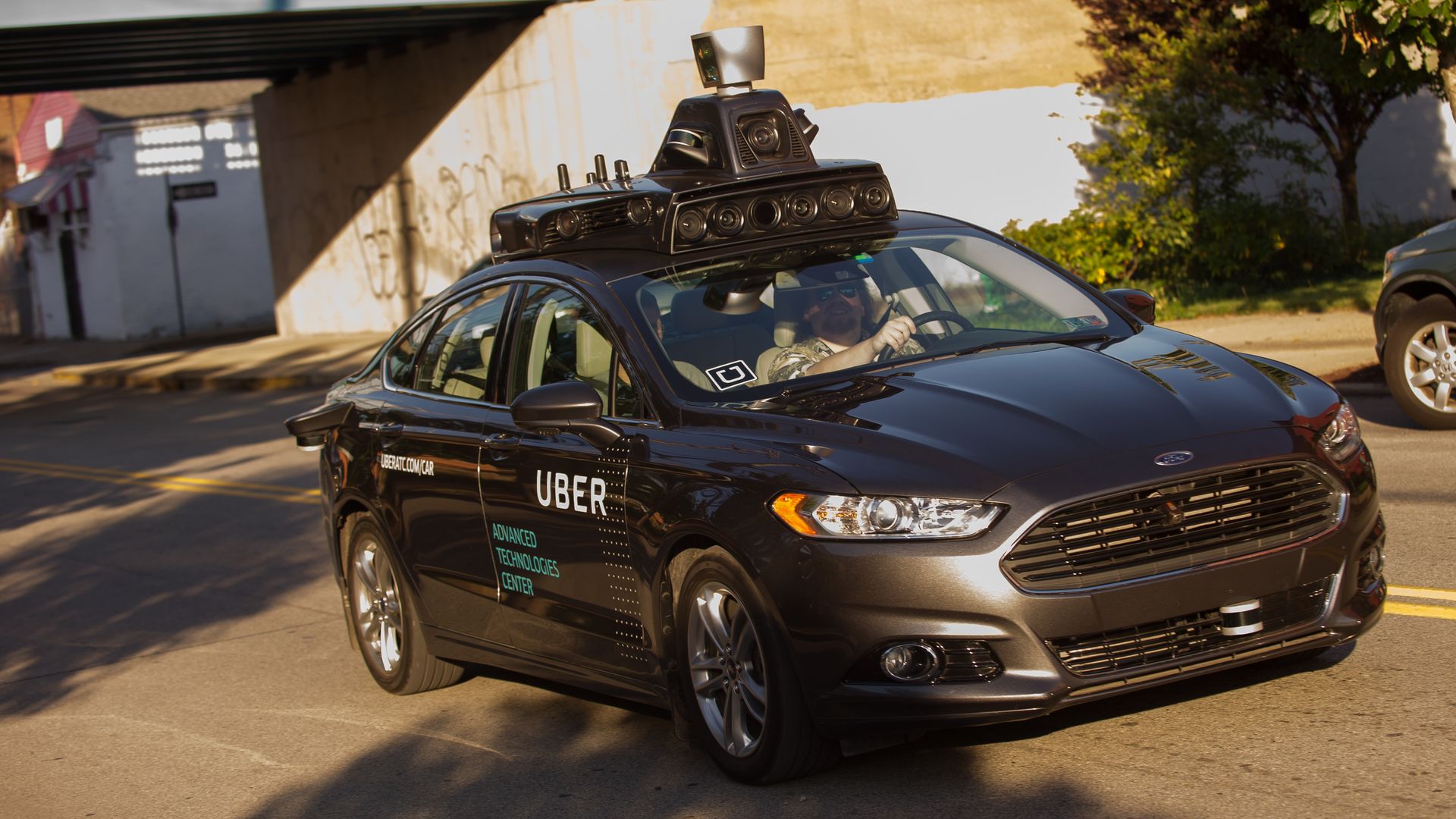
Uber has laid off its self-driving car operators in Pittsburgh, months after suspending its testing in all cities following an accident in Arizona that killed a pedestrian, as Quartz first reported and Uber confirmed to Axios.
Why it matters: The accident in Arizona raised questions about the future of Uber's self-driving car program. The company says it still hopes to get back on the road in Pittsburgh this summer, and has been in regular contact with Pennsylvania and Pittsburgh regulators.
Broadcom on Wednesday announced plans to buy IT management software company CA for $18.9 billion in cash, just months after U.S. regulators blocked Broadcom's deal to buy fellow chip-maker Qualcomm.
The bottom line: The Qualcomm experience suggested that Broadcom, which was based in Singapore before redomiciling to the U.S., is unlikely to get regulatory approval for another chip deal. So it's going with a software play instead — kind of like when Intel bought McAfee (even though Intel is trying to extricate itself from that deal.)
Facebook has provided one of its largest data sets ever to Social Science One, an independent research commission comprised of third-party academics, to analyze the data in an effort to better understand Facebook's role in the democratic process.
Why it matters: Facebook has a long and complicated relationship with researchers, and particularly researchers who try to access its data for election research. It wants to protect user privacy and its aggregate data, which its business depends on.
Twitter says it's removing millions of locked Twitter accounts from follower counts across profiles globally. The company says each user should expect to lose four followers on average, and that the changes will mostly occur this week.
Why it matters: The move is the latest in a series of steps Twitter is taking to clean out fake accounts and bots from its platform, which they hope will reduce the spread fake news and misinformation.
Advances in artificial intelligence are supercharging propaganda, espionage, and cybercrime, threatening "the end of truth," says a new report from the Center for a New American Security, shared first with Axios.
Why it matters: Cybercriminals and governments are stocking up on the AI capabilities that will define the next generation of conflict. At the same time, automation and the rise of fake information are stirring up unrest. Together, these forces can turn society upside down.
Last week, we discussed who gets the profit from your web-surfing data habits. As of now, it's big tech companies like Facebook and Google, who get it free in exchange for providing free search and friendship services.
But two readers responded by describing current startups that attempt to steer the money instead to the people doing the surfing.
Facebook will launch a slate of video shows on its video platform, Watch, on July 16.
Why it matters: The tech giant has been under immense pressure since the 2016 election to clean up the quality of news and information on its platform.
While Apple hates when people spill its secrets, it also hates having to go to court against leakers. That’s because the legal process often forces the company to talk about things it would otherwise never reveal.
Why it matters: In the latest case, Apple would appear to have had little choice. Criminal charges were brought Tuesday by the U.S. government against former Apple autonomous vehicle system engineer Xiaolang Zhang.
AT&T has invested an undisclosed amount into Magic Leap, a secretive Florida-based augmented reality company, the two said on Wednesday.
The carrier will also be the "exclusive wireless distributor" for Magic Leap's products to U.S. consumers. Magic Leap has yet to debut its product, though it's still said to be scheduled for a 2018 release.
Why it matters: While virtual and augmented reality technology has yet to catch widespread consumer adoption, many are still betting that it will as companies continue to improve their tech.
21st Century Fox raised its takeover offer for British broadcaster Sky from £10.75 per share to £14 per share, putting the total deal value at $32.5 billion on Wednesday. Fox's new offer comes after Comcast bid £12.50 per share for Sky in February.
Why it matters: The revised offer is designed to guarantee that whoever buys Fox's entertainment assets also gets majority ownership of Sky, and seems to be just the latest hint that Fox prefers Disney.
Uber's head of human resources, Liane Hornsey, has resigned from the company, a spokesperson confirmed to Axios. Her departure comes a day after Reuters contacted Uber about an investigation into complaints about Hornsey's handling of allegations of race-based discrimination, according to the outlet.
Why it matters: Hornsey joined Uber in early 2017 shortly before the company entered a long period of controversies over its workplace culture, which led to then-CEO Travis Kalanick's resignation a year ago.