Thursday's technology stories

Trump mulls drone regulation and wireless infrastructure
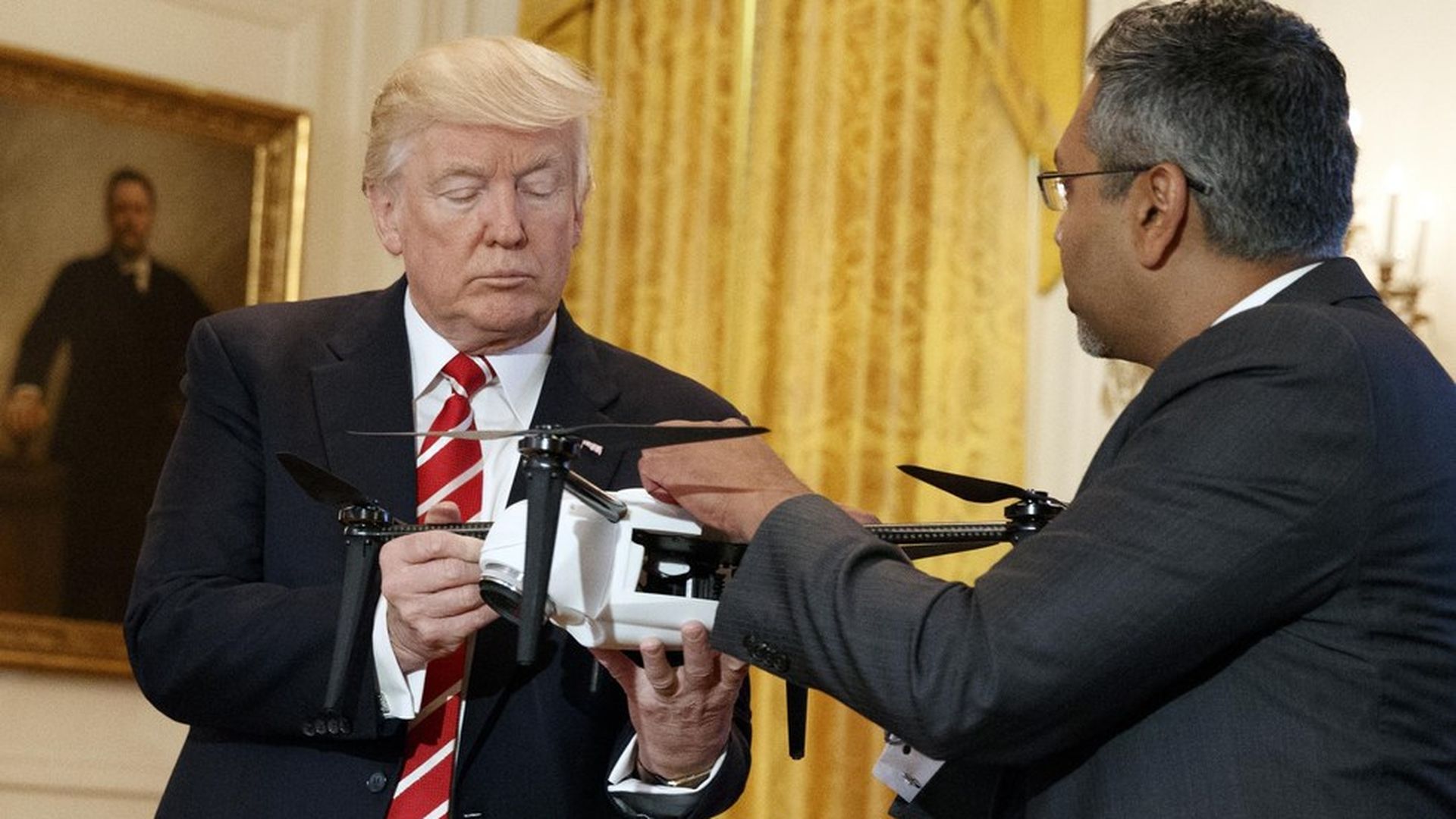
Drone and wireless companies came to the White House to ask President Trump for help in rolling out their emerging technology — and turning it into big business. The event also featured representatives from venture capital, though most major firms weren't present.
"We want our innovators to dream big, like the folks around me and surrounding me in this room," he said. "And we want them to create new companies and to create lots of jobs."

Facebook's new mission: building communities
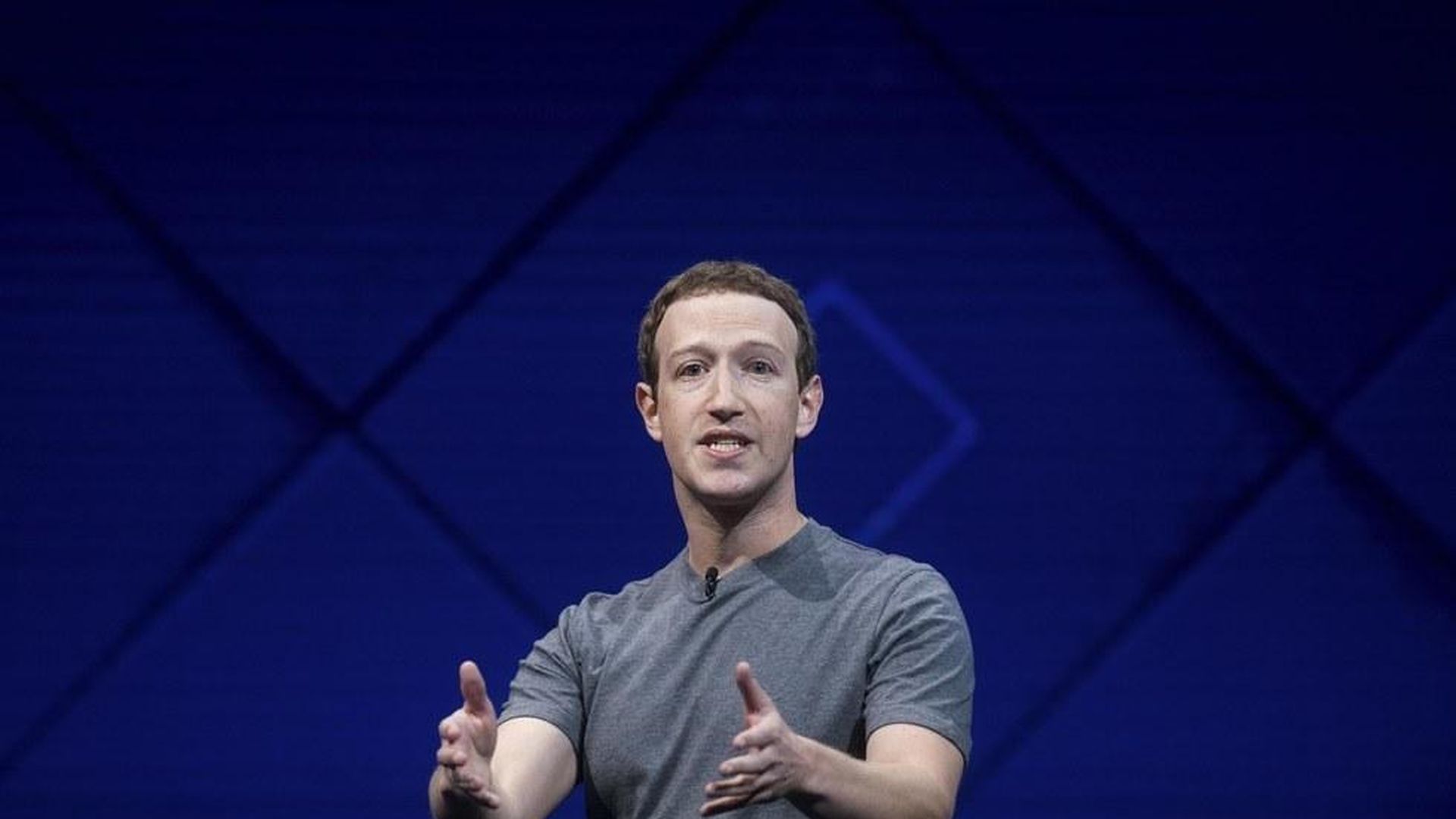
During the social network's first convention for community leaders in Chicago, Facebook CEO Mark Zuckerberg announced a new mission statement for his company: "Give people the power to build community to help bring the world closer together."
For years, Facebook's stated goal had been about "making the world more open and connected," though Zuckerberg hinted at a new focus on community building in February, when he released an updated founder letter.
What it means: Of course, Zuckerberg's newfound reckoning isn't groundbreaking. Connecting family and friends is inherently related to community building, and the company's had tools and features for groups for years. But the company's new community-focused convention and its new mission statement add to Zuckerberg's recent (and slow) coming to terms with Facebook's role in the world. The last U.S. presidential election in particular seemed to have had an impact on him, highlighting the growing division between people.
New tools: To help leaders who manage Facebook community pages, Facebook announced that they'll get more tools for filtering and managing membership requests. They'll also get more data about requests and when members are most active, schedule posts, link to other groups, and the ability to remove bad actors.

An AI algorithm says domestic security risk is down
Mass shootings are up in the U.S., but domestic security risks have been falling for a month, according to an artificial intelligence algorithm used by GeoQuant, a Berkeley-based political risk firm.
Meanwhile, the multiple crises abroad — North Korea, Syria and Russia among them — have raised U.S. geopolitical risk, said Mark Rosenberg, GeoQuant's CEO. In late May, the firm's measure of domestic security risk crossed over the geopolitical risk line.
What it means: Unlike on Wall Street, where algorithms are now widely used for trading and forecasting, machine learning tools are new in political risk. GeoQuant is one of the first firms testing them in the field, developing forecasts alongside political scientists. According to its current forecast, the threat of U.S. political violence remains high, with the decline in security risk coinciding with the Trump administration's greater openness to police crackdowns, along with the fall of border crossings and immigration.
Data: GeoQuant; Chart: Lazaro Gamio / Axios


Who might be the next Uber CEO
Following months of controversies, Uber's search for a COO has now grown to a hunt for a new CEO following Travis Kalanick's resignation on Tuesday. Here are some of the names that have been floated as possible candidates, and the list will surely shift as the search continues:
Waymo wants Uber found in contempt
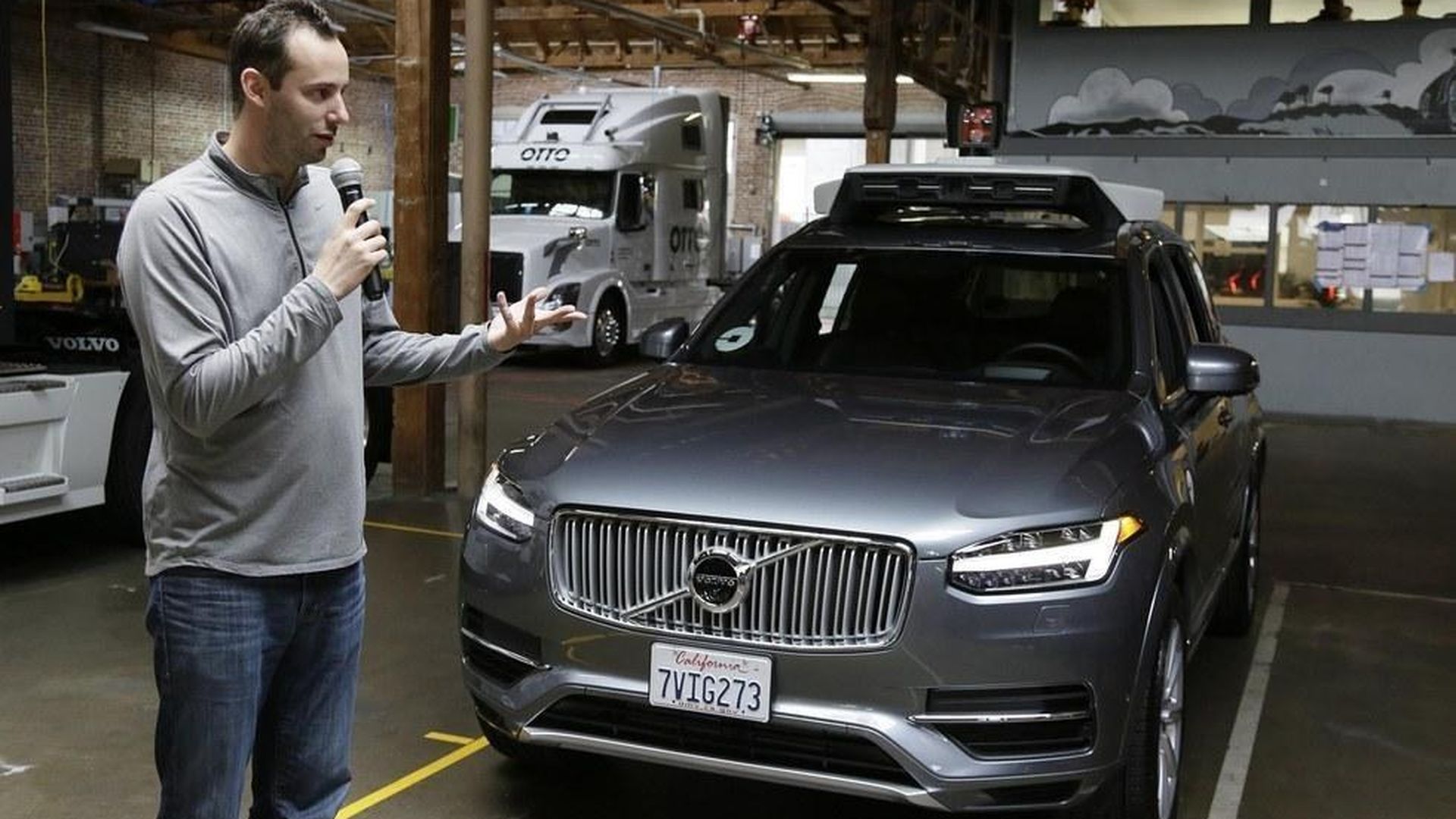
In arguing that a judge should find Uber in contempt, Waymo says that Uber has admitted it knew a former self-driving car executive had documents from his former employer.
According to new court documents filed by Waymo, Uber has acknowledged that Anthony Levandowski told Travis Kalanick and other Uber executives that he had five discs containing files belonging to Waymo. Uber said that during the March 2016 exchange, Kalanick told Leandowski to destroy the documents and not bring them into Uber. Soon after, Levandowski told Kalanick he had destroyed the discs, according to the court papers.


Uber's board shakeup continues, with Bill Gurley to leave
Venture capitalist Bill Gurley, whose firm Benchmark was one of Uber's earliest investors, has stepped off the ride-hailing company's board and will be replaced by fellow Benchmark partner Matt Cohler, who helped broker Benchmark's original investment in Uber. Bloomberg first reported the move, which Axios has confirmed.
Why: Gurley for years was a vocal supporter of Uber and CEO Travis Kalanick, but yesterday was part of the group of investors who requested that Kalanick resign from his job as the company's chief (which he did, although he will remain on the board of directors). By that point, their relationship had become so strained that Cohler and Benchmark's Peter Fenton handled most of yesterday's discussions with Kalanick (Fenton also was under consideration to be the replacement).


TPG Capital's David Trujillo to join Uber's board
TPG Capital and Uber have finally agreed on a new board member for the ride-hailing company: partner David Trujillo, as Bloomberg and first reported and Axios has also confirmed from a source.
Last Tuesday, TPG Capital chairman and founding partner David Bonderman resigned from Uber's board after he made a sexist remark toward fellow board member Arianna Huffington during a company meeting. As Axios pointed out then, Trujillo was the most obvious replacement as he brokered TPG's original investment in Uber.
Axios has also learned that TPG Capital was aware of the letter a group of investors planned to send to CEO Travis Kalanick asking for his resignation. Though the firm declined to participate in order to maintain its independence, it did feel the company's leadership needed a change, and Kalanick's eventual resignation accelerated TPG Capital's move to fill its board seat.
The story has been updated to reflect that Bloomberg first reported the news.

Japanese consumer marketplace hires former Facebook executive for big U.S. push
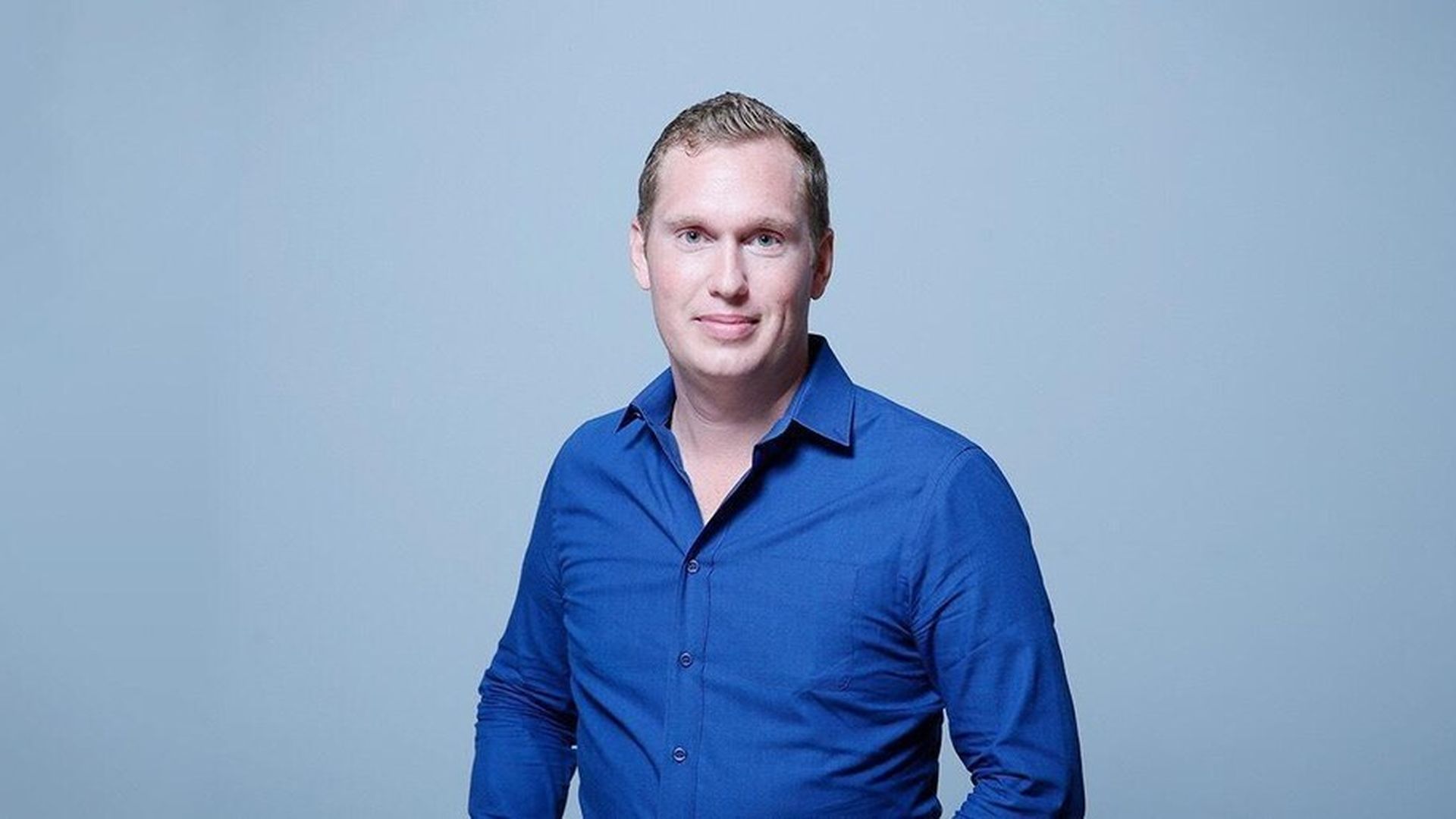
John Lagerling, who ran business development and mobile partnerships at Facebook until earlier this month, is joining Mercari, a Japanese consumer-to-consumer e-commerce company that is expanding in the U.S. Like OfferUp and LetGo, Mercari wants to make it easier to sell your stuff from your phone. But while those companies are more like mobile versions of Craigslist, Mercari is more akin to eBay, focusing on shipping goods anywhere rather than meeting up with a local buyer.
Lagerling told Axios that as the company's Chief Business Officer, he will be leading its effort to continue growth in Japan and jumpstart business in the U.S. Before Facebook, Lagerling spent eight years at Google, working with Andy Rubin on the Android team.

Snapchat's latest feature: a map that shows friends in real time
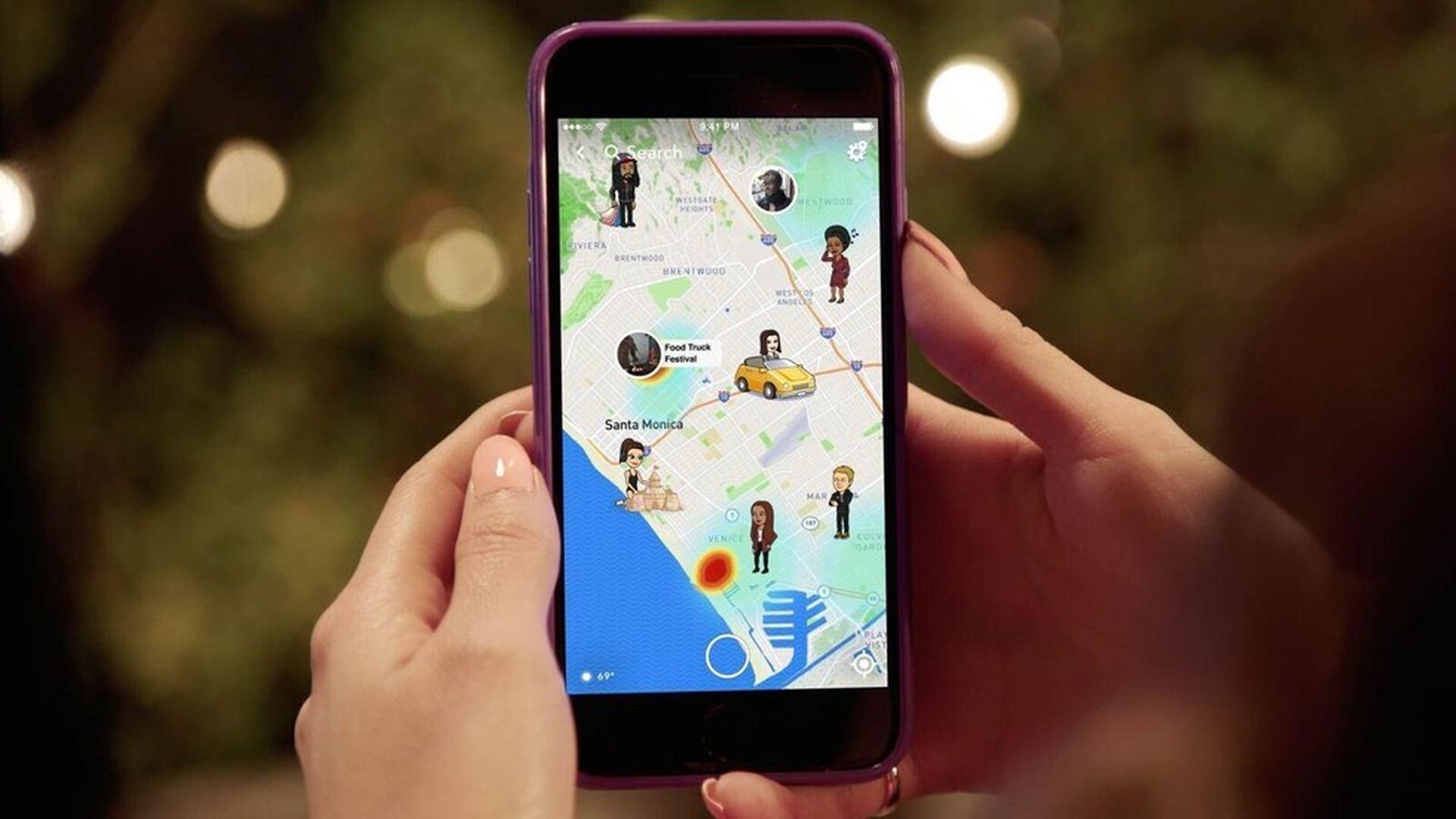
Snapchat debuted its latest feature Wednesday for its global iOS and Android users: Snap Map. The map is an entirely new screen on the app, and shows users, in real time, the location of where their friends are and what other Snapchatters are doing all over the world.
The goal: The company said they have seen "strong evidence" that Snapchatters have been wanting a way to see where their friends are and what they're doing, as well as share that information in return. And the company says Snap Map could work like Twitter, breaking news on the app before it hits the mainstream media.

Richard Branson helps Sprint relaunch Virgin Mobile as iPhone-only brand
Sprint is trying to remake its Virgin Mobile prepaid brand, focusing on the iPhone and perks tied to the broader Virgin brand, including discounts on Virgin airlines, hotels and wines. The company announced plans for a new "Inner Circle" offering that offers those who buy an iPhone six months of wireless service for just $1 (and an additional six months free for those who sign up by July 31.)
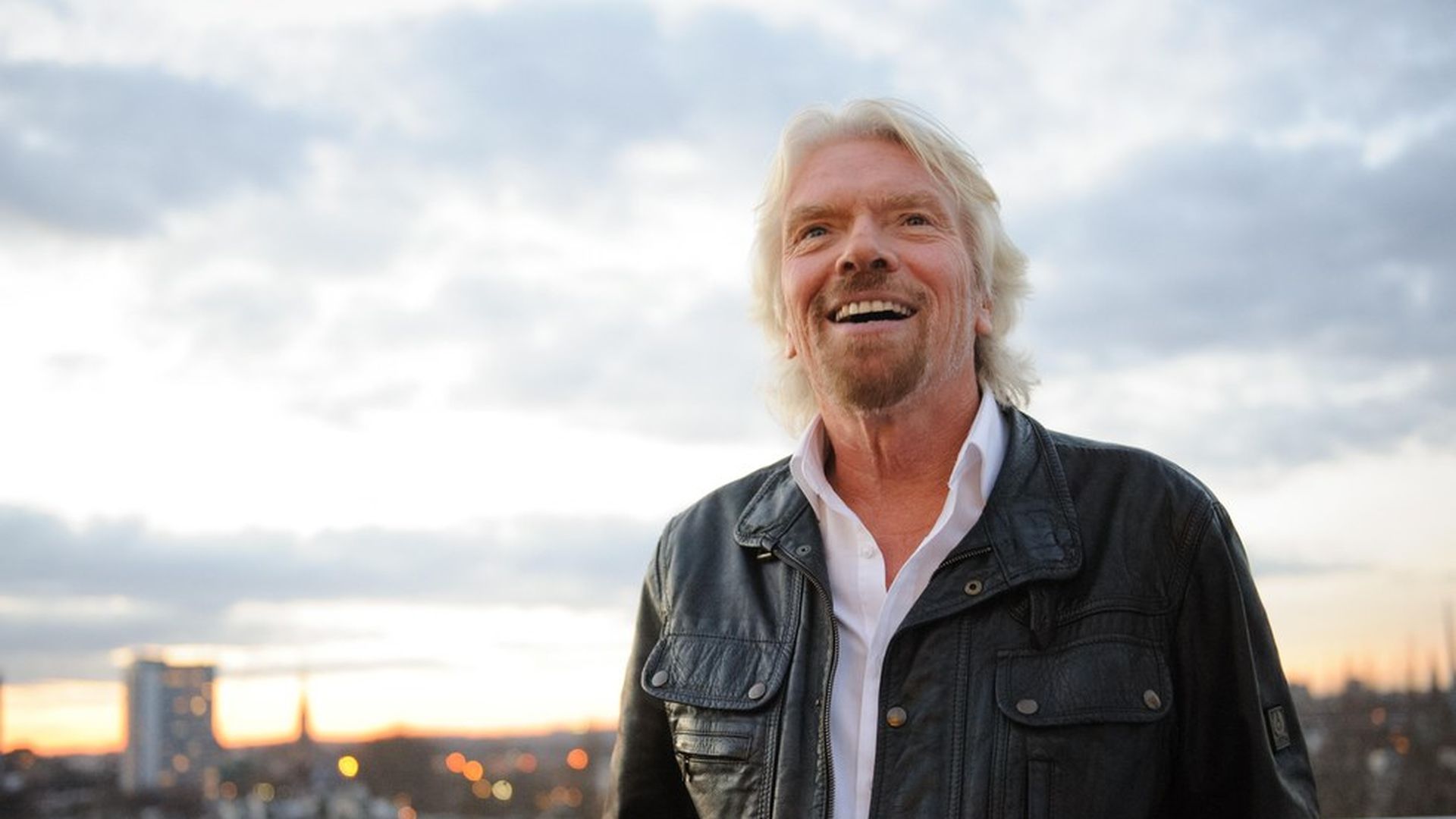
Virgin Group head Richard Branson was on hand at an event in San Francisco where Sprint announced the move.
"We're committed to innovating," Branson said, rattling off a list of Virgin's current efforts ranging from electric race cars to space travel. Branson said he challenged Sprint two years ago to make better use of the Virgin brand and is pleased to see the company doing so.
Why it matters: Sprint has been looking for some time to reposition Virgin, one of two prepaid brands it has. (It also sells service under the Boost Mobile moniker.) Competition in that space has been tough since T-Mobile bought MetroPCS and AT&T purchased Cricket, not to mention just generally brutal price pressure in the cell phone market.

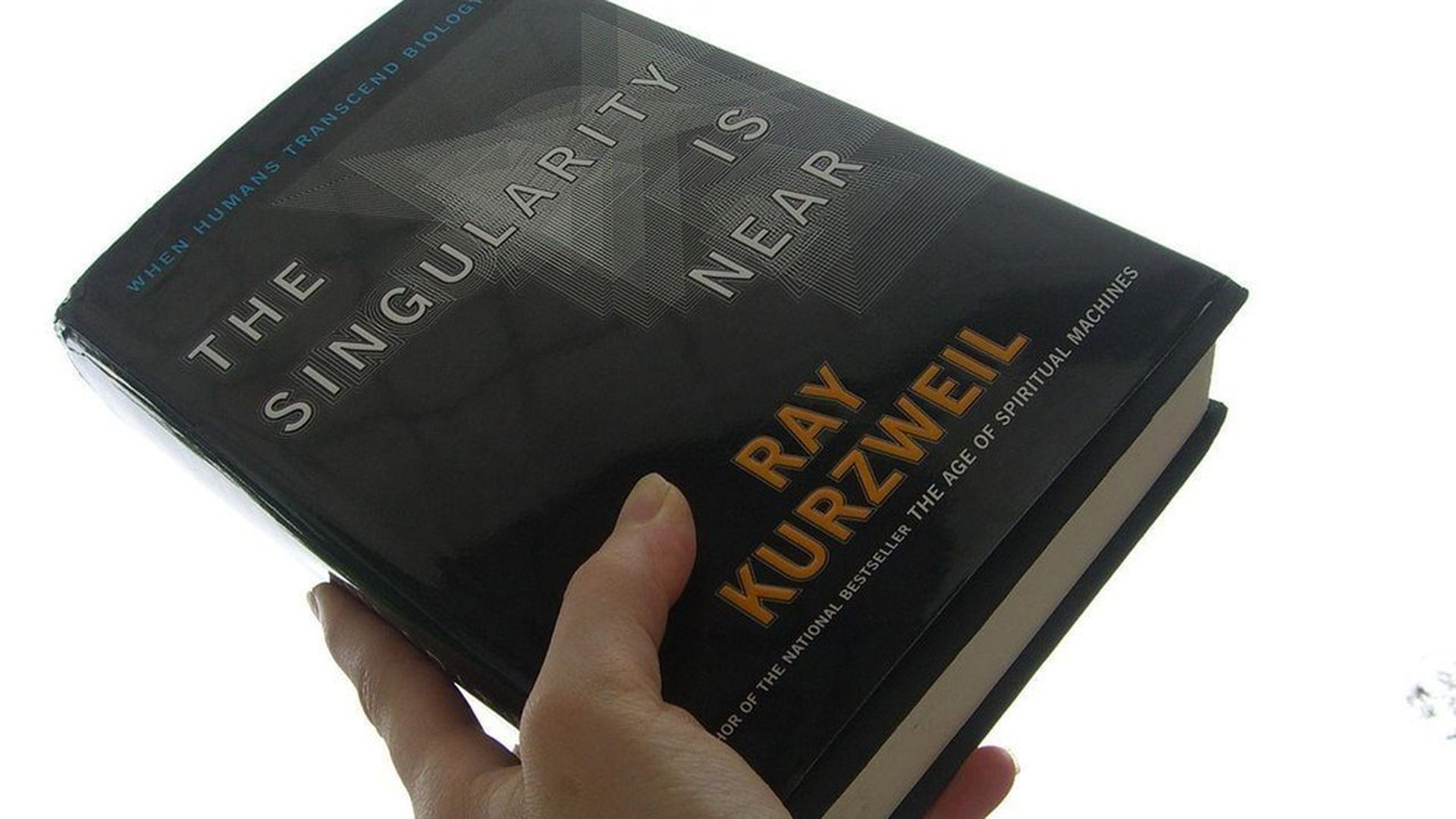
The war to create the singularity
One of the great current dramas is the global competition for artificial intelligence: machines that will think for themselves and, one day, many think, be smarter than humans. That forecast inflection point — the time of super-human intelligence — worries a lot of people, since no one knows what machines can or will do once they are smarter than their inventors.
A key question is, if super-human intelligence is invented, in which country and which lab will it take place, since it could be the most powerful technology ever invented. "Artificial intelligence in the wrong hands can transition from being a tool to being a weapon," the inventor Dean Kamen tells Axios.
- Kamen is one of four experts we queried about the geopolitics of AI: Andrew Moore, dean of computer science at Carnegie Mellon University, said China will make the AI breakthrough. So did entrepreneur Azeem Azhar. Eurasia Group founder Ian Bremmer told us that it will be the U.S.
- Adding uncertainty is that much of the work is taking place in private labs, uncontrolled by a country. "If it's private companies — as I expect it will be — it's far from clear that any government would be able to effectively regulate it," Bremmer said.
Moore doesn't think inventors are anywhere close to inventing "strong AI," as super-human intelligence is called. Indeed, nothing that researchers are currently working on anywhere will get there, he said. "We will need a wild new idea to make that happen. I'd guess there's a 5 percent chance that someone will make this kind of breakthrough in any decade," he said.But an AI war is on nonetheless. Why does Bremmer think the breakthrough will come in the U.S., when China is spending far more money on AI? He said"The U.S. has the best universities, the most innovative private sector, and the biggest lead on the most important technologies at the moment," he said. "And while China may soon be the world's largest economy, truly groundbreaking AI is likely to come from combining the insights from many disparate fields and making them work together — something Beijing will struggle with."

Pinterest wants to provide outfit ideas with its newest tool
As Pinterest continues to bolster Lens, its image recognition feature, it aims to help fashionistas with outfit ideas. This way, users can point the Pinterest app's Lens feature at an item (or outfit) in their closet, and get recommendations of what to pair it with. Pinterest previously rolled out to Lens the ability to recognize food and recommend recipes.
Why it matters: Pinterest's lofty ambition is to become the "Google of images" and is investing heavily into its image recognition tech. However, it's also competing with major tech players like Microsoft and Google, the latter of which recently unveiled its own tool competing with Lens (and with the same name). Pinterest recently raised an undisclosed amount of funding from existing investors, upping its valuation to $12.3 billion, which it says will help it continue to advance its technology.
More: Pinterest's Lens feature is also getting a new design, as well as new features such as zooming in and out, and analyzing photos previously saved.

Uber after Travis
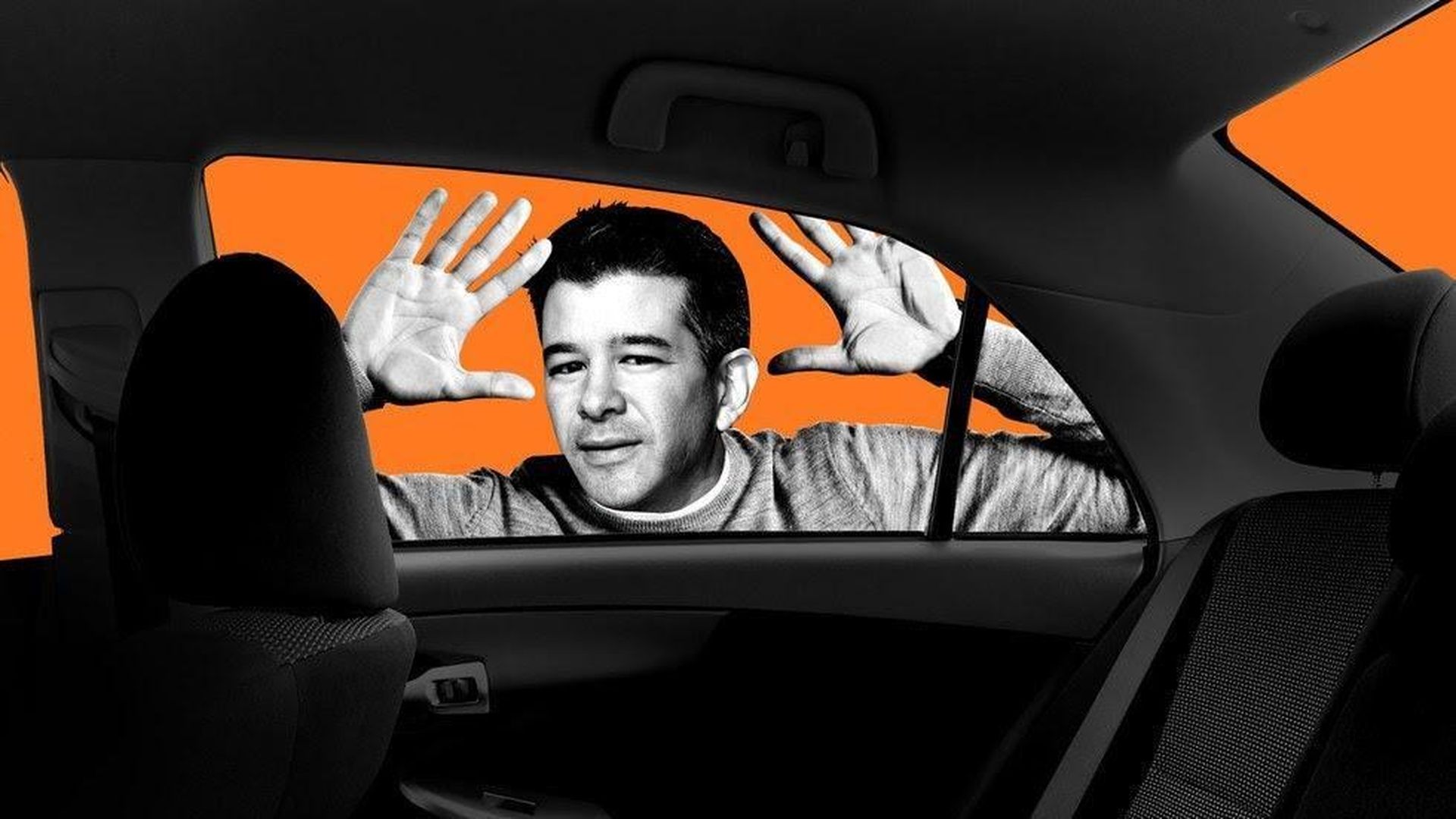
As you've probably heard by now, Travis Kalanick has resigned as CEO of Uber after a group of investors yesterday sent a letter asking for his resignation.
- Uber's troubled COO search now becomes its gold-plated CEO search: Some possible candidates that come immediately to mind include Jeff Immelt, Meg Whitman, Mark Fields, Sheryl Sandberg and Adam Bain.
- Why it matters: Venture capitalists once had a reputation for canning CEOs, but that was left behind in this "founder friendly" era. Each of the participating firms took a big reputation risk here when it comes to future deal-flow, despite how the chattering class seems to think removing Kalanick was a no-brainer.
- I'm still a bit unclear on how this went down: Remember that Kalanick technically controlled Uber's board of directors, so long as Garrett Camp (Uber's founder and chairman) and Ryan Graves (Uber's first employee and SVP of global ops) remained in his corner. (More below the fold)


Uber boots Travis Kalanick
Axios business editor Dan Primack texted me instantly on the news of Uber parting ways with CEO Travis Kalanick: "This is shocking. It's this generation's version of Steve Jobs being kicked out of Apple. (I know — not apples/apples since he's staying on the board, wasn't the founder, etc.)"
- Why it matters: "Uber being uber (the German version) is largely due to Travis' drive and vision. For all of the [bro] stuff, he changed global transportation."
- One more thing: "They've struggled to hire a COO. But now that it's top job, expect them to talk to both [Silicon Valley] names and Fortune 500 types."
- Earlier, Dan had the scoop on the revolt, which came "as Uber has dealt with months of scandals and just one week after Kalanick voluntarily took an indefinite leave of absence from the company."

Uber CEO Travis Kalanick resigns under pressure
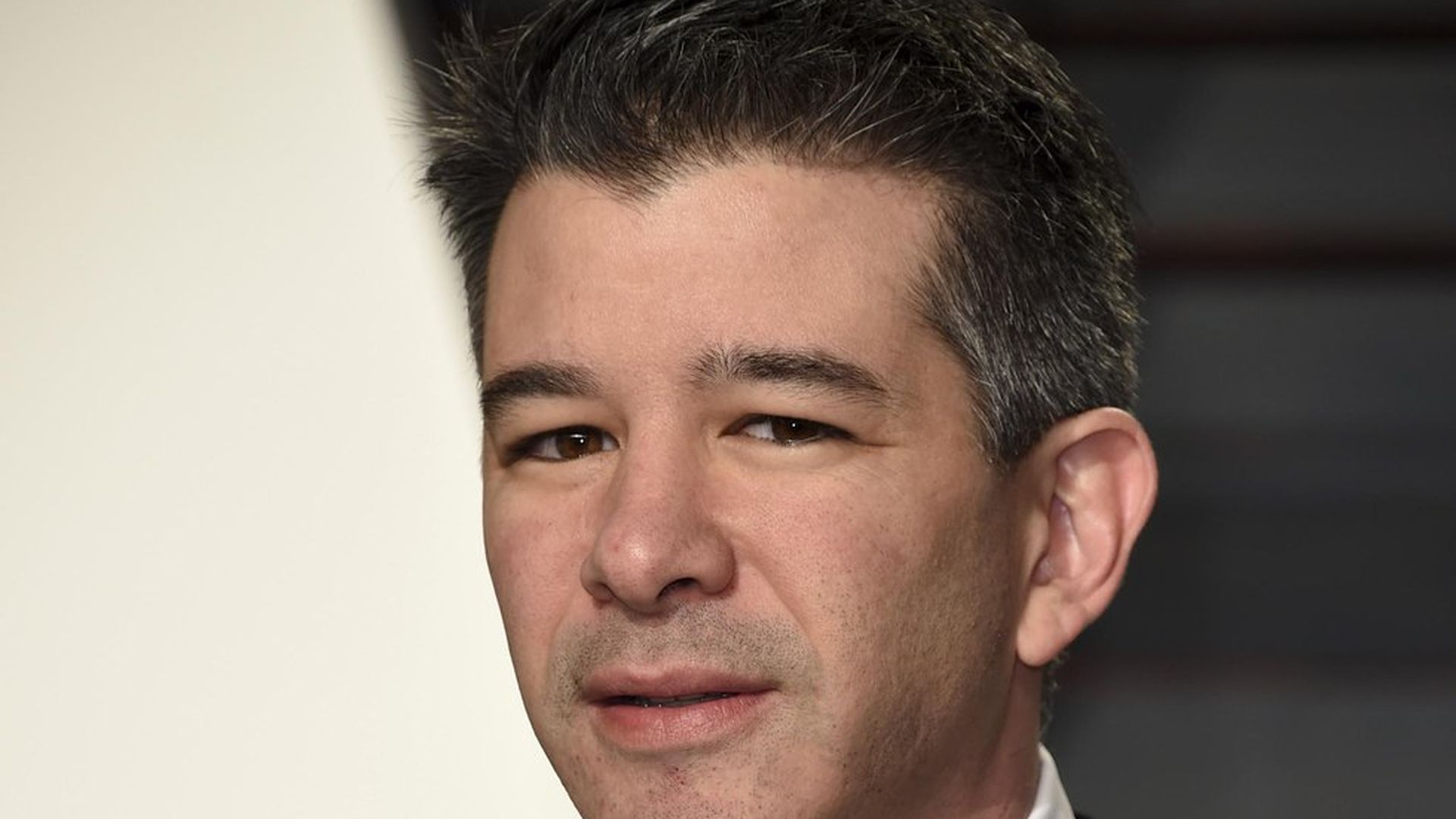
Travis Kalanick, who took a leave of absence last week, resigned as Uber CEO on Tuesday evening. The move, first reported by the New York Times, came after a group of significant investors in the ride-hailing company had been seeking his ouster, as Axios reported earlier on Tuesday night.