Saturday's technology stories
DOJ asks Supreme Court to hear Microsoft email case
The Justice Department is trying to take its drawn-out fight with Microsoft over law enforcement's access to emails stored on overseas servers to the Supreme Court.
Why it matters: Major tech companies are watching this case closely. If the Supreme Court takes the case, the outcome would have far-reaching effects on how tech firms store user data on foreign servers — and how law enforcement can access it. As more and more of our data is stored in the cloud by companies with data centers around the world, the question of how governments (both U.S. and abroad) can access the data is becoming increasingly complicated.

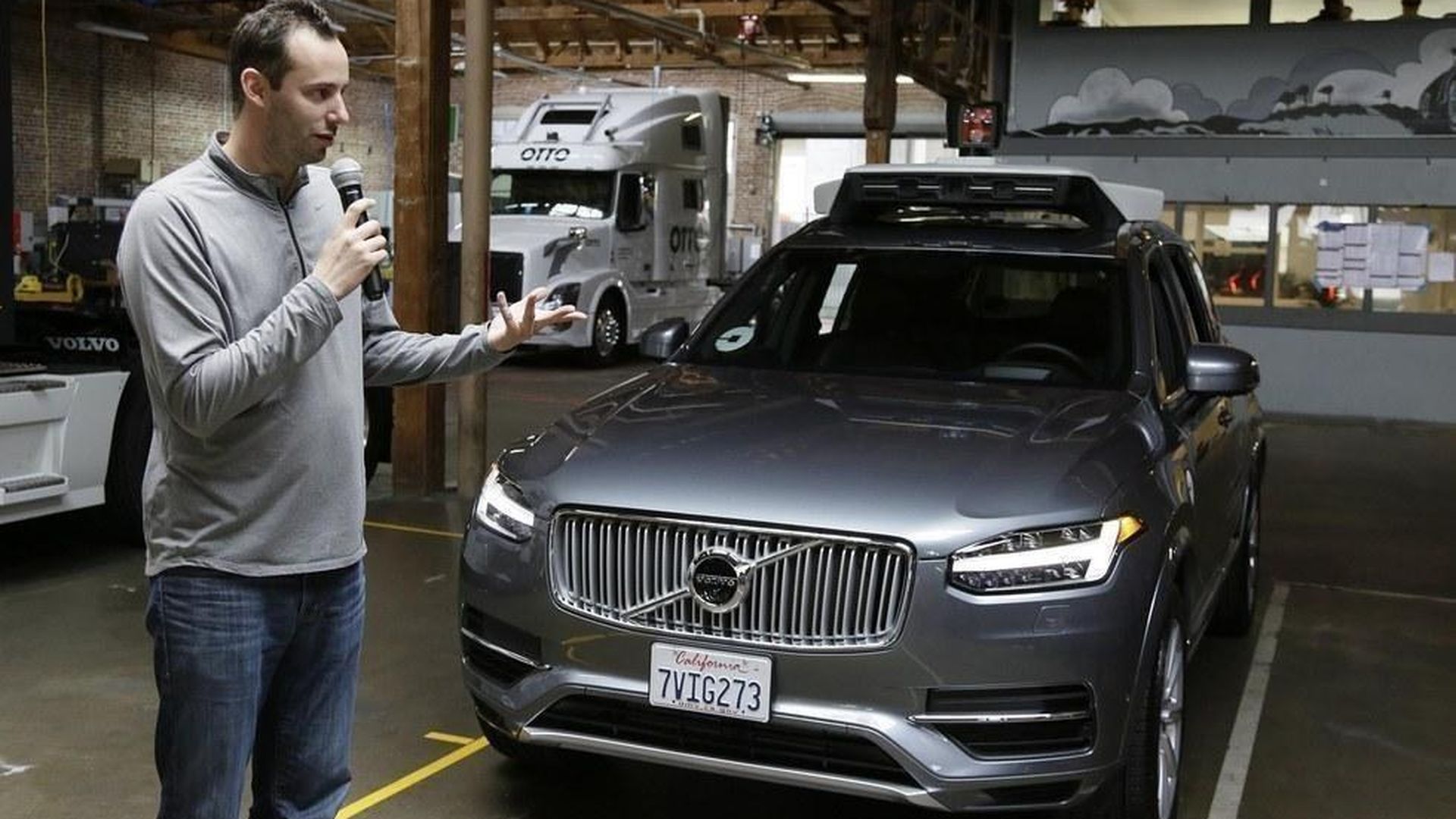
Uber board members had copies of key document in Waymo lawsuit
In a new court document, Uber says that three then-board members—Benchmark's Bill Gurley, Arianna Huffington, and TPG Capital's David Bonderman—received copies of a due diligence report prepared as part of the company's 2016 acquisition of a self-driving truck startup.
All obtained copies of the report through Uber's in-house lawyers, and Bonderman subsequently shredded his copy, according to court documents. Gurley and Bonderman are no longer on Uber's board.
Why it matters: The Uber-Waymo court saga has been overshadowed by the dramatic departure of Uber CEO Travis Kalanick after the board asked him to resign. Whoever ends up taking the helm of Uber will not only have to fix its broken culture, but will also have to deal with the fallout of Waymo's allegations over the use of proprietary self-driving technology, which is vital to Uber's future.

Google will stop scanning free Gmail to target ads
The tech giant will now treat its free Gmail product the same way it treats its G Suite's enterprise products, and will use settings-based ad targeting as opposed to content scanning for ad personalization.
Why it matters: The decision likely stems from consumer concerns broadly in the U.S. about data privacy and security. In a statement, Google touted Gmail's reputation to protect users from spam, hacking, and phishing. "G Suite customers and free consumer Gmail users can remain confident that Google will keep privacy and security paramount as we continue to innovate," the statement says.

Tracking American wealth
The "Richest Person in Every State", from Forbes' Chase Peterson-Withorn with the magazine's 2017 rankings:
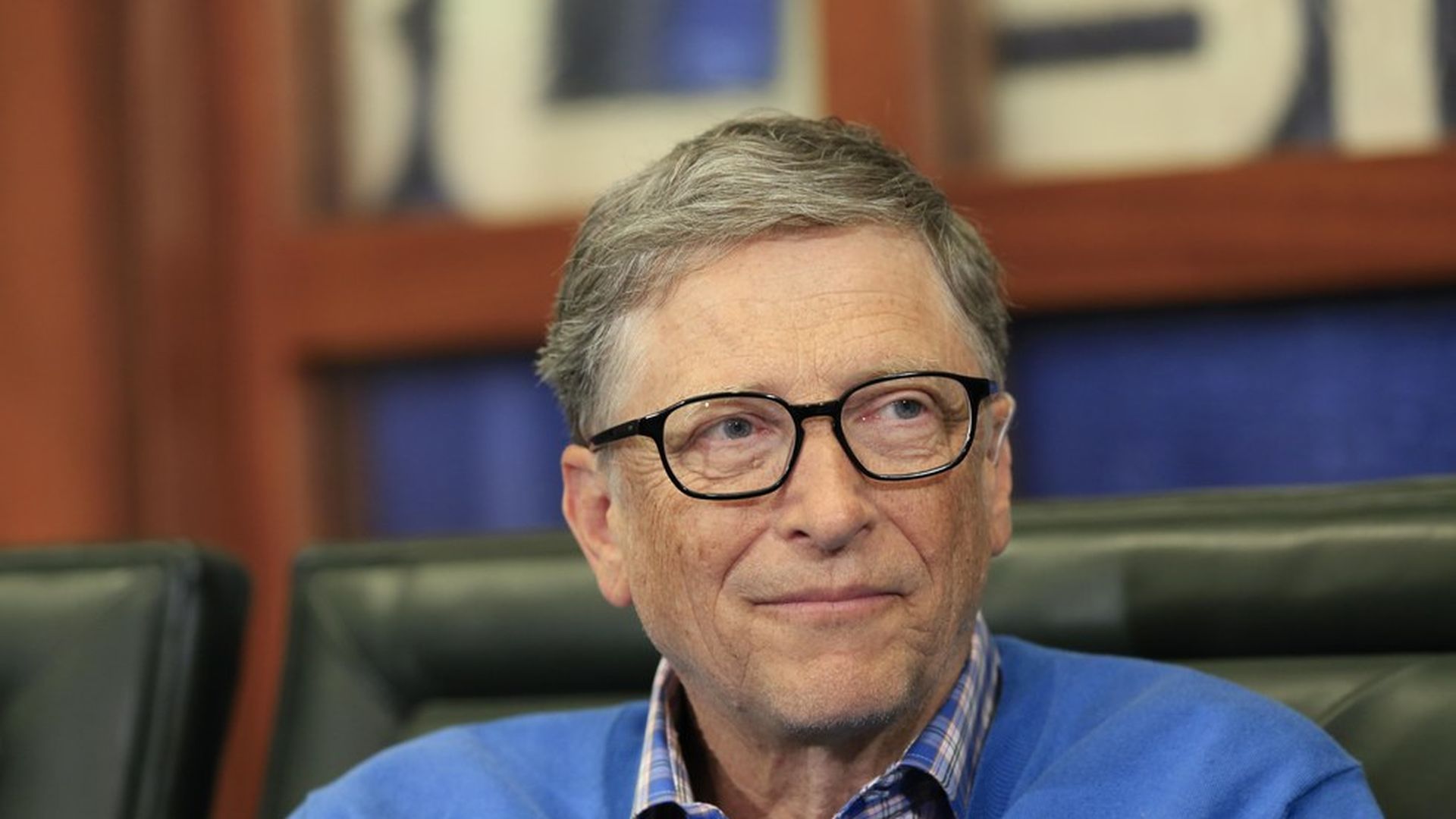
- "The biggest gainer in sheer dollars is Bill Gates. He added $12.9 billion to his fortune since last year as the rising stock market has boosted his portfolio, which includes Microsoft and a number of other public and private investments."
- Gates, "the richest person in Washington state — and the world — is actually in danger of losing both titles. This year his net worth is $88.9 billion, but fellow Washington resident Jeff Bezos finished just shy of Gates, at $83.3 billion, thanks to a nearly 50% rise in Amazon's stock price since last year's list."
- "Dish Network cofounder Charles Ergen, of Colorado, was the biggest gainer as a percentage of net worth. His fortune rose 41%, or $5.5 billion."

Venture capital investment in AI skyrockets
Venture capitalists are pushing a lot of cash into artificial intelligence and machine learning technologies, more than doubling the investment into virtual reality technologies in 2016, according to PitchBook data via the National Venture Capital Association.
Why it matters: U.S. investors want an edge on the development of next-generation technologies that center around AI, including self-driving cars. Other countries such as China are also charging ahead.