Tuesday's technology stories

Uber co-founder blames problems on "not listening"
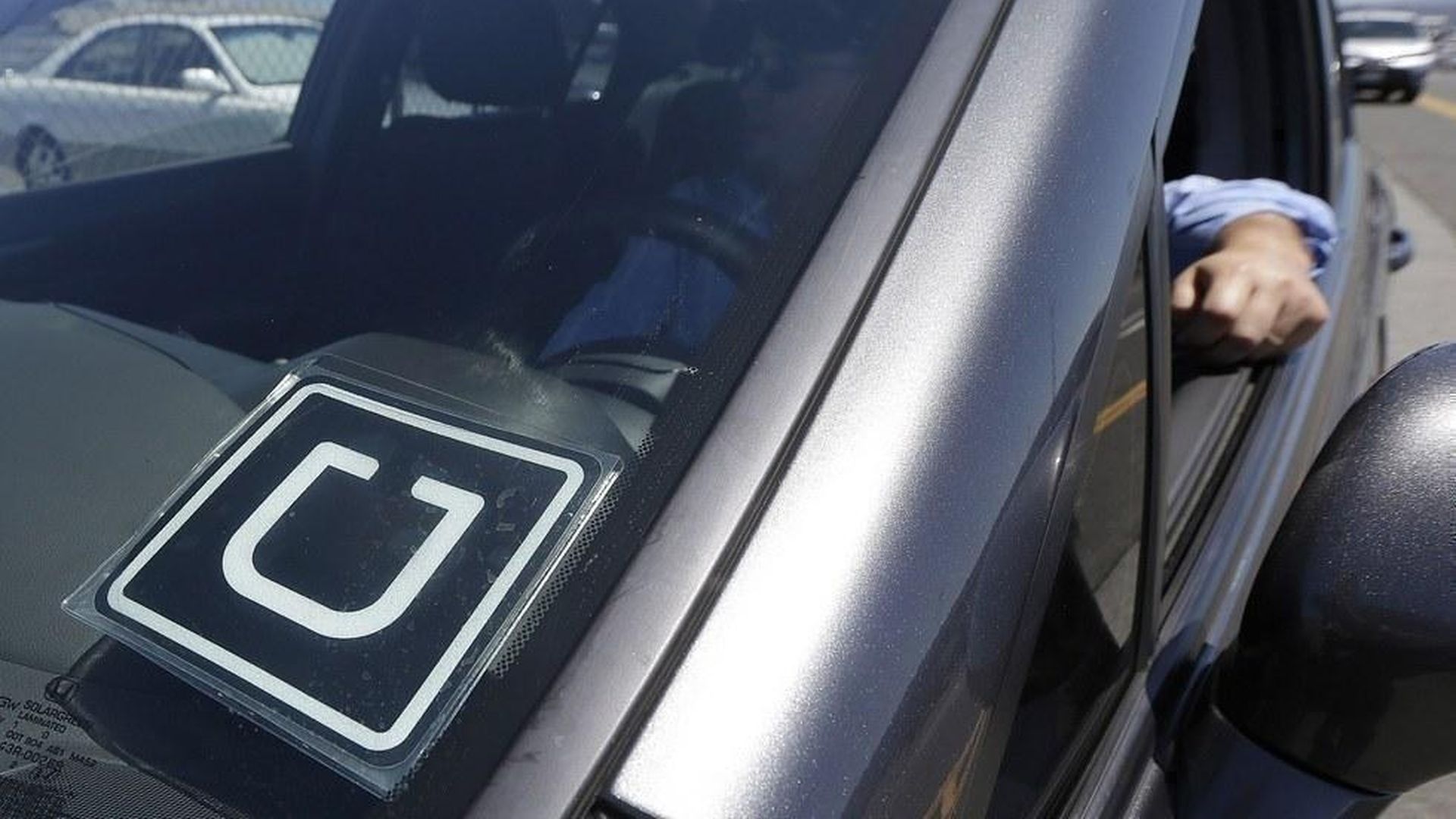
Garrett Camp, Uber's co-founder who came up with the original idea and is the board's chairman, is finally breaking his silence on the ride-hailing company's recent string of controversies in a Medium post:
"[T]he answer is that we had not listened well enough to those who got us here… our team and especially our drivers. In a highly competitive market it is easy to become obsessed with growth, instead of taking the time to ensure you're on the right path."
Camp, who previously founded StumbleUpon and now runs a startup studio named Expa, also emphasized the company's size and impact on transportation. "Which is why we must now hold ourselves to a higher standard going forward," he added. "We've formed a new executive leadership team, and the board is actively recruiting new directors and talented executives."
Amazon Prime preps try-before-you-buy fashion service
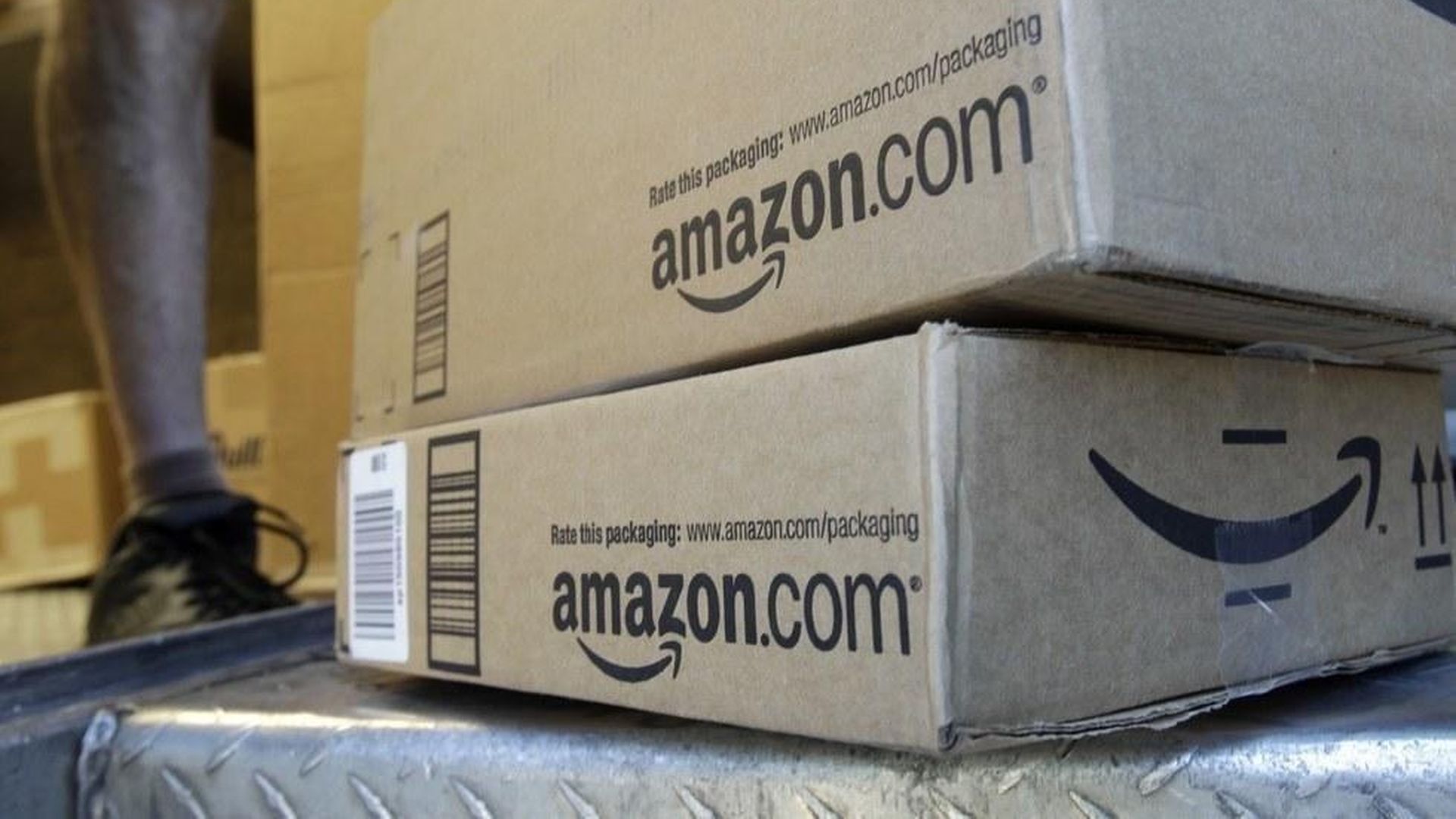
Amazon's apparel division has a new experiment: letting customers pick out a box of clothes, try the items on, and return what they don't want—all for free. Through Amazon Prime Wardrobe, which has yet to launch, customers can pick up to 15 items and get discounts depending on how many they choose to keep.
Why it matters: The retail giant recently debuted its Echo Look device, a version of its digital assistant that's equipped with a camera and lets customers get feedback on their outfits. Amazon had the most online fashion sales to "millennials" in 2016, according to data by e-commerce company Slice published by Recode.
Competition: There are already a few startups offering this "try-and-return" approach to shopping, including Stitch Fix, Le Tote, and Dia & Co. Unlike them, Amazon Prime Wardrobe doesn't charge any upfront fees, mostly because there's no stylist picking out the outfits.

Bigger-than-life CEOs are kings no longer
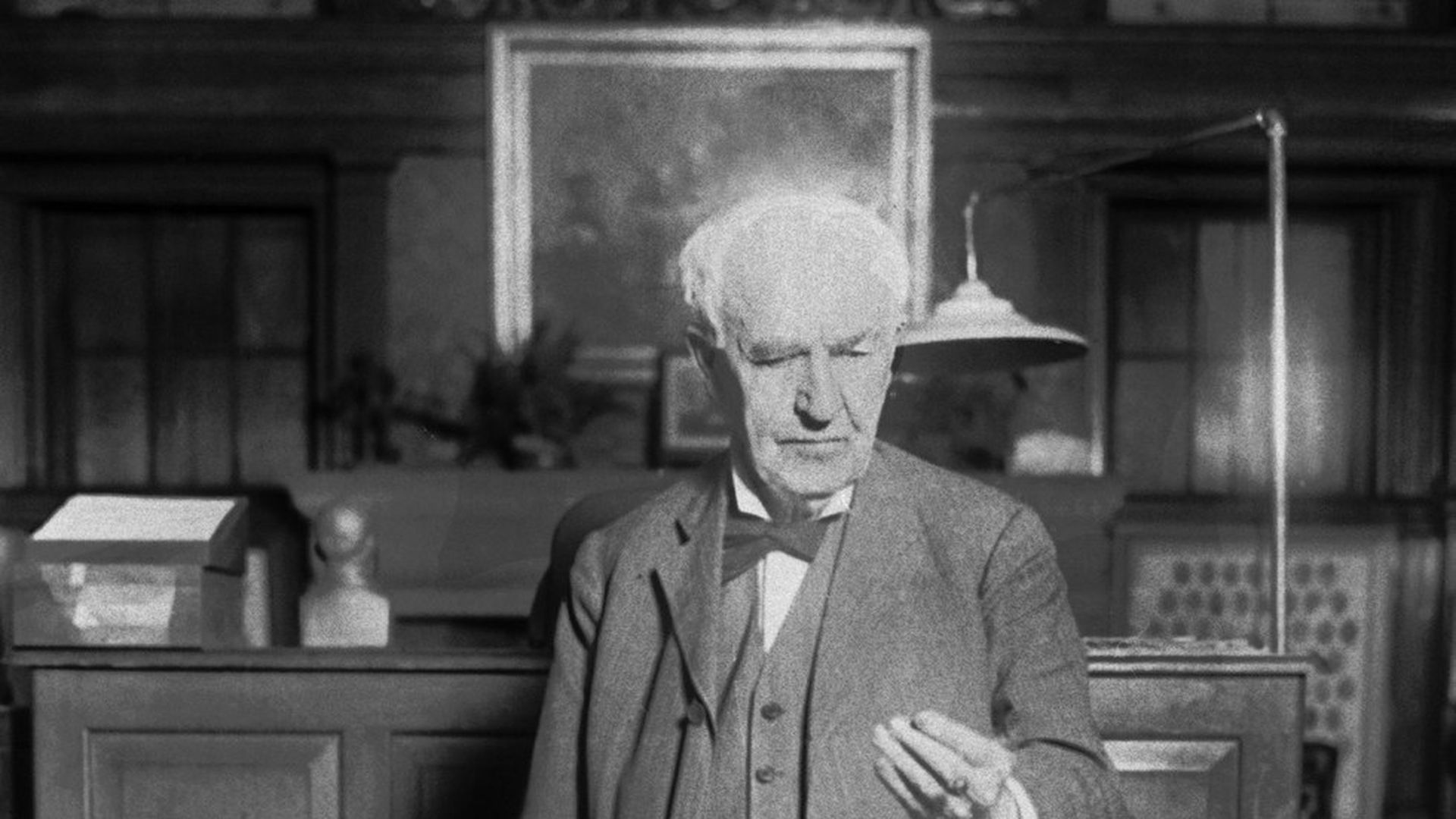
The United States carries less weight than it once did in international affairs. Now, the country's formerly fawned-over multi-national companies and their once-deified CEOs are on the wane, too.
Recent weeks have seen the shockingly unceremonious dethroning of once baronial CEOs Jeff Immelt of GE, Mark Fields of Ford, and Mario Lognhi of U.S. Steel, reports the New York Times. Their companies, once viewed as having all-but unlimited industrial potential, are scrambling next to Apple, Google and Facebook.
A level deeper: The shift of fortunes doesn't connote an economic advance. Given the ubiquity of their products, the tech giants seem ultra-important to society. But that's only on the level of gadgetry. In 1990, the big three Detroit carmakers racked up about $250 billion in revenue and employed 1.2 million people. In 2014, today's big Silicon Valley three made the same revenue but employed only about a tenth of the people -- just 137,000.
Auto supplier Continental joins self-driving car alliance

Continental, a German company and one of the biggest automotive parts suppliers, said on Tuesday that it's joining an alliance — made up of BMW, Intel, and Mobileye — that is working on a self-driving car platform. Continental will handle integrating the components and software, and commercializing the platform.
The other companies announced their partnership last year, which they hope will produce the platform by 2021.
Why it matters: While Silicon Valley companies like Uber and Alphabet's self-driving car units are making headlines for developing autonomous driving technology, traditional automotive companies are also investing heavily in the area to make sure they don't fall behind. Other similar partnerships include Daimler's recent teaming up with Bosch to work on self-driving cars.
Inventor Dean Kamen: Next big thing engineered organs, not AI
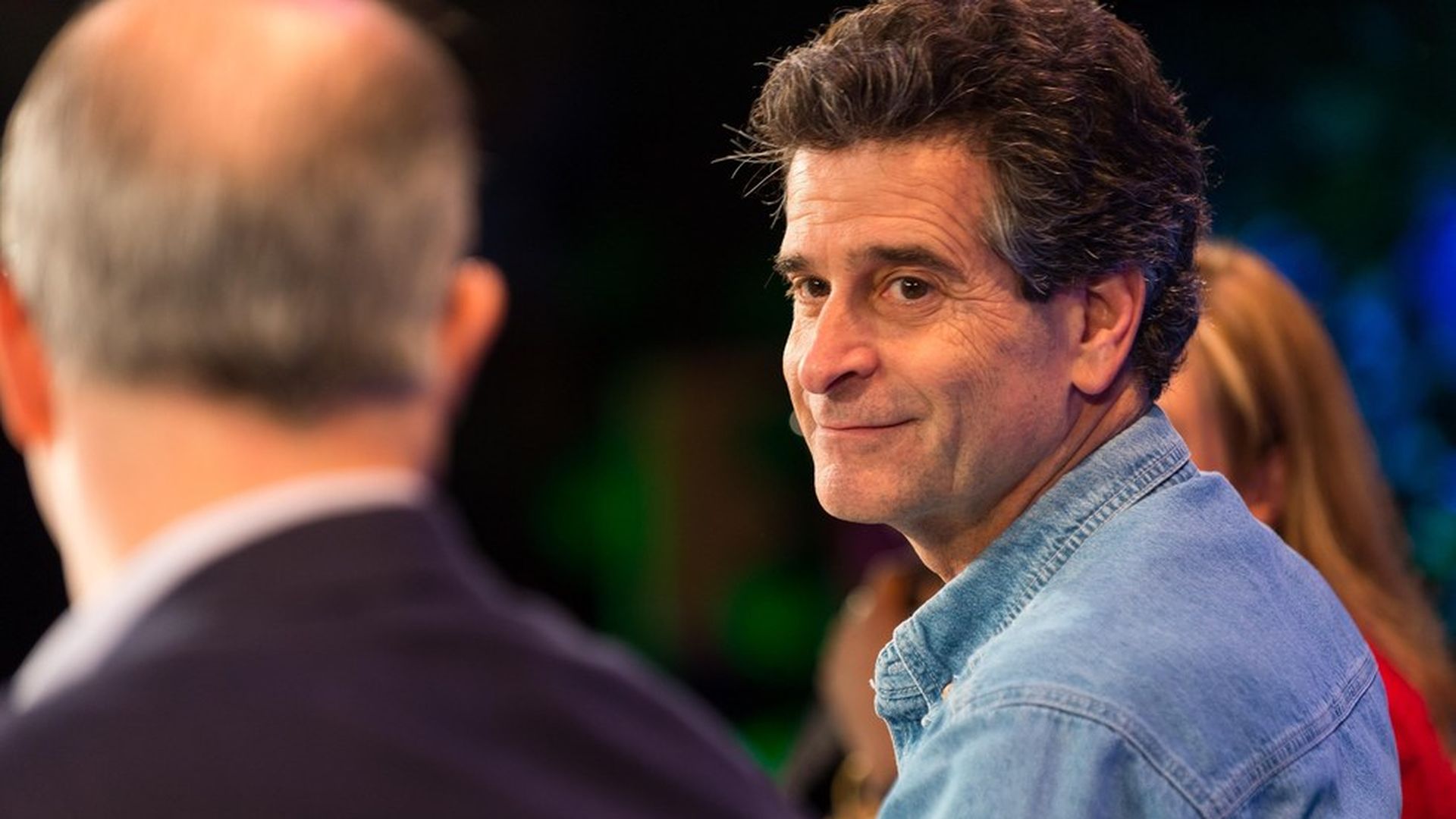
Dean Kamen, the inventor of the Segway, an advanced prosthetic arm for Darpa, and numerous medical devices freeing up the lives of diabetics, says the next big thing is not robots or artificial intelligence, but engineered organs that will not be rejected by the body.
- People with a diseased liver, heart or kidney will receive a new one, fashioned from their own cells. Kamen tells Axios that such organs will be somewhat available in five years, and widely used within a decade. "You won't need immunosuppressants, because it will be your organ," he said.
- Between the lines: Kamen said engineered organs will be relatively cheap, and will be made as easily as an iPhone. "People think the big stuff is the cloud and artificial intelligence," he said. "I think the next big thing is regenerative medicine."
- Kamen has raised about $300 million, including $80 million from the U.S. Defense Department, for a consortium of researchers working on regenerated organs.

Colorado dad campaigning to make smart phones illegal for preteens

Tm Farnum, an anesthesiologist and father of 5, founded the non-profit, Parents Against Underage Smartphones (PAUS) in February and has proposed a bill (ballot initiative no. 29) preventing cell phone companies from selling smart phones to children under 13 in Colorado, the Washington Post reports.
Background: Farnum founded PAUS after two of his children become "moody, quiet and reclusive" from overusing their smart phones and he researched the effects of screen time on young children, he told the Post. He says smart phones can be just as dangerous as cigarettes, alcohol and pornography — which all have legal age limits. But some Colorado politicians have argued that it's a challenge for parents, not the government.
Lyft has a good reason to offer a bus-like service
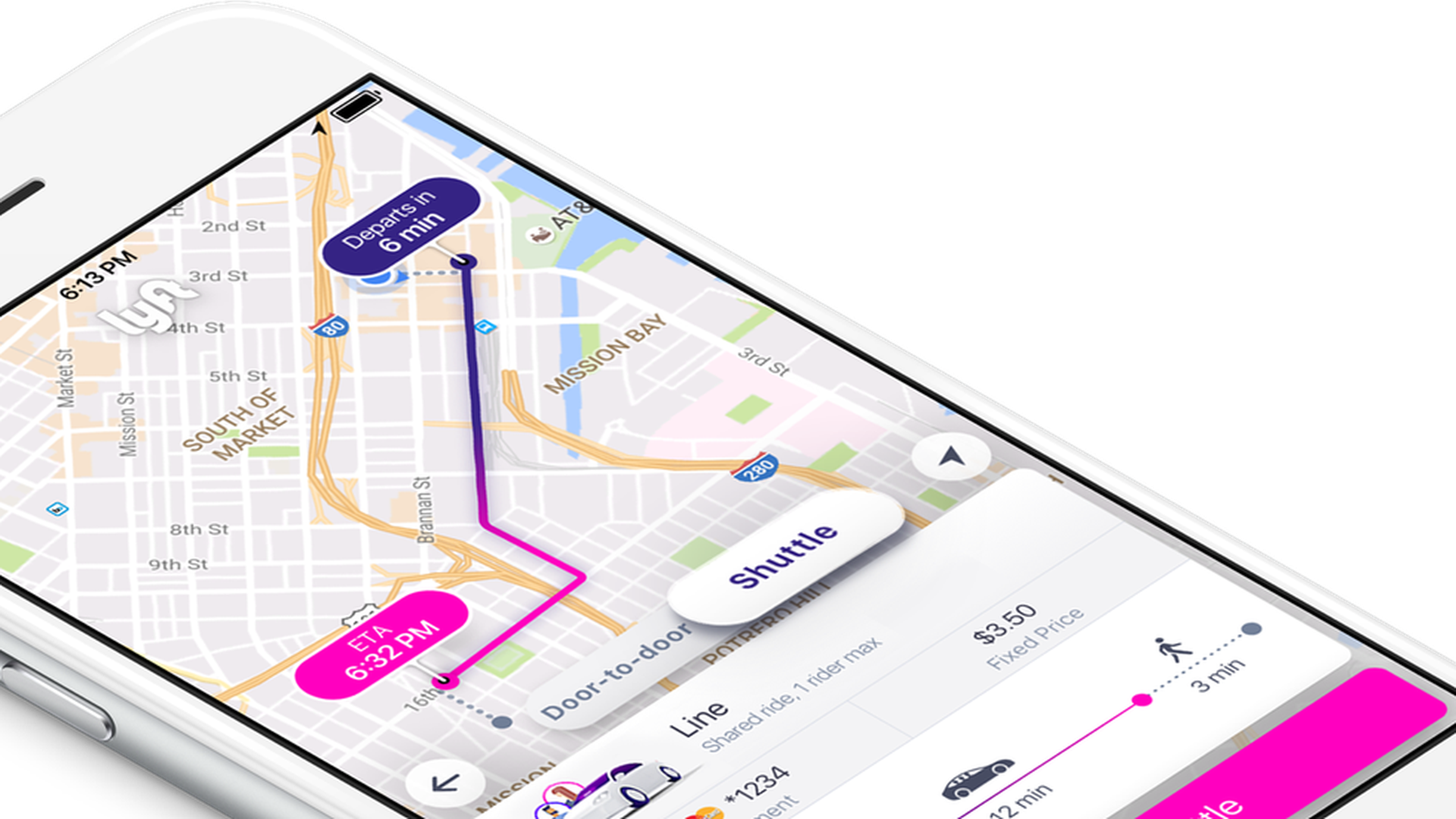
On Monday, a short Lifehacker review of Lyft's latest service, Shuttle, elicited chuckles on Twitter. Shuttle is just like a bus service, but under Lyft's ride-hailing brand.
But here's the thing: It's already been proven—at least in San Francisco—that there's a market for busses that aren't part of the city's public transit.
Bottom line: The fact that there is a demand for alternatives is telling: the local public transit system isn't meeting the needs of some consumers, who are willing to pay a bit more for comfort and convenience.
Drivers sue ride-hailing startup Juno for nixing equity program

A group of drivers have filed a lawsuit against ride-hailing company Juno (and its new parent company Gett) for breach of contract, false advertising and securities fraud, as Recode first noticed. Juno operates in New York City and branded itself as the driver friendly alternative to Uber and Lyft.
The issue: The drivers' biggest gripe is that Juno's main selling point to them was the promise of earning equity in the company, yet it rescinded that plan after it sold itself to Gett, another ride-hailing company operating in New York City, for $200 million. Instead, the company said it will pay cash bonuses to drivers with shares in the company.
Challenges: Juno said that even before the acquisition, it realized implementing its equity program would be more difficult than anticipated.
Piling on: In May, a guild representing drivers filed a complaint to the Federal Trade Commission accusing Juno of misleading drivers with its equity program.

Pokémon Go details its big summer update

After promising a big summer for months now, the creators of Pokémon Go on Monday offered up details on new features coming to the popular, but not as popular as it once was, mobile game. In a blog post, Niantic said it is overhauling the gym feature to be more interactive, including "raids" where up to 20 players can work together.
Also in the works: Niantic is holding its first real-world event in July in Chicago and, at Apple's developer conference, showed how it could use Apple's newly introduced augmented reality tools to improve that part of the experience.
Why it matters: Pokémon Go was an overnight success, but Niantic has said it wants the game to be a years-long hit. To do that, it will need a steady stream of new features and challenges to keep people from moving on.