Wednesday's technology stories

Security, privacy concerns over self-driving car data
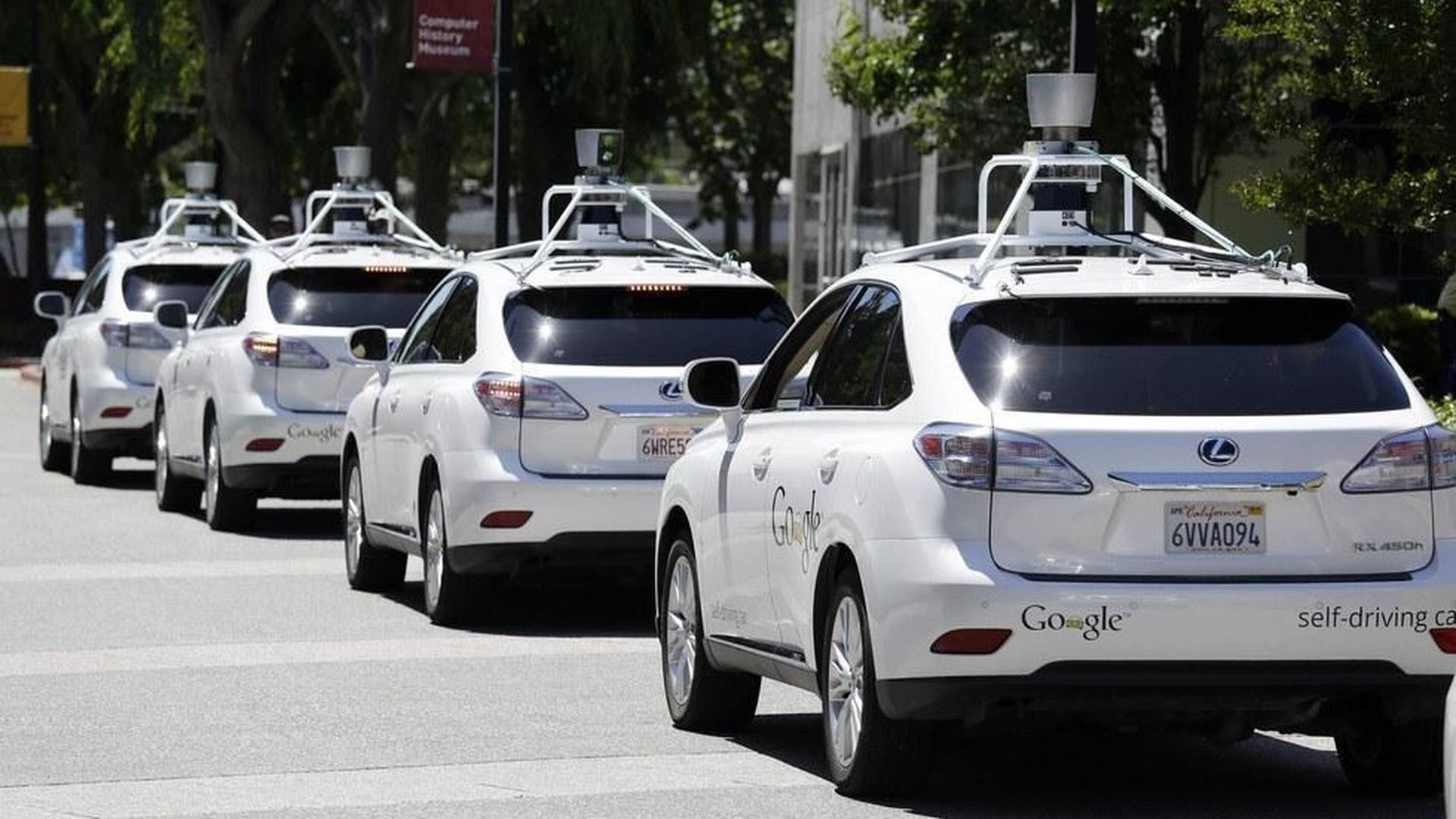
Some lawmakers see a potential dark side in the chance that self-driving cars will generate massive amounts of data that could later be exposed:
- From the right: "Autonomous vehicles will be collecting all kinds of data — pictures and video — every second that they're in operation," said conservative Sen. James Inhofe during a Senate Commerce Committee hearing on Wednesday. "And what we don't want is the wrong people to get ahold of that."
- From the left: Democrat Ed Markey, a major privacy advocate, also had concerns. "We should not have to choose as Americans between being connected and being protected," he said. He asked witnesses at the hearing if the industry should have "mandatory cybersecurity standards" and other features to deal with hacking.

Uber's $68 billion valuation at risk amid culture crisis
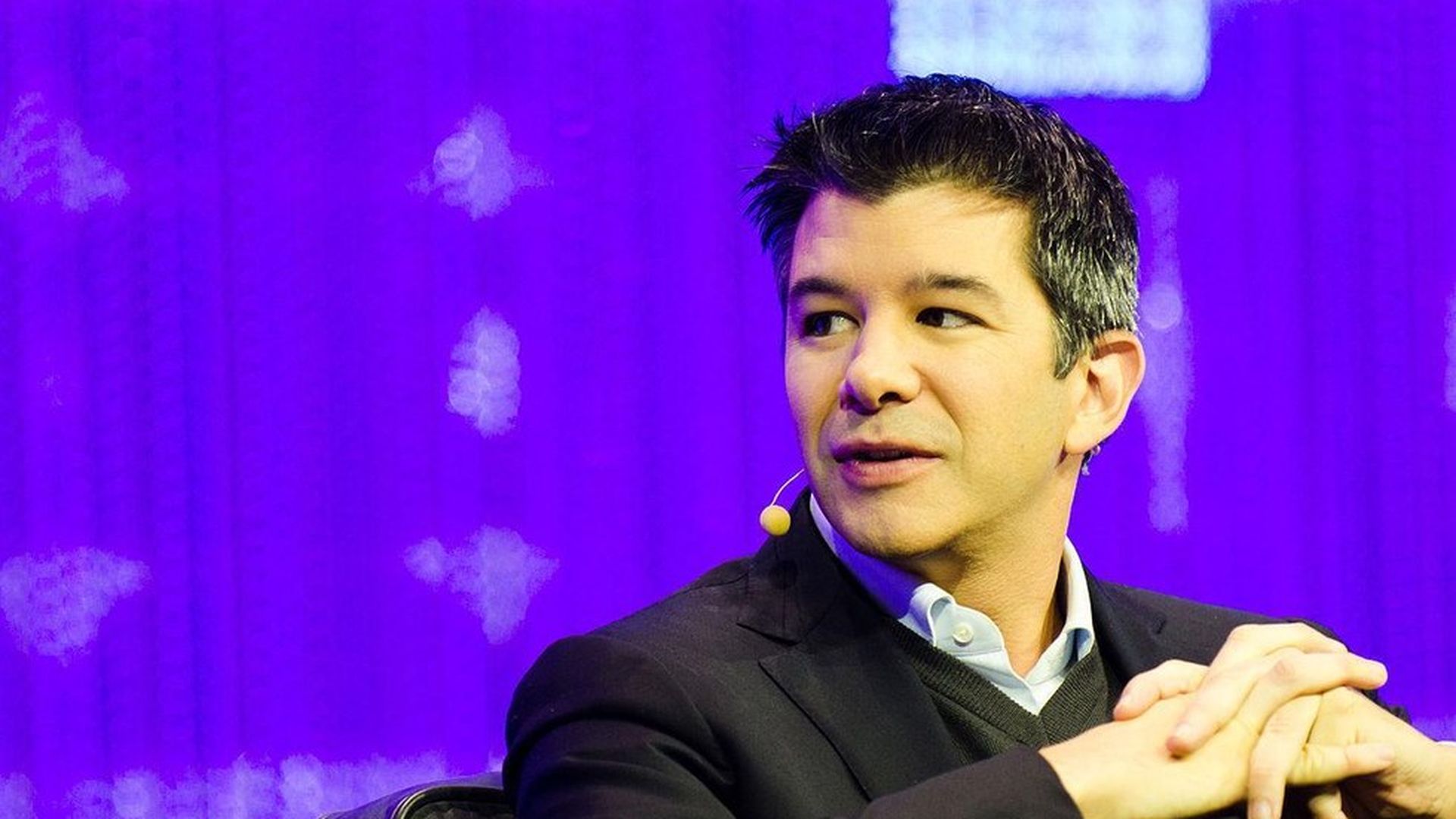
Uber's dysfunctional and toxic work culture is the headline reason for its current chaos. It threatened Uber's reputation and ability to attract and keep top talent.
But, as CEO Travis Kalanick goes on leave and loses some of his power when he comes back, a risk remains to Uber's out-of-this-world, $68 billion valuation. Dogged by a lawsuit that it stole its self-driving technology from Waymo, Uber has lost the undisputed perception of a company as likely as any to be central to the future of transportation. The Waymo case threatens to leave Uber armed with one of the world's best-known brand names, but still a taxi service, and less prepared than competitors for the widely forecast shift to self-driving cars, a transformation that Kalanick himself has called "basically existential" for Uber.





Uber investor resigns from board following sexist remark
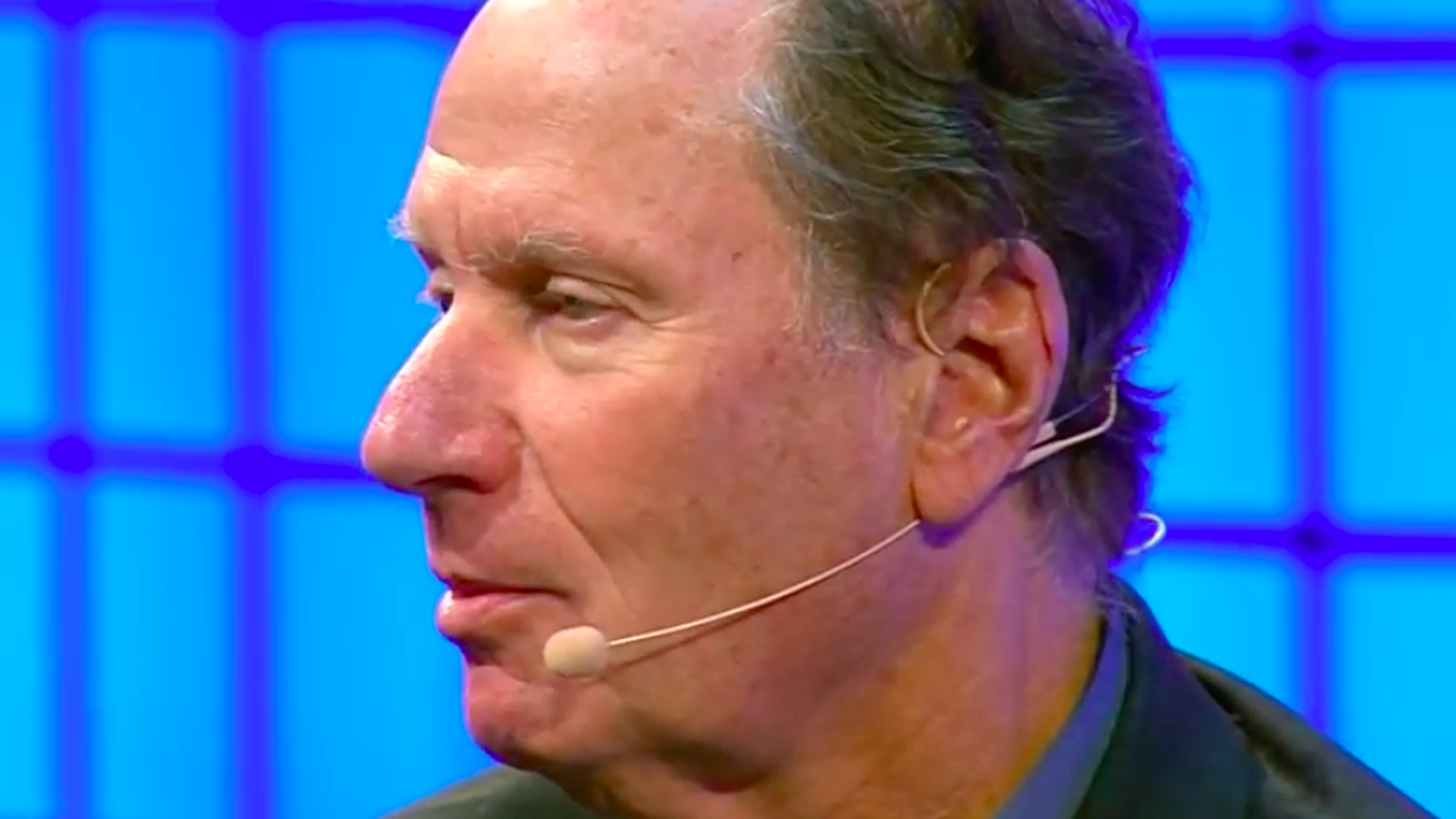
David Bonderman, chairman and founding partner of private equity giant TPG Capital, has resigned from Uber's board of directors following a sexist remark he made during a company meeting, as first reported by the NY Times and confirmed by Axios.
What happened: Bonderman was at Uber's headquarters on Tuesday morning, along with other board members and executives to present the findings of a months-long investigation into the company's workplace issues—including gender discrimination.
"Actually, what it shows is that it's much more likely to be more talking," Bonderman said to fellow board member Arianna Huffington as she was telling employees that having a female director has been shown to lead to the addition to more women.
What's next: Uber and TPG are currently in discussions about whether to replace Bonderman on the board with someone else from the TPG, according to a source familiar with the situation. One possibility could be TPG partner David Trujillo, who sourced the firm's original investment.


Yahoo, AOL employees brace for layoffs amid Verizon integration
AOL and Yahoo employees, now colleagues under the newly-formed Oath brand, are bracing for major layoffs to hit this week, multiple sources tell Axios. The changes come in response to Verizon officially completing its $4.5 billion purchase of most Yahoo assets on Tuesday.
Both companies have undergone multiple rounds of cuts already, and have been bracing for additional rounds for months.
"I think this is my 5th or 6th round of layoffs in 3 years," an AOL employee tells Axios.
Earlier this week The New York Times reported that the company was set to cut 2,100 positions after the deal went through, representing roughly 15% of the combined workforces at Yahoo and AOL.
Why it matters: Layoffs and staff shuffling are standard practices amid large-scale mergers and acquisitions, particularly when there are overlapping businesses, as is certainly the case with AOL and Yahoo.

U.S. wants to scrutinize China's investment in artificial intelligence

The United States wants to strengthen its ability to scrutinize Chinese investment in American tech companies, especially when it comes to artificial intelligence, per Reuters.
Why it matters: American officials fear that China's investment in AI companies is a prime example of an effort to overwhelm the U.S. with soft power. They say it puts some of America's most cutting-edge companies at the risk of becoming beholden to the defense whims of a foreign adversary.
YouTube strikes deal with music creators over performance rights

YouTube has come to a multi-year agreement with the trade group that represents music creatives to ensure music creators, publishers and songwriters are fairly compensated for the use of their music on YouTube. The agreement leverages YouTube's data exchange and the American Society of Composers, Authors and Publishers (ASCAP)'s music database to better identify proprietary works on YouTube to be able to create more monetization opportunities and transparency for artists.
Why it matters: The partnership is one of a few steps YouTube has taken to ensure it maintains a good relationship with the publishers that it relies on for popular content distribution. Similar efforts are being made by other major content distributors, like Apple News, Facebook, etc., to ensure that publishers continue to find value in sharing their content on big platforms.
Google: Most YouTube advertisers have returned since boycott
Google says most of the advertisers that paused their campaigns have returned to YouTube after a publisher boycott over controversial content earlier this year, but that the situation still wasn't totally behind them. Speaking at the Rutberg FM conference in Half Moon Bay, Calif., Google President of the Americas Allan Thygesen says the company won't rest until they bring all advertisers back to the platform and said they have implemented several new features to help facilitate that process, including:
Two-hour response time for the removal of bad content when it's reportedMore brand controls for advertisers to create options if they want to further filter the type of content their ads are aligned with Why it matters: Google has taken strategic steps to combat brand safety issues on YouTube, but as Thygesen concedes, some high-end brands are still cautious about running on the platform. For Google, the balance it needs to strike between creating a brand-safe environment while remaining open and accessible to everyone will always present a challenge, but updates like the ones today they hope will reduce boycott threats in the future. Gut checks: The YouTube boycott earlier this year barely had an impact on Google's overall revenue for the quarter. 400 hours of content uploaded every minute on Youtube, so it will always be nearly impossible for them to catch everything, but a two-hour response time guarantee is a tangible step.Google needs an Assistant: No, not for monitoring YouTube, but as a new business opportunity. Thygesen said the approach for Google Assistant (the voice-powered agent in Google Home and Android) is to focus now on building a product consumers like. But he said it could be a significant business down the road, noting search went for years without being monetized. "Once we have (a consumer product) that we are confident in, there will be some commercial opportunity."
Uber details changes, including time off for CEO Kalanick
Uber has revealed the results of an investigation into its workplace culture and said that CEO Travis Kalanick will take a leave of absence to further grieve for his mother, who recently died in a boating accident (his father also was seriously injured). There is no official return date for Kalanick although, when he does come back, some of his responsibilities will be assumed by a new chief operating officer for which Uber has been searching.
Twitter launches conversation buttons within Direct Messages
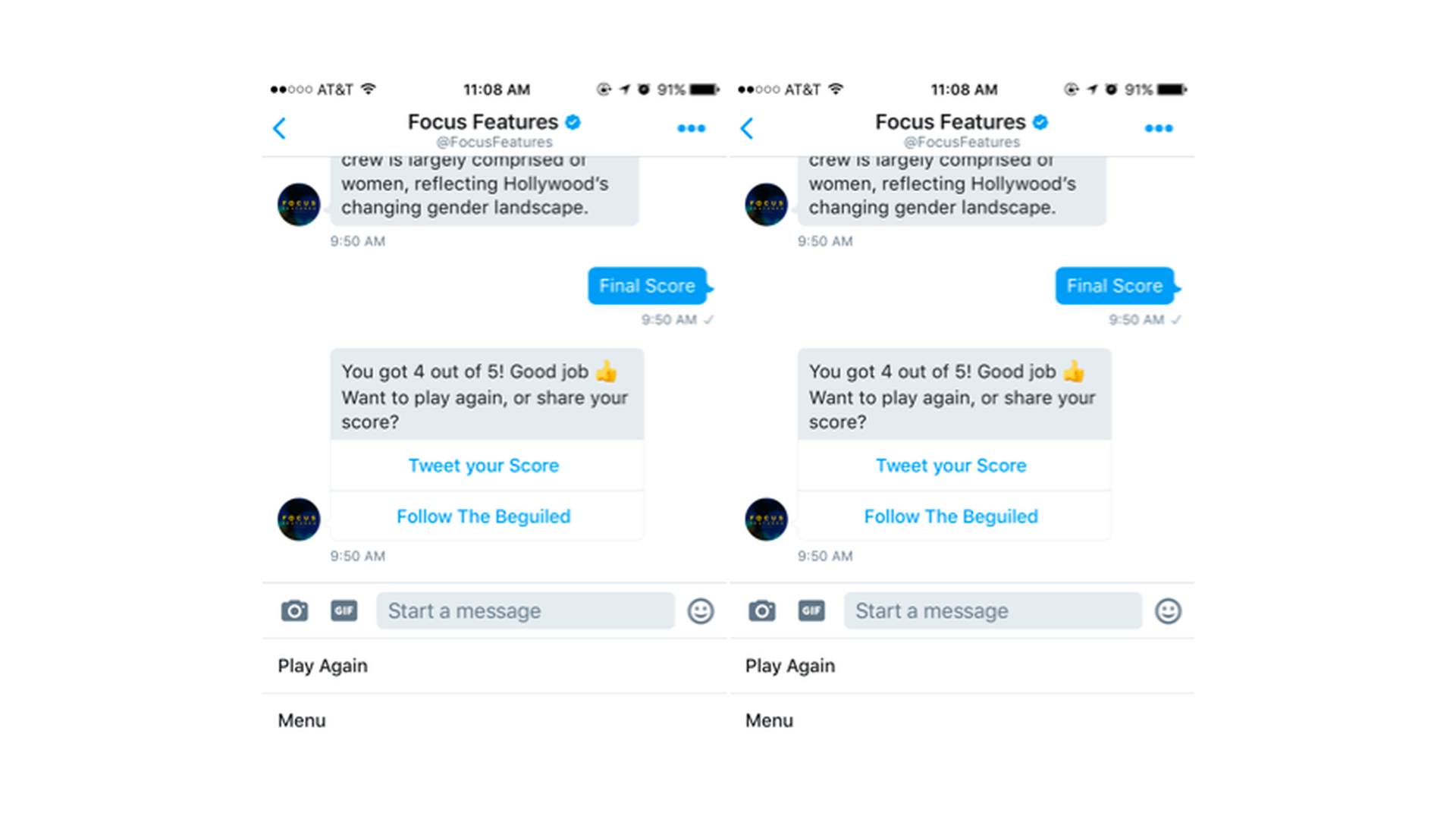
Twitter is adding a new feature that will allow businesses to attach buttons (powered by bots) to conversations within its Direct Messages platform. The buttons will prompt actions depending on conversations.
It's Twitter's shot at trying to help businesses deliver better customer service through the platform, like letting people buy movie tickets, take quizzes, play games, or navigate to a web page where you can buy a product. The bot-driven conversations can help users perform new automated tasks, like visit a website, follow new accounts, or start conversations with other related accounts.
Why it matters: Bots open up ways for businesses to better engage customers. For Twitter, and other data-driven platforms, using audience data to target ads to drive sales is just one way businesses can leverage the platform. In adding this option, on top of other Direct Message additions added recently, Twitter is hoping to become a prime destination for brands to connect with consumers.

Tim Cook confirms Apple is working on self-driving cars
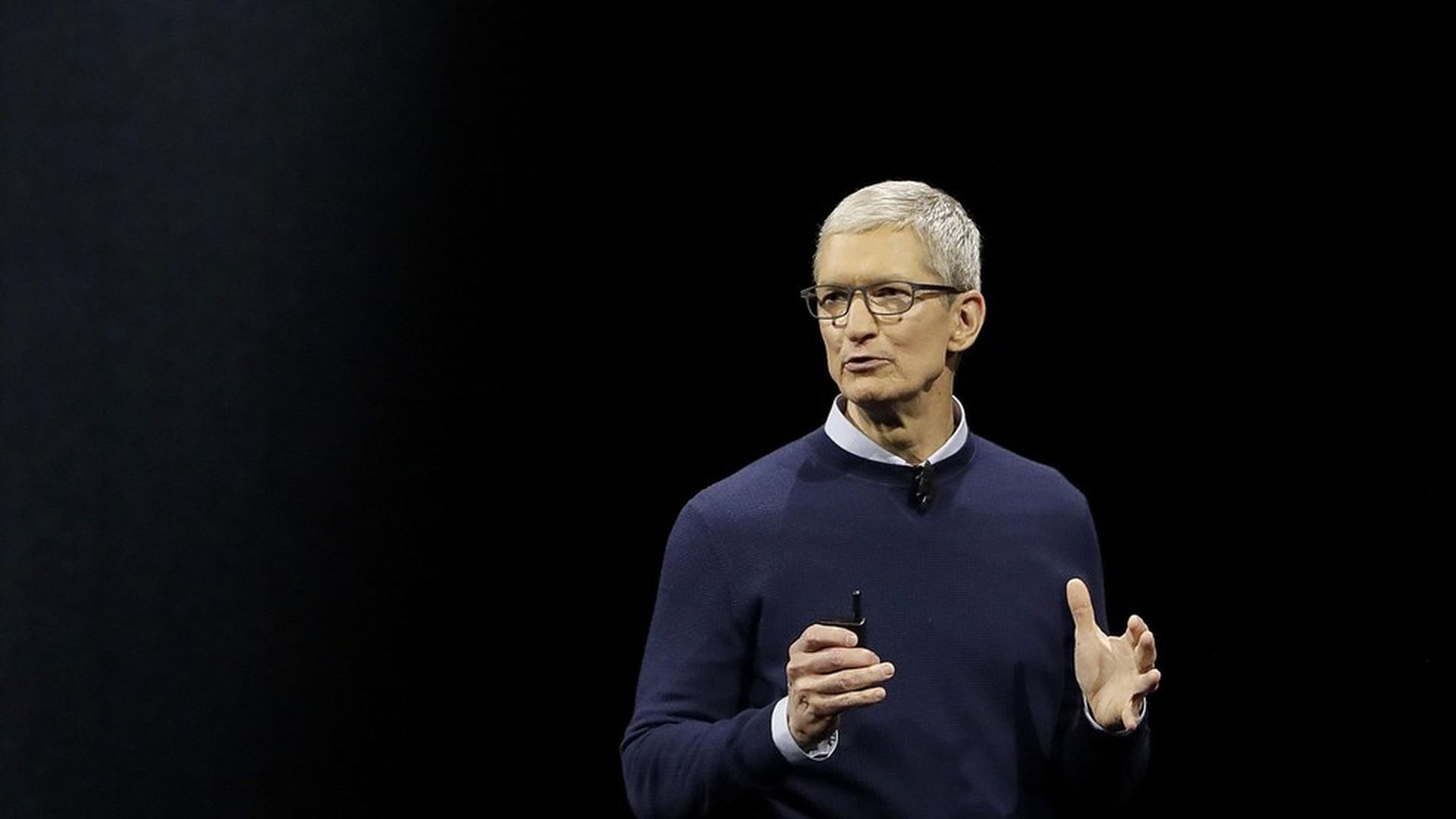
Apple CEO Tim Cook has, for the first time, confirmed the company's plans for developing self-driving cars.
"We're focusing on autonomous systems," Cook told Bloomberg Television on June 5. "We sort of see it as the mother of all AI [artificial intelligence] projects."
Why this matters: Although Apple has been rumored to be working on some sort of self-driving car technology for the past few years, the Bloomberg interview marks the first time Cook has discussed the specifics of Apple's autonomous vehicle plans. Last week, Cook hinted that Apple may have AI news coming soon when he told MIT Technology Review the company shouldn't be discounted as being on the cutting edge of AI technology just because they "don't wan't to talk about" their plans.
The women trying to change the face of Uber
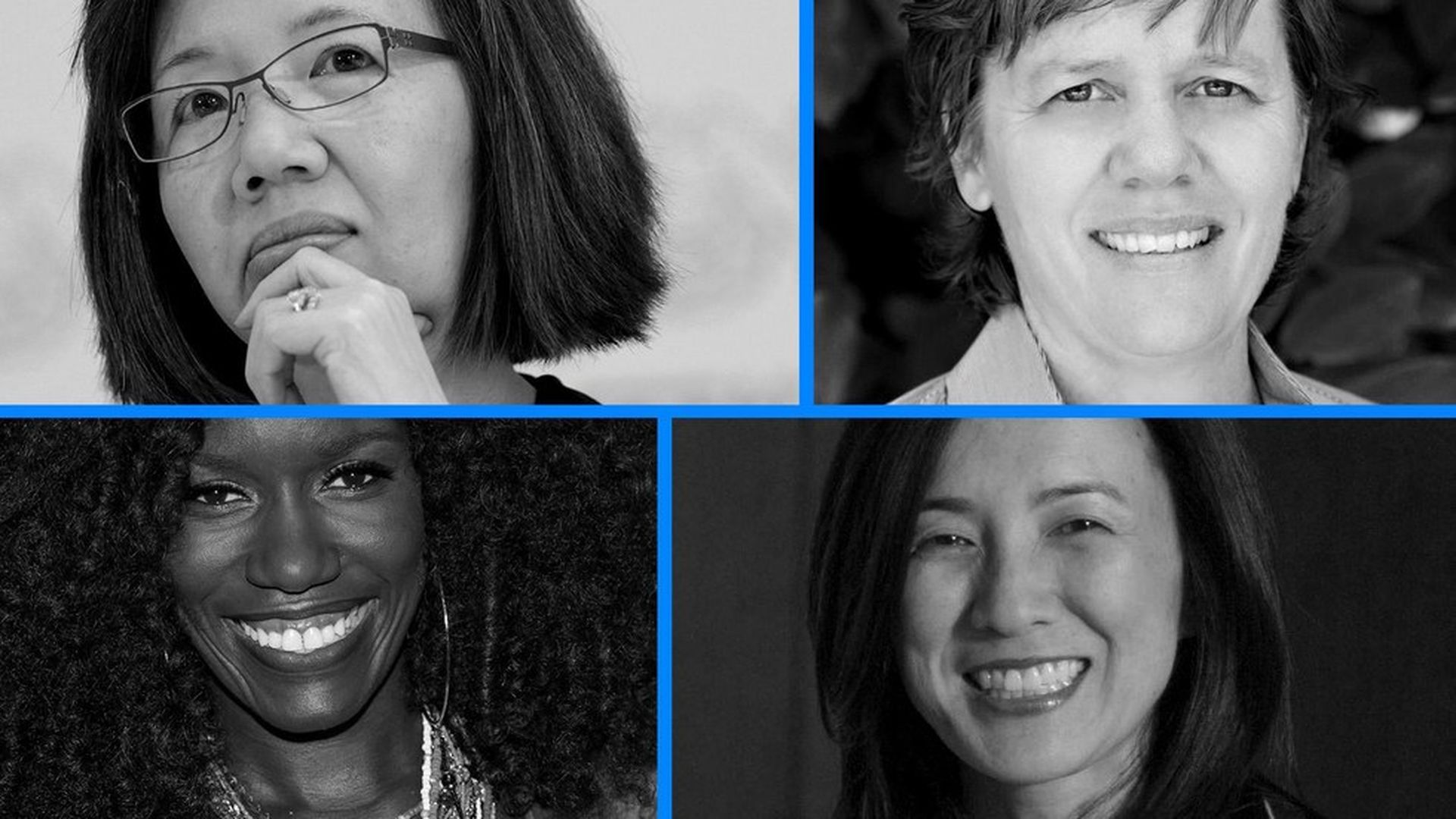
Uber is still figuring out the full plan to change its frat culture image, but it's clear that a helpful step is increasing the ranks of women in upper management — four have been added in recent weeks.
The big question: One job Uber needs to fill is chief operating officer, which would ideally go to a seasoned female executive to help re-balance its company culture, according to Recode. The company kicked off the search in March in response to a former employee's explosive allegations of sexism and discrimination and trade-secret theft from Waymo.
In your next job, you may need to know how to make a bot
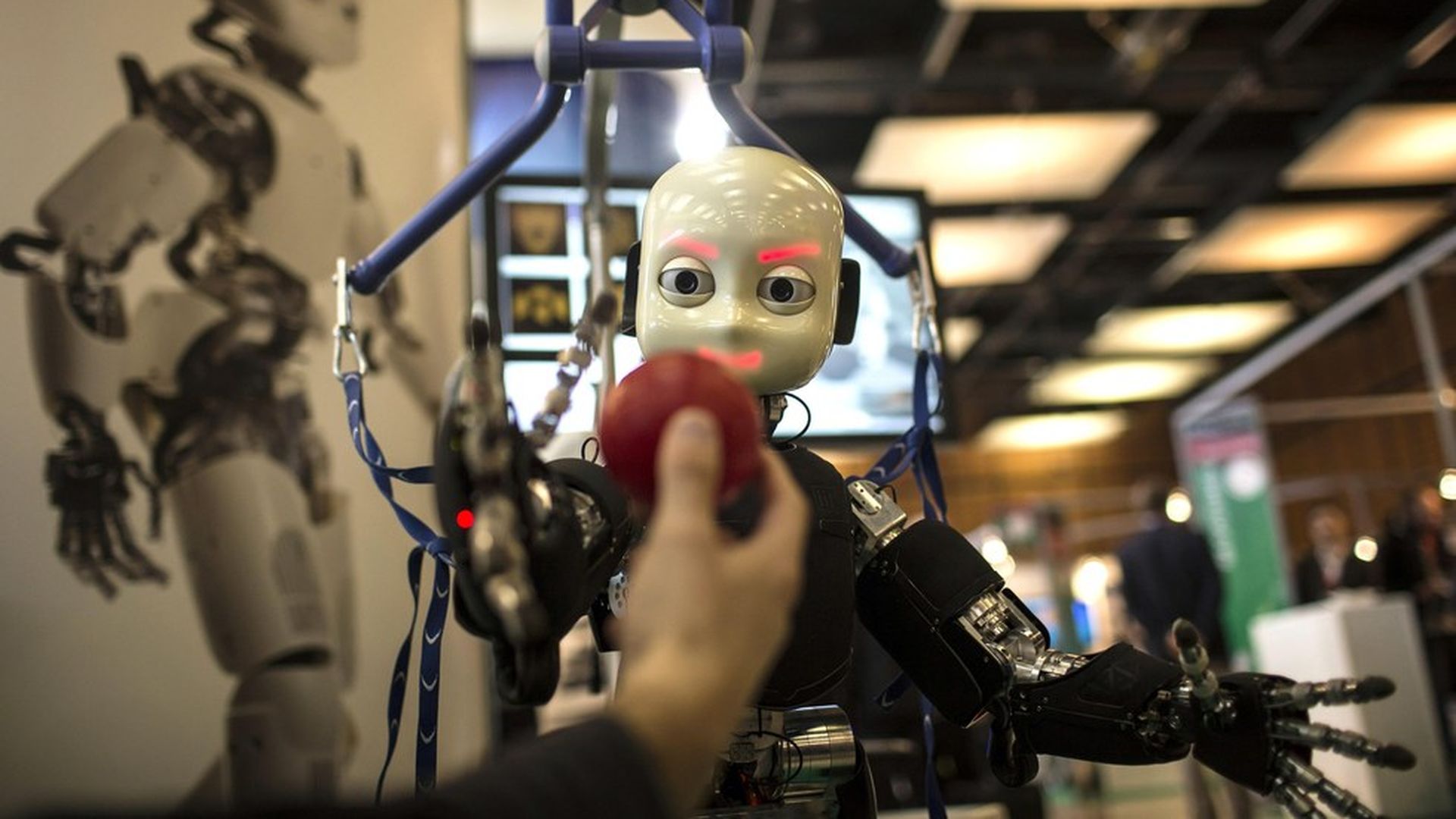
Workers may soon be expected to know how make "bots" that automate parts of their own jobs, according to Deloitte Consulting.
Marc Mancher runs a Deloitte team that trains government employees to create "software bots" that automatically do paperwork like mass invoicing. He told Axios that, as a carryover, members of his staff now create bots that streamline their own jobs, and that that will become a standard skill in the workforce in the near-term.
"If you could automate those repetitive tasks in your job, would you? Yes, of course, you would," he said. "As this technology becomes more widely adopted, we think it's likely to become 'standard issue' on employees' computers. People can identify tasks for automation, train their own bots, and then focus more on value-add type of work."