One intriguing element of Amazon's $13.7 billion deal for Whole Foods is the latter's relationship with grocery delivery service Instacart, which is valued at $3.4 billion — a relationship whose importance varies, depending on how you look at it.
Very important: As of a year ago, Instacart orders accounted for "mid-to-high single digits" of Whole Foods sales in markets where the service is available, with some stores having an average order size of $100, per an earnings call. At some stores, Instacart accounted for as much as 15% of total sales, according to TechCrunch.
Not really important: At the same time, Instacart accounts for a very small percentage of Whole Foods' overall revenue. The grocer says that it expects to generate nearly $400 million in digital sales in 2017, mostly through Instacart, which would be only around 2.5% of anticipated overall sales. Whole Foods also represents just under 10% of Instacart's sales, a source tells Axios, though it's unclear if this includes delivery and service fees.
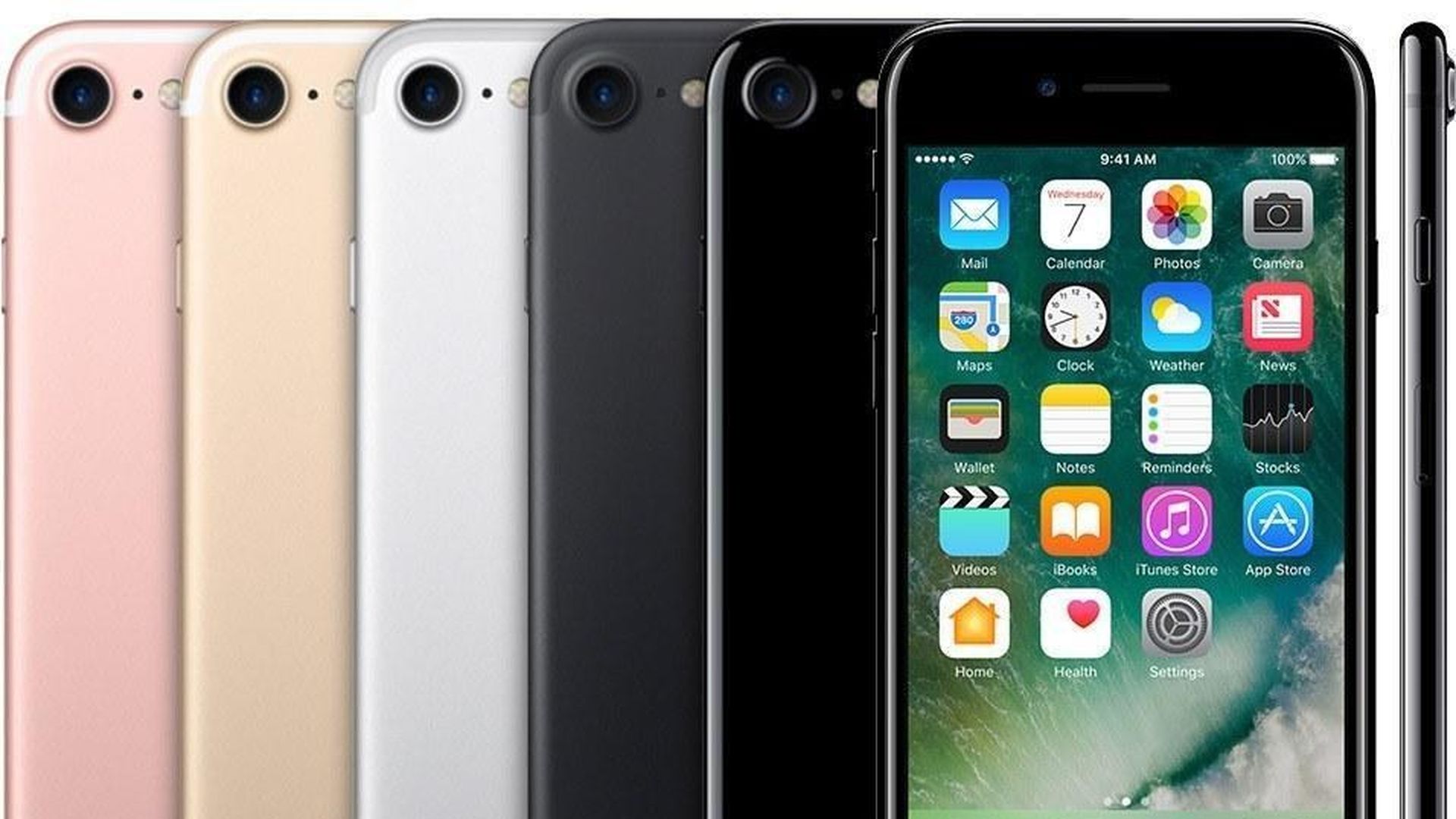
Apple appears to be getting ready to add more sophisticated augmented reality features to the next iPhone, based on the comments of a component supplier on Thursday. On its earnings call, Finisar said it expects one company to account for millions of units of a specialized laser. While it didn't mention Apple by name, Loup Ventures said Friday it believes Apple is that unnamed customer.
Why it matters: Apple already added its ARKit to the next version of the iPhone operating system; Adding AR capabilities to the iPhone could help distinguish it in the increasingly competitive smartphone market. Loup also said that based on Finisar's comments it expects the next iPhone to be announced in September and ship in October.
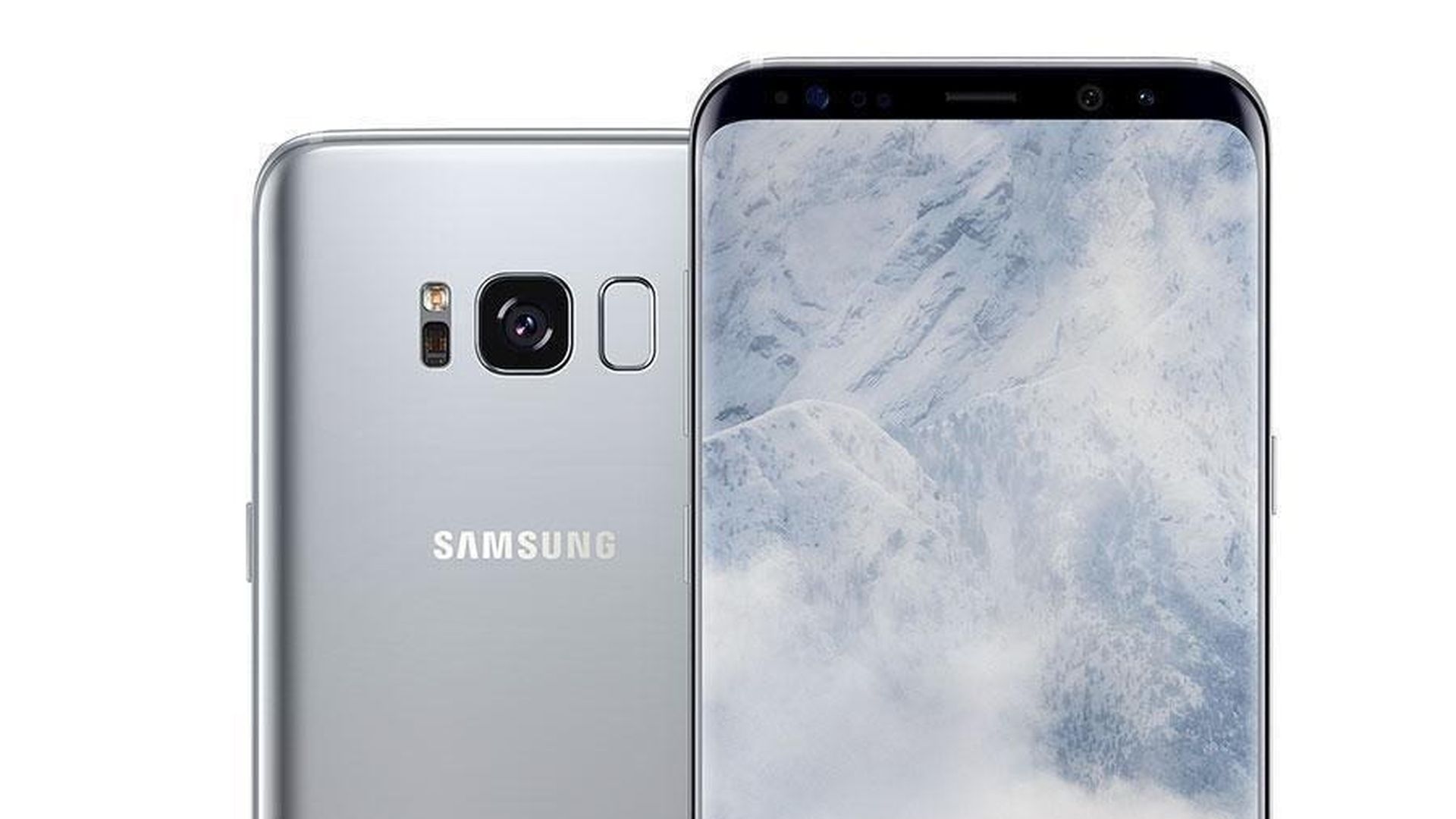
Samsung said Friday it will soon give some Samsung Galaxy S8 owners the chance to try out its twice-delayed Bixby voice assistant. Those interested in participating can sign up here.
For now, Bixby will only work with a couple Samsung apps, but the company said it plans to expand its abilities over time, including to third-party applications.
Why it matters: Samsung faces an uphill battle trying to challenge Google, Amazon and Apple in the world of voice assistants. its pitch is that while others are already out there with basic commands, Bixby can handle virtually all the controls of certain apps via voice.
Amazon on Friday made the largest deal in its 23-year history, agreeing to buy Whole Foods for $13.7 billion. This is by far its largest corporate acquisition (per Thomson Reuters), dwarfing its $970 million purchase of live video streaming platform Twitch and the $1.2 billion purchase of its Seattle headquarters from Microsoft co-founder Paul Allen.
Amazon is buying Whole Foods for $13.7 billion, a substantial broadening of its push into brick-and-mortar retail and fast-delivery.
Why it matters: This is yet another way the e-commerce giant is breaking into the physical space and taking over brick-and-mortar stores — which they previously argued were obsolete. And this further helps Amazon tap into the grocery market, which earns significantly more money than the e-grocery markets.
Google could face a fine of up to €1 billion in three new antitrust actions that EU officials are planning to take against the company for its abusive search practices, the Financial Times reports. In the coming weeks, the EU is expected to sanction Google for using its search market dominance to favor its own Google Shopping services, giving them an unfair advantage in the market.
Record breaker: The fine would mark the first EU case that prosecutes search practices, and is expected to break the record for a monopoly abuse charge.
The move could reignite tensions with Silicon Valley from last summer, when Europe's competition commissioner, Margrethe Vestager, billed Apple with a record €13 billion tax.
In a new paper, Facebook researchers claim an advance in the capacity of chatbots to conduct sophisticated conversations — the ability to negotiate.
In a blog post, artificial intelligence researcher Mike Lewis and four colleagues say they trained chatbots to find a fair resolution of a conflict over possessions. The interesting thing is that the chatbots were started out knowing only their own interests _ which of the possessions they wanted _ and not those of their negotiating opponent. But, speaking grammatical English, they figured out the reasonably just solution by themselves. They even at times employed deceit.
Why it's important: The research must now advance from the narrow focus of this experiment. But the proof of concept suggests more advanced digital assistants than commercially available at the moment that can not only organize your calendar but resolve complex conflicts, such as sales negotiations.
Facebook makes significant use of artificial intelligence — as well as many human employees — to spot and combat terrorist use of its platform, it said in a rundown of its efforts published Thursday. The key points:
The company deploys artificial intelligence to detect when people try to repost photos and videos associated with terrorism, when the text of a post may be "advocating for terrorism" and when there are "new fake accounts created by repeat offenders."
Over 150 of its employees are "are exclusively or primarily focused on countering terrorism as their core responsibility," and are better able to determine when law enforcement needs to be alerted than A.I.
Why it matters: Facebook, Google, and Twitter are under extreme pressure from governments around the world to help in the fight against violent extremists who use the platforms. The leaders of France and Great Britain, for example, are exploring whether sites should be legally liable when they don't remove extremist content.
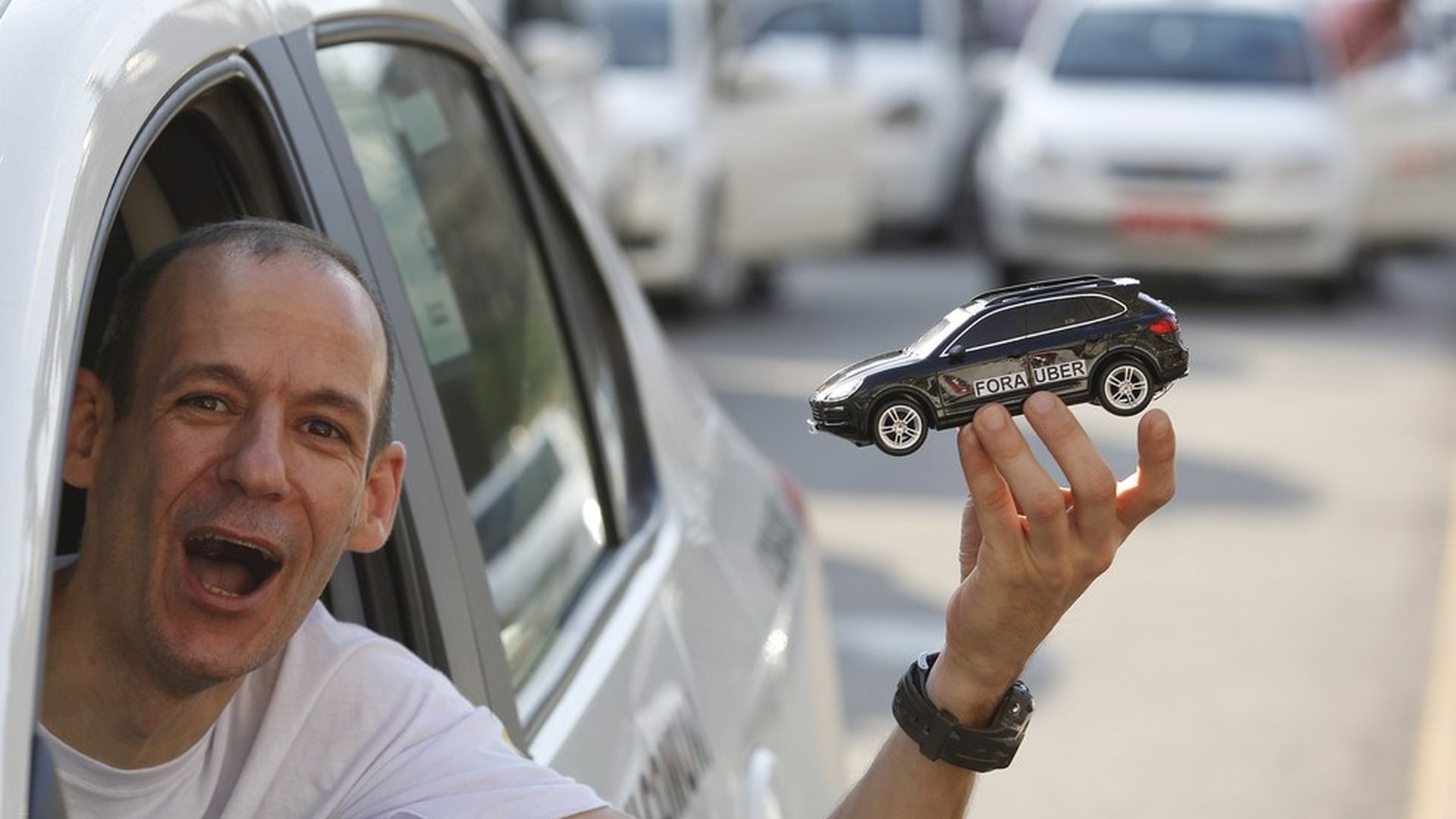
Cappingoff the last several days of headlines about Uber's long-awaited investigation about its workplace issues, Fortune executive editor Adam Lashinsky sat down with Recode executive editor Kara Swisher to discuss his new book, Wild Ride, on the ever-embattled ride-hailing company.
Why it matters: Despite its many controversies, Uber has become a highly influential company and the highest-valued startup in history. Its fate is sure to have an impact on the business world, whether it succeeds and goes public or goes down in flames.
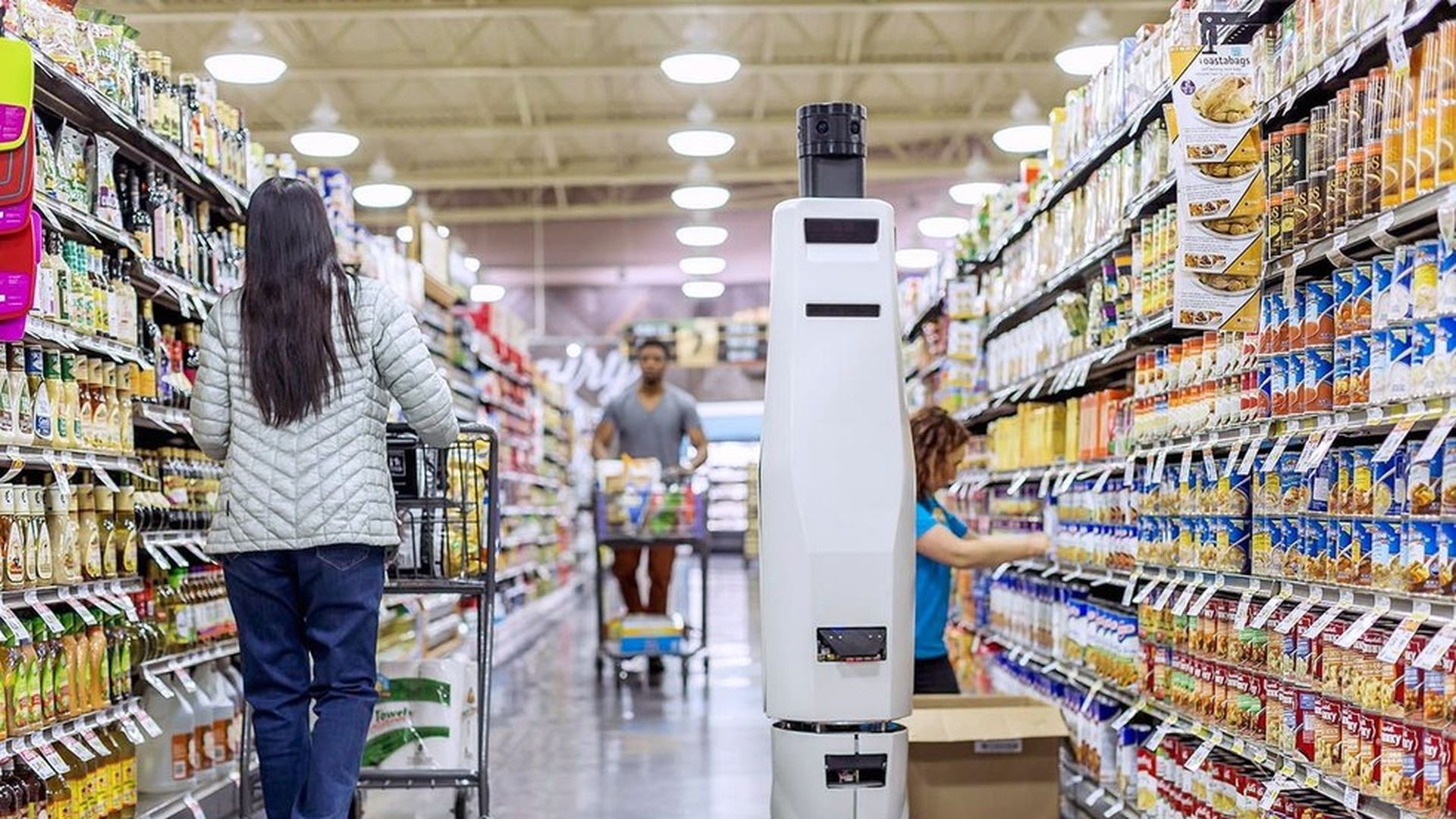
After their break into the fast-food industry, robots are about to debut in big retail stores: Later this year, a Carnegie Mellon University spinoff is launching a mobile robot that it says can work agilely around workers and shoppers while keeping track of inventory.
Sarjoun Skaff, founder of Bossa Nova Robotics, would not say which store his robots will debut in, but only that it is a big-box retail chain. He said Bossa Nova, a Pittsburgh startup that has raised $24 million in venture capital, has been testing the tall, skinny, wheeled robots in stores for four years.
Why it matters: Look for the relatively fast arrival of such robots in grocery and other big stores, which are seeking to staunch losses as shopping shifts online. One big money suck: mislaid, lost and poorly tracked inventory, which according to studies results in billions of dollars in losses a year.
President Trump mocked the Washington Post's Wednesday report on Thursday, and called the notion that he's being investigated for obstruction of justice a "phony" story:
Why this matters: The WaPo report marks the first time that Trump is being investigated for his handling of the Russia investigation, and comes just days after fired FBI Director James Comey detailed Trump's unconventional behavior.
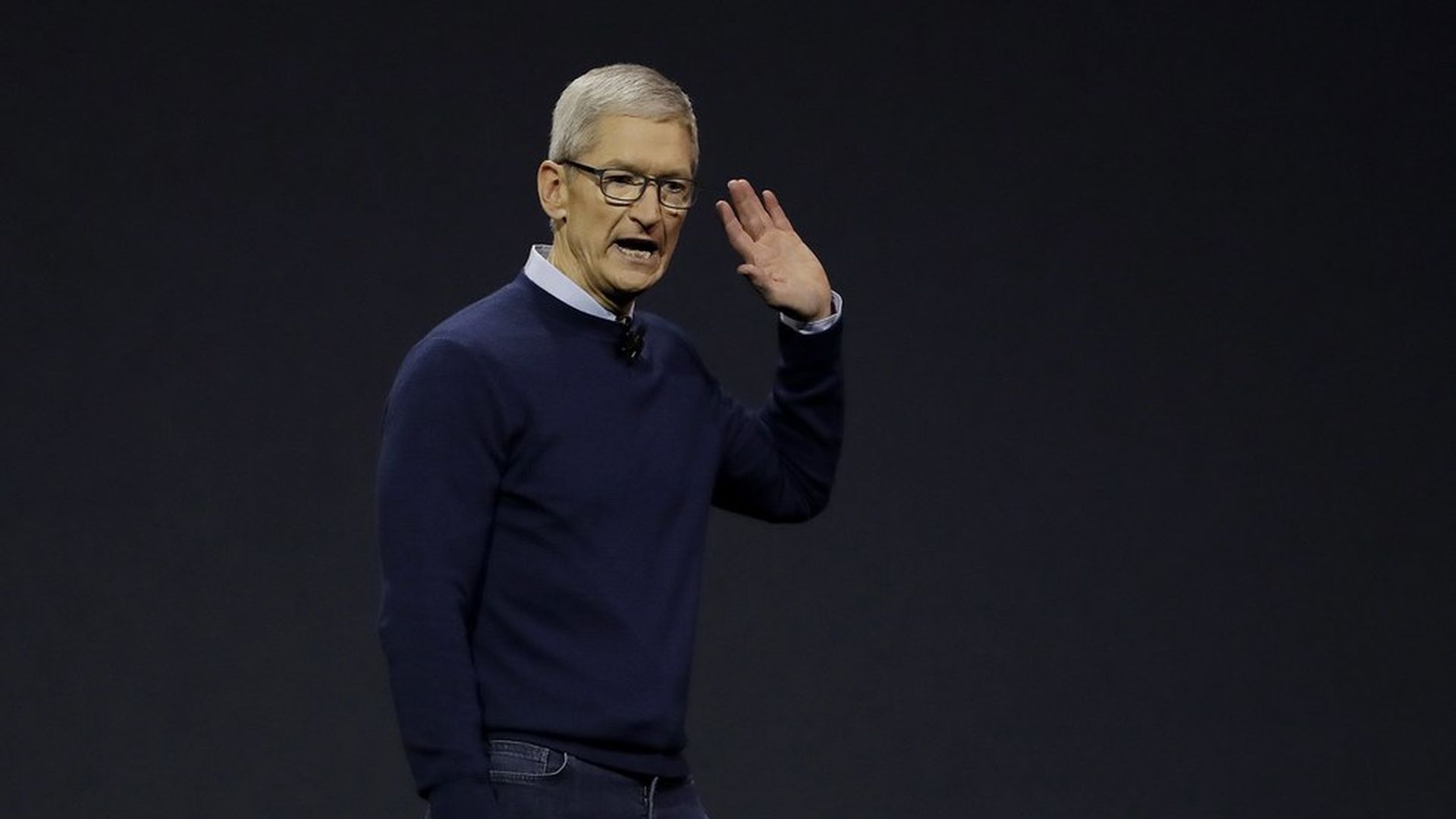
The head of the most valuable company in the world talks to Bloomberg Businessweek Editor Megan Murphy: "You've talked a lot about augmented reality at the heart of the company's future. How do you see AR moving forward?"
Apple CEO, Tim Cook:
"I think it is profound. I am so excited about it, I just want to yell out and scream. ... We've talked to IKEA, and they have 3D images of their furniture line. You're talking about changing the whole experience of how you shop for, in this case, furniture and other objects that you can place around the home. You can take that idea and begin to think this is something that stretches from enterprise to consumer. There's not a lot of things that do that."
"What's been your experience of working with Donald Trump?"
Cook: "I've pushed hard on immigration. We clearly have a very different view on things in that area. I've pushed on climate. We have a different view there. ... We're dramatically different. I hope there's some areas where we're not. His focus on jobs is good. So we'll see.
"At the end of the day, I'm not a person who's going to walk away and say, 'If you don't do what I want, I leave.' I'm not on a council, so I don't have those kind of decisions. But I care deeply about America. I want America to do well. America's more important than bloody politics from my point of view."
Letter from Murphyon the relaunch of Bloomberg Businessweek: "The new Bloomberg Businessweek is more global, with American, European, and Asian editions. ... A redesigned app [features] a curated selection of daily content, customized for readers by region."
Careem, Uber's biggest rival in the Middle East, has raised $150 million to close out a $500 million funding round. Saudi billionaire Prince Alwaleed bin Talal's Kingdom Holding (also an investor in Lyft) led the round, with Daimler, DCM Ventures, and Coatue Management also participating. Careem is now valued at over $1 billion, said the company.
Why it matters: Uber's competition is stiffening as its local competitors around the world continue to raise more money. What's more, though these rivals generally face the same regulatory obstacles in their home markets, they also benefit from being more familiar with those same markets.