Thursday's technology stories

Facebook turns to artificial intelligence in terrorism fight
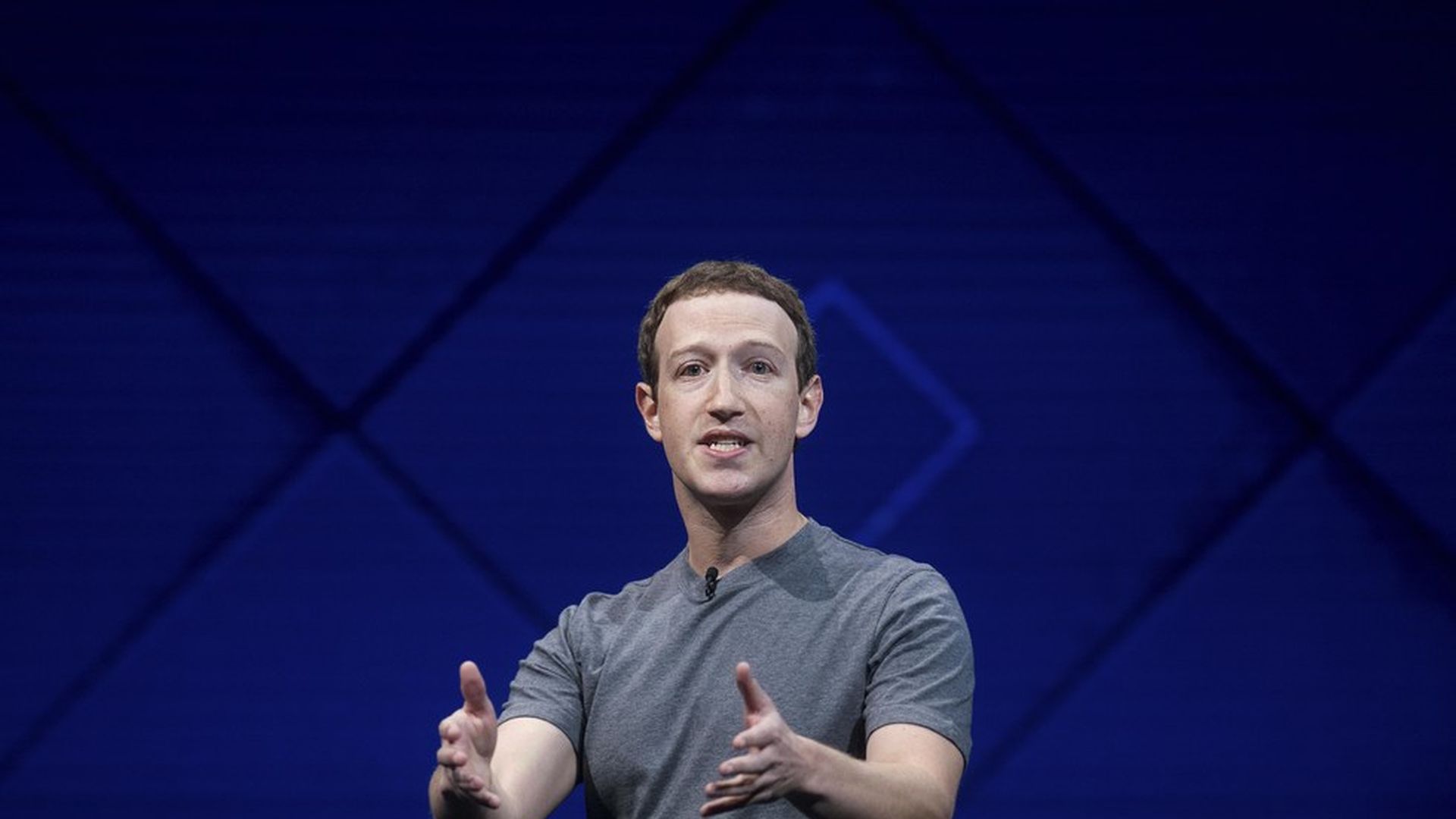
Facebook makes significant use of artificial intelligence — as well as many human employees — to spot and combat terrorist use of its platform, it said in a rundown of its efforts published Thursday. The key points:
- The company deploys artificial intelligence to detect when people try to repost photos and videos associated with terrorism, when the text of a post may be "advocating for terrorism" and when there are "new fake accounts created by repeat offenders."
- Over 150 of its employees are "are exclusively or primarily focused on countering terrorism as their core responsibility," and are better able to determine when law enforcement needs to be alerted than A.I.
Why it matters: Facebook, Google, and Twitter are under extreme pressure from governments around the world to help in the fight against violent extremists who use the platforms. The leaders of France and Great Britain, for example, are exploring whether sites should be legally liable when they don't remove extremist content.

Veteran journalists dish about Uber's wild ride
Capping off the last several days of headlines about Uber's long-awaited investigation about its workplace issues, Fortune executive editor Adam Lashinsky sat down with Recode executive editor Kara Swisher to discuss his new book, Wild Ride, on the ever-embattled ride-hailing company.
Why it matters: Despite its many controversies, Uber has become a highly influential company and the highest-valued startup in history. Its fate is sure to have an impact on the business world, whether it succeeds and goes public or goes down in flames.

The skinny guy in the cereal aisle is a robot
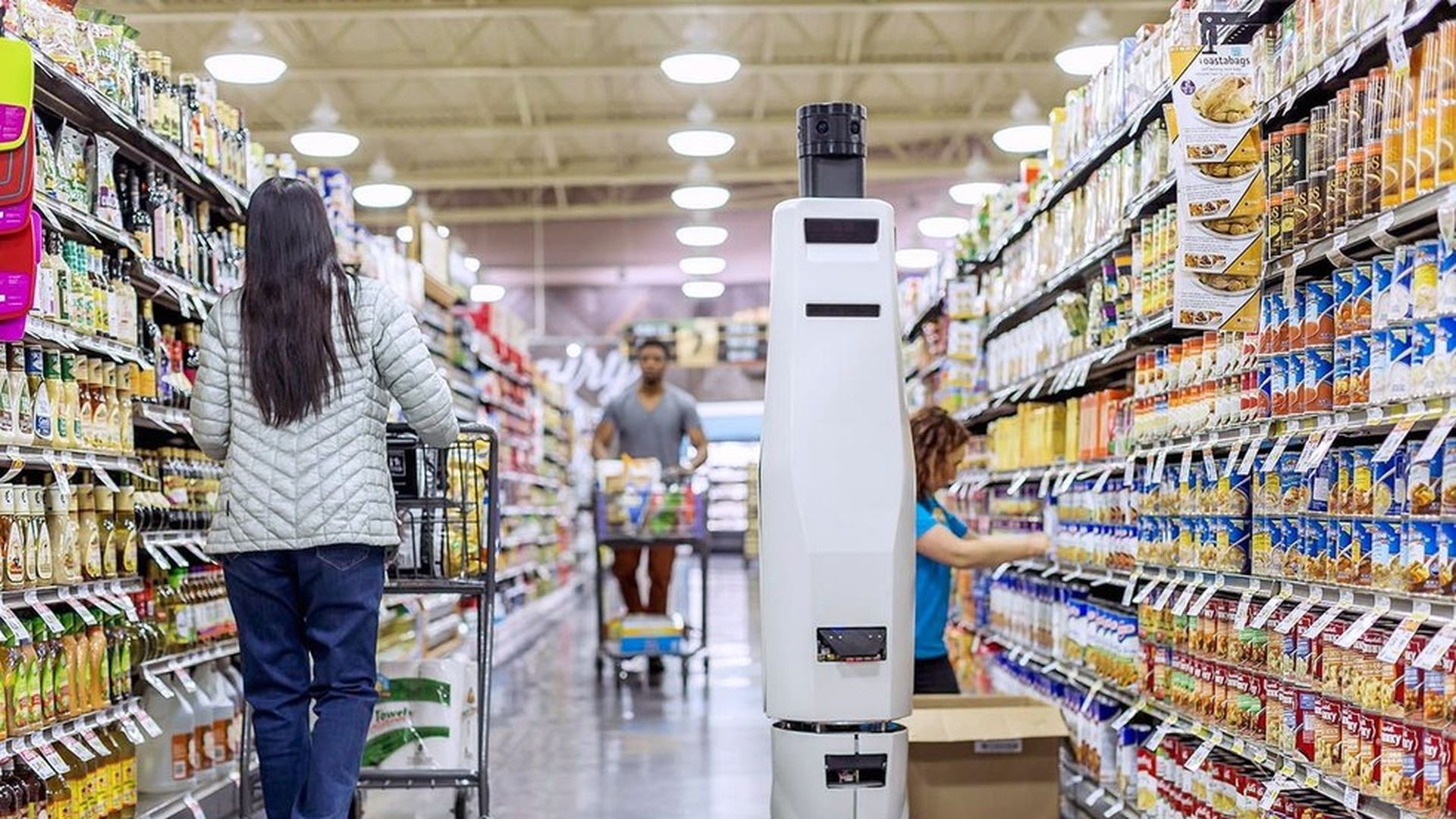
After their break into the fast-food industry, robots are about to debut in big retail stores: Later this year, a Carnegie Mellon University spinoff is launching a mobile robot that it says can work agilely around workers and shoppers while keeping track of inventory.
Sarjoun Skaff, founder of Bossa Nova Robotics, would not say which store his robots will debut in, but only that it is a big-box retail chain. He said Bossa Nova, a Pittsburgh startup that has raised $24 million in venture capital, has been testing the tall, skinny, wheeled robots in stores for four years.
Why it matters: Look for the relatively fast arrival of such robots in grocery and other big stores, which are seeking to staunch losses as shopping shifts online. One big money suck: mislaid, lost and poorly tracked inventory, which according to studies results in billions of dollars in losses a year.

Trump mocks WaPo report on obstruction of justice probe
President Trump mocked the Washington Post's Wednesday report on Thursday, and called the notion that he's being investigated for obstruction of justice a "phony" story:
Why this matters: The WaPo report marks the first time that Trump is being investigated for his handling of the Russia investigation, and comes just days after fired FBI Director James Comey detailed Trump's unconventional behavior.

Tim Cook: “When I think about the big things, I think about AR”
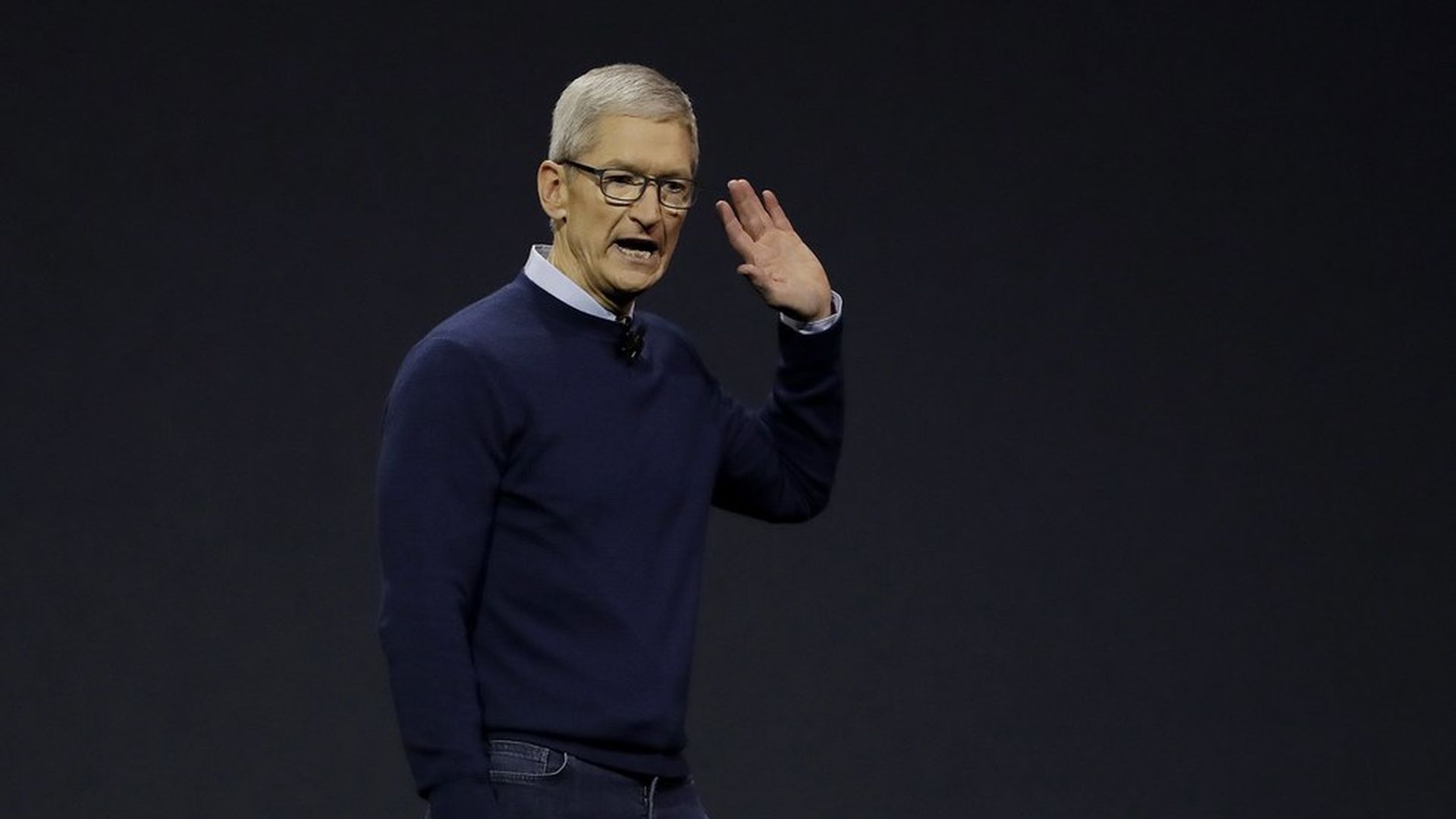
The head of the most valuable company in the world talks to Bloomberg Businessweek Editor Megan Murphy: "You've talked a lot about augmented reality at the heart of the company's future. How do you see AR moving forward?"
Apple CEO, Tim Cook:
"I think it is profound. I am so excited about it, I just want to yell out and scream. ... We've talked to IKEA, and they have 3D images of their furniture line. You're talking about changing the whole experience of how you shop for, in this case, furniture and other objects that you can place around the home. You can take that idea and begin to think this is something that stretches from enterprise to consumer. There's not a lot of things that do that."
"What's been your experience of working with Donald Trump?"
Cook: "I've pushed hard on immigration. We clearly have a very different view on things in that area. I've pushed on climate. We have a different view there. ... We're dramatically different. I hope there's some areas where we're not. His focus on jobs is good. So we'll see.
"At the end of the day, I'm not a person who's going to walk away and say, 'If you don't do what I want, I leave.' I'm not on a council, so I don't have those kind of decisions. But I care deeply about America. I want America to do well. America's more important than bloody politics from my point of view."
Letter from Murphy on the relaunch of Bloomberg Businessweek: "The new Bloomberg Businessweek is more global, with American, European, and Asian editions. ... A redesigned app [features] a curated selection of daily content, customized for readers by region."
Uber's rival in the Middle East raises $150 million
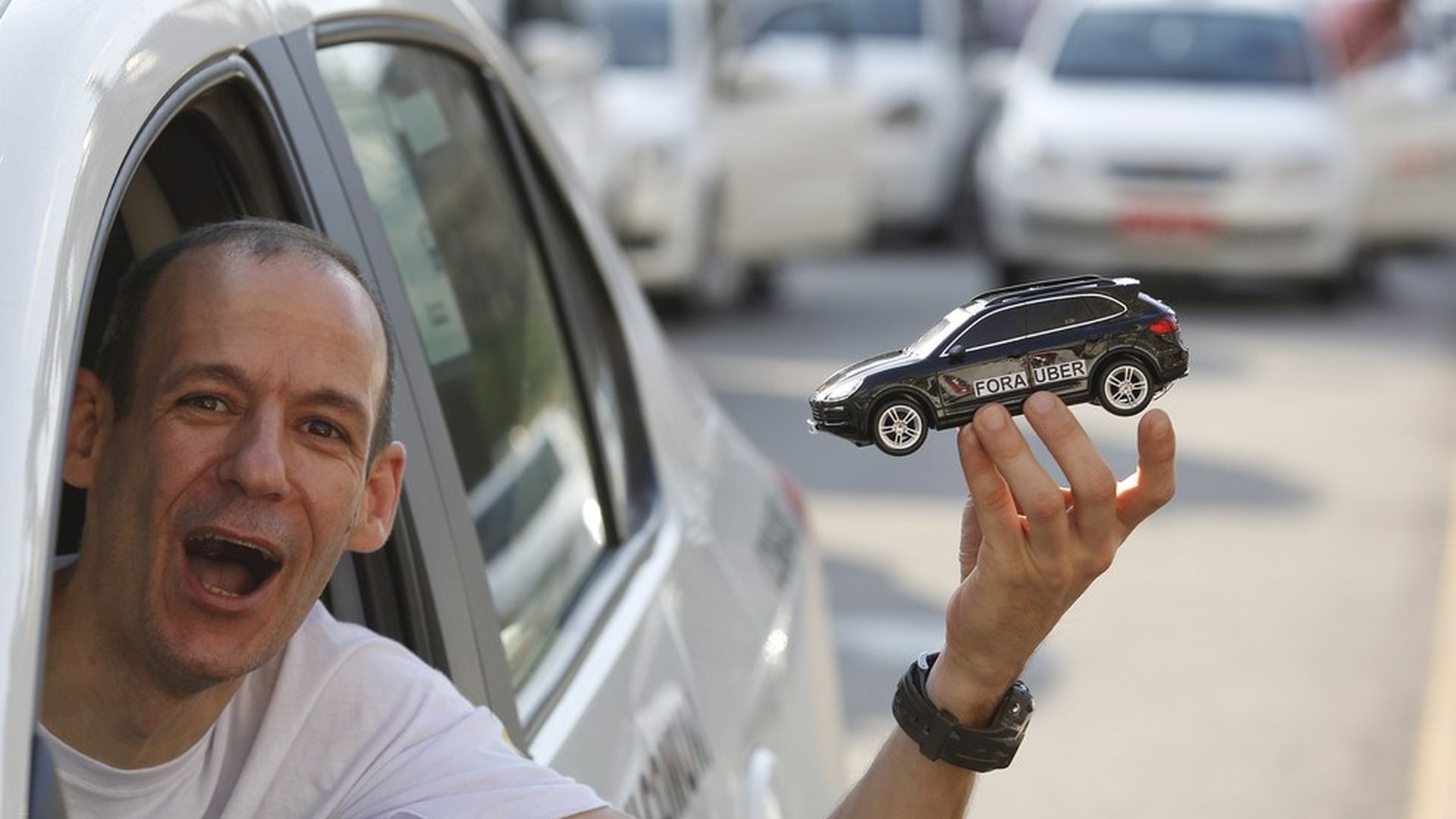
Careem, Uber's biggest rival in the Middle East, has raised $150 million to close out a $500 million funding round. Saudi billionaire Prince Alwaleed bin Talal's Kingdom Holding (also an investor in Lyft) led the round, with Daimler, DCM Ventures, and Coatue Management also participating. Careem is now valued at over $1 billion, said the company.
Why it matters: Uber's competition is stiffening as its local competitors around the world continue to raise more money. What's more, though these rivals generally face the same regulatory obstacles in their home markets, they also benefit from being more familiar with those same markets.
Security, privacy concerns over self-driving car data
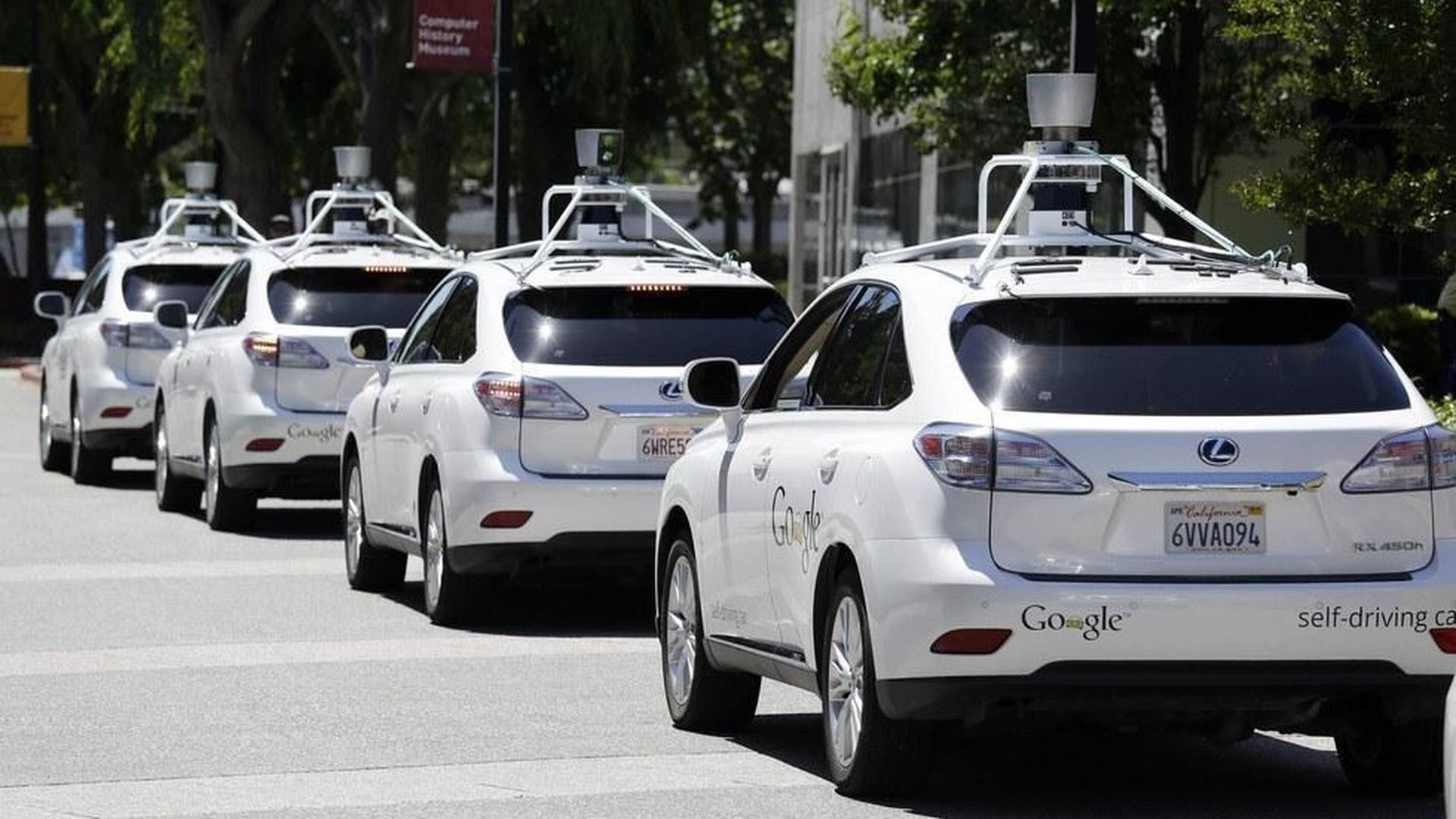
Some lawmakers see a potential dark side in the chance that self-driving cars will generate massive amounts of data that could later be exposed:
- From the right: "Autonomous vehicles will be collecting all kinds of data — pictures and video — every second that they're in operation," said conservative Sen. James Inhofe during a Senate Commerce Committee hearing on Wednesday. "And what we don't want is the wrong people to get ahold of that."
- From the left: Democrat Ed Markey, a major privacy advocate, also had concerns. "We should not have to choose as Americans between being connected and being protected," he said. He asked witnesses at the hearing if the industry should have "mandatory cybersecurity standards" and other features to deal with hacking.
Uber's $68 billion valuation at risk amid culture crisis
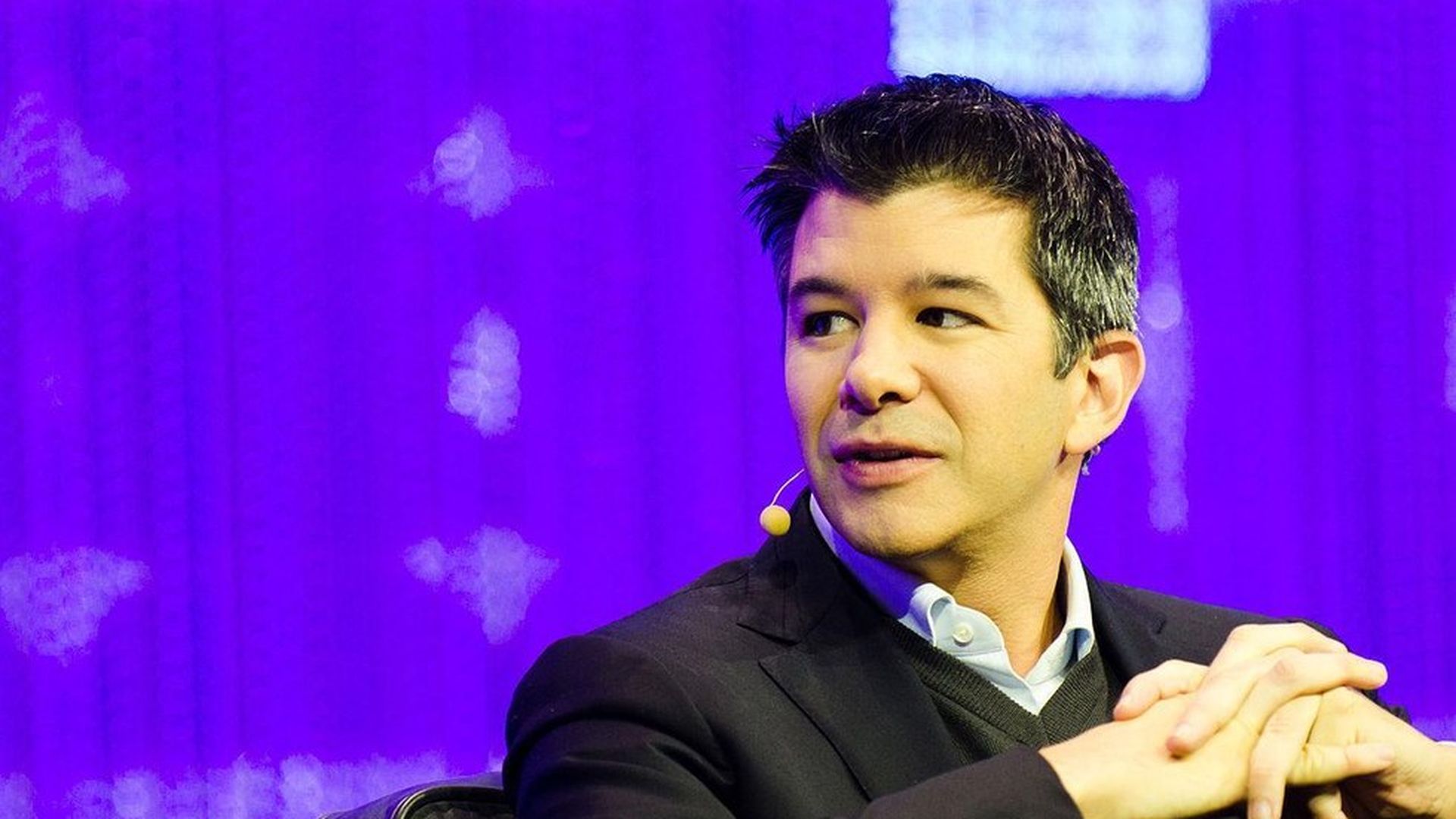
Uber's dysfunctional and toxic work culture is the headline reason for its current chaos. It threatened Uber's reputation and ability to attract and keep top talent.
But, as CEO Travis Kalanick goes on leave and loses some of his power when he comes back, a risk remains to Uber's out-of-this-world, $68 billion valuation. Dogged by a lawsuit that it stole its self-driving technology from Waymo, Uber has lost the undisputed perception of a company as likely as any to be central to the future of transportation. The Waymo case threatens to leave Uber armed with one of the world's best-known brand names, but still a taxi service, and less prepared than competitors for the widely forecast shift to self-driving cars, a transformation that Kalanick himself has called "basically existential" for Uber.