Why it matters: Uber is struggling to bounce back from a string of high-profile controversies, including CEO Travis Kalanick's leave of absence. Still, it has a massive footprint in the business world, as the highest-valued startup in history.
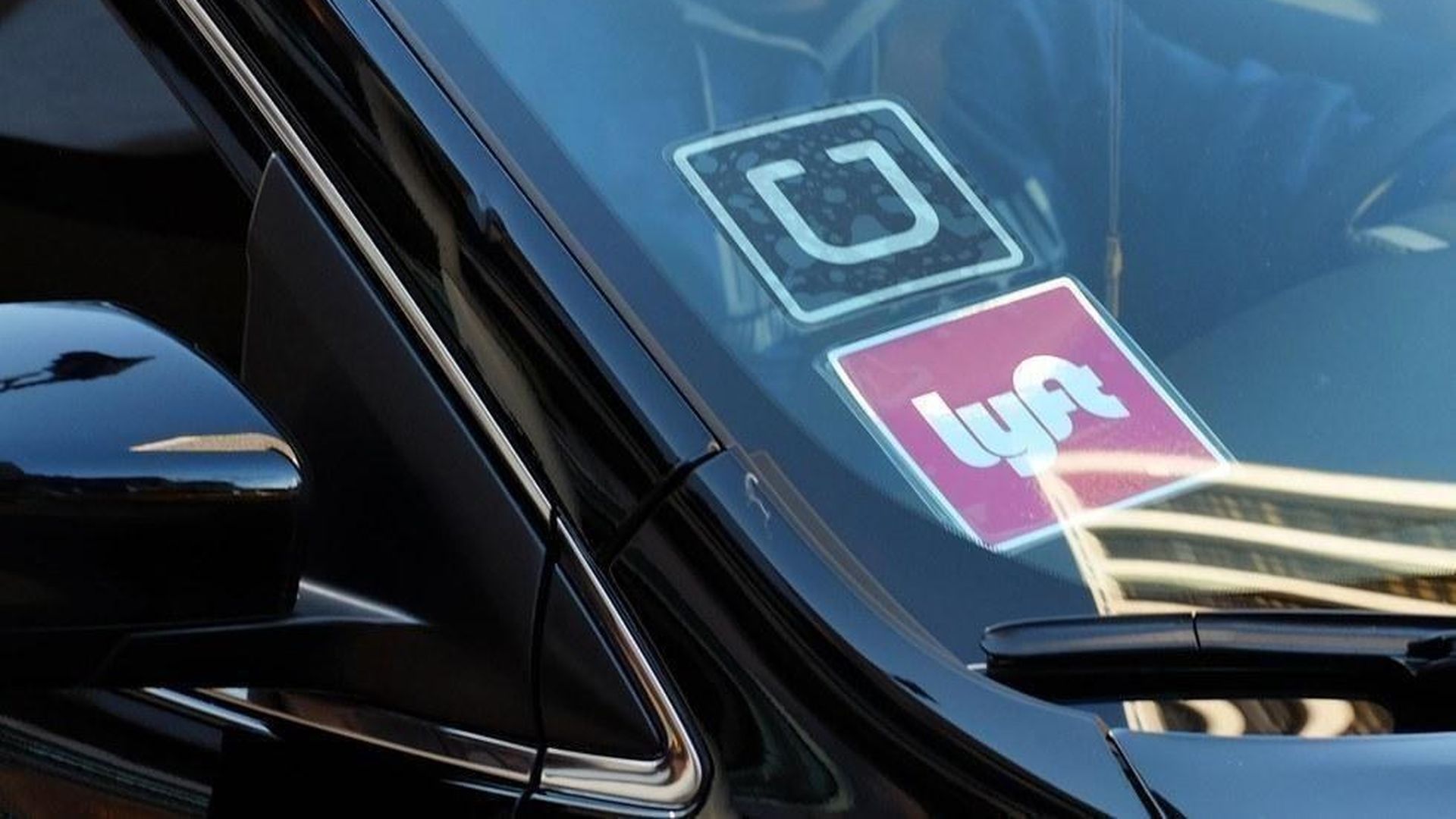
Ride-hailing company Lyft on Friday pushed back on subpoenas it was served by rival Uber concerning its recent partnership with Waymo, according to court documents. Lyft argued that the broad information, which would give Uber insights into its competitor, is not relevant to the case, and Uber should be able to obtain whatever it needs from Waymo.
Uber sought to obtain information about Lyft and Waymo's relationship in an effort find out if the latter disclosed the trade secrets to Lyft. In February, Waymo filed a lawsuit against Uber, alleging the ride-hailing company stole trade secrets when it acquired a startup formed by former Waymo employees. (Find a full timeline of the case here.)
What's next: The parties have deadlines next week to file their arguments on this issue.
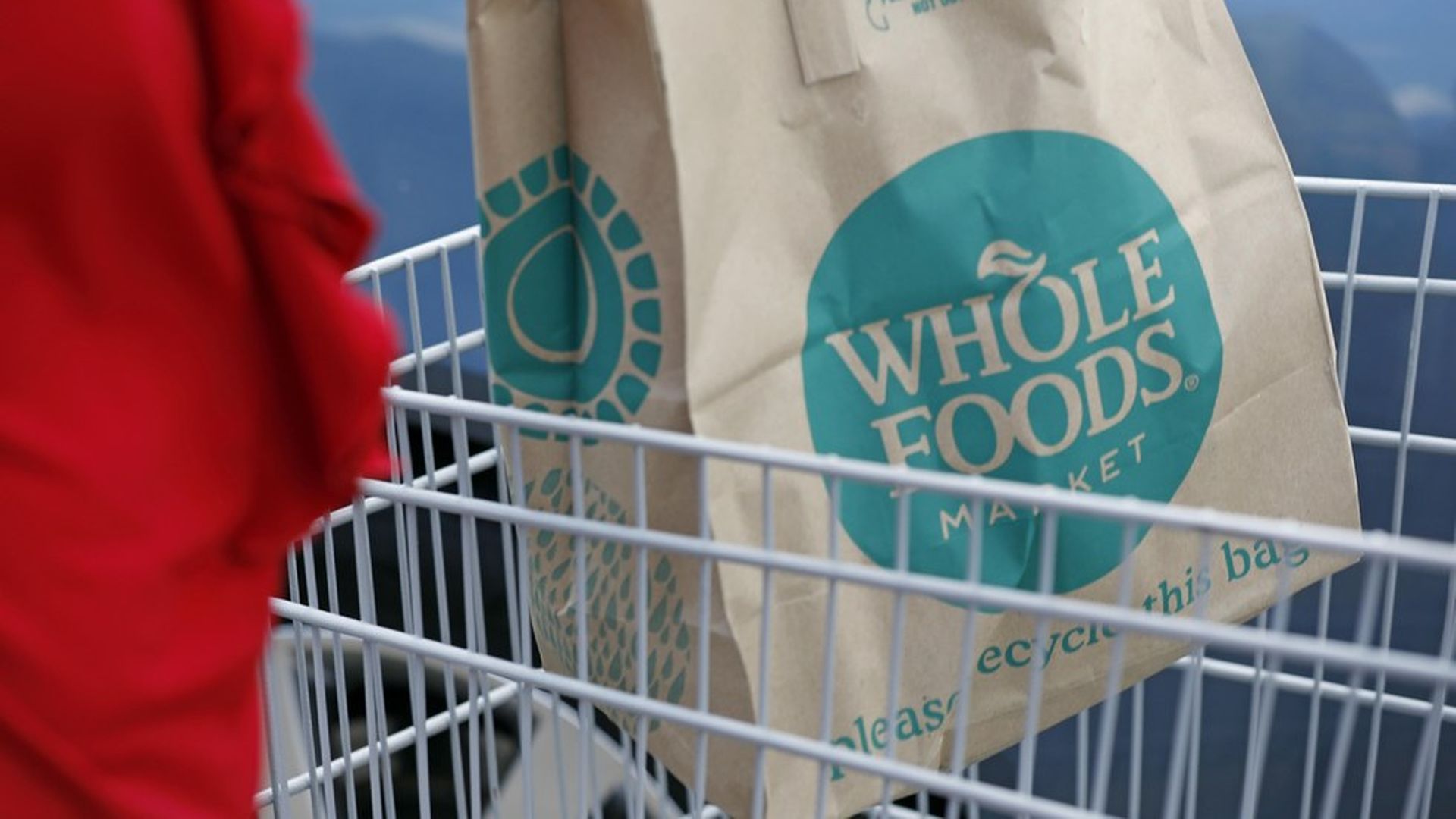
One intriguing element of Amazon's $13.7 billion deal for Whole Foods is the latter's relationship with grocery delivery service Instacart, which is valued at $3.4 billion — a relationship whose importance varies, depending on how you look at it.
Very important: As of a year ago, Instacart orders accounted for "mid-to-high single digits" of Whole Foods sales in markets where the service is available, with some stores having an average order size of $100, per an earnings call. At some stores, Instacart accounted for as much as 15% of total sales, according to TechCrunch.
Not really important: At the same time, Instacart accounts for a very small percentage of Whole Foods' overall revenue. The grocer says that it expects to generate nearly $400 million in digital sales in 2017, mostly through Instacart, which would be only around 2.5% of anticipated overall sales. Whole Foods also represents just under 10% of Instacart's sales, a source tells Axios, though it's unclear if this includes delivery and service fees.
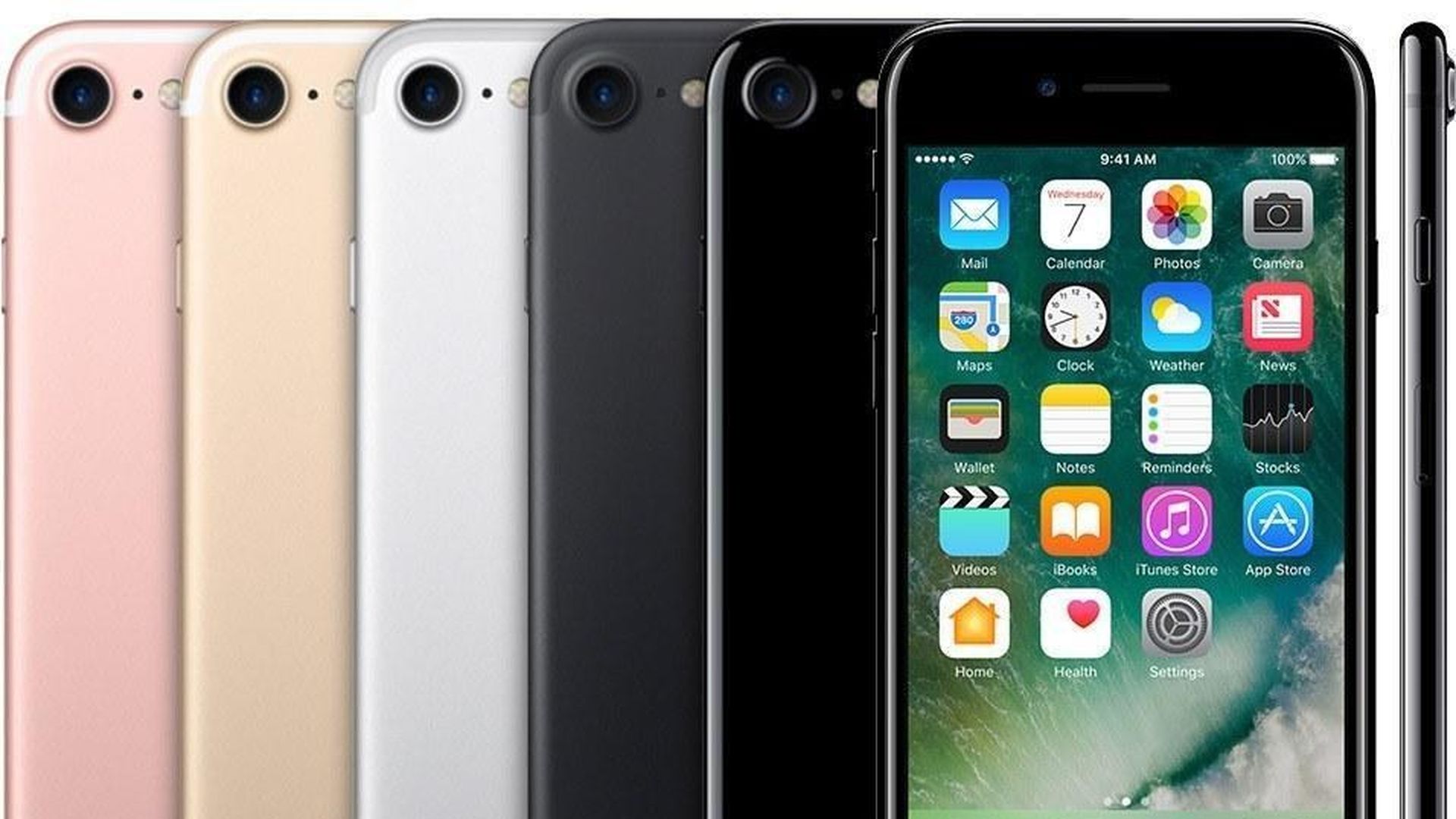
Apple appears to be getting ready to add more sophisticated augmented reality features to the next iPhone, based on the comments of a component supplier on Thursday. On its earnings call, Finisar said it expects one company to account for millions of units of a specialized laser. While it didn't mention Apple by name, Loup Ventures said Friday it believes Apple is that unnamed customer.
Why it matters: Apple already added its ARKit to the next version of the iPhone operating system; Adding AR capabilities to the iPhone could help distinguish it in the increasingly competitive smartphone market. Loup also said that based on Finisar's comments it expects the next iPhone to be announced in September and ship in October.
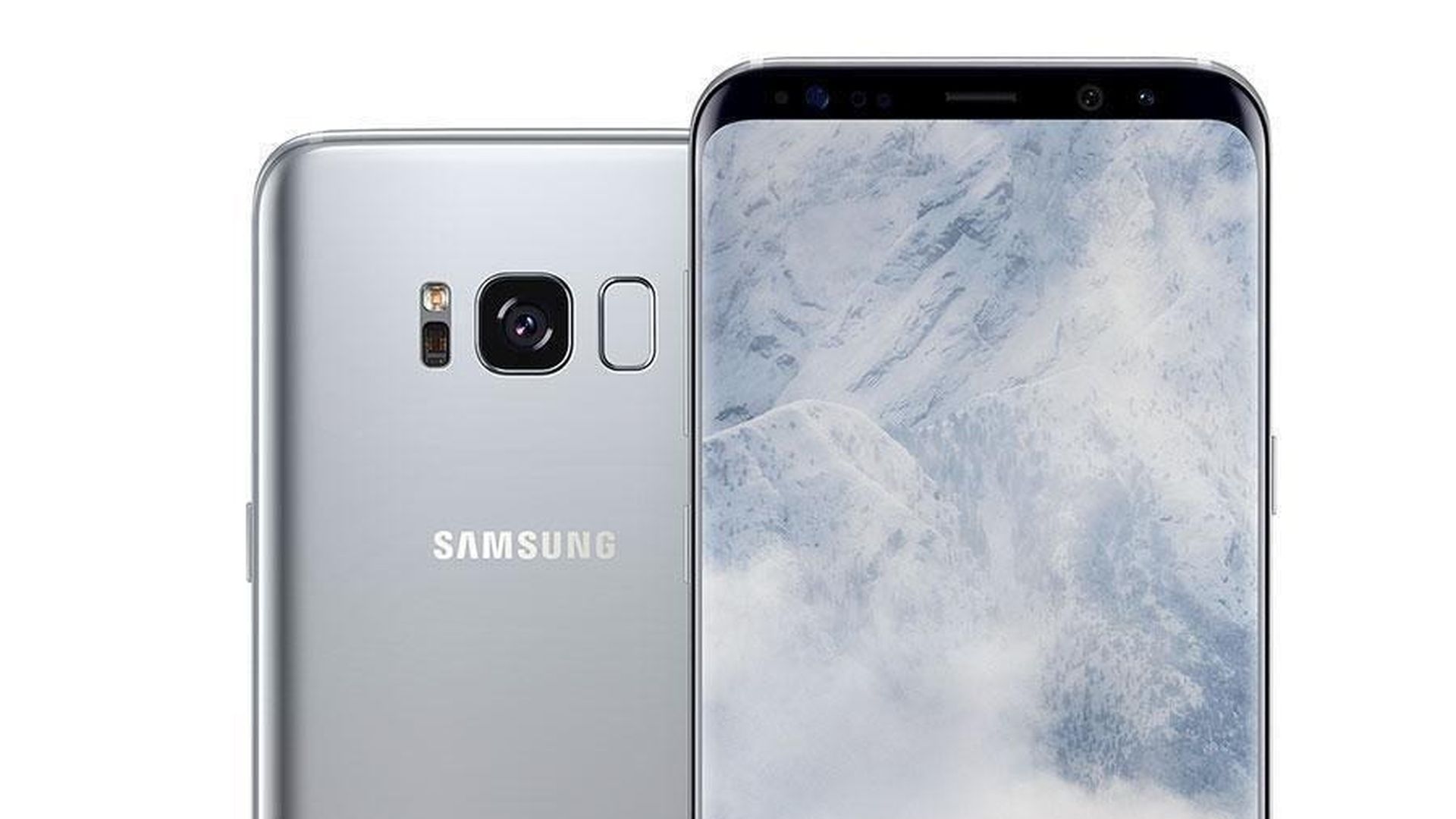
Samsung said Friday it will soon give some Samsung Galaxy S8 owners the chance to try out its twice-delayed Bixby voice assistant. Those interested in participating can sign up here.
For now, Bixby will only work with a couple Samsung apps, but the company said it plans to expand its abilities over time, including to third-party applications.
Why it matters: Samsung faces an uphill battle trying to challenge Google, Amazon and Apple in the world of voice assistants. its pitch is that while others are already out there with basic commands, Bixby can handle virtually all the controls of certain apps via voice.
Amazon on Friday made the largest deal in its 23-year history, agreeing to buy Whole Foods for $13.7 billion. This is by far its largest corporate acquisition (per Thomson Reuters), dwarfing its $970 million purchase of live video streaming platform Twitch and the $1.2 billion purchase of its Seattle headquarters from Microsoft co-founder Paul Allen.
Amazon is buying Whole Foods for $13.7 billion, a substantial broadening of its push into brick-and-mortar retail and fast-delivery.
Why it matters: This is yet another way the e-commerce giant is breaking into the physical space and taking over brick-and-mortar stores — which they previously argued were obsolete. And this further helps Amazon tap into the grocery market, which earns significantly more money than the e-grocery markets.
Google could face a fine of up to €1 billion in three new antitrust actions that EU officials are planning to take against the company for its abusive search practices, the Financial Times reports. In the coming weeks, the EU is expected to sanction Google for using its search market dominance to favor its own Google Shopping services, giving them an unfair advantage in the market.
Record breaker: The fine would mark the first EU case that prosecutes search practices, and is expected to break the record for a monopoly abuse charge.
The move could reignite tensions with Silicon Valley from last summer, when Europe's competition commissioner, Margrethe Vestager, billed Apple with a record €13 billion tax.
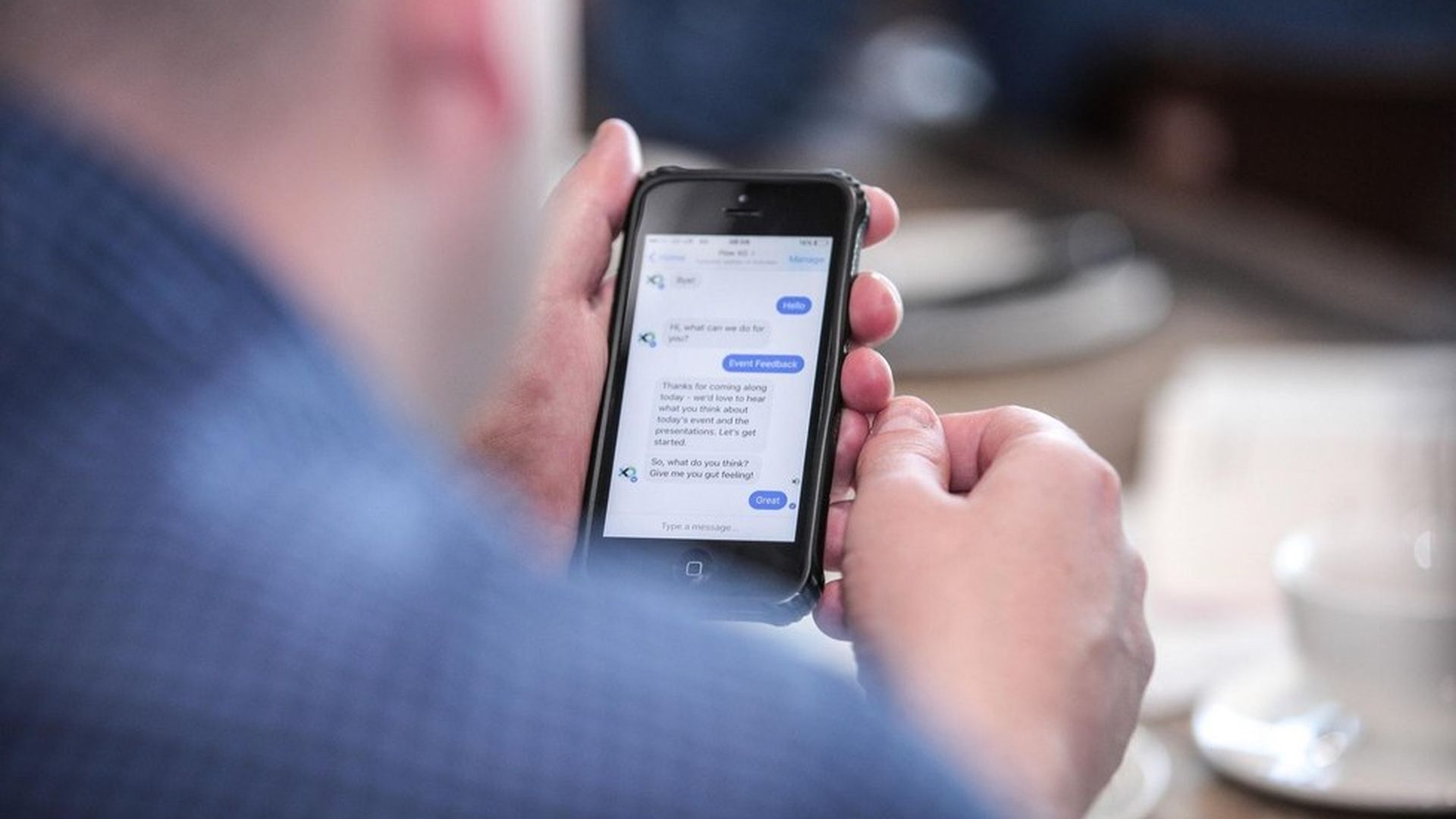
In a new paper, Facebook researchers claim an advance in the capacity of chatbots to conduct sophisticated conversations — the ability to negotiate.
In a blog post, artificial intelligence researcher Mike Lewis and four colleagues say they trained chatbots to find a fair resolution of a conflict over possessions. The interesting thing is that the chatbots were started out knowing only their own interests _ which of the possessions they wanted _ and not those of their negotiating opponent. But, speaking grammatical English, they figured out the reasonably just solution by themselves. They even at times employed deceit.
Why it's important: The research must now advance from the narrow focus of this experiment. But the proof of concept suggests more advanced digital assistants than commercially available at the moment that can not only organize your calendar but resolve complex conflicts, such as sales negotiations.