Monday's technology stories

Facebook planning telepathic texting
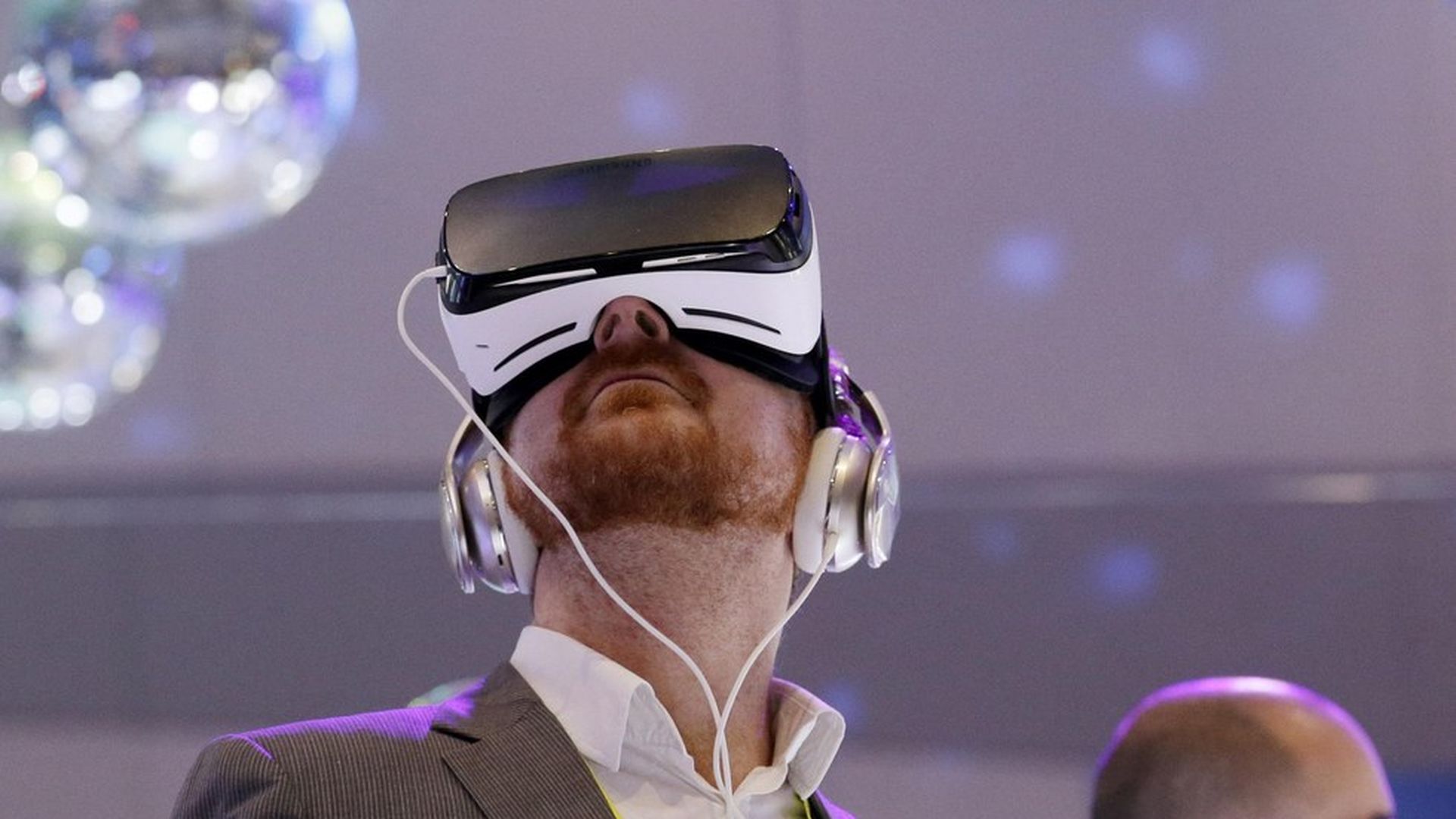
"How Facebook's Telepathic Texting Is Supposed to Work:Facebook's plan to enable us to type 100 words a minute just by thinking is a long shot, and it reflects the company's new approach to R&D," by Wall Street Journal tech columnist Christopher Mims:
- "Do neuroscientists and engineers outside Facebook express extreme doubt this will succeed? Yes. Facebook doesn't care and is investing millions in research that could produce a consumer gadget."
- "When your face is stuck inside a VR headset or you're out walking around wearing a pair of augmented-reality glasses, you can't exactly reach for a keyboard or mouse ...The initiative would give Facebook a way to control those systems hands-free."
- "Messaging is just the beginning. Facebook isn't working on a brain implant — though other Silicon Valley giants are. The answer could ultimately be as simple as a headband."
- Why it matters: "[T]he company's larger goal is to make a handful of long-term bets on technologies that could define the next era of computing."

Uber to add independent board member

Uber will add Wan Ling Martello, a Nestle executive and Alibaba director, as an independent director to its board, as Bloomberg first reported citing anonymous sources and Uber later confirmed to Axios.
Her appointment, which is expected to be finalized soon, would address one of the recommendations presented to Uber's board yesterday by former U.S. attorney general Eric Holder, who was hired in February to lead an investigation into allegations of sexual harassment and discrimination by a former employee.
What's next: Uber is expected to announce its full changes to employees on Tuesday, although news will likely leak earlier. The company's board approved all of the recommendations made by Holder.
The story has been updated with confirmation from Uber.

Nvidia's shift from gaming to self-driving cars
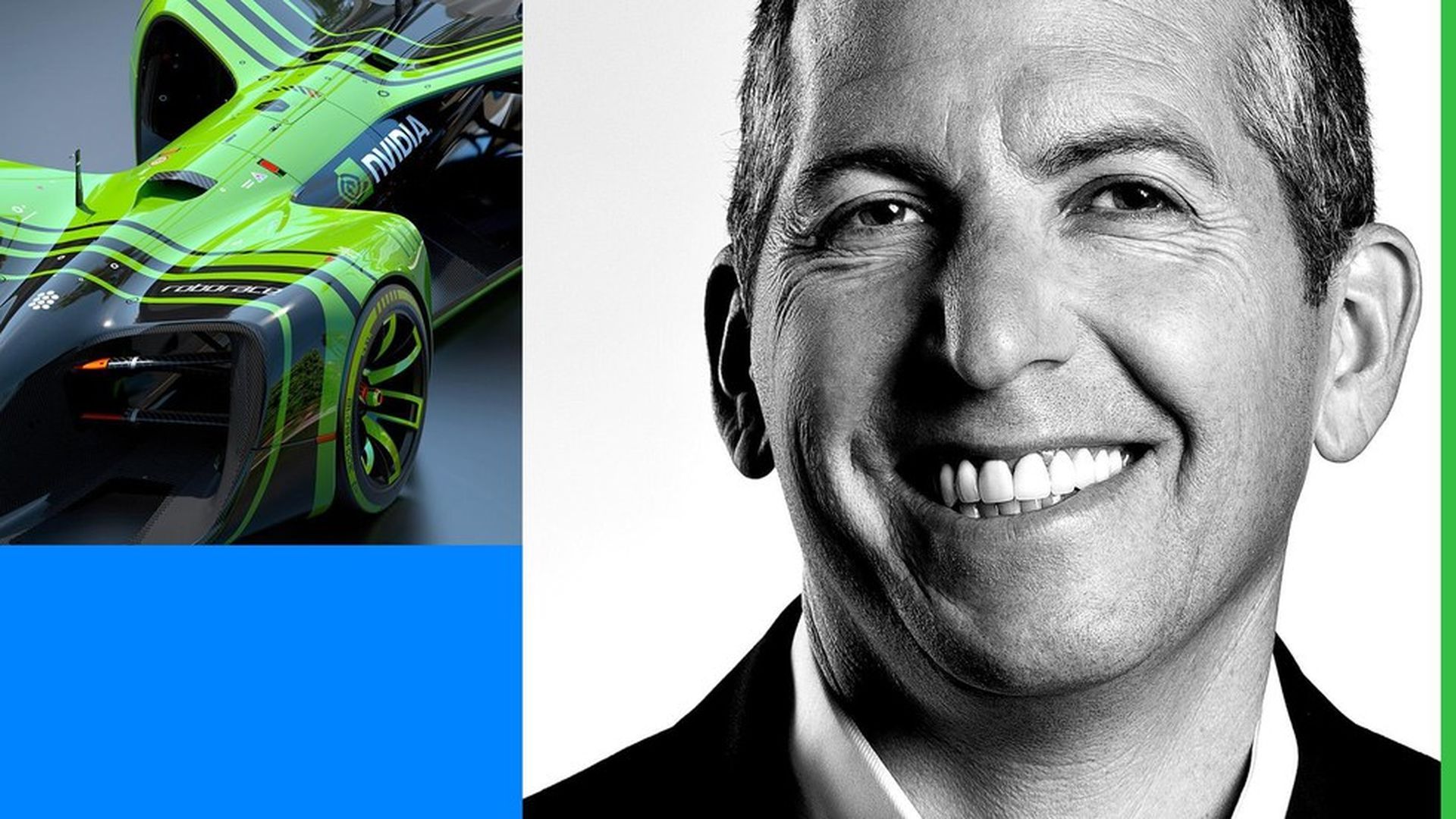
Nvidia has been best known for building chips powerful enough for 3-D graphics and serious gaming, which still accounts for about half of the company's business. One of the newest (and fastest growing) focus areas for the Silicon Valley chipmaker is powering the artificial intelligence needed for self-driving cars.
We caught up with Danny Shapiro, senior director of Automotive at Nvidia, before the company talks to the Senate Commerce Committee this week about getting automated vehicles on the roads faster.
Here are a few excerpts from our conversation:
Lyft discloses $25 million investment from Jaguar
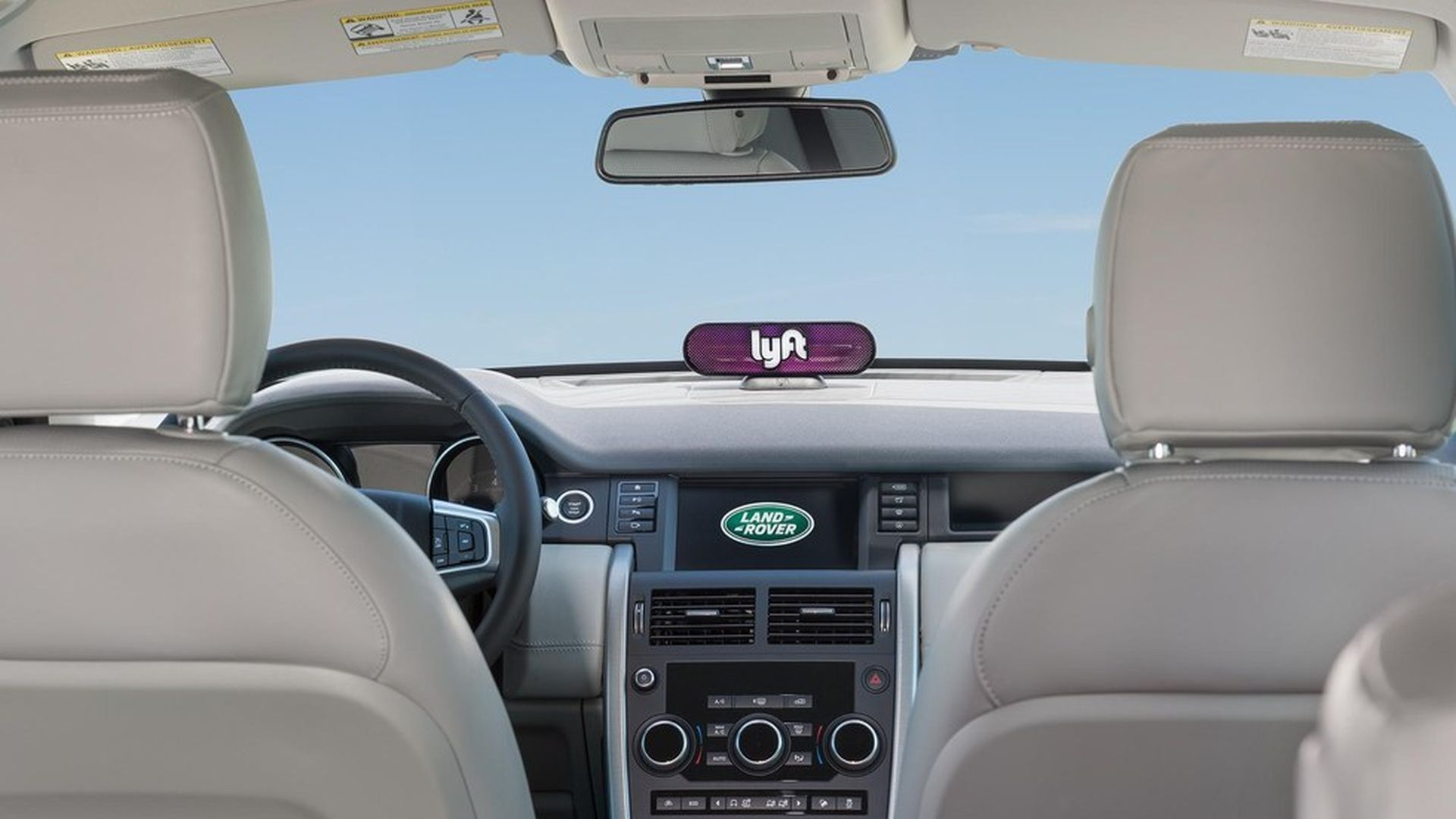
Among its growing list of automotive partners, Lyft has added Jaguar Land Rover, the companies revealed on Monday.
The deal: Jaguar's InMotion Ventures contributed $25 million (₤19 million) to Lyft's most recent funding round, which closed in April and included KKR, AllianceBernstein, PSP Investments, and Baillie Gifford. Additionally, the two will work on and test various transportation services, including self-driving cars. Jaguar will also provide cars for Lyft drivers, although the specifics haven't been worked out yet. Most likely, drivers will be able to rent out the cars under certain conditions, a Lyft spokesperson told Axios.
Lyft's other partners include General Motors (which also invested $500 million into the company in 2016), Alphabet's
Waymo
, and
nuTonomy
.
Uber's board accepts all of Eric Holder's recommendations
After a six-hour-plus meeting on Sunday with former U.S. attorney general Eric Holder and his law partner Tammy Albarrán, Uber's board of directors has unanimously voted to adopt all of the investigation's recommendations, according to a representative for the board.
There are reports that the recommendations include the remove of chief business officer Emil Michael, a close confidant of CEO Travis Kalanick, although it's unclear if any other top execs are also on the chopping block. We also don't yet know if Kalanick will take a leave of absence, as was discussed by the board (but was not among the official recommendations).
What happened: The investigation into workplace culture was kicked off by a February blog post from a former Uber engineer named Susan Fowler, alleging sexual harassment and gender discrimination.
What's next: The company plans to present its decisions to employees on Tuesday, according to a spokesman. But don't expect the news to hold that long.
Lyft's self-driving car strategy emerges
Buried in last week's news that ride-hailing company Lyft will work to deploy a fleet of nuTonomy's self-driving cars in Boston was something even more significant: Lyft's self-driving car strategy — "Lyft Open Platform."
The idea: Provide a testing ground for self-driving car companies working on self-driving cars. Those companies will have access to Lyft's software tools and data, and the ability to plug into its network of drivers and passengers. This is an attractive resource for companies like Waymo and nuTonomy, which need to test their technology with real-world scenarios and log as many miles as possible to train their software models.
Why it matters:
With self-driving cars almost certain to be the future, companies like Lyft can't stay out of the race. But they also have to play to their strengths — while manufacturing cars is not Lyft's, it does have a large network of passengers and troves of trip data.