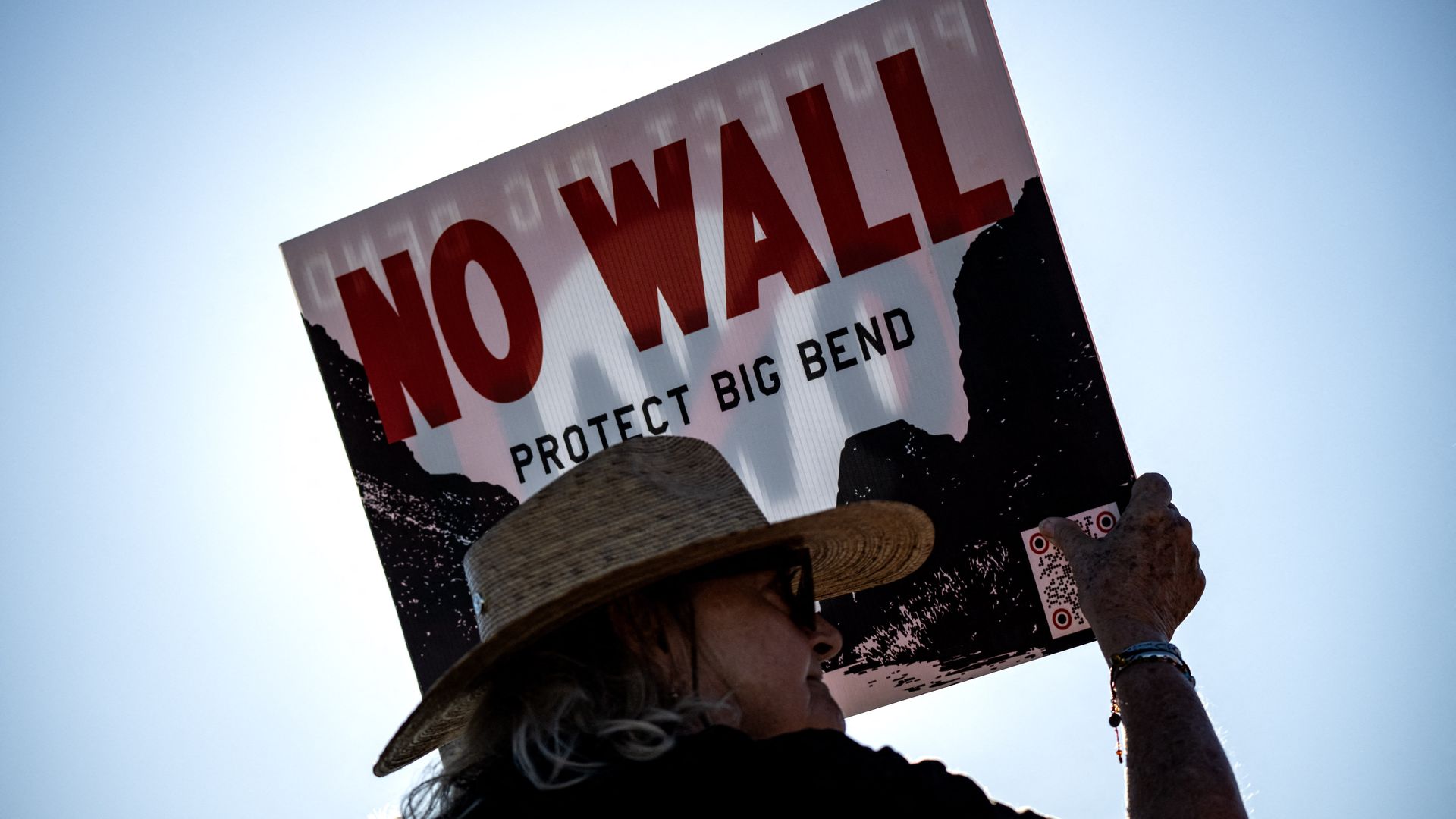
A federal judge blocked the Trump administration from pursuing border wall construction in the Big Bend region in Texas on Friday.
The big picture: The construction inside the national park sparked local outrage and environmental concerns, with Friday's decision handing the Department of Homeland Security a loss in its quest to rapidly expand the Southwestern border wall.
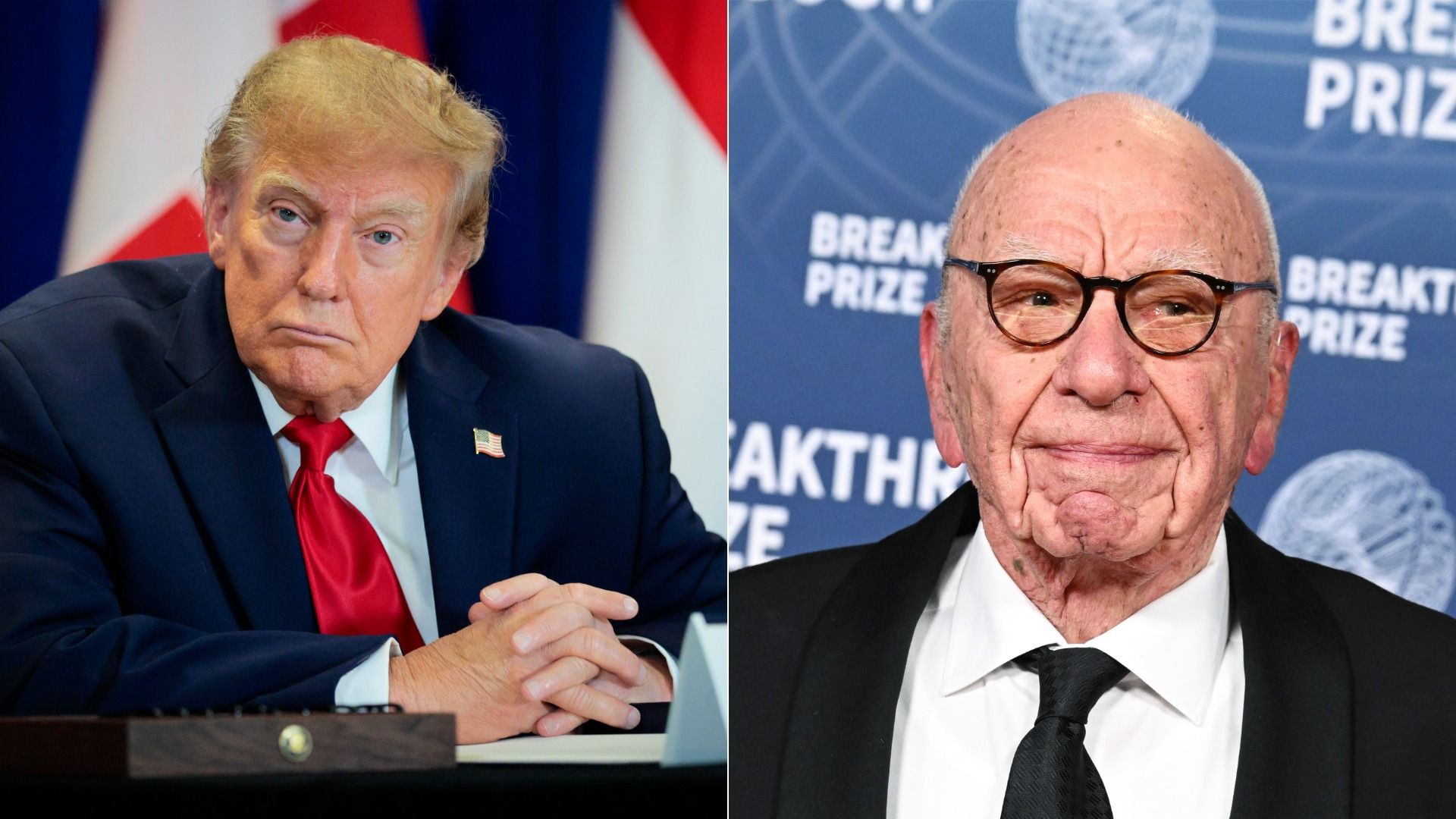
President Trump ragged on several mainstream news outlets, including the Washington Post, New York Times and MS NOW, at a dinner he hosted Tuesday for News Corp. executives, including Rupert Murdoch, a source familiar with the event told Axios.
Why it matters: The dinner, which the source described as cordial, comes amid a prolonged legal battle between the president and the Wall Street Journal.
Christa Pike's survival after two lethal injection doses has put state execution protocols nationwide under new scrutiny.
The big picture: How prisoners are executed varies by state, with lethal injection, electrocution, lethal gas and firing squads among the methods authorized.
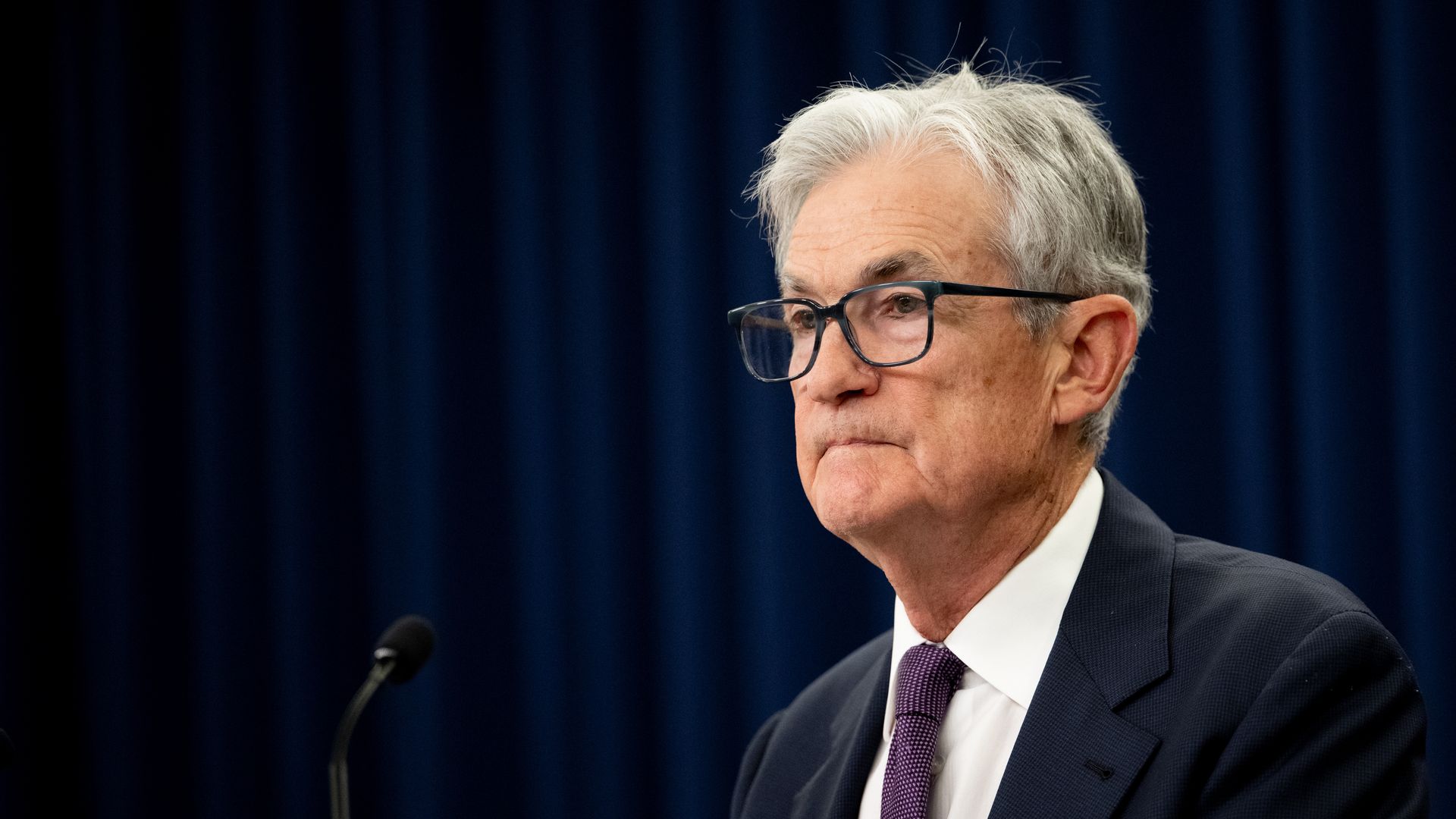
The Justice Department will not reopen its criminal investigation into former Federal Reserve chair Jerome Powell over the central bank's costly headquarters renovation.
Why it matters: President Trump had asked Attorney General Todd Blanche to review the Fed watchdog's findings and decide "what to do" about Powell. But for now, the former Fed chief will not face a renewed criminal investigation.
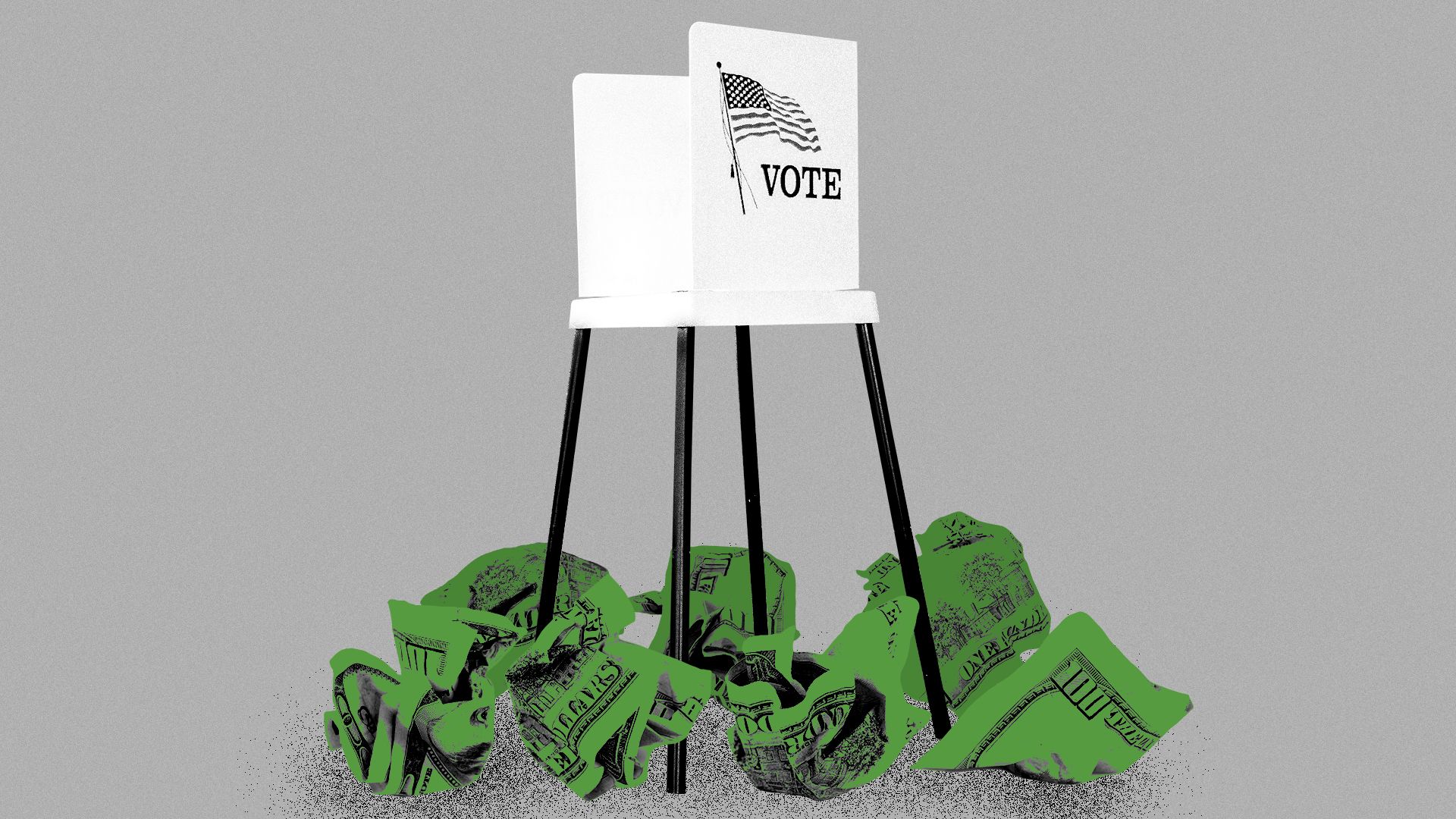
With one month until Election Day, some big GOP spenders are giving up on North Carolina and prioritizing other states.
Why it matters: It's a sign that Republicans believe Michael Whatley can't win and that the seat will flip to Democrats, who need four pickups to regain control of the Senate.
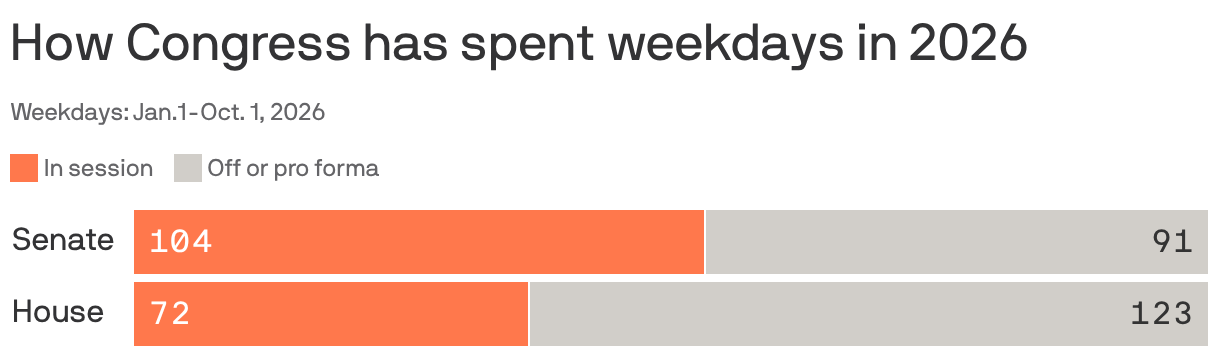
The Senate is well on its way to claiming the congressional attendance trophy this year, spending 32 more weekdays in session so far than the House.
Why it matters: Senate Majority Leader John Thune (R-S.D.) and House Speaker Mike Johnson (R-La.) have been torched by members for all the time off — not to mention Democrats, who taunt them for their truancy.
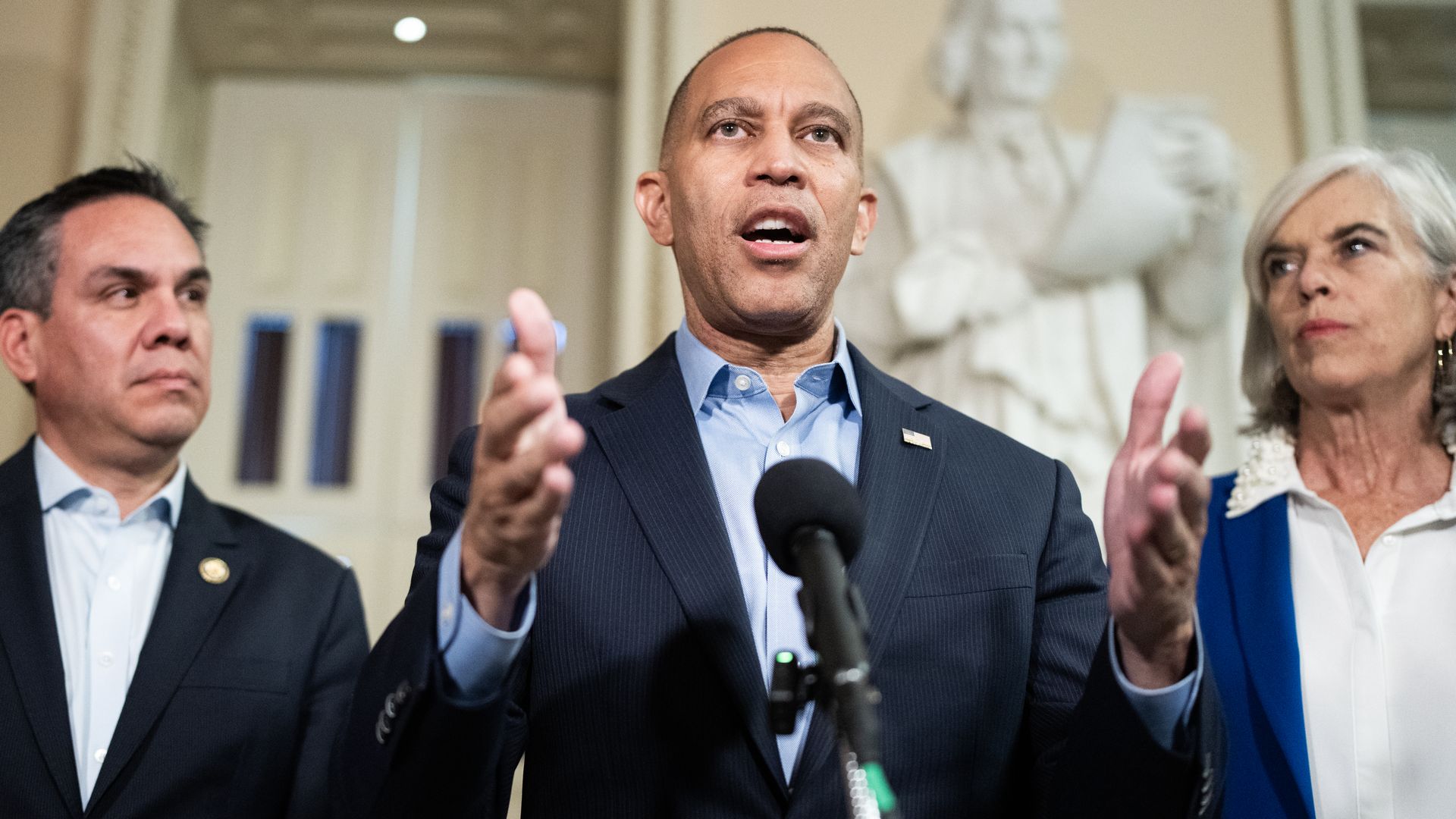
Democrats' dream election scenario risks becoming a nightmare as their candidates in Republican-leaning districts strain to assert their independence from party leadership.
Why it matters: Add them to the sizable cohort of outspoken leftists promising to be a thorn in the side of House Democratic leaders, and you get all the ingredients for an unruly majority.
Treasury Secretary Scott Bessent told Axios co-founder Mike Allen on "The Axios Show" that Trump Accounts will be the "most important benefit for young people since the GI Bill."
Why it matters: The Trump administration is making a sweeping bet that giving kids an early stake in the stock market can help a generation build wealth.
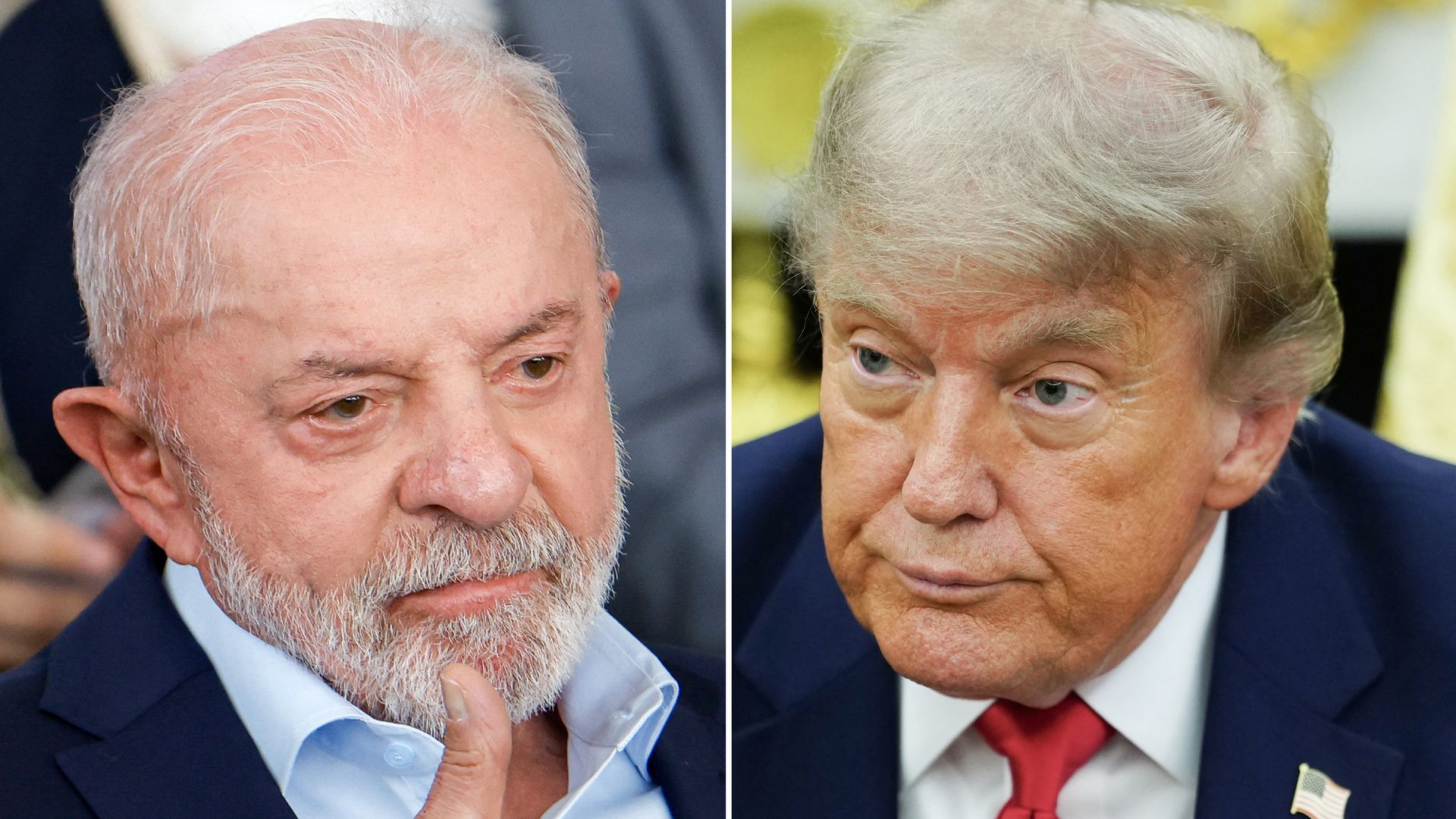
Brazil votes Sunday in a presidential election that could reshape its relationship with President Trump, return the Bolsonaro movement to power and alter the future of the Amazon.
Why it matters: The showdown between President Luiz Inácio Lula da Silva and Sen. Flávio Bolsonaro has turned into something bigger: a test of Trump's influence in Latin America's largest country, with stakes for the region and the global climate.
Rep. Derrick Van Orden (R-Wis.) was hit with a cease-and-desist letter this week over an AI deepfake he posted falsely depicting his Democratic opponent voicing positions her campaign says she rejects.
Why it matters: Van Orden is the latest in a growing number of candidates and elected officials facing legal complaints and threats over AI deepfakes in campaign ads.
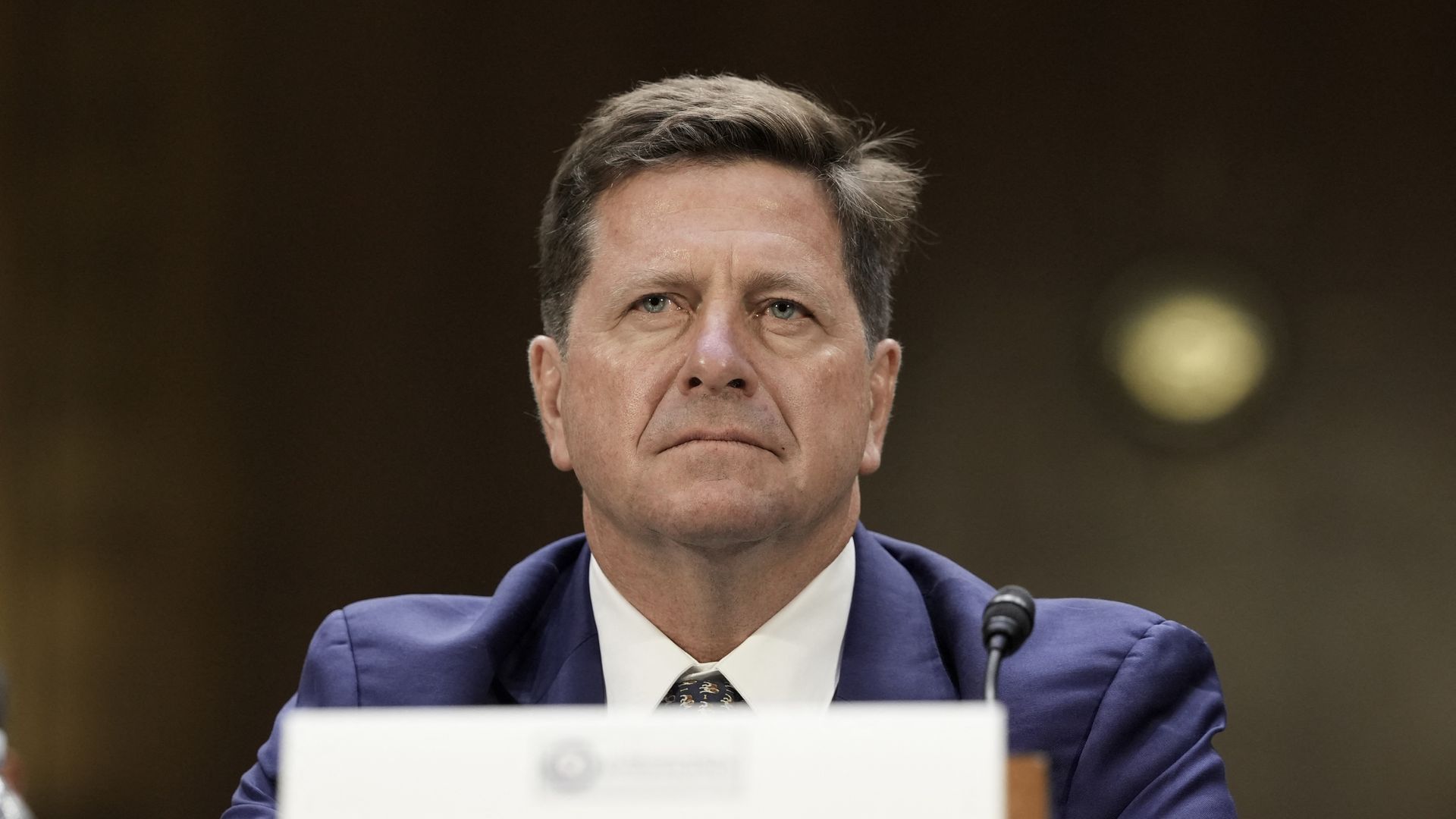
President Trump is expected to tap Jay Clayton, his director of national intelligence, for a new role as the White House's artificial intelligence — or in Trump's words, "super intelligence" — czar.
Why it matters: Clayton, who Trump previously told Axios would be a good idea for AI czar, is expected to take on the second title, sources told Axios.
Calls for government intervention into AI's rapid development are growing, but the president has repeatedly said he favors a light regulatory touch and has called fears about the tech's threat to humanity a hoax.
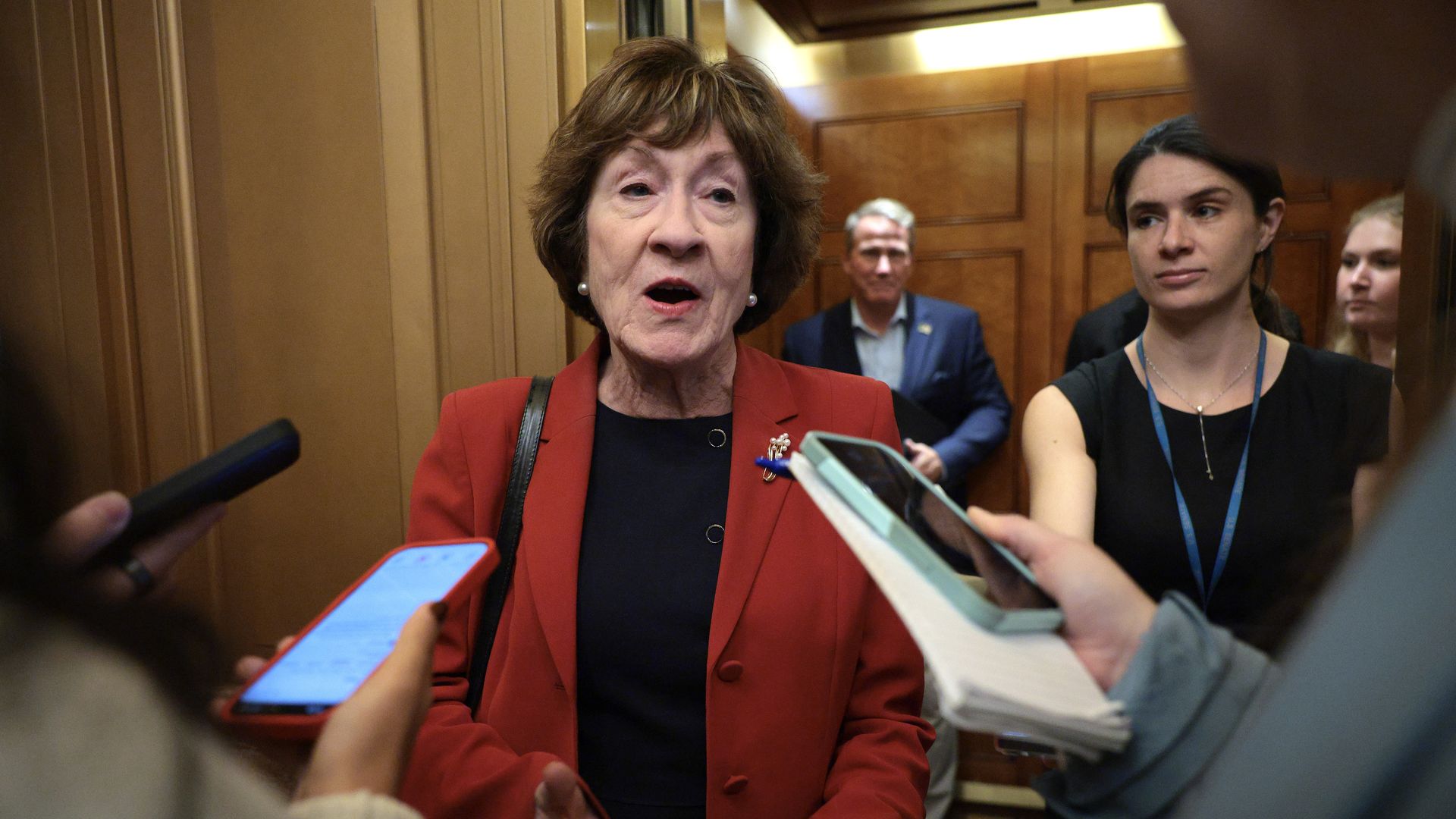
The Democrats' main Senate super PAC is turning an explosive ProPublica investigation into Sen. Susan Collins (R-Maine) into a 30-second, $3.4 million attack campaign in one of the closest Senate races of the midterms.
Why it matters: The big buy from Senate Majority PAC suggests Democrats think they can turn a complicated investigation into a simple message attacking Collins' willingness to put Maine first.
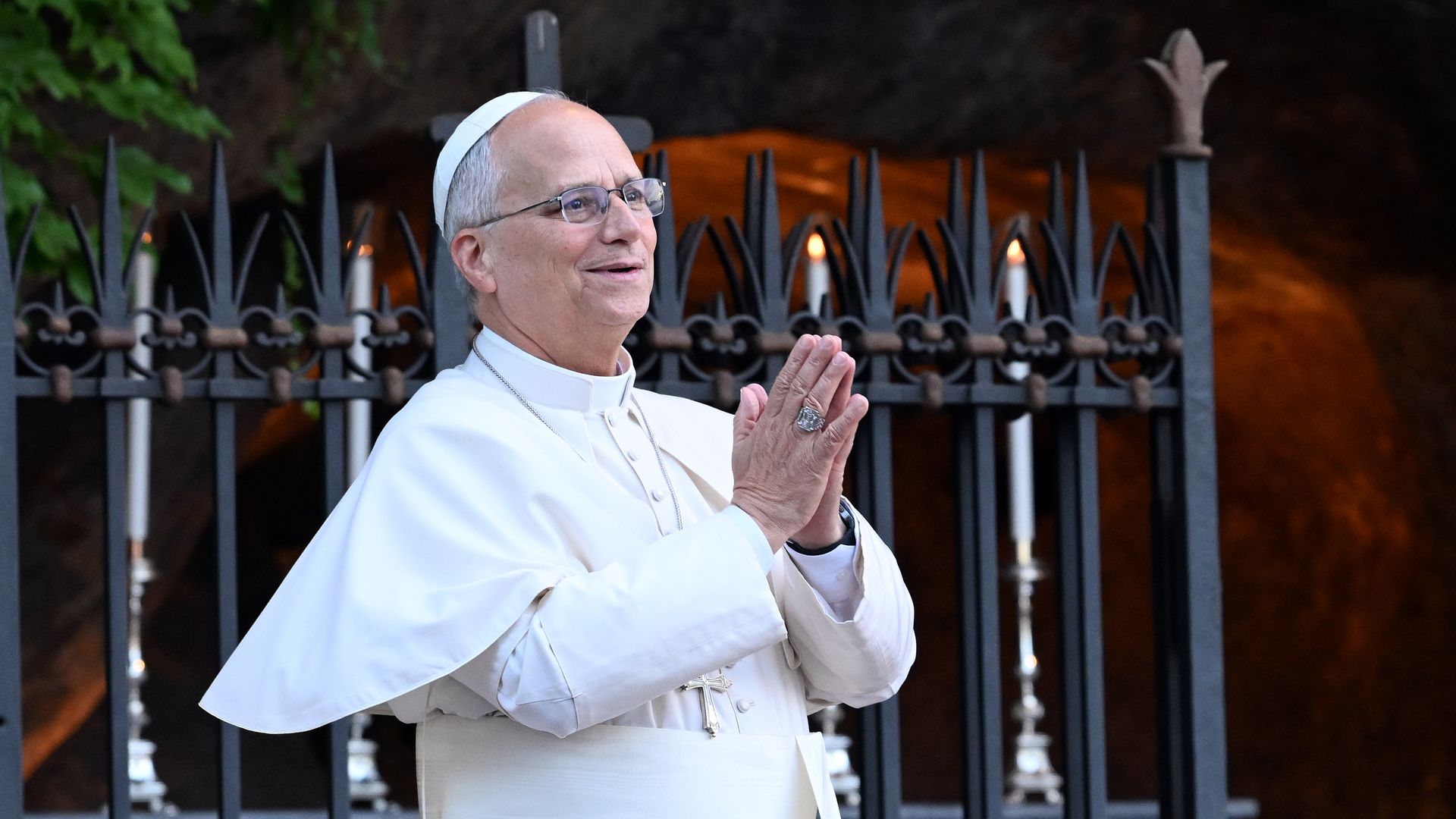
Pope Leo XIV called Friday for the church to form an alliance with artists to protect human creativity during an era of AI-generated content.
Why it matters: Though he has acknowledged the technology's potential benefits, the pope continues to warn that AI progress cannot come at the expense of human dignity.
The Supreme Court on Monday will hear arguments in a case that could determine the fate of state-court lawsuits nationwide seeking climate damages from oil giants.
Why it matters: Billions and billions of dollars are at stake for the oil industry in dozens of cases brought by state and local governments.
BOSTON — AI regulation should be a federal priority but states should step in to implement safeguards while supporting innovation, state Sen. Barry Finegold said.
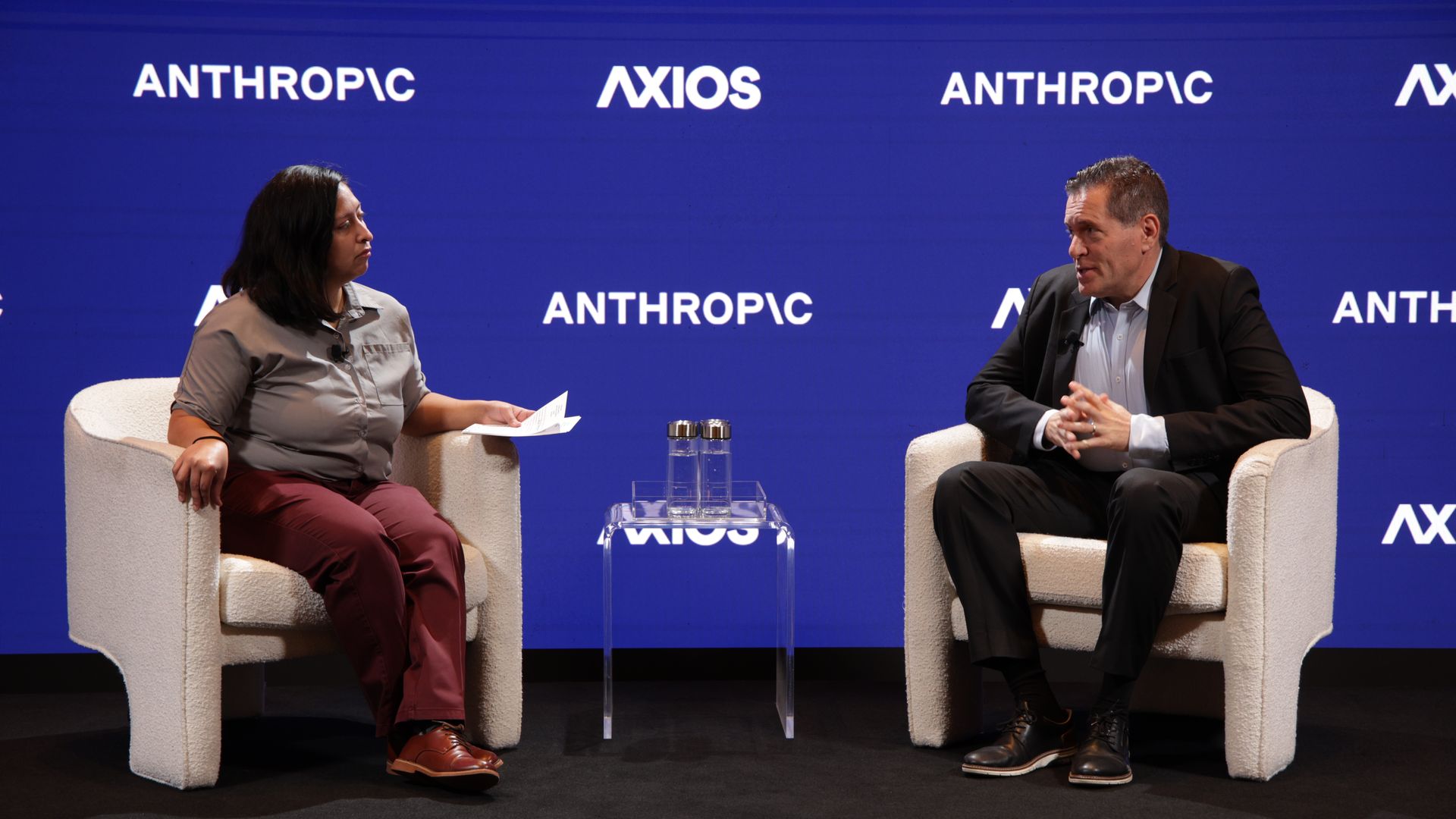
Axios' Dan Primack and Steph Solis spoke with Bain Capital Ventures partner Ajay Agarwal, Recorded Future CEO Colin Mahony and Finegold. The Sept. 29 event was sponsored by Anthropic.
What they're saying: Finegold said states should not be pursuing AI legislation, "but the federal government is not doing anything, so states like ours … are stepping forward and we will continue to step forward until there's a federal law in place."
Finegold said provisions in the Massachusetts Senate economic development bill would implement independent audits and safety checks of AI development, citing public prompting of some leading AI companies to put more unified safeguards in place.
"We can have a robust AI economy and have adequate guardrails. We can do both," Finegold said.
Mahony, whose cybersecurity company is headquartered in Boston, said the current AI landscape gives an advantage to "attackers," but added that "defenders" are also using the technology effectively.
"There really are some incredible things that the broad defender community is doing with AI," he said.
Mahony said AI-driven security incidents have sparked a wider AI safety debate: "When Mom starts asking questions about frontier models, you realize that there's something else going on."
What's next: Agarwal said Boston continues to lead in biotech and life sciences innovation but has work to do to compete with the growing robotics industry in Silicon Valley. He also pointed to current advancements in AI as progressing past previous frontier technologies.
"The kind of things we're seeing in education, in health care, in physical AI and robotics, I think are truly more transformative than just another form of software that's being sold," Agarwal said.
Content from the sponsor's segment:
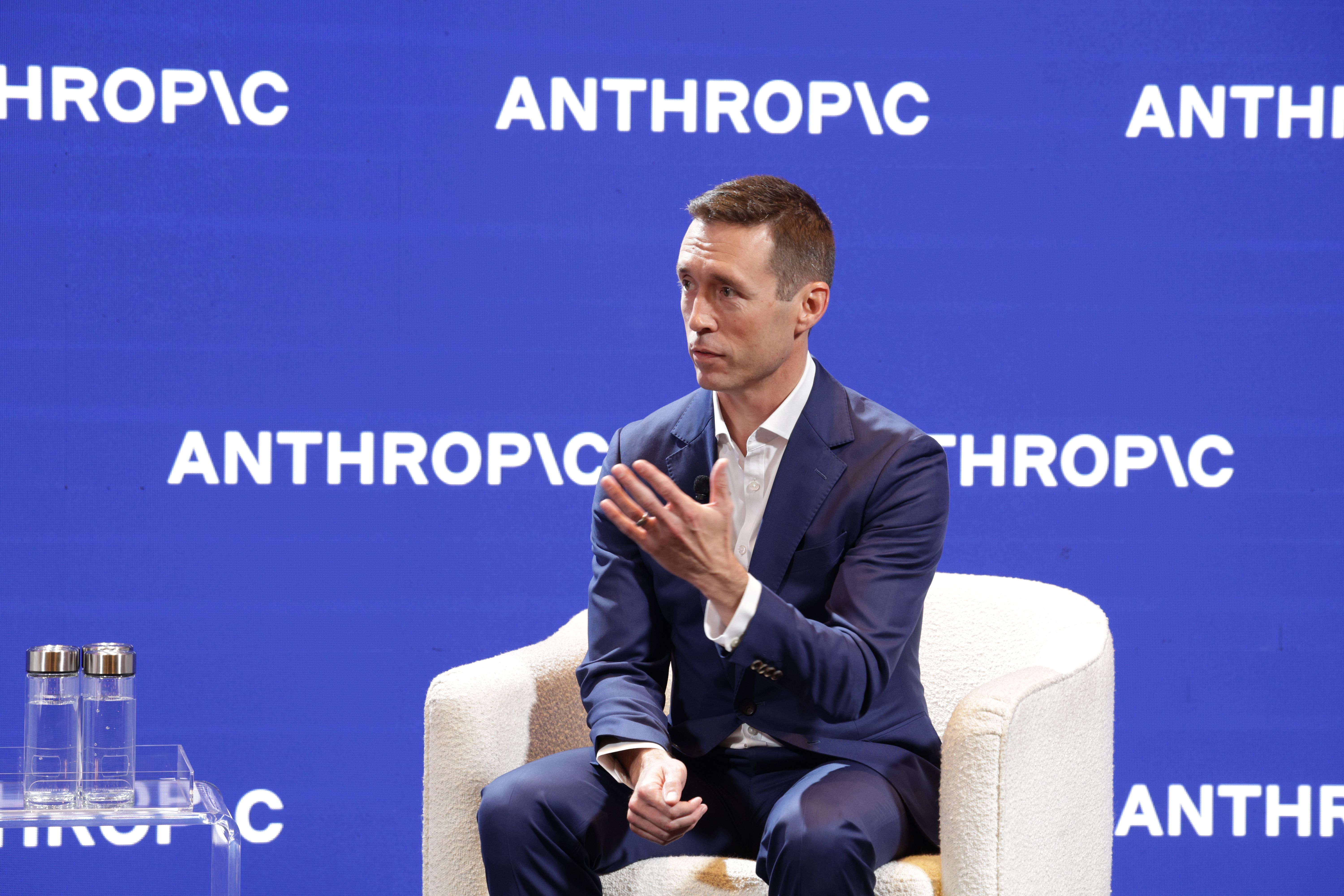
Brian Peters, head of North America government affairs at Anthropic, at an Axios event. Photo: David Fox for Axios
During a View From the Top conversation, Brian Peters, Anthropic's head of North America government affairs, explained the company's endorsement of the Massachusetts Senate's proposed AI regulations.
"AI companies should not be grading their own homework," Peters said. "When an AI company says its technology is safe, there needs to be an independent evaluator to verify that that's true and the government needs to have the power to step in and do something about it."
No industry has ever documented its own foreseeable risks as loudly as AI.
Imagine a plaintiff's lawyer reading the public warnings of Sam Altman and Dario Amodei: They told the world it was dangerous. They told the world it was moving too fast. Then they unleashed it and sold it to your kid.
No industry has ever taken so much copyrighted work and left behind so much proof.
Imagine a plaintiff's lawyer reading OpenAI's own files to a jury: They trained on a pirated library. They renamed it to something blander. Then they deleted it when the headlines got hot.
Why it matters: AI's origins, use and future will be picked apart in countless epic court fights, with a historic paper and public statement trail to tap.
A small cadre of elite AI researchers is wielding extraordinary influence inside OpenAI and other leading companies, challenging executives, shaping policy and complicating negotiations with Washington.
Why it matters: As a safety crisis has unfolded across the industry, it's an open question who is doing more to shape the national AI debate — top researchers or the executives they report to.
The Trump administration and the Iranian regime both say they prefer a diplomatic solution to the war, but a deal looks more elusive than ever.
The root causes of the impasse may be irreconcilable.
Why it matters: In the last 18 months, two failed rounds of negotiations have led to two wars. The June MOU collapsed within days and led to renewed escalation. If the current effort to reach a diplomatic breakthrough ends in a deadlock, another outbreak of fighting is likely within weeks.
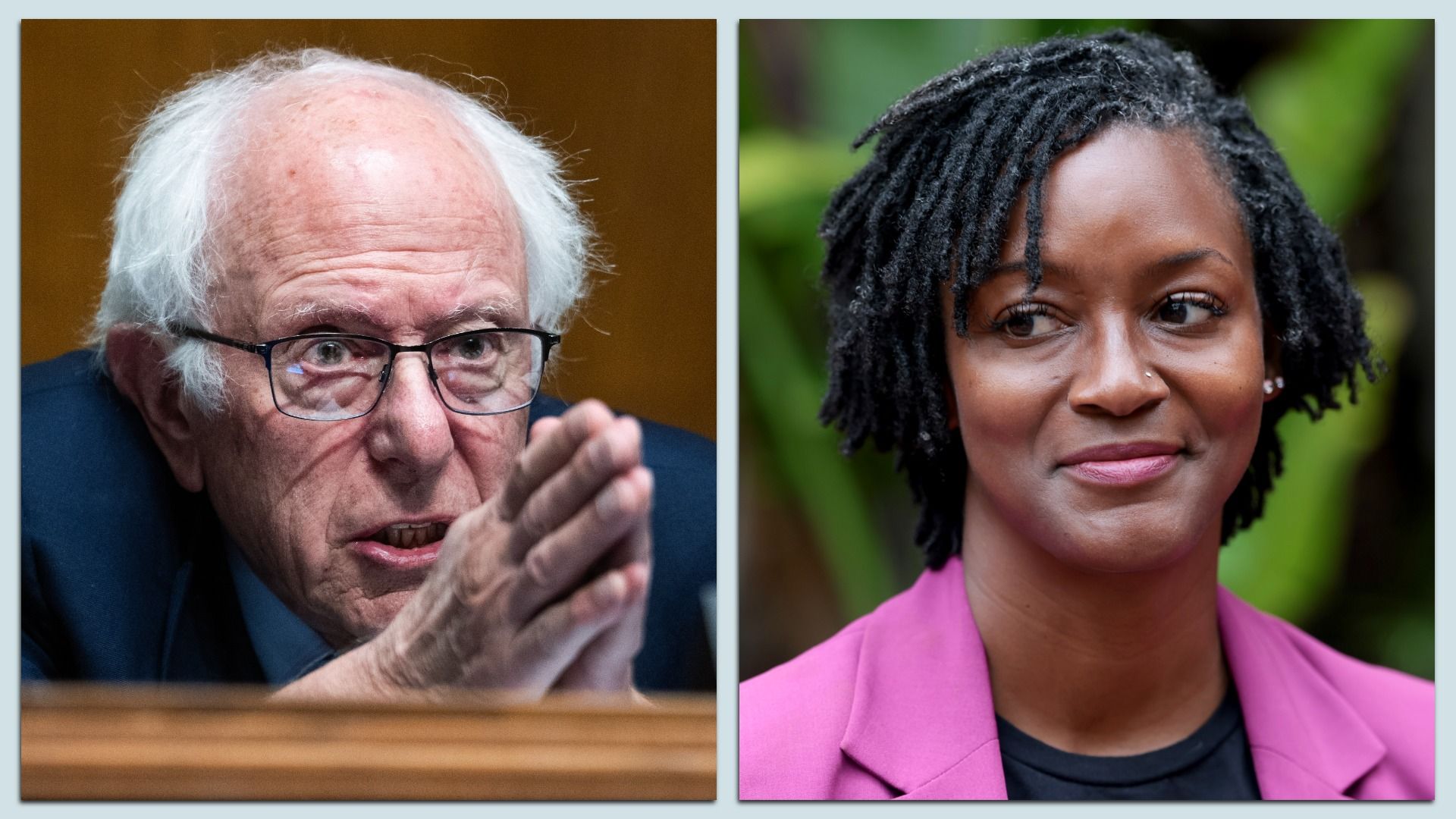
MIAMI — Vermont Sen. Bernie Sanders is sending the Florida Democratic Party $250,000. It's a relative pittance in the Sunshine State — but the check signals a big political shift.
Why it matters: The state party's moderate leaders have resisted the rising tide of democratic socialists elevated by Sanders for years. But political changes and financial need have brought the two together like never before: