Majority Leader John Thune (R-S.D.) and House Speaker Mike Johnson (R-La.) are sending bipartisan delegations with a total of 15 lawmakers to attend Pope Francis' funeral in Rome on Saturday.
Why it matters: The House delegation is being led by Majority Leader Steve Scalise (R-La.), the highest-ranking Catholic in the chamber. Appropriations Chair Susan Collins (R-Maine) is leading the Senate group.
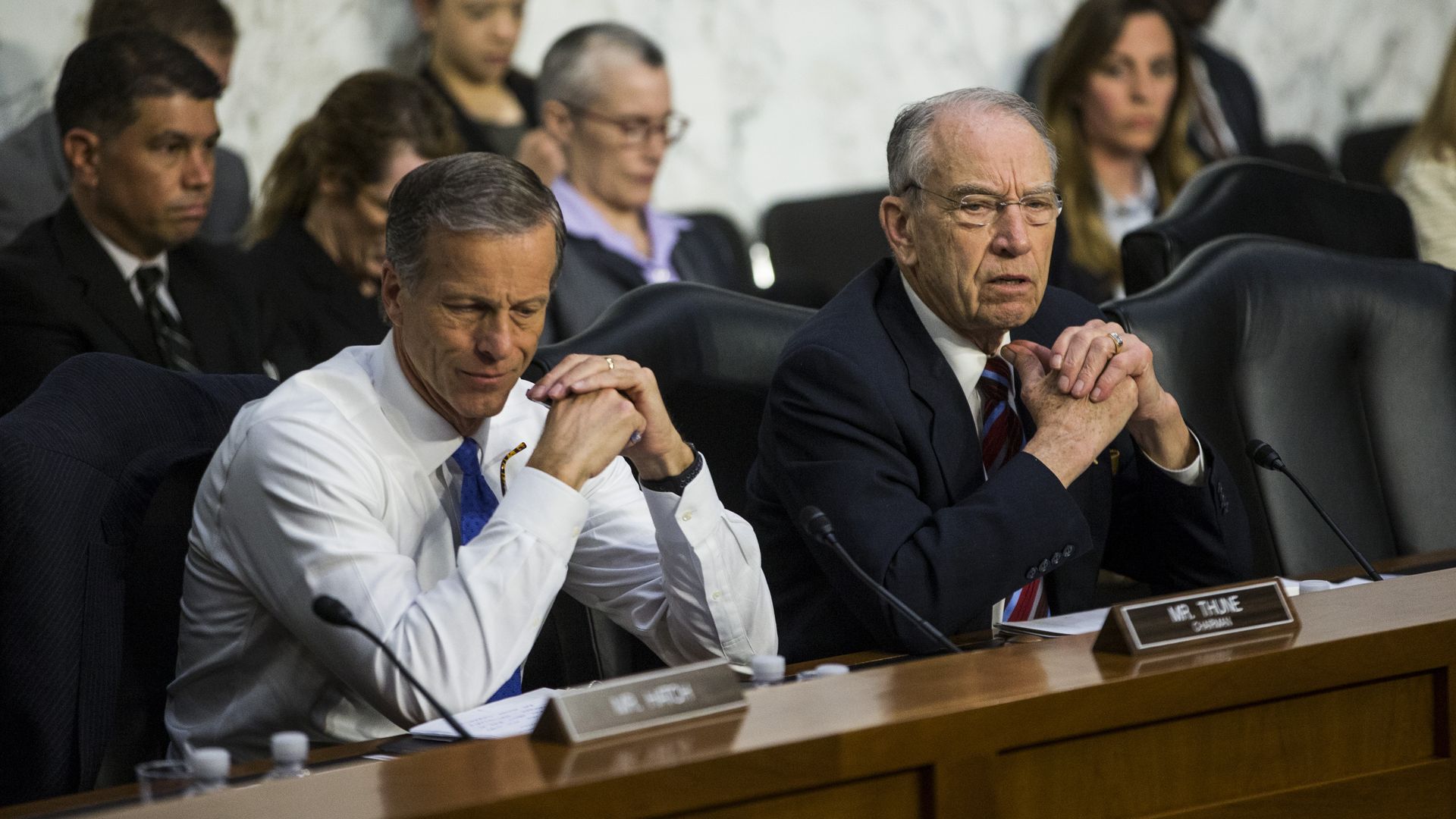
Majority Leader John Thune (R-S.D.) and Judiciary Chair Chuck Grassley (R-Iowa) are ready to start cranking out a new class of conservative judges — but they're waiting on the White House to send them some nominees.
Why it matters: Compared to President Biden four years ago — and Trump in 2017 — Republicans will be slower to start on judicial confirmations. As his whirlwind second term approaches its 100-day mark, Trump has yet to nominate a single federal judge.
The MAGA faithful are ecstatic over the FBI's arrest of a Wisconsin judge earlier today, Axios' Tal Axelrod reports.
"Lock 'em up!!" Rep. Troy Nehls (R-Texas), a staunch Trump ally, told Axios after the arrest.
"Good. We need to see more arrests!!" Rep. Mary Miller (R-Ill.) wrote on X.
"Take note, local officials. Obstructing federal immigration enforcement will no longer be tolerated. The American people have spoken. And their voice is clear," posted right-wing podcaster Jack Posobiec.
🎯 FBI agents today arrested Milwaukee County judge Hannah Dugan on charges of obstructing an immigration arrest.
Mike Allen interviews Karoline Leavitt this morning at the International Spy Museum in D.C. Photo: Cameron Smith for Axios
The Trump administration is exerting more control over the press corps in order to expand access, not to limit it, White House Press Secretary Karoline Leavitt told me at an Axios Communicators event today.
"It's not about ideology. It's about increasing the wide arrayof outlets that have access," Leavitt said.
📝 Where it stands: The White House press office recently took over deciding which outlets will be in the pool rotation that covers the president's daily movements — decisions previously made by the White House Correspondents' Association.
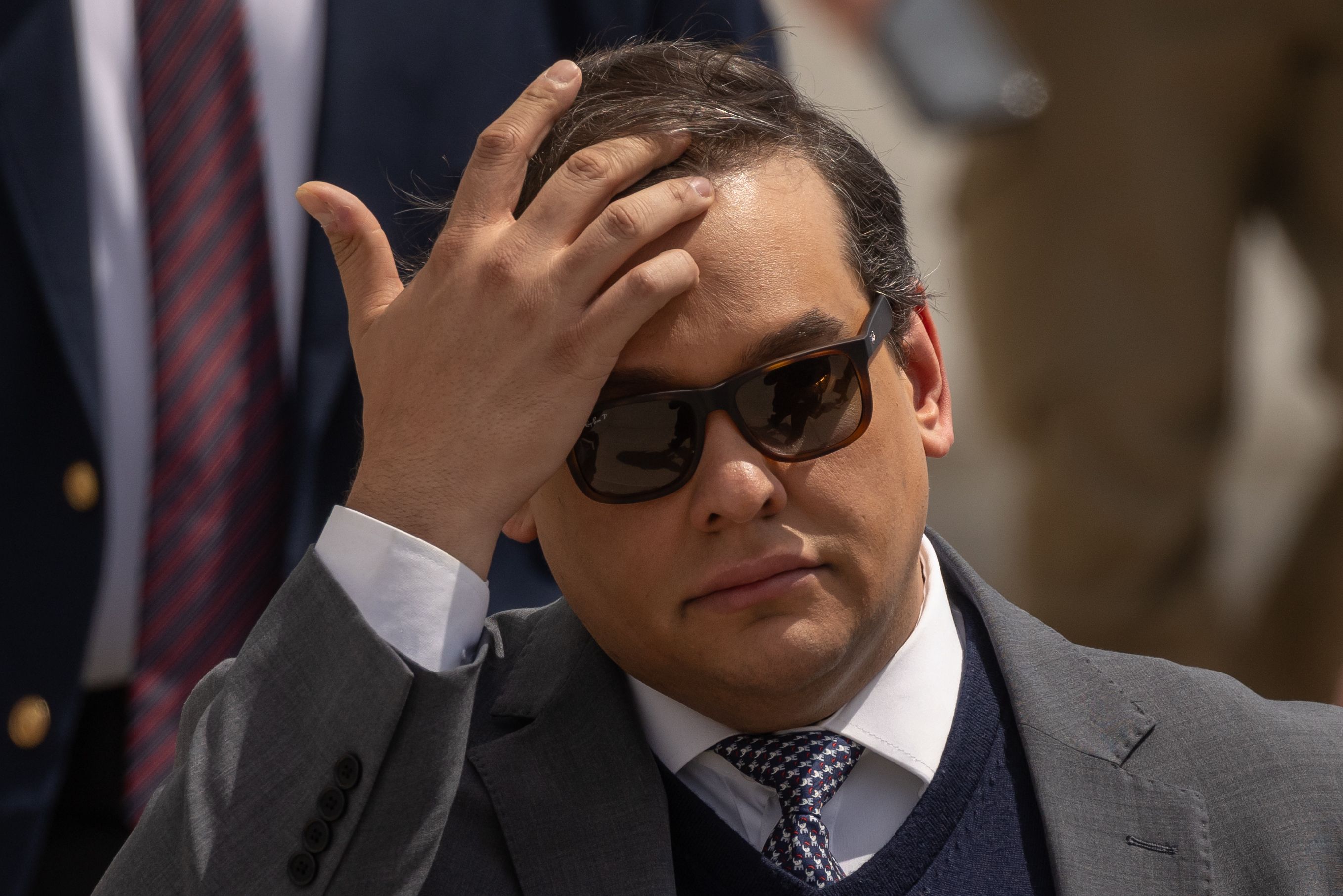
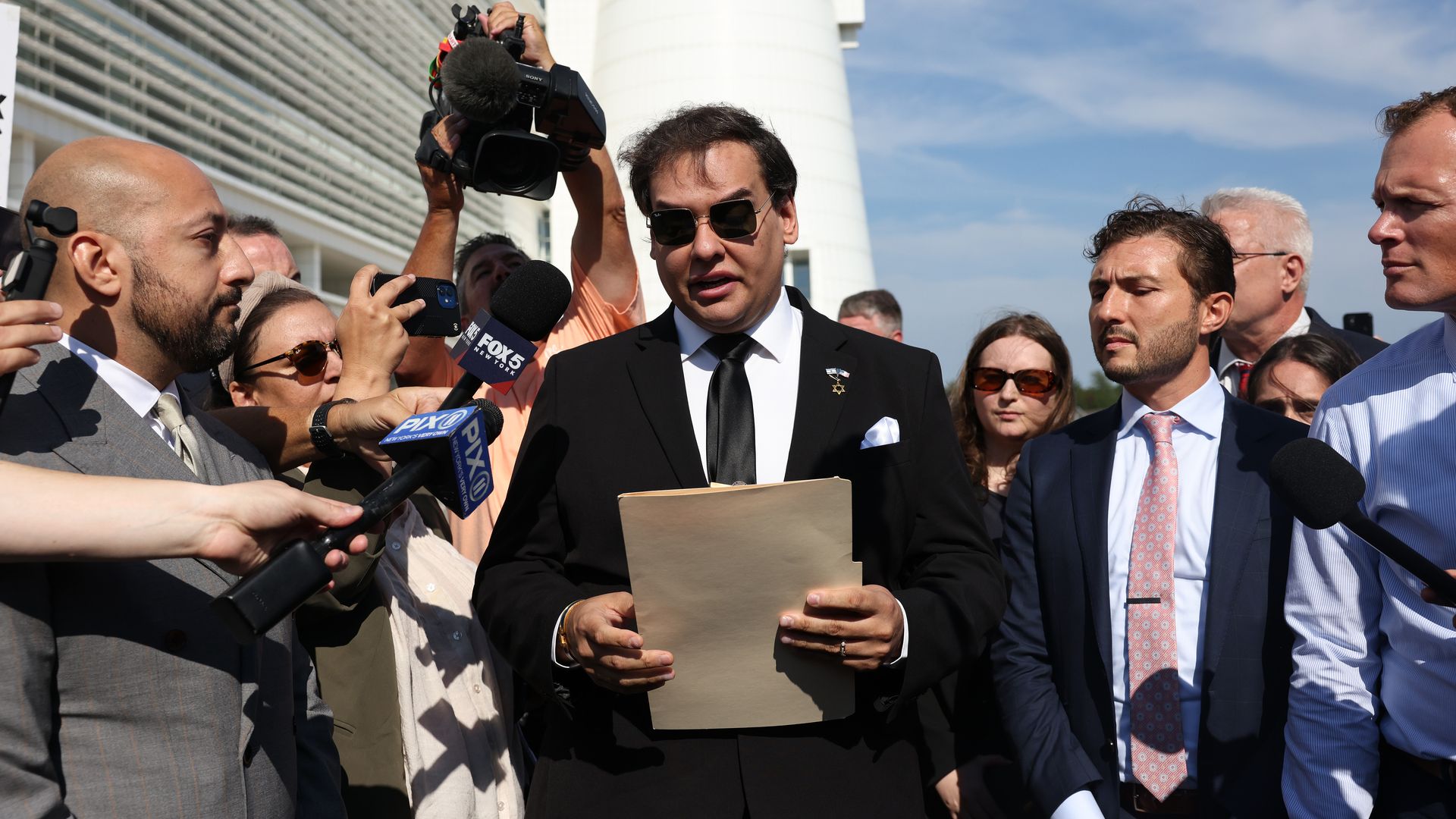
Former Rep. George Santos leaves federal court in Central Islip, N.Y., today. Photo: Yuki Iwamura/Bloomberg via Getty Images
⚖️ Former Rep. George Santos (R-N.Y.) was sentenced to more than 7 years in prison after pleading guilty to charges of wire fraud and aggravated identity theft. Go deeper.
🗂️ ICE reinstated the legal status of thousands of foreign students — a sudden reversal just weeks after it had revoked those students' ability to remain in the U.S. Go deeper.
🧢 "It's just a hat," White House press secretary Karoline Leavitt told me when I asked about the "Trump 2028" hats the Trump Organization is selling: "It's not something he's thinking of — though I hear hats are flying off the shelves."
Tomorrow night's White House Correspondents' Dinner will be a much quieter affair than usual: President Trump isn't attending, and there won't be a comedian performing.
Scheduled headliner Amber Ruffin's appearance was canceled due to comments she made about President Trump.
🎈 But the weekend of parties surrounding the dinner is still going strong, Axios' Sara Fischer reports.
More events are tied to this year's dinner than last year's, including several hosted by independent journalists.
A federal judge in Washington, D.C. on Friday temporarily blocked an executive order that eliminated collective bargaining rights for two-thirds of the federal workforce, finding it "unlawful."
Why it matters: This is a big win for the unions that represent government workers.
Why it matters: It is a complete reversal of the policy that former President Biden and former Attorney General Merrick Garland put in place restricting subpoenas of reporters' news-gathering materials.
The Trump administration is tightening its control over press coverage in order to expand access, not to limit it, press secretary Karoline Leavitt told Mike Allen at an Axios event in D.C. Friday.
Why it matters: "It's not about ideology. It's about increasing the wide arrayof outlets that have access," Leavitt said.
The Trump administration announced an investigation into the University of California, Berkeley, on Friday over allegations it failed to disclose millions in funding from a foreign government.
The big picture: The move comes after President Trump signed an executive order this week requiring higher education institutions to report significant sources of foreign funding.
The FBI on Friday arrested Milwaukee County Circuit Court judge Hannah Dugan for allegedly trying to help an undocumented immigrant avoid arrest.
The big picture: The complaint filed in U.S. District Courtcharges the judge with obstructing or impeding a proceeding before a department or agency of the U.S. and with concealing an individual to prevent his discovery or arrest.
Former Rep. George Santos (R-N.Y.) was sentenced Friday to 87 months in prison — more than 7 years — after pleading guilty to charges of wire fraud and aggravated identity theft.
Why it matters: It's the climax of a years-long saga in which Santos dominated national headlines and was ultimately expelled from Congress for his serial dishonesty.
Democratic lawmakers reacted with ferocity — and some Republicans with cheers — to the Friday arrest of Wisconsin judge Hannah Dugan for allegedly helping an undocumented defendant avoid arrest by ICE agents.
Why it matters: To Democrats, the arrest marks a significant escalation in President Trump's efforts to consolidate power and use federal law enforcement to crush legal obstacles to his agenda.
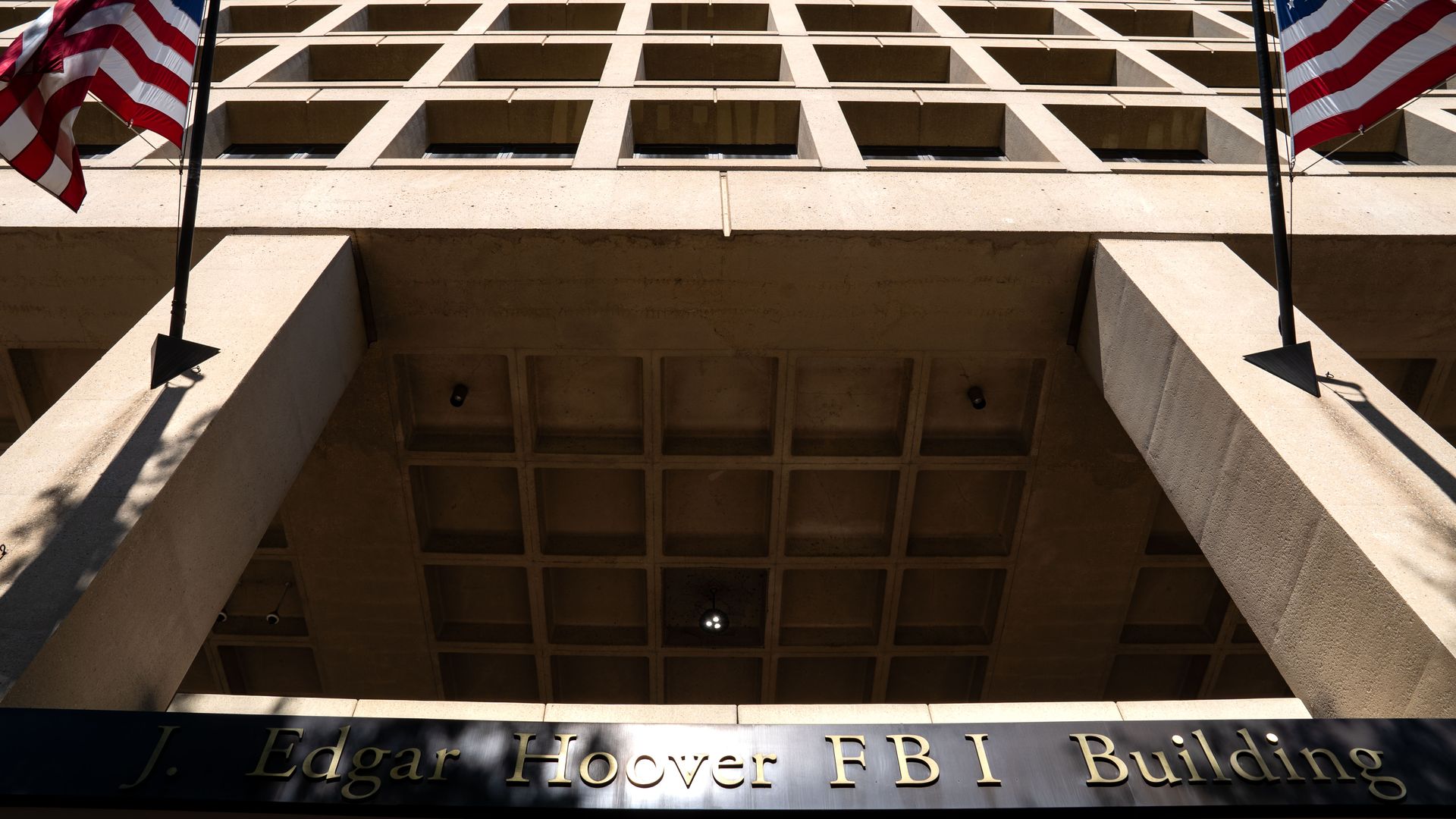
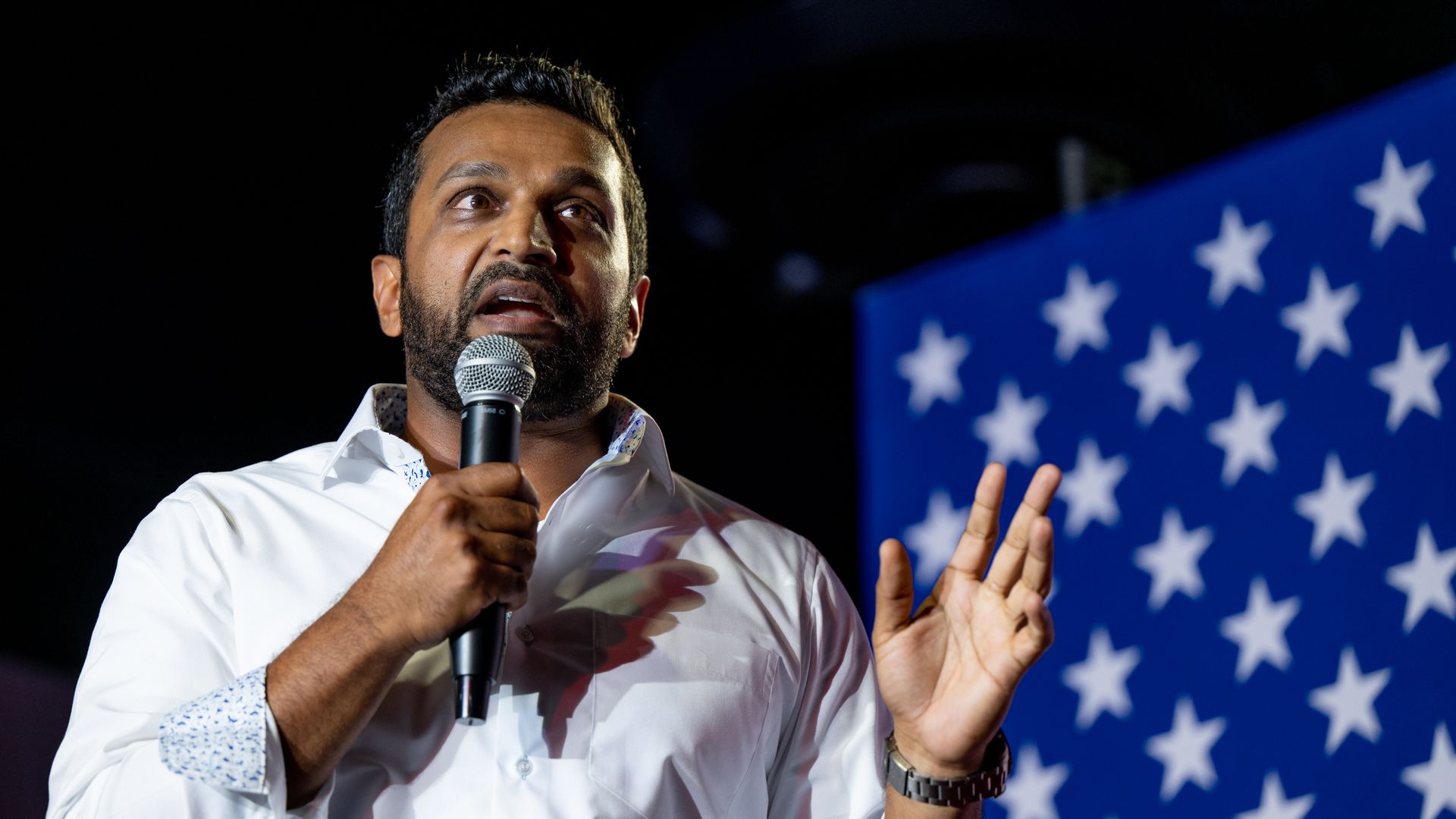
FBI Director Kash Patel announced Friday his office had arrested a Milwaukee judge who allegedly helped an undocumented immigrant evade arrest in her courthouse.
Why it matters: The 22nd Amendment bars presidents from being elected to a third term. Amending the Constitution is an arduous path that's unlikely to succeed — but Trump told NBC News there are "methods" by which he could serve again.
It's April in Washington, which means it's time for the annual White House Correspondents' Dinner and the weekend of events surrounding it.
The big picture: The dinner, on April 26, brings journalists and politicians together to rub elbows — a gathering some have mixed feelings about this year due to the Trump administration's treatment of the press.
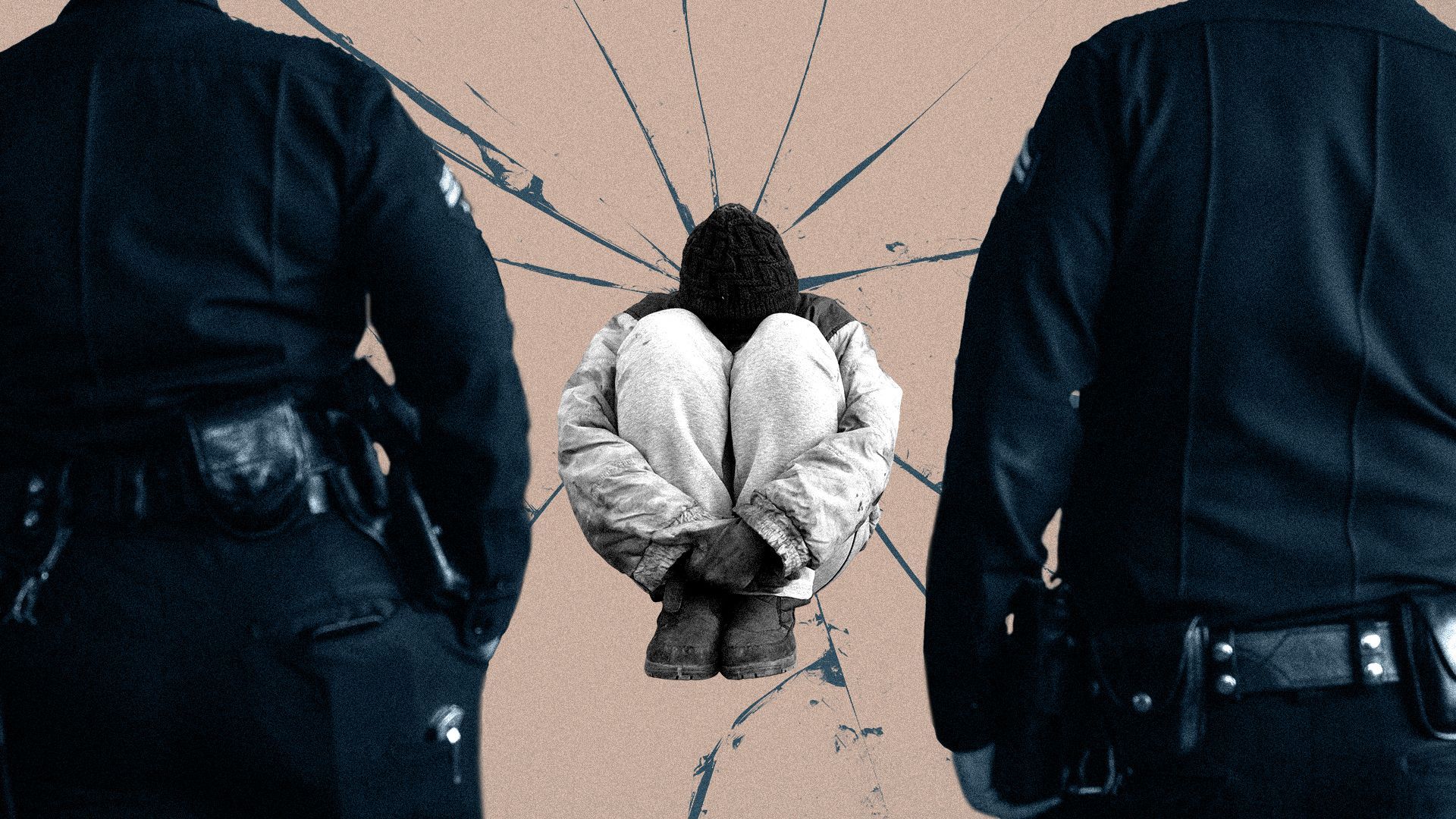
Cities and states that once championed progressive approaches to mental health and drug use are continuing their yearslong course reversal, and are increasingly open to involuntary commitment.
Why it matters: The push to get people withsevere mental illness help — especially those who are homeless — is a response to public backlash, but may be outpacing the availability of high-quality treatment for them.
The big picture: Writing the "blue states abandon progressive drug/mental health policies" story has begun to feel repetitive to me — this has been ongoing for years. But it continues to take different iterations, and it's worth continuing to write about until someone figures out how to solve the problem.
And defining the problem can depend on who you ask. For many voters, they're looking for public places they feel are safer. But for patients with mental illness, treatment and support can be incredibly hard to access.
It's even more complicated when the mental illness is combined with substance abuse — a situation that lands many in hospital emergency rooms, cut off from needed supports and services.
Reality check: Out-of-sight, out-of-mind isn't a solution, at least not from a health care perspective (this isn't a public safety newsletter).
And the current trends of government-mandated treatment or simply the criminalization of homelessness and mental illness are occurring at a time when the federal government is considering vastly decreasing funding streams vital to mental health treatment, especially Medicaid.
State of play: Some cities are responding to 2024 election results, in which voters elected candidates to office based on who spoke to their desire for addressing "this nexus of addiction, mental illness and homelessness," said Keith Humphreys, a professor of psychiatry at Stanford University.
Humphreys authored a recent Brookings Institution report that found policy frameworks in the Pacific Northwest region that had decreased law enforcement's role in drug policy have since seen public and policymaker support plummet,and have been rolled "back as fast as [they] had been implemented."
San Francisco voters elected Mayor Daniel Lurie, who told the New York Times that his success depends on "if we grow our economy, if we get people off the streets and into mental health beds, if people feel safe walking down our streets again." Lurie last month unveiled his vision for addressing the city's homelessness and behavioral health crisis.
And some changes are stemming from last year's Supreme Court decision allowing state and local governments to prohibit sleeping outdoors.
In Silicon Valley, San Jose's Democratic mayor recently called for arresting homeless people after they resist shelter three times, the NYT recently reported. The goal is to move them into mental health treatment, but they could end up serving jail time.
Between the lines: One clear trend is the growing support for the involuntary commitment of mentally ill patients.
Oregon state lawmakers are considering changing the civil commitment standard, making it easier for judges to order people in crisis into hospital care. Gov. Tina Kotek has called for lowering that legal threshold, as well as creating hundreds of more treatment beds and better linking people in homeless shelters to mental health services.
New York Gov. Kathy Hochul earlier this year proposed making it easier to take people having a psychiatric crisis to a hospital involuntarily and requiring better coordination after patients leave the hospital.
Homelessness and mental illness are also becoming big issues in New York City's mayoral race.
And, of course, California has been implementing its "Care Courts," which allow civil court judges to order adults into monitored plans that can include treatment for severe mental illness, while New York City has been rolling out Mayor Eric Adams' controversial involuntary removal directive.
Yes, but: The programs aren't free from criticism, despite other blue states' willingness to take similar actions.
Early data has shown that the California initiative — signed into law by Gov. Gavin Newsom in 2022 — has fallen short of its early goals, per KFF Health News.
Adams' plan has been criticized as ineffective by a City Council report, which also raised questions about racial disparities within the program, per CBS News.
Why it matters: Trump doubled down on his administration's refusal to comply with a Supreme Court order requiring it to facilitate Kilmar Armando Ábrego García's return from a high-security prison for terrorists in El Salvador.
A defiant President Trump insisted in a new interview that the U.S. is less than a month away from potentially hundreds of trade deals, and that even Chinese President Xi Jinping has called him to talk business.
Why it matters: China denies it, other countries aren't saying it either, Trump won't say who the deals are with or share details, and the global economy is cracking as the saga plays out.
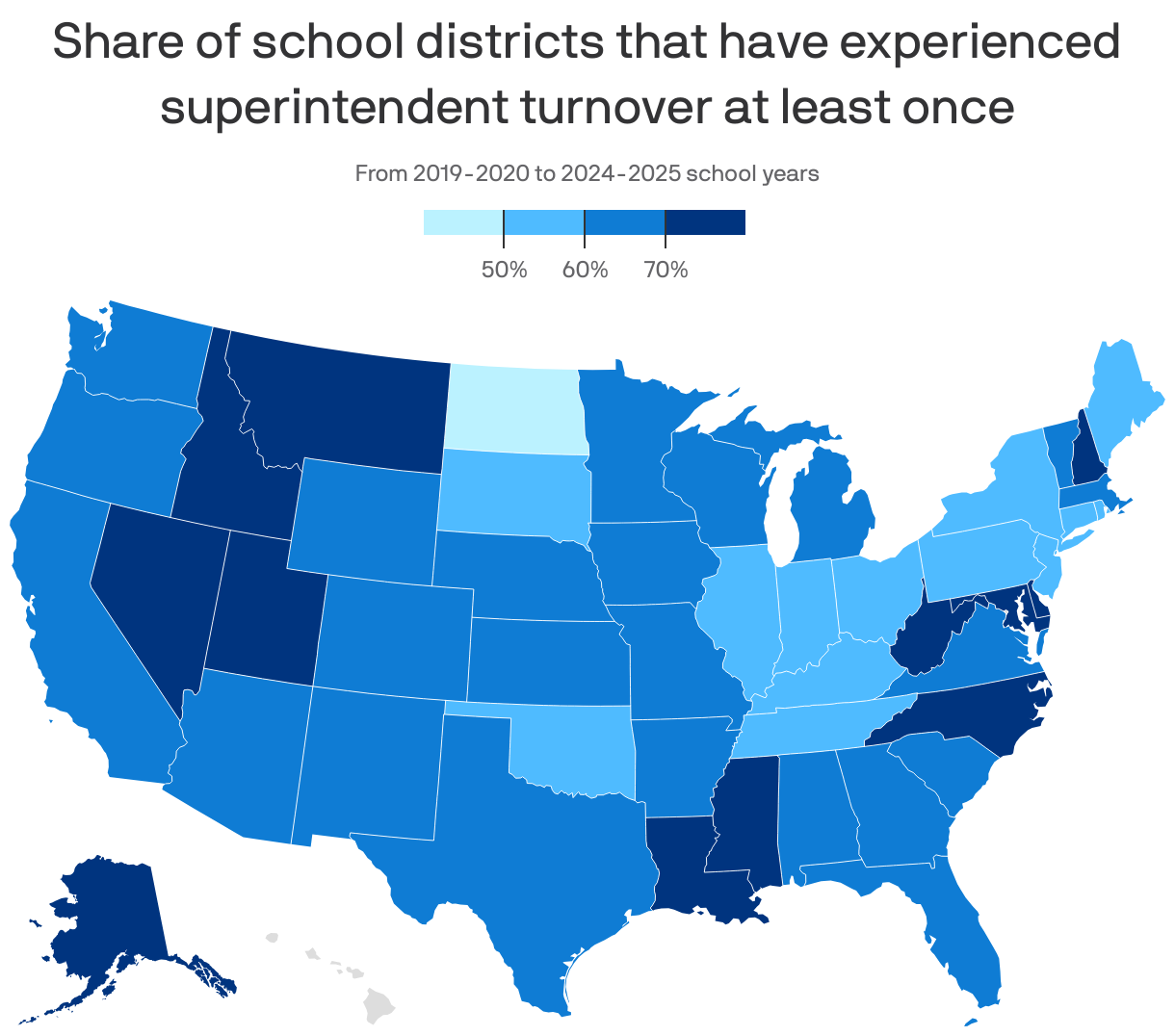
Data: The Superintendent Lab; Note: Data not available for Hawaii; Map: Axios Visuals
The Trump administration wants to empower local schools by dismantling the U.S. Department of Education. The catch: Local school districts nationwide already are struggling with teacher shortages, falling test scores and rising turnover in leadership.
Why it matters: Those measures of instability — along with ongoing debates over what should be taught, and how — are just a few of the problems local systems are facing as the White House signals that less help could be coming.
He's leaving with his reputation wounded, relationships severed, companies in crisis, fortune diminished — and little to show for DOGE but chaos and contested savings.
Why it matters: Musk may not have achieved his audacious goal of cutting $2 trillion from America's debt, but the disruption he unleashed inside the federal government — for better or for worse — will reverberate for decades.
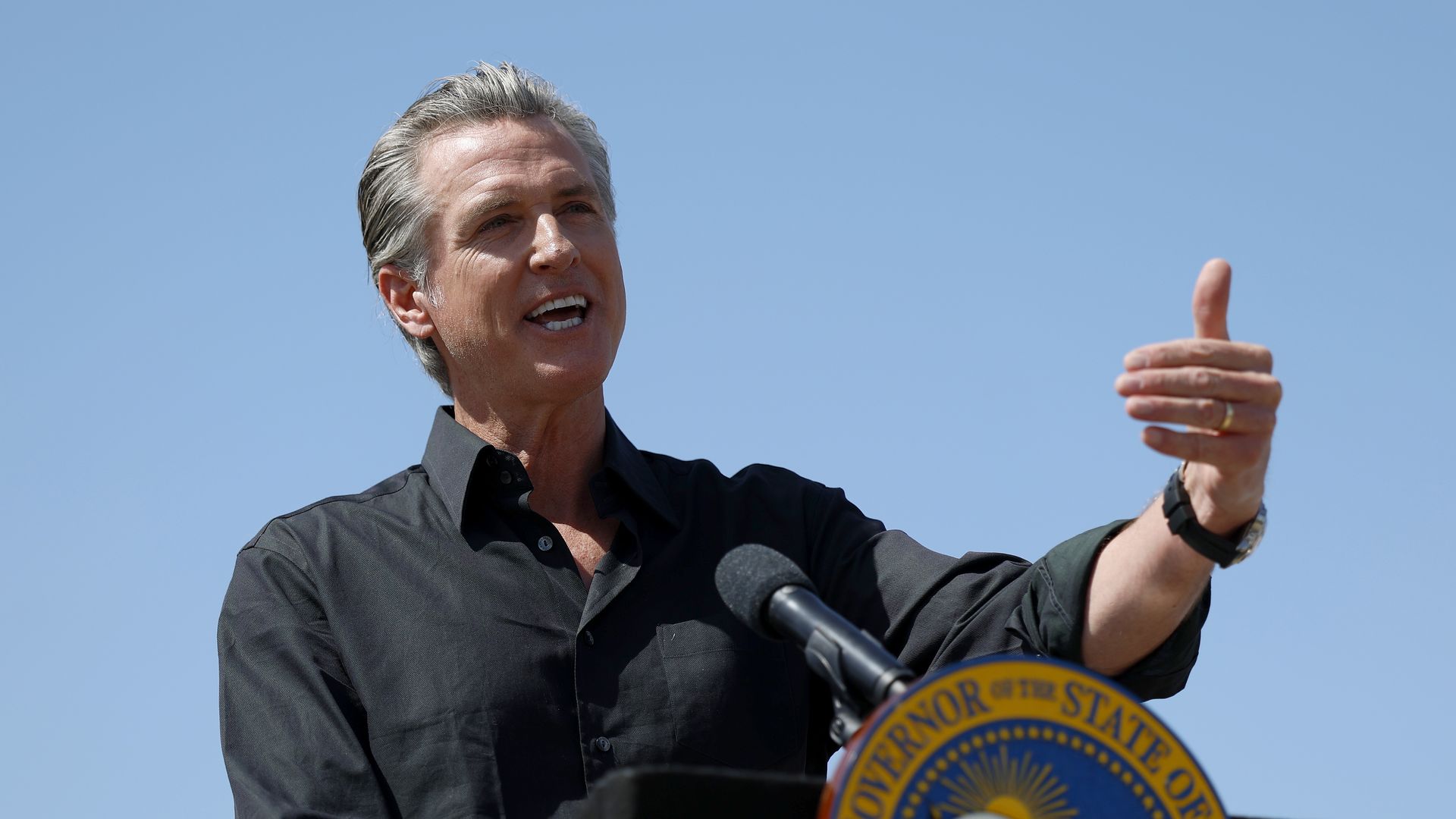
California's economy has surpassed Japan's, state Gov. Gavin Newsom announced, as he warned of potential impacts in the Golden State from President Trump's sweeping tariffs.
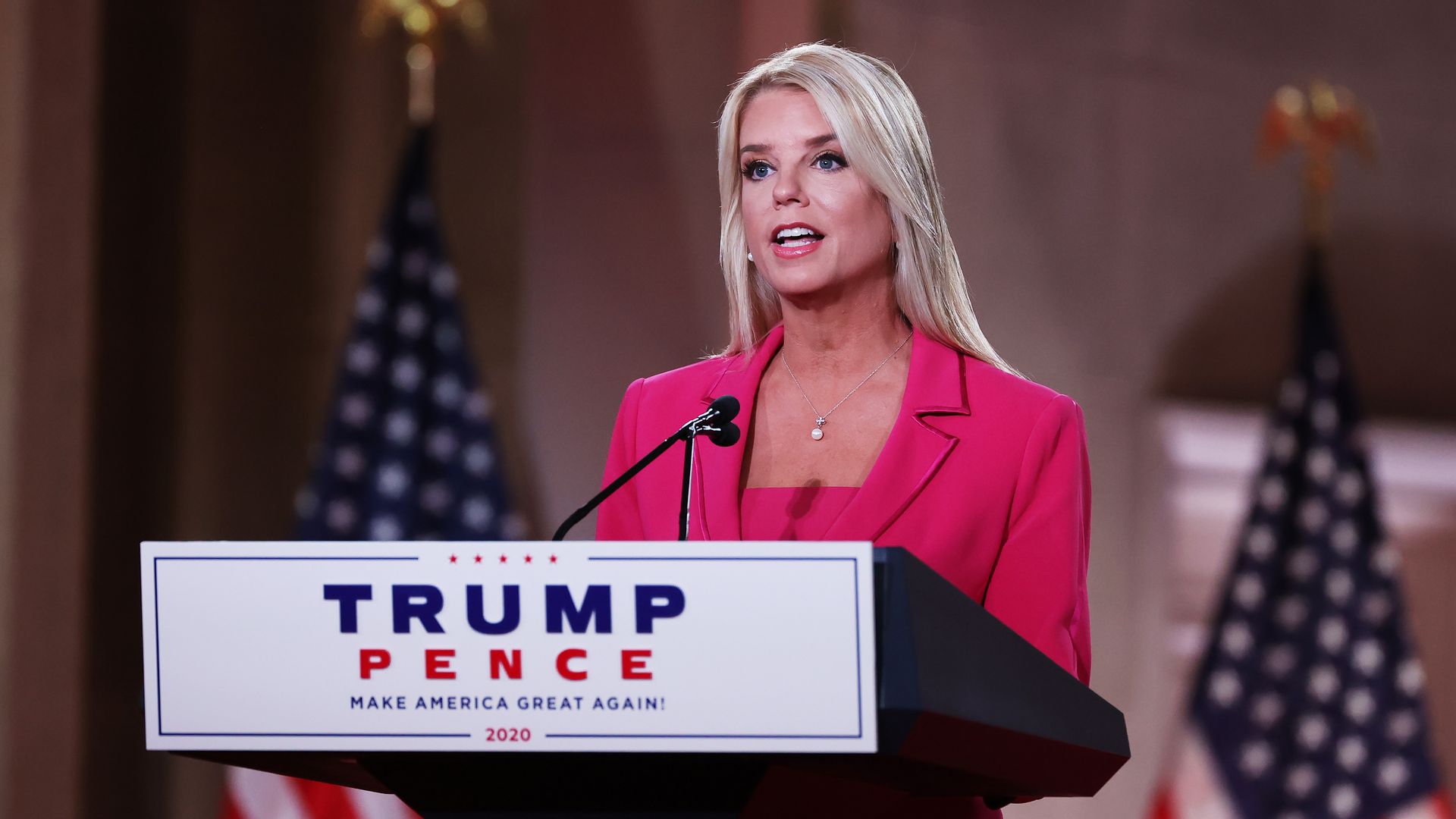
President Trump on Thursday requested Attorney General Pam Bondi investigate ActBlue and other donation groups in what the White House says is a crackdown on "illegal 'straw donor' and foreign contributions in American elections."
Why it matters: ActBlue is the main online donations platform for Democrats and the fundraising group in a media statement called Trump's action "blatantly unlawful" as it vowed to "immediately pursue all legal avenues to protect and defend" itself.
Russian Foreign Minister Sergei Lavrov on Thursday concurred with President Trump's assertion that talks to end the war with Ukraine were "moving in the right direction," according to an excerpt from an interview with CBS News.
Why it matters: Lavrov's comments come hours after Trump issued rare criticism of Russian President Vladimir Putin after Russian forces launched a deadly missile and drone attack on Kyiv overnight.
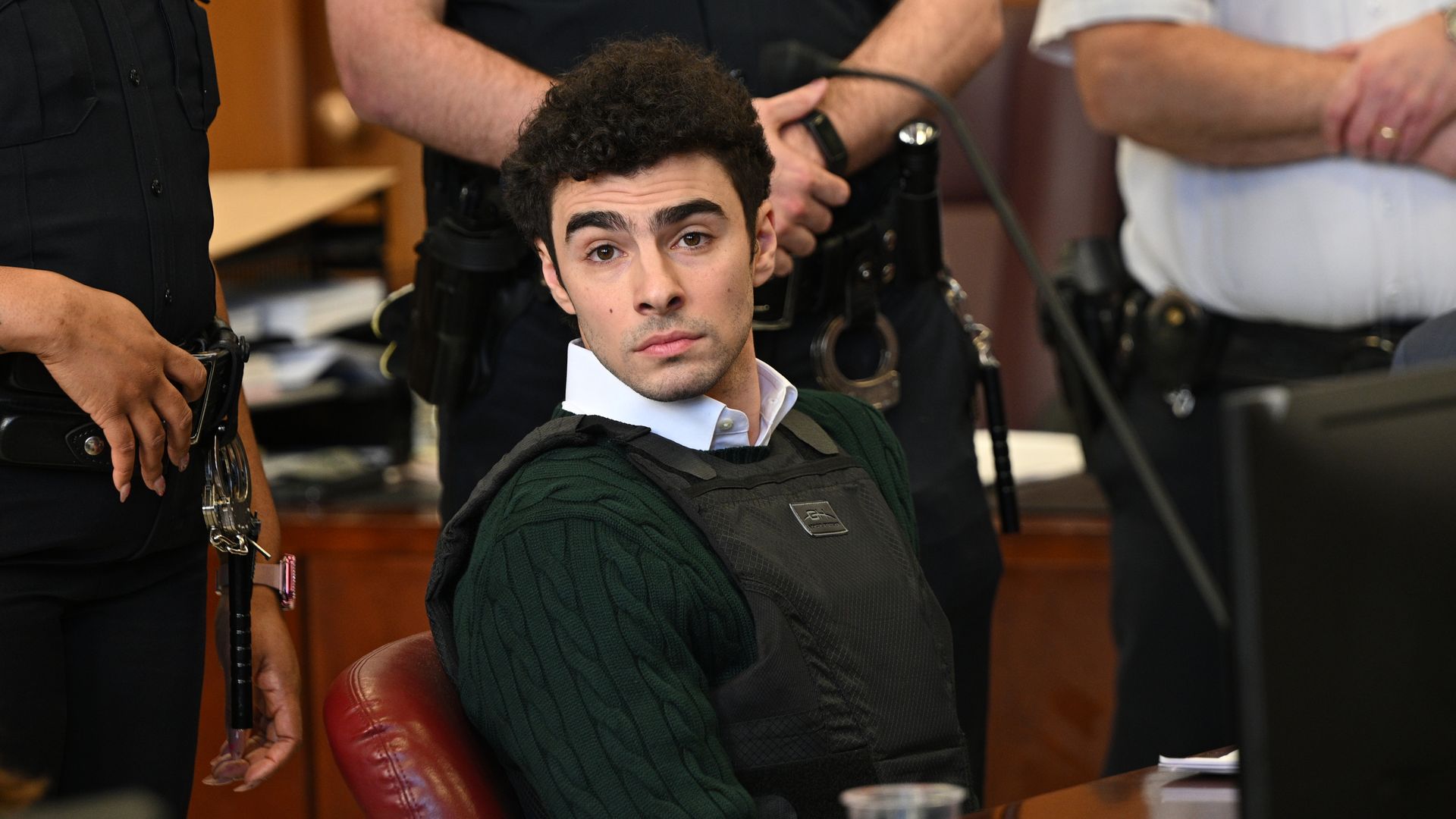
Federal prosecutors told a court Thursday they intend to seek the death penalty for Luigi Mangione, the man charged with murder in connection to the killing of UnitedHealthcare CEO Brian Thompson last year.
The big picture: The move formalizes Attorney General Pam Bondi's direction to prosecutors earlier this month.