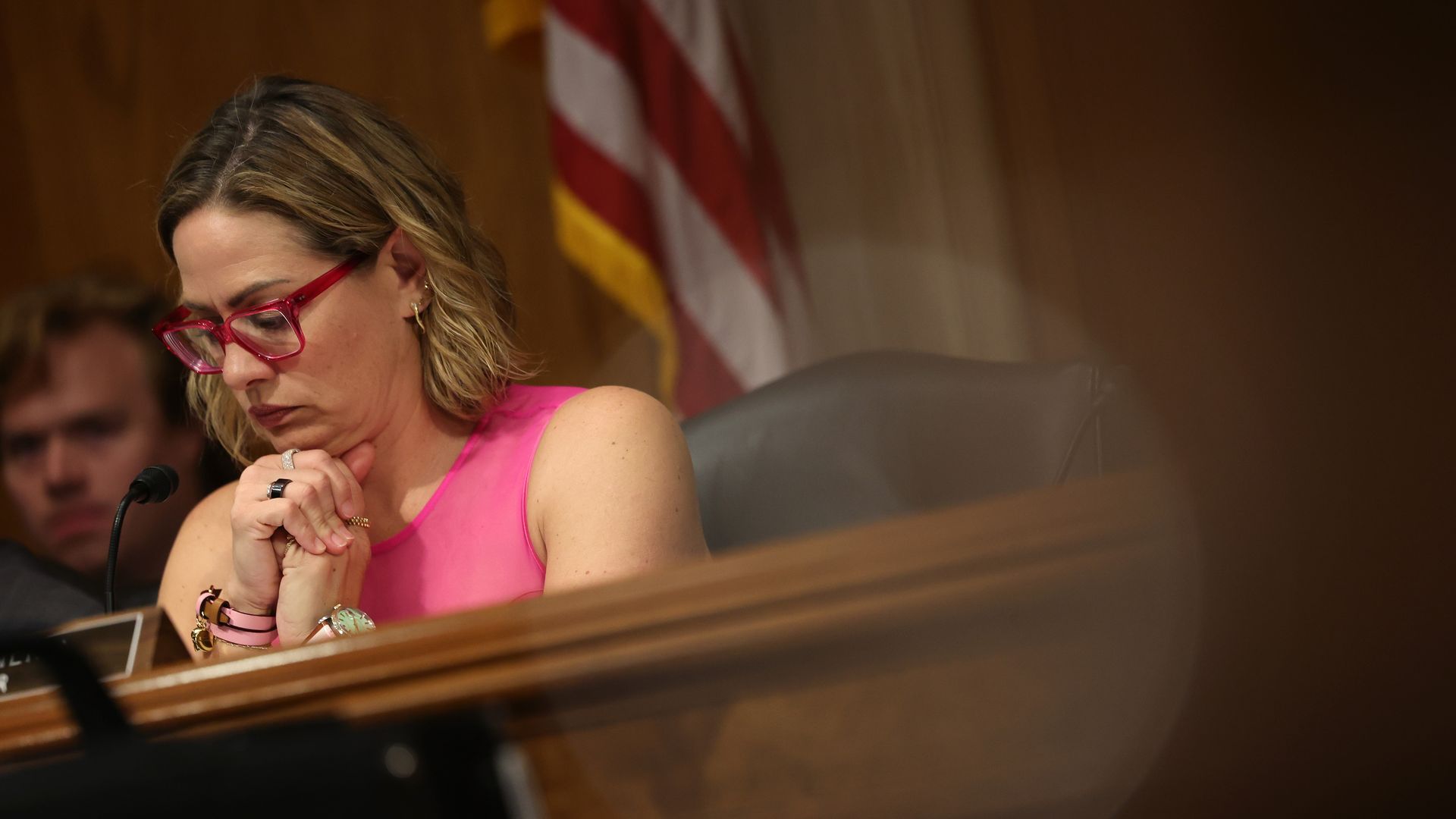
Democrats determined to win the Arizona Senate race breathed a sigh of relief this week when Sen. Kyrsten Sinema (R-Az.) revealed that she would not run for re-election.
Why it matters: Sources in and around the campaign of Democrat Ruben Gallego told Axios that Sinema's departure was a welcomed development and simplifies his path to victory over Republican Kari Lake.
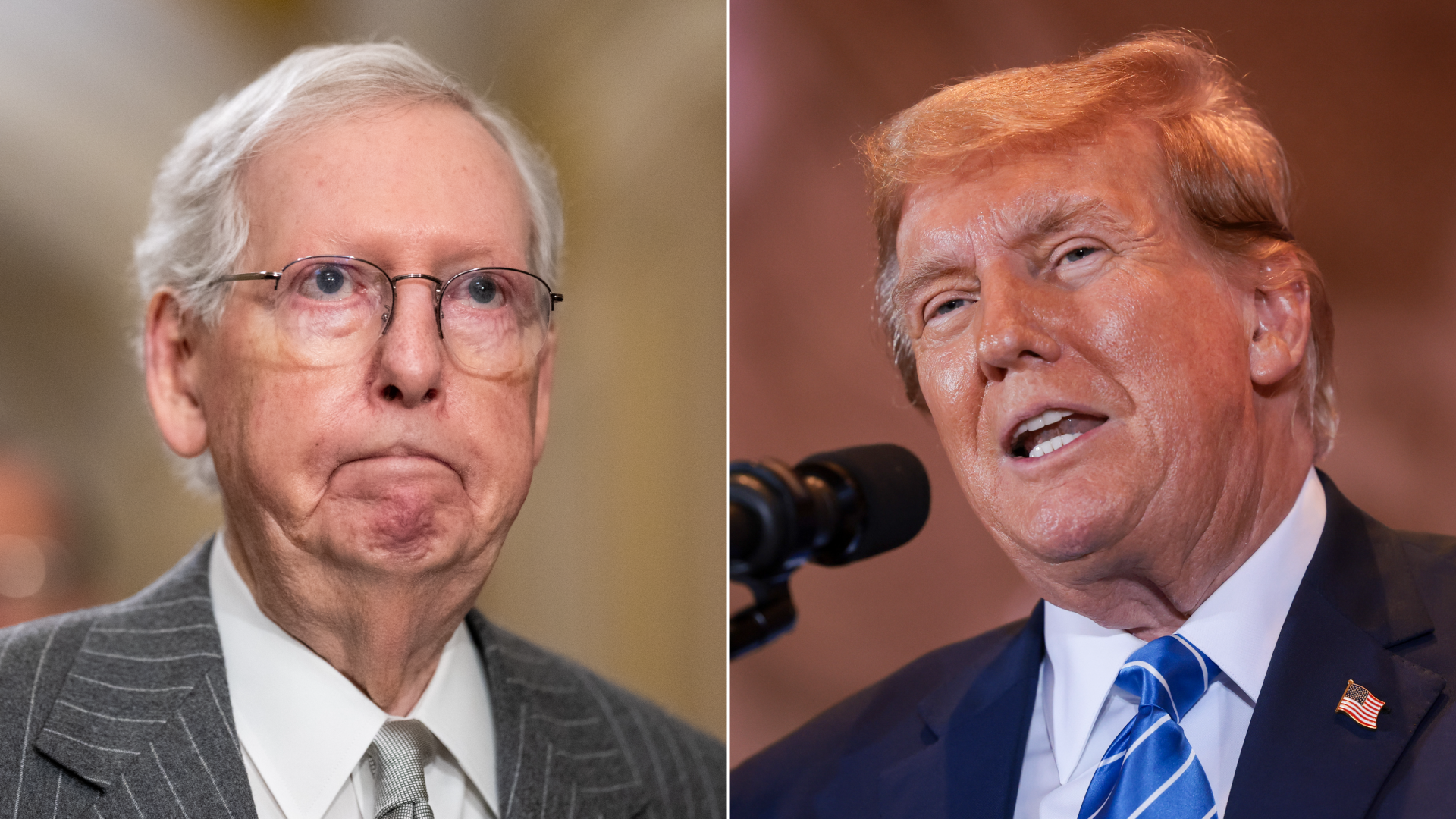
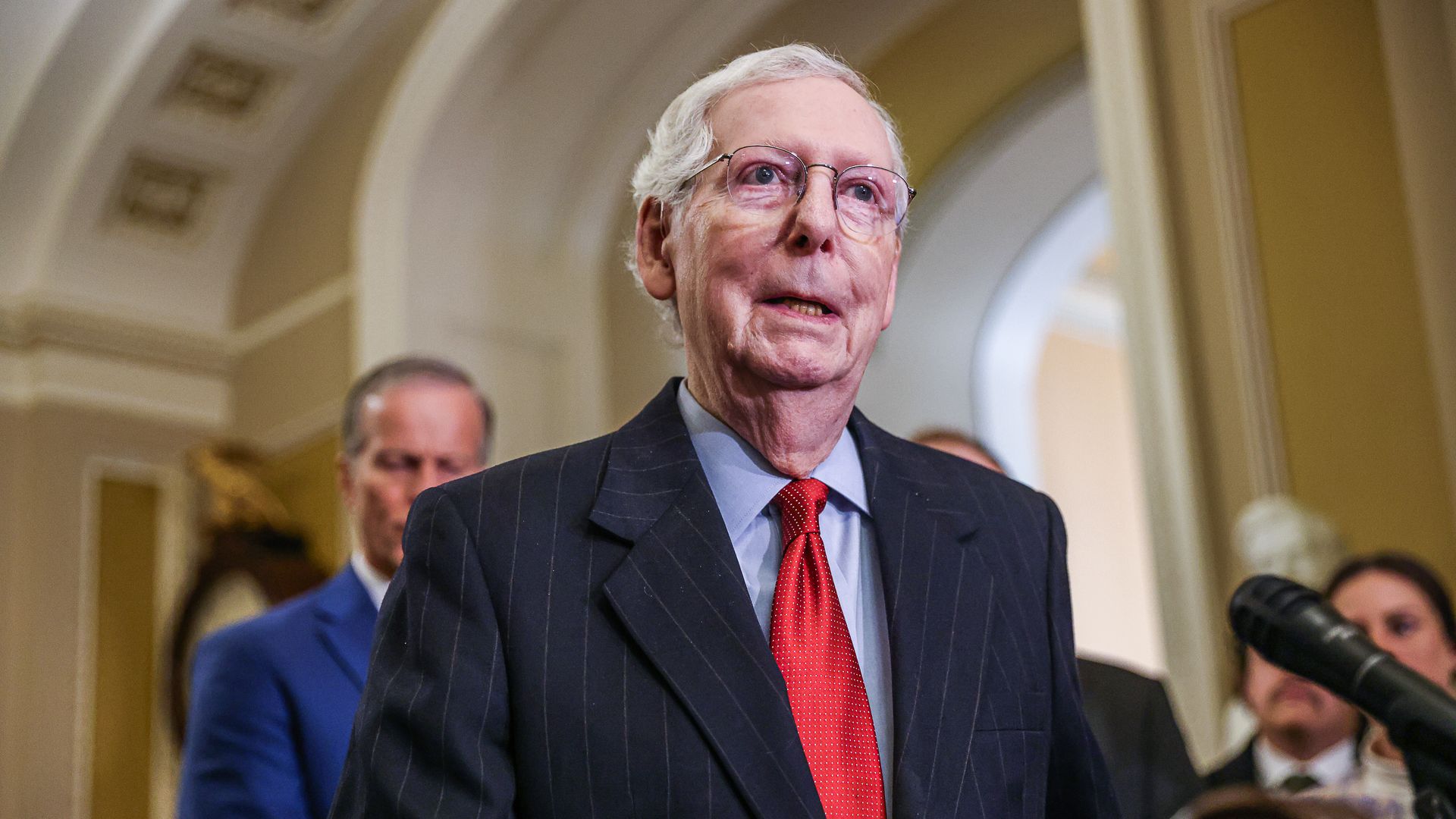
Former President Trump received a coveted endorsement Wednesday from Senate Minority Leader Mitch McConnell (R-Ky.) — following years of bitterness between the two leading GOP figures.
Why it matters: The Kentucky Republican's backing comes despite his previous condemnation of Trump following the Jan. 6 Capitol riot. It also further cements the Trumpification of the Republican Party.
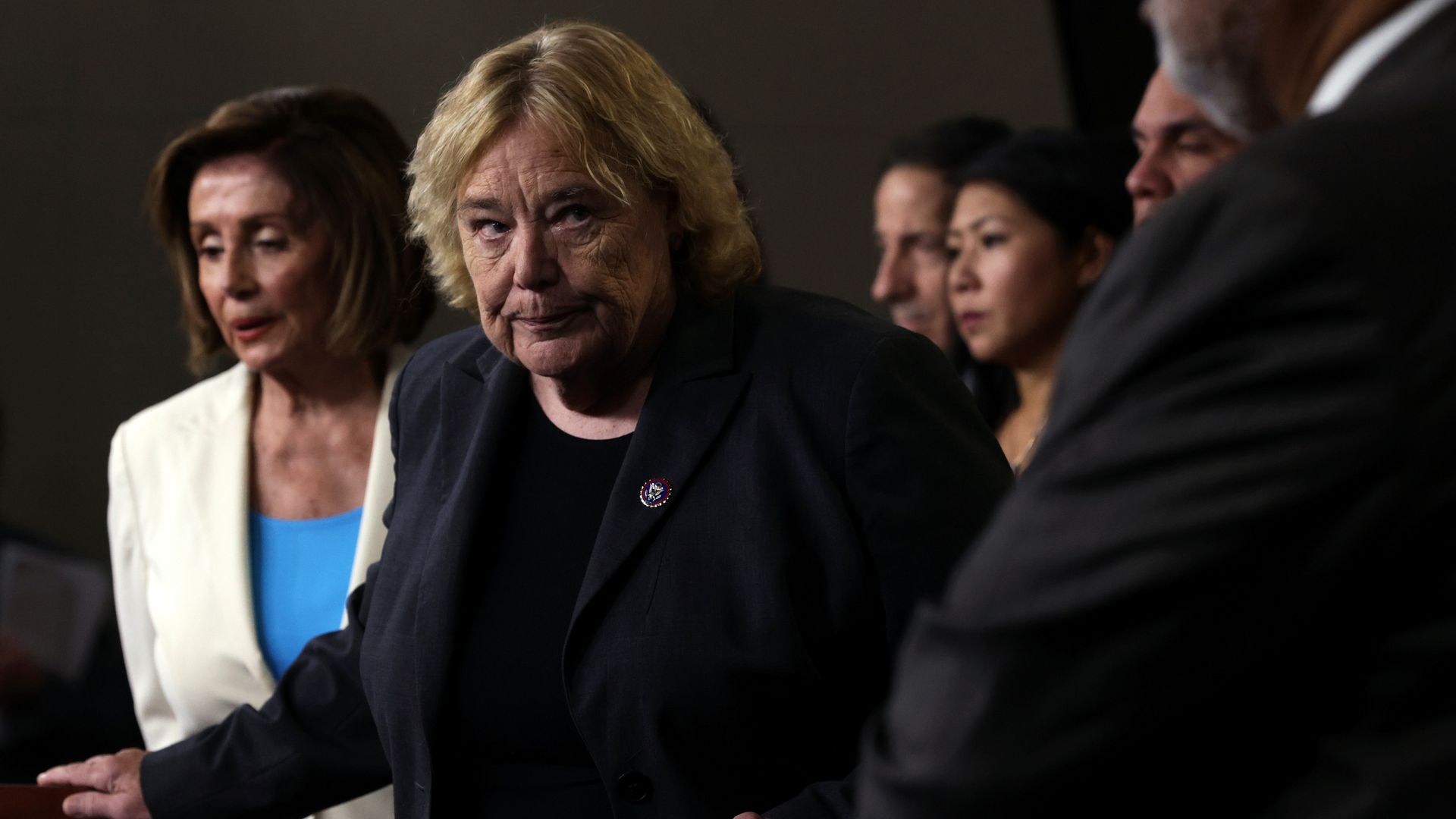
At least two additional members besides Reps. Ritchie Torres (D-N.Y.) and Lois Frankel (D-Fla.) have left the Congressional Progressive Caucus in recent months, Axios has learned.
Why it matters: The caucus' membership has swelled in the last few election cycles to encompass nearly half the Democratic Caucus — a key marker of strength for Democrats' left flank.
A former Google software engineer, Linwei Ding, has been indicted on charges of stealing AI technology secrets from the company to pass to two Chinese companies, the Department of Justice said Wednesday.
Why it matters: Intelligence and defense officials have been warning for a year that China and other adversaries have ramped up their attempts to obtain American intellectual property and to use AI against American interests.
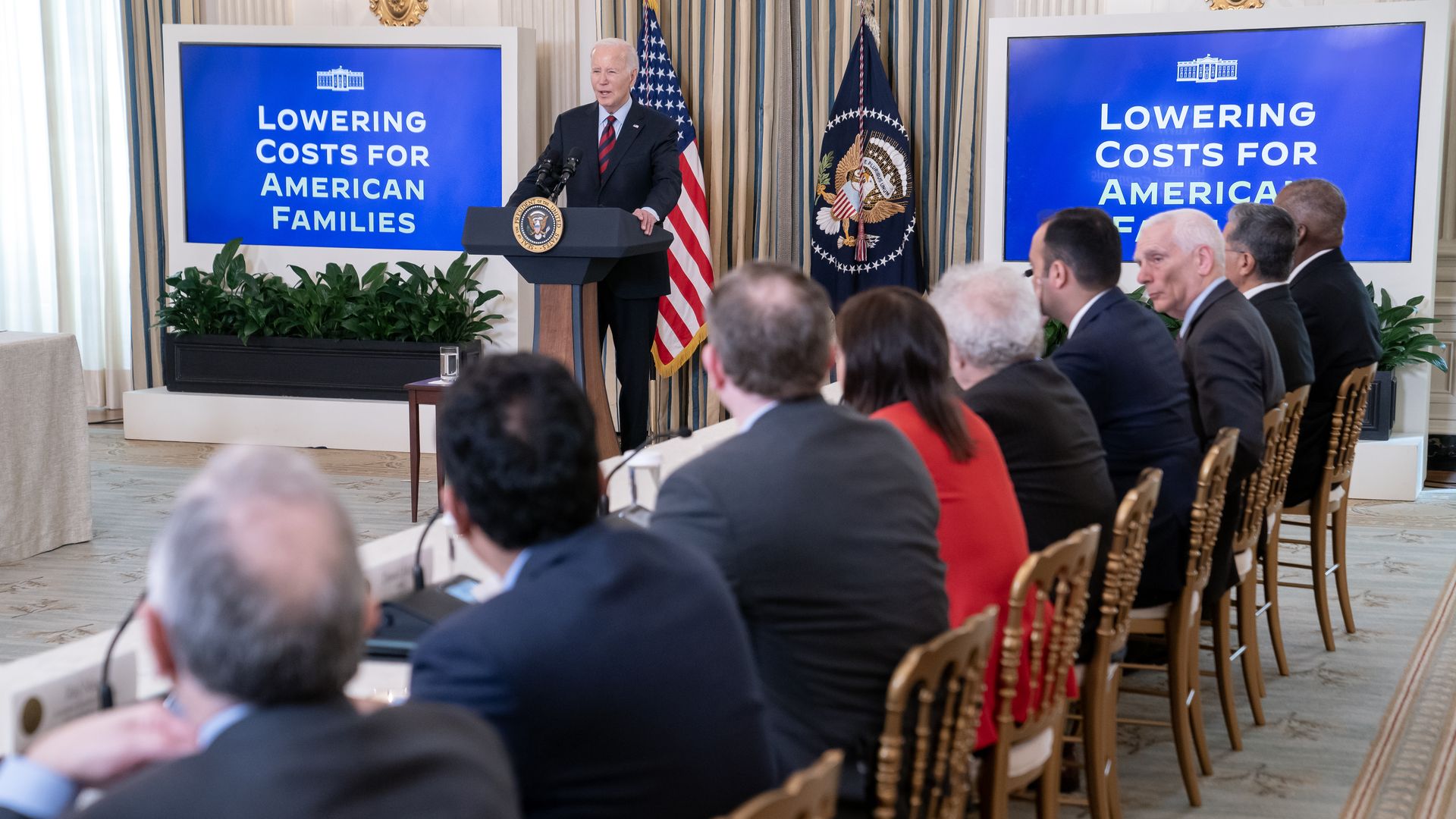
The Biden-Harris campaign plans to try to usurp "Project 2025" — the name of a well-funded Heritage Foundation effort to prepare for a second Trump administration — to brand warnings about the former president's policies.
Why it matters: President Biden's campaign tells me "Project 2025" resonates on social media, and in conversations with voters, as shorthand for what former President Trump would do if he won in November.
The House on Wednesday passed the first tranche of six annual appropriations bills, averting a partial government shutdown that was set to take effect on Friday.
Why it matters: Unlike the stopgap spending bills Congress has been passing since last fall, these bills keep their respective agencies funded to September.
Why it matters: Two months after the incident, safety investigators still have not determined who is responsible or how it occurred, as the company's safety culture is reportedly unstable.
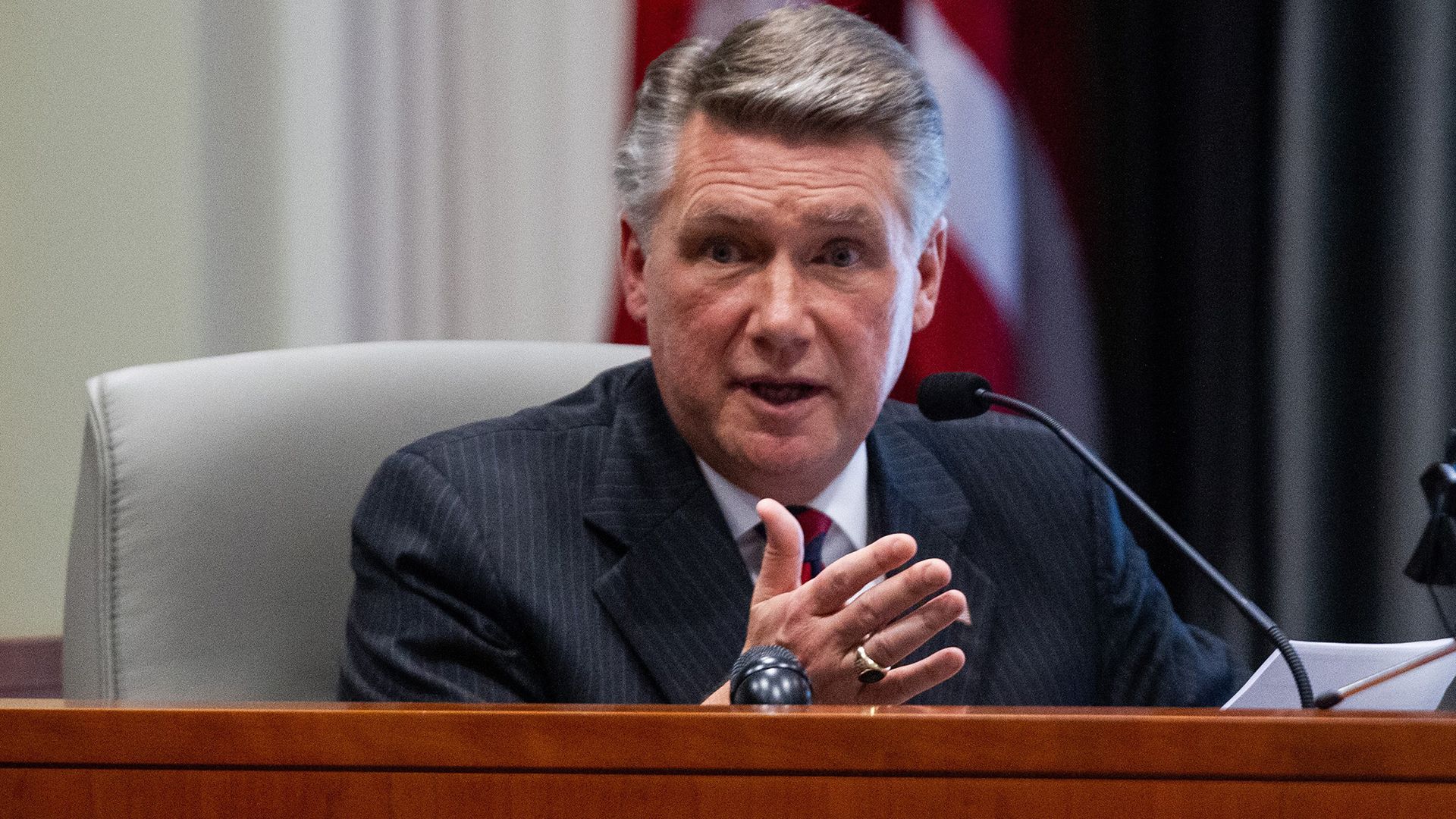
Here's a wild comeback: North Carolina Republican Mark Harris, who was at the center of an election fraud scandal over the 2018 midterms, has won the GOP nomination for the state's 8th Congressional District, AP projects.
Why it matters: Harris, a Baptist preacher, will be a favorite in November against Democrat Justin Dues in a safe Republican district where nearly 60% of voters supported Trump in 2020.
Rep. Dean Phillips (D-Minn.) announced Wednesday that he's suspending his long-shot Democratic primary challenge to President Biden, ending a campaign that never gained any traction.
Why it matters: Phillips was an outspoken critic of Biden's re-election campaign, citing the president's age and polling showing Democrats wanted an alternative.
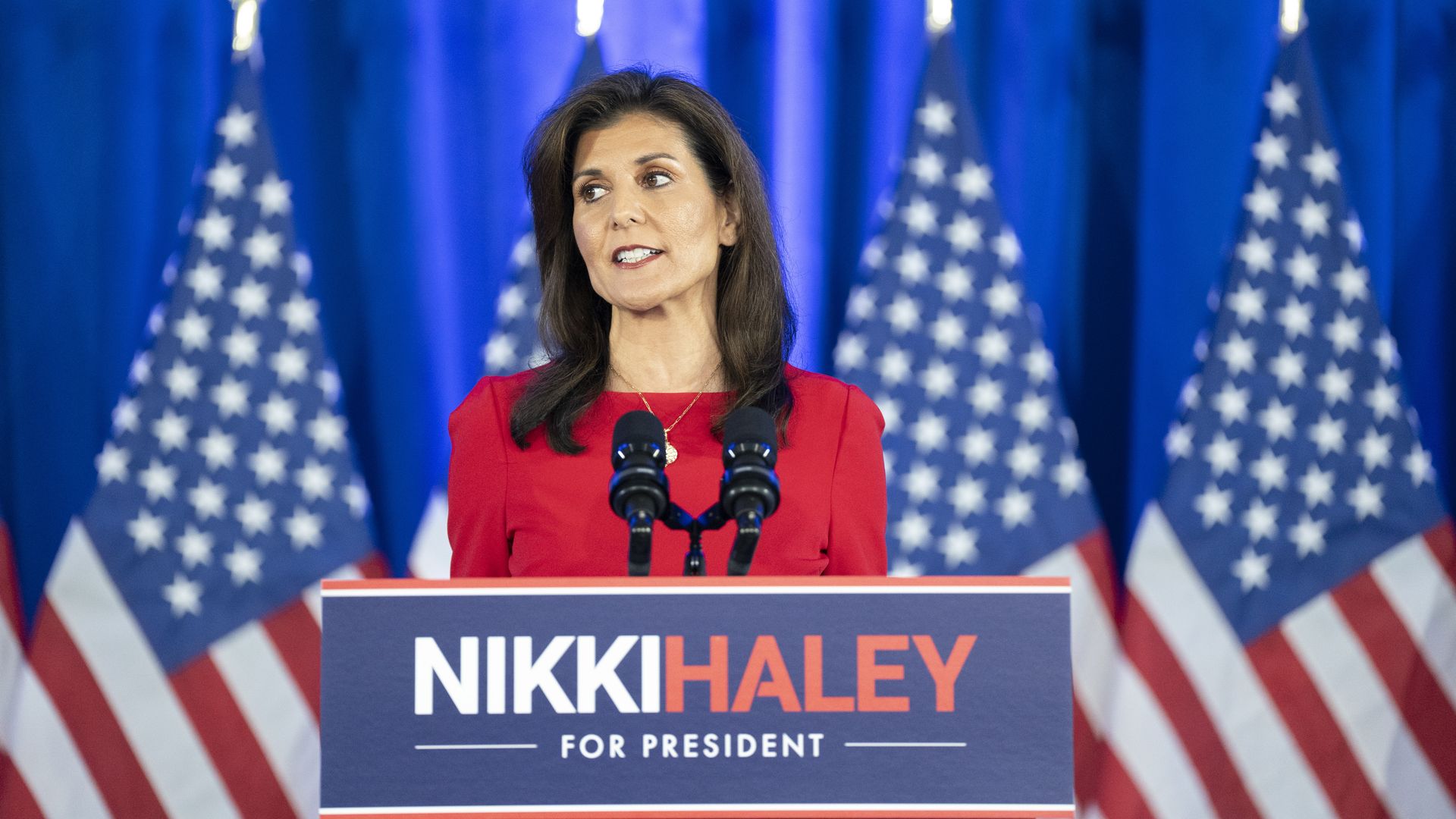
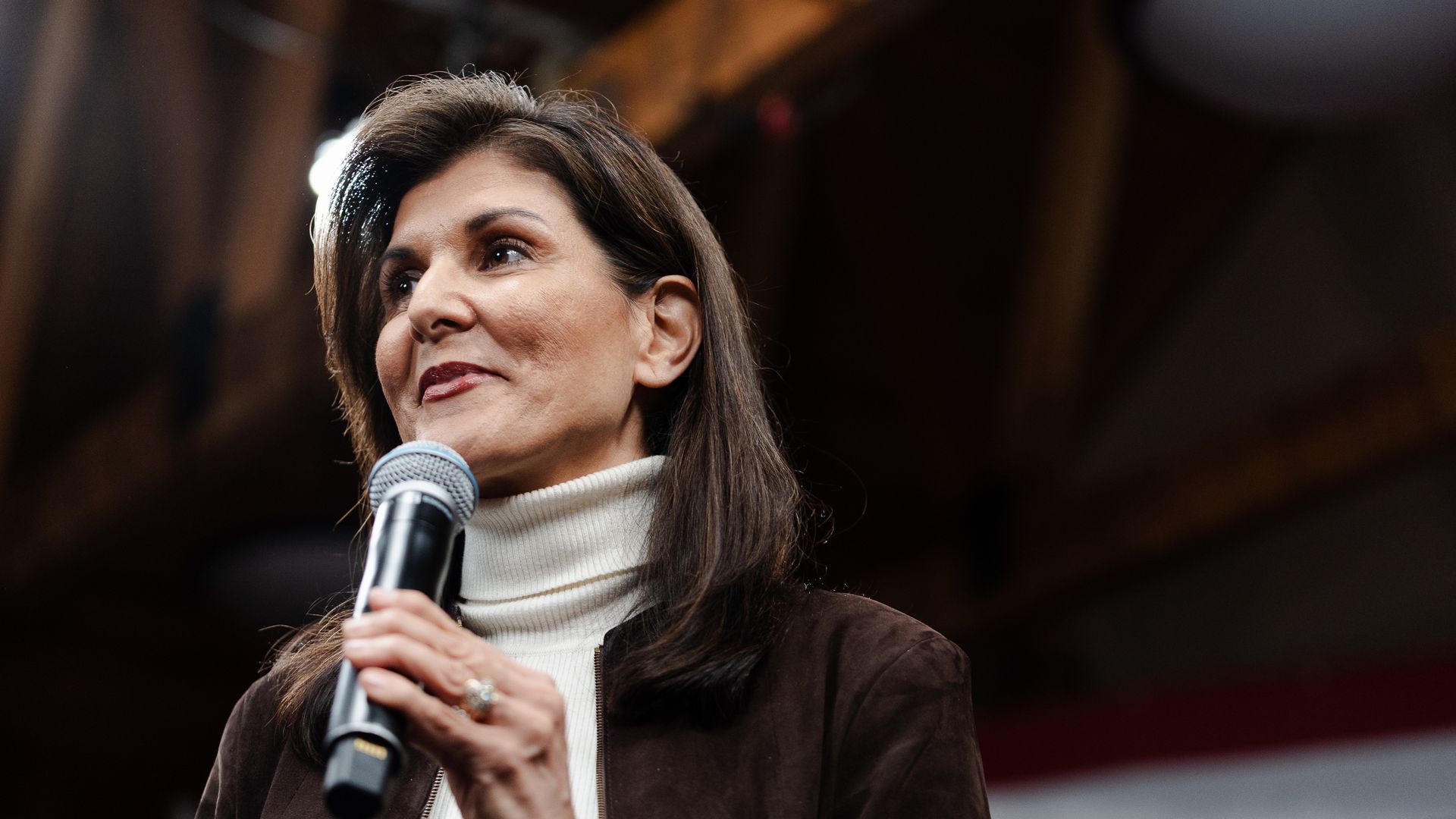
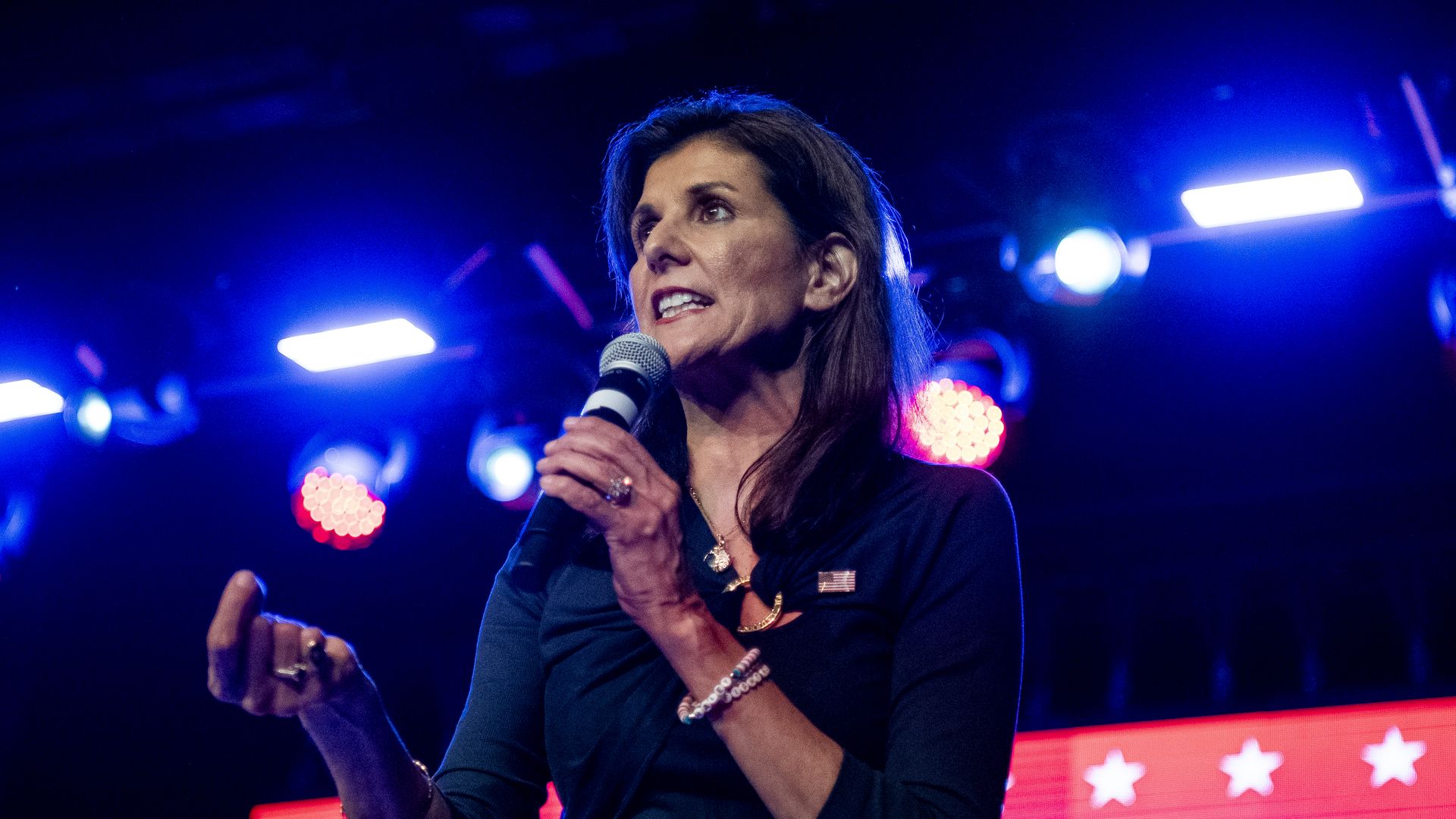
Former UN Ambassador Nikki Haley, former President Trump's lone remaining challenger in the GOP primary, has suspended her presidential campaign after a disappointing showing on Super Tuesday.
Why it matters: The GOP primary is effectively over, with Trump and President Biden headed for a likely rematch in November.
Why it matters: One of the biggest questions in the race for the White House is how Haley voters — a potentially difference-making chunk of the GOP electorate with moderates reluctant to back Trump — will choose in November.
Former UN ambassador Nikki Haley announced Wednesday that she is suspending her presidential bid.
Why it matters: Haley became the first woman to win a GOP presidential primary earlier this month, but her rise in the polls and 11th-hour endorsements were not enough to break former President Trump's commanding lead.
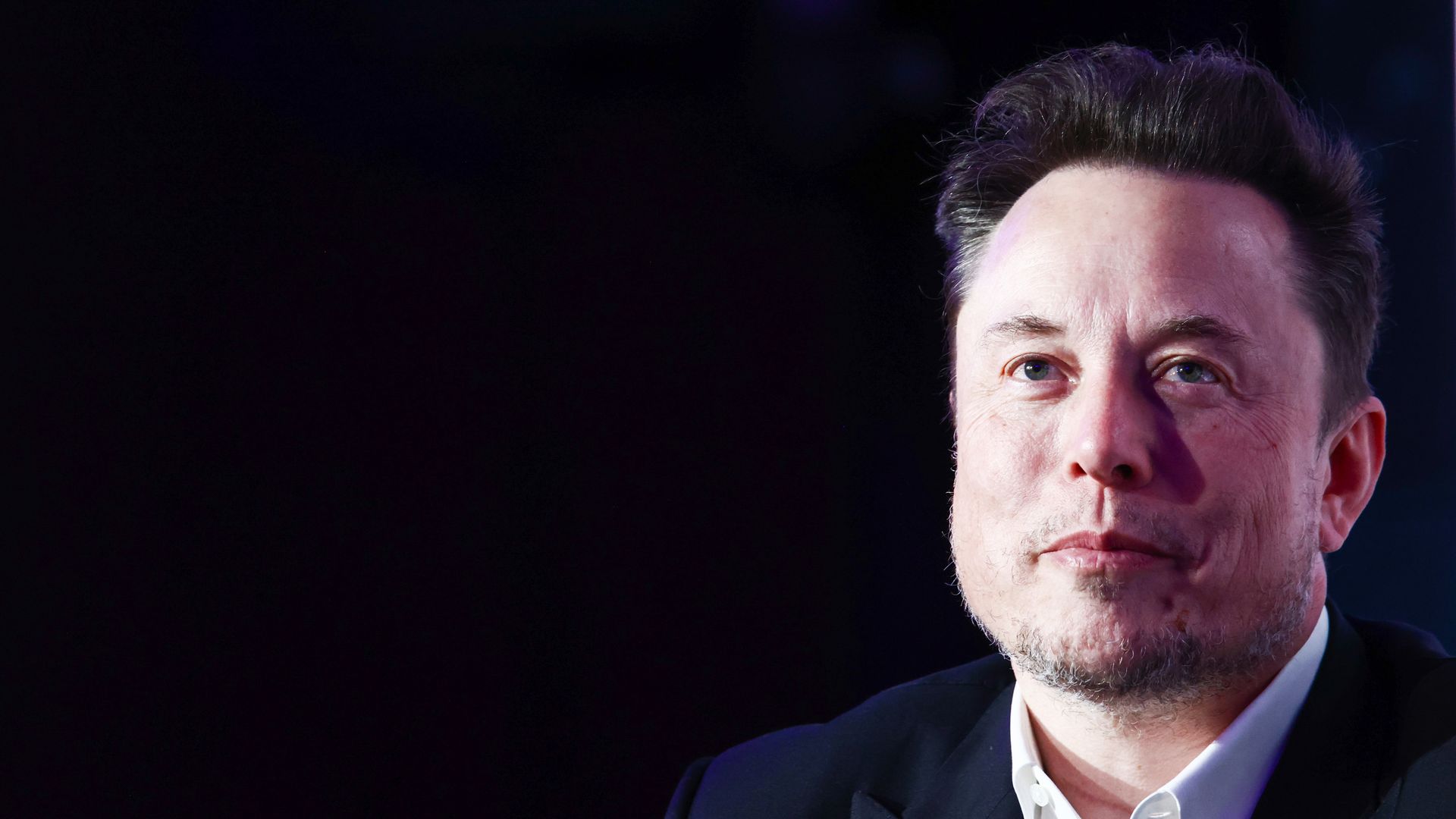
Elon Musk announced Wednesday that he has no intention of donating money to either President Biden or former President Trump's presidential campaigns.
Why it matters: The statement is by no means definitive since, as tweeters immediately pointed out, he could still give to a super PAC or another fund that benefits a candidate.
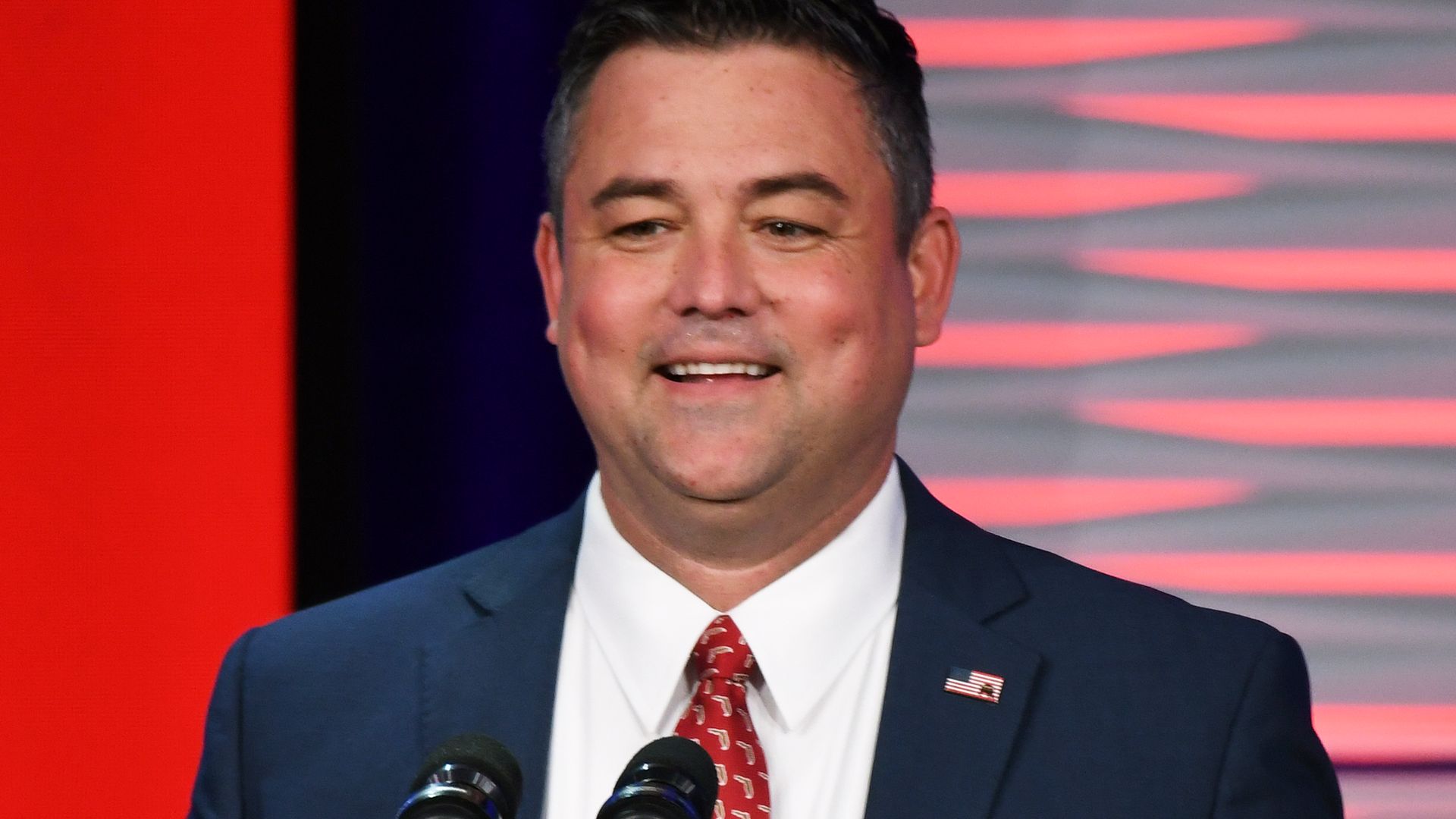
Former Florida GOP chair Christian Ziegler will not face charges over his recording of a sexual encounter with a woman who accused him of assaulting her, prosecutors said Wednesday.
Why it matters: The allegations against Ziegler stymied his rise in Republican politics and led to his ouster as state party chair, but he now emerges from the criminal investigation cleared of charges and claiming vindication.
Minnesota will send 11 "uncommitted" delegates to the Democratic National Convention, the DFL Party announced Wednesday.
Why it matters: While President Biden won the state in a landslide, the outcome was a win for activists looking to use the ballot option to send a message to the Biden administration over the Israel-Hamas war.
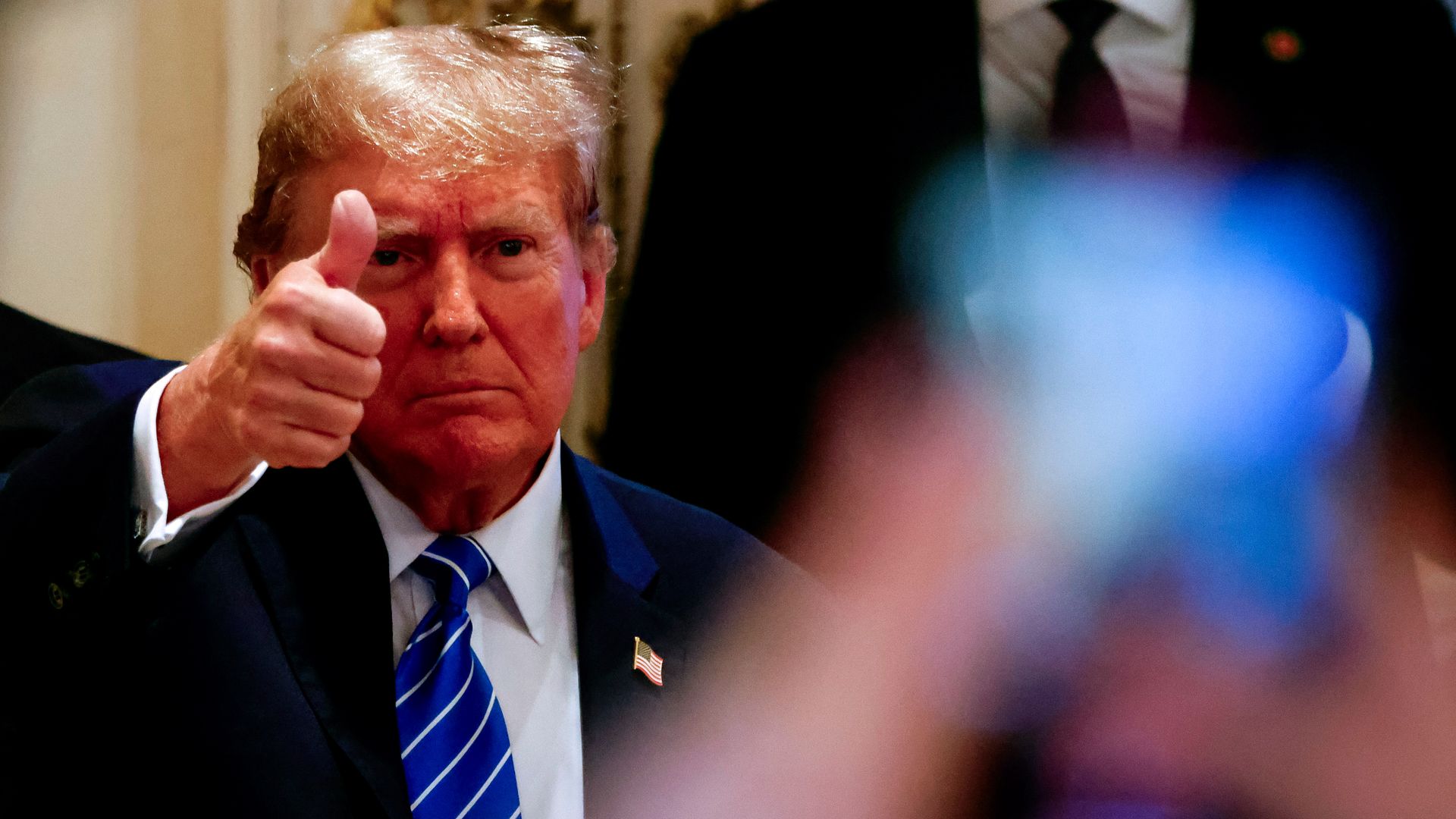
Senate Minority Leader Mitch McConnell (R-Ky.) on Wednesday endorsed former President Trump in the 2024 presidential election.
Why it matters: McConnell recently announced he'd step down as Senate GOP leader in November after years of a contentious relationship with the former president.
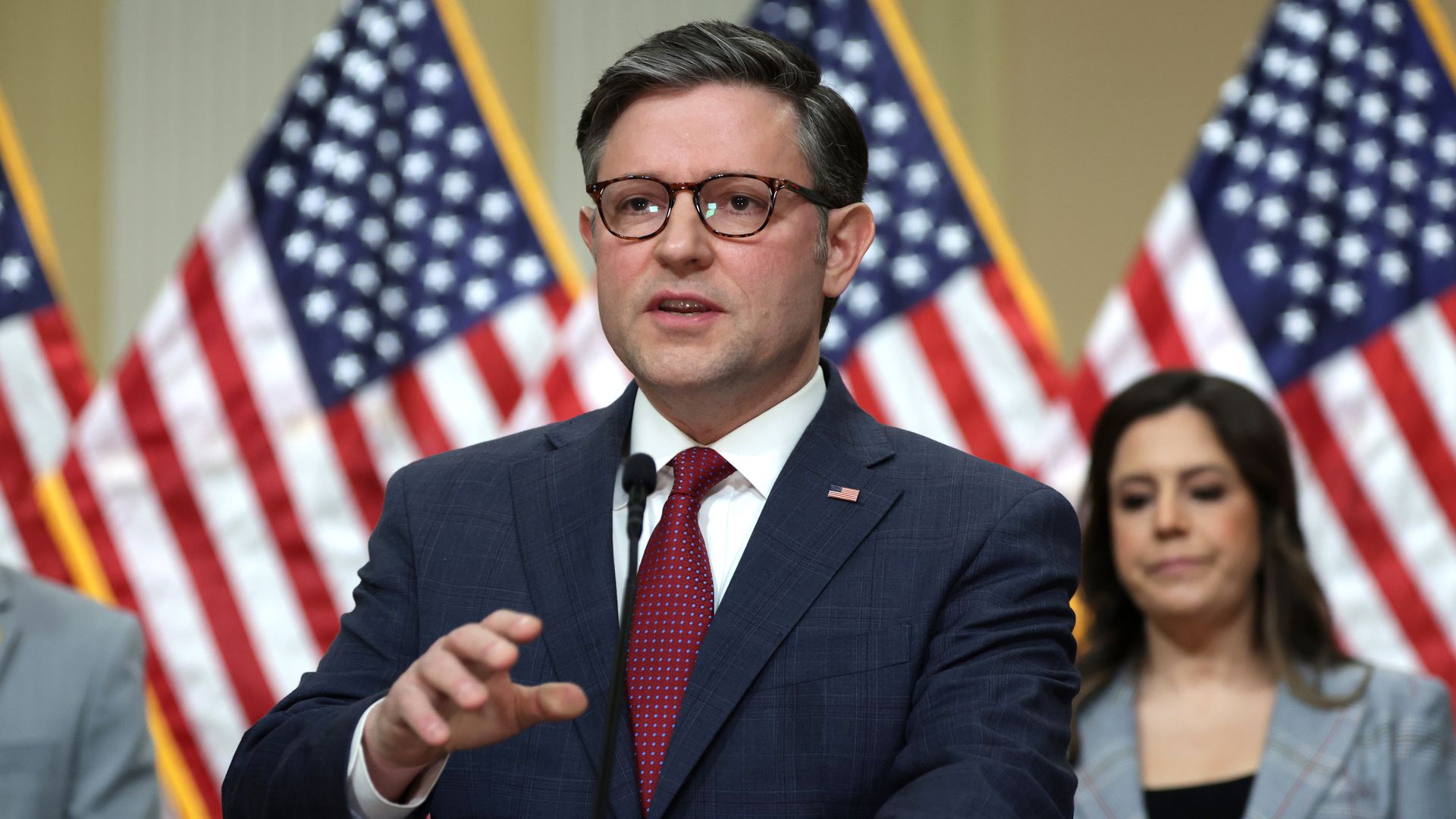
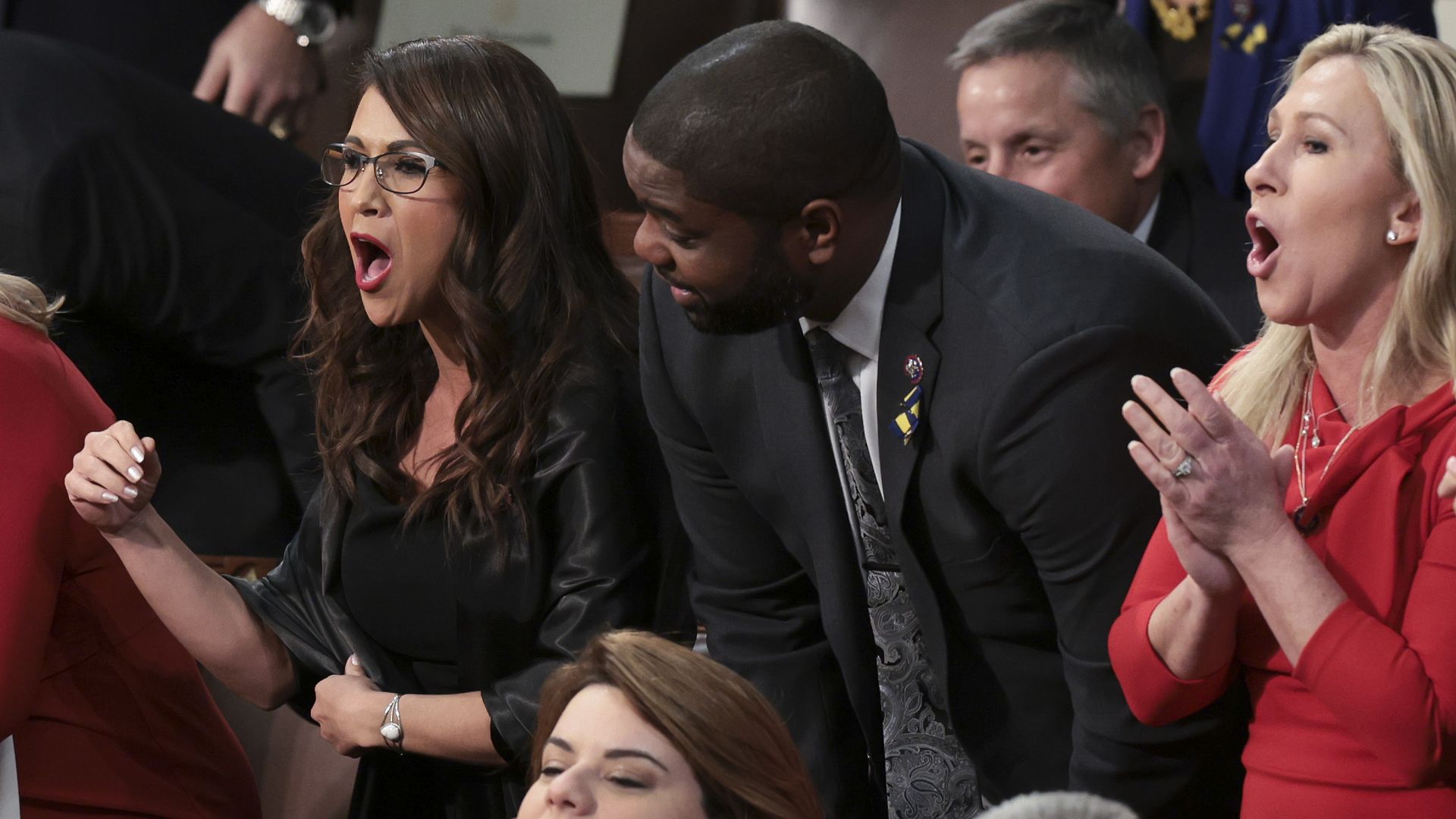
House Republican leadership is trying to tamp down on a potentialrepeat of the chronic heckling that engulfed last year's State of the Union, Axios has learned.
Why it matters: The effort by Speaker Mike Johnson (R-La.) to rein in his members underlines how much politics have changed since 2009, when the House passed a resolution of disapproval against Rep. Joe Wilson (R-S.C.) for disrupting then-President Obama's speech.
When Cerberus Capital Management bought an unprofitable Massachusetts hospital chain in 2010, many viewed the deal as a financial lifeline. Now some believe it was actually a noose.
Why it matters: The company, which Cerberus sold four years ago, is in severe distress and may close facilities, threatening care for thousands of patients, most of whom live in lower-income areas.
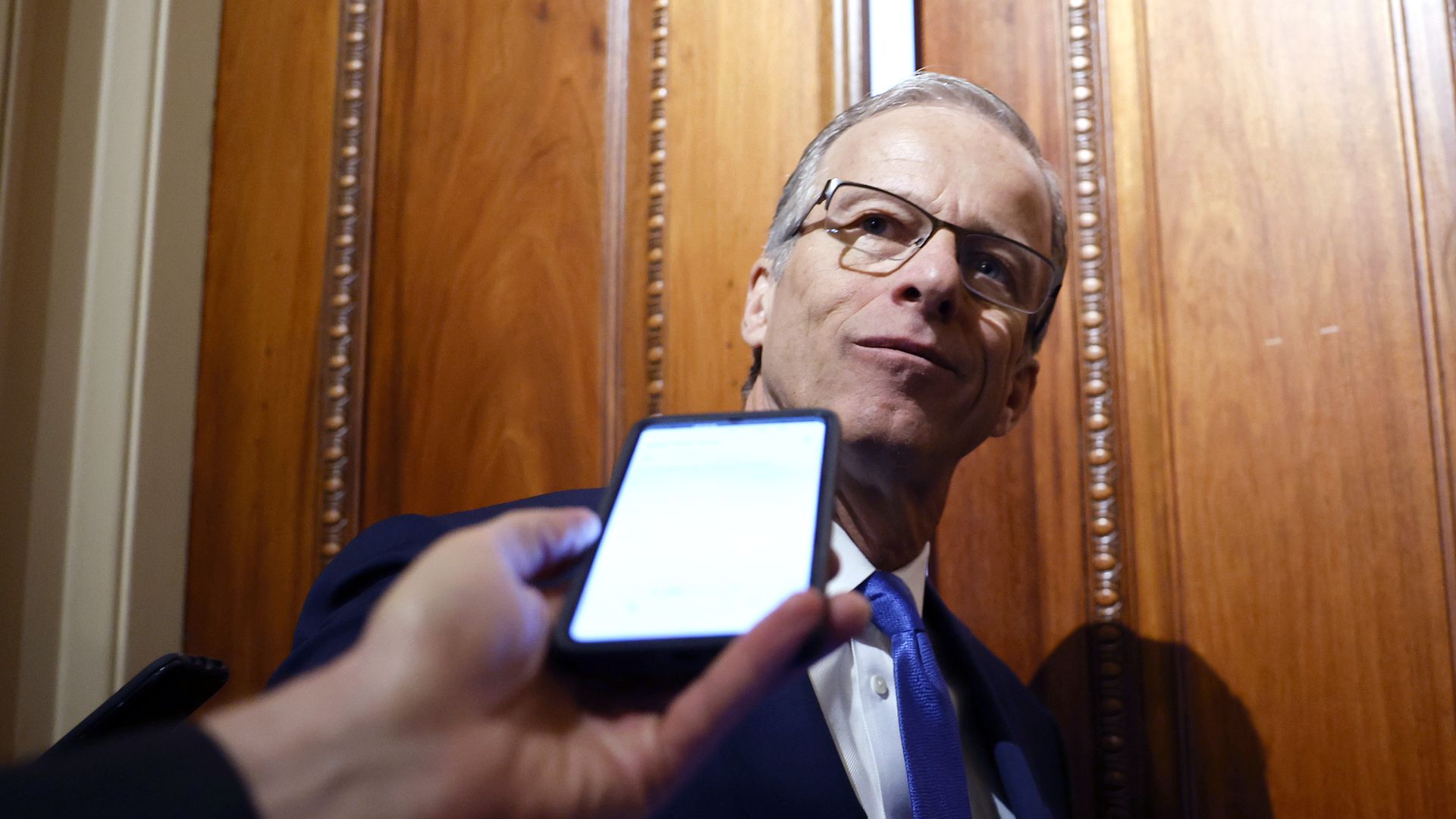
Sen. John Thune (R-S.D.), the number two Republican in the Senate, is endorsing Kari Lake in her Arizona Senate bid, Axios has learned.
Why it matters: The Lake endorsement is a reversal from Thune's long-term criticism of the MAGA movement, as he seeks to be the next Senate GOP leader.
D.C. is reversing progressive reformswith a sweeping public safety bill — raising penalties for theft and gun crimes and bowing to some demands from the police union.
Why it matters: The D.C. Council approved the bill Tuesday after a 25-year high in homicides, leading progressive lawmakers to break with activists who warned of a return to failed tough-on-crime policies.
A group of House Democrats is making the case to President Biden that an Israeli invasion of Rafah could violate his requirement that U.S. military aid be used in accordance with international law, Axios has learned.
Why it matters: It places new pressure on the Biden administration to consider suspending aid to Israel should the country move forward with the operation.
The rematch many Americans don't want has arrived: Super Tuesday virtually cleared the field for Joe Biden and Donald Trump, as their races for the Democratic and Republican presidential nominations are now more coronation than competition.
Why it matters: As they rolled up victories in state after state late Tuesday, Biden and Trump looked beyond their primary foes and blasted each other's records as president.
Former President Trump and President Biden vaulted toward their parties' respective nominations on Super Tuesday, snatching the overwhelming majority of delegates up for grabs across more than a dozen states.
Why it matters: On the biggest voting day before November, the frontrunners won the two states with the most delegates: Texas and California.
Former UN Ambassador Nikki Haley won Vermont's Republican primary, AP projects, in a contest that was widely seen as her best shot at victory on Tuesday given the state's moderate voter base.
Why it matters: Trump has dominated a majority of Super Tuesday states, but Haley's Vermont win prevents the crushing prospect of losing all 15 Republican primary contests.
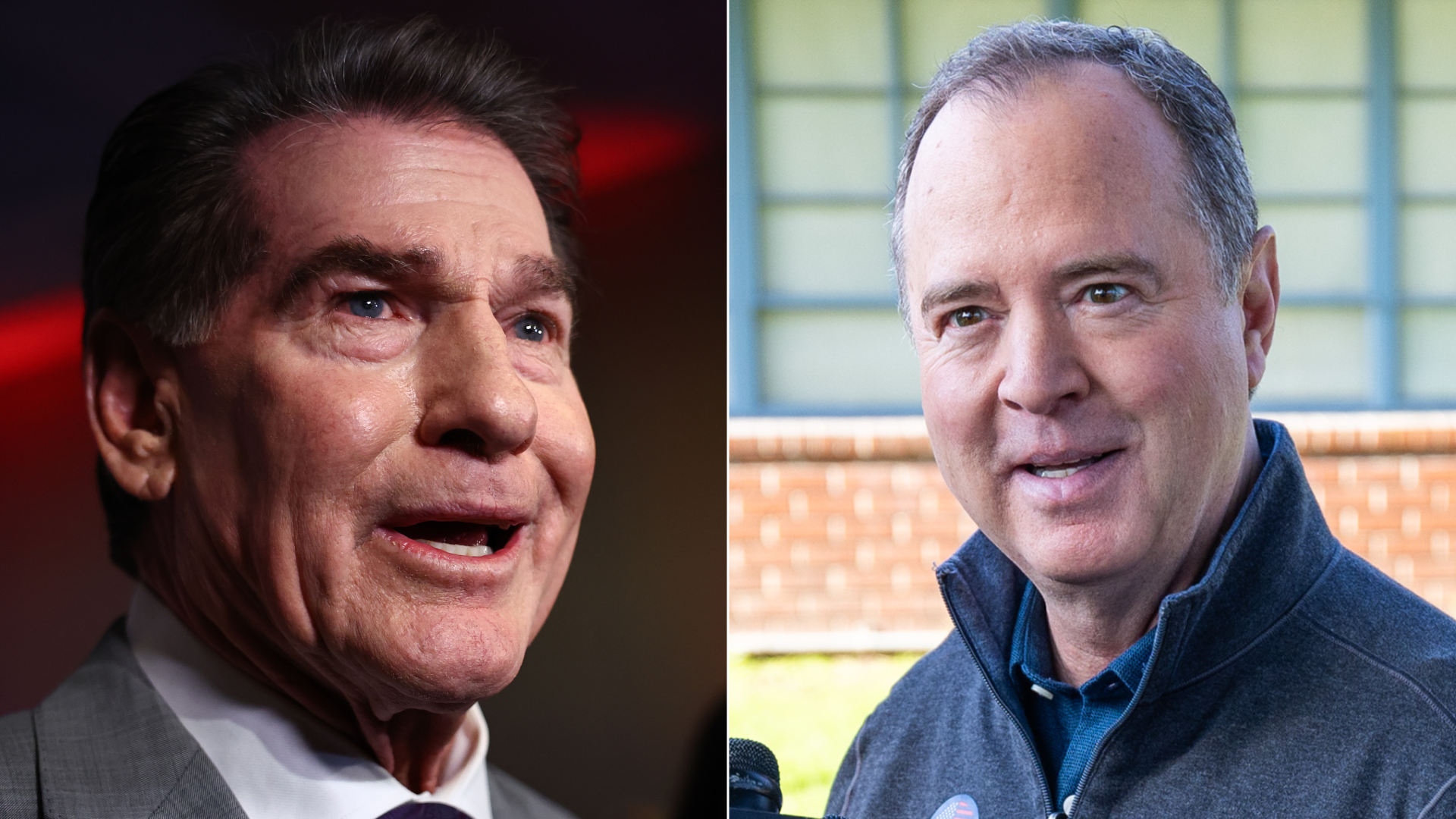
Democratic Rep. Adam Schiff and Republican Steve Garvey topped the primary field in California's U.S. Senate race Tuesday, advancing to a November general election.
Why it matters: The second place finish by Garvey, a Major League Baseball legend, makes it likely that solidly-Democratic California will send Schiff to the Senate next year.
President Biden lost the Democratic caucuses in American Samoa to Jason Palmer, a previously little known longshot challenger, the U.S. territory's Democratic representatives announced Tuesday.
Why it matters: The results mark Biden's first lost of the Democratic primary, though he is dominating Super Tuesday — winning 14 states so far and clinching all of the delegates up for grabs.
Data: Associated Press, Axios research; Note: Colorado lists the option as "non-committed delegate"; Alaska is only holding a GOP caucus; Map: Axios Visuals
While President Biden swept Democratic primaries on Super Tuesday, he faced an unusual contender: the "uncommitted" vote.
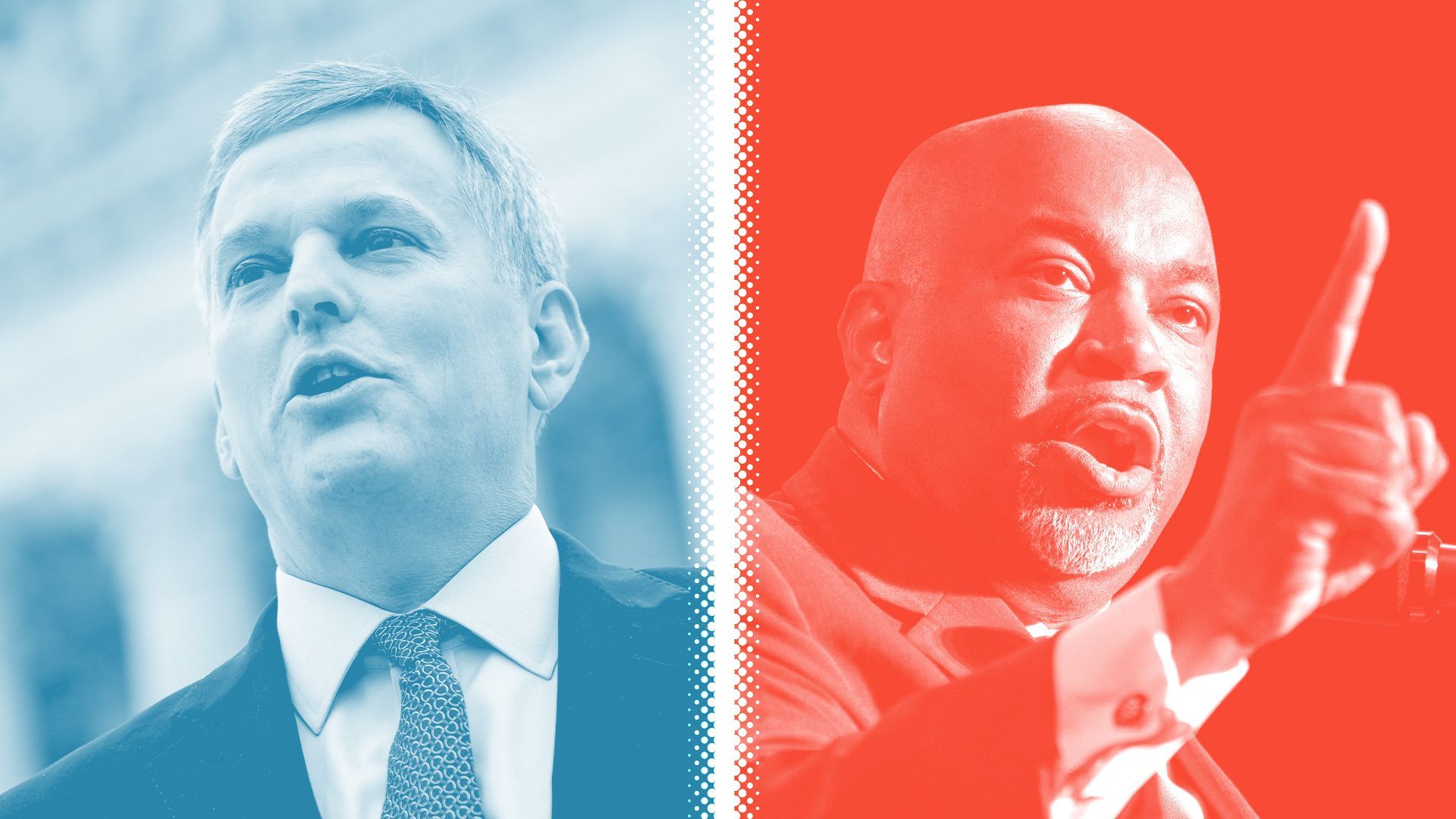
In expected wins, Republican Lt. Gov. Mark Robinson and Democratic Attorney General Josh Stein clinched their party nominations for North Carolina governor Tuesday.
Why it matters: Their November election will be one of the most closely-watched governor's races in the country — in one of the nation's key battleground states.
To see the state-by-state primary results, select from the pulldown menu above. There are results for presidential primaries as well as the California and Texas Senate primaries.
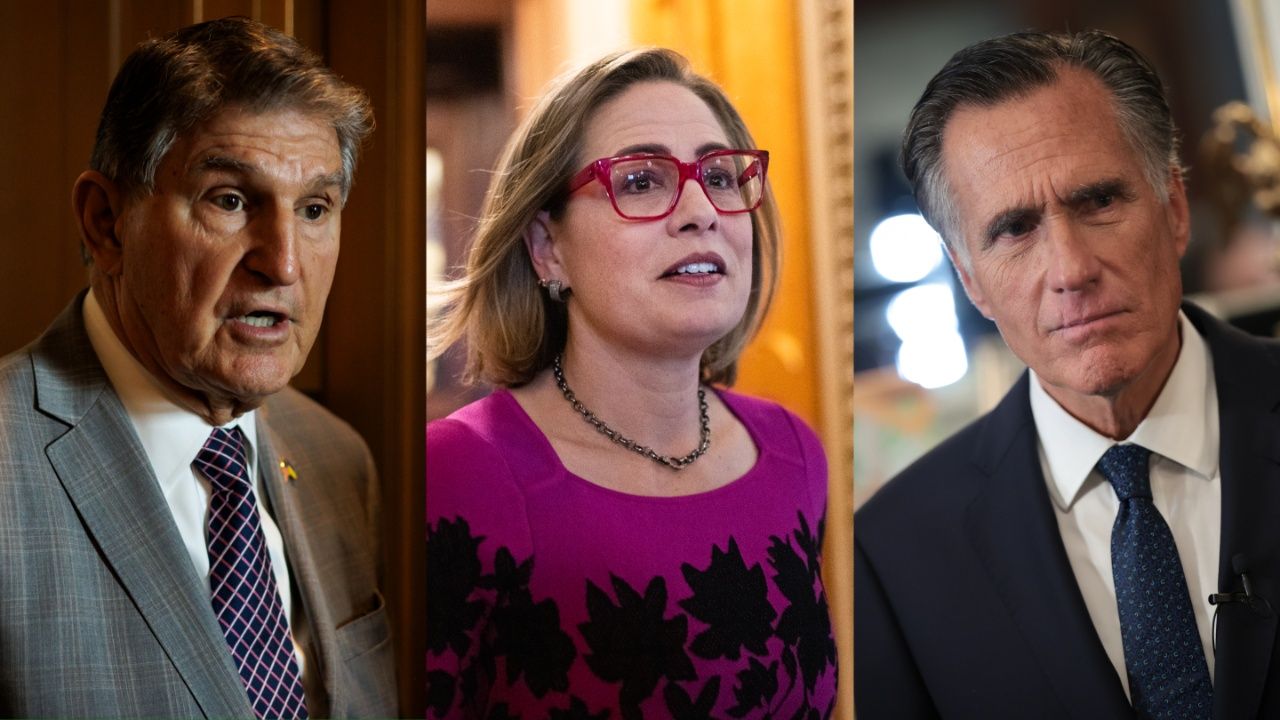
From left: Manchin, Sinema and Romney. Photos: Samuel Corum; Tom Williams/CQ-Roll Call; Win McNamee via Getty Images
Sen. Kyrsten Sinema's (I-Ariz.) decision not to seek re-election has dealt the latest in a series of crushing blows to Senate bipartisanship, hollowing out a centrist core that has suffered under years of intensifying polarization.
Why it matters: The departures of Sinema, Sen. Joe Manchin (D-W.Va.) and Sen. Mitt Romney (R-Utah) — three moderates routinely vilified by their own parties — will leave a massive hole for bipartisan deal-making.