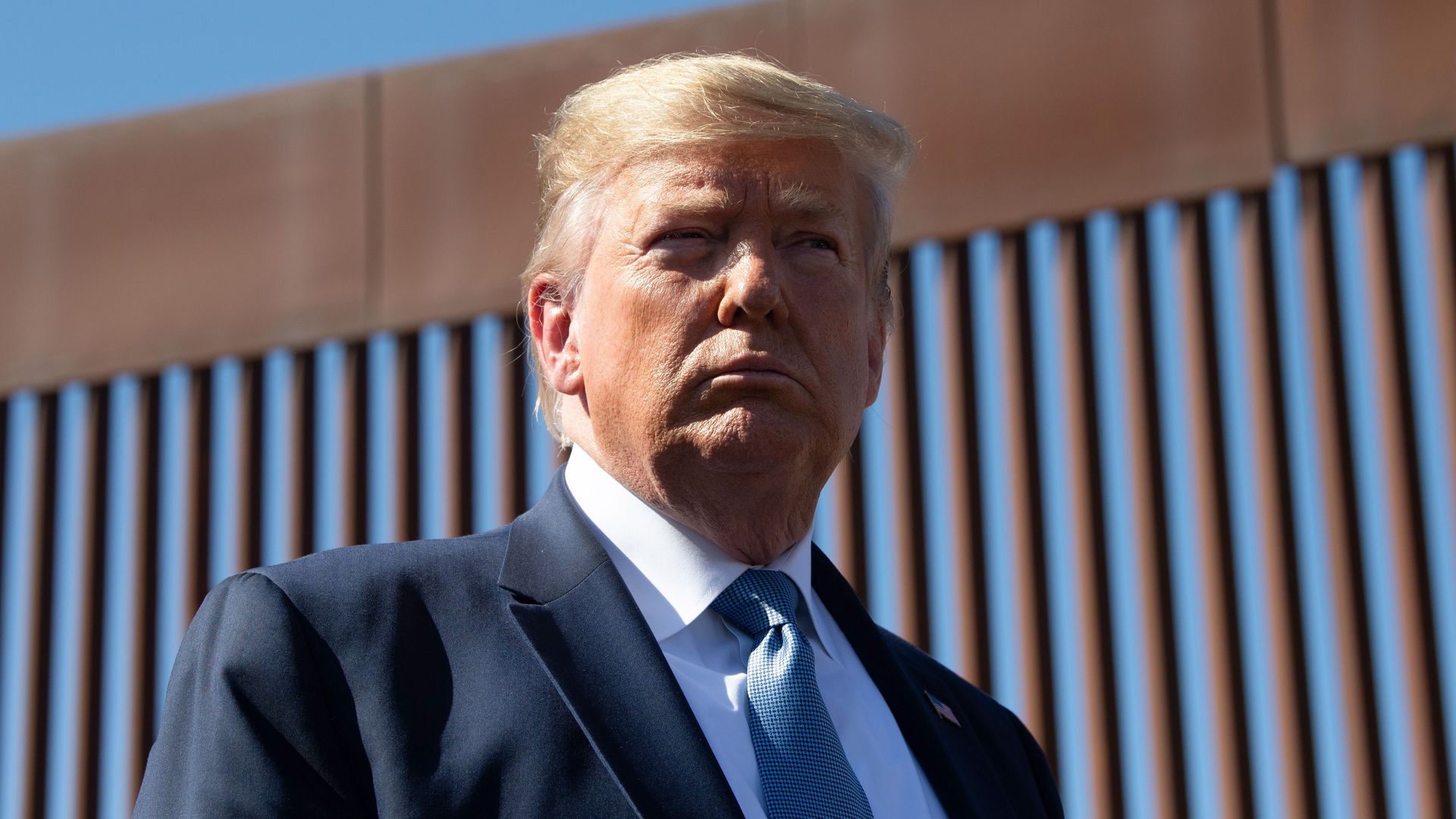
President Trump is showing how he could be impeached, survive and still win re-election, something never done before in American history.
Between the lines: Trump officials think two things must unfold for this to happen: Republicans must stay unified, in votes and voice, and the economy must be strong, in jobs and market returns. The trends are strong on both fronts.
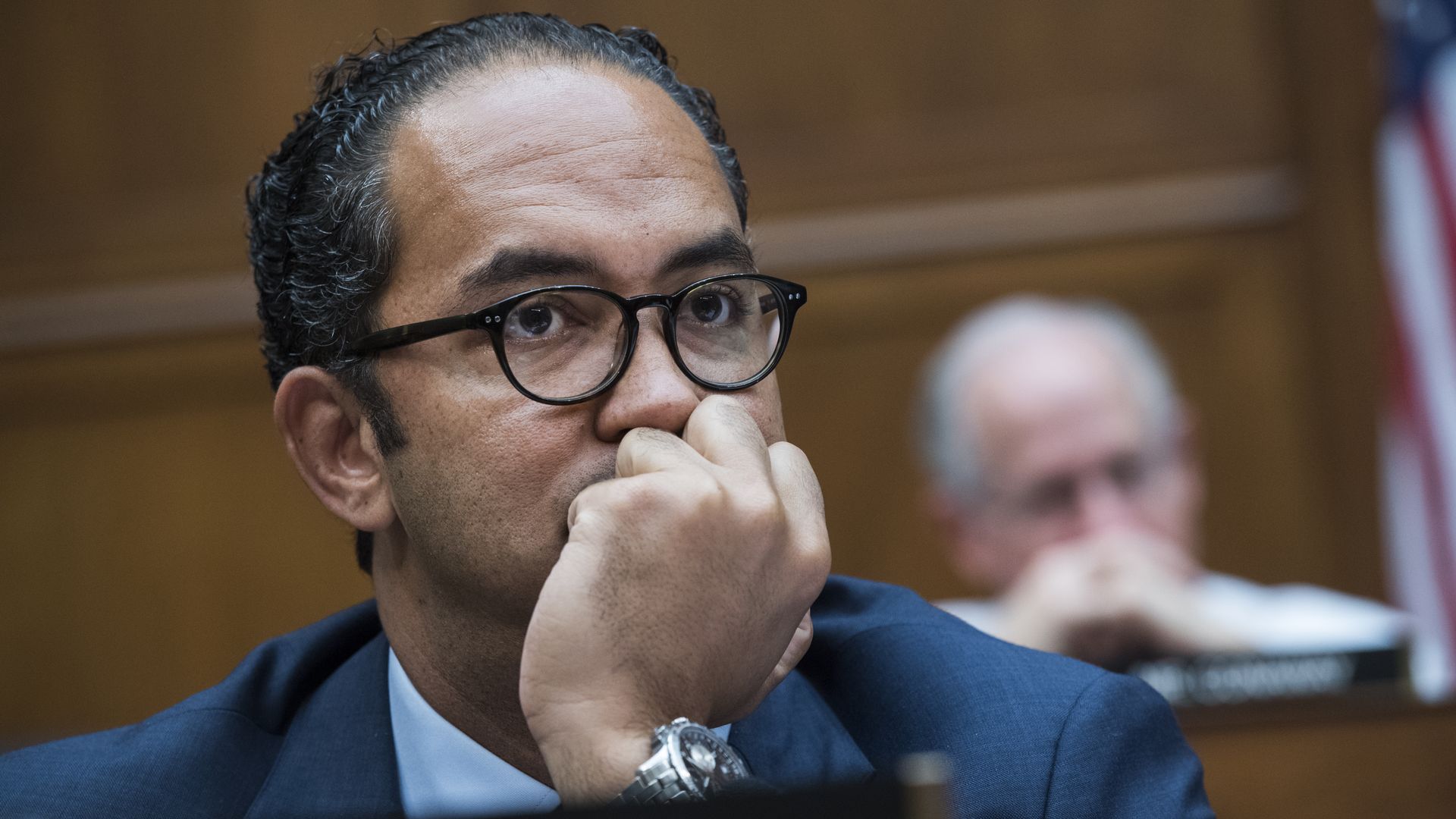
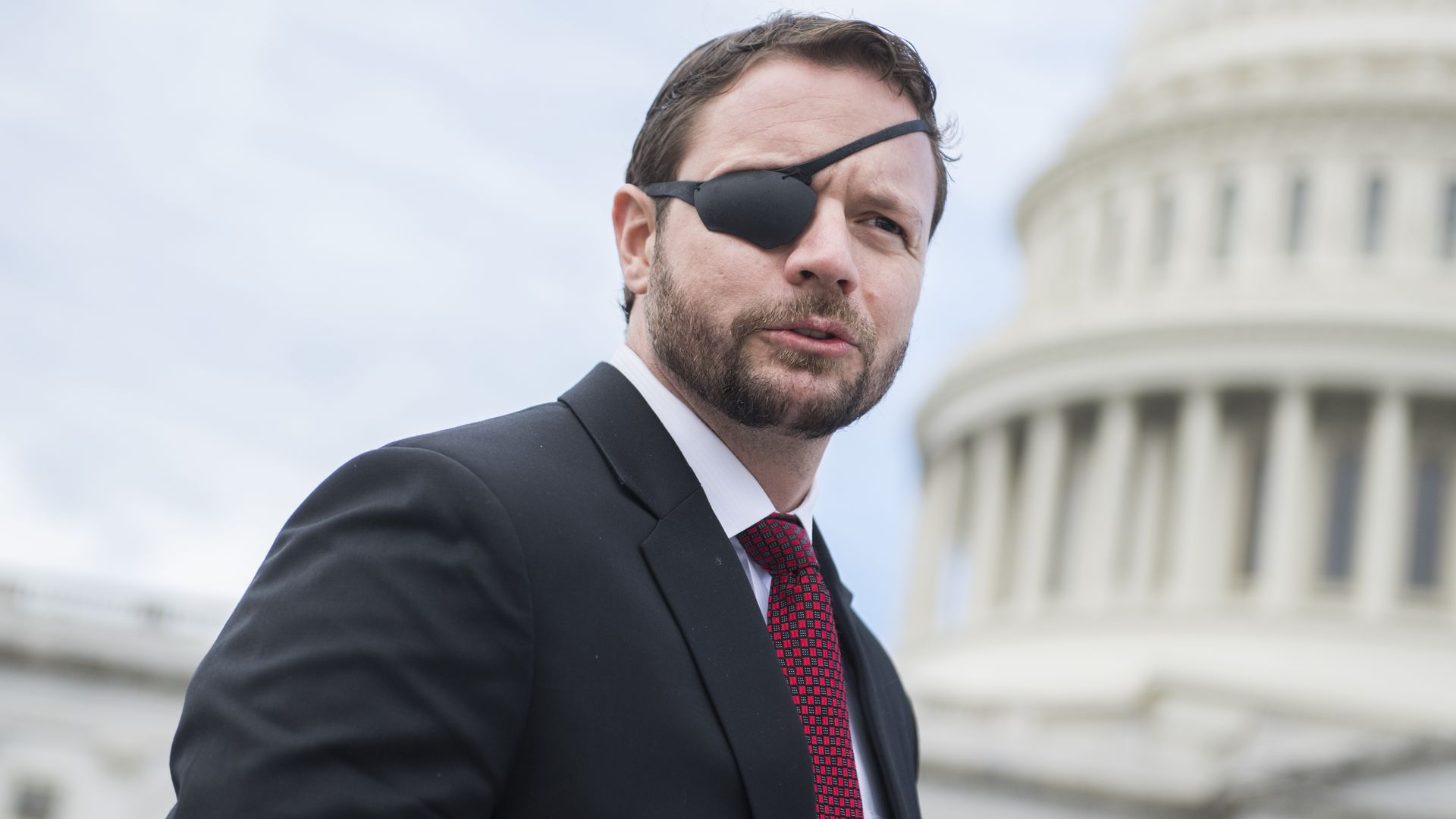
Reps. Will Hurd and Dan Crenshaw each represent segments of how the GOP has to adapt if it wants to remain dominant — become not so white, and younger. But in interviews with “Axios on HBO,” it’s clear they don’t agree on how to build the future GOP.
Why it matters: Both Texas congressmen are watching signs the GOP is losing its stronghold on the Lone Star State as they pursue different paths to remain relevant.
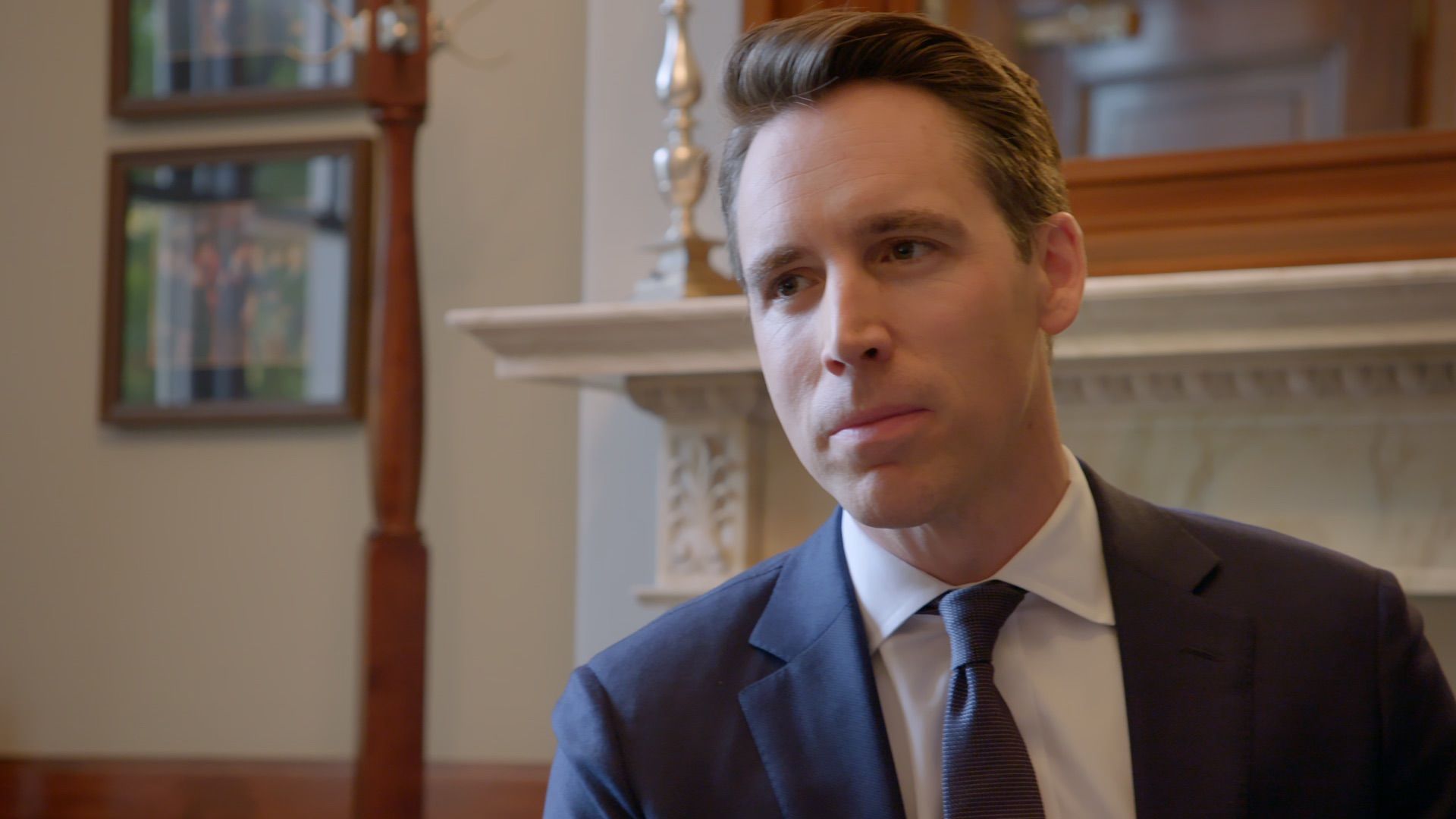
Sen. Josh Hawley says Apple and TikTok may be threatening U.S. national security through their Chinese operations and connections.
In an exclusive interview with "Axios on HBO," the Missouri Republican called out Apple for choosing Chinese profits over American values. He also called on TikTok, owned by Beijing-based ByteDance, to testify under oath that it does not share American data with China's Communist Party.
In an interview with Alexi McCammond for "Axios on HBO," GOP Rep. Will Hurd warned that "there won't be a Republican Party" if it doesn't start to look more like the rest of the country.
The big picture: Hurd is the only black Republican in the House. The Senate also has only one black Republican — South Carolina's Sen. Tim Scott. The party is otherwise overwhelmingly white — a stark contrast to the Democratic Party, which has significantly diversified itself in recent years.
In an interview with Alayna Treene for "Axios on HBO," GOP Rep. Dan Crenshaw said the idea that all non-white voters should back Democrats is "racism."
The big picture: The Republican Party is overwhelmingly white, with only one black Republican in the House and one in the Senate. But Crenshaw, who represents much of northern and western Houston, says the party needs new messengers to reach non-white voters and to expand the party's electorate.
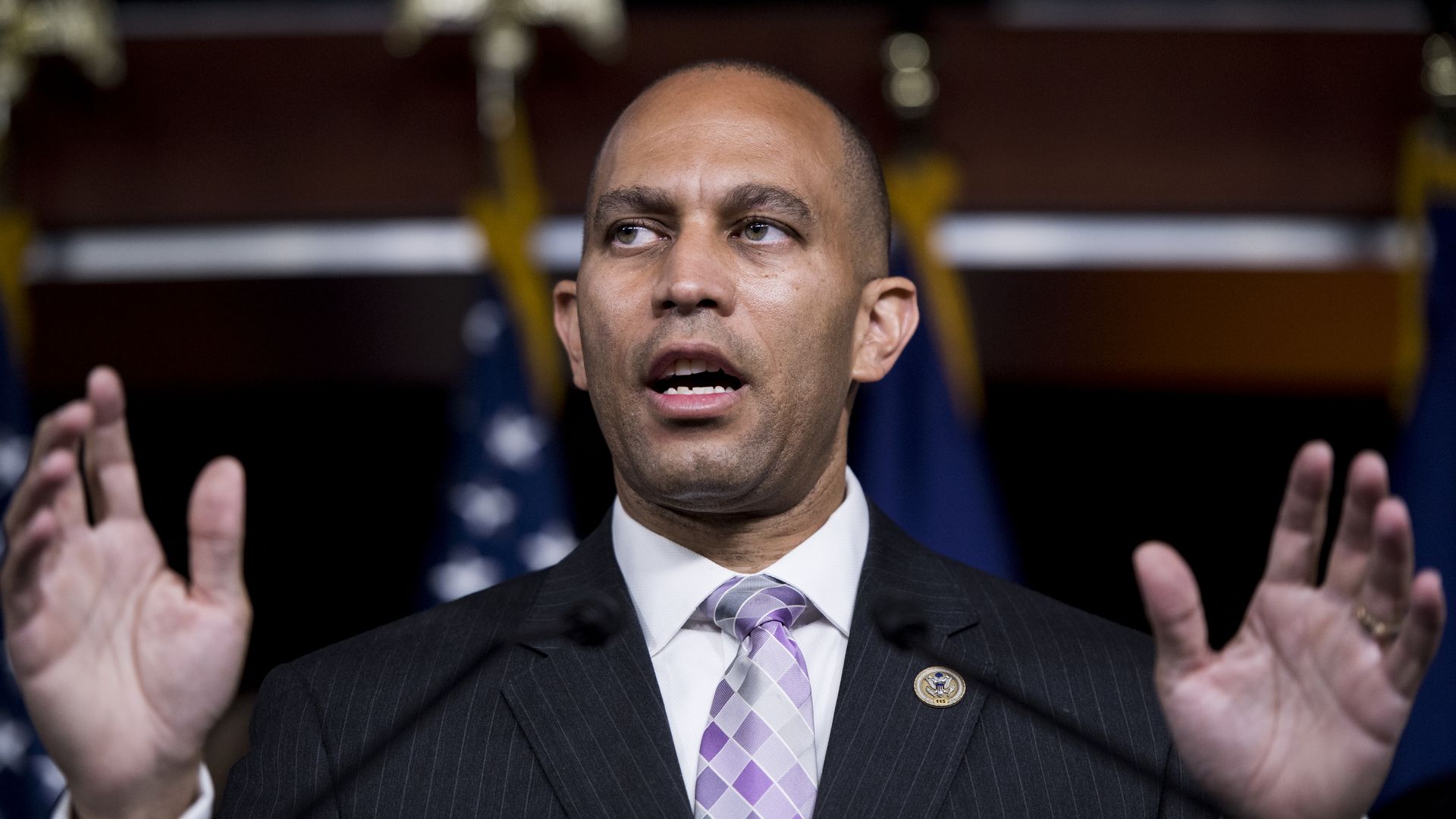
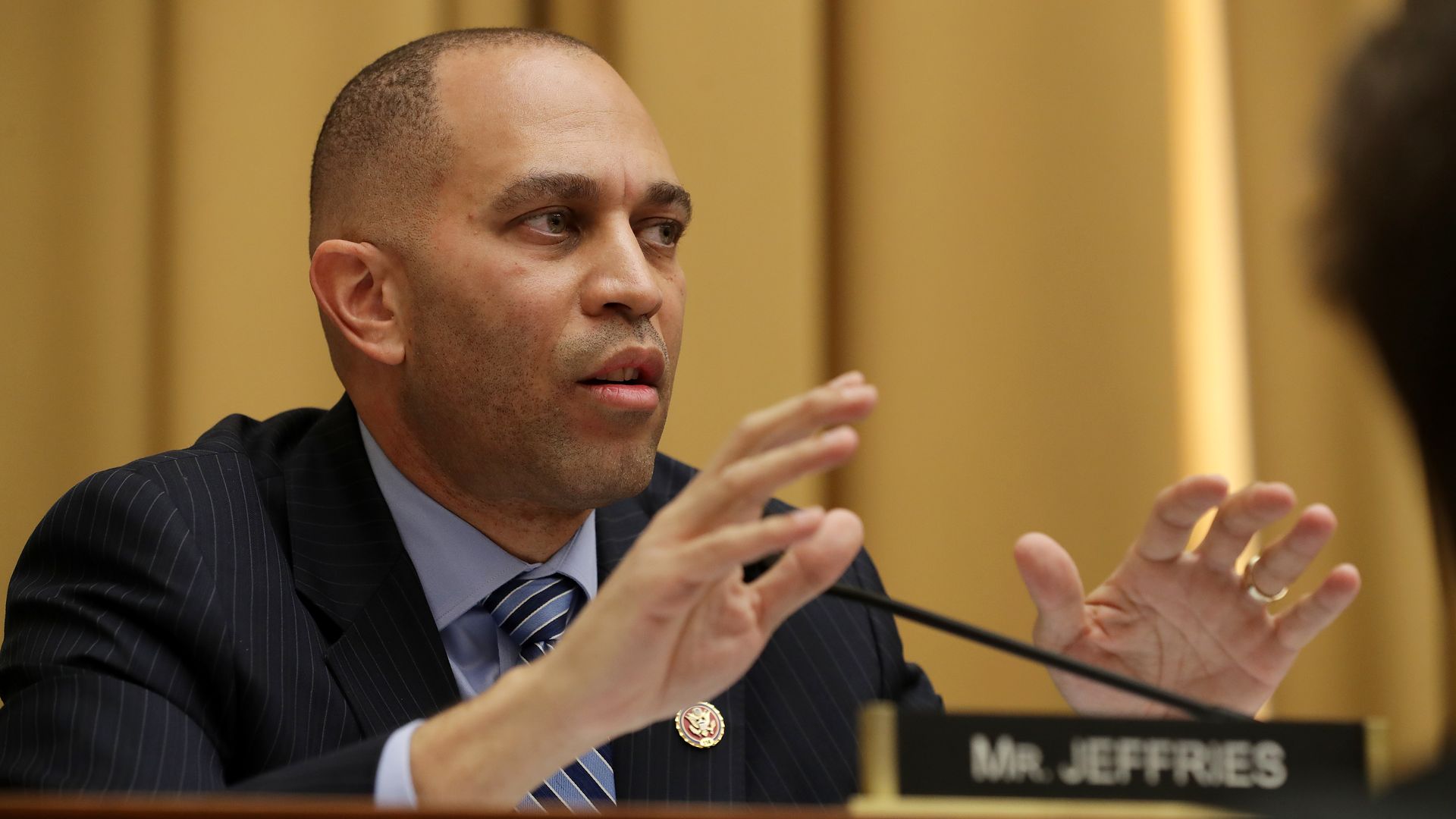
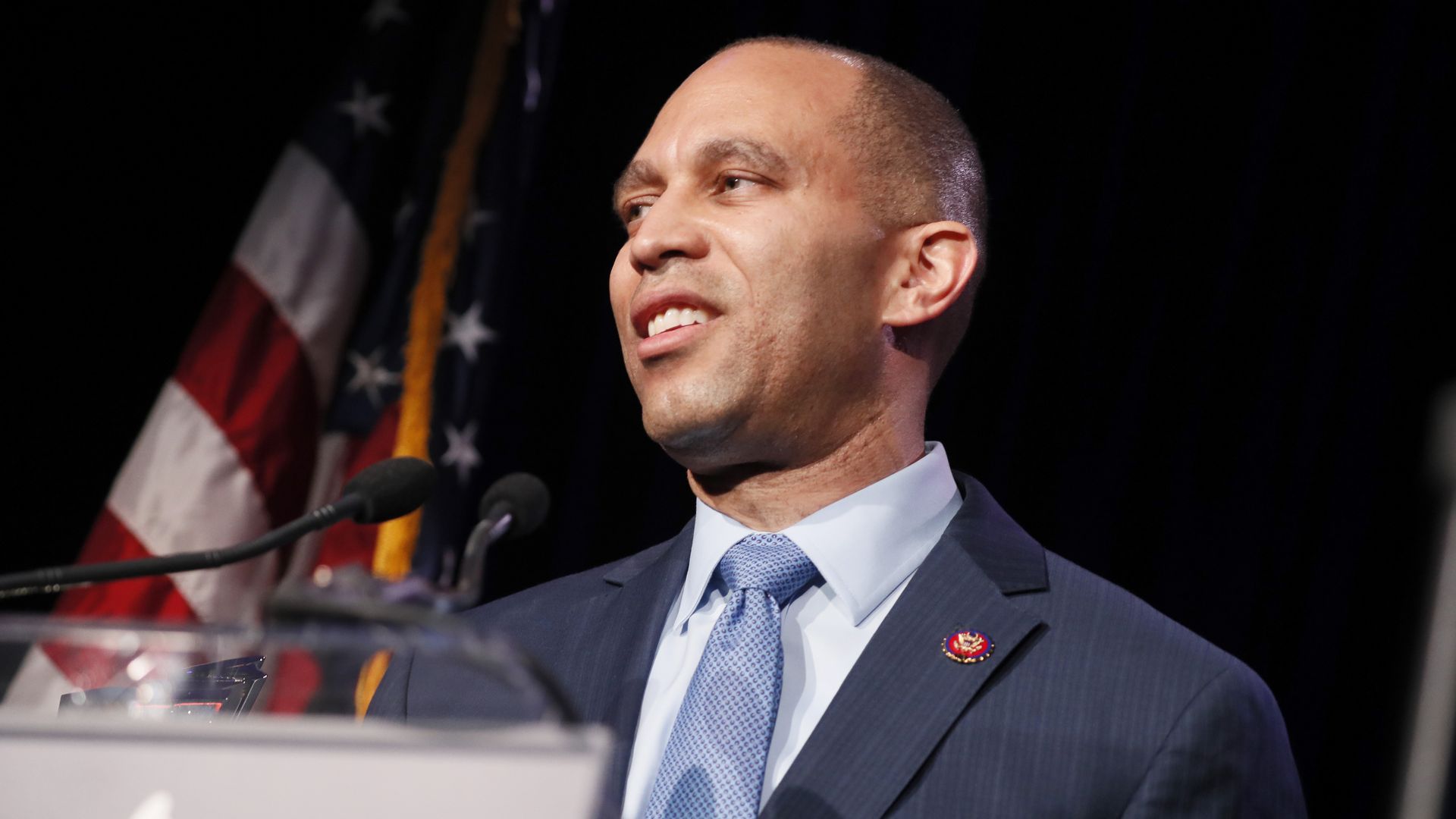
In an interview with Mike Allen for "Axios on HBO," Democratic Caucus Chair Rep. Hakeem Jeffries (D-N.Y.) said no House Democrats have told him that they will make impeachment decisions "based on political considerations."
The big picture: President Trump and his allies have argued that impeachment is a political ploy by Democrats to win back the office in 2020. Democrats have pushed back, arguing the impeachment inquiry against the president is a matter of accountability.
In an interview with Mike Allen for "Axios on HBO," Rep. Hakeem Jeffries (D-N.Y.) lamented that more than 250 bills passed by Democrats in the House are sitting in Senate Majority Leader Mitch McConnell's "legislative graveyard."
The big picture: McConnell has called himself the "grim reaper" of progressive policies in the Senate. His campaign has also tweeted a photo of a graveyard with Democratic efforts marked on the headstones, including the name of McConnell's Democratic competitor Amy McGrath.
In an interview with Mike Allen for "Axios on HBO," Democratic Caucus Chair Rep. Hakeem Jeffries (D-N.Y.) said President Trump's tweet calling the impeachment inquiry against him a "lynching" was "a historically ignorant statement."
Trump received pushback from both sides of the aisle over calling the constitutionally authorized process of impeachment a "lynching." Lynching is an especially sensitive topic for African Americans, who were the majority of victims.
Our "Axios on HBO" interview with Rep. Hakeem Jeffries of Brooklyn, the chairman of the House Democratic caucus, shows the pitfalls that party leaders see for impeachment.
The big picture: They already think President Trump is obviously guilty, but know there could be a backlash if their members go out and dunk on him every night. So they have to act like they're just following the facts, when it's obvious where this is headed.
Appearing on ABC's "This Week" Sunday, House Minority Whip Steve Scalise (R-La.) repeatedly denied that President Trump's requests for Ukraine to investigate the 2016 election and a gas company with ties to Joe Biden's son had anything to do with his domestic political opponents.
As 2020 Democratic candidates campaign for sweeping changes to the tax system, immigration, health care, gun control and corruption, a few candidates have suggested that, if elected, they would direct their Senate allies to abolish the filibuster, a tactic used by senators to delay or block legislative action.
The big picture: Regardless of a candidate's stance on filibusters, the Senate makes its own rules at the discretion of the majority party. Democrats would have to win back the Senate to ban filibusters.
Three 2020 election polls by major news organizations were released Sunday, a year and one day (2020 is a leap year) before the 2020 presidential election and less than 100 days before the Iowa caucuses.
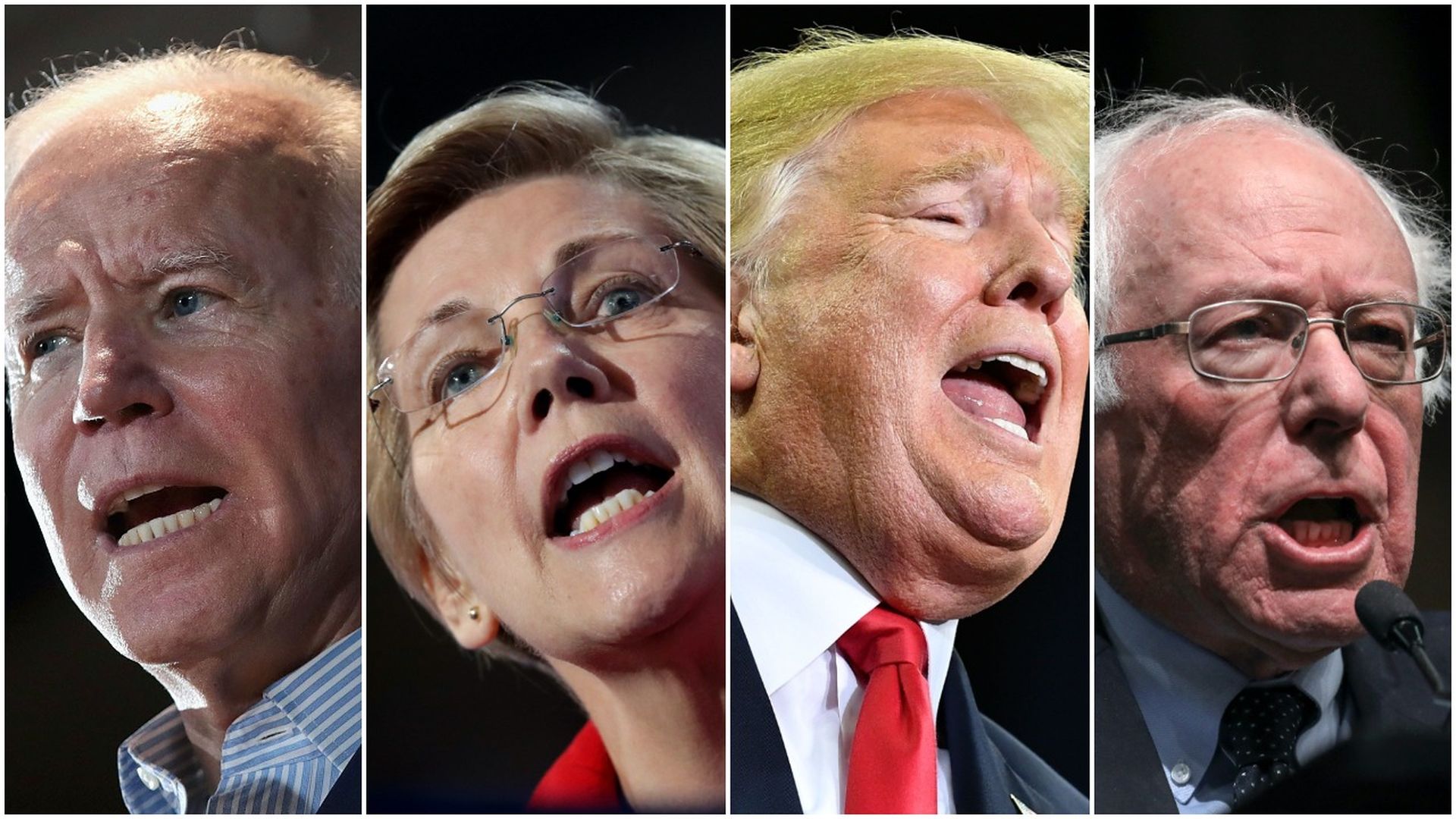
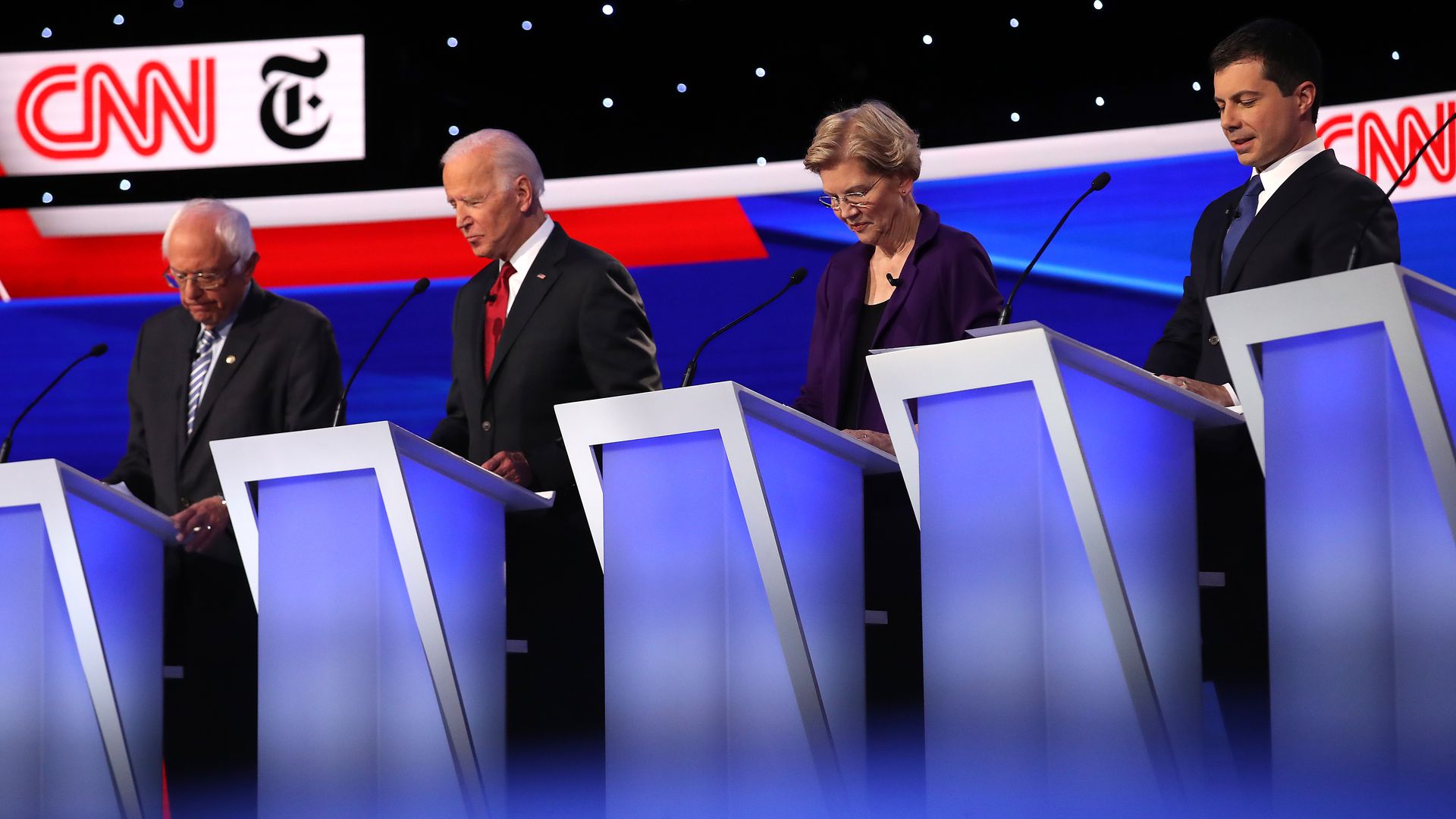
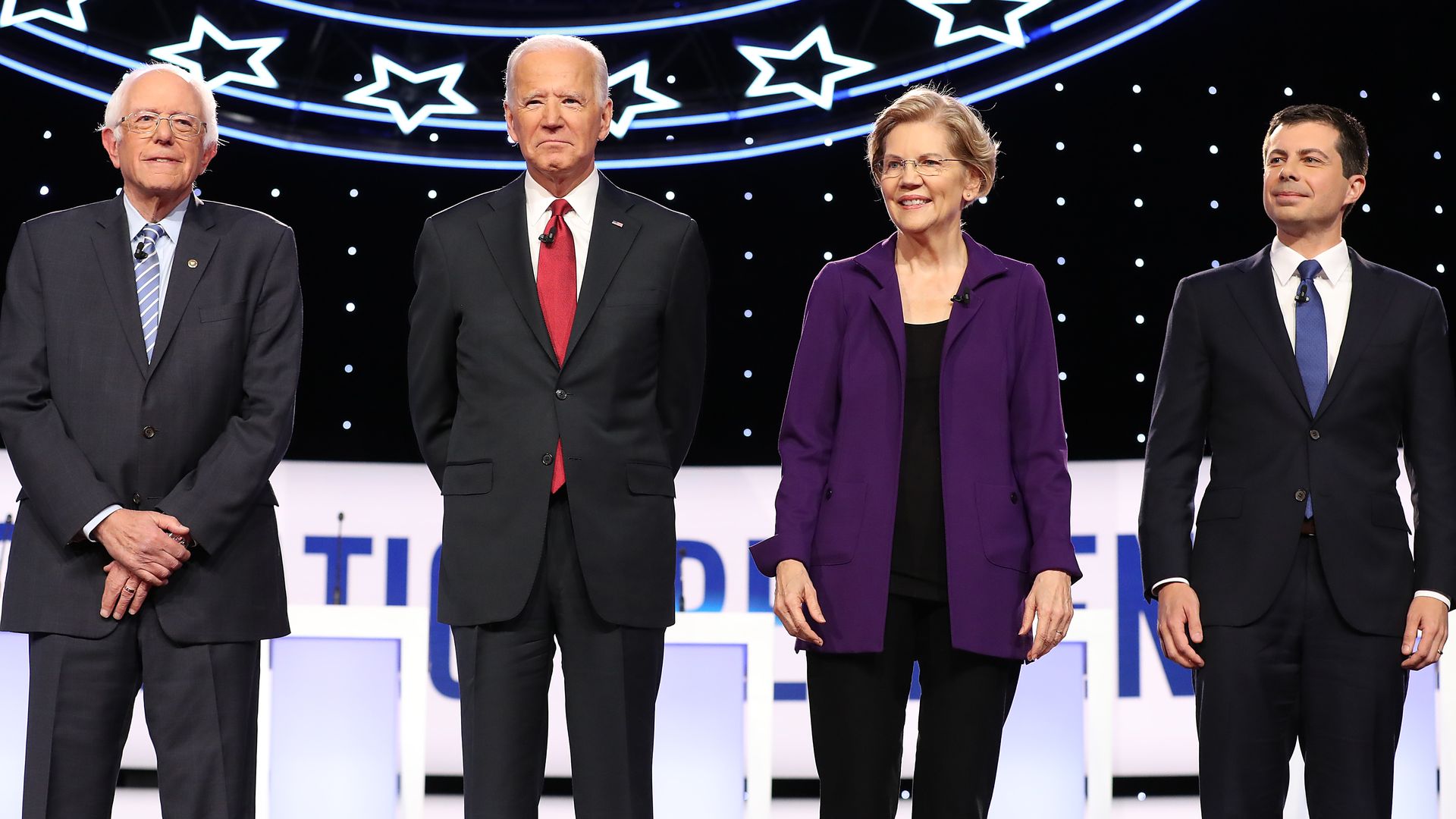
The big picture: The trio of polls — by Washington Post/ABC News, Fox News, and NBC News/Wall Street Journal — show a trio of Joe Biden, Sen. Elizabeth Warren and Sen. Bernie Sanders steadily pulling away from the pack. Mayor Pete Buttigieg, meanwhile, is consistently polling in a second tier by himself, while the rest of the field occupies the low single digits.
The intelligence community whistleblower whose allegations about President Trump's interactions with Ukraine set off the impeachment inquiry has offered to answer written questions from Republicans on the House Intelligence Committee under oath, their attorney Mark Zaid told CBS News.
Why it matters: House Intelligence Chairman Adam Schiff (D-Calif.) initially wanted the whistleblower to testify, but has since suggested that it may not be necessary because other witnesses in the investigation have corroborated the Ukraine allegations — setting off frustration among House Republicans. Schiff has also warned that Republicans on the committee may take steps to try to unmask the whistleblower's identity, which President Trump has repeatedly called for.
Gallup polling has found that an average of 86% of Republicans have approved of President Trump during his time in office and that his GOP approval rating has not dropped below 79% in any individual poll, according to AP.
The big picture: Those figures strike a stark contrast with the 7% of Democrats who have approved of Trump's presidency on average, including no more than 12% in any individual poll. In the history of public opinion polling, no president has faced such "deep and consistent partisan polarization" as Trump has, according to AP. And though partisan divisions existed before Trump, his presidency has exacerbated them.
We plan to take a wholly different approach to the 2020 election by focusing on the critical trends that are certain to outlive the moment.
Why it matters: Election coverage is too often myopic and maniacally focused on the daily churn of dust-ups and distractions. Toss in social media, and the emotionalism of the moment, and it’s easy to lose sight of the tectonic shifts unfolding in real time.
House Speaker Nancy Pelosi (D-Calif.) released a letter to her congressional colleagues on Saturday outlining a list of House-passed bills that currently await action in the GOP-controlled Senate.
Why it matters: The letter acts as a rebuke against attacks by Republicans, who argue that House Democrats are more focused on impeachment than on passing legislation for the American people. Senate Majority Leader Mitch McConnell has not taken up any of the eight House-passed packages named by Pelosi, and has pledged to be the "Grim Reaper" for progressive policies.
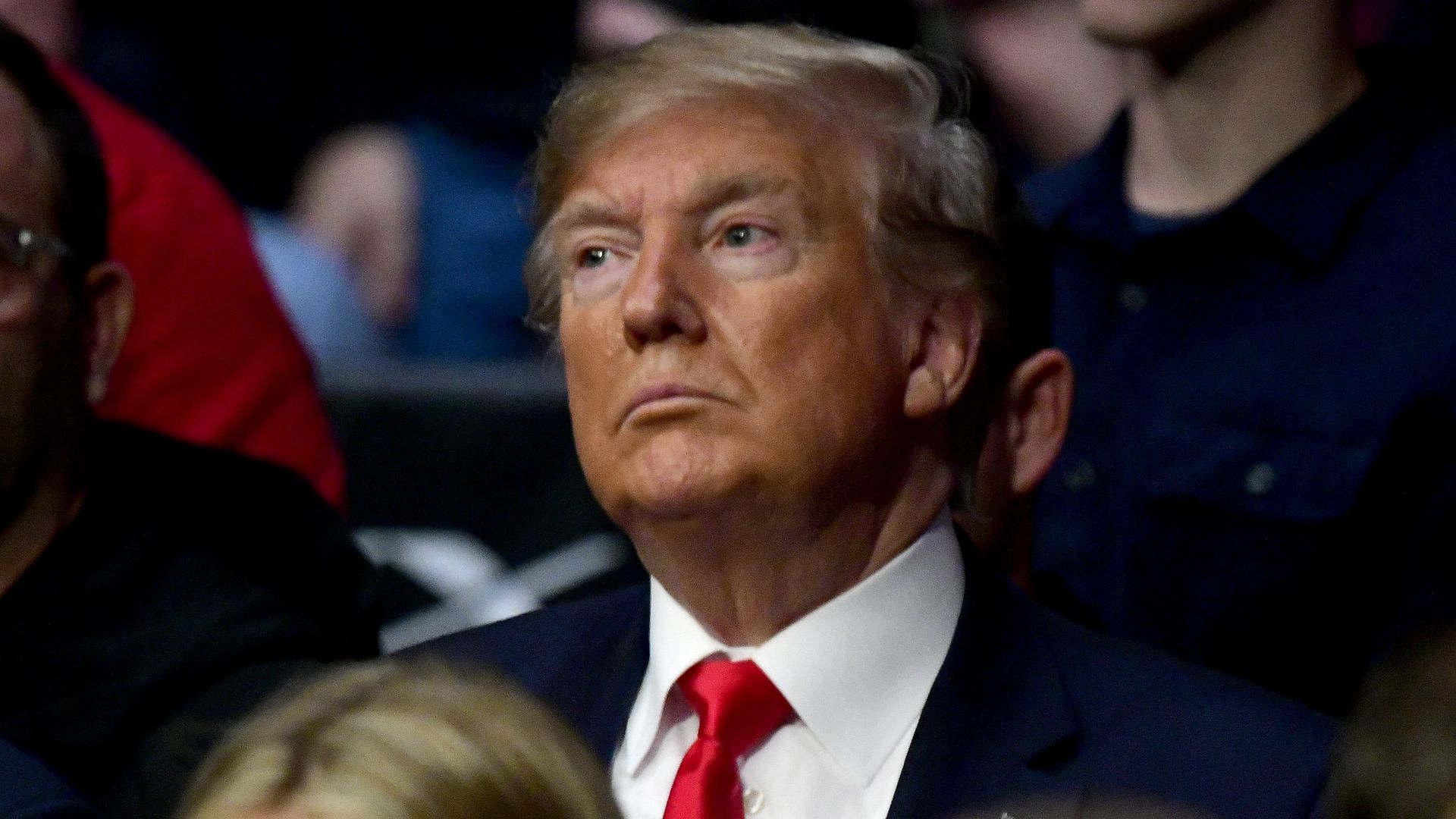
President Trump was met with a small protest, boos and cheers when he went to watch the main fight of UFC 244 mixed martial arts in Madison Square Garden, New York City Saturday night, on-the-scene video footage shows.
A clear top tier is emerging in the 2020 Democratic race — but the likely eventual nominee is far from certain, an ABC News/Washington Post poll published early Sunday shows.
Why it matters: Per the Washington Post, the race is "competitive and fluid less than 100 days before the Iowa caucuses, with a stable trio of leading candidates" — the frontrunner, former Vice President Joe Biden (27%); Sen. Elizabeth Warren (21% ); Sen. Bernie Sanders (19%); and fourth-placed South Bend Mayor Pete Buttigieg (9%) breaking away from other single-digit rivals.
Robert Blair, senior advisor to acting chief of staff Mick Mulvaney, will not appear before House impeachment inquiry committees under a White House directive, the Financial Times first reported Saturday night.
What they're saying: Blair's attorney Whit Ellerman said in a statement to news outlets including the FT and CNN, "Blair is caught between the assertions of legal duty by two coequal branches of government, a conflict which he cannot resolve."
A federal judge temporarily blocked Saturday a Trump administration proclamation requiring immigrant-visa applicants to prove they can obtain health insurance within 30 days of entering the U.S. or cover their own health care costs.
Facing a likely risk of being separated from their family members and a delay in obtaining a visa to which family members would otherwise be entitled is irreparable harm."
President Trump told reporters Saturday he "would love" to have Ukraine's leader visit the White House and he thinks "he’d like to come," Reuters reports.
Why it matters: His July 25 phone call with Ukrainian President Zelensky is at the center of a whistleblower complaint and subsequent impeachment inquiry into whether Trump withheld Ukraine's military aid to encourage an investigation into former vice president Joe Biden and his son Hunter Biden. Trump denies any "quid pro quo" took place.