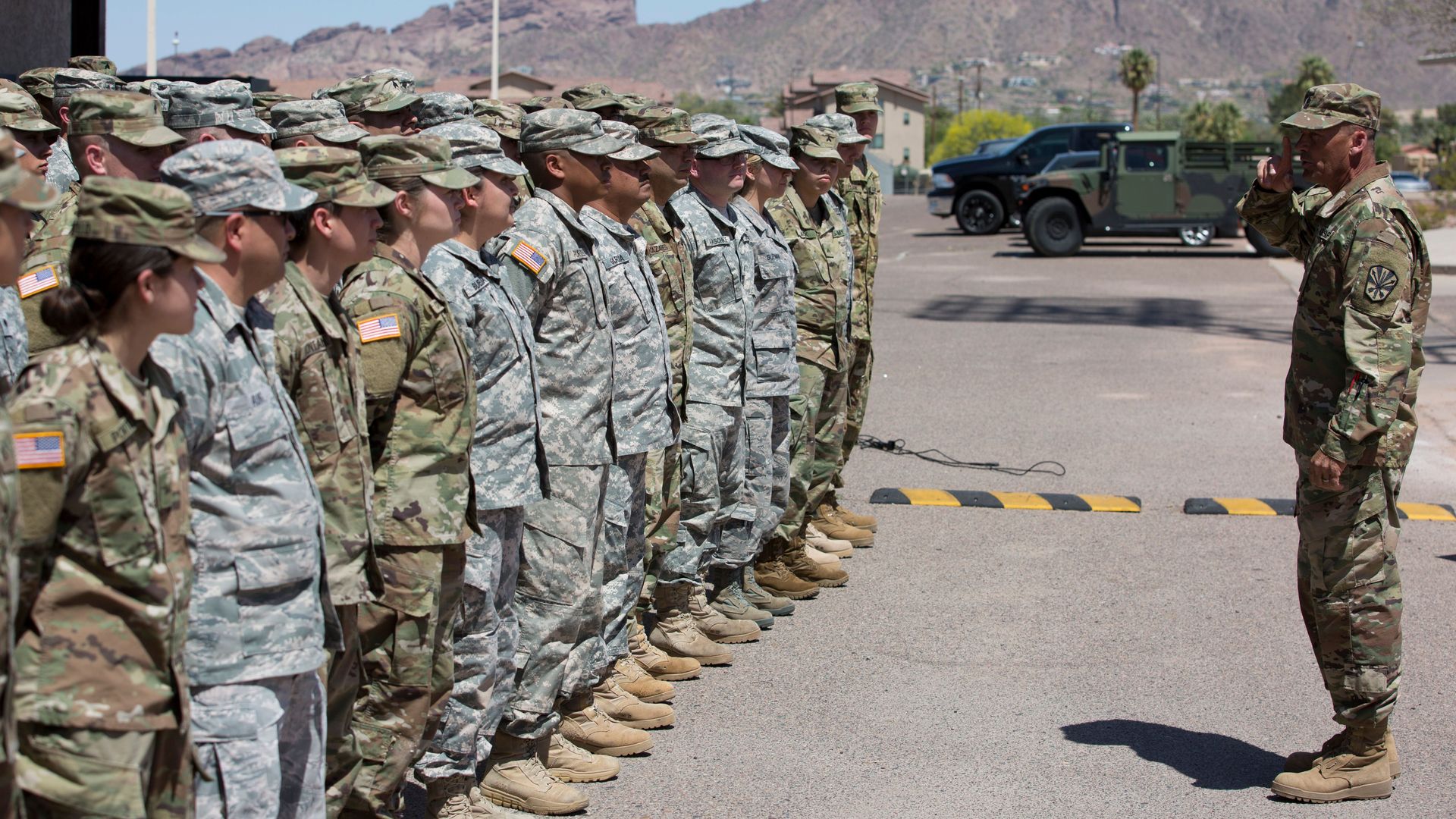
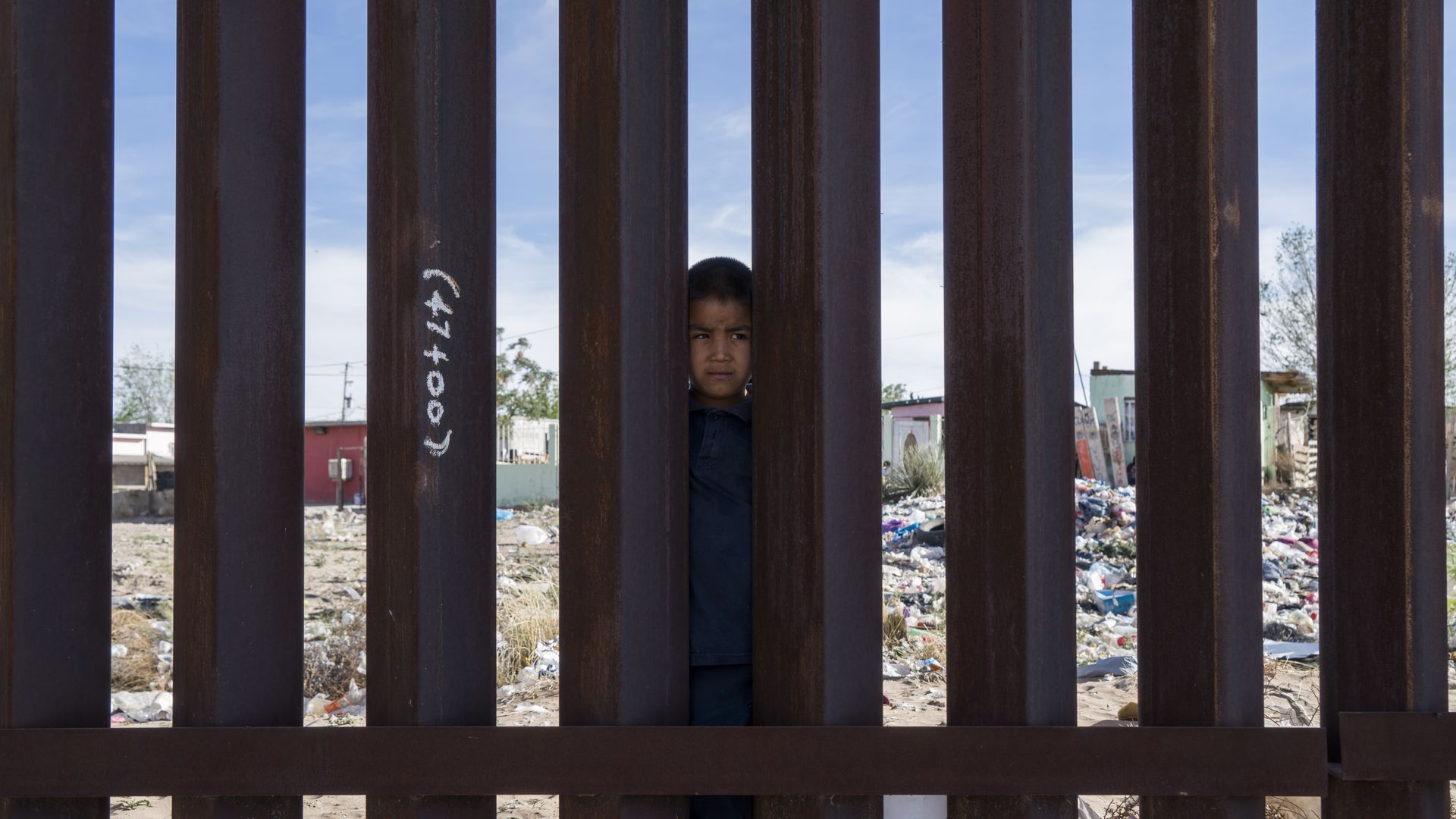
The Republican governors of Texas and Arizona have increased the number of National Guard troops they will deploy to the southern border to assist with security operations. The increases are part of President Trump’s recent plan to work with border-state governors to combat what he called a growing threat of unauthorized immigrants and drug trafficking from Central America.
By the numbers: Texas Gov. Greg Abbott said the state would boost the number of troops from 250 to at least 1,000, up from 250, per the AP. And Arizona Gov. Doug Ducey tweeted that 338 troops will be dispatched, up from 113.
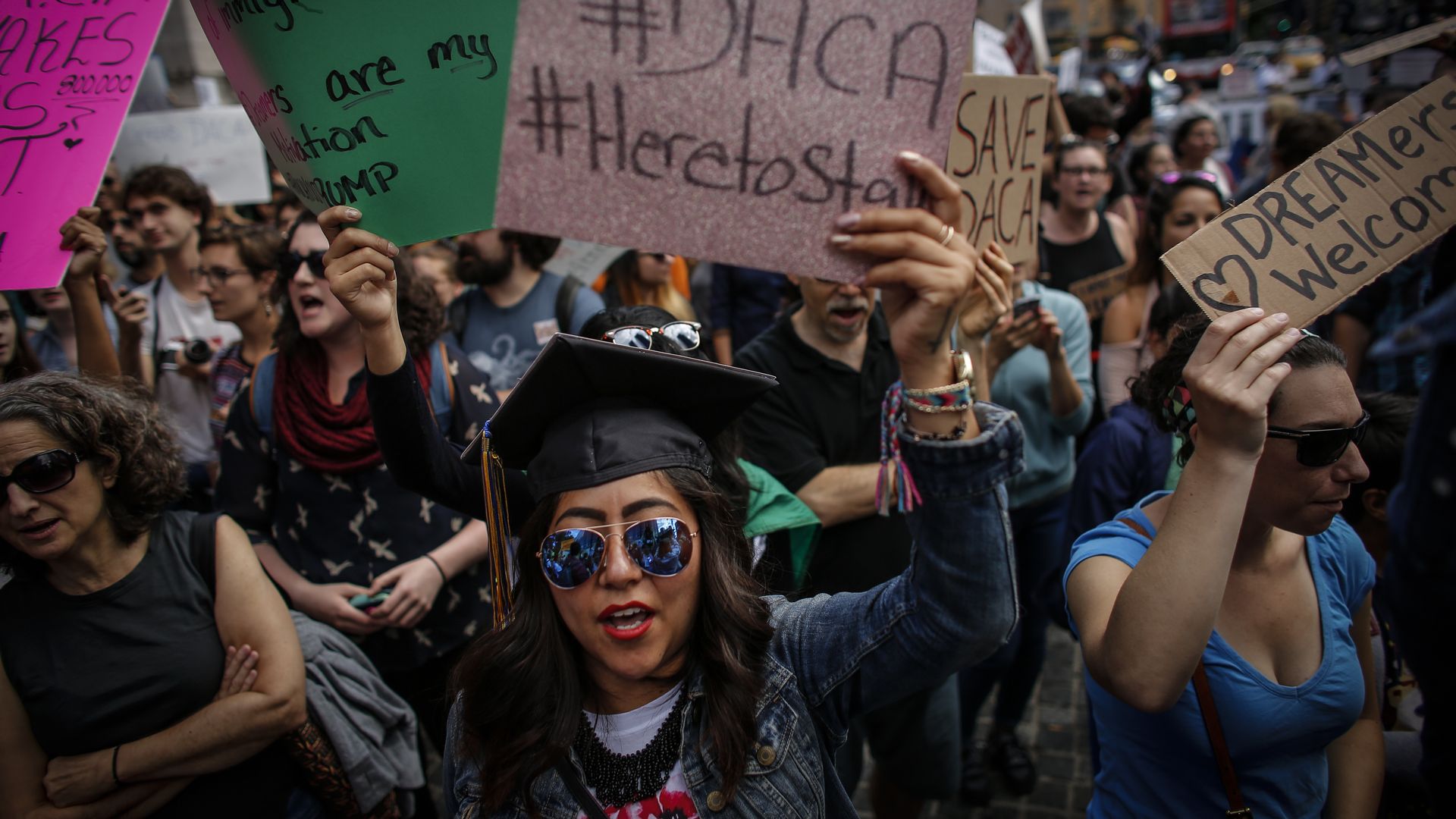
Arizona colleges are prohibited from awarding in-state tuition rates to young immigrants who are protected under the Deferred Action for Childhood Arrivals program, the state’s Supreme Court unanimously ruled on Monday.
Why it matters: The decision will reportedly affect more than 2,000 Dreamers at Arizona public colleges, who are legally allowed to study in the U.S. In 2016, Arizona voters approved a measure that mandates state-funded services and benefits, such as in-state tuition and financial aid, to those who have legal status.
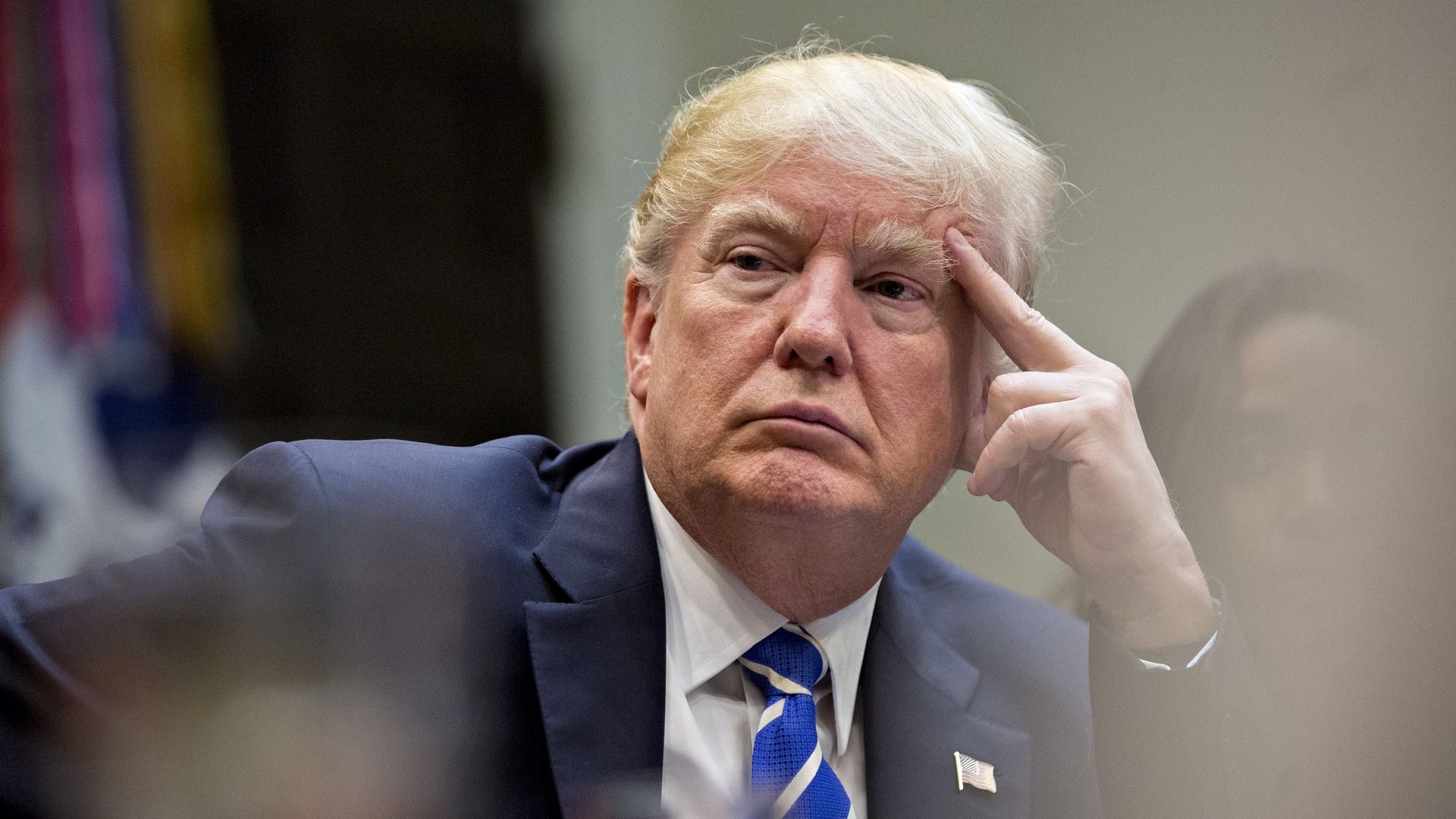
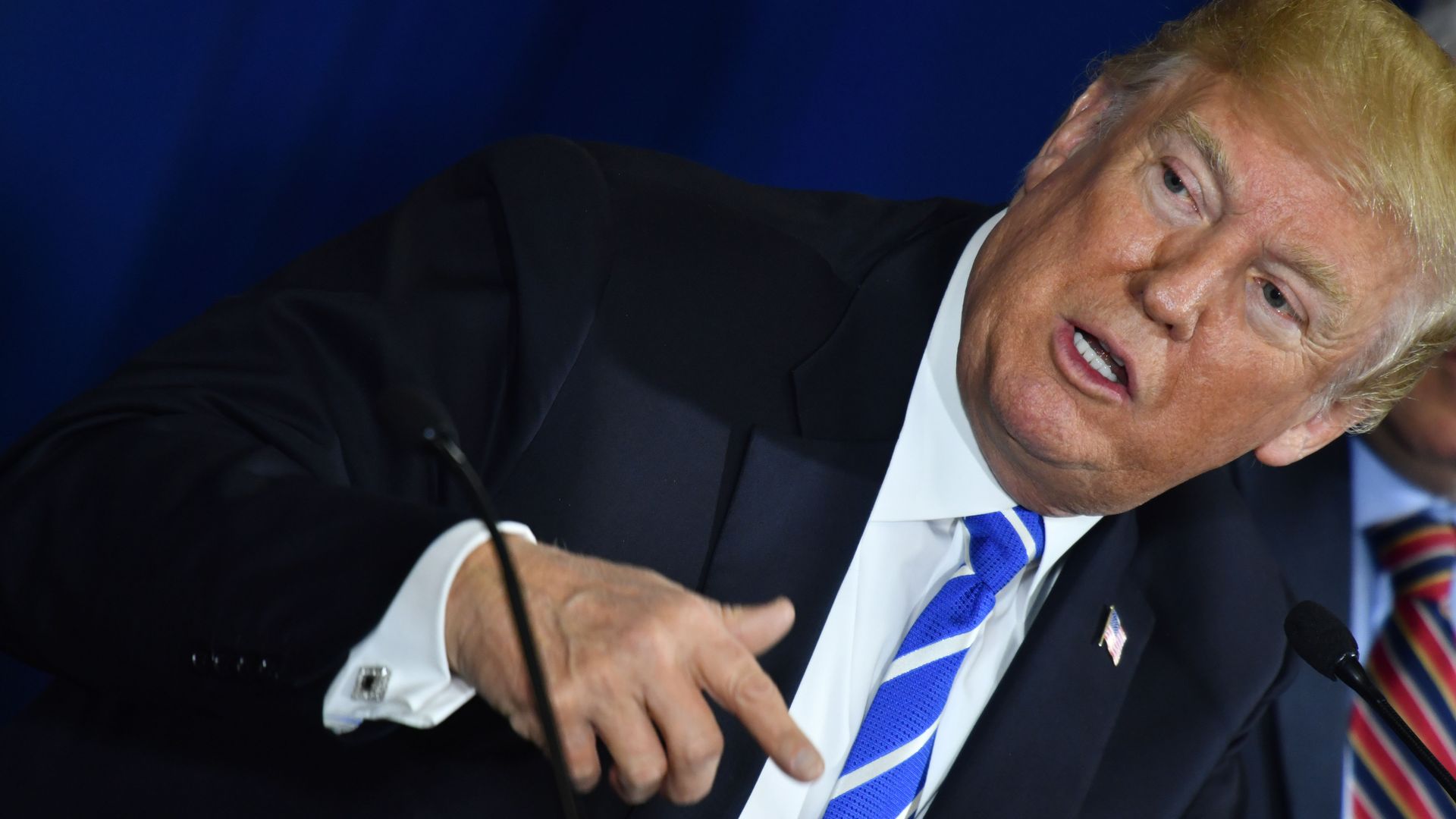
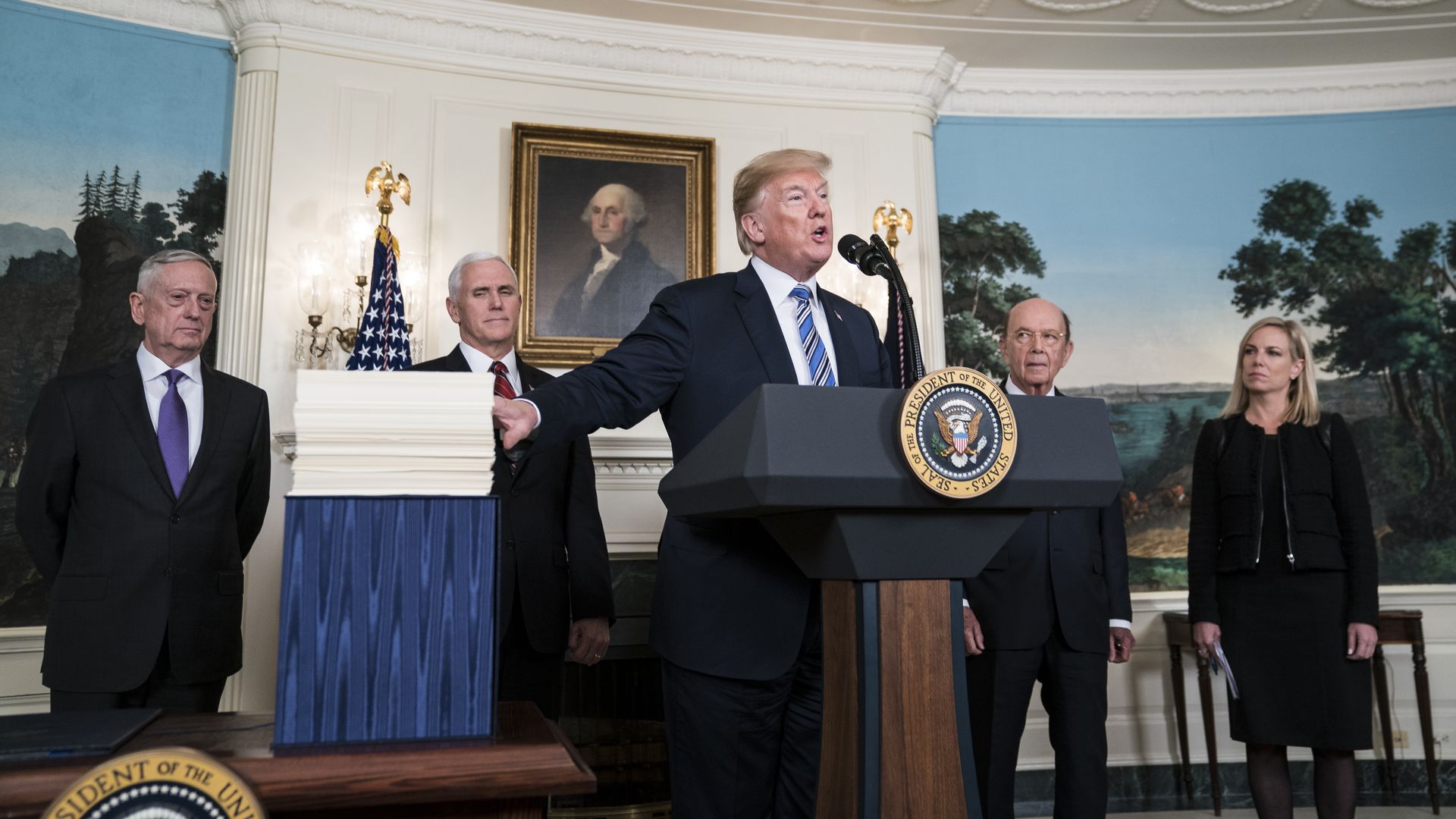
At the start of a meeting with senior military leadership Monday night, President Trump blasted the FBI's raid of his personal lawyer's office, calling it a "disgraceful situation" and an "attack on our country in a true sense ... an attack on what we all stand for."
The big picture: This is a consistent response from Trump, who has accused the probe of unfairly targeting him and who has lashed out against his attorney general for failing to restrain its spread.
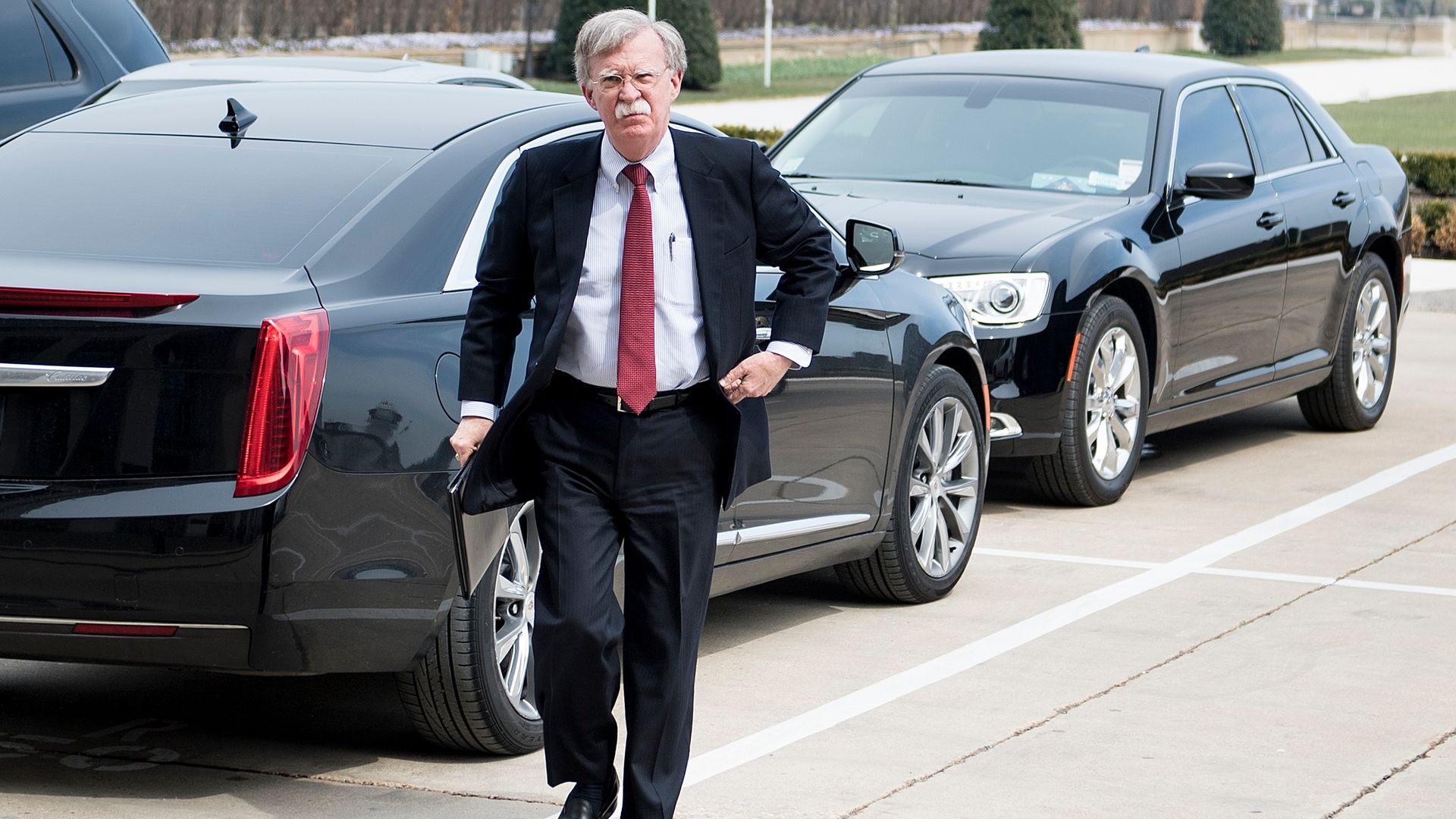
Today John Bolton starts as President Trump’s new national security adviser — his third in thirteen months — and may well become Trump‘s most influential and ideological foreign policy adviser.
What’s Next: It's too soon to tell how Bolton will interact, cooperate and compete as a member of Trump's foreign policy team. He has a reputation as a skilled bureaucratic maneuverer and infighter, though his biggest challenge may not be the bureaucracy but the all-important presidential constituency of one.
Total deficit spending will increase by $11.7 trillion over the next 10 years, including an additional $1.58 trillion because of changes like the GOP tax law and the omnibus spending bill, according to a new report released by the Congressional Budget Office. Annual deficit spending will top $1 trillion by 2020.
Between the lines: Republicans have spent nearly a decade campaigning on fiscal restraint. Now, with total GOP control of Congress and the presidency, revenues have been cut while spending has increased — the opposite of fiscal conservatism and a sore spot with many GOP voters.
Several hundred National Guard troops are headed to the border in cooperation with requests from President Trump and Defense Secretary Jim Mattis.
Why it matters: The Trump administration has authorized up to 4,000 troops to deploy to the border, but the National Guard's role on the border is limited by law.
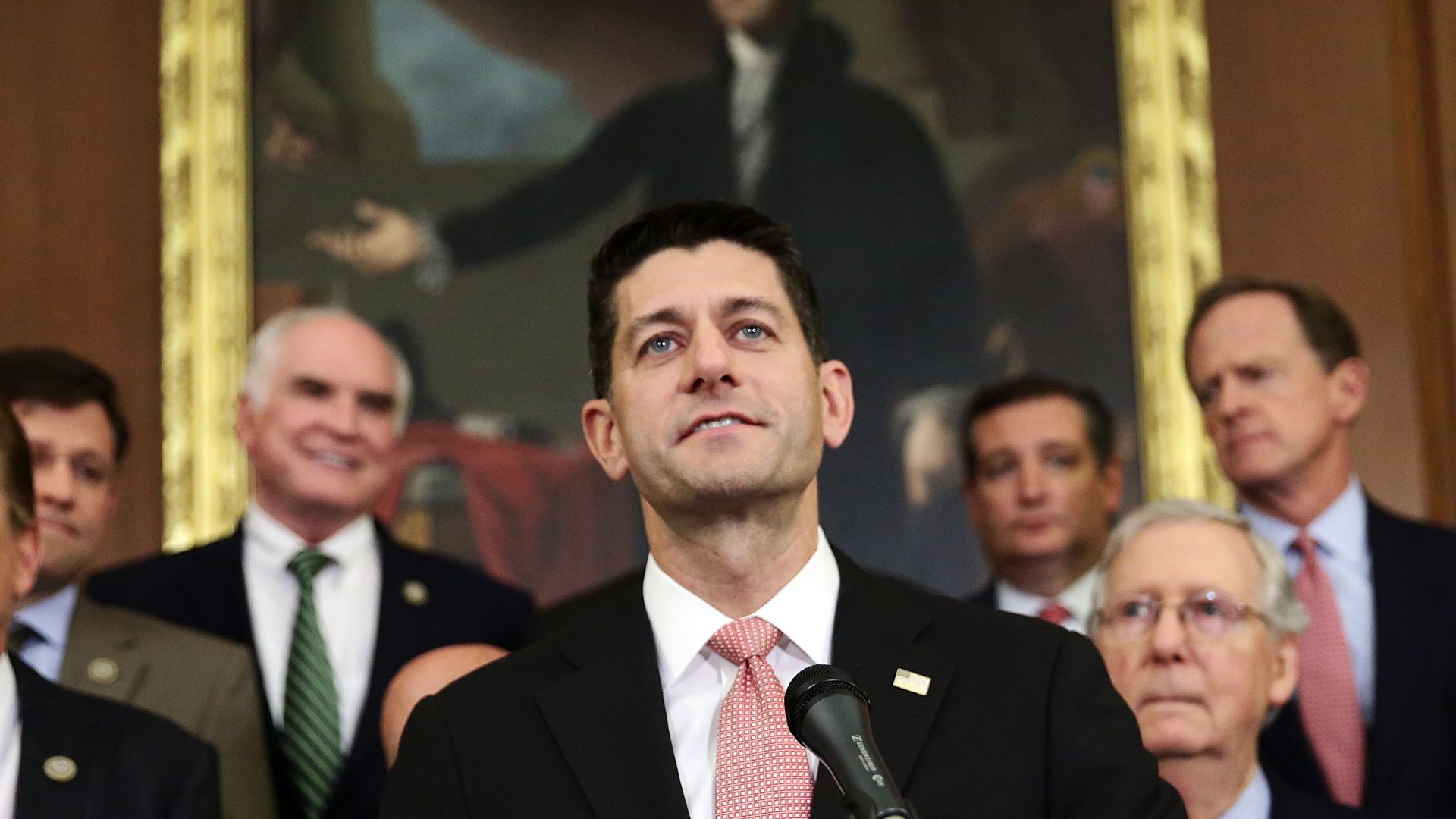
House Speaker Paul Ryan's joint fundraising committee, Team Ryan, raised $11.1 million in the first quarter of 2018, totaling to $54 million raised this election cycle — a record for a Speaker's political organization.
State of play: Ryan's early fundraising push shows that the GOP is gearing up in advance to make themselves as competitive as possible ahead of the November 6 elections, which are shaping up to be exceptionally competitive this year. Meanwhile, at least 56 House seats are up for grabs, and more than two-thirds of those are held by Republicans.
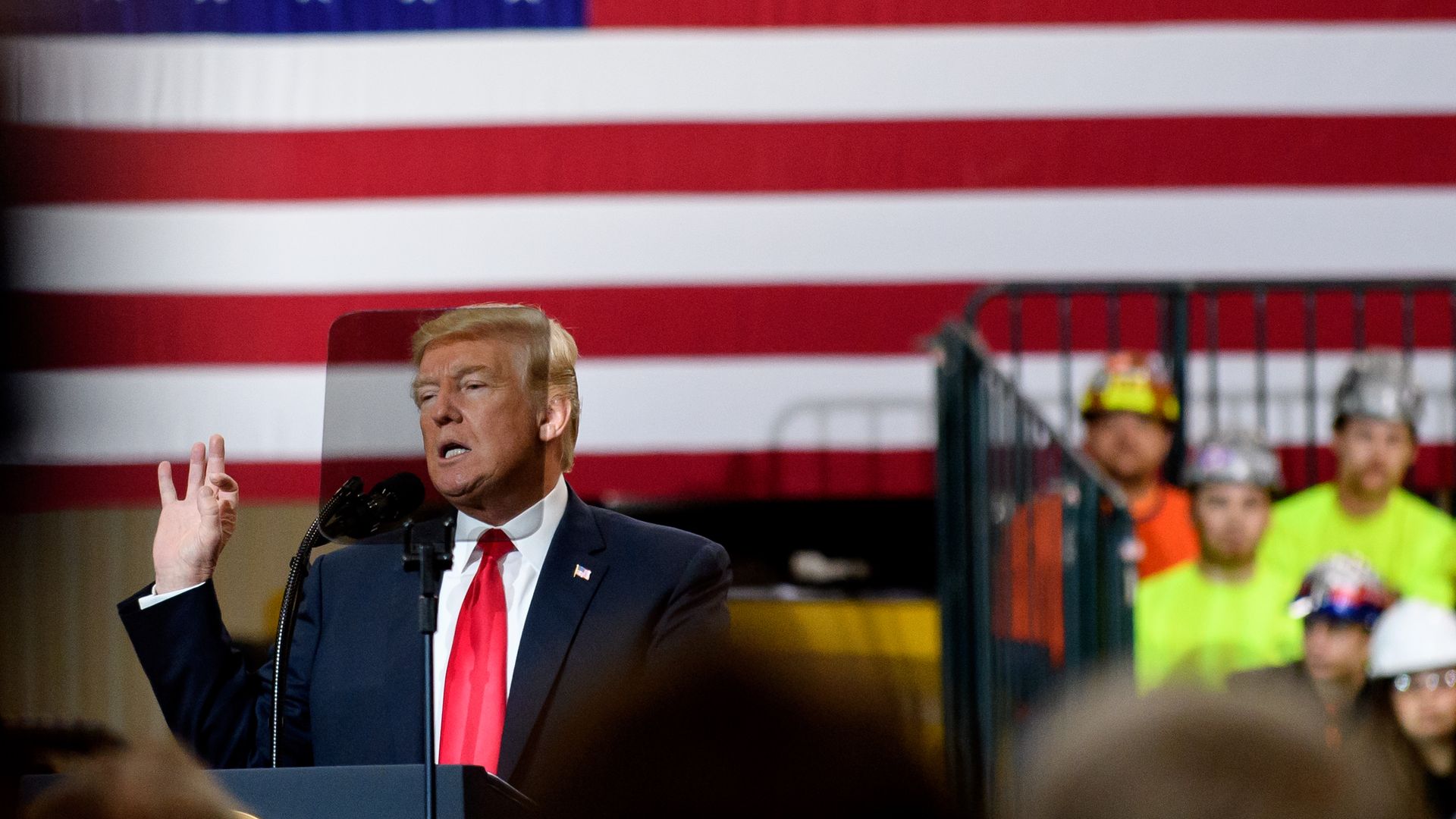
Charles Homans, politics editor of The N.Y. Times Magazine, on President Trump's rally in Moon Township, Pa. last month: "We were watching a sitting American president imitating an American president."
The big picture: "For Trump, the campaign trail was a place of self-actualization. On the stage was where he seemed most himself — so much so that, not even a full day after his election, the president-elect mused to his staff about the possibility of another series of rallies."
There's no better illustration of President Trump’s impact on the midterm elections than the soaring number of Democratic House candidates running in primaries, with women driving the surge, per the N.Y. Times' Jonathan Martin and Denise Lu.
A comparison: 1,415 Democratic candidates are running in this fall's midterm elections, remarkably similar to the 1,406 Republicans who ran in 2010's midterms. That election saw the Tea Party wave, spurred by President Obama's tenure and the Affordable Care Act.
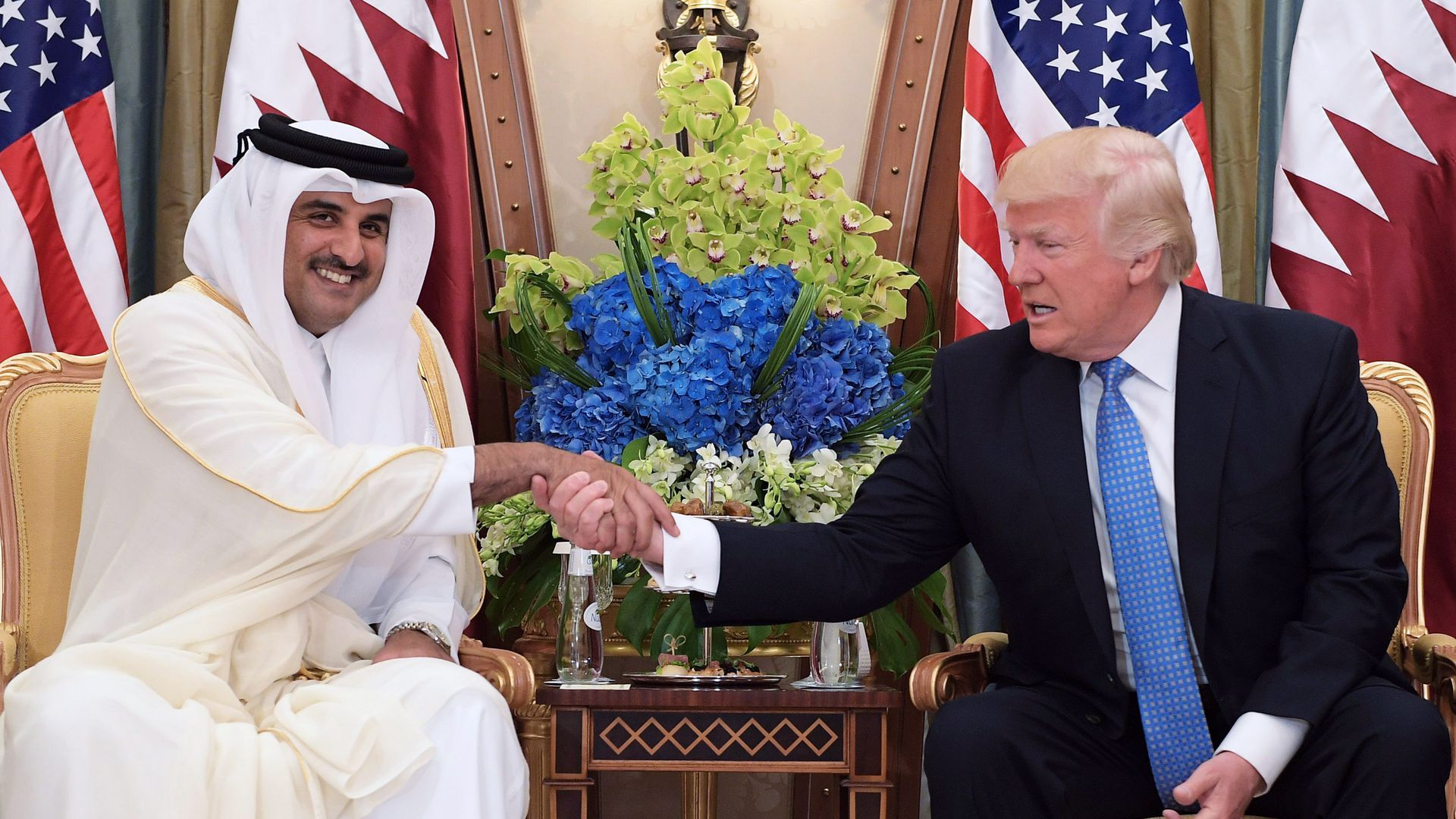
Trump has a consequential meeting on Tuesday with the Emir of Qatar, Sheikh Tamim Bin Hamad Al Thani. The President badly wants to end the feud between the Gulf nations, which formally began last June when Saudi Arabia, the UAE and others severed diplomatic and trade links with Qatar and accused their neighbor of funding terrorists and buddying up with Iran.
Why this matters: The conflict puts the U.S. in a tricky spot, given it wants to focus on beating back Iran and relies on the Qataris for an airbase.
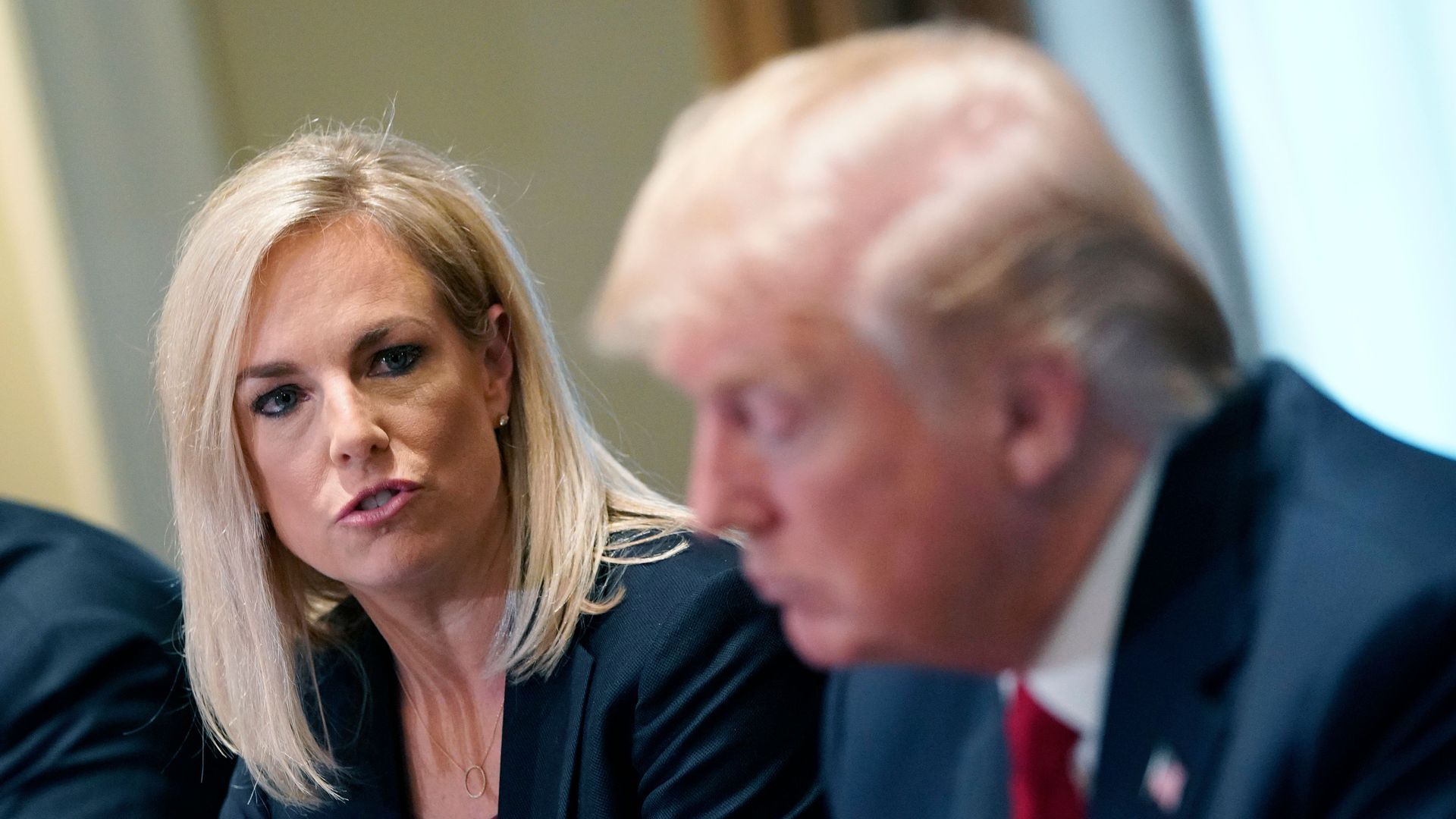
Department of Homeland Security Secretary Kirstjen Nielsen has become Trump’s immigration scapegoat — which generates friction between the president and his chief of staff, John Kelly, who is extremely close with her and believes his criticism of her is unwarranted and misplaced.
The bottom line: From when Nielsen was first nominated as secretary of homeland security, Trump had misgivings. I’ve learned that Trump even threatened to pull Nielsen’s nomination in a heated Oval Office meeting the week after she was nominated. Trump had been watching several Fox News personalities, including Ann Coulter, rip Nielsen as soft on the border. And as the Washington Post first reported, Trump claimed not to have known that Nielsen worked for George W. Bush, who he views as worse than most Democrats.
When the president threatened China with $100 billion in new tariffs, there had hardly been any White House discussion.
What I’m hearing: There wasn’t one single deliberative meeting in which senior officials sat down to debate the pros and cons of this historic threat. Trump didn’t even ask for advice from his new top economic adviser, Larry Kudlow, instead presenting the tariffs as a fait accompli. Chief of Staff John Kelly knew Trump wanted more tariffs but was blindsided by the speed of the announcement. And Legislative Affairs Director Marc Short — the White House’s liaison to Capitol Hill — was totally in the dark.
Hungarian Prime Minister Viktor Orban, who campaigned heavily on an anti-migration platform, easily won his third consecutive term in Sunday’s parliamentary election, per the AP.
The details: Orban's ruling right-wing Fidesz party and the allied Christian Democrat party secured 133 of the 199 seats, the AP reports. This year's election, which had a high turnout, was considered by some to be the most consequential since communism ended in 1989. That's because the increasingly authoritarian Orban has enacted radical changes to the country’s constitution, undermined checks and balances and imposed a crackdown on the free press.
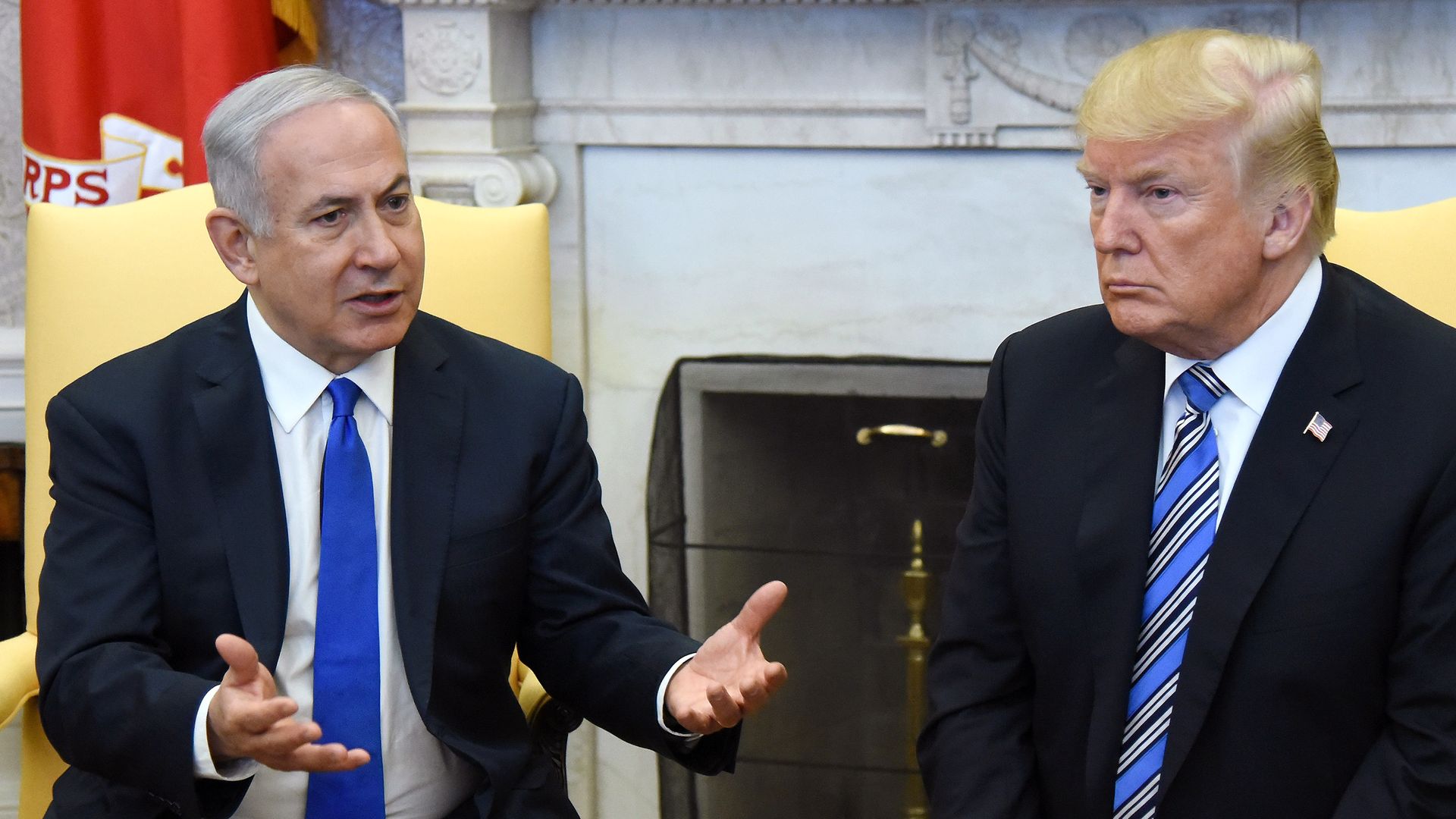
The phone call between Israeli Prime Minister Benjamin Netanyahu and U.S. President Donald Trump — which took place last Tuesday — has failed. Netanyahu could not convince Trump to rethink his decision to withdraw U.S. forces from Syria, an Israeli source briefed on the call told me.
Why it matters: Regardless of the formal statements issued by each nation, the Israeli government and security establishment is very frustrated with Trump's decision to withdraw U.S. forces from Syria. Israeli officials said the Trump administration is only interested in defeating ISIS in Syria and has no willingness to act against Iranian military entrenchment in the country. An Israeli official told me: "The Americans will support our action against Iran in Syria but the bottom line is we are on our own".
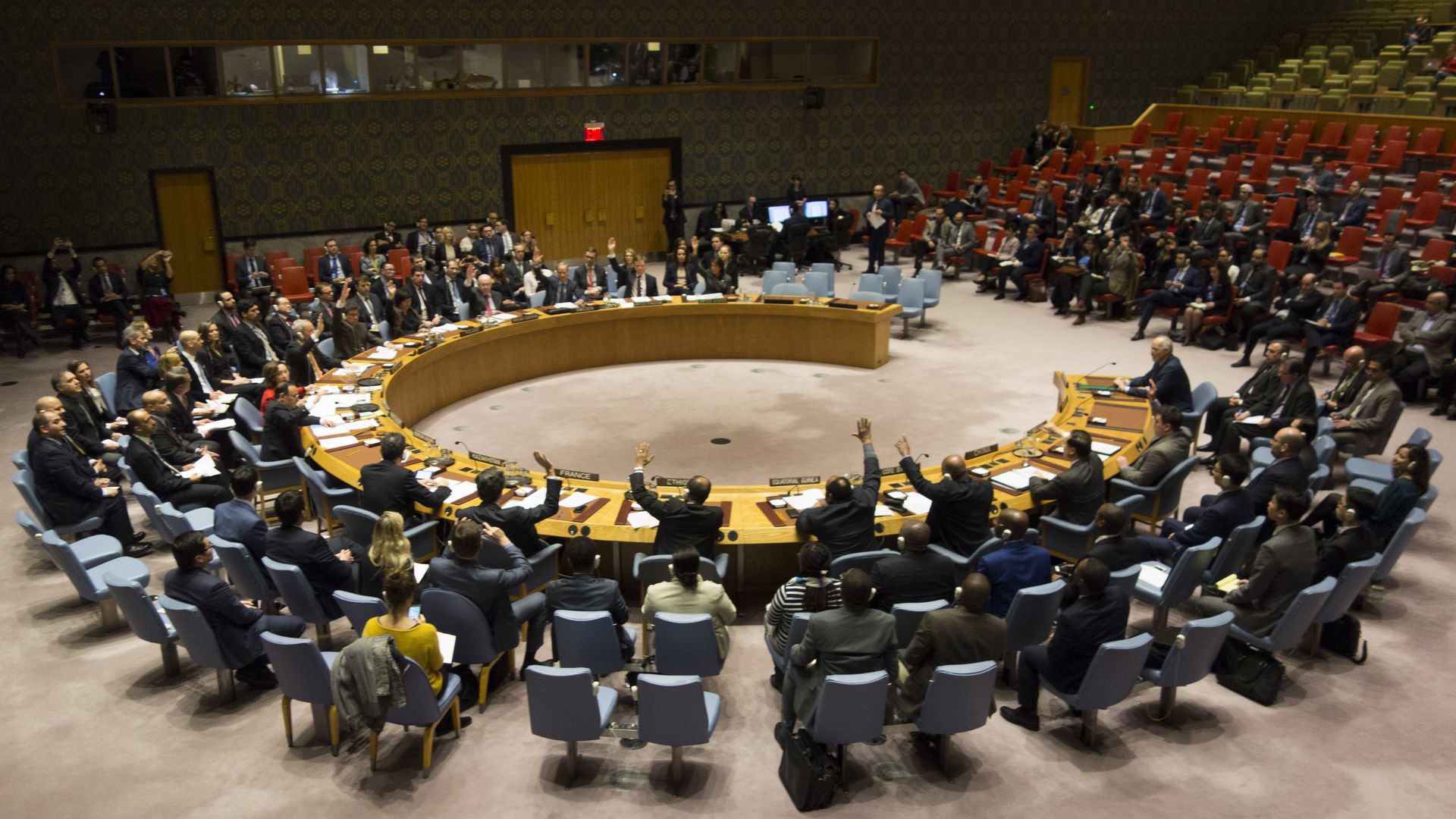
The United Kingdom's delegation to the United Nations said that the U.N. Security Council is expected to meet on Monday amid calls for a prompt meeting over this weekend's alleged chemical attack by the Syrian government. The U.K. was joined by the United States, France, Poland, the Netherlands, Sweden, Kuwait, Peru, and the Ivory Coast in calling for the emergency meeting.
The backdrop: There has been growing international outcry regarding Saturday's deadly attack in the rebel-held suburb of Douma, east of Damascus. It prompted President Trump on Sunday to level his most direct criticism yet at Russian President Vladimir Putin for aiding President Bashar al-Assad’s regime. Russia is a veto-wielding member of the Security Council, and it has pushed back against reports of the attack, calling it a "spread of bogus stories."
President Trump may try to hit "undo" on a slice of the $1.3 trillion spending bill that he signed last month after threatening a veto, and now regrets.
The big picture: Republican aides in the House and Senate tell me they're working with the White House on a possible plan to rescind billions of dollars — and perhaps tens of billions.
Since he started working for the sheriff’s department in a rural county in Illinois a few years ago, Howard Buffett, the son of billionaire Warren Buffett, has seen drug addiction lead to poverty, prostitution, overdoses and suicide. As he told Axios over dinner, he believes tougher border security is a key solution:
"You think about 65,000 people died last year from drug overdoses, and about 50% of them came from illegal drugs out of Mexico... If it happened any other way, people would go nuts."