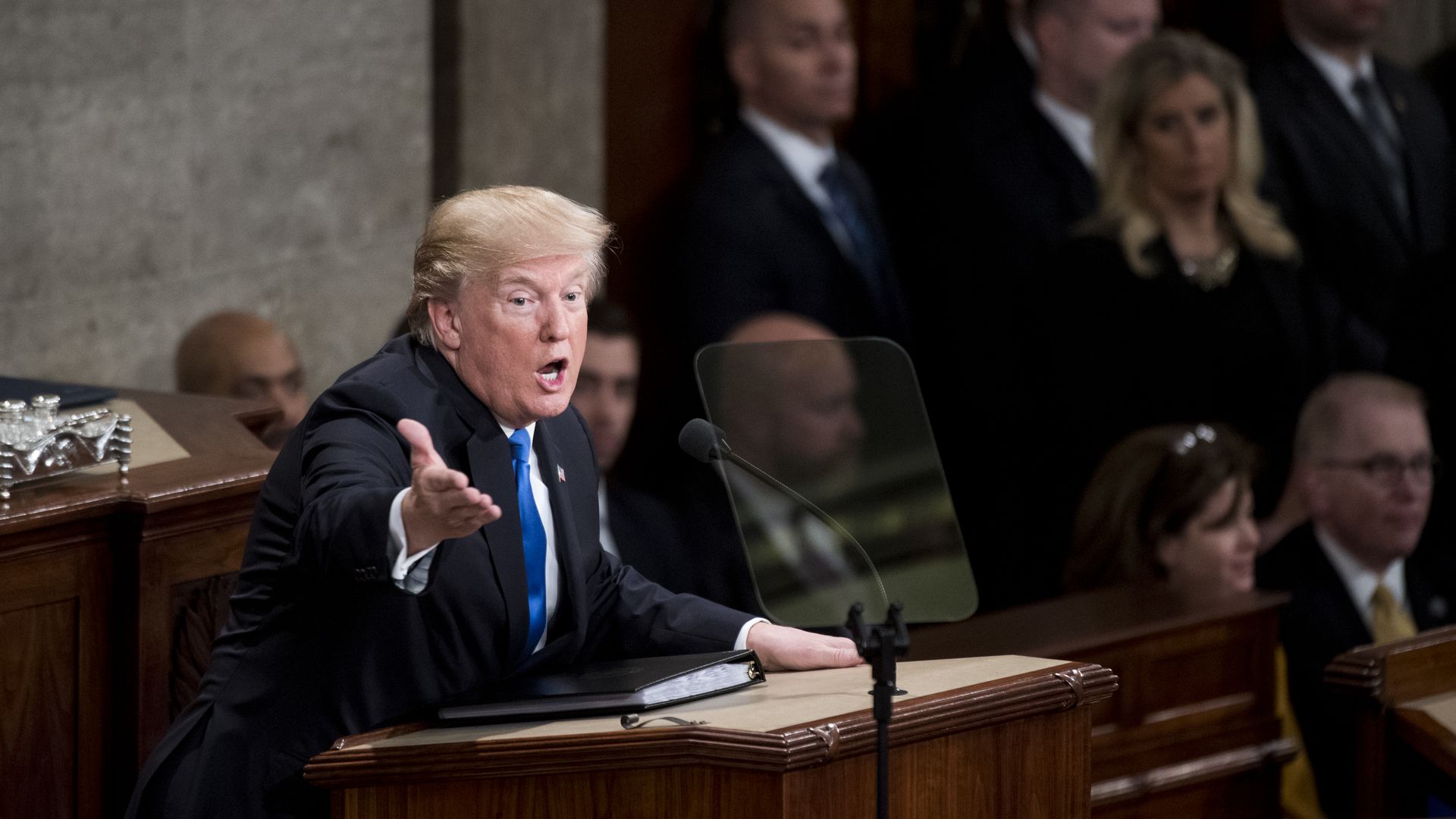
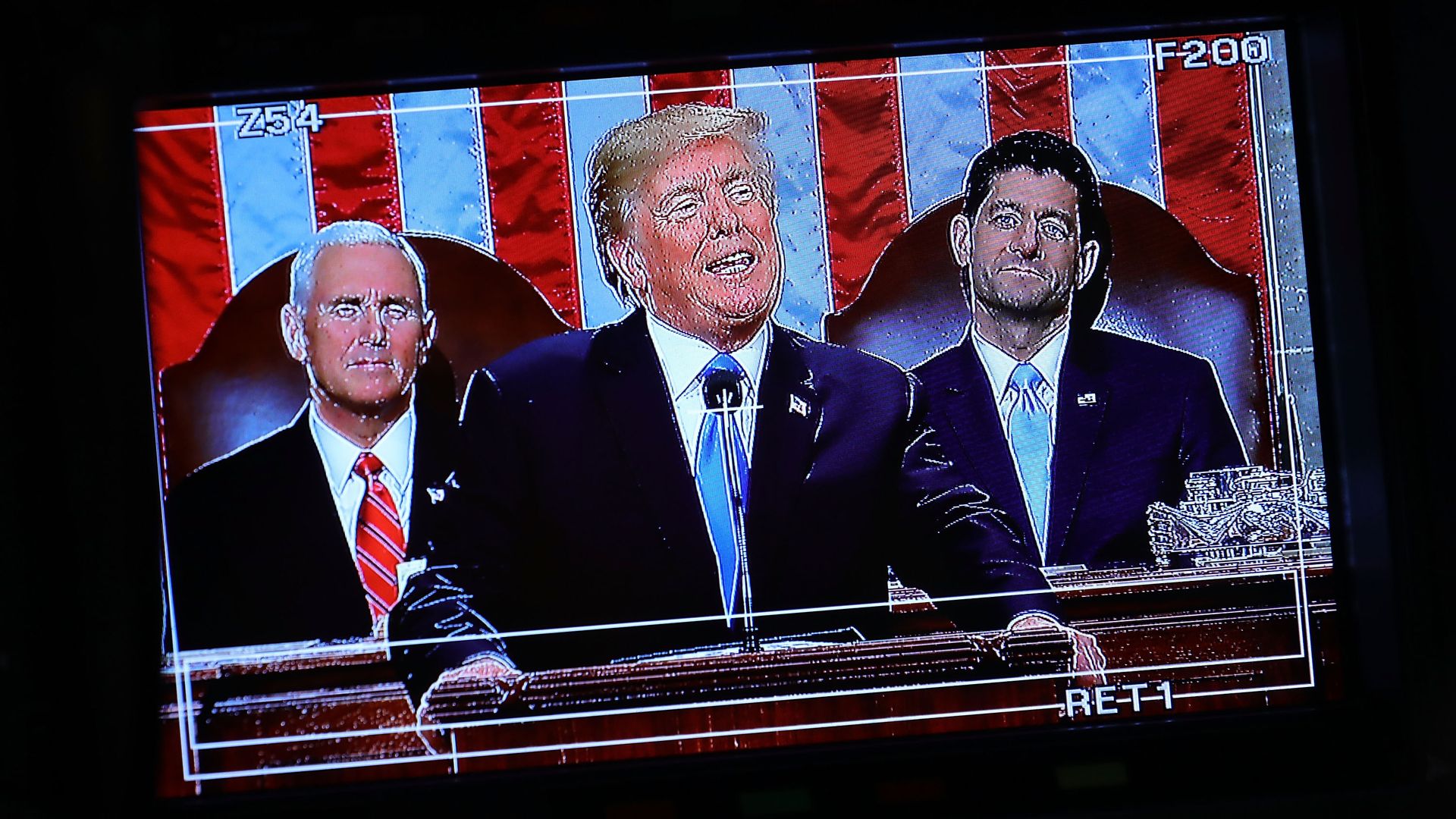
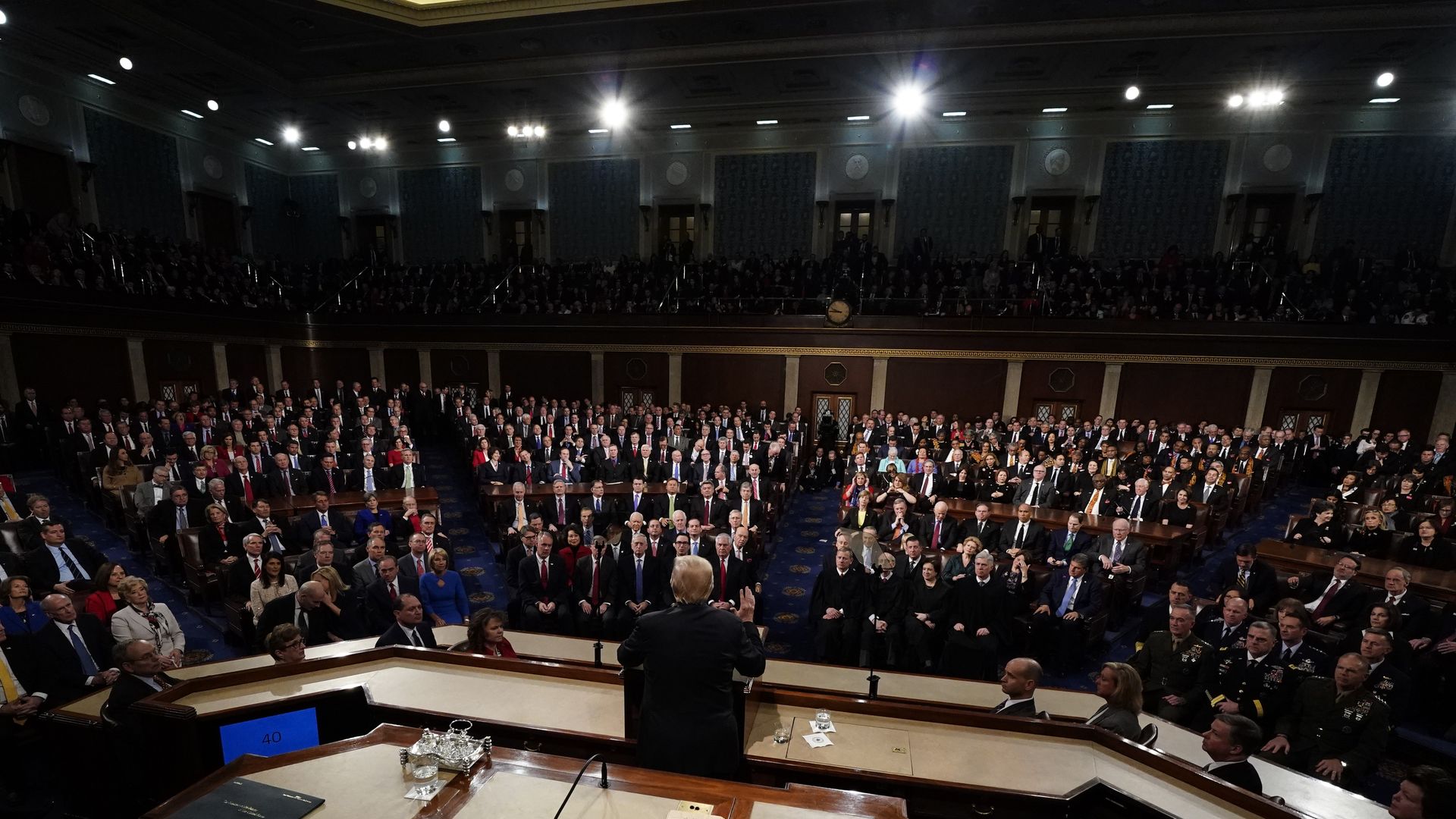
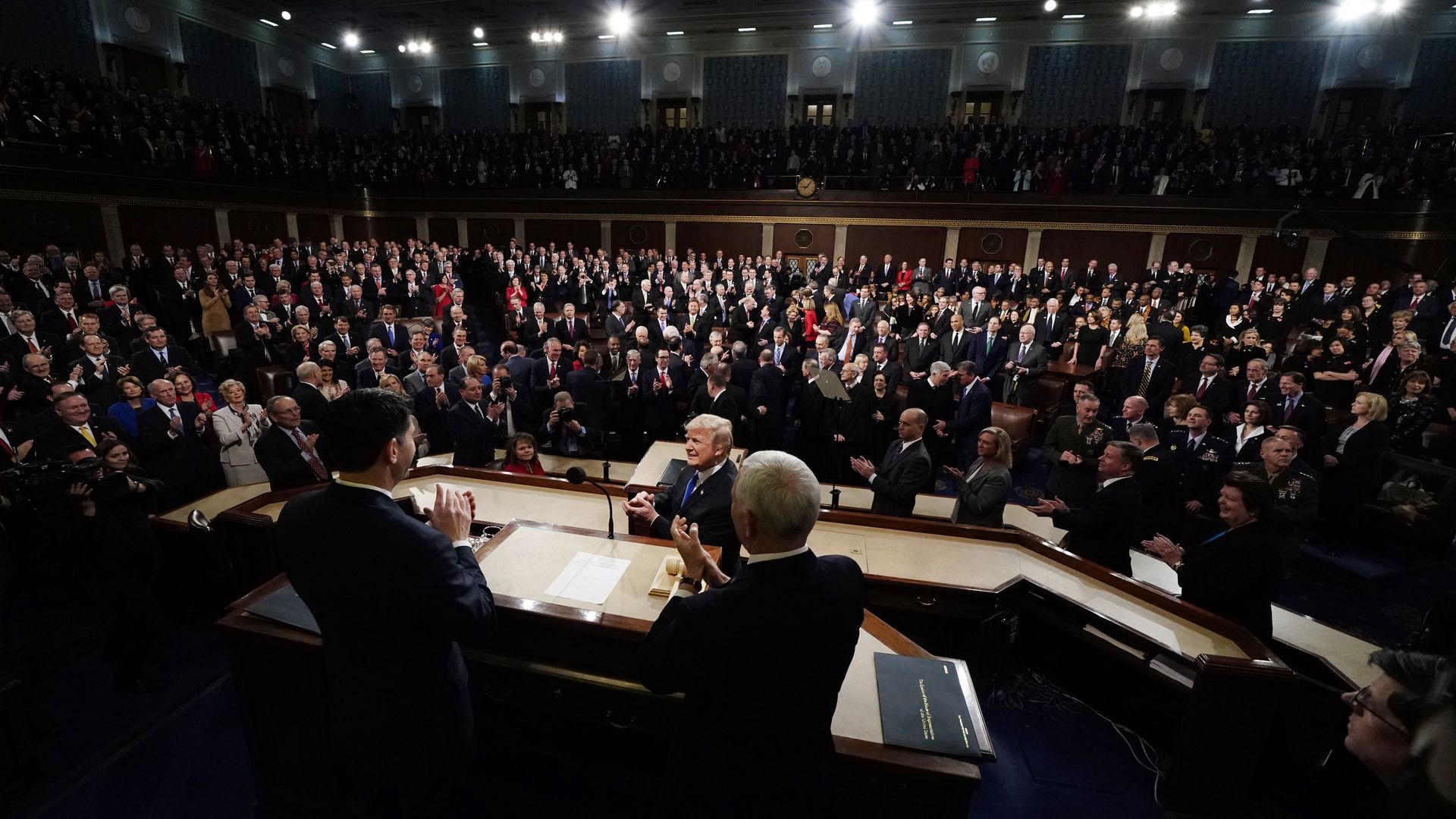
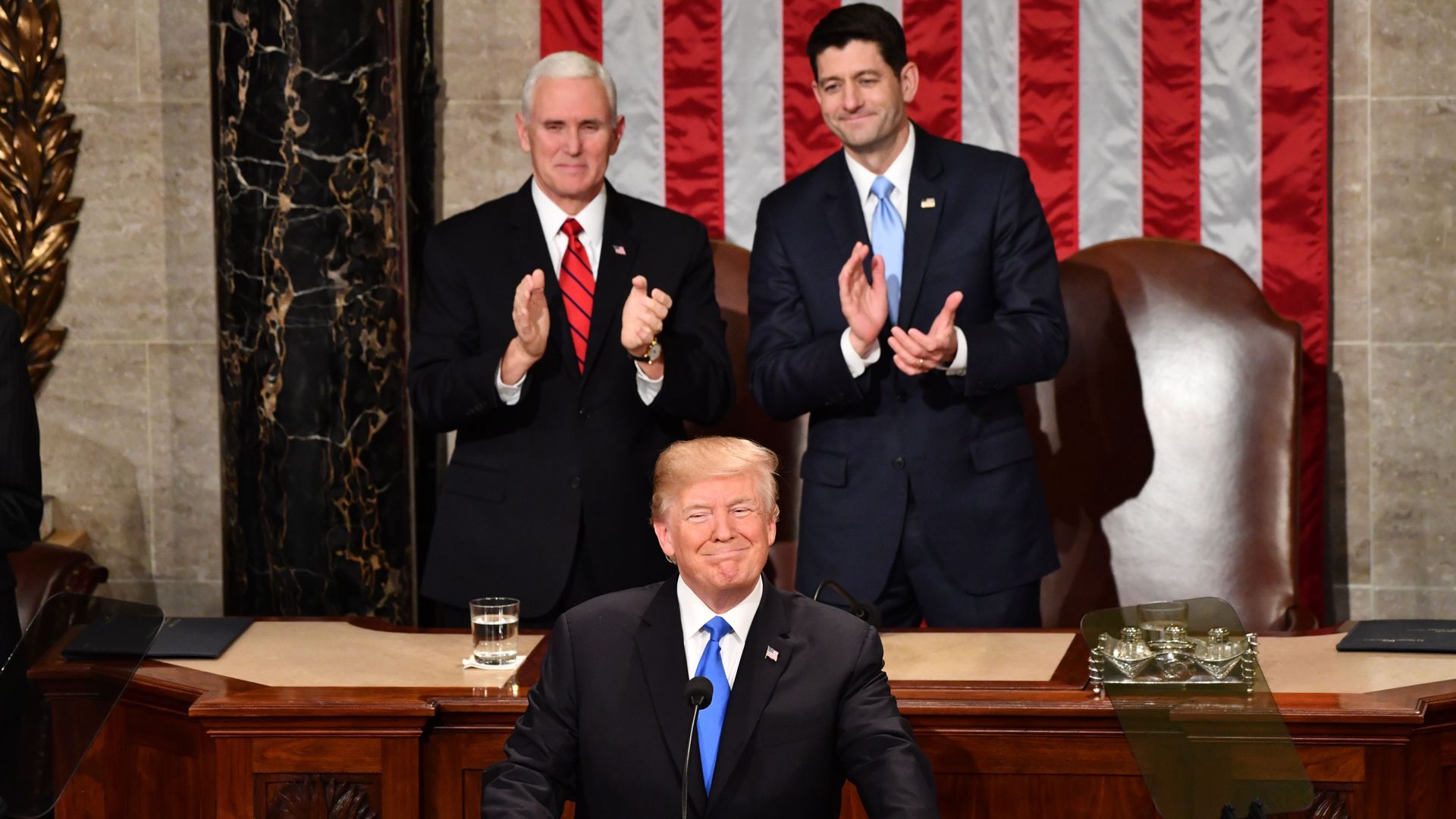
Roughly 45.6 million viewers across broadcast and cable, compared to 48 million who watched President Obama’s first State of the Union address in 2010. 11.5 million of Trump's viewers watched on Fox News, per Variety.
Why it matters: The TV landscape has changed dramatically since Obama’s speech in 2010. The Consumer Technology Association, for example, estimates that the number of people that watch free and paid streaming video in the United States is greater than Pay TV, meaning these ratings likely don’t count for several million people who watched the speech on streaming platforms and social media. Pew Research Center also estimates that roughly 60% of U.S. adults in U.S. primarily use online streaming to watch TV.
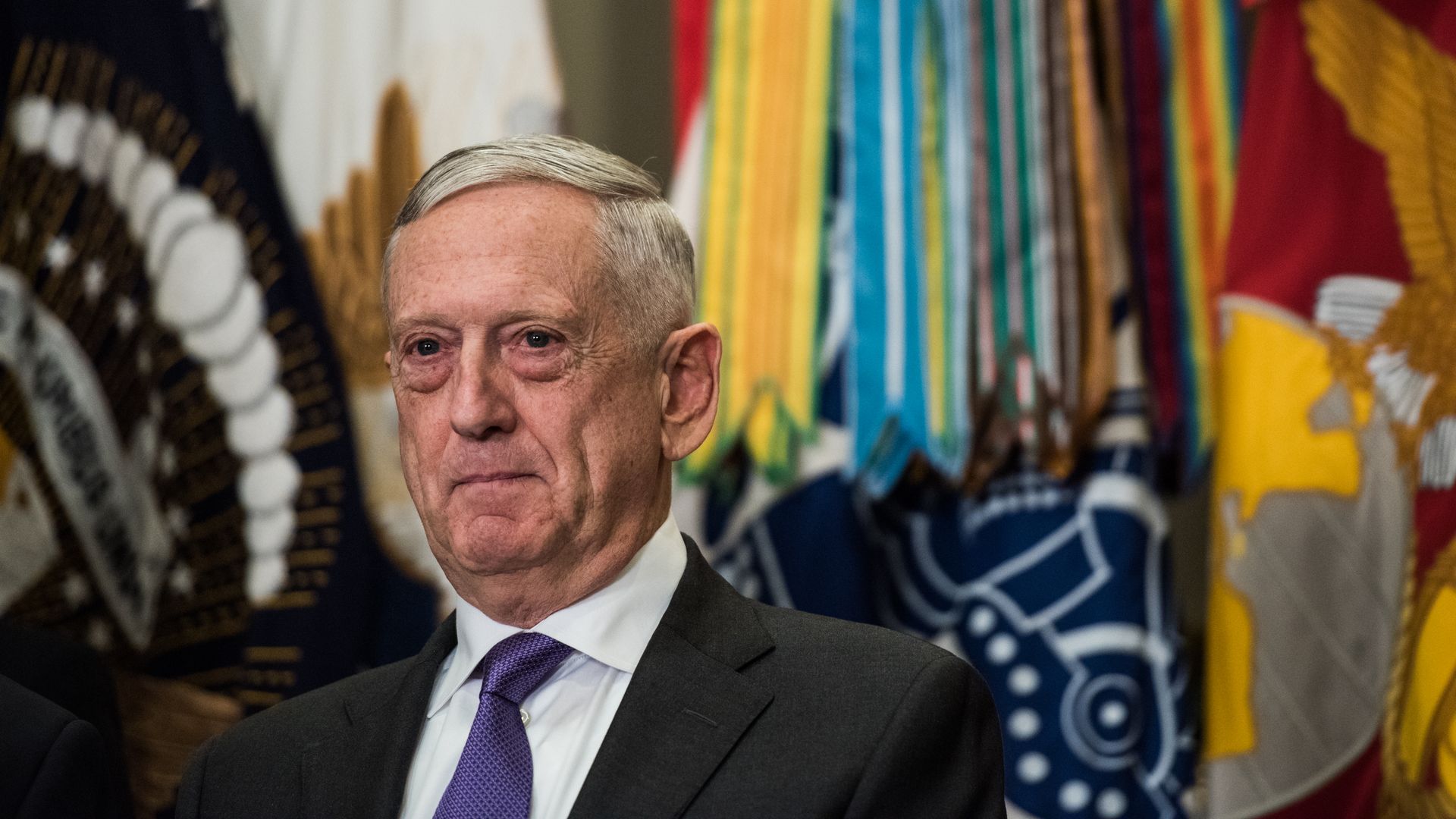
Secretary of Defense James Mattis’ National Defense Strategy declares great power competition, not terrorism, the U.S.'s primary national security concern. The strategy succinctly — and rightly — prioritizes Chinese and Russian threats and proposes a battery of changes to accelerate competitive countermeasures at the Pentagon.
Counterterrorism remains an obstacle in balancing present concerns and long-term interests. As Secretary of State Tillerson made clear a few days before the strategy’s release, America’s war in Syria isn’t going away anytime soon. And that’s just one of many simmering conflicts U.S. forces are engaged in.
Secretary Mattis’ guidance is well intentioned, but his predecessors offered similar visions of the world they wanted to build (President Obama's “pivot” to Asia; President Bush's revolution in military affairs and an end to 82nd Airborne troops walking kids to kindergarten), only to find themselves mired in successive crises in the Middle East. Mattis, a former CENTCOM commander, must resist the urge to micromanage those wars and strive to break out of the “tyranny of the now."
The bottom line: Putin and Xi are playing a long game with strategically significant consequences for the U.S. if not adequately countered. The new defense strategy lays a solid foundation, yet sustaining its precepts will require adequately resourcing military efforts in Asia, Europe and the Middle East while still maintaining strategic discipline by concentrating on near-peer threats.
Mackenzie Eaglen is a resident fellow in the Marilyn Ware Center for Security Studies at the American Enterprise Institute.
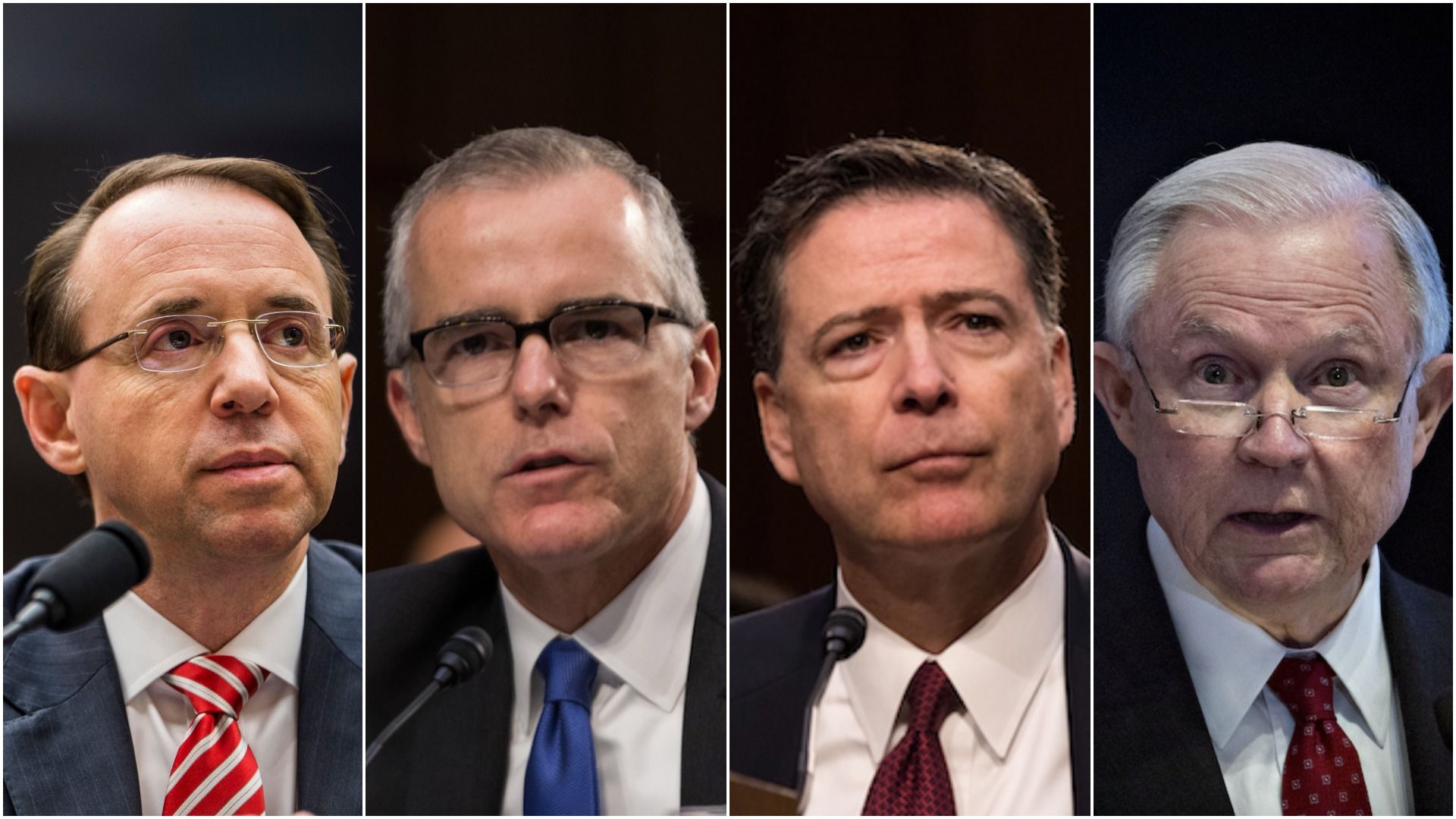
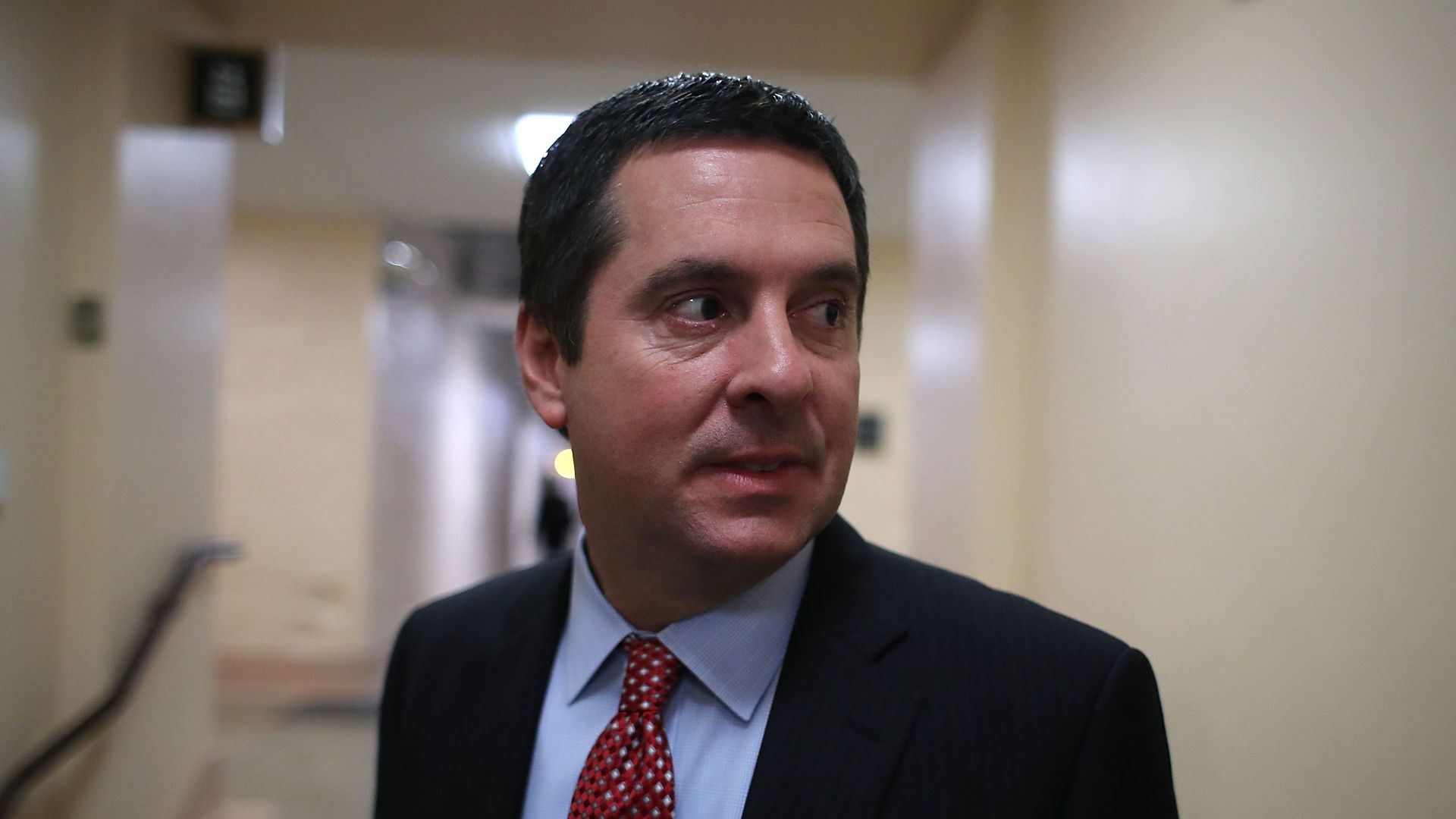
President Trump asked Deputy Attorney General Rod Rosenstein if he was "on my team" during a December meeting at the White House, CNN reports. Rosenstein was visiting Trump for "support in fighting off document demands from House Intelligence Chairman Devin Nunes," per CNN.
Why it matters: It's the fourth report of Trump demanding loyalty from a Justice Department official.
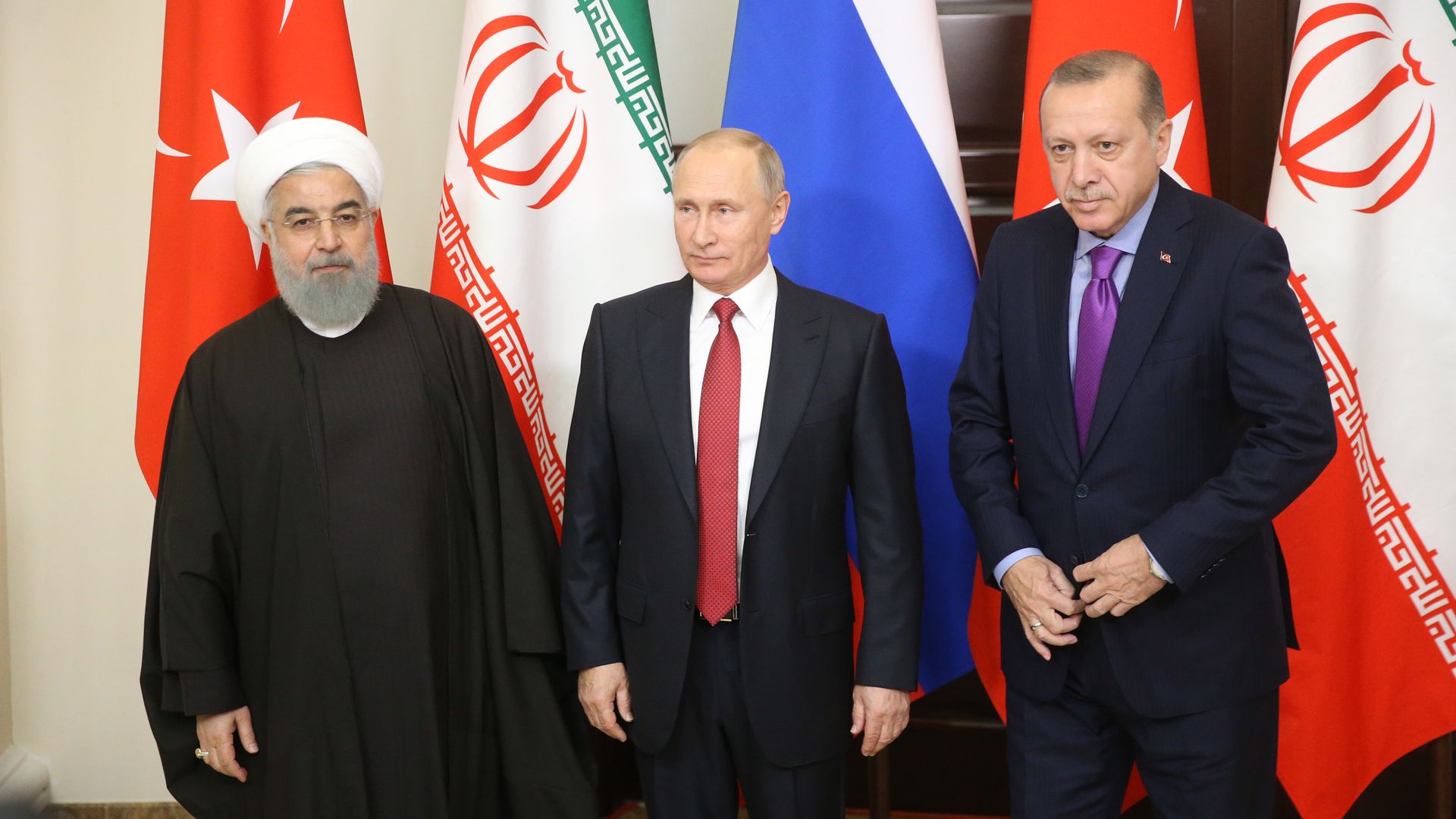
Russia has cultivated close ties with all the major players in the Middle East and looks likely to have more influence over events in the region than a diplomatically challenged and militarily wary United States.
The region's powers, all keenly interested in the outcome of the Syrian civil war, have consulted closely with Moscow over a potential political settlement and grown closer to the Russians in other ways:
Saudi Arabia, despite closer ties with Trump than with his predecessor, has also hedged its bets; Russian pension funds are reportedly considering investing in the Saudi oil giant, Aramco, as a way of cementing ties between two key oil producers.
Israeli Prime Minister Benjamin Netanyahu — who just gave a rapturous welcome to Vice President Mike Pence in Israel and met with Trump in Davos — talks frequently to Vladimir Putin about Syria and other matters.
Iran and Russia have cooperated to keep Syrian dictator Bashar al-Assad in power.
The bottom line: The Trump administration has announced that it will retain a small contingent of troops in Syria — enough to deal with the remnants of the Islamic State but not to dictate the country’s future or even safeguard the Kurds. If the U.S. has a diplomatic endgame and a means to achieve it, it is keeping the details to itself. So for now, Russia is in the lead.
Barbara Slavin directs the Future of Iran Initiative at the Atlantic Council.
President Trump's Chief of Staff, Gen. John Kelly, said Wednesday that the White House plans to authorize the release of a controversial House Intelligence Committee memo "pretty quick." But the FBI shared a public statement expressing "grave concerns" about the memo's accuracy, and its impending release.
Why it matters: Republicans are anxious for the memo to become public, and have hinted that its release could be explosive. But Democrats and the FBI claim it's a highly flawed document that will just fuel the polarization surrounding the Russia probe.
Even as fears of open conflict have increased in recent months, the Trump administration has in fact made strides in its strategy against North Korea.
The North Korean economy is contracting, trade volume with China is plummeting and economic ties with other key trading partners are being systematically dismantled. Kim Jong-un no longer boasts that his people will not need to “tighten their belts,” as he pledged upon assuming power. North Korean news services complain that sanctions are hurting and anecdotal reports also suggest growing disillusionment with Kim’s economic stewardship.
President Trump didn't focus much on tech-specific issues, but he did raise a few notable things including Apple's investment announcement, immigration and trade.
The bigger picture: Long gone are the shout-outs to Silicon Valley for its innovation and moon-shots that often made it into the speeches of the past 8 years. Still, Trump’s speech could have been a whole lot worse for the tech industry.
Speaking to Mike Allen at an Axios News Shapers event this morning, Maryland Rep. Steny Hoyer said it was "90% likely" that the Democrats will win the House majority in 2018, and that he expects to pick up about 30+ seats.
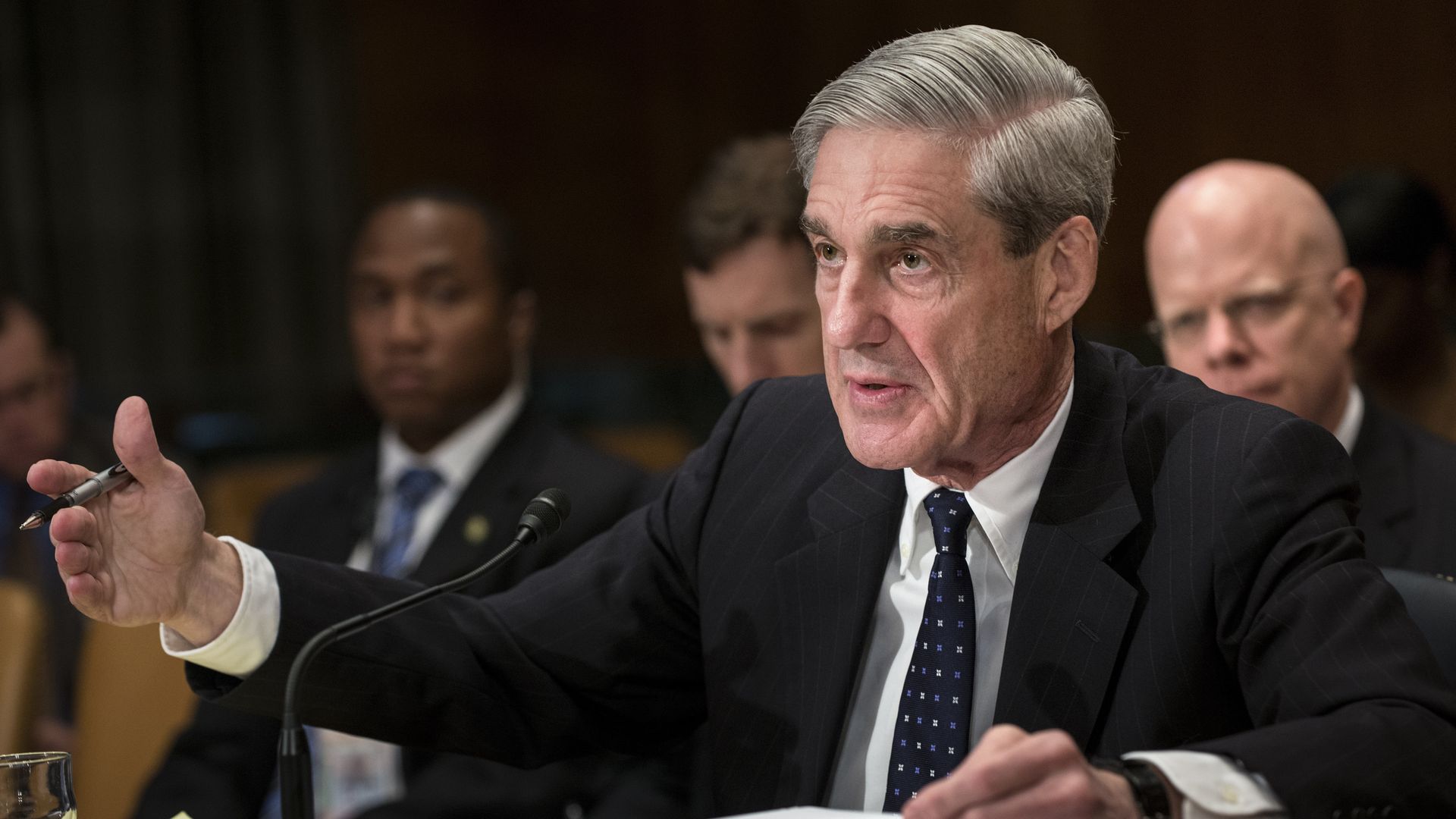
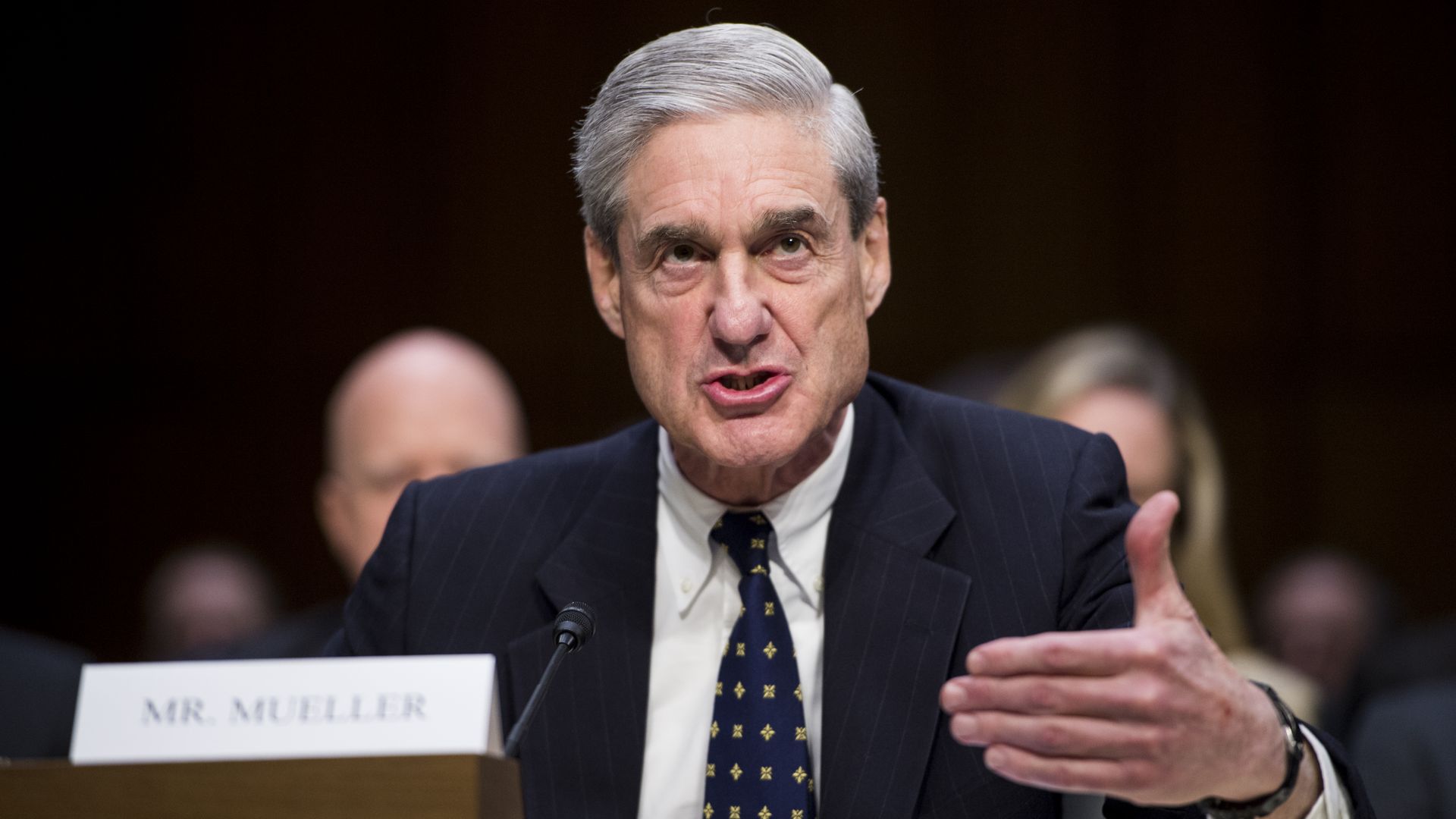
Special Counsel Robert Mueller wants to interview Mark Corallo, the former top spokesman of President Trump’s legal team, as part of his ongoing Russia probe, reports the Wall Street Journal.
Background: Corallo resigned as spokesman and communications strategist last July in the wake of media reports about Donald Trump Jr.'s June 2016 meeting at Trump Tower with top campaign aides and a Kremlin-linked lawyer who promised damaging information on Hillary Clinton.
Rep. Bob Brady (D-Penn.) will not run for re-election, Brady's attorney told Action News. The Pennsylvania congressman has been chairman of Philadelphia's Democratic Party since 1986 and a member of the House since 1998.
Why it matters: Brady joins 15 other House Democrats who will not run for re-election in 2018.
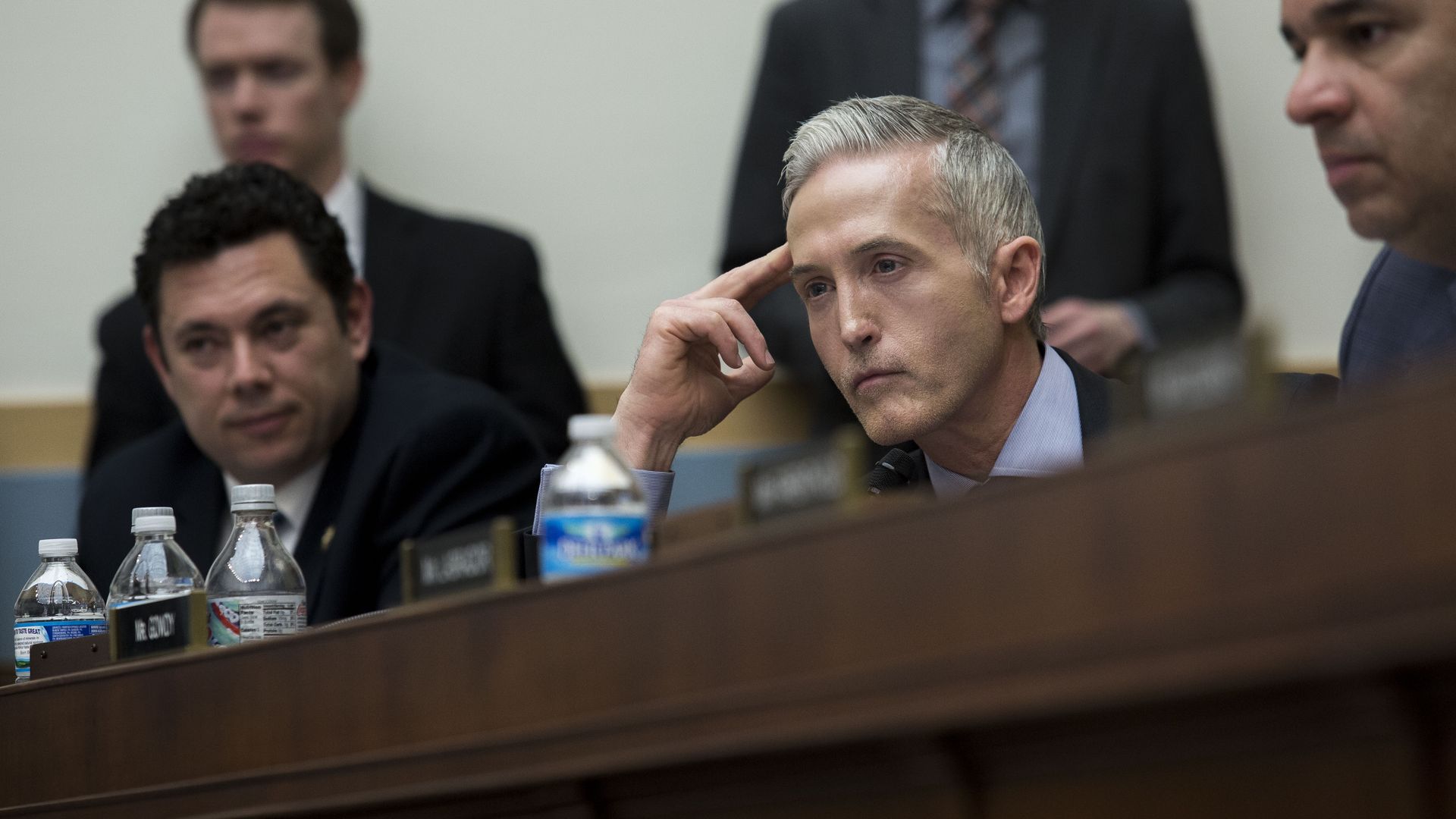
South Carolina Congressman Trey Gowdy announced he was not running for re-election on Wednesday.
"I will not be filing for re-election to Congress nor seeking any other political or elected office; instead I will be returning to the justice system."
— Trey Gowdy
Why it matters: Gowdy gained prominence in Washington for his role in running the House Select Committee on Benghazi. Gowdy also engaged in highly publicized questioning of former FBI Director James Comey during the investigation into Hillary Clinton's emails. He is the 34th House Republican that will not seek re-election.
Republican members of Congress were on an Amtrak train headed to West Virginia for their retreat Wednesday morning when they hit a garbage truck. Two of the of the truck passengers are injured and a third has died, per the Washington Post's Ed O'Keefe, who heard from Sen. Jeff Flake who helped carry one of the passengers to an ambulance.
The latest: A GOP aide told Axios that Congress members are mostly fine with just some whiplash and knocked heads. Rep. Jason Lewis is reportedly being checked out for a concussion; he said he's "fine compared to, tragically, the truck drivers, and thankful for the prompt action of our doctors and first responders."
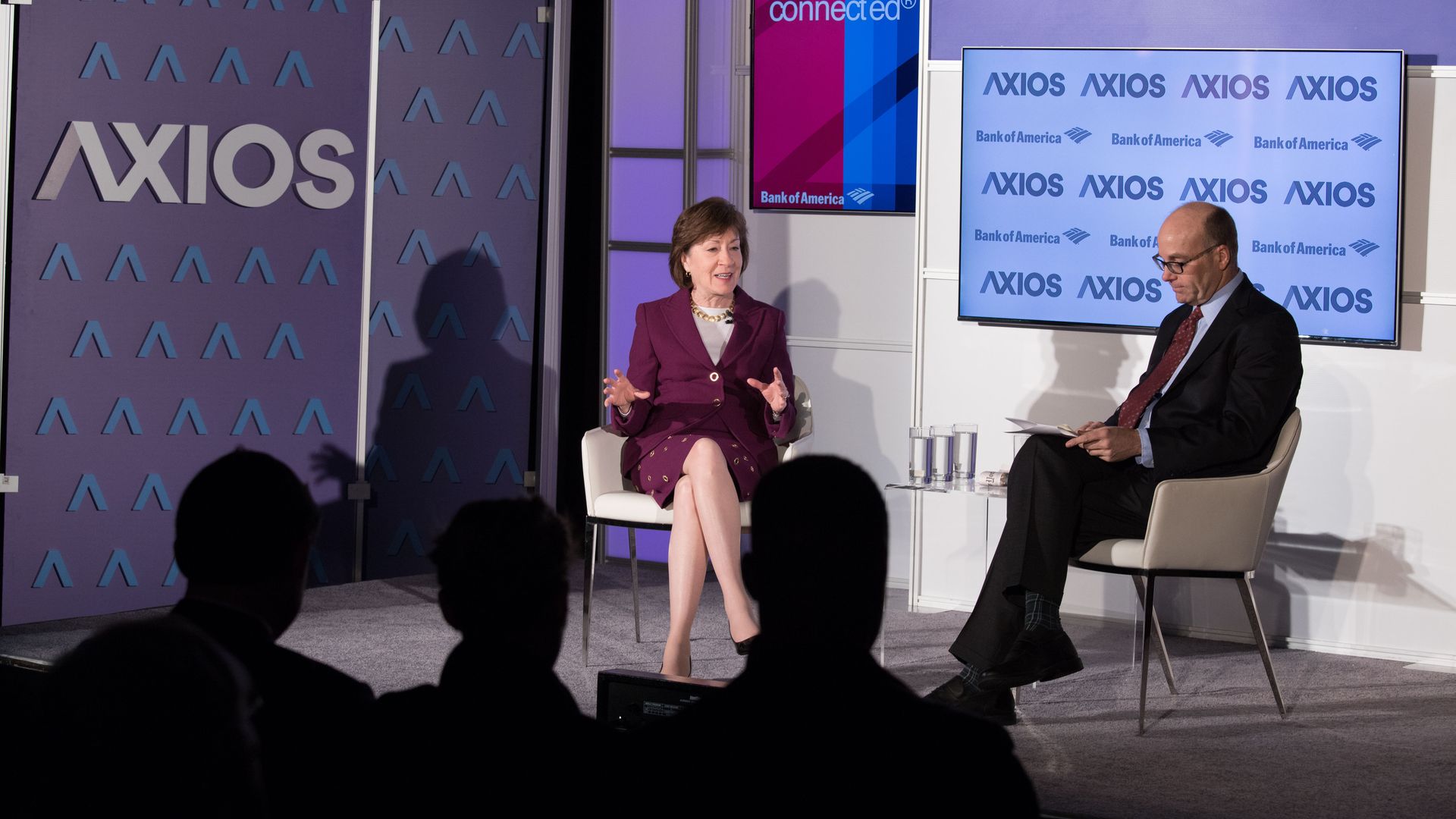
"The president is the president. And I accept that... He was not my choice for the Republican candidate, but I respect the fact that he is the president and I work with him."
— Sen. Susan Collins to Axios' Mike Allen Wednesday
Why it matters: Collins has had a rough relationship with President Trump, despite being from the same party and representing a "Trump country" state. She said that Trump has grown in office and has changed his position on a few issues, but added, "I don’t think his personality has changed, I still think he tends to react too rapidly."
The Department of Justice gave Special Counsel Bob Mueller internal documents about how Attorney General Jeff Sessions penned a letter of resignation after Mueller's appointment last year, ABC News’ Mike Levine reports. The documents — which also include emails with White House officials about fired national security advisor, Michael Flynn — were handed over to Mueller before his team interviewed Sessions earlier this month.
Catch up: Trump's firing of FBI Director James Comey prompted the appointment of Mueller as special counsel. Trump blamed Sessions for Mueller's appointment after Sessions recused himself from the Russia investigation, prompting Sessions to submit his letter of resignation. Trump ultimately didn't accept that letter.
President Trump’s State of the Union embodied the surprising and frequently baffling ways the president zips across partisan divides. There's not another American politician who in one night could call for creating paid family leave, keeping Gitmo open, making the nuclear arsenal stronger, making prescription drugs less expensive, cracking down on drug dealers, and helping convicted felons get “a second chance.”
This is the paradox of Trump, which Washington still isn’t used to: Democrats on the whole will likely be so horrified by Trump’s rhetoric on immigration — particularly chain migration — that they'll be loathe to rush to his side on any of the other issues he laid out that they may like, such as infrastructure and prison reform. And Speaker Paul Ryan won’t be his ally on every issue, either; as much of the chamber cheered paid family leave, he sat quietly.
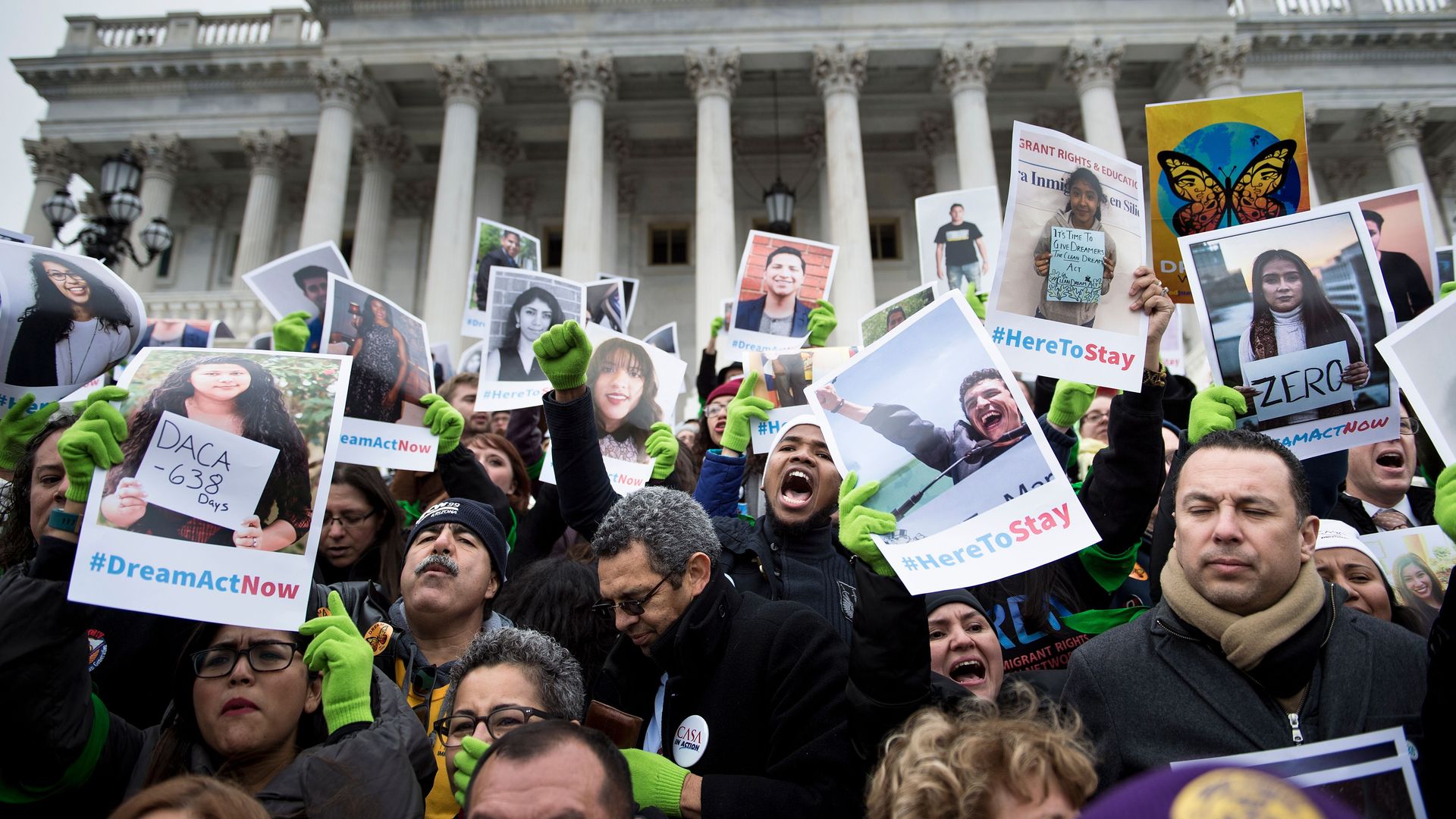
Companies that employ "Dreamers" are scrambling to find out what kinds of legal trouble they could face if DACA isn't renewed by the March 5 deadline. They're asking lawyers for guidance on what could happen to their workers, and what kinds of fines the companies might have to pay.
Why it matters: Republicans and Democrats are far from a compromise on DACA. As the termination of DACA creeps closer, there could be chaos for businesses, immigration law enforcement agencies and immigrants living and working in the U.S.
President Trump's State of the Union Address was billed ahead of time as a message of unity, and it was in part — with bipartisan ovations for Americans who had suffered and sacrificed, and for rhetoric about the strength and resilience of America.
The big takeaway: It was Trump's references to big, bipartisan policy proposals that were the most revealing. Democrats jeered when he discussed aspects of his immigration plan. Only on infrastructure was there near-universal applause. And Trump's promise to avoid "complacency and concessions" on North Korea — a clear shot at the Obama administration — set up the most emotional moments of the night.
President Trump's State of the Union address as delivered, provided by the White House:
THE PRESIDENT: Mr. Speaker, Mr. Vice President, Members of Congress, the First Lady of the United States, and my fellow Americans:
Less than one year has passed since I first stood at this podium, in this majestic chamber, to speak on behalf of the American people and to address their concerns, their hopes, and their dreams. That night, our new administration had already taken very swift action. A new tide of optimism was already sweeping across our land.
During tonight's State of the Union address, President Trump will tell the American people that this is "our New American Moment," according to excerpts released by the White House.