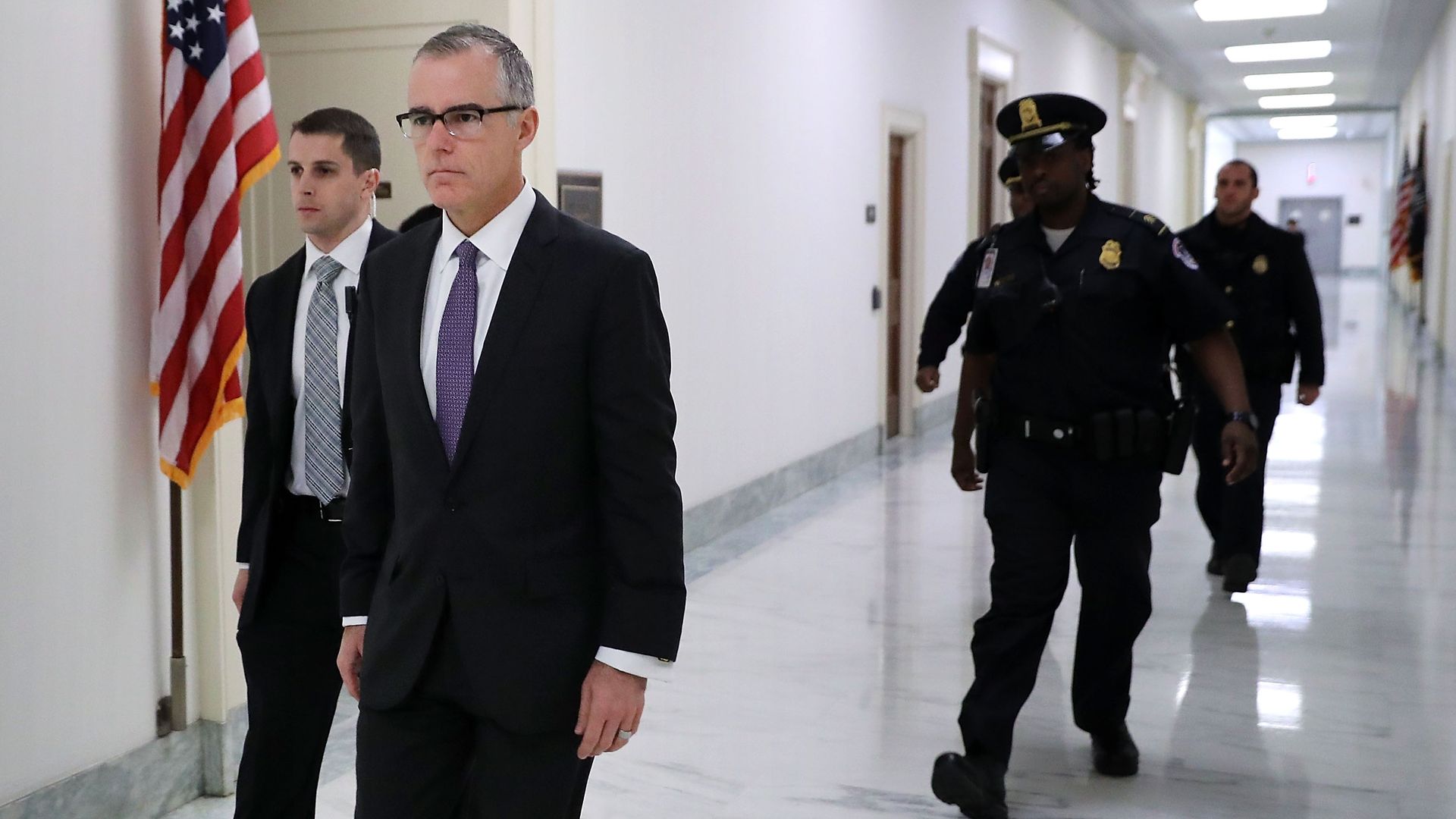
Months of private and public pressure from the Trump administration paid off today, with FBI Deputy Director Andrew McCabe stepping down in advance of his scheduled retirement.
The public pressure: Trump has tweeted five times about McCabe over the past year, thrice in December.
The private pressure: AG Jeff Sessions — at the public urging of Trump — had been pressuring FBI Director Christopher Wray to fire McCabe, but Wray threatened to resign if McCabe was removed, Axios' Jonathan Swan scooped last week.
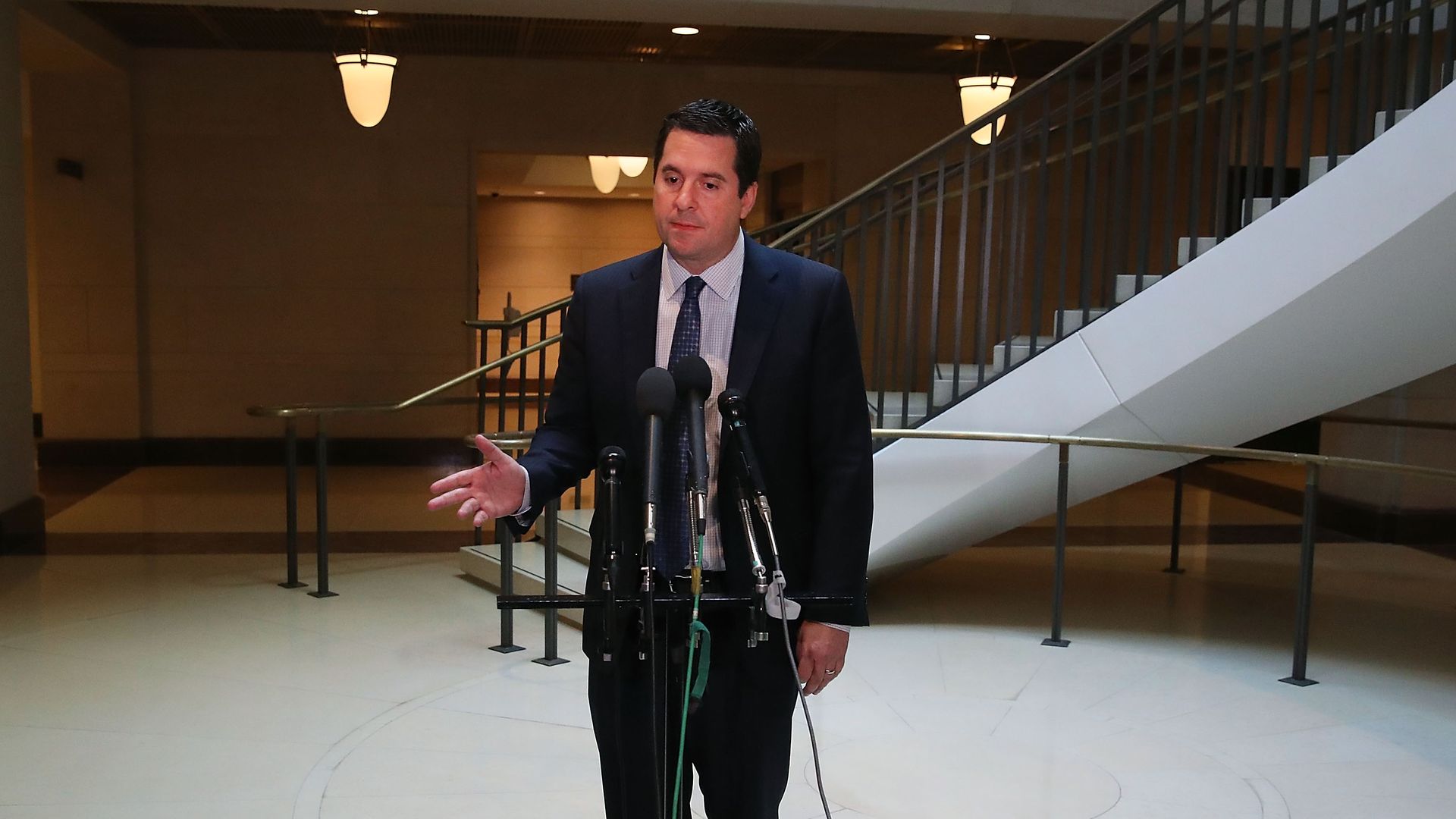
Republicans on the House Intelligence Committee voted Monday evening to release a four-page memo written by chairman Rep. Devin Nunes, which alleges that the FBI used the Trump-Russia dossier to obtain FISA wiretaps against American citizens, the New York Times reports. Now, President Trump needs to sign off on the release.
The decision to release the memo comes after Associate Attorney General Stephen Boyd wrote a letter to the committee calling the move "extraordinarily reckless." The committee's Republican majority voted against releasing a memo written by Democrats to counter Nunes' document, per NBC's Andrea Mitchell.
President Trump called then-Acting FBI Director Andrew McCabe to unload soon after he fired James Comey, NBC's Carol Lee reports. In the call, Trump "demanded to know why Comey was allowed to fly on an FBI plane after he had been fired," to which McCabe replied that he was not the one to authorize Comey's use of the plane but that he would have approved it, had he been asked.
Then Trump "turned on McCabe, suggesting he ask his wife how it feels to be a loser — an apparent reference to a failed campaign for state office in Virginia that McCabe’s wife made in 2015."
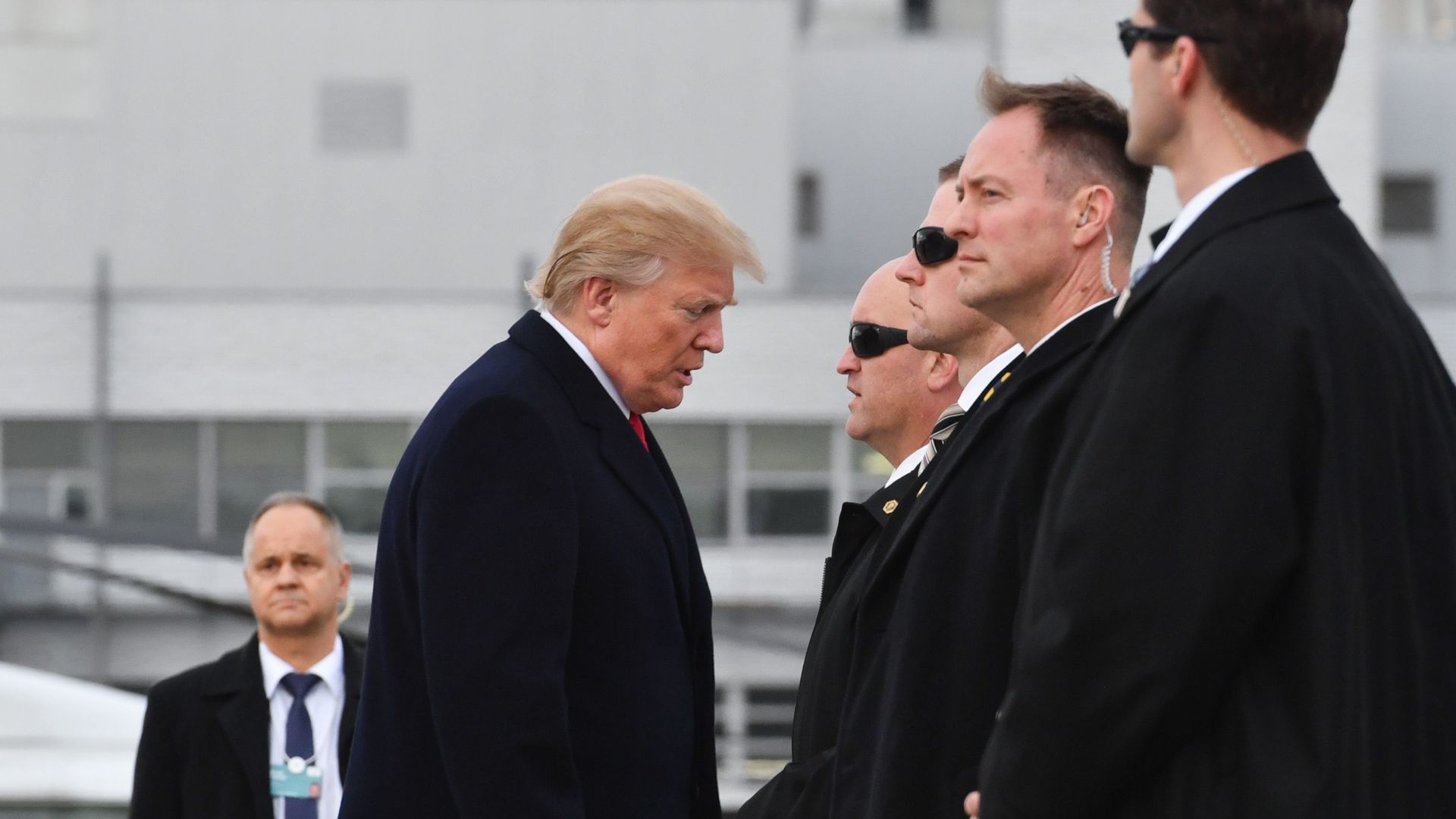
President Trump "erupted in anger" during his Air Force One flight to Davos at the news "Associate Attorney General Stephen Boyd warned [the House Intelligence Committee in a letter] that it would be 'extraordinarily reckless' to release a classified memo" written by House Republicans, Bloomberg reports. The memo alleges that the FBI used the Trump/Russia dossier to obtain FISA wiretaps against American citizens.
The backdrop, via Bloomberg: For Trump, the move was "another example of the Justice Department undermining him and stymieing Republican efforts to expose what the president sees as the politically motivated agenda behind Special Counsel Robert Mueller’s probe."
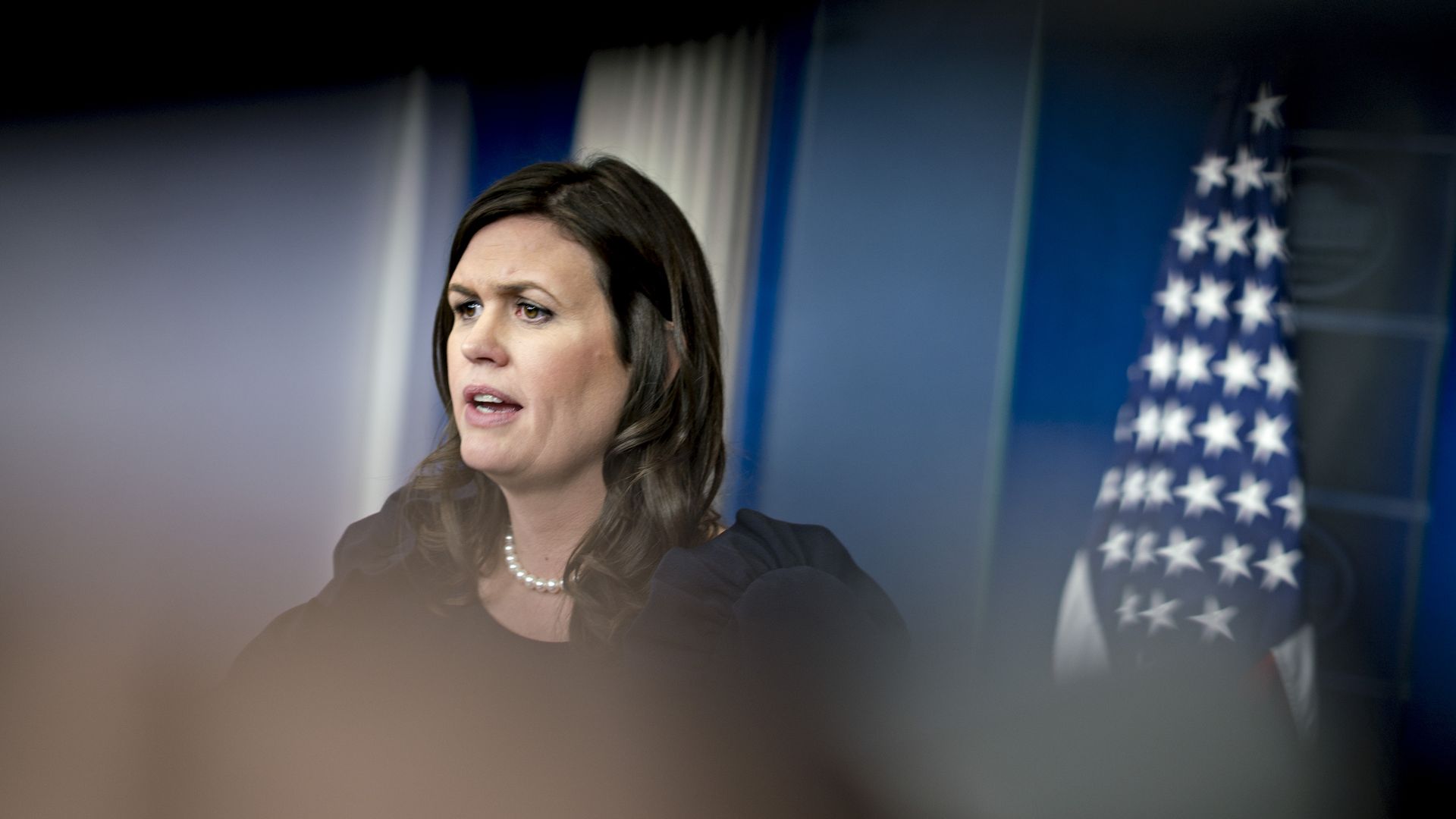
Press Secretary Sarah Sanders said Trump "wasn't a part of the decision-making process" surrounding Deputy FBI Director Andrew McCabe's decision to step down Monday.
On a nationalized 5G network, plans for which Axios reported Sunday: "We discussed the need for a secure network. Right now we're in the very earliest stages of the conversation. There are absolutely no decisions made on what that would look like."
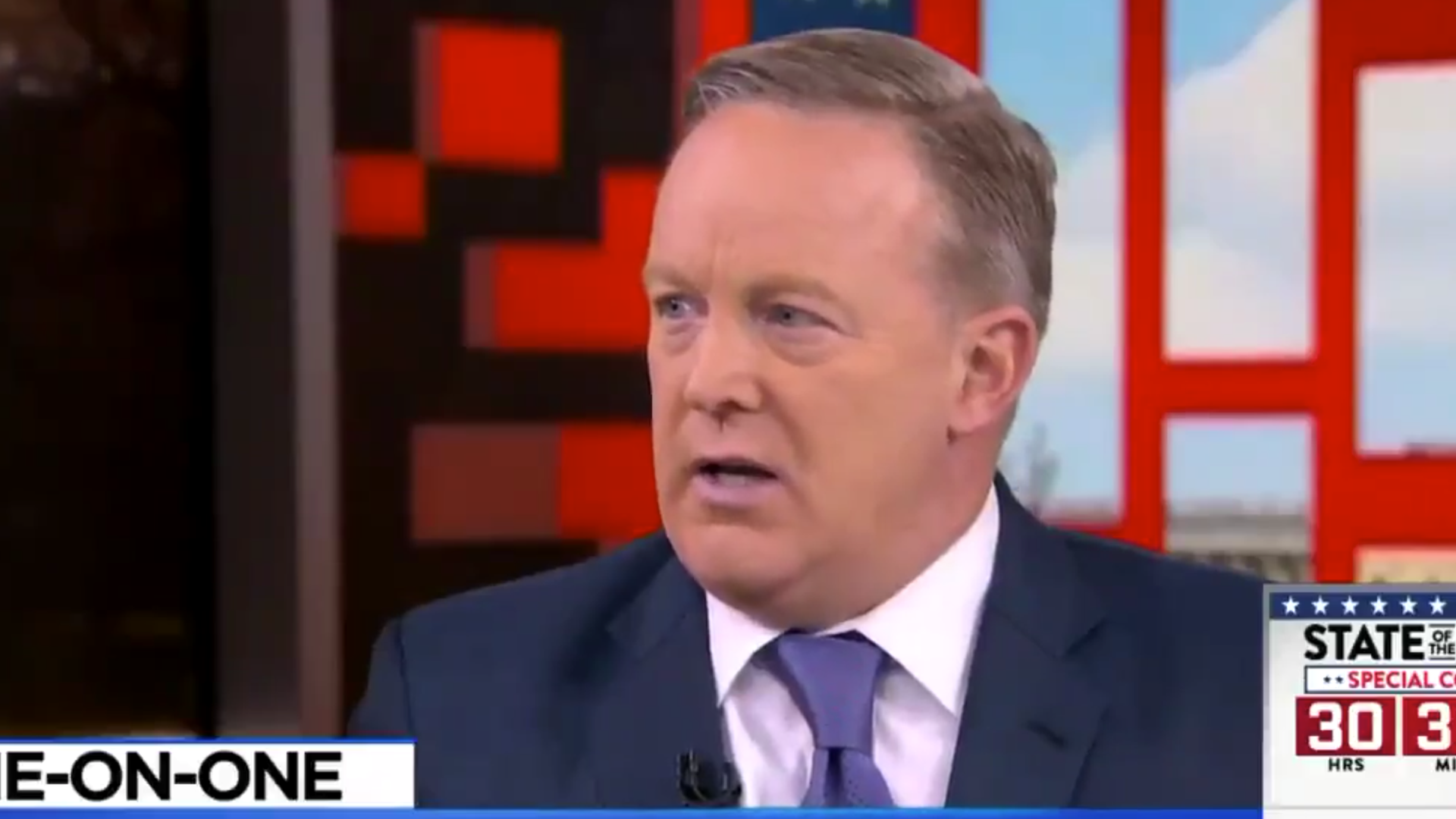
After a montage of some of the lowlights from his time as White House Press Secretary, Sean Spicer told MSNBC's Craig Melvin this afternoon that President Trump was an understanding boss:
[Trump] was never mean...Most of the time he actually said, 'Hey, I know you were trying really hard. You know, alright, we'll get over this.'
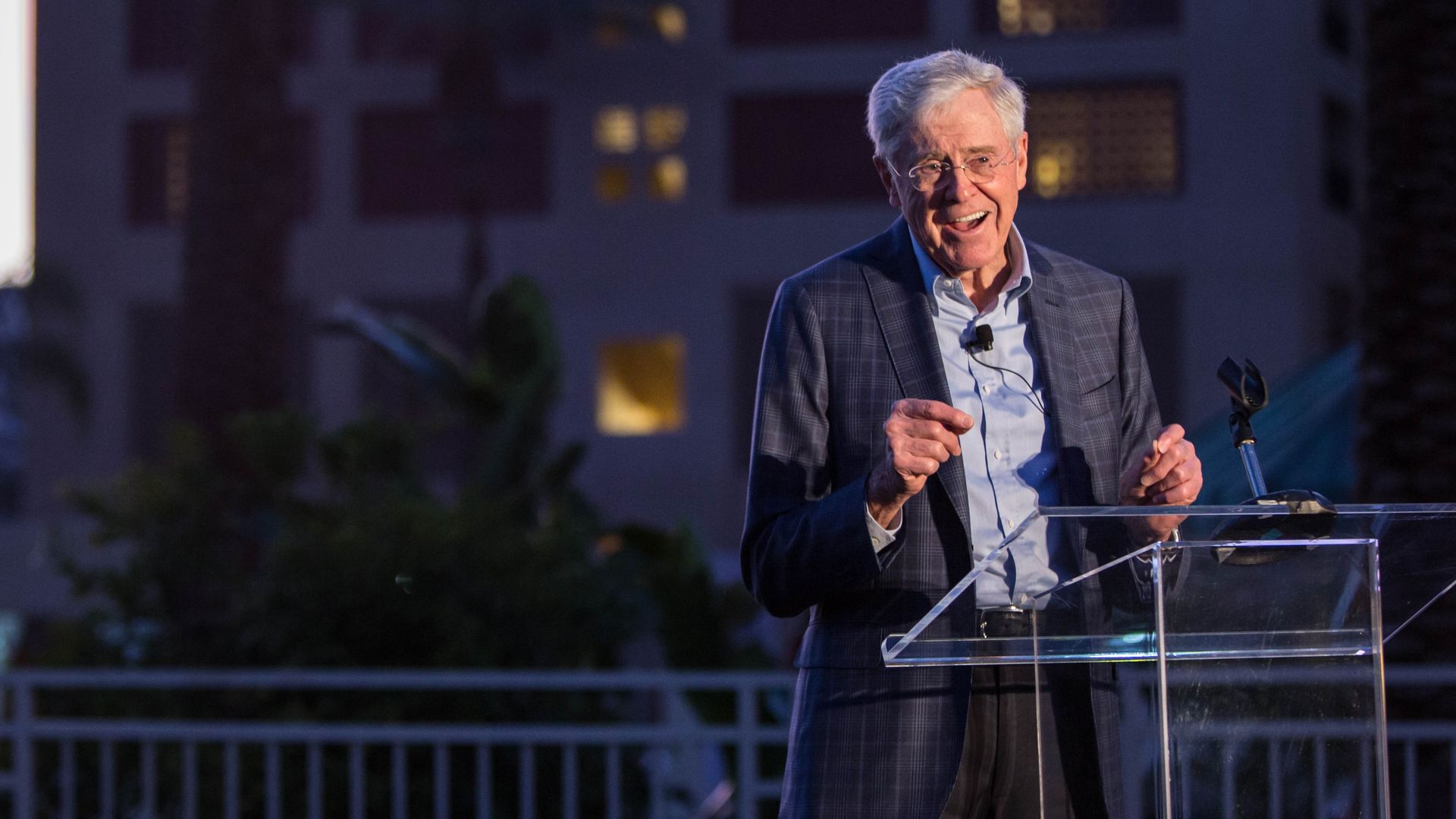
The Koch network will engage early in what it sees as difficult elections for the GOP in 2018; the plan is to start with advertising, then ramp up their grassroots efforts the second half of the year. Koch had earlier announced plans to spend up to $400 million, its largest investment in midterms ever.
Why this matters: This shows how seriously the network is taking 2018 and just how vulnerable GOP control of Washington and states governments is. The network has already identified competitive races it'll be active in and candidates it'll be supporting.
The European Union said Monday that it is prepared to “react swiftly and appropriately” if President Trump takes retaliatory measures on what he deems "very unfair" trade policies in the EU, reports AP.
Why it matters: The EU's warning highlights the stark difference between Trump's approach to trade and his predecessor's. Under Barack Obama, the U.S. and EU worked to create "a massive free trade zone" — an effort that crumbled once Trump began promoting trade deals in line with his America First agenda.
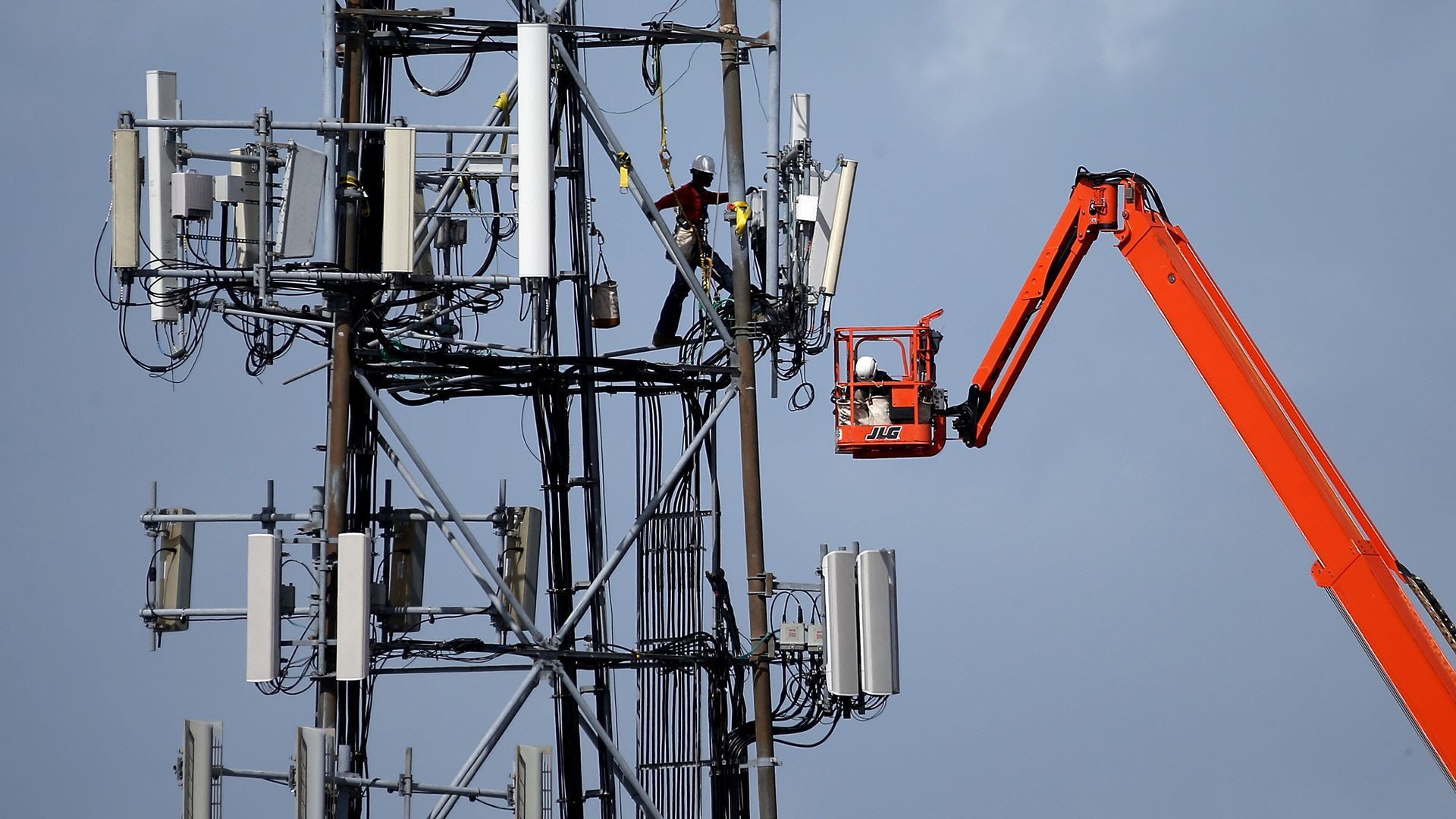
A proposal for the U.S. government to build its own 5G network — produced by a staffer for President Trump's National Security Council and first reported by Axios on Sunday — is generating blowback from a number of corners.
What we're hearing: Those sounding alarm bells range from those who fear it could lead to greater surveillance to those who see it as an unwarranted encroachment on free enterprise. Still others worry that government control of key communications networks could be a threat to free speech.
PerBloomberg Government's Greg Giroux: "Trump’s approval rating at this stage of his presidency, 36 percent, is lower than any of his predecessors going back to Harry Truman, according to Gallup polling data."
Why it matters: "The less popular the president, the more seats his party tends to lose."
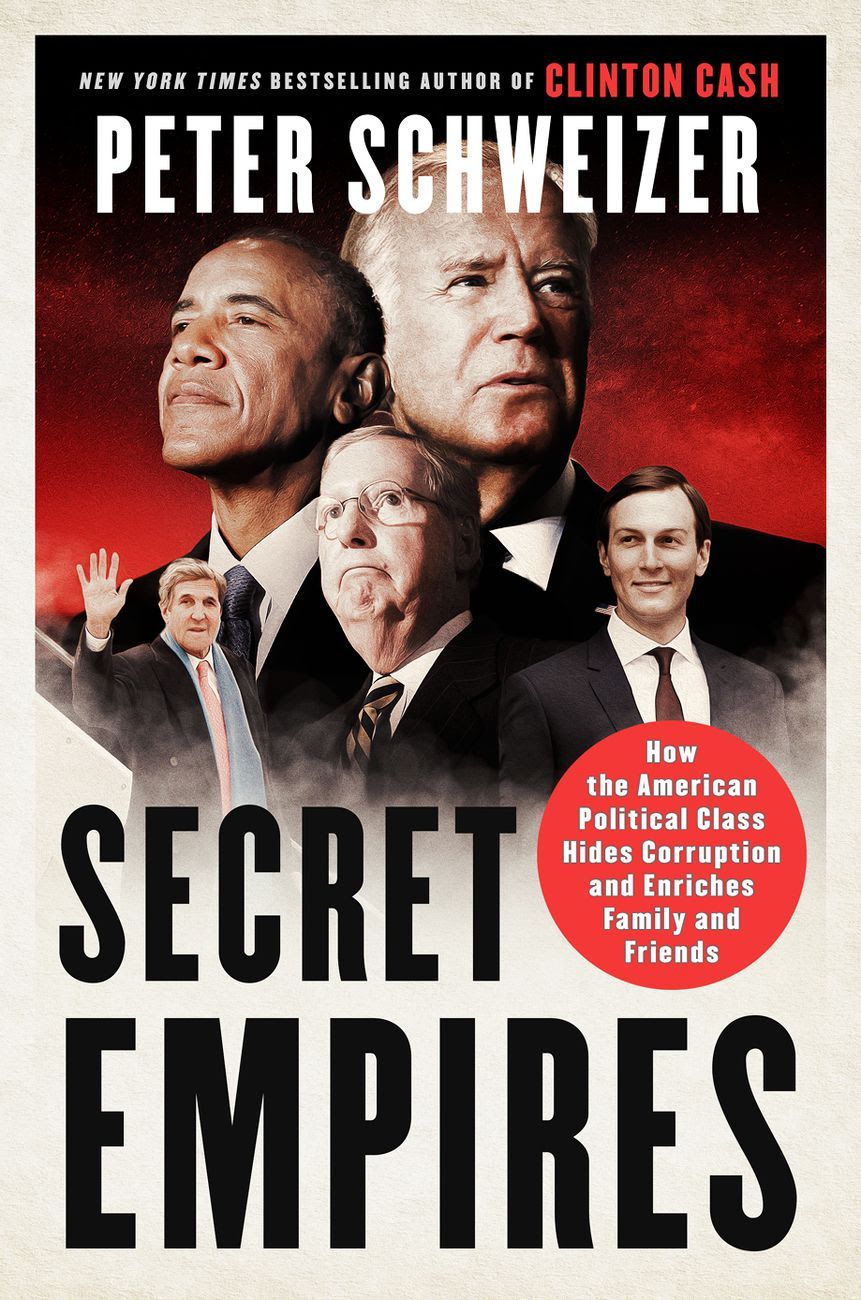
Peter Schweizer, author of the bestselling "Clinton Cash," is headed to Capitol Hill this week to tell senators and House members about his new book, out March 20, "Secret Empires: How Our Politicians Hide Corruption and Enrich Their Families and Friends."
Why it matters: According to publishing sources, "The book will expose vast corruption by top Washington figures who leverage their political power to enrich their family members and friends, often by helping grease deals with foreign entities."
Ken Starr, who prosecuted President Bill Clinton in the Monica Lewinsky case, said on ABC's "This Week," when asked about reports Trump sought to have Mueller fired, despite denials:
"You’re now talking about something called lying to the American people, and I think that is something that Bob Mueller should look at."
President Trump's aides say to expect a more bipartisan and collaborative tone in tomorrow's State of the Union Address — in contrast to his own record.
The partisan fights, like Obamacare and tax cuts, are behind. Now everything requires cooperation and agreement.