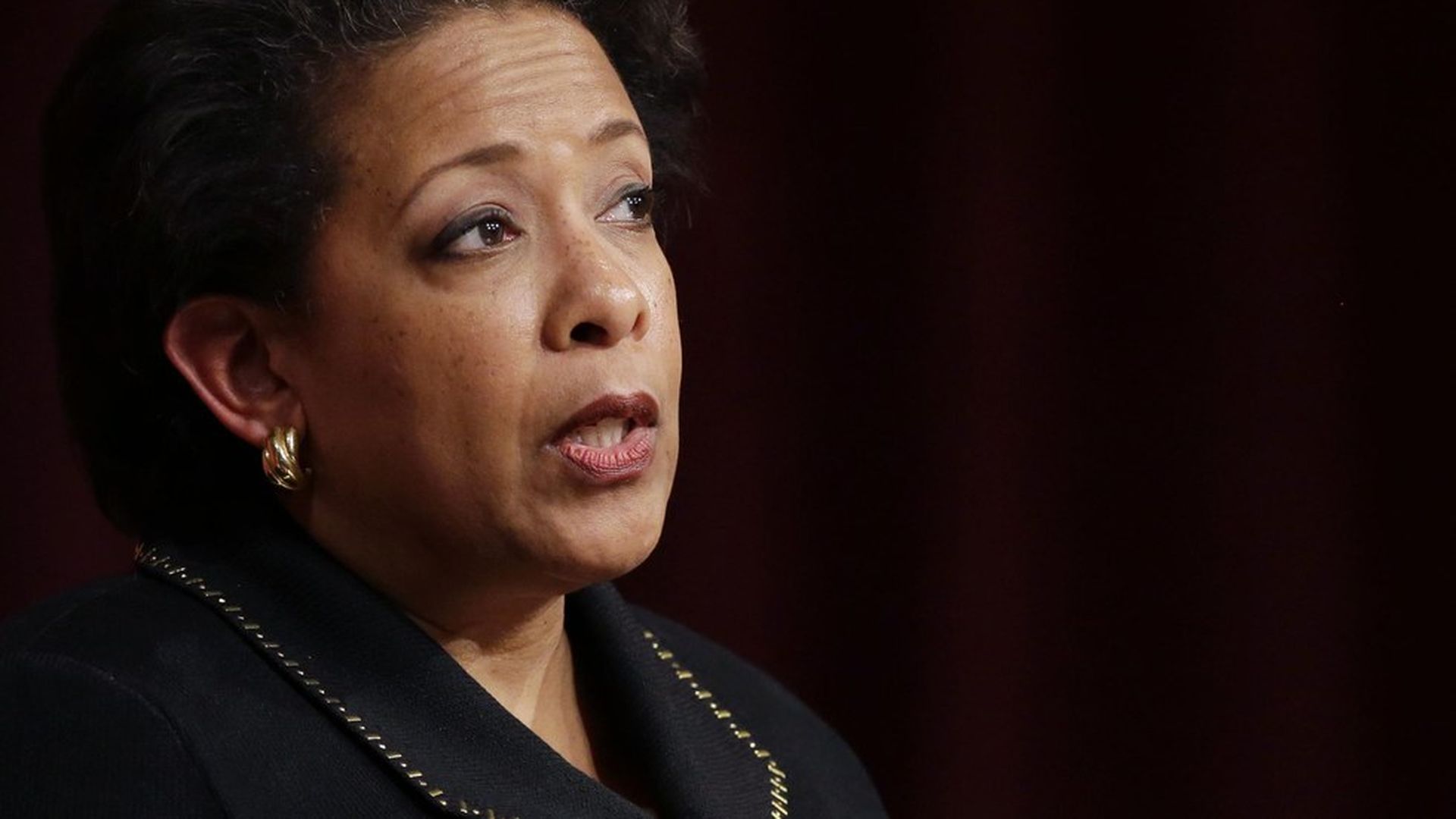
The Senate Judiciary committee has asked former AG Loretta Lynch to disclose conversations she has had with two people who were implicated in the "dubious" intel that then-FBI Director James Comey relied on before announcing the Clinton investigation was over. The Judiciary Committee is now probing into both Trump and Obama administrations.
The details:
The potentially fake report, which could be linked to Russia, alleged that then-DNC Chair Debbie Wasserman Schultz claimed in an email that Lynch told a Clinton staffer the FBI wouldn't probe too far into Clinton.
The Judiciary committee now wants to hear about Lynch's conversations with Wasserman Schultz and that staffer.
They also asked the staffer, Amanda Renteria, to disclose conversations she had with the FBI and Lynch about the investigation.
And they want Lynch to disclose any conversations she had with Clinton's campaign and the DNC about the investigation.
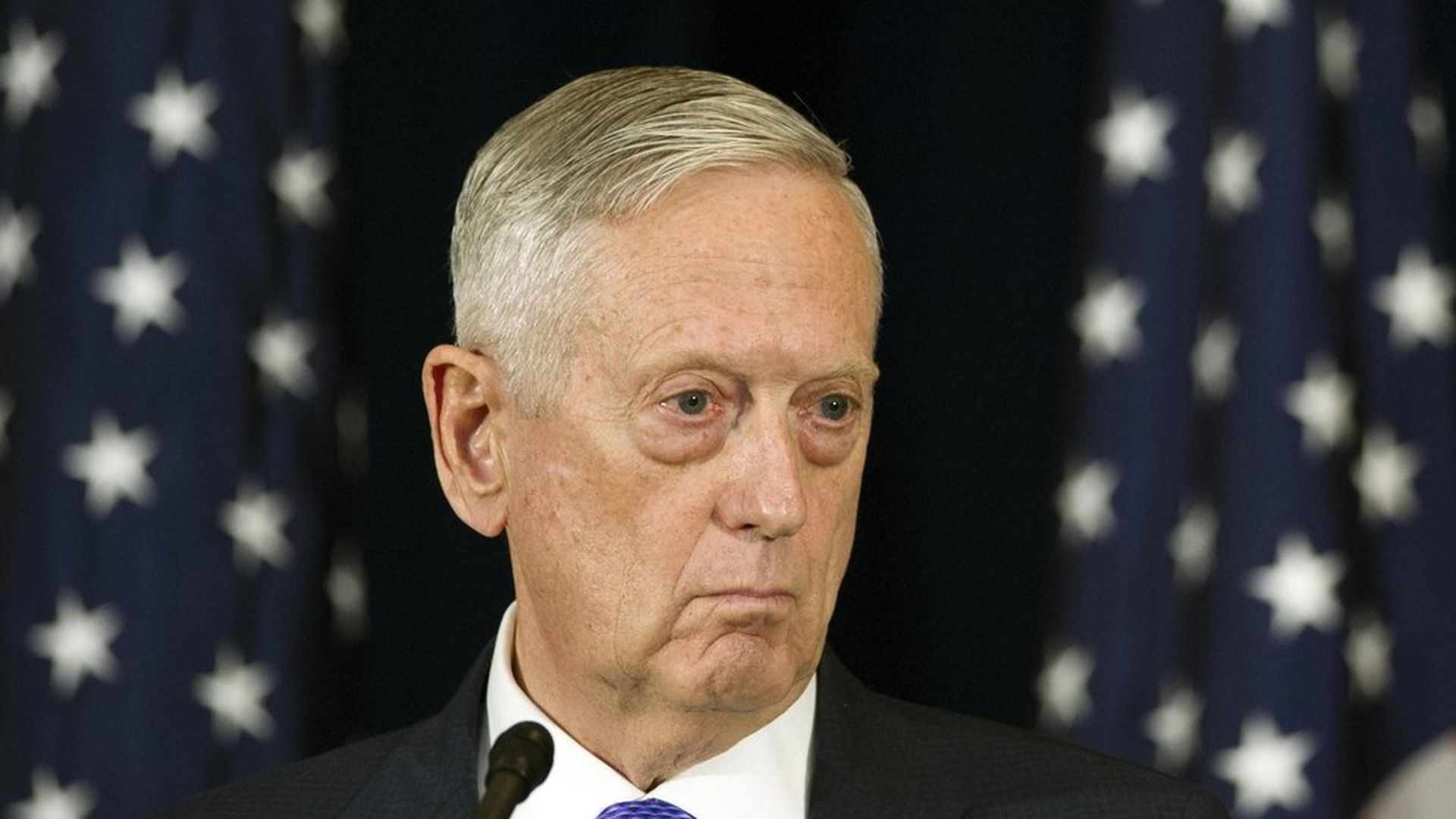
Lawmakers have asked Defense Secretary Jim Mattis to investigate the alleged torture of prisoners in Yemen, per the AP.
The AP issued a report Thursday that the U.S. is interrogating detainees in Yemen (which the U.S. acknowledges) as part of the search for militants in al-Qaeda, but that the U.S. is interrogating them after they've been tortured by the United Arab Emirates. That would put the U.S. in violation of the International Convention Against Torture.
The intrigue of this news is that several defense officials told the AP the U.S. has already looked into the allegations of torture and was "satisfied" there wasn't any, as the AP put it. These lawmakers want a further look.
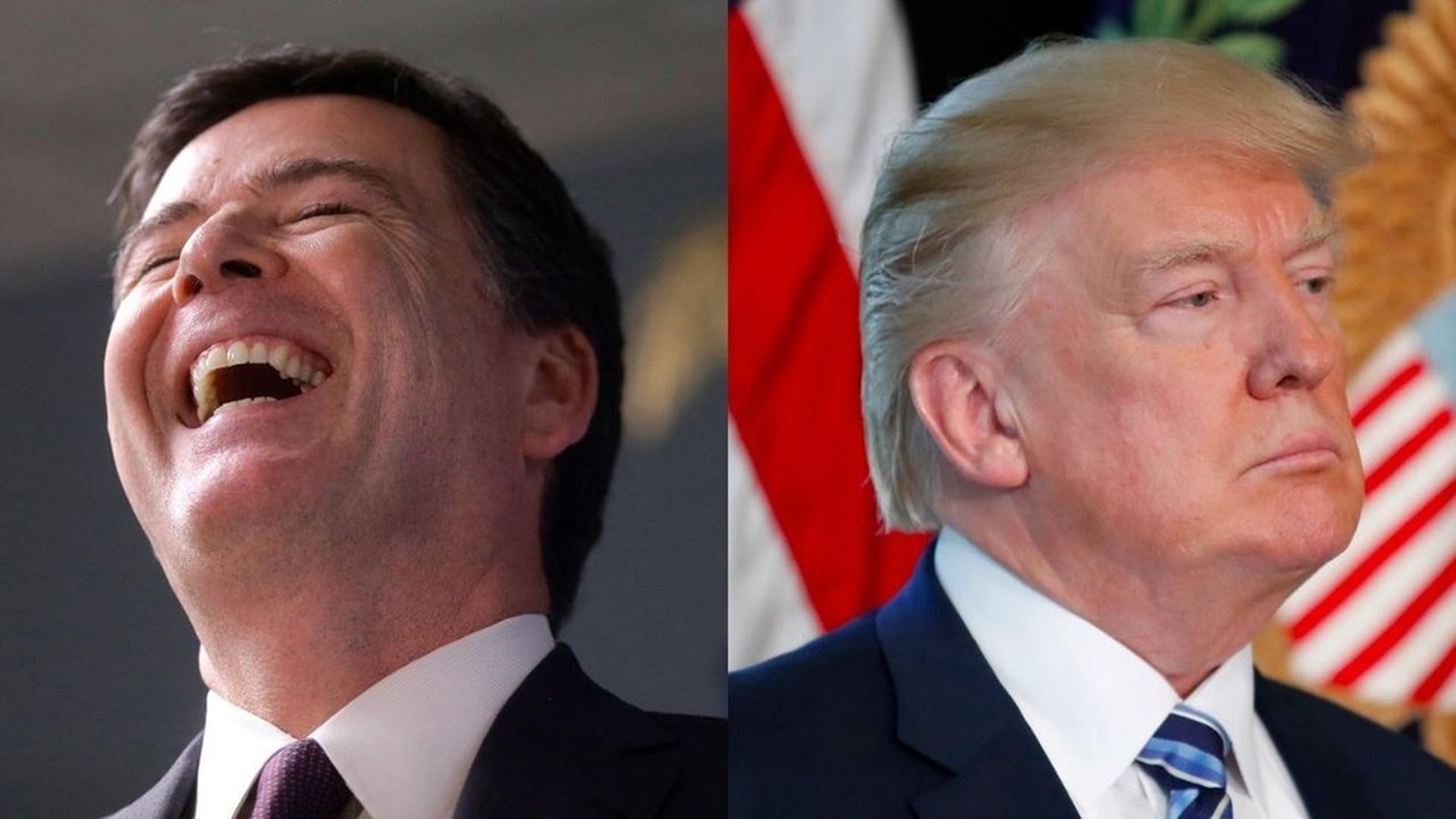
Two times as many Americans believe former FBI Director James Comey's version of events surrounding his firing than President Trump's, according to a new NBC News/Wall Street Journal poll.
By the numbers: 45% of Americans believe Comey while 22% believe Trump. The partisan breakdown is just as stark as you'd expect with Democrats preferring Comey's version of events by a 76-2 margin and Republicans siding with Trump 50-10. Independents preferred Comey's story 47-17.
A head scratcher: 8% of Americans say that they believe both — so different that they prompted the hiring of Bob Mueller as special counsel for the Russia investigation — versions of events.
Speaking of Russia: The poll also found that Americans believe that Russia interfered in the 2016 election by a 53-36 margin — with the results predictably skewed along the same partisan lines as the Comey/Trump question.
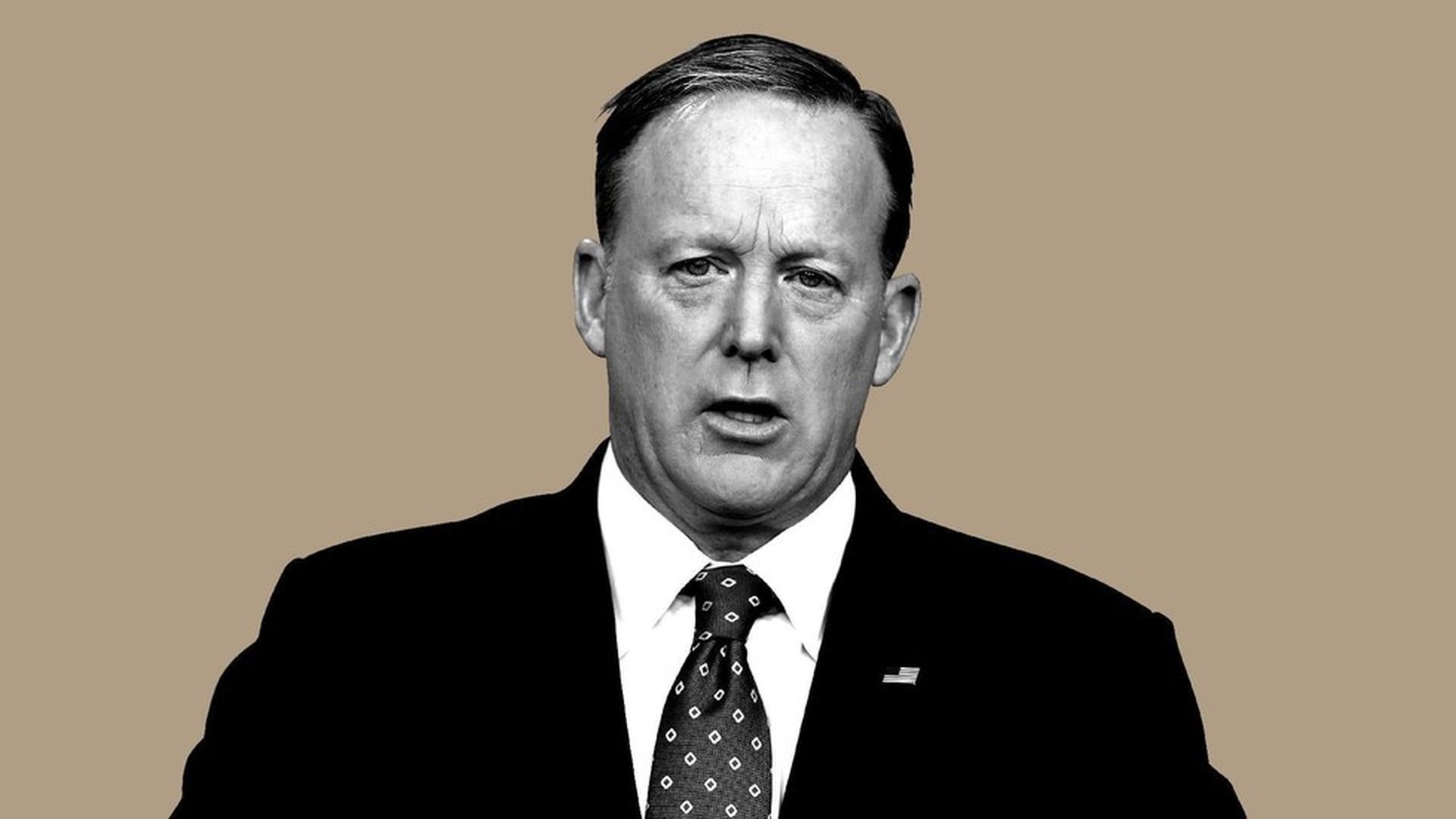
Sean Spicer told reporters at an off-camera White House briefing Friday that Trump is "very supportive" of the Senate health bill, and has been in contact with Mitch McConnell about where the bill will go next. Spicer also addressed questions regarding Trump's position on Medicaid cuts, and stated the president is "committed" to ensuring that those currently on Medicaid don't lose coverage. Other highlights:
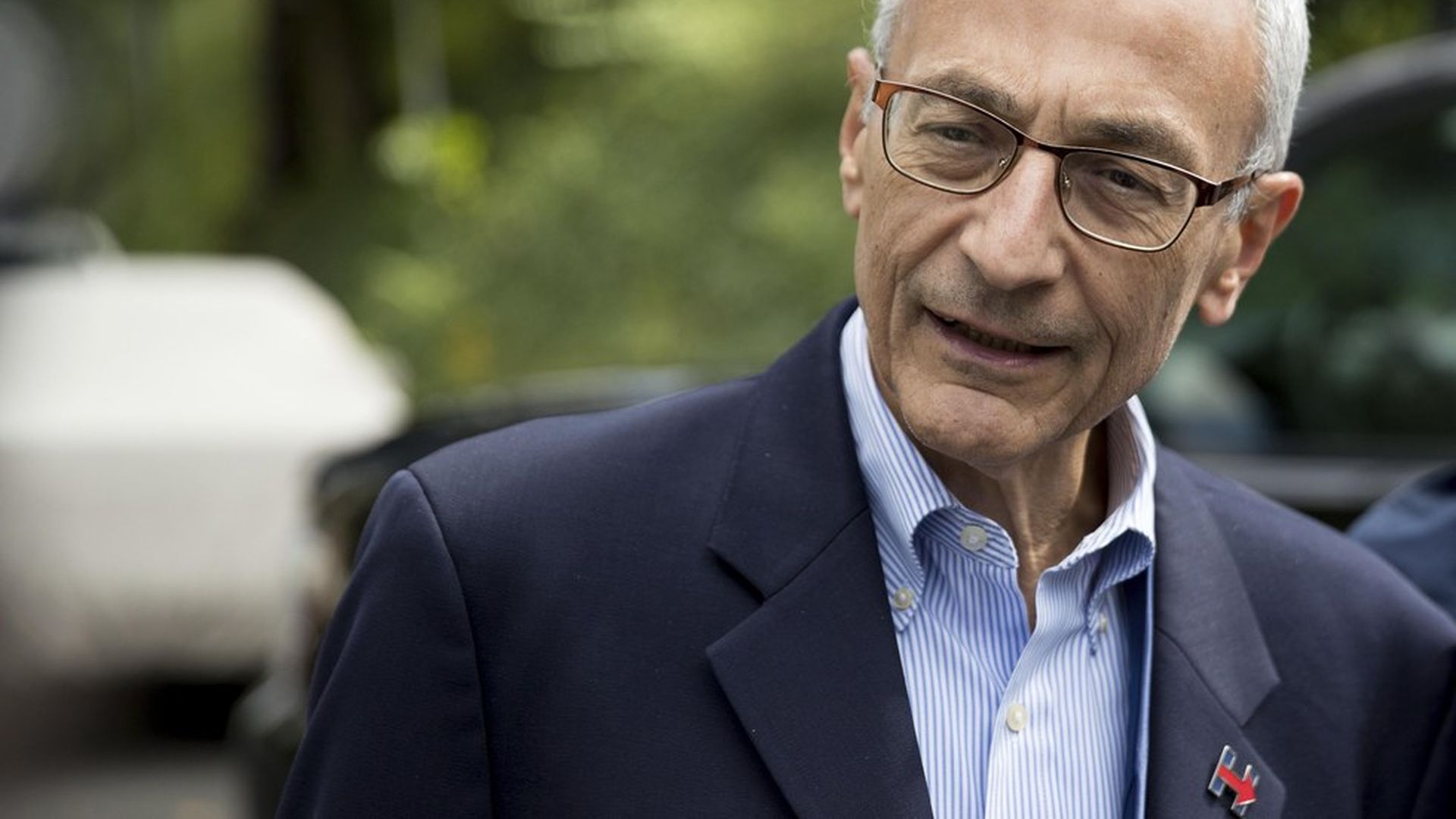
Next week, John Podesta — Hillary Clinton's campaign manager whose emails were leaked on Wikileaks last year — will talk to the House Intelligence Committee in a closed session, as the committee continues its investigation into Russian election interference, according to NBC News.
Remember: 10 years worth of Podesta's emails were released on Wikileaks late last year. The hack was allegedly traced back to Russia.
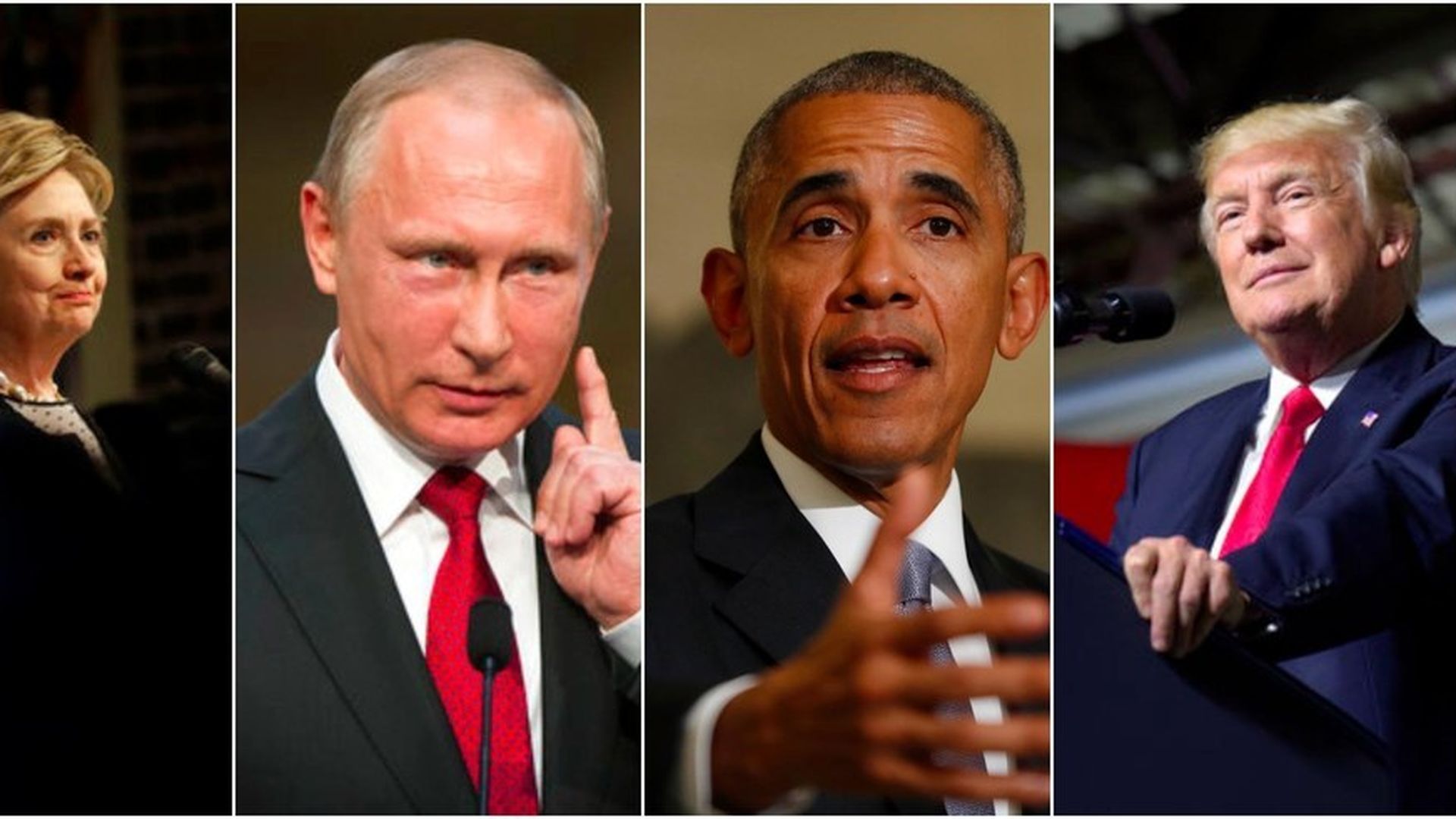
In August last year, then-President Barack Obama received a highly classified CIA report with evidence of Russian President Vladimir Putin's direct involvement in the cyber attacks that were meant to interfere with the U.S. presidential election — to hurt Hilary Clinton and help Donald Trump, the Washington Post reported.
Why it matters: The Obama administration's debate over what to do highlighted the challenge in dealing with such a politically charged issue, which was central to the election and has remained central to the Trump presidency.
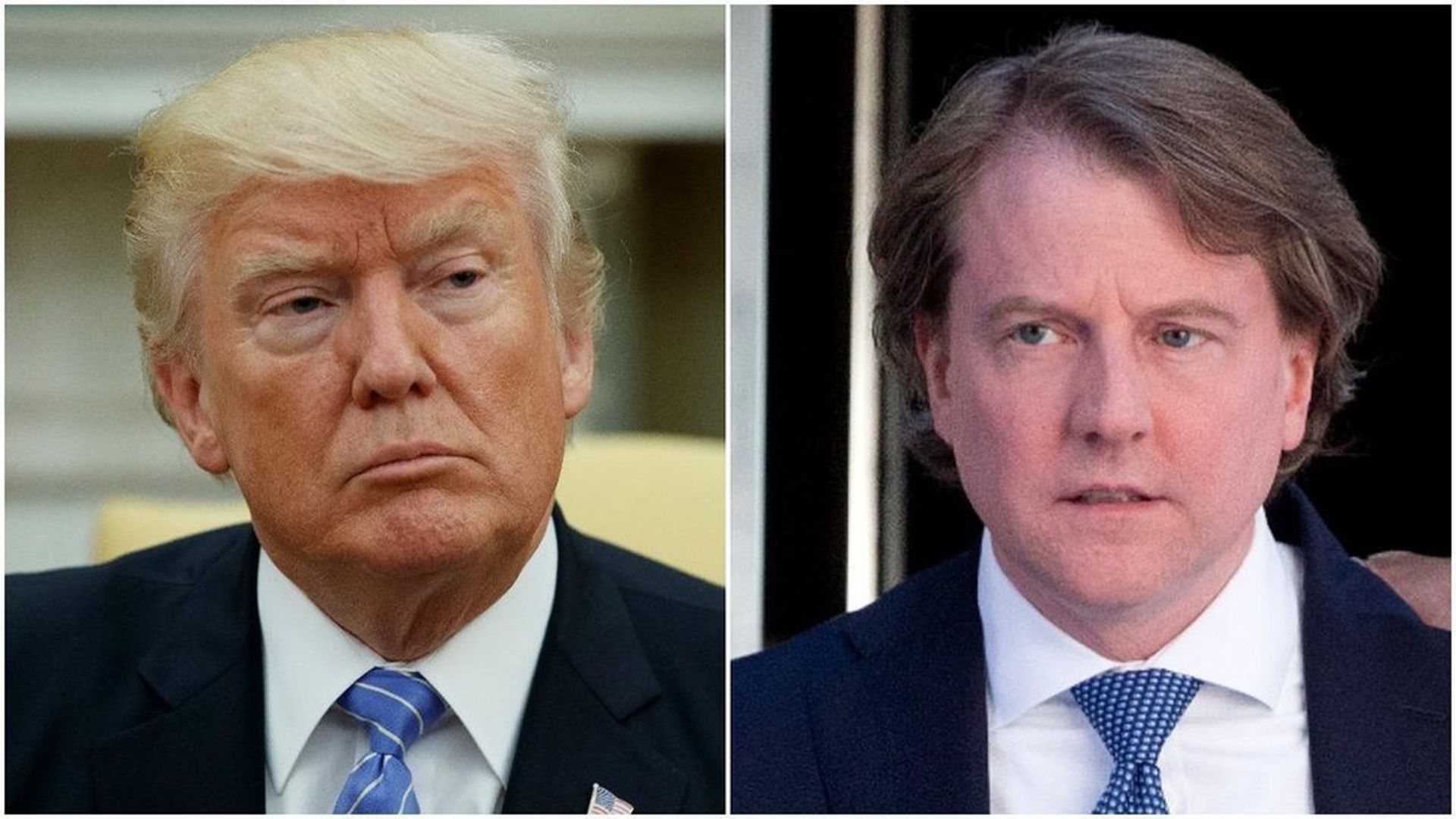
President Trump is growing increasingly irritated with his team for their handling of the Russia investigation, and he's taken many of his frustrations out on his White House counsel, Don McGahn, a loyal Trump defender and early campaign supporter.
Politco reports that Trump laid into McGahn during an Oval Office meeting Monday for failing to do more to dispel the investigation. Meanwhile, the Russia case has been passed onto Trump's personal lawyer, Marc Kasowitz, leaving McGahn to work on more routine WH duties.
Between the lines: Trump's willingness to turn McGahn reveals how eager he is to scapegoat someone for his legal dilemma, and underscores an issue that has plagued the WH for months: "No top aide is immune from the president's anger or being called out in front of colleagues, even long-time loyalists like McGahn" writes Politico.
President Trump's firing of FBI Director James Comey is rightly seen as a terrific legal blunder: He undercut an investigation that might have shown he never colluded with the Russians, and spawned one that could result in obstruction of justice charges.
Why it matters: Regardless of the legal outcome, it'll go down as one of the dumbest political mistakes in the modern era. One of the president's outside advisers calls it the gravest political mistake since Richard Nixon decided not to apologize to the American people for Watergate, and instead proceeded with the cover-up.
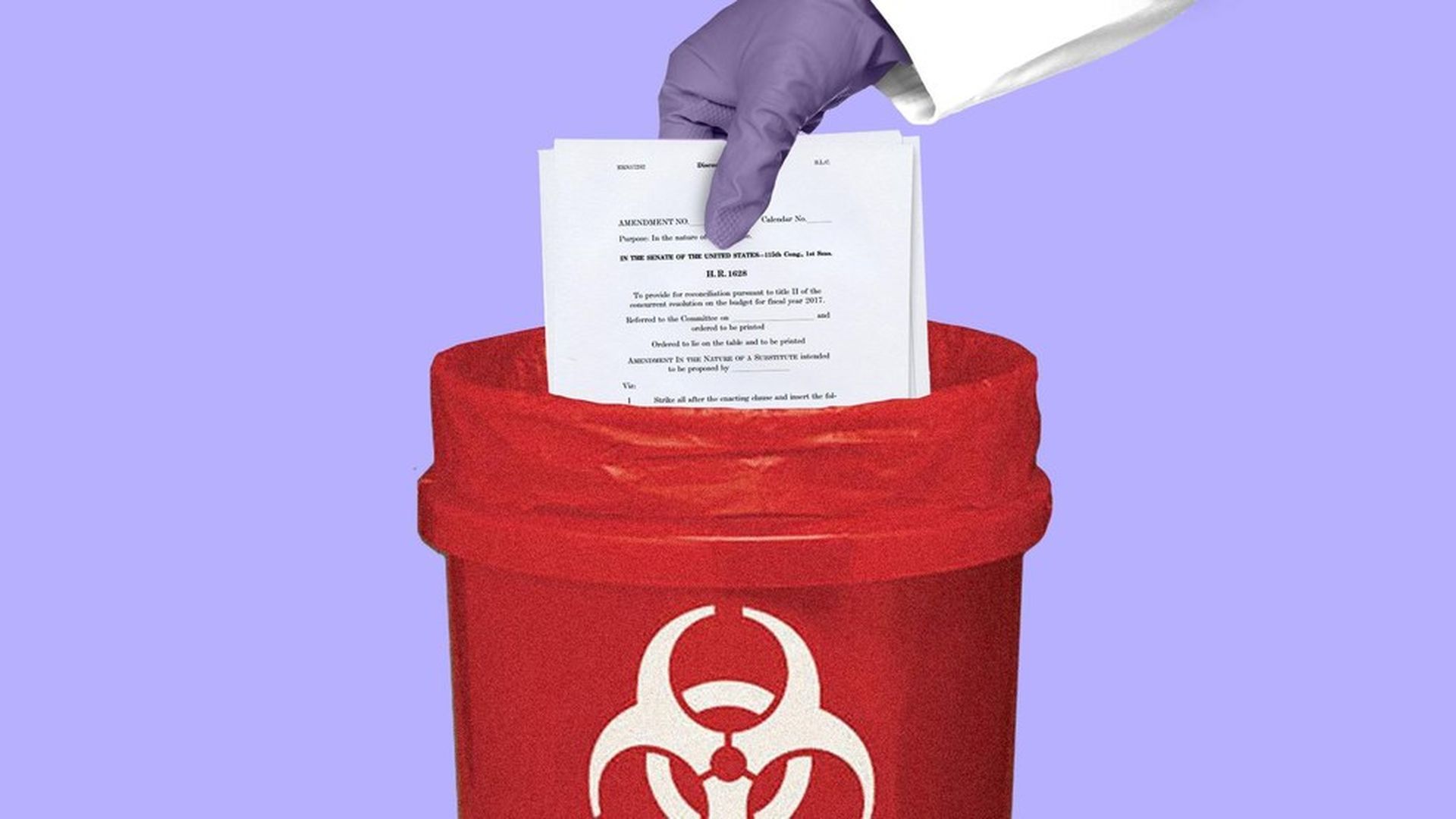
The health care bill Senate Republicans unveiled yesterday would not replace the Affordable Care Act. It would replace Medicaid.
With the notable exception of the individual mandate, the most fundamental changes the ACA made to the health care system — the exchanges, the federal government's role in subsidizing individual premiums, and some level of benefit mandates — would endure. But the Senate bill would repurpose those same tools to reverse the flow of costs and benefits. It would use the same means to a different end.
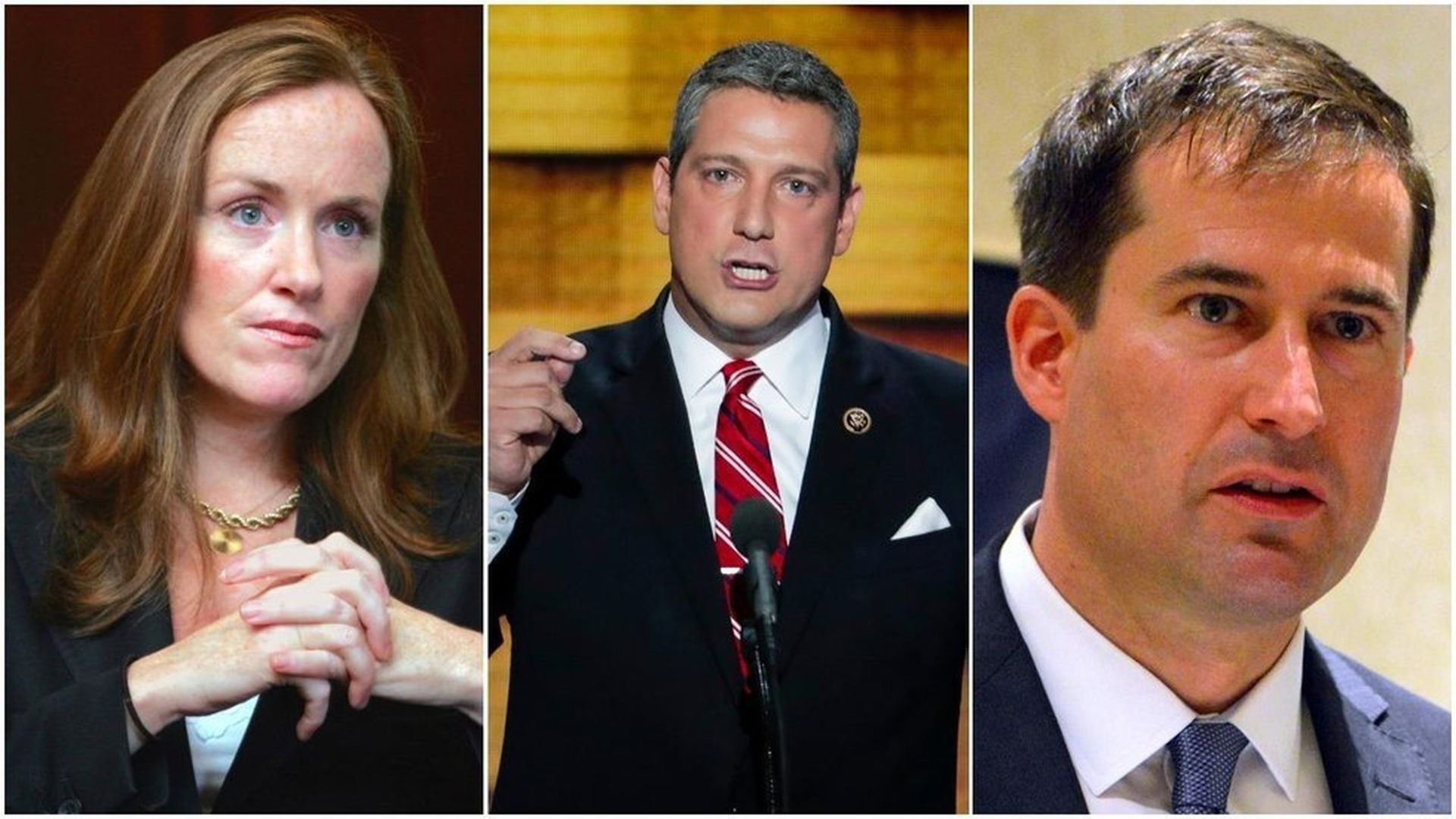
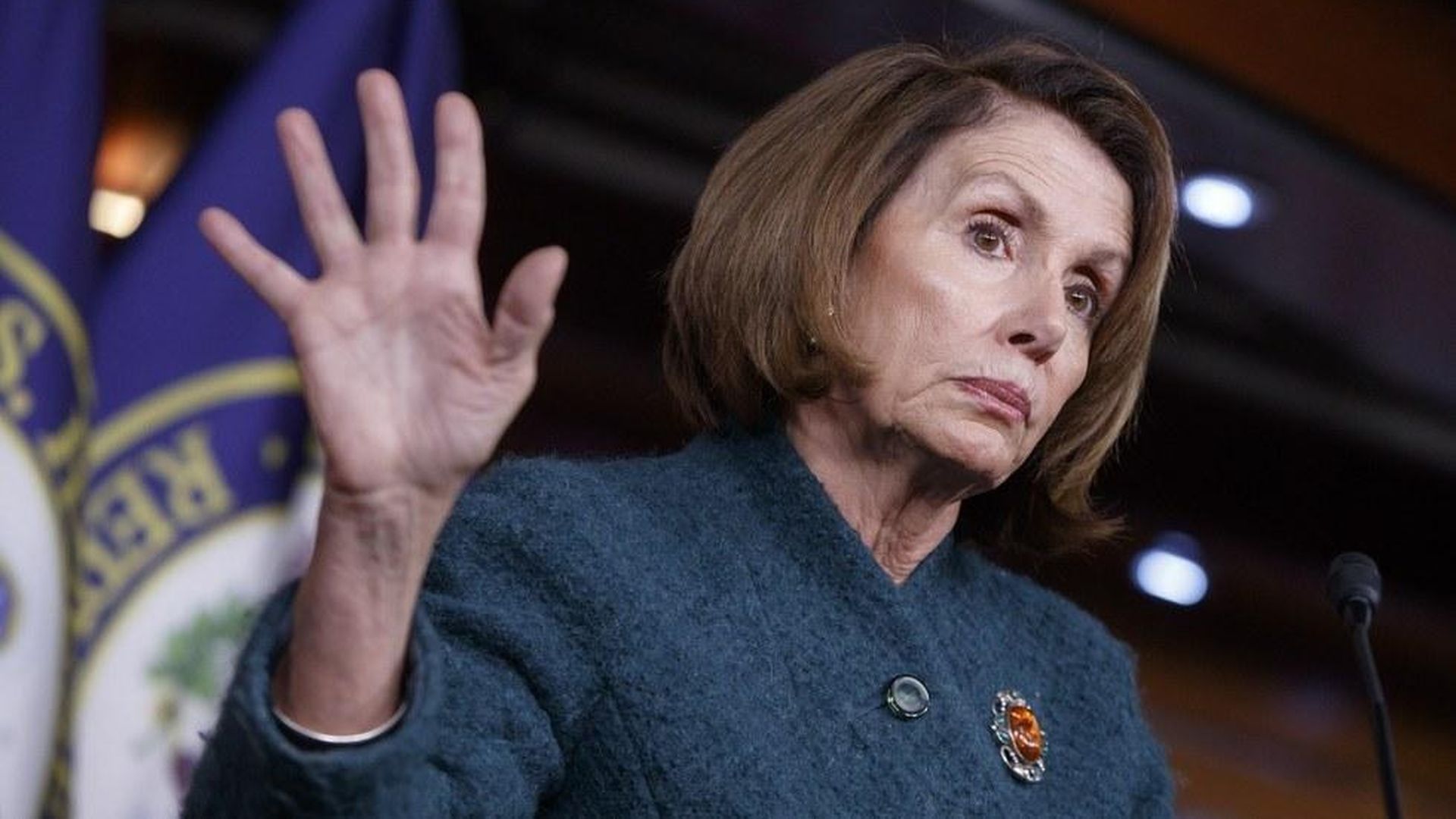
New York Rep. Kathleen Rice, Massachusetts Rep. Seth Moulton, and Ohio Rep. Tim Ryan, who tried and failed to knock Minority Leader Nancy Pelosi from her leadership post in November 2016, are meeting Thursday to discuss if and how they can oust Pelosi, Politico reports.
The doubts about Pelosi's leadership come after Dems lost out in the Georgia 6th special election, where Republican Karen Handel tied Democrat Jon Ossoff to Pelosi in an effort to keep Republicans onside. Approximately 20 Dems have been invited to attend the meeting.
Pelosi's response to efforts to oust her: "I feel very confident in the support that I have in my caucus."
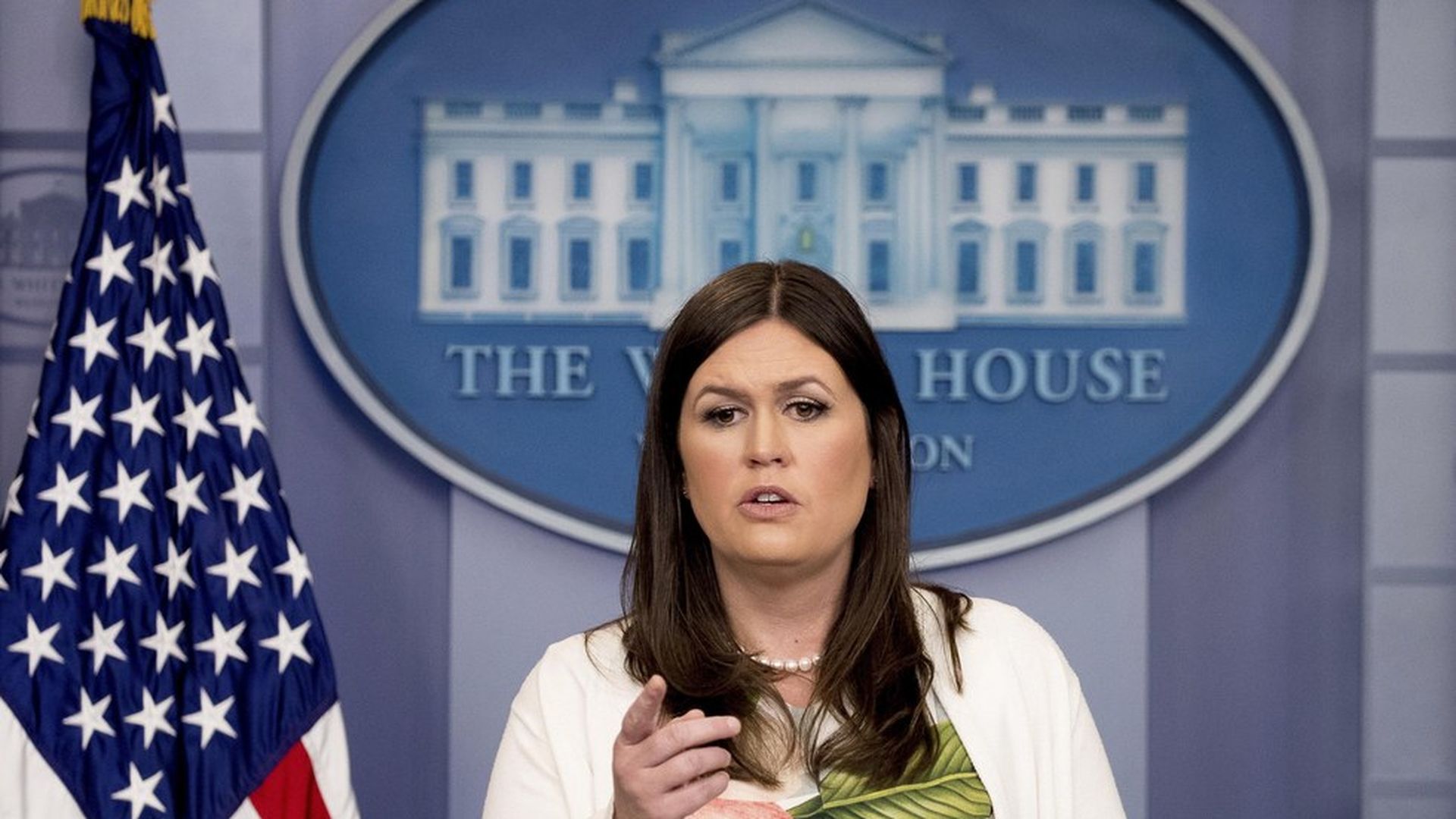
Just hours before Deputy Press Secretary Sarah Sanders briefed reporters at the White House Thursday, the Senate released its version of the GOP health care bill, which included a series of cuts to Medicaid — something President Trump pledged he wouldn't do throughout his campaign. Reporters hoped she'd have answers on whether Trump still believed in protecting the program, but Sanders simply stated that she hadn't talked to the president about it.
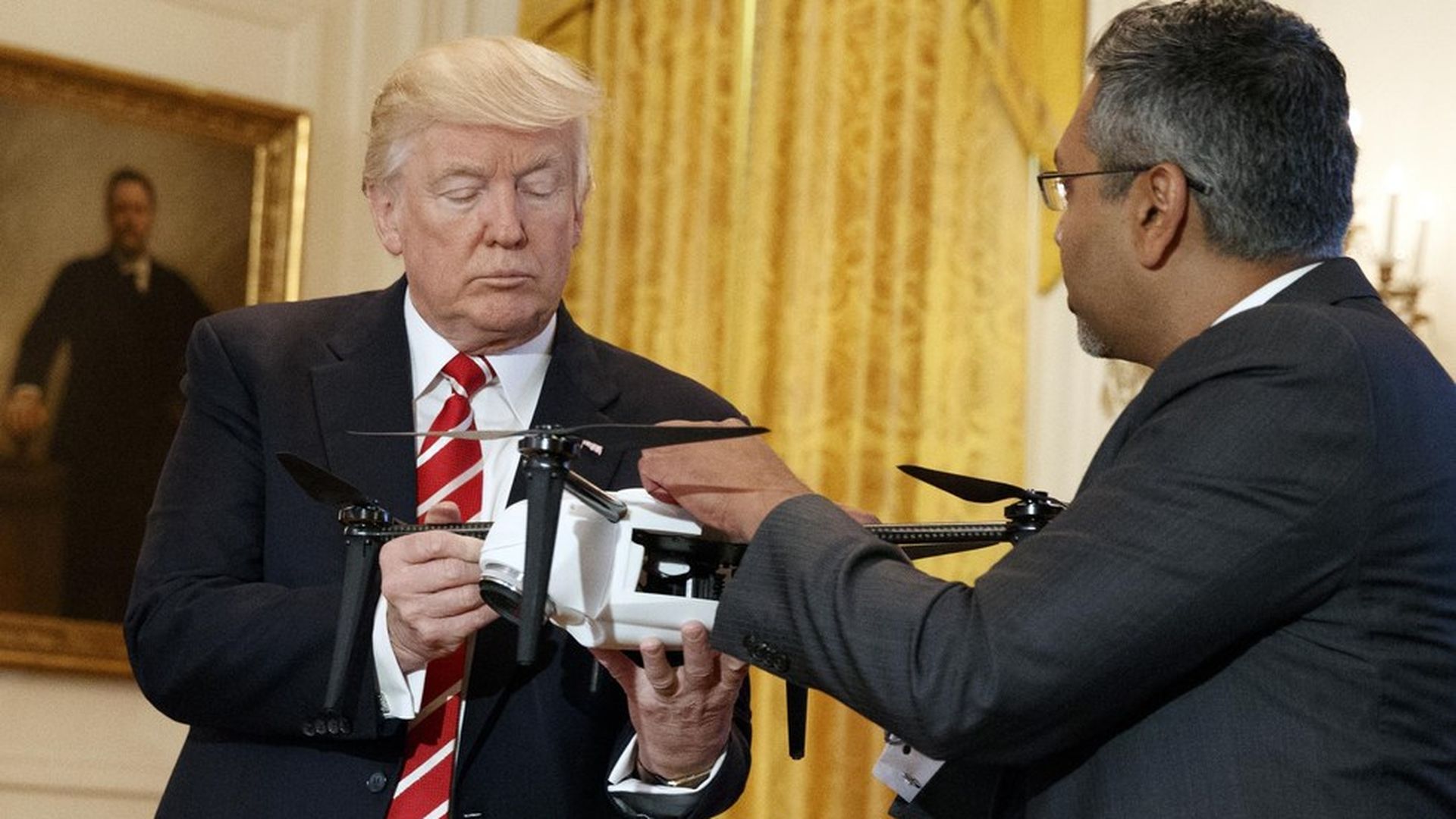
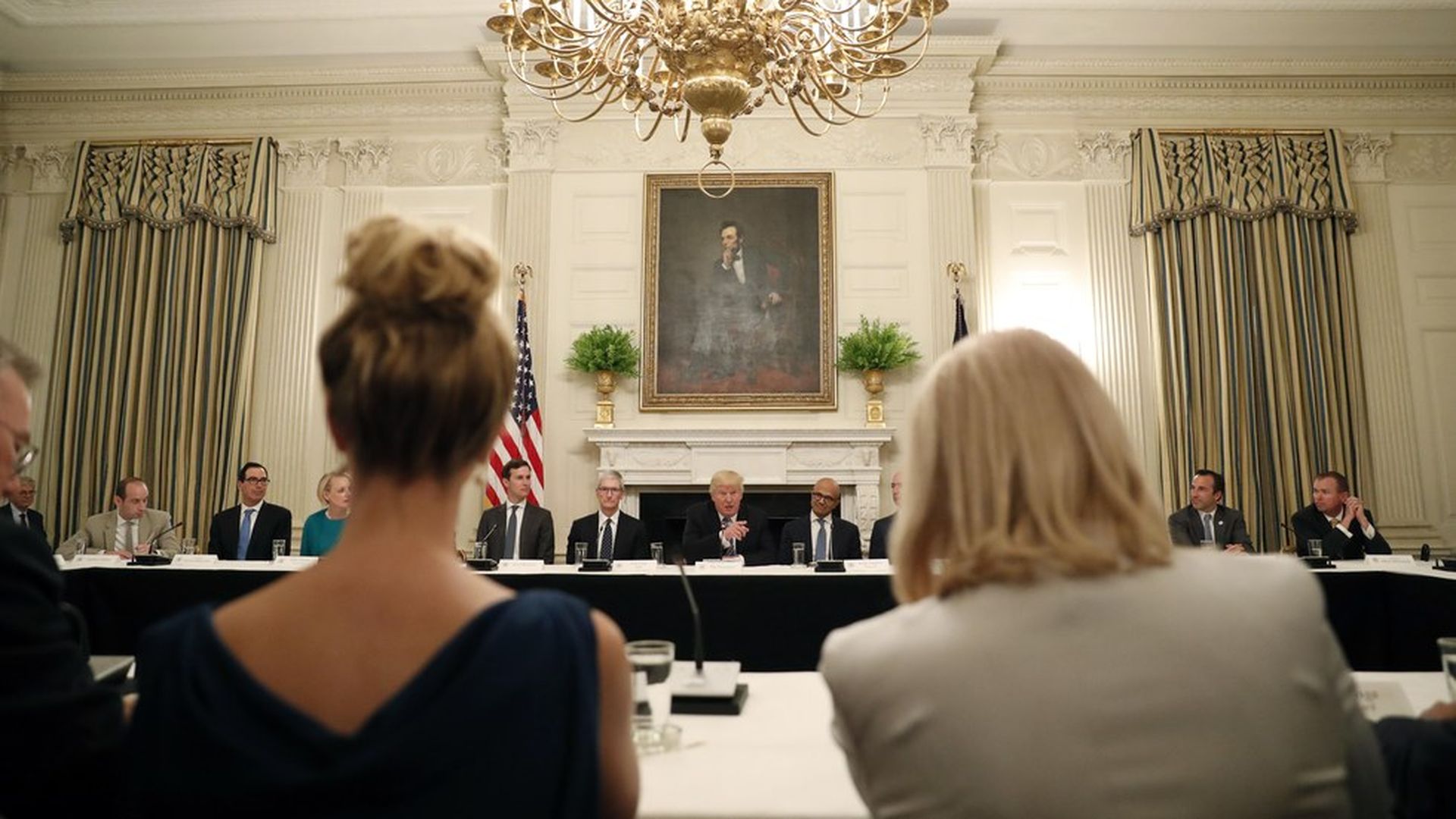
Drone and wireless companies came to the White House to ask President Trump for help in rolling out their emerging technology — and turning it into big business. The event also featured representatives from venture capital, though most major firms weren't present.
"We want our innovators to dream big, like the folks around me and surrounding me in this room," he said. "And we want them to create new companies and to create lots of jobs."
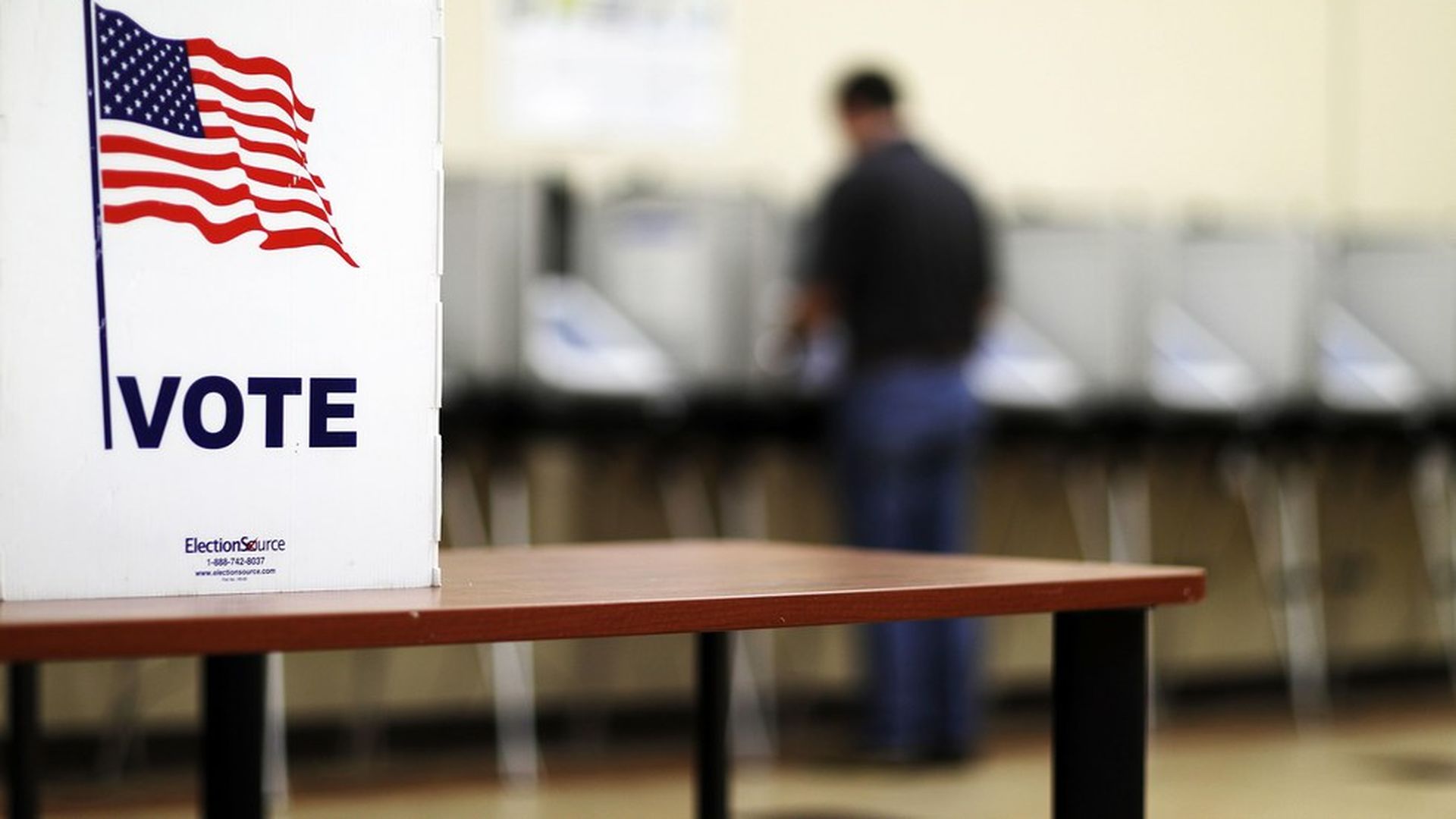
Hackers of state and local election databases had "at least one successful attempt to alter voter information" in the 2016 election cycle, current and former officials told TIME. Investigators have not yet identified whether the hackers were Russian, and the manipulations in a county database were reportedly "discovered and rectified."
Context: U.S. officials have said Russian hackers targeted local voter registration systems, but no successful alterations have been officially reported.
Why it matters: While these manipulation were fixed, this shows hackers are apparently capable of altering voter records. If there was one successful manipulation of voter data, there could have been more. This also sends a message that cyber security needs to be beefed up before the next election cycle.
The Senate health bill, which was drafted by a small group of Republicans and kept secret from even some members of the GOP caucus, has now been publicly posted. The Axios health care team will be giving live analysis, but if you want to read it yourself, dive in:
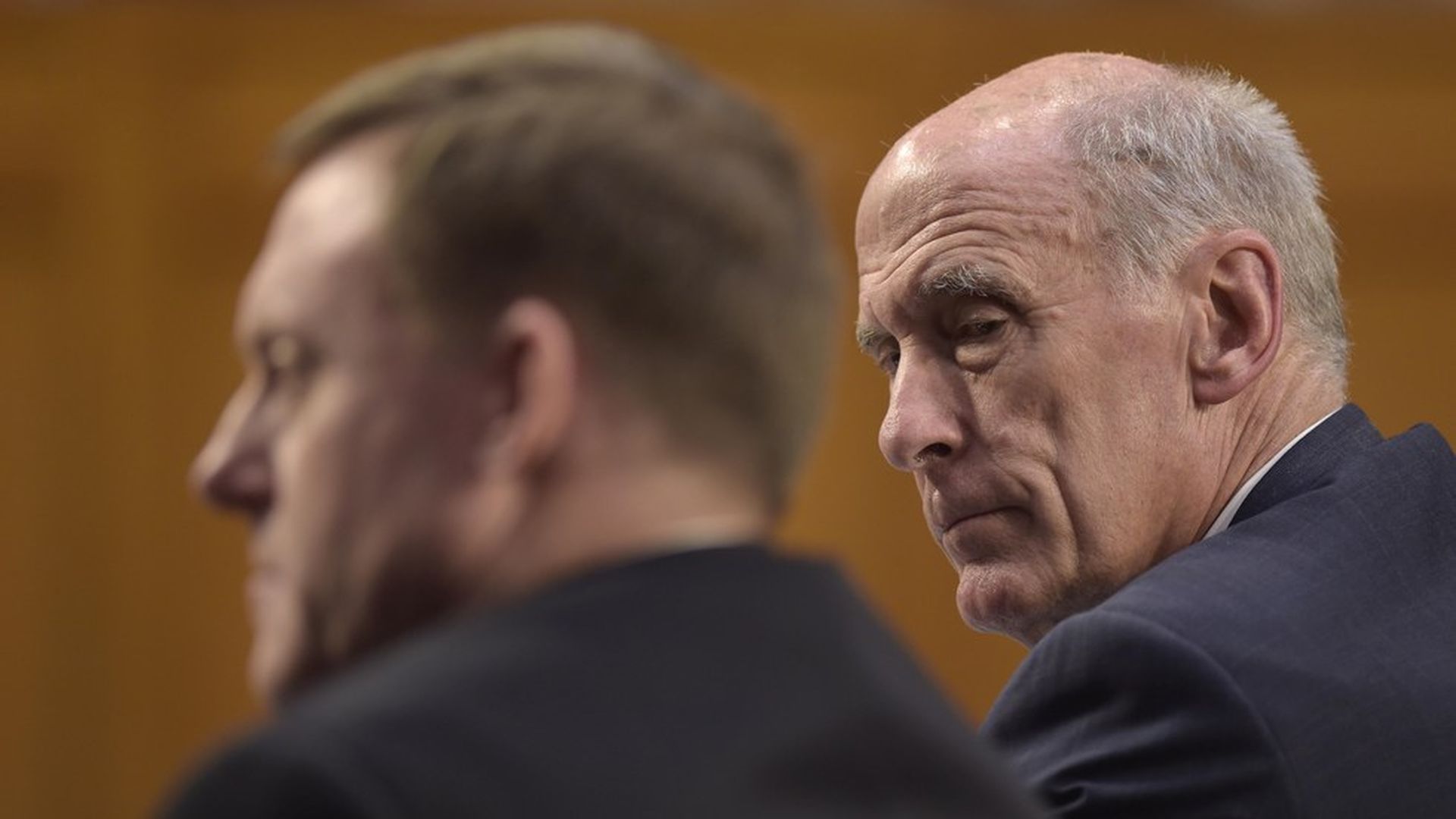
Director of National Intelligence Dan Coats and NSA Director Mike Rogers reportedly told Special Prosecutor Robert Mueller and Senate investigators last week that President Trump "suggested" they publicly state there was no collusion between his campaign team and Russia, reports CNN.
In individual, closed-door briefings with the Senate Intelligence Committee, Coats and Rogers also allegedly said that Trump asked them to tell the media he was not personally under investigation for collusion.
Sources told CNN that Coats and Rogers described their conversations with Trump as "odd and uncomfortable," but noted they didn't feel the president was ordering them to directly interfere.
Flashback: During a June 7 Intel hearing, senators were furious with Coats and Rogers for refusing to answer questions on whether Trump has asked them to downplay claims of collusion. Coats and Rogers both said they felt it was "inappropriate" to share that information in a public session.
Democrats' embarrassing special-election loss in Georgia, after the vocal left fanned unrealistic expectations, provokes a wave of bitter post-gaming that targets House Democratic Leader Nancy Pelosi. It's part of a generational argument that's also driving the party's 2020 conversation.
Be smart: With a wobbly start for Trump and his agenda, Dems we talk to as we travel the country have gotten the idea that of course the House will flip in midterms next year. In fact, this year's special elections showed that vulnerability by the other side doesn't necessarily translate into raw votes for you. Republicans are more reliable voters in midterms, and reversing that will be a massive task for Dems.
The White House will host executives and investors on Thursday for sessions on emerging technology like drones, 5G wireless and the Internet of Things.
Why it matters: The Office of Science and Technology Policy was, under the Obama administration, a key way for the White House to engage in thorny problems involving new technology like artificial intelligence and self-driving cars. But it's been far less active so far under Trump, who hasn't appointed a chief technology officer to lead it. The event is part of a larger "Tech Week" at the White House that included a meeting with major company execs on Monday.