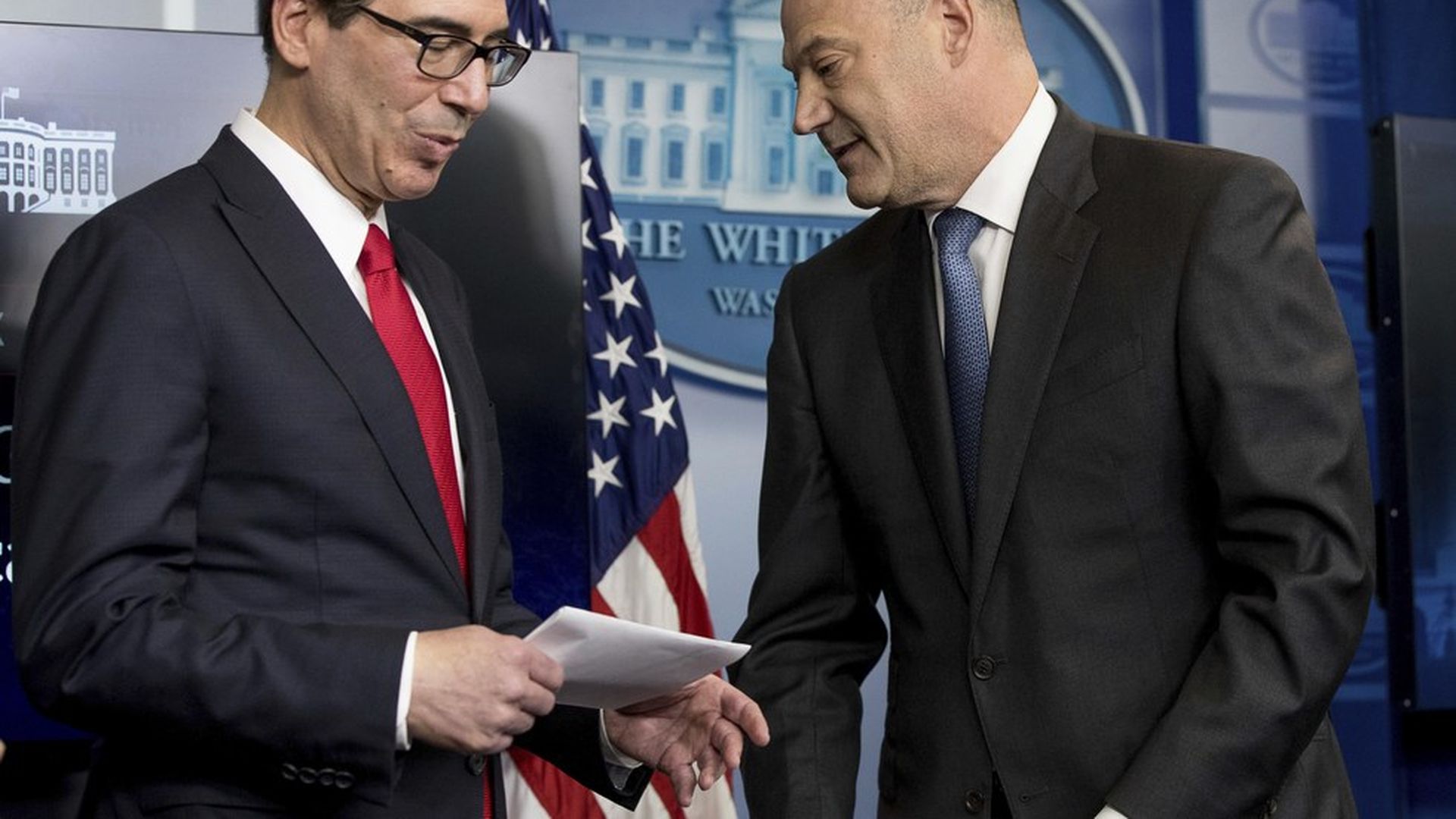
Here's what Trump's two point men on tax reform. Gary Cohn and Steven Mnuchin, have been telling business representatives and special interests in their closed-door meetings, per sources in the rooms:
Timing: Goal is to have an agreed upon House-Senate-White House tax reform proposal by early September for when members return from summer recess. They would then use September, October, November to push through tax reform.
Key question: They're posing the same question to special interest groups: "If we can get the corporate rate into the teens, what are you willing to give up?"
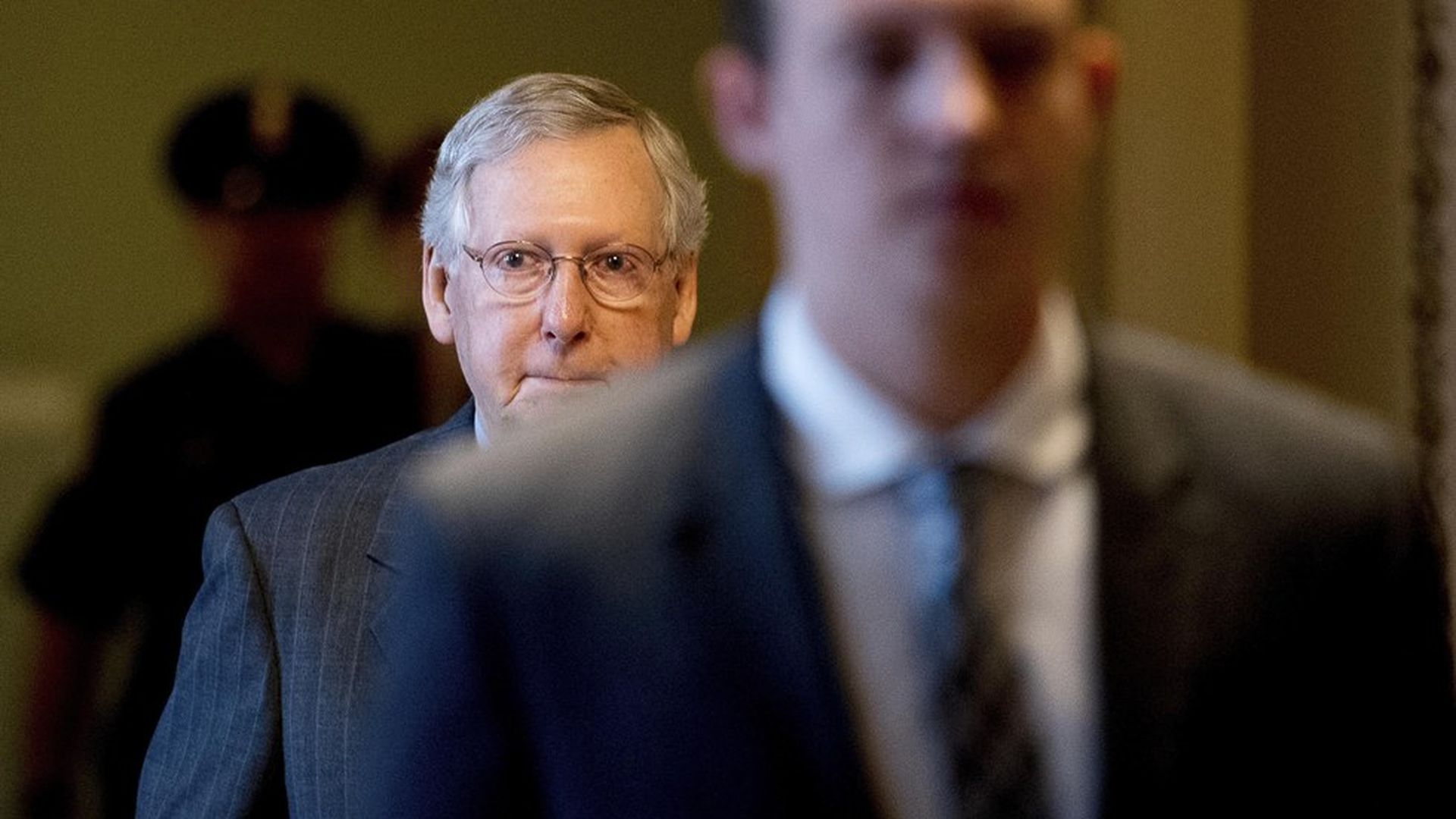
Josh Holmes, Mitch McConnell's former chief of staff, has this analogy for his former boss's week ahead: "It really is a 747 landing on a suburban driveway."
Consider the complexity: McConnell has at least eight holdouts on the Senate Republican healthcare bill — and likely even more. He needs to satisfy the ideological poles of his conference: Ted Cruz et al. on the right, and Dean Heller & Co. in the middle.
Oh, and there's no time: He needs to pass the bill before the July 4 recess. No senator I've spoken to thinks a bit of extra time spent with angry voters will make them more likely to support this bill.
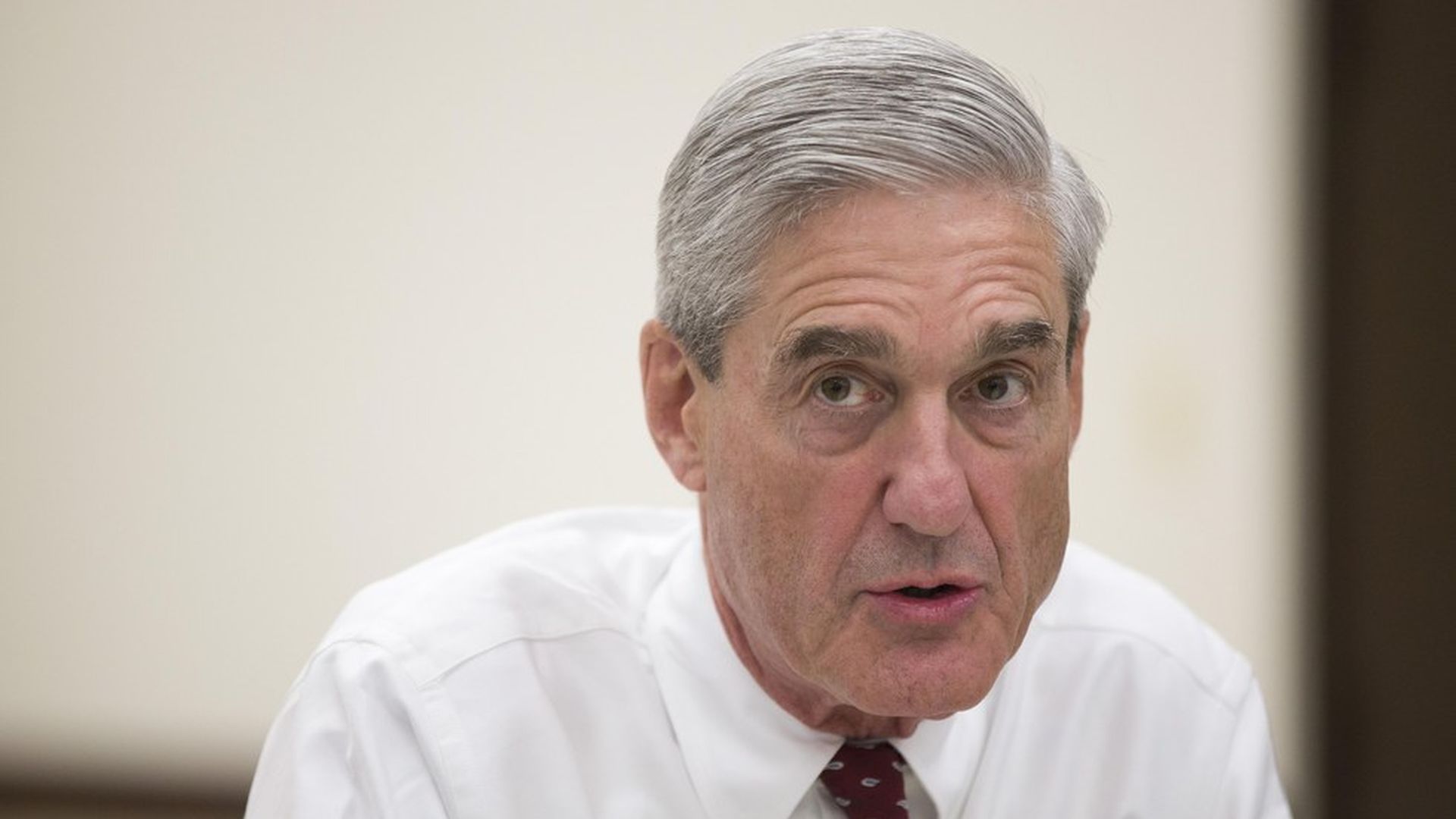
Members of Special Counsel Bob Mueller's team leading the Russia investigation have donated almost exclusively to Democratic candidates, according to the FEC.
Why it matters: Former House Speaker Newt Gingrish tweeted it's "Time to rethink" if the Mueller-led investigation will be fair, given their donation history. But Deputy AG Rod Rosenstein, who appointed Mueller, said he sees no problem with the donations.
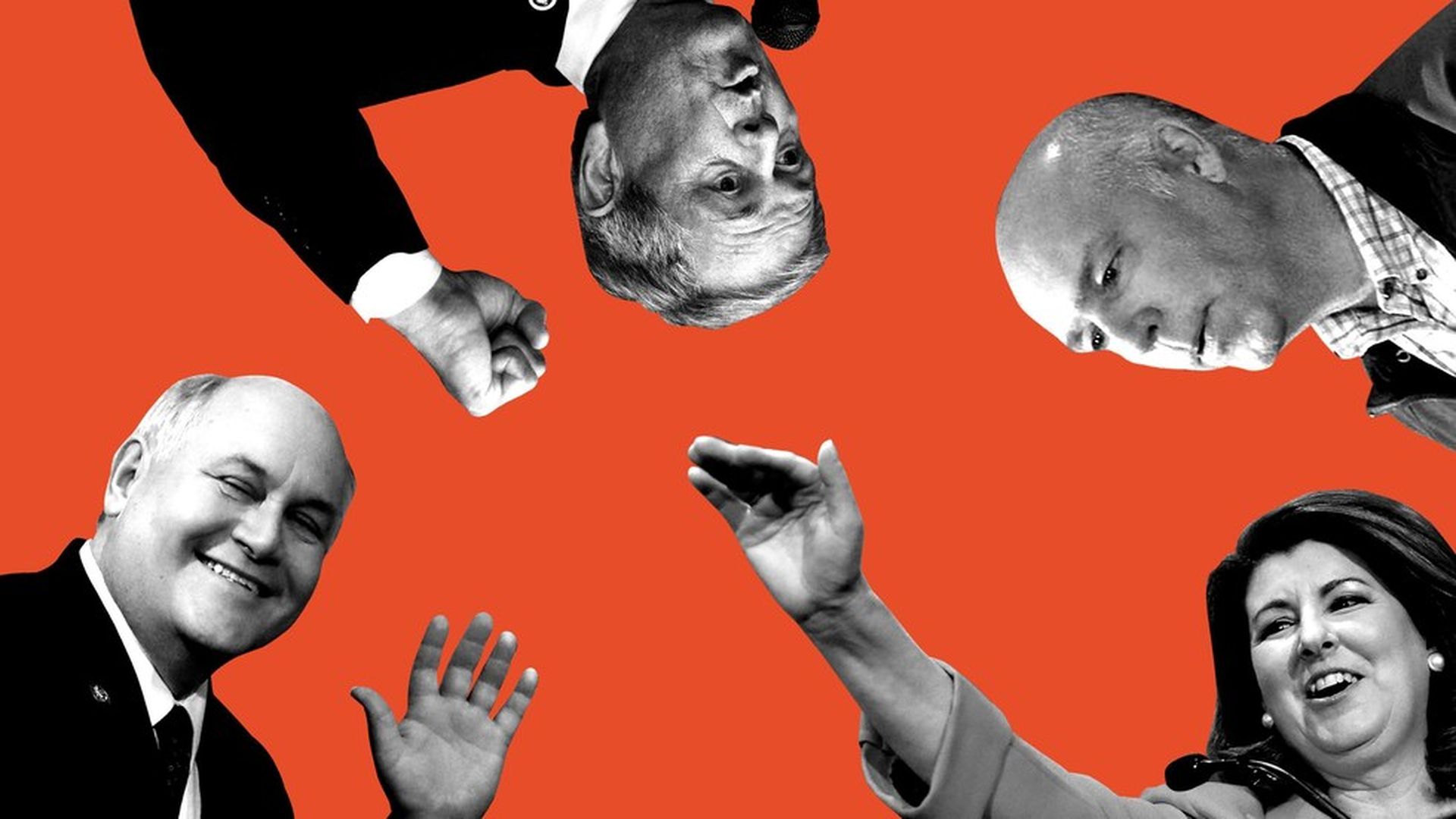
There's been a rush to view 2017's House special elections as a barometer for the health of the Trump presidency, leading to an extreme national focus on the four contested races around the country — one of which became the most expensive House race in history. (A fifth special election in California's heavily liberal 34th congressional district in Los Angeles was fought between two Democrats.) Republicans went four for four in these traditionally GOP districts, but at much closer margins than 2016's congressional races, allowing both parties to spin the results as a success.