State reporting requirements around individuals considered at high risk of violent behaviors vary so much that it may make the nation's system of background checks for gun purchases less effective, according to a study published today in JAMA Health Forum.
Why it matters: Gun policy is among the most politically divisive issues, but there is broad bipartisan support for restricting gun access among certain individuals who are at particular risk of perpetuating violence, the authors write.
The number of U.S. seniors who report using cannabis has climbed in recent years, according to the National Survey on Drug Use and Health.
Driving the news: In 2022, 8.4% people age 65 or older said they used marijuana in the past year, a significant increase from about 0.4% of seniors who reported using it in the past year when polled in 2007.
The Cybersecurity and Infrastructure Security Agency is rolling out a new plan for health care organizations and hospitals trying to fend off an influx of ransomware and nation-state cyberattacks, an agency official first shared with Axios.
Why it matters: Hospitals and health care organizations have become prime targets for ransomware hackers who are eager to steal sensitive patient information and shut down critical services in order to get a payout.
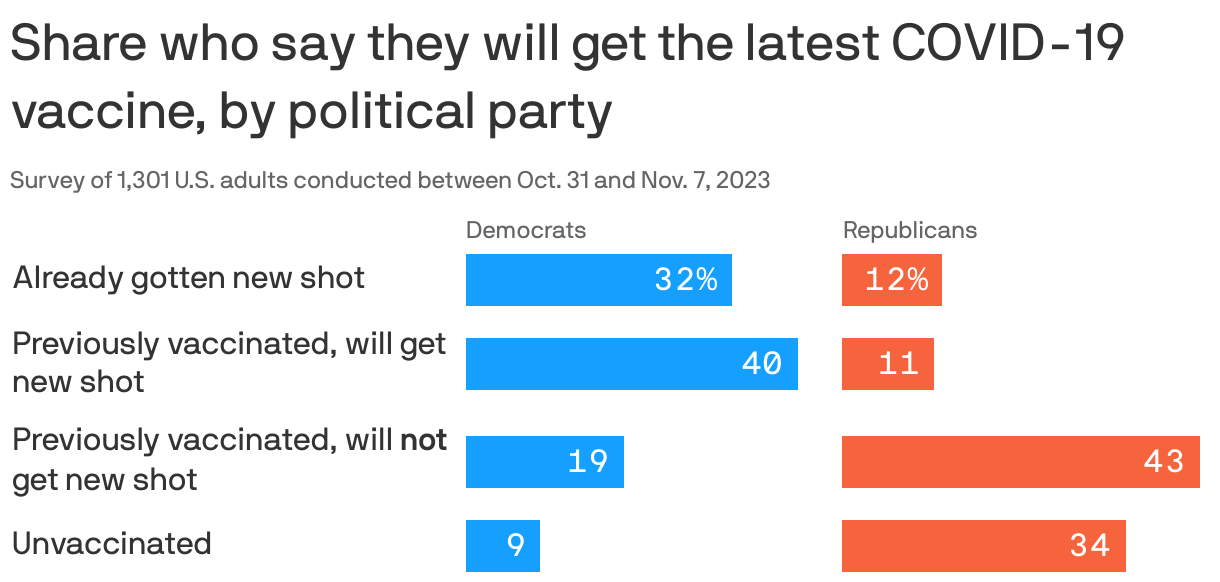
About 6 in 10 adults who previously got a COVID-19 vaccine have not received an updated shot this fall — and about half of them don't plan to get one, according to a new KFF survey.
Why it matters: The survey shows decreasing public concern about COVID near the beginning of respiratory virus season, including among people who've previously protected themselves against COVID.
The idea of mandating that hospitals meet minimum cybersecurity standards is gaining traction amid scrutiny of mounting attacks that have knocked health systems offline for weeks and upended patient care.
Driving the news: New York Gov. Kathy Hochul this week proposed the state become the first to require health systems to adopt certain cyber defenses, including preparation of response plans for a potential attack.
By punting their spending disputes past the holidays, House Republicans have put the kibosh on what's become an annual rite for health care interests: the year-end legislative grab bag sometimes known as the Christmas tree.
The big picture: It's the first December since 2012 without a critical funding deadline, Raymond James analyst Chris Meekins notes.
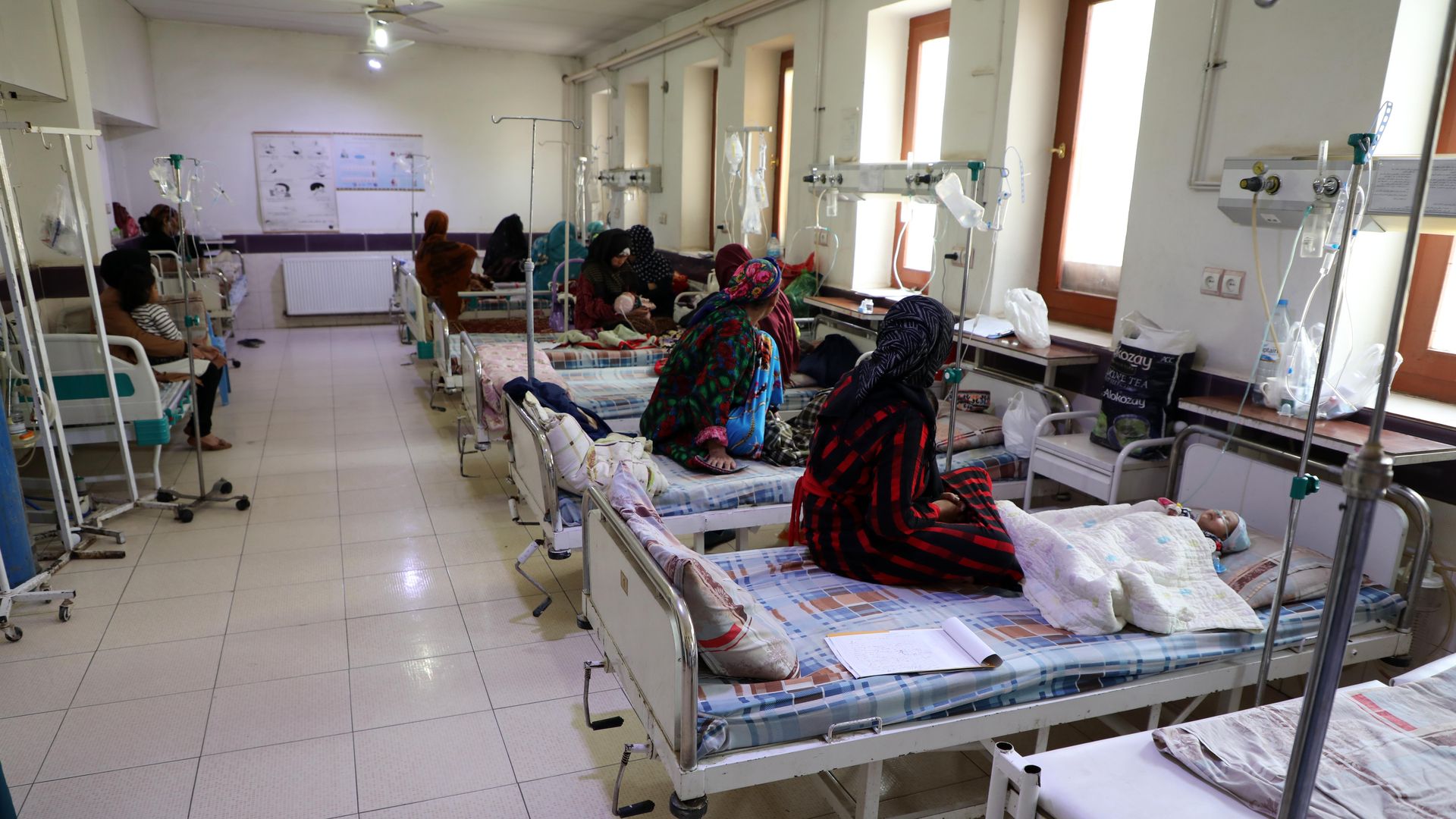
Measles cases and deaths surged worldwide last year, according to a new report from the World Health Organization and Centers for Disease Control and Prevention that points to a worsening immunization gap that most affects kids in poor countries.
The big picture: Global immunization efforts that were disrupted during the pandemic haven't fully recovered, exposing countries to greater threat from vaccine-preventable diseases.
Rates of cancer deaths among children and teens fell precipitously over the last decade, driven by advances against childhood leukemia in particular, new CDC research shows.
Why it matters: While the number of new cancers are up across all age groups, this study shows the progress that has been made in helping the youngest patients survive cancer.
Congress appears destined to end the year without renewing expired federal pandemic preparedness programs after questions about emergency stockpiles, drug shortages and cracks in the nation's health security system got subsumed in COVID-19 politics.
Why it matters: Reauthorizing the Pandemic and All Hazards Preparedness Act was billed as a must-do early this year, after the pandemic exposed gaps in countermeasures and disease surveillance.
The Biden administration's plan to establish national staffing minimums at nursing homes is shaping up to be a tricky political balancing act.
Why it matters: President Biden has vowed to "crack down" on nursing homes, which were at the epicenter of the COVID-19 pandemic, but his staffing proposal has split members of his own party while facing broadopposition from Republicans.
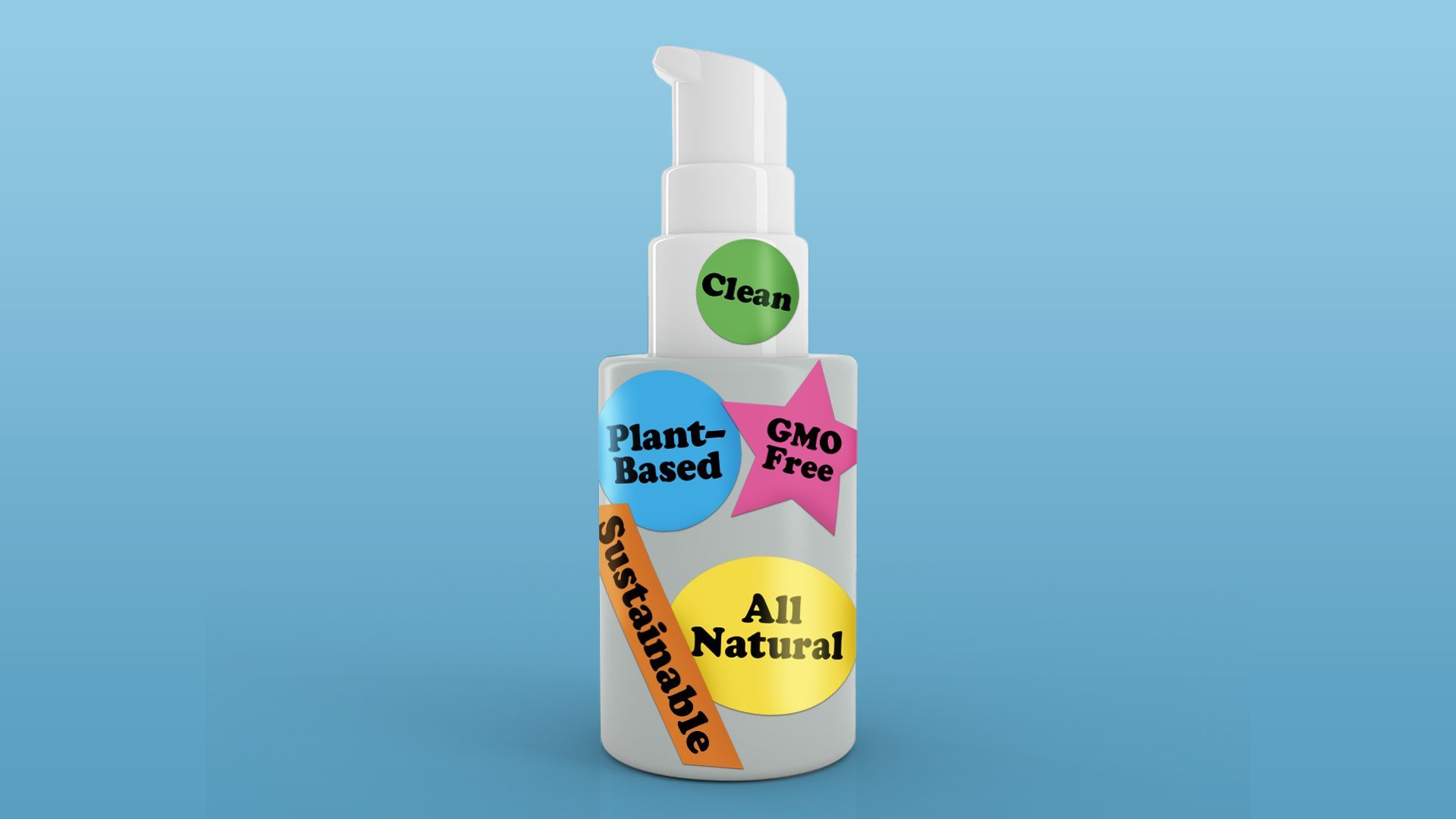
The words "clean" and "natural" might look appealing on cosmetic labels, but those adjectives mean squat when it comes to what's in the product and how it's made.
Why it matters: There's little stopping manufacturers and marketers of cleansers, makeup and other grooming products from using misleading language to sell to consumers concerned about harmful ingredients and the environment.
President Biden said Chinese leader Xi Jinping on Wednesday agreed to take steps to crack down on companies in China that produce chemical precursors for fentanyl.
Why it matters: An epidemic of fentanyl-related deaths in the U.S. is worsening as bipartisan consensus erodes about the causes and possible solutions.