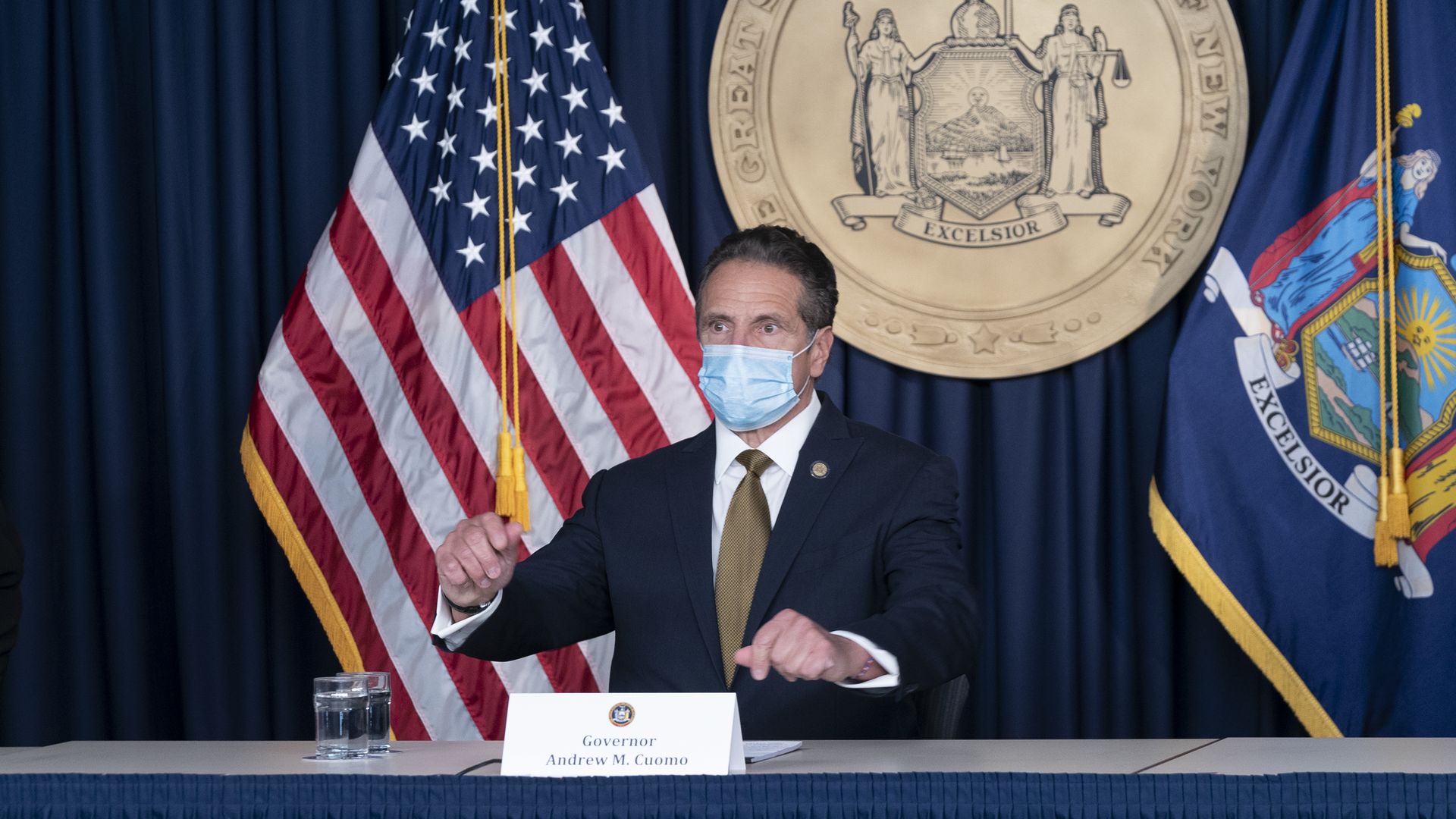
New York Gov. Andrew Cuomo said on Monday that struggling state hospital systems must transfer patients to sites that are not nearing capacity, as rising coronavirus cases and hospitalizations strain medical resources.
Why it matters: New York does not expect to get the same kind of help from thousands of out-of-state doctors and nurses that it got this spring, Cuomo acknowledged, as most of the country battles skyrocketing COVID hospitalizations and infections.
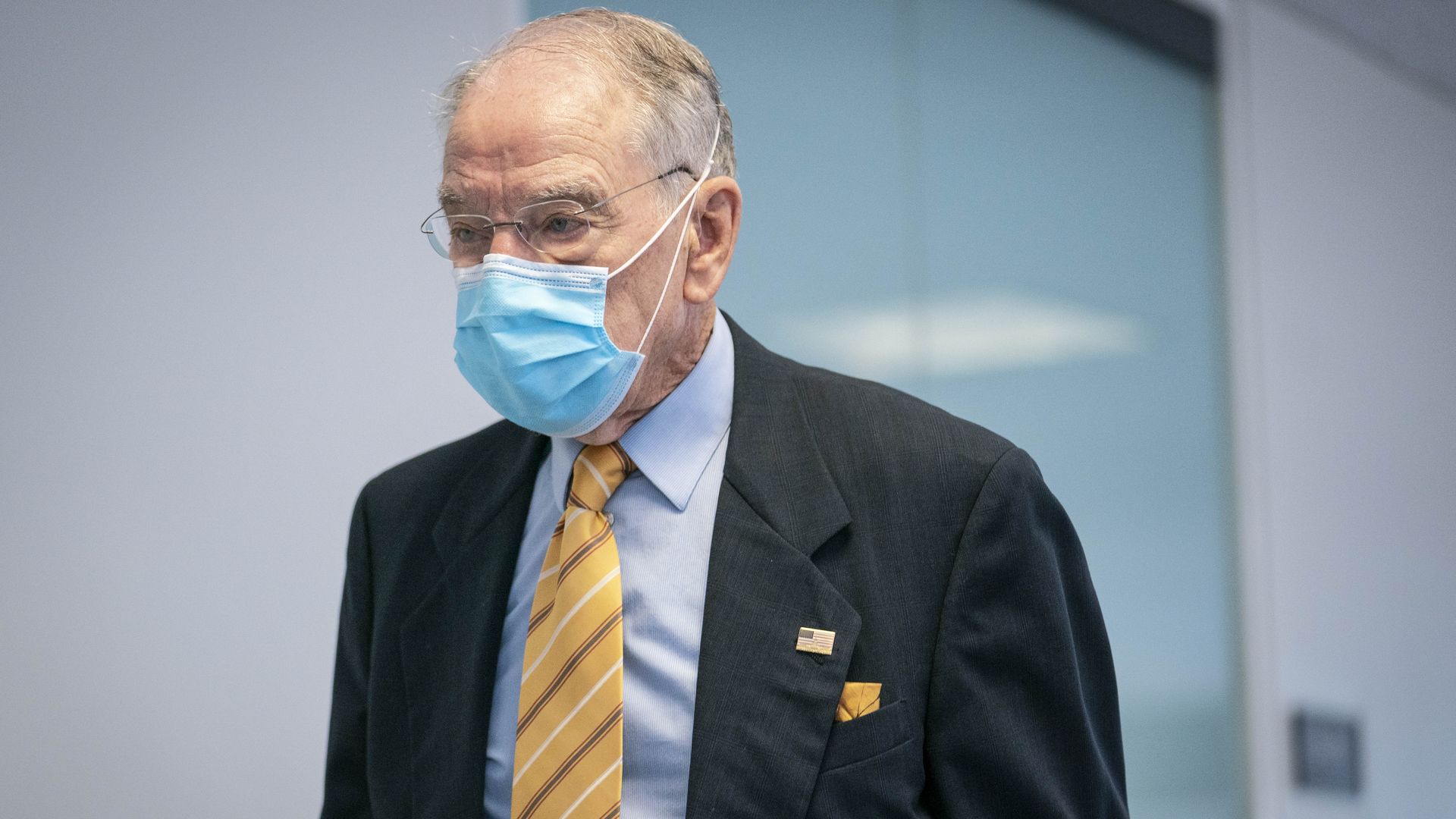
Sen. Chuck Grassley (R-Iowa) returned to in-person work on Monday after quarantining with an asymptomatic case of the coronavirus, his office said in a statement.
Why it matters: Grassley, 87, is the second oldest member of the Senate, meaning he was at high risk for a severe infection. But the senator reports that he remained asymptomatic the entire time he was in quarantine.
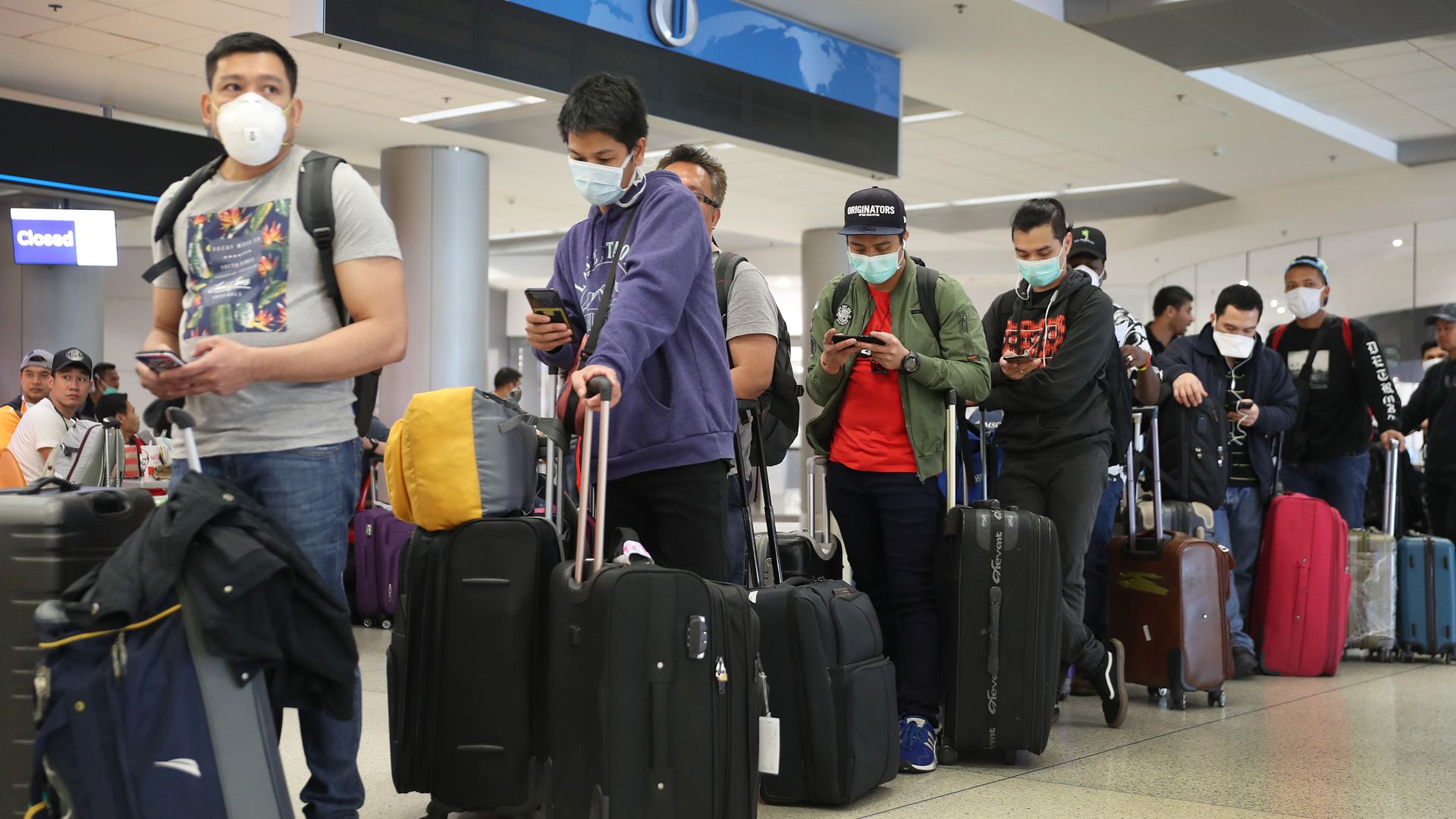
The TSA screened 1,176,091 people at checkpoints in the U.S. on Sunday, the highest number since mid-March, according to a spokesperson.
Why it matters: The CDC advised Americans on Nov. 19 not to travel for Thanksgiving, warning that doing so may increase their chances of contracting and spreading COVID-19. More than 93,000 people are currently hospitalized with the coronavirus, with many hospital systems on the brink of disaster.
The race for a COVID-19 vaccine is ramping up, with three major candidates now reporting efficacy rates of more than 90%.
Why it matters: Health experts say the world can't fully return to normal until a coronavirus vaccine is widely distributed. But each potential vaccine has its own nuances, and it's likely that multiple vaccines will be needed in order to supply enough doses for universal vaccination.
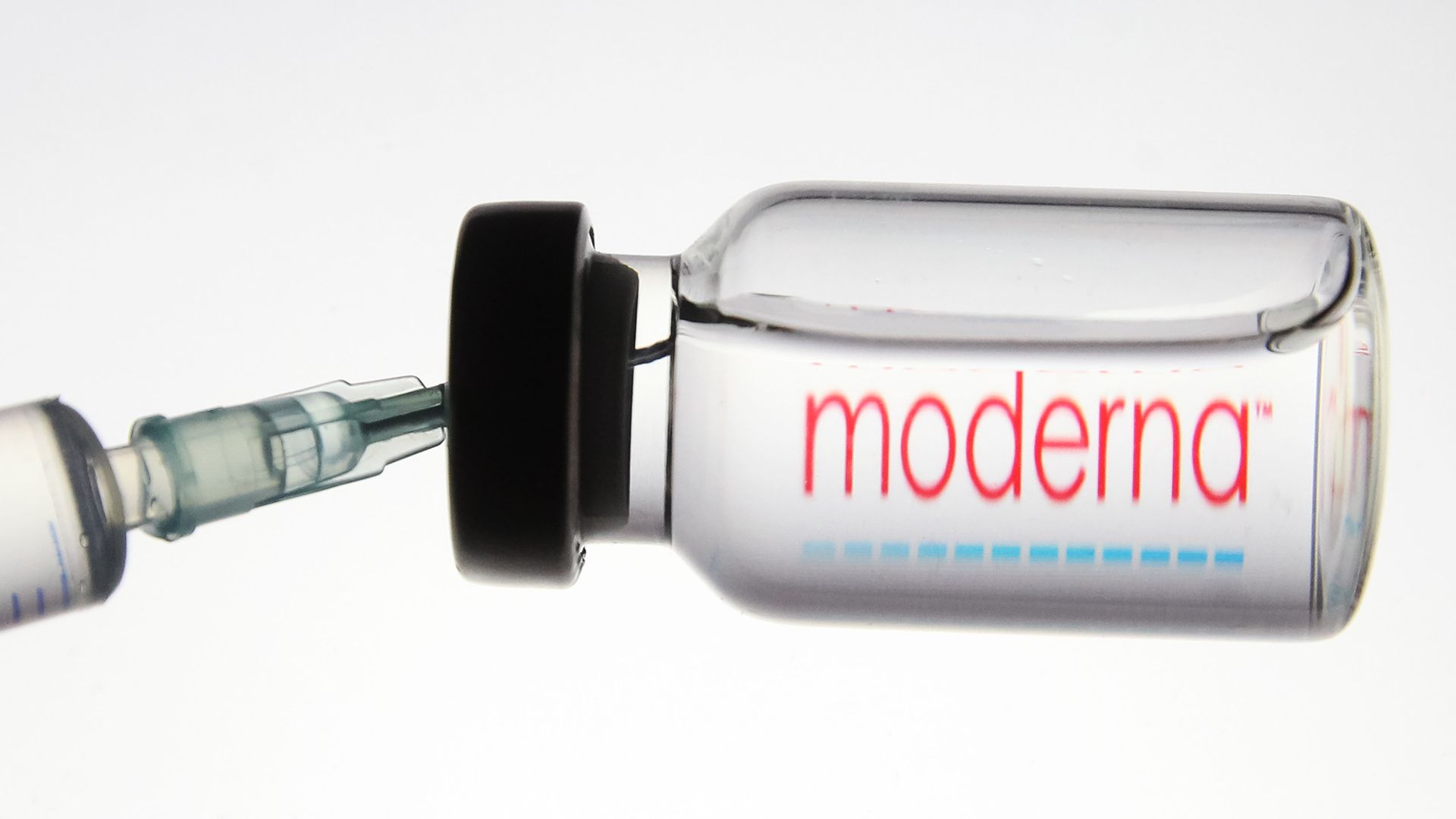
Moderna announced that it plans to file with the FDA Monday for an emergency use authorization for its coronavirus vaccine, which the company said has an efficacy rate of 94.1%.
Why it matters: Moderna will become the second company to file for a vaccine EUA after Pfizer did the same earlier this month, potentially paving the way for the U.S. to have two COVID-19 vaccines in distribution by the end of the year. The company said its vaccine has a 100% efficacy rate against severe COVID cases.
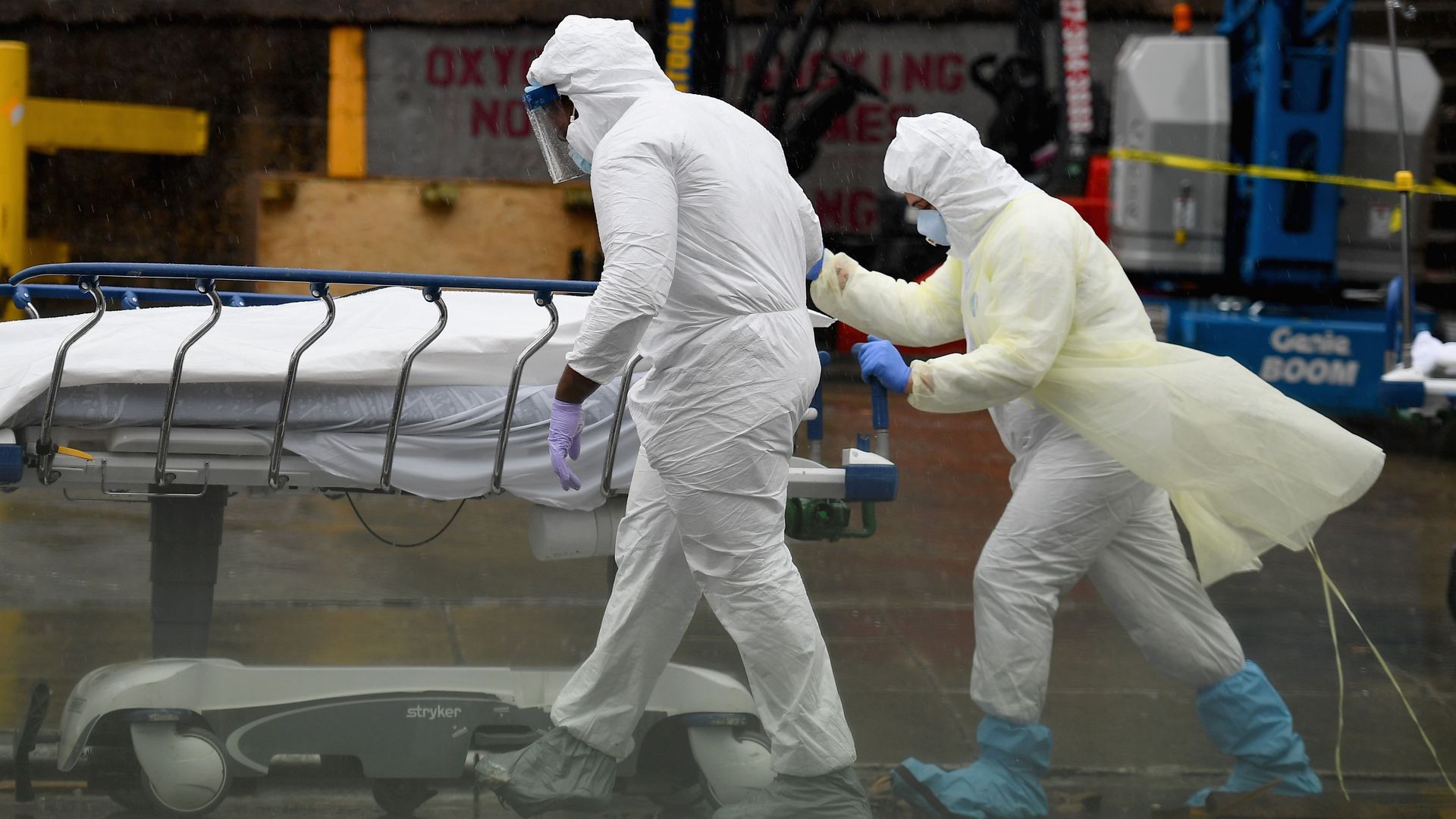
Axios keeps talking about how hospitals are filling up around the country. But as most of us took a break from the news over the last few days, the situation only worsened.
Driving the news: More hospitals are running out of beds or turning away new patients, limiting the care available to both coronavirus patients and those with other health care emergencies.
The logistical challenges of distributing and administrating a coronavirus vaccine will meet deep skepticism of it in many parts of rural America, the Washington Post reports.
Why it matters: Rural areas are currently being ravaged by the virus, and their residents tend to be older and in worse health — making them more vulnerable to the virus and thus a vaccination priority.
Young, healthy people will be at the back of the line for coronavirus vaccines, and they'll have to maintain their sense of urgency as they wait their turn — otherwise, vaccinations won't be as effective in bringing the pandemic to a close.
The big picture:"It’s great young people are anticipating the vaccine," said Jewel Mullen, associate dean for health equity at Dell Medical School at the University of Texas at Austin. But the prospect of that enthusiasm waning is "a cause for concern," she said.
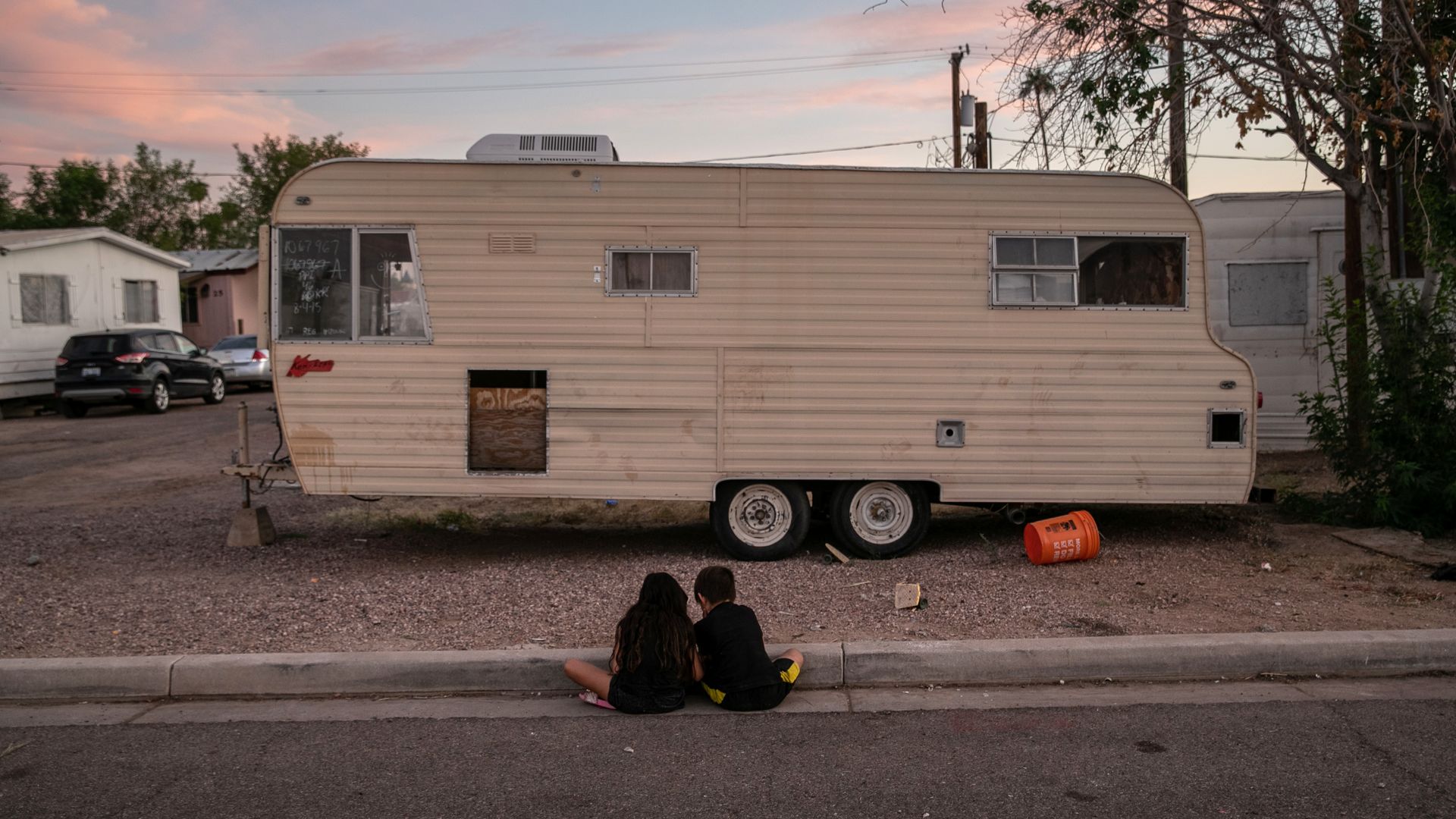
Landlords are sidestepping the CDC's order to halt evictions by ousting tenants for minor violations instead of rent nonpayment, housing advocates tell AP.
The big picture: Protections from the CDC's order — which applies to people who are unable to pay rent or are likely to become homeless if evicted — expire on Dec. 31, with no sign from Congress that an extension is coming.
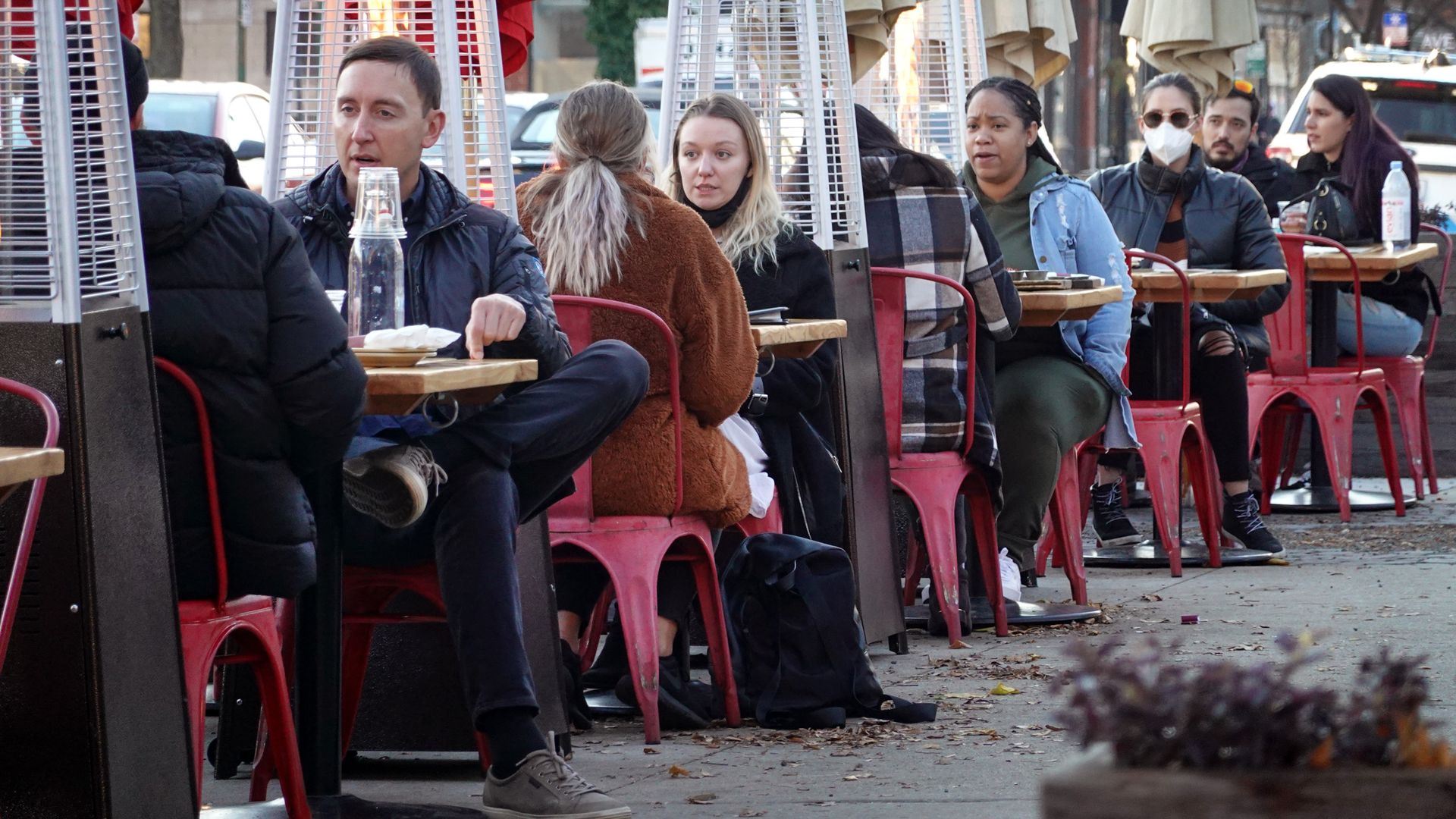
Restaurants in several states — including Kentucky, Illinois and California — are staying open and defying restrictions, as states try to manage skyrocketing coronavirus cases and hospitalizations with more safety measures.
The big picture: Restaurant industry trade groups have been desperately lobbying for federal aid from a coronavirus stimulus package that has yet to see any traction in Congress.
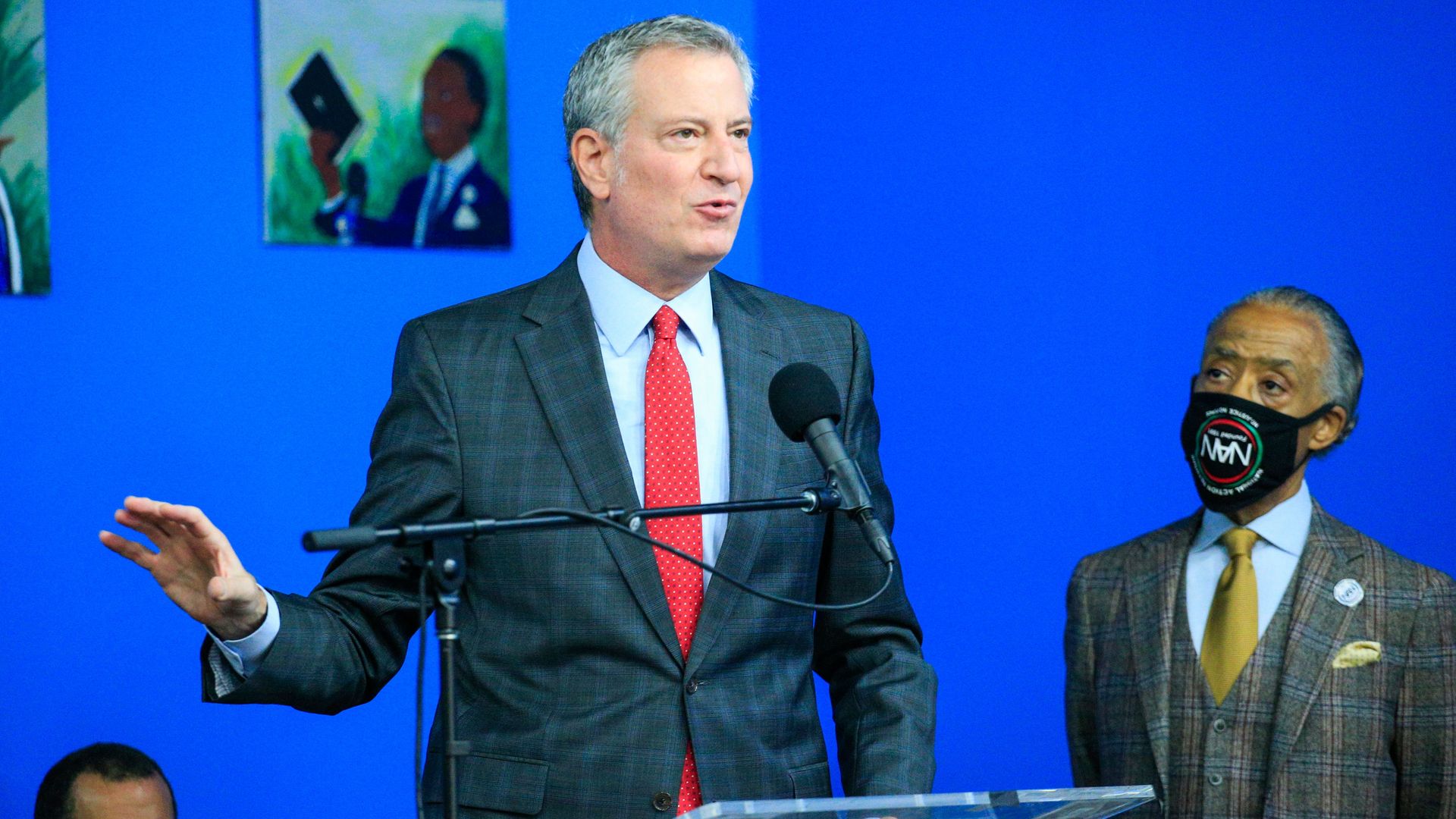
Some New York City schools will be allowed to reopen for in-person learning as early as Dec. 7, Mayor Bill de Blasio announced Sunday.
The state of play: De Blasio said schools will no longer be forced to shutter when the city hits a 3% COVID-19 test positivity rate, but he did not specify what the new threshold will be. The school district will mandate weekly tests for 20% of children in each school, and students will not be tested before they return.
NIAID director Anthony Fauci warned on Sunday that the U.S. could see in the coming weeks "a surge superimposed upon that surge that we're already in," as COVID-19 cases are expected to rise after many Americans traveled for the Thanksgiving holiday.
Why it matters: Cases and hospitalizations are already skyrocketing nationwide. Governors and health departments in some states have warned that the increase in cases could overwhelm hospital systems.
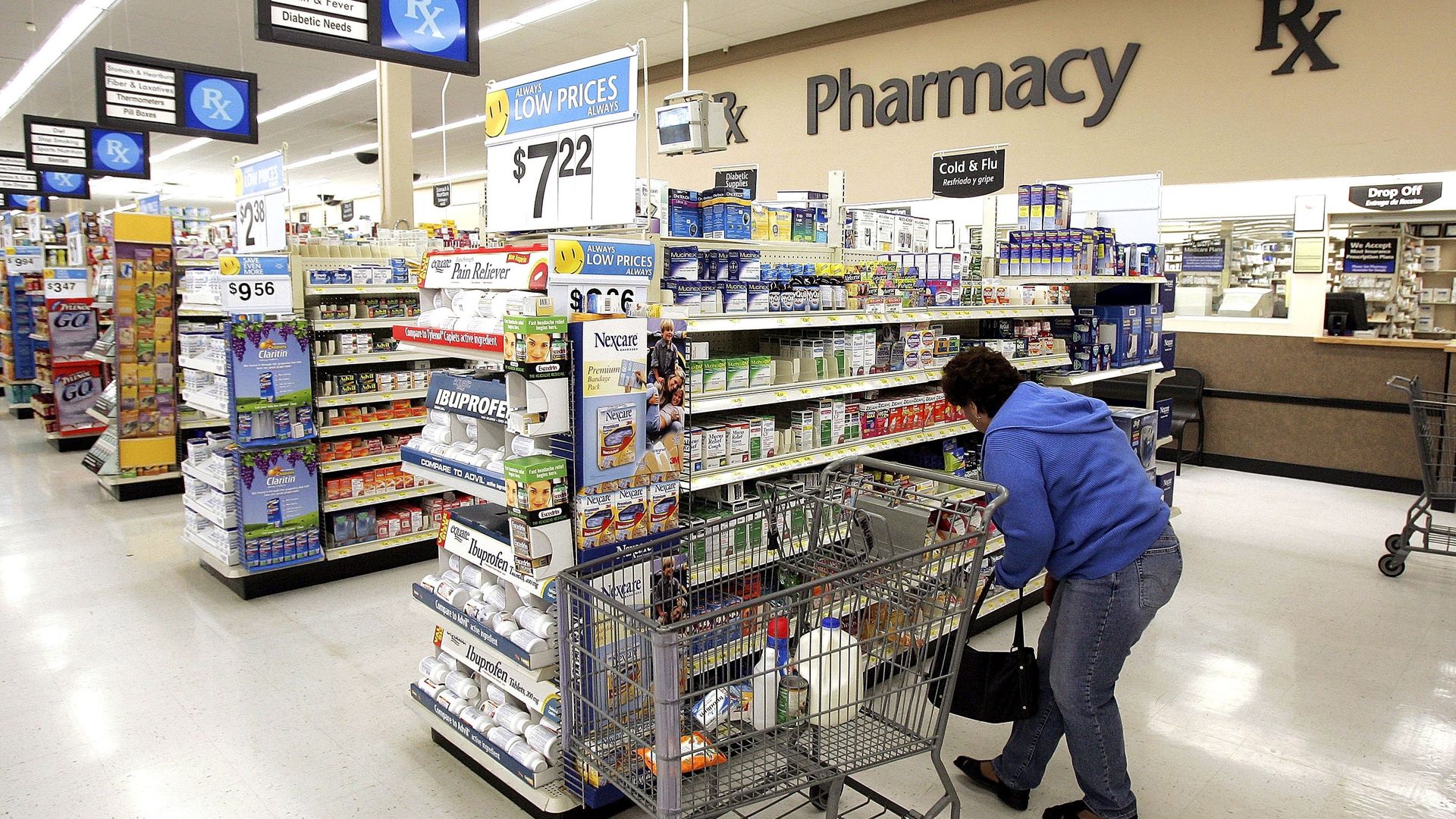
Grocers and pharmacies are adding freezers, thermometers and medical equipment to their inventories as they prepare to be major distributors of the COVID-19 vaccine, the Wall Street Journal reports.
The big picture: Dozens of grocery and pharmacy chains have signed with the Department of Health and Human Services to provide the vaccine as part of Operation Warp Speed. The U.S. could be set to distribute the vaccine starting in mid-to-late December, with approval from the FDA potentially weeks away.
Colorado Gov. Jared Polis (D) tweeted Saturday night that he and his partner, Marlon Reis, tested positive for COVID-19.
The big picture: He said they're both "asymptomatic, feeling well, and will continue to isolate at home." On Nov. 9, Polis extended a 30-day mask mandate to combat a rise in cases. The state has confirmed 225,283 coronavirus infections since the pandemic began. Since September, the governors of Wyoming, Nevada, Virginia and Missouri have also tested positive for the virus.
The COVID-19 pandemic has thrown the NFL season into chaos, with all Denver Broncos quarterbacks sidelined, the San Francisco 49ers left without a home or practice ground, and much of the Baltimore Ravens team unavailable, per AP.
Driving the news: The Broncos confirmed in a statement Saturday night that quarterbacks Drew Lock, Brett Rypien and Blake Bortles were identified as "high-risk COVID-19 close contacts" and will follow the NFL's mandatory five-day quarantine, making them ineligible for Sunday's game against New Orleans.
The NBA has laid out new coronavirus protocols, including restrictions on when players can return to play after testing positive for COVID-19, ESPN first reported Saturday.
Why it matters: The protocols, which must still be ratified by the league and the National Basketball Players Association, come as players prepare for training camps next week, AP notes. The preseason begins Dec. 11 and the 72-game regular-season starts Dec. 22.