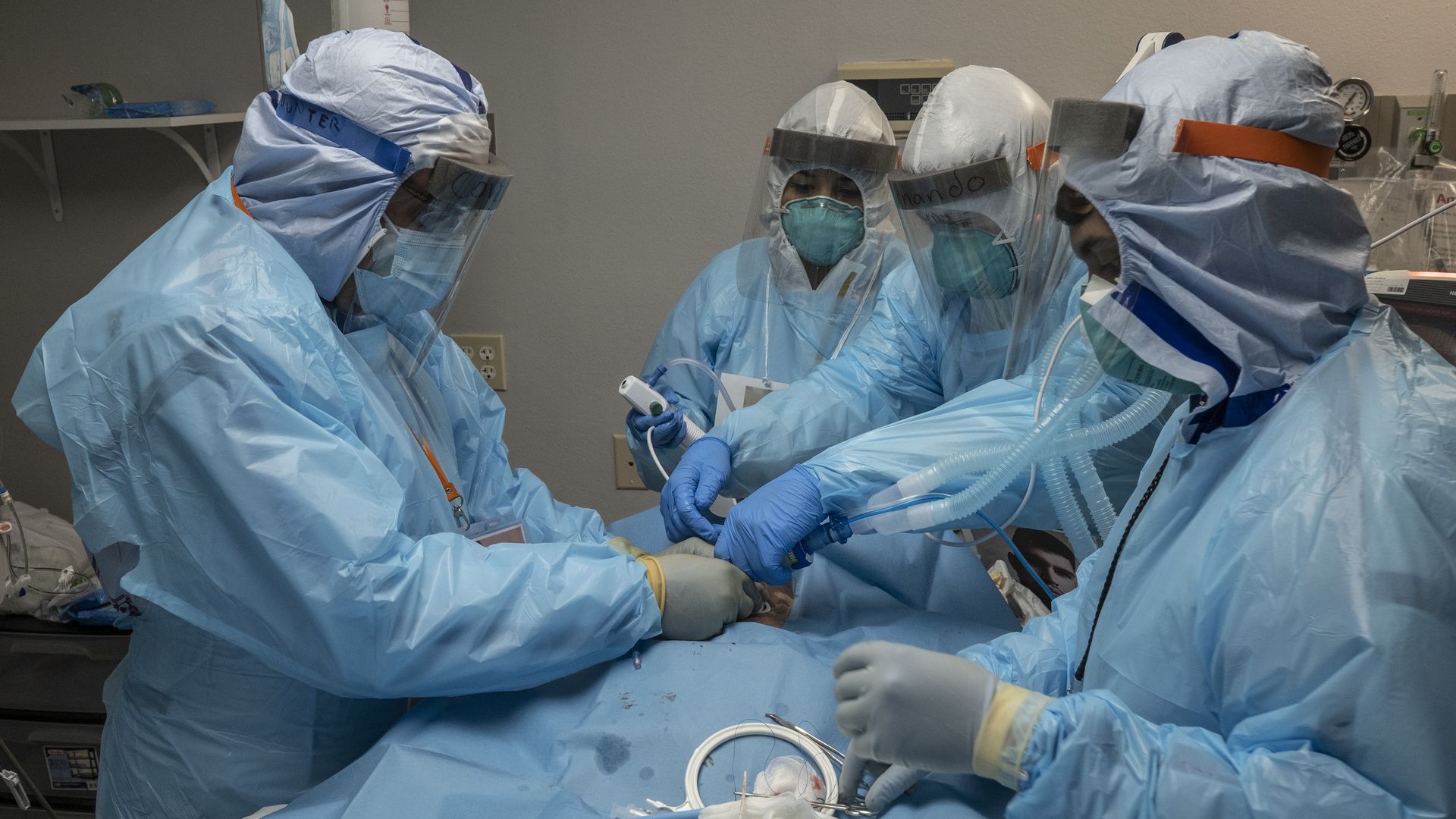
Health-care workers and nursing home residents should be at the front of the line to get coronavirus vaccines in the United States once they’re cleared and available for public use, an independent CDC panel recommended in a 13-1 emergency vote on Tuesday, per CNBC.
Why it matters:Recent developments in COVID-19 vaccines have accelerated the timeline for distribution as vaccines developed by Pfizer and Moderna undergo the federal approval process. States are preparing to begin distributing as soon as two weeks from now.
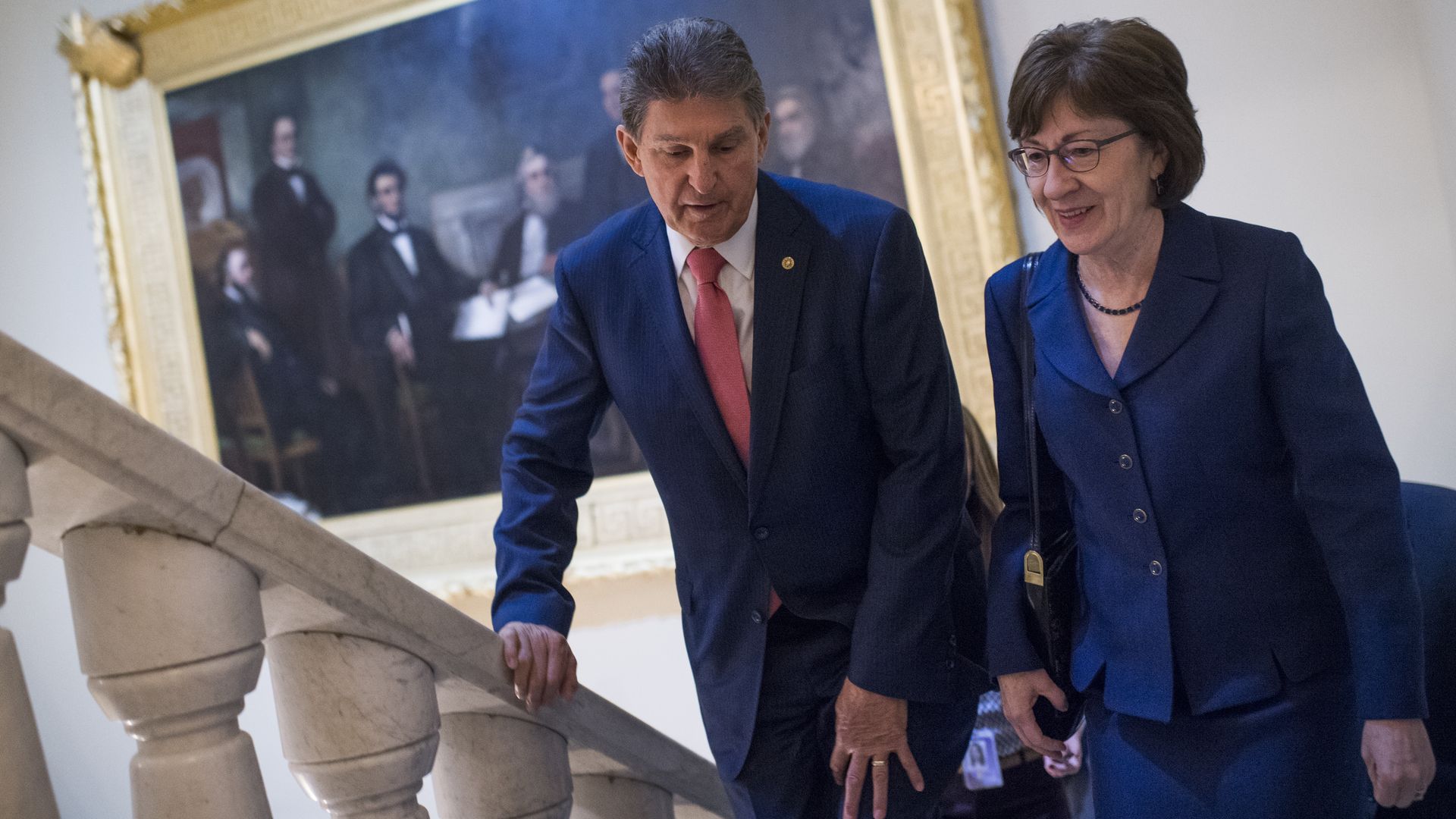
A bipartisan group of lawmakers on Tuesday proposed a $908 billion coronavirus stimulus package, in one of the few concrete steps toward COVID relief made by Congress in several months.
Why it matters: Recent data shows that the economic recovery is floundering as coronavirus cases surge and hospitals threaten to be overwhelmed heading into what is likely to be a grim winter.
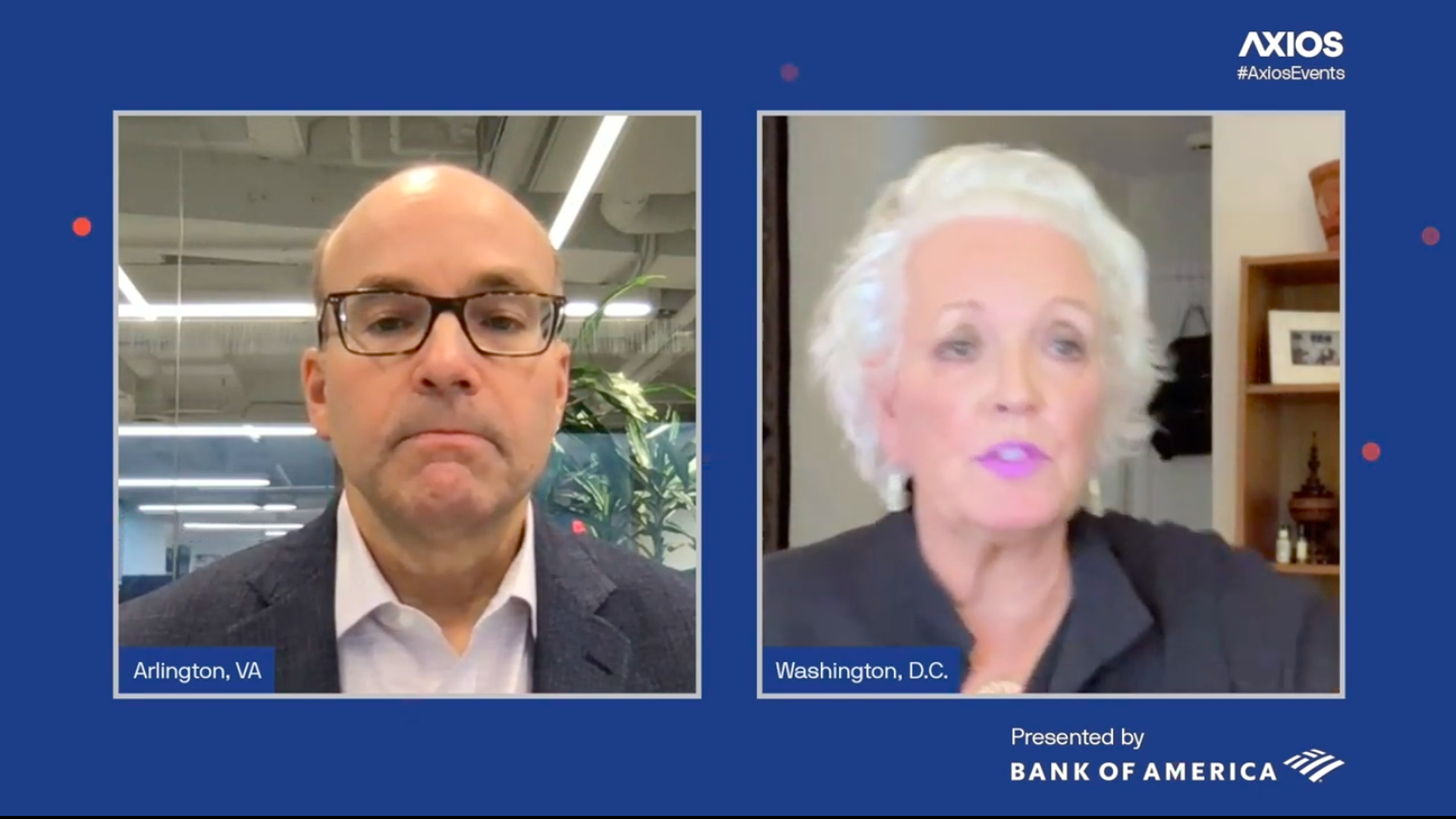
80% of The Global Fund's AIDS and HIV programs around the world have been disrupted by the coronavirus pandemic, ONE Campaign president and CEO Gayle E. Smith said on Tuesday at an Axios virtual event.
Why it matters: The pandemic has diverted resources and attention from efforts to care for patients with AIDS and HIV, malaria, and tuberculosis, as well as restricted medication delivery to regions that are the most affected, per The New York Times.
Midwives and doulas need more support from states to ensure safer births for women , as hospitals increasingly become overwhelmed during the coronavirus pandemic, "Every Mother Counts" founder Christy Turlington Burns said on Tuesday at an Axios virtual event.
Why it matters: More mothers die in the U.S. from complications during pregnancy than in any other developed country, according to a recent Commonwealth Fund analysis, as well as past reporting by NPR and ProPublica.
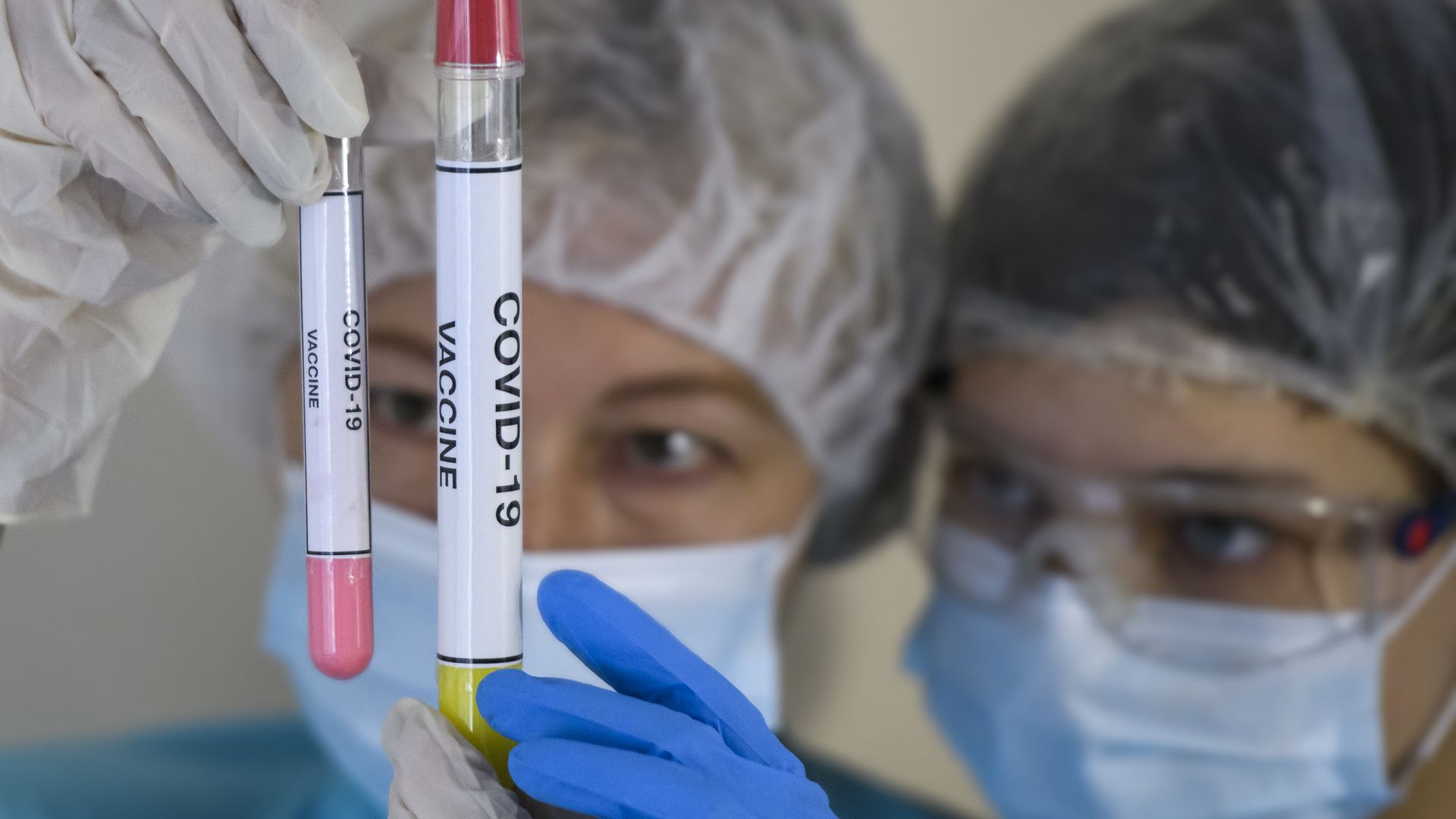
The European Medicines Agency (EMA) will meet by Dec. 29 "at the latest" to decide if the coronavirus vaccine developed by Pfizer and BioNTech is safe and effective enough to be approved, the agency announced on Tuesday.
The state of play: Pfizer and BioNTech have already submitted their vaccine for emergency authorization with the U.S. Food and Drug Administration, as well as in the U.K., Australia, Canada and Japan, per AP.
The coronavirus was likely in the U.S. earlier than scientists initially believed — and weeks before it was officially identified in China, according to a study by government scientists published in Clinical Infectious Diseases.
The big picture: "The findings significantly strengthen evidence suggesting the virus was spreading around the world well before public health authorities and researchers became aware, upending initial thinking about how early and quickly it emerged," the Wall Street Journal reports.
Governors are preparing to face one of the toughest moral choices they'll confront in office: how to allocate limited stocks of coronavirus vaccine among outsized shares of vulnerable Americans.
Why it matters: Everyone agrees health care workers need to be at the front of the line. But after that things get tricky, as New Mexico's Gov. Michelle Lujan Grisham explained in an interview with Axios.
A new study finds certain vocabulary is more effective at getting the public to take the COVID-19 pandemic seriously.
Why it matters: Much of the language being used by the government, business leaders and the media to discuss the virus politicizes the issue, even if done inadvertently. This is causing large swaths of the population to tune out of information about the pandemic, veteran GOP pollster Frank Luntz told Axios.
Seven families filed a lawsuit in California Monday, alleging that the state has failed to ensure "basic educational equality" during the pandemic, which has forced millions of students into remote learning.
Why it matters: Remote learning puts students of color and low-income students at greater disadvantages, reports show. As the U.S. continues to debate the issue of reopening schools, it's the marginalized students who are suffering the costs.