COVID-19 vaccines are being developed at record speed, but some experts fear the accelerated regulatory process could interfere with ongoing research about the vaccines.
Why it matters: Even after the first COVID-19 vaccines are deployed, scientific questions will remain about how they are working and how to improve them.
America yesterday lost 2,762 people to COVID-19, per the CDC, bringing the total pandemic toll to 272,525. That's more than the population of Des Moines, Iowa. Or Baton Rouge, Louisiana. Or Toledo, Ohio.
Axios Re:Cap speaks with Alex Goldstein, creator of the @FacesofCOVID Twitter account, about sharing the stories behind the statistics.
Pfizer and BioNTech have halved their original estimates for how many coronavirus vaccines would be shipped globally by the end of this year, citing supply-chain issues, the Wall Street Journal first reported.
Why it matters: The U.K. government has ordered 40 million doses of Pfizer-BioNTech's vaccine — enough to inoculate some 20 million people. The companies now expect to ship 50 million vaccines by the end of 2020, per WSJ.
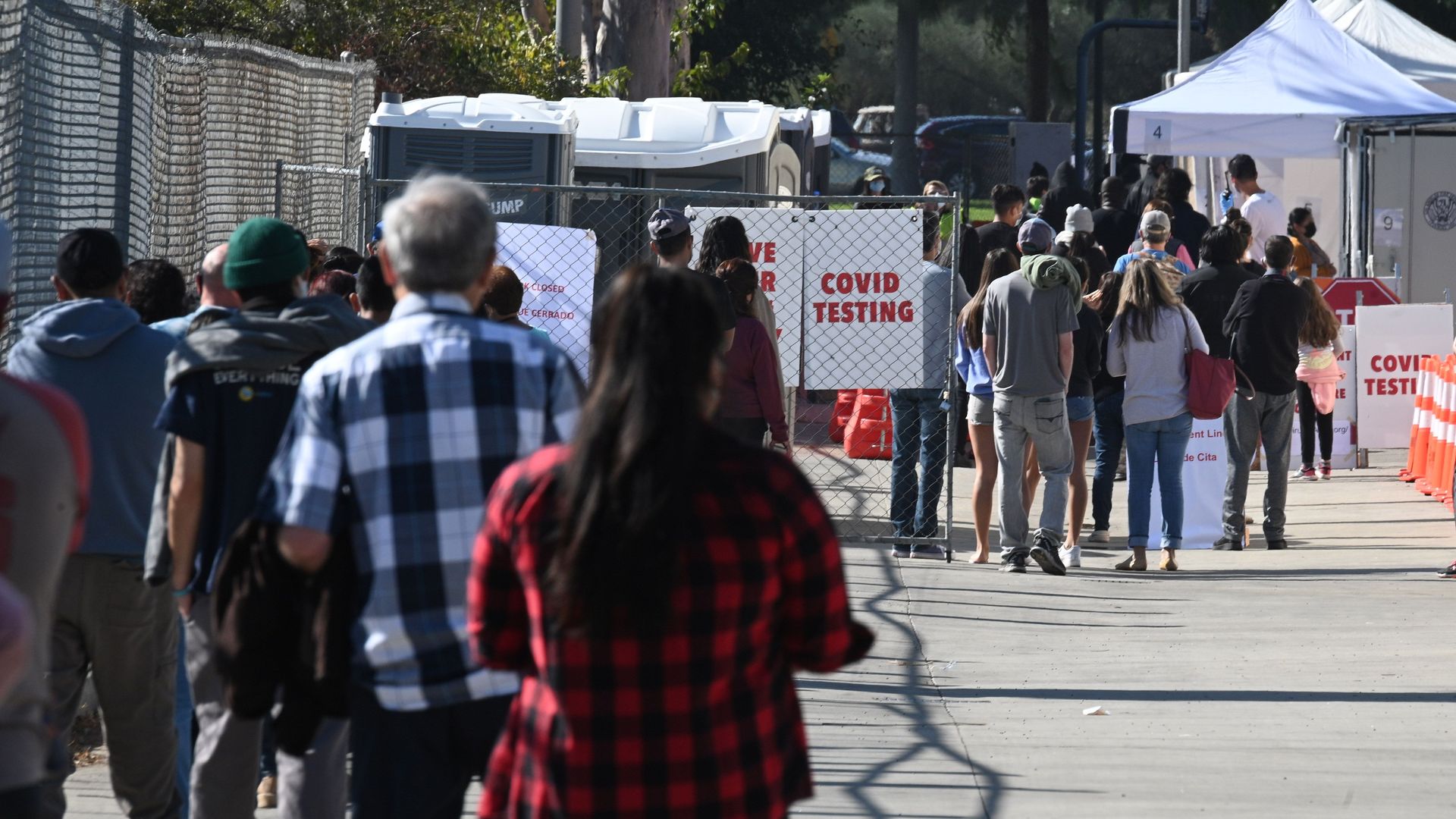
Public officials across the U.S. are issuing new stay-at-home orders while urging Americans to practice social distancing, as coronavirus infections surge at an alarming pace.
Yes, but: A growing list of politicians have come under fire for shirking (at times, their own) restrictions and advisories aimed at preventing viral spread.
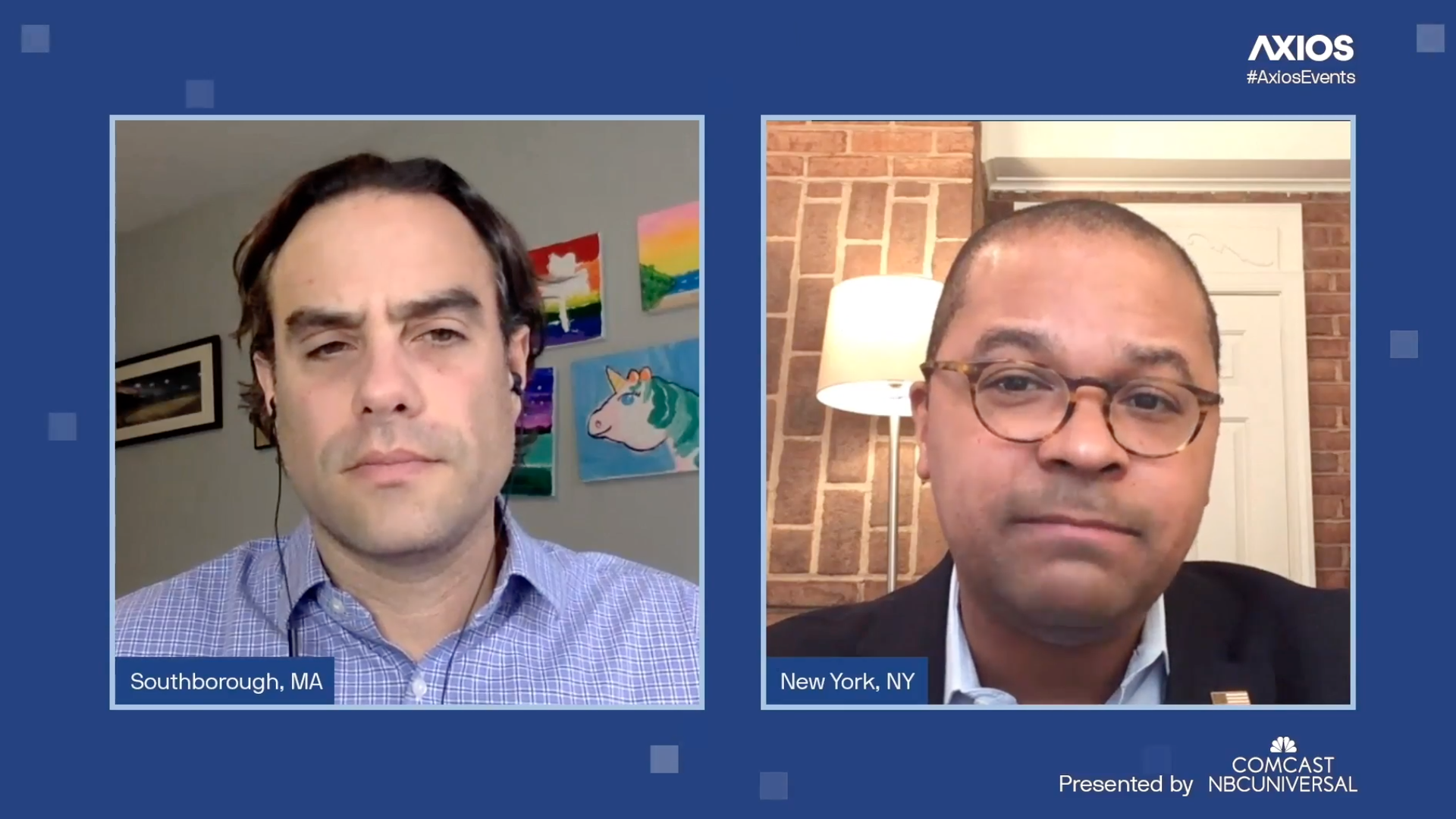
Access to broadband is essential to boost telehealth, which has skyrocketed during the coronavirus pandemic, Federal Communications commissioner Geoffrey Starks said on Thursday at an Axios virtual event on the future of broadband connectivity.
Why it matters: "Access to telemedicine and telehealth via affordable, reliable broadband is going to be extremely important to making sure that folks can safely manage their health from home," Starks said.
A global phishing campaign has been trying to gain information from organizations working to ship coronavirus vaccines since September, IBM's cybersecurity arm said on Thursday.
Why it matters: Successfully distributing a COVID vaccine will already be challenging for the U.S. and other wealthy countries, especially to rural areas with less resources — while poorer countries are expected to have delayed access.
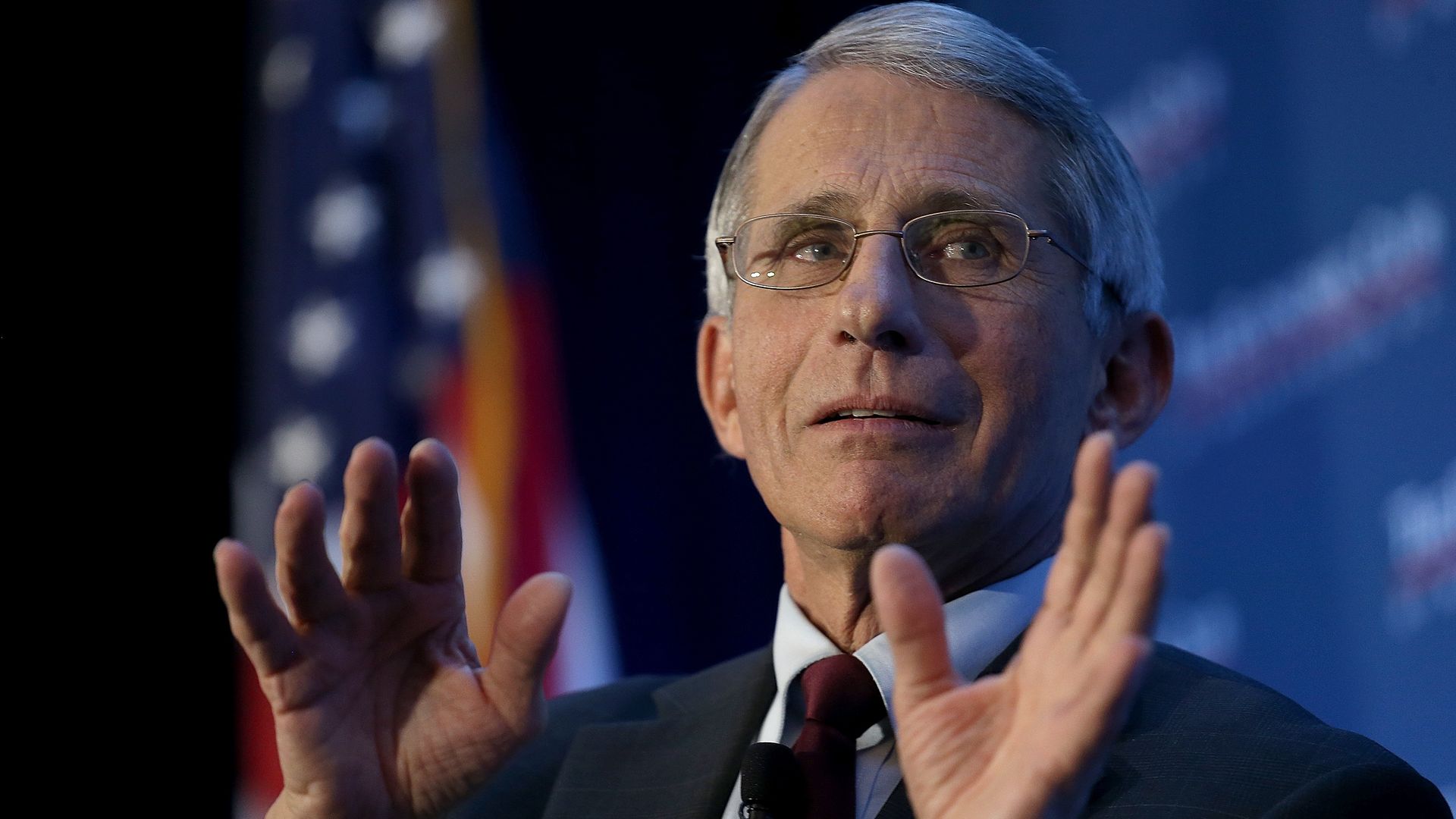
The government's top infectious-disease expert Anthony Fauci will stay on at the National Institutes of Health and plans to meet virtually with President-elect Joe Biden's transition team for the first time Thursday to discuss the coronavirus response, he told CBS News.
Why it matters: Fauci, widely viewed as one of the country's most trusted voices on the coronavirus, said it will be the first "substantive" conversation between he and Biden's team. He said he has not yet spoken with Biden directly, but has connected several times with incoming White House Chief of Staff Ron Klain.
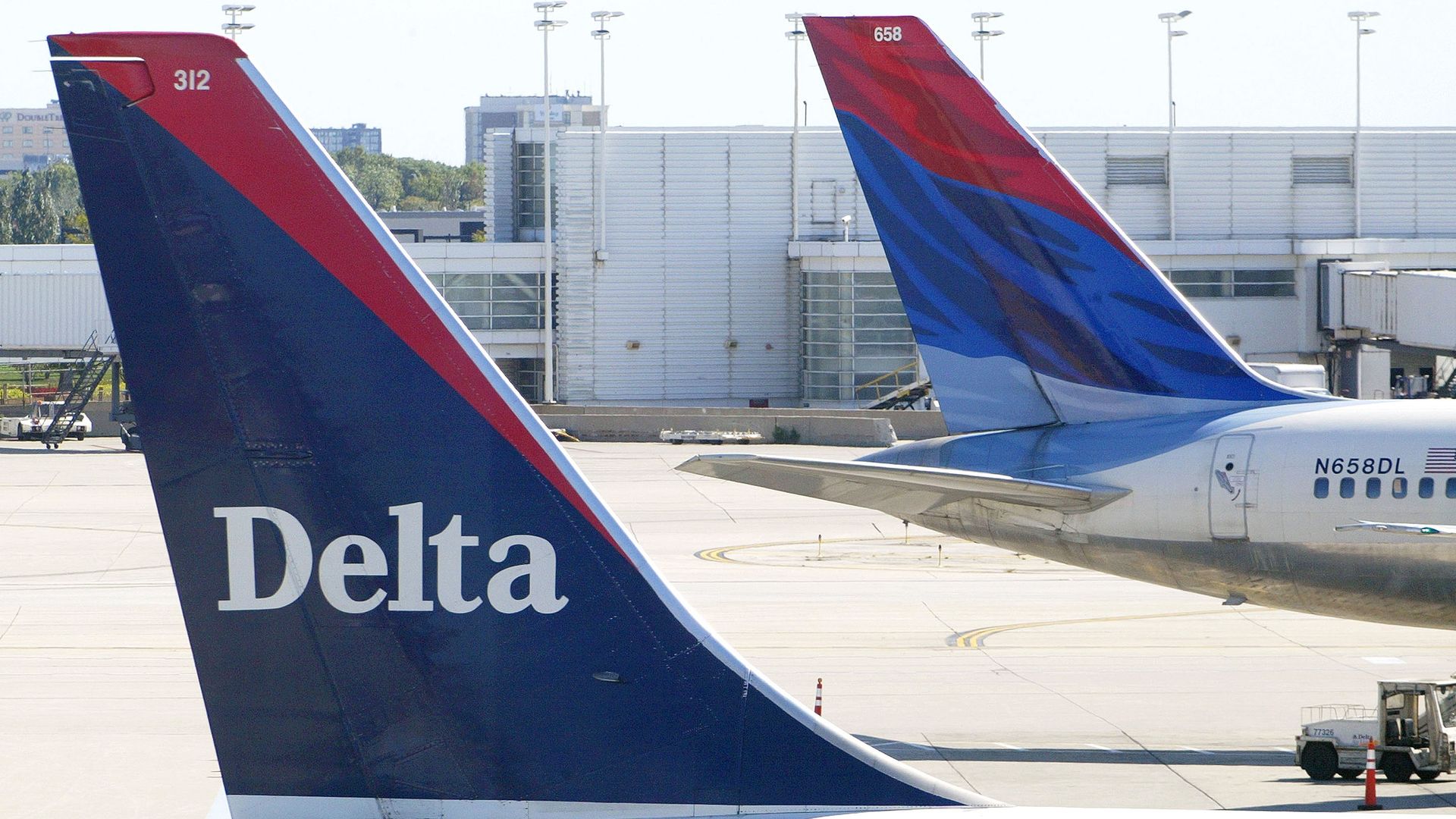
Delta will partner with the CDC to launch a contact tracing program for international travelers starting on Dec. 15, the airline announced Thursday.
Why it matters: It will become the first major U.S. airline to collect information to track the spread of COVID-19. Customers traveling to the U.S. — returning or visiting — will be asked to volunteer their names, addresses, email addresses, and two phone numbers.
Tokyo Olympic officials have discussed using a health tracking app as a measure that could allow fans from abroad to attend the Games next summer, AP reports.
The big picture: The cost of these Games, already bloated compared to the original estimate from 2013's successful bid, has reportedly increased by ~$2-3 billion due to the one-year delay.
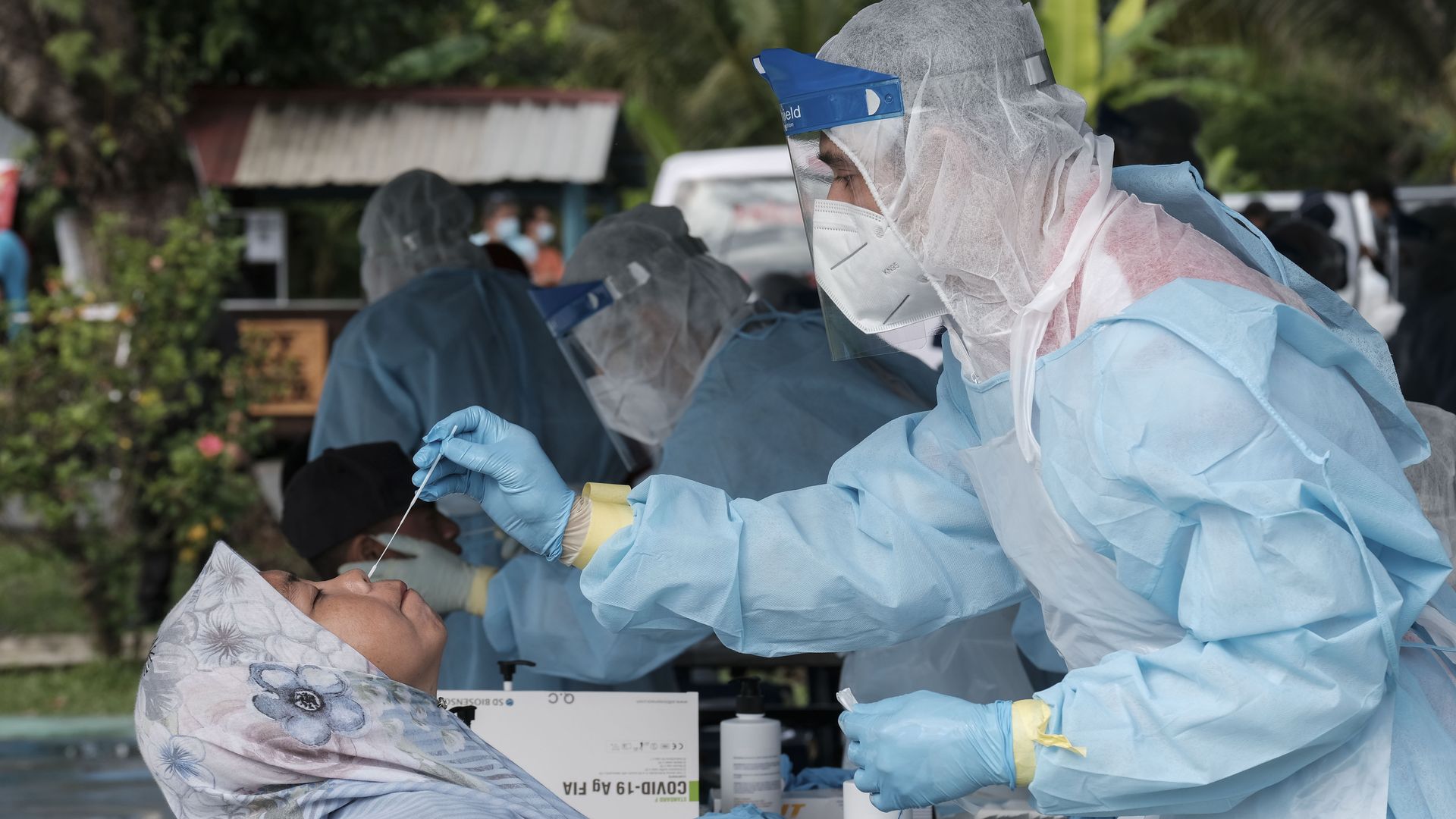
Increasing the number of coronavirus tests performed relative to a country's caseload was the strategy most associated with reducing the transmission rate of the virus, according to a new study published in Health Affairs.
Yes, but: The U.S. overall had a low testing intensity between March and June, which means that "testing mostly diagnosed and isolated the most symptomatic cases, which has limited impact on transmission."
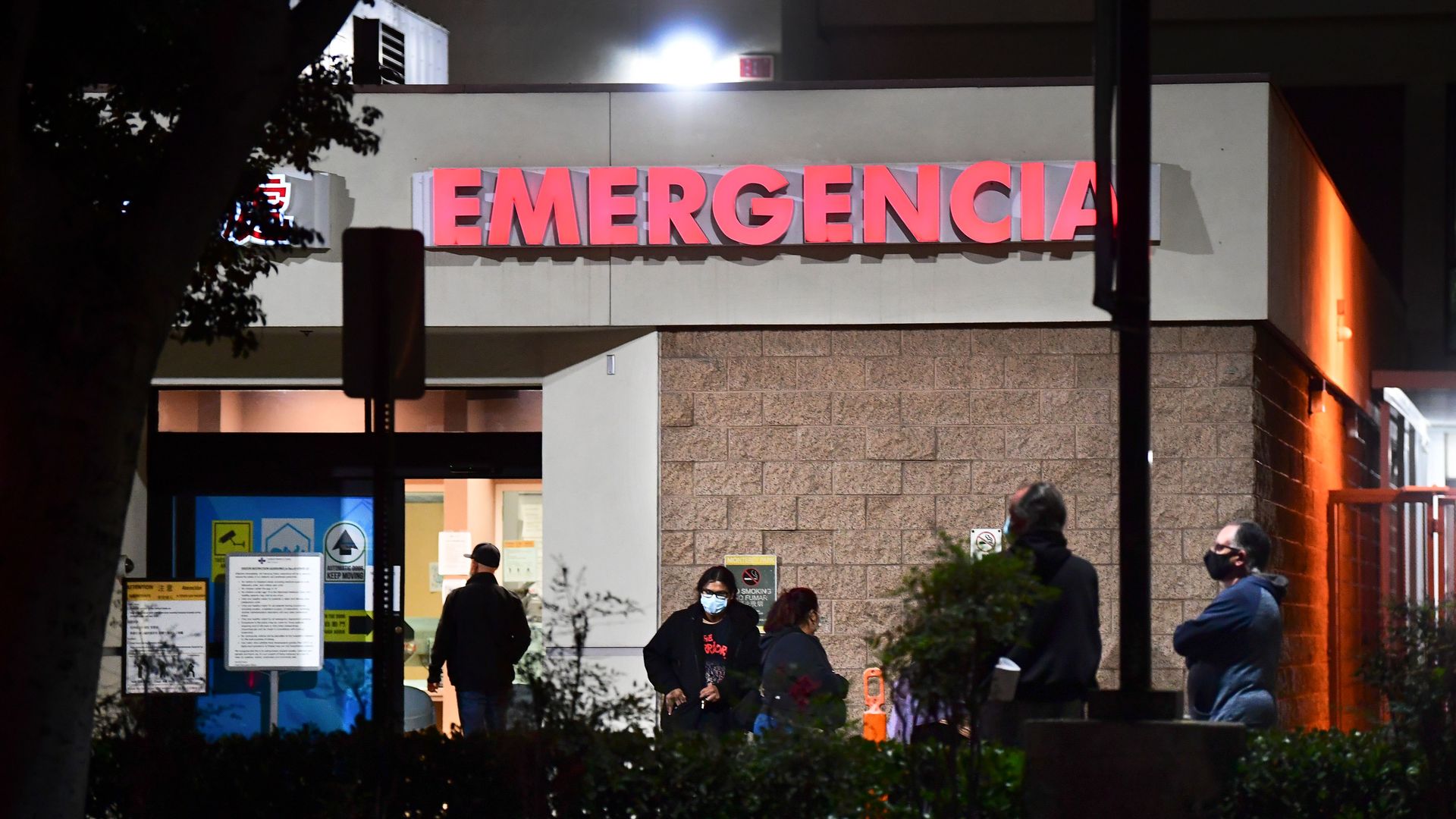
More than 100,000 Americans are now in the hospital with coronavirus infections — a new record, an indication that the pandemic is continuing to get worse and a reminder that the virus is still very dangerous.
Why it matters: Hospitalizations are a way to measure severe illnesses — and severe illnesses are on the rise across the U.S. In some areas, health systems and health care workers are already overwhelmed, and outbreaks are only getting worse.
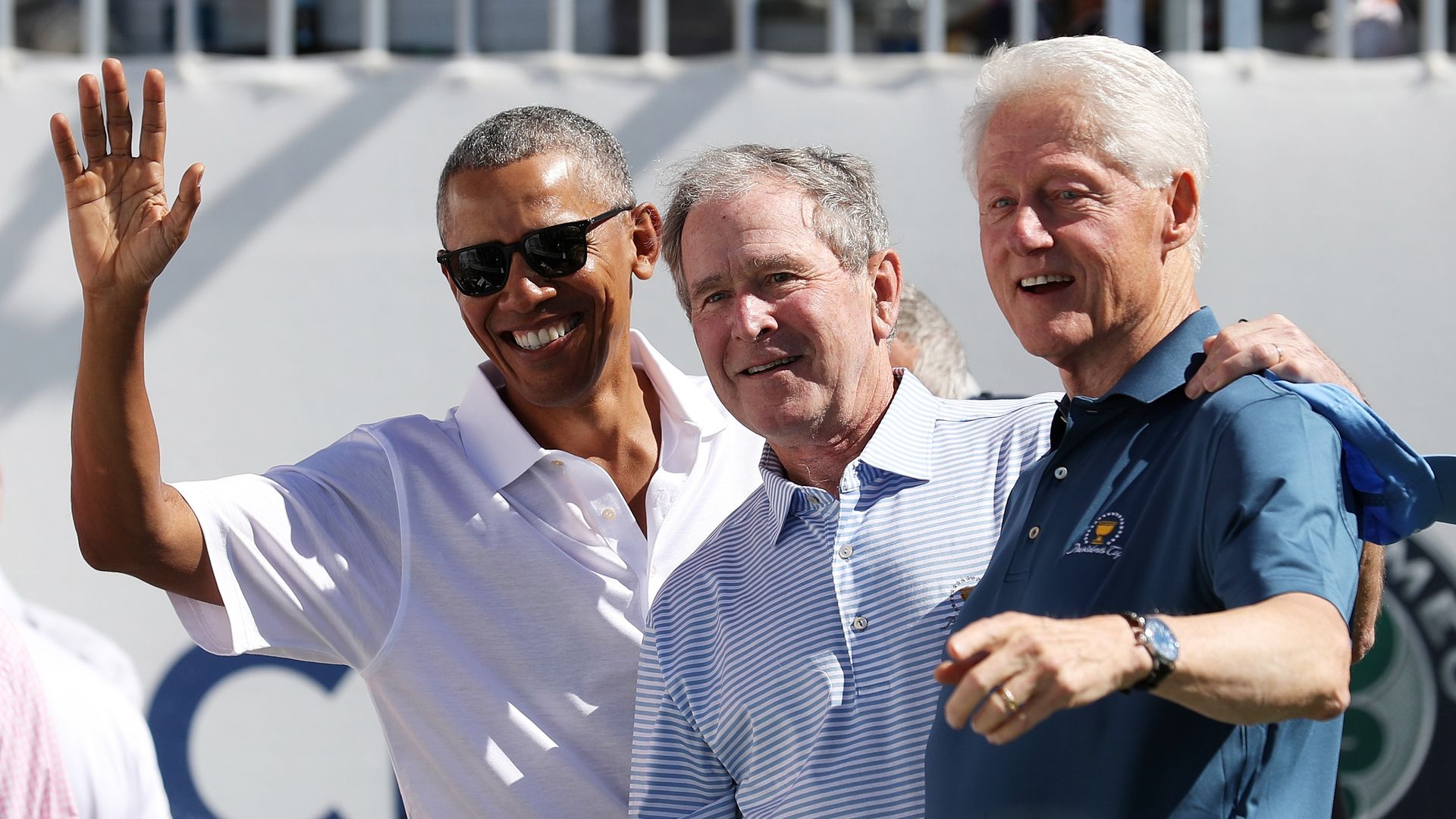
Barack Obama said during an interview on SiriusXM airing Thursday he'll take the COVID-19 vaccine and "may end up taking it on TV." Representatives for George W. Bush and Bill Clinton told CNN they'd also be willing to be inoculated in public.
Why it matters: The former presidents are hoping to instill confidence in the vaccines once authorized for use in the U.S. NIAID director Anthony Fauci has said the U.S. could have herd immunity by the end of next summer or fall if enough people get vaccinated.
The White House coronavirus task force warned states "the COVID risk to all Americans is at a historic high" and to brace for another surge following Thanksgiving, per a report that emerged Wednesday.
Driving the news: "If you are under 40, you need to assume you became infected during the Thanksgiving period if you gathered beyond your immediate household," said the report, dated Nov. 29, first published by the Center for Public Integrity.
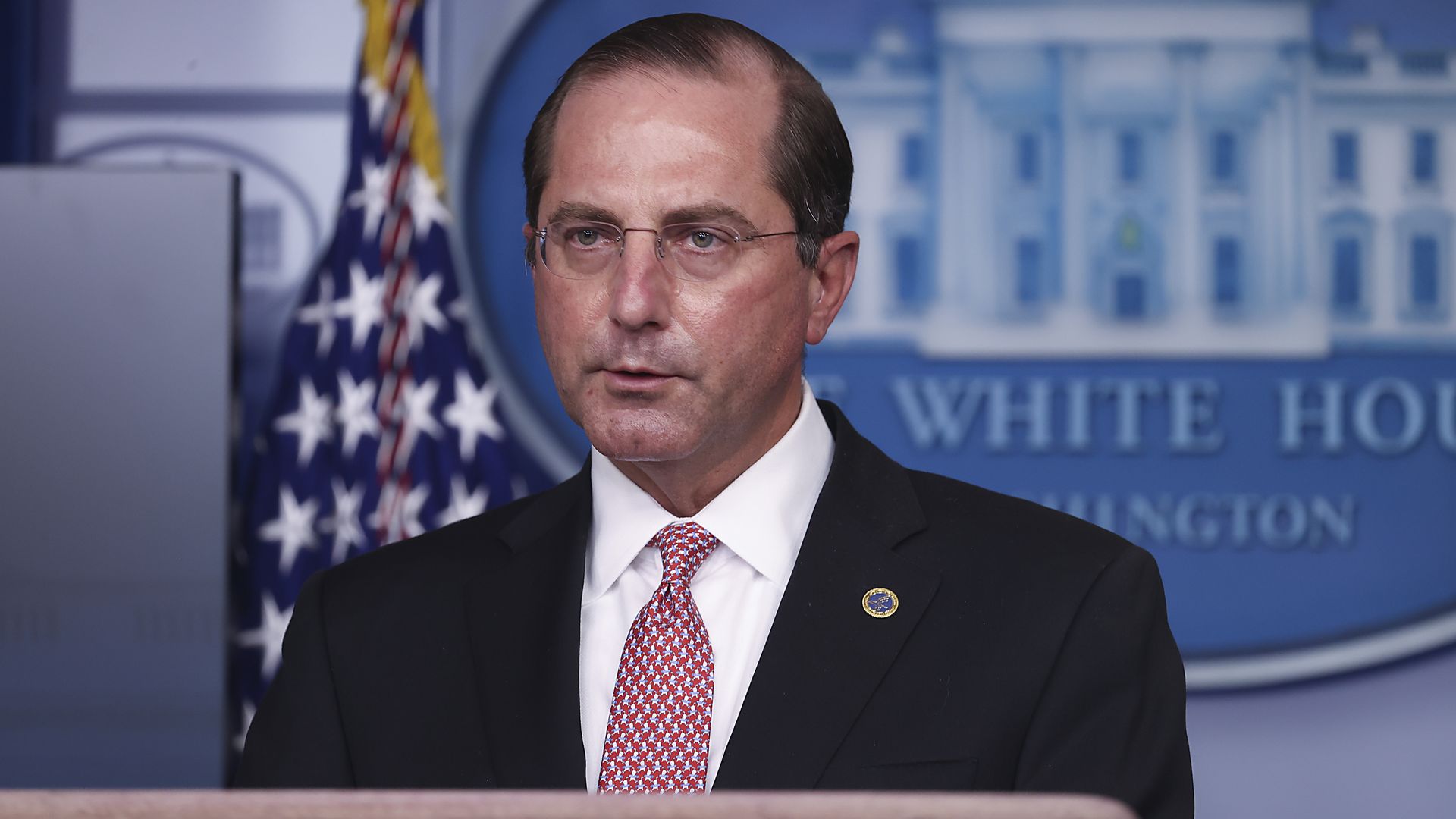
Health and Human Services Secretary Alex Azar is expected to give a speech at a special session of the UN General Assembly on Thursday that hails U.S. progress on coronavirus vaccines while criticizing — though not directly naming — China.
Why it matters: U.S. government officials are concerned that China will use the UN special session to spread disinformation about the origins of the virus and China's early missteps in handling the pandemic.
More than 100,200 Americans were hospitalized as of Wednesday due to the coronavirus for the first time since the outbreak began in early 2020, per the COVID Tracking Project.
The big picture: The milestone comes as health officials anticipated cases to surge due to holiday travel and gatherings. The impact of the holiday remains notable, as many states across the country are only reporting partial data.