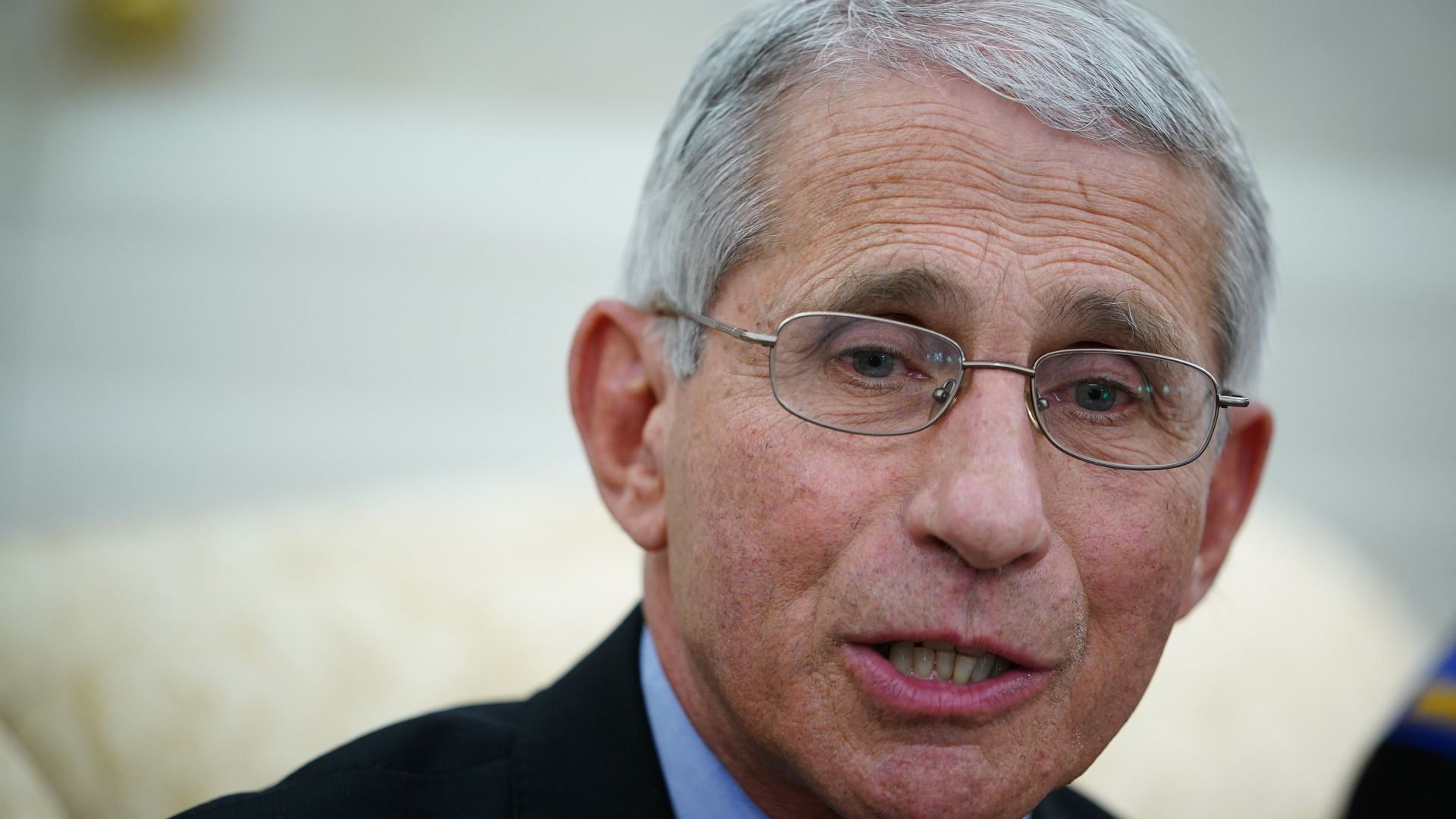
Anthony Fauci, director of the National Institute of Allergy and Infectious Diseases, is among 27 federal employees nominated for recognition of their work through Samuel J. Heyman Service to America medals.
Why it matters: "If this pandemic has taught us anything, and I hope it's taught us a lot, but if it's taught us anything, it's that government matters. The federal government matters. Expertise matters. Service matters. Experience matters," CNN's Anderson Cooper said in a live Axios Event on Thursday, before introducing the finalists.
The Trump administration’s ongoing offensive over China's handling of the coronavirus pandemic now centers on one question: Who was "patient zero?"
Why it matters: China hawks in Washington accuse Beijing of inflicting death and economic destruction upon the world with their lack of transparency around the coronavirus outbreak. They're on a mission to trace that story back to the beginning, when the first human was infected.
Author Michael Lewis knocked libertarians for their silence in the face of the coronavirus pandemic on Thursday, in an interview with CNN's Anderson Cooper at an Axios virtual event.
What he's saying: "This isn't gonna last two weeks. We're going to be living with this for a long time ... You're not hearing a lot from libertarians. Where's the Heritage Foundation, you know? They're all under a rock right now. Big corporations asking for the government to save them. All that noise has gone away."
The question of whether to deliberately infect volunteers with SARS-CoV-2 in order to test vaccines for COVID-19 is being hotly debated by scientists, ethicists and lawmakers.
The big picture: Controlled human infection (CHI) studies have been used for centuries to evaluate vaccine doses and candidates for influenza, norovirus and other diseases. But COVID-19, with its severity, novelty and unknowns, presents thorny questions for this scientific tool.
Solutions for COVID-19 are being developed at the same time as knowledge about the disease evolves, a serious challenge for doctors treating patients and for researchers trying to create vaccines and treatments.
Why it matters: What was first thought of as a respiratory infection now appears much more complex, making efforts to tackle the disease more complicated.
The novel coronavirus is the latest in a long list of pathogens that have jumped from animals to human beings, triggering pandemics that have killed hundreds of millions.
Why it matters: COVID-19 underscores the desperate need to better understand and control the intersection of animal and human health. Preventing future pandemics will come down in part to better policing the border zones between animal health and human health.
Researchers are racing to develop treatments based on antibodies to block or neutralize the coronavirus in patients, with the hopes these could be ready for possible emergency use by the fall.
Why it matters: Many experts feel antibodies from recovered patients and synthesizedantibody drugs could be important bridge treatments for COVID-19 during the months or years until a successful vaccine is available.
As COVID-19 continues to strain health systems around the country, local leaders are trying to address the mental health needs of people in their communities.
Why it matters: Unlike the physical maladies the pandemic causes, its psychological toll is often invisible, and stress tends to have a cumulative effect that may not be apparent until months after the trauma of this period.
The U.S. military is considering making a hospitalization for coronavirus a "disqualifying" condition for new recruits, reports Fox News.
Why it matters: It highlights the limited research on the long-term effects and damage of coronavirus — as a history of other viral, non-chronic illnesses does not prevent people from joining — and it comes as the military prepares for the rush of post-graduation recruits during the summer and fall.
Police departments throughout the U.S. have seen crime rates fall since the coronavirus pandemic, but shootings in some cities have surged despite stay-at-home orders.
Why it matters: Before the pandemic, mass shootings — when four or more people are injured — drove the national conversation on gun violence. But while shootings at schools or crowded places snagged the headlines, victims were in their homes 61% of the time when gunfire erupted.
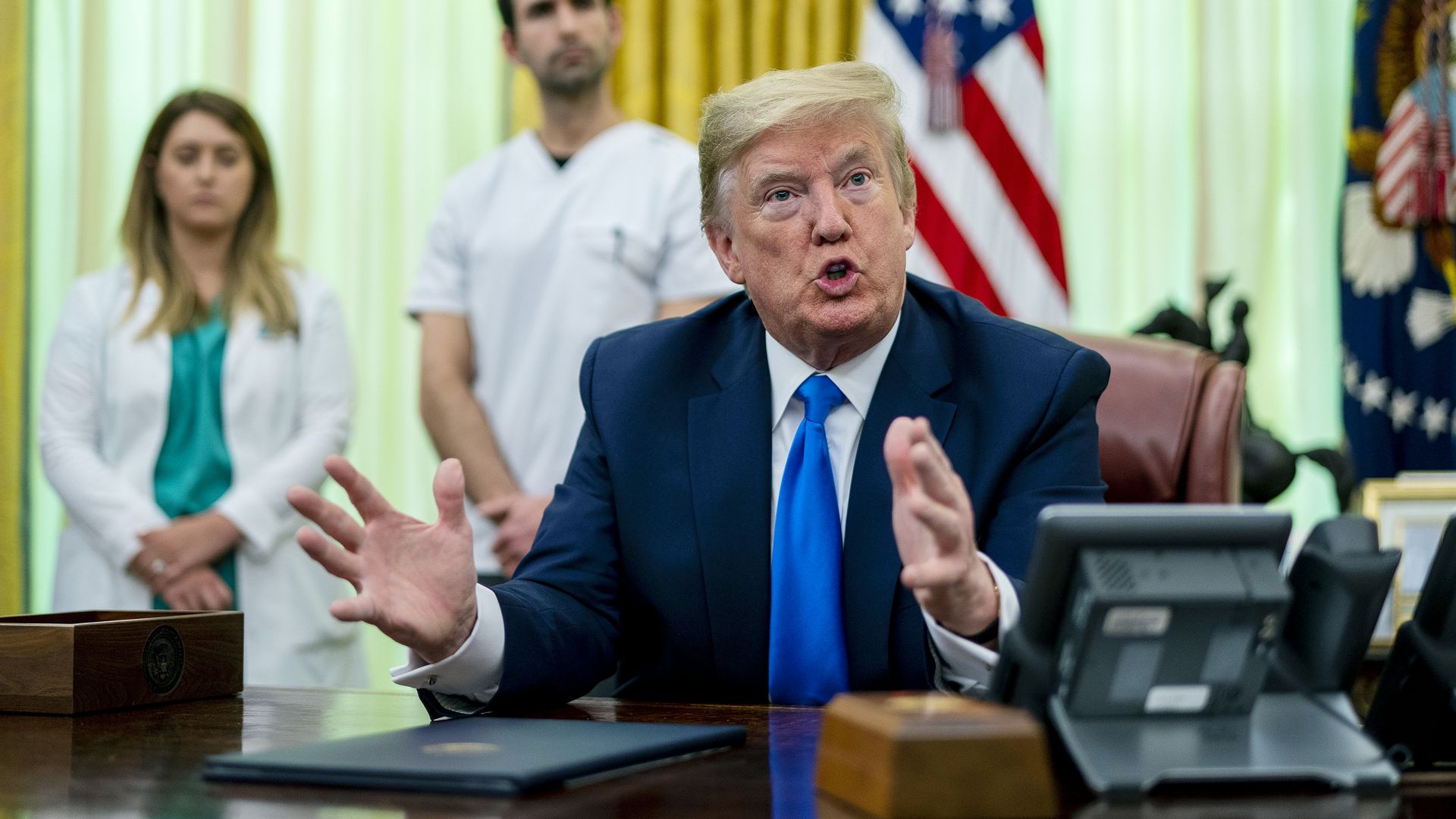
The White House confirmed on Thursday that a member of the U.S. Navy who serves as one of President Trump's personal valets has tested positive for coronavirus, CNN reports.
Why it matters: Trump and Vice President Mike Pence both tested negative after being told about their potential exposure, but the episode illustrates how close the virus can get to the president even with precautions in place.
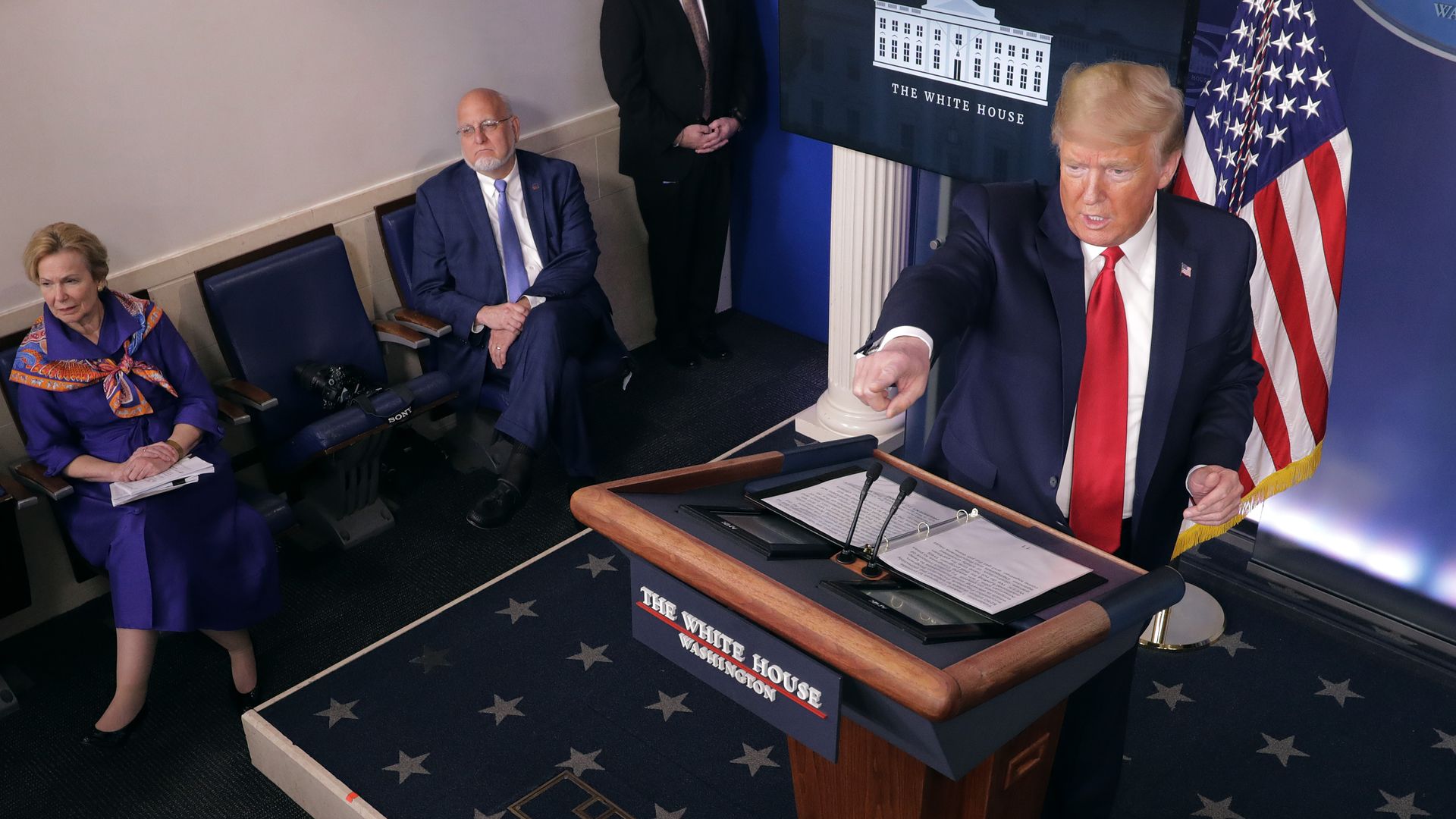
The White House coronavirus task force asked the CDC to revise a 17-page report that detailed specific guidelines for how local leaders should begin reopening cities and businesses, but never received a revised copy, sources familiar with the documents tell Axios.
The state of play: The guidelines — which a task force official says were never cleared by CDC leadership — are now being tabled for the foreseeable future.
The coronavirus crisis highlights why the security of supply of key minerals used in renewable power and electric vehicles can't be taken for granted, International Energy Agency analysts say in a new commentary.
Why it matters: Ample supplies of materials including copper, cobalt, lithium, molybdenum and more are needed for wind turbines, electric car batteries and other applications.
Federal Reserve Bank of Dallas President Robert Kaplan told Yahoo Finance Wednesday that he expects a substantial number of bankruptcies in the U.S. oil sector despite the recently expanded access to Fed's Main Street Lending Facility.
How it works: "[T]hat program will be designed for companies that would be already be creditworthy," said Kaplan, whose district has a large number of energy companies.
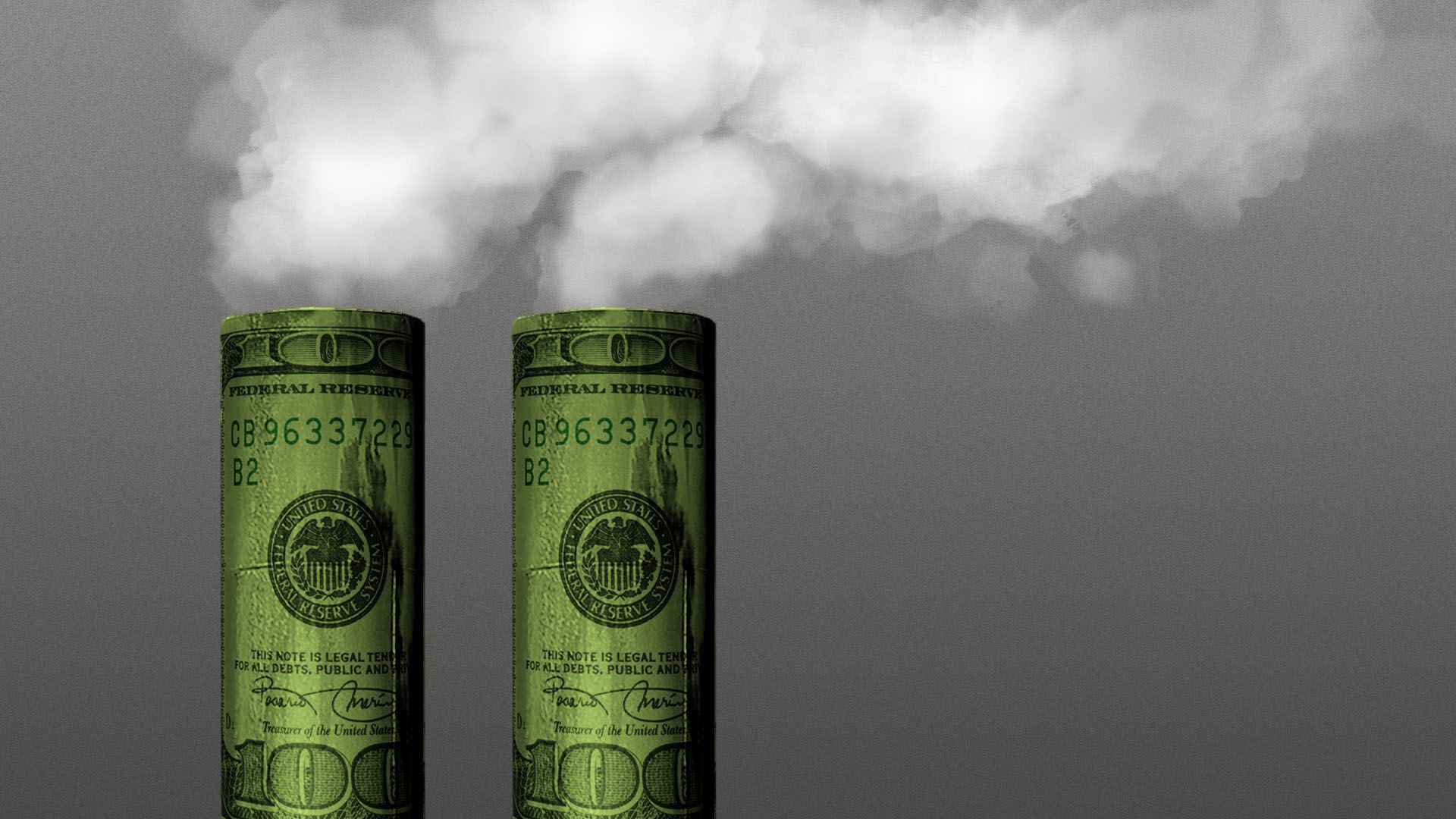
A new research initiative will track the carbon emissions effects of massive economic recovery packages that governments worldwide are crafting in response to the COVID-19 pandemic.
Driving the news: Johns Hopkins University yesterday announced plans for rigorous "climate impact assessments" of the efforts as part of a much wider set of pandemic-related research grants.
U.S. pension plans already were above their target allocation to fixed income before the coronavirus pandemic, and the outperformance of fixed income during the first quarter has further shifted the tide, a new report from eVestment shows.
Why it matters: Fewer people are participating in the stock market's gains and losses.
In the short term, the coronavirus pandemic is reducing global emissions and helping clear out smog around the world, but it may end up doing more damage to the environment in the long term.
The big picture: The pandemic is helping reduce the use of fossil fuels, but it is decreasing investments in things like wind and solar power and financial assets like green bonds, says Jessica Ground, global head of stewardship at Schroders.
"The monetary policy response to COVID-19 has been massive," Bank of America Global Research analysts write in a recent note to clients.
What's happening: Led by the Federal Reserve, which has added $2.5 trillion to its balance sheet in less than two months, all of the world's major central banks have taken extreme policy action.
With U.S. sports nearly two months into their indefinite hiatus, leagues have finally begun updating their ticket refund policies, directing teams to decide for themselves how they'd like to proceed.
Why it matters: This should give fans struggling financially amidst the pandemic a clearer path towards recouping cash in the short term.
While sports are still a long way from resuming normal schedules and staging events in front of thousands of fans, May looks to be the month when we will finally get the chance to watch real live sports on TV again.
Why it matters: For better or worse, sports serve as a barometer of how countries are handling the coronavirus.
In the age of the coronavirus, makers of one thing are suddenly turning to make other things to help fight the pandemic.
Driving the news:Automakers are making ventilators, oil and liquor companies are making hand sanitizers, and a climate-change communications group within Yale University has adapted its survey expertise to the pandemic.
The whistleblower complaint filed by former Health and Human Services official Rick Bright includes email chains that illuminate the administration's push to use chloroquine — an unproven drug that President Trump has repeatedly touted.
The state of play: In a March 17 email, HHS official Joe Hamel described chloroquine as "not a blockbuster drug for this fight, but a good drug."
With much of the world sheltering in place, there has been a noted increase in domestic violence, as experts had feared. Not all abuse is physical, though: Many abusers are using smartphones and apps to inflict additional pain.
Why it matters: Technological forms of abuse, ranging from sharing intimate photos to hacking accounts and stalking, can persist even after survivors have physically escaped their abusers.
Now that the federal government is allowing the emergency use of remdesivir for coronavirus patients, and as the world awaits final clinical data on the drug's effectiveness, a giant question looms: What will the price be?
Why it matters: Gilead's pricing decision is important on its own, but it also will set the bar for how all coronavirus treatments that come after remdesivir will be priced.
Other countries — even some hit hard by the coronavirus — are beating back their outbreaks more successfully than the U.S.
Why it matters: The number of new cases every day is holding steady in the U.S., but it's not going down — a key benchmark many other countries achieved before loosening their lockdowns and social distancing measures.
New York state's Democratic presidential primary will again be held on June 23, after a federal district judge reinstated the contest on Tuesday.
The latest: New York Attorney General Letita James requested that Manhattan's federal appeals court review the judge's order on Wednesday, Bloomberg reports.