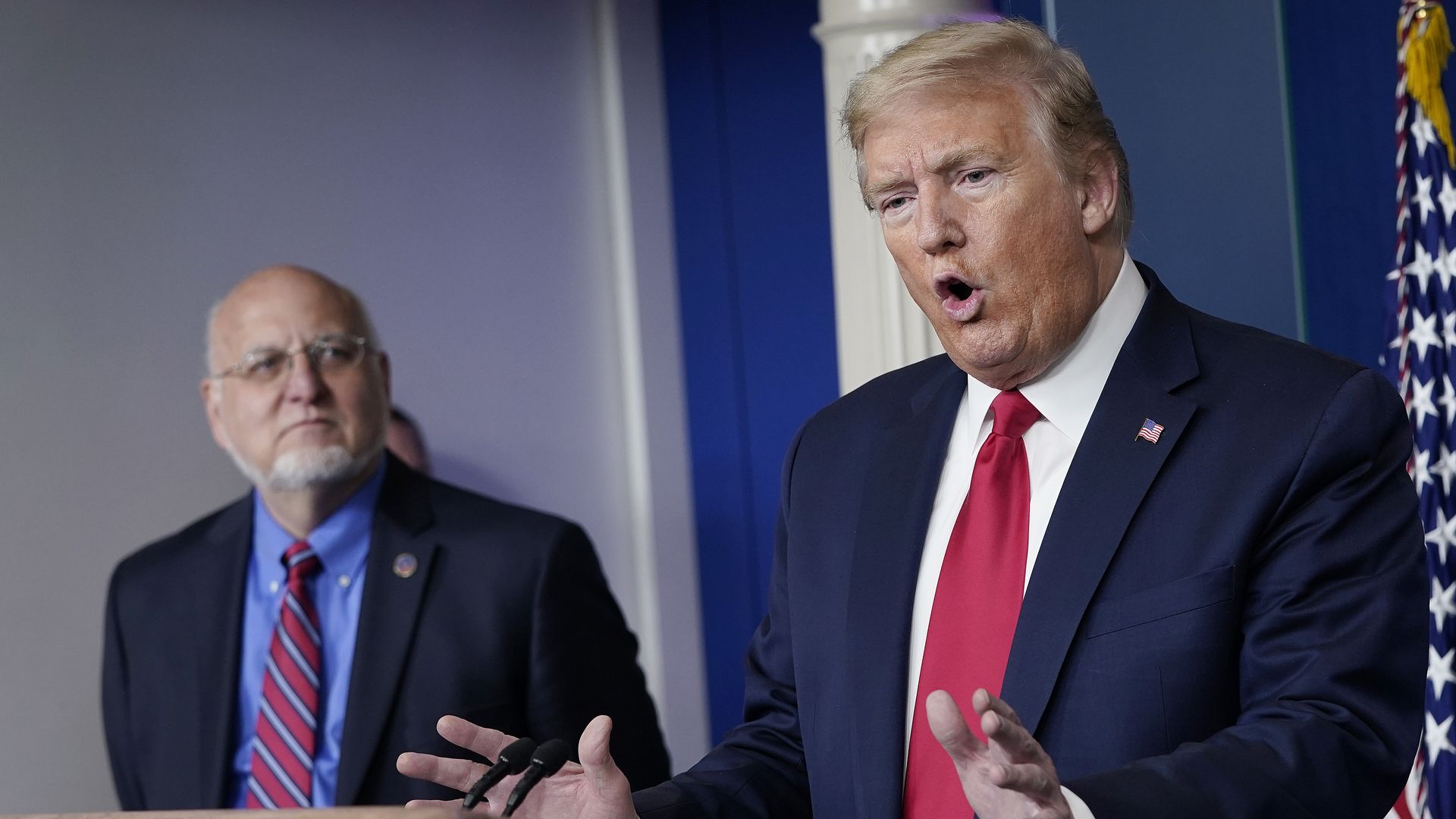
South Dakota Gov. Kristi Noem (R) threatened legal action on Friday against the Oglala Sioux Tribe and Cheyenne River Sioux Tribe if their coronavirus checkpoints are not removed within 48 hours.
The big picture: Native Americans and other people of color are more likely to become seriously ill from the coronavirus due to chronic health conditions and the effects of economic inequality, several studieshave found.
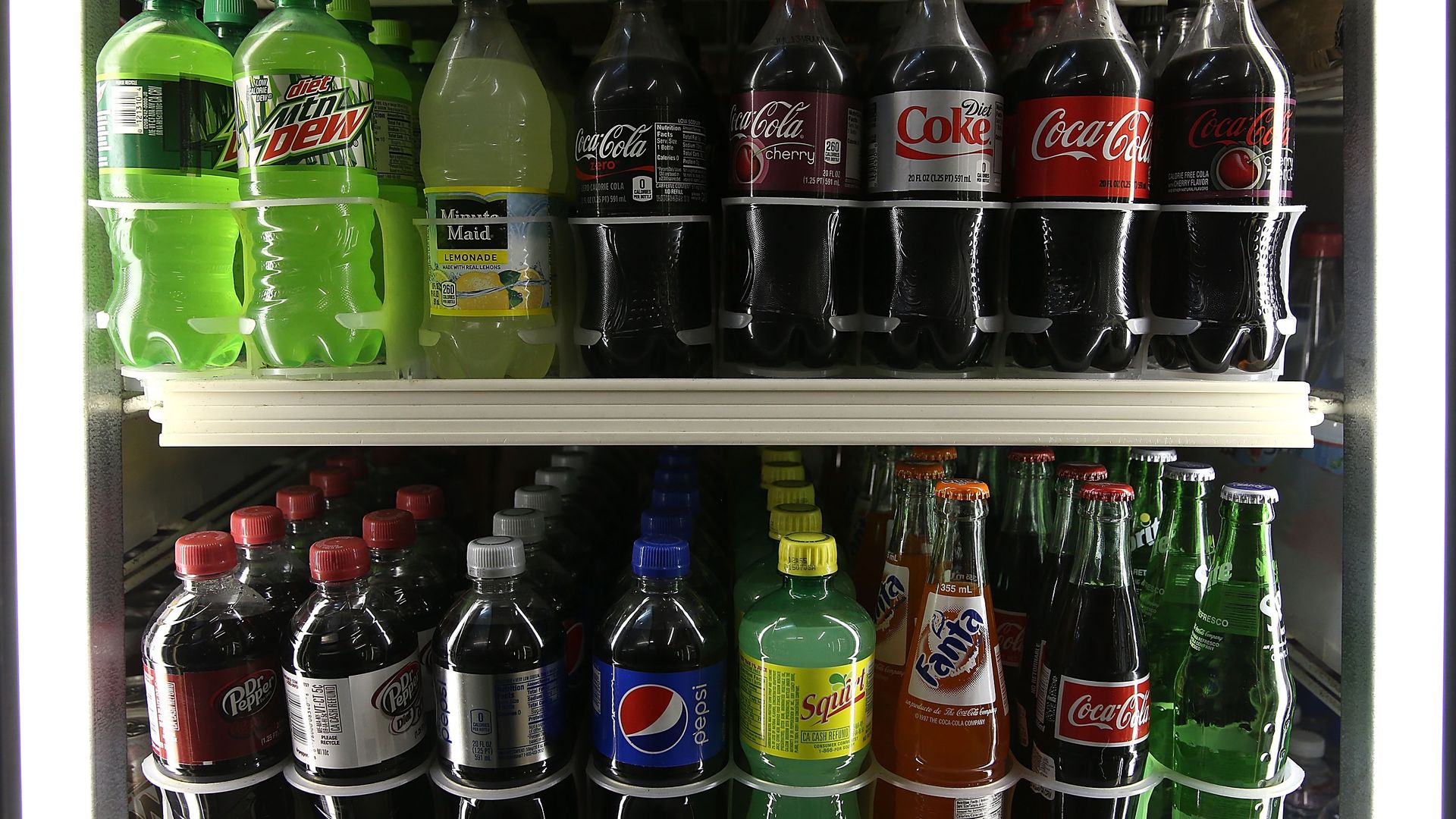
Why it matters: Obesity is one of the nation's leading health care problems and can put kids on a path to heart disease and diabetes. Adult obesity is also on the rise in the U.S.
Coronavirus pandemic-forced school closures — from kindergarten to college — will transform how teachers teach and students learn.
The big picture: Our long-held views of schools and the roles of teachers, students and parents will never be the same. That could be a good thing if we seize this opportunity to make changes that actually result in better outcomes for students and better resources for teachers.
Childcare centers are in uncharted territory as they try to figure out when — and how — to reopen without risking further coronavirus spread.
Why it matters: People can't go to work if their young kids aren't cared for, but the unknown effects of COVID-19 on children, and their role in transmitting it, adds more worry about the risks.
Many public schools that are closed by the coronavirus pandemic are still providing lunches to low-income students who would otherwise go hungry. Some are serving entire families and other community members, acting more like soup kitchens than school cafeterias.
Why it matters: About half of all U.S. public schoolchildren rely on free or reduced-price meals, a figure that is expected to rise as more parents become unemployed.
Parents are struggling with self doubt when it comes to handling behavioral issues and managing homeschool responsibilities.
Why it matters: Children and parents alike are feeling the stress of the pandemic and there is evidence it could be long-lasting. Here's some advice from experts on how to help children cope.
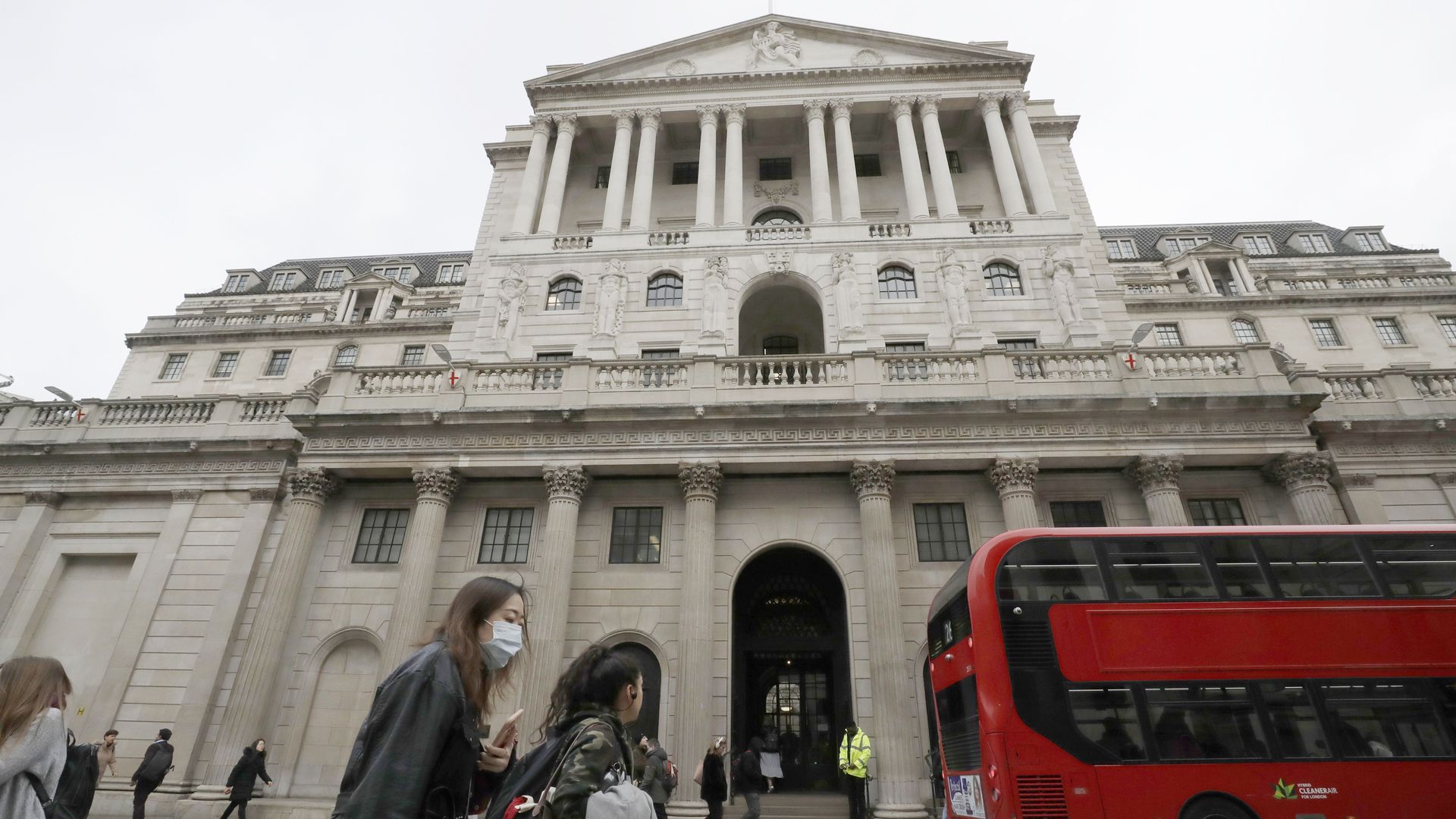
The United Kingdom is on track to enter its deepest annual recession in three centuries, the Bank of England forecast this week in its monetary policy report, the Financial Times writes.
The big picture: In March, the global market began seeing economic effects of the novel coronavirus outbreak morphing into a depression unlike any the world has seen in generations.
The U.S. saw a 24% year-over-year decline in the number of mass shootings in April, as the coronavirus kept people largely at home and businesses shuttered, according to a Bloomberg News data analysis.
Yes, but, via Axios' Marisa Fernandez:While mass shootings may have decreased, gun violence in some cities surged. The U.S. logged nearly 2,100 gun deaths between March 1 and April 19, 6% more than the same period in the past three years, per aggregated data from the nonprofit Gun Violence Archive.
The Food and Drug Administration on Friday authorized a new coronavirus antigen test produced by Quidel Corporation, a California-based diagnostic testing company.
Why it matters: Antigen tests deliver results quickly and are relatively easy to produce, though their results are less accurate than the standard tests the U.S. has been using so far.
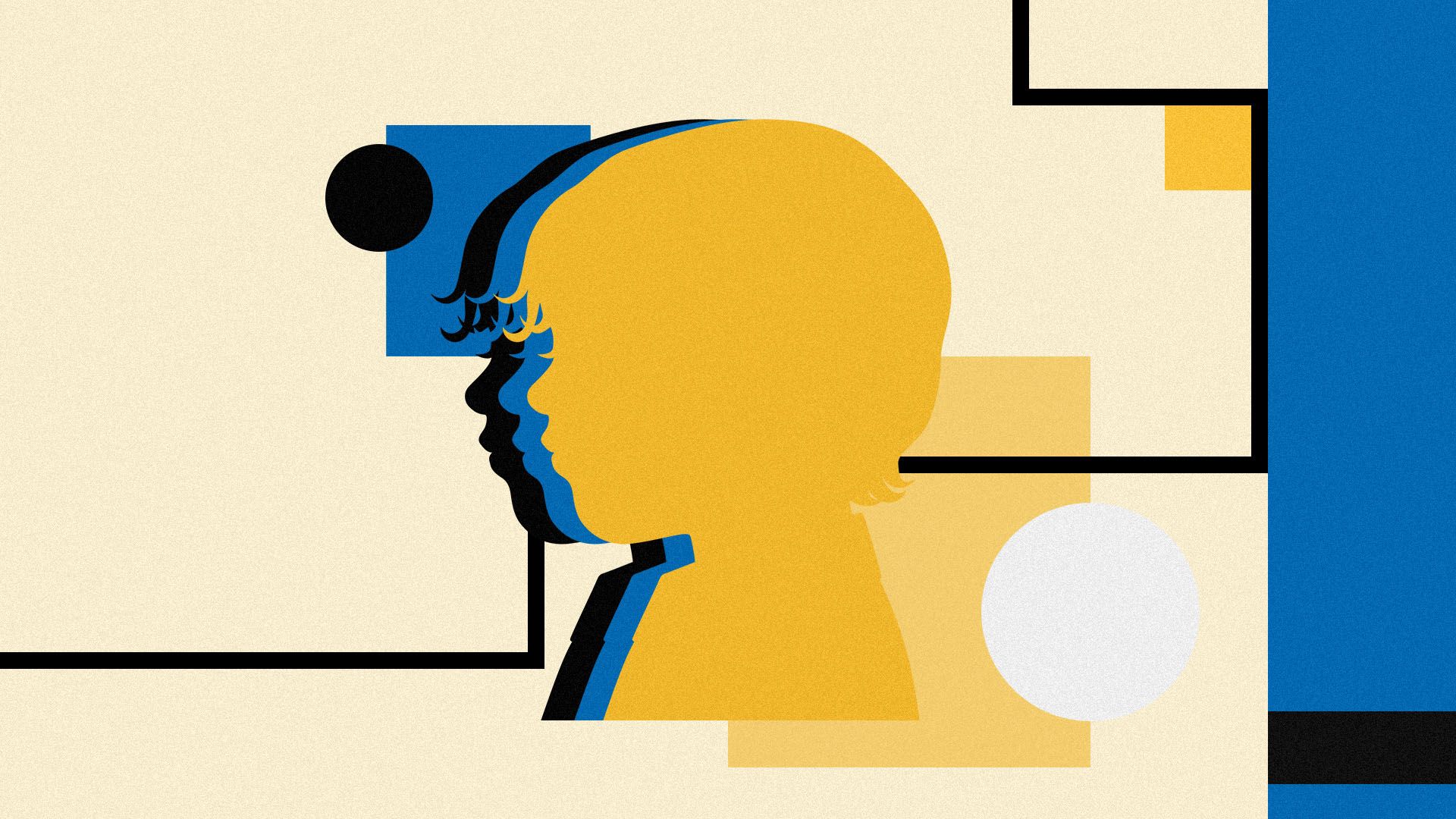
Experts fear children will be suffering from the psychological effects of the pandemic for decades — even down to the level of their genes.
Why it matters: Children are not exempt from the stress associated with the pandemic and its accompanying economic shock, and we could be reckoning with the scars of the experience for generations.
From rising poverty rates to worsening hunger to renewed conflict, the COVID-19 pandemic threatens to put a halt to decades of remarkable progress for the world's population.
The big picture: The story of humanity in the postwar era and even further back is largely one of success, of longer lives, lessened poverty, and greater freedom. But the unprecedented shock of the coronavirus could change much of that — unless the world's governments act quickly to protect the most vulnerable.
Why it matters: The mixed messaging is more evidence of the struggle between the CDC, which typically handles public health crises, and the White House coronavirus task force, which the president has made clear will shift its focus to reopening the country.














/2020/05/08/1588947680986.gif?w=3840)