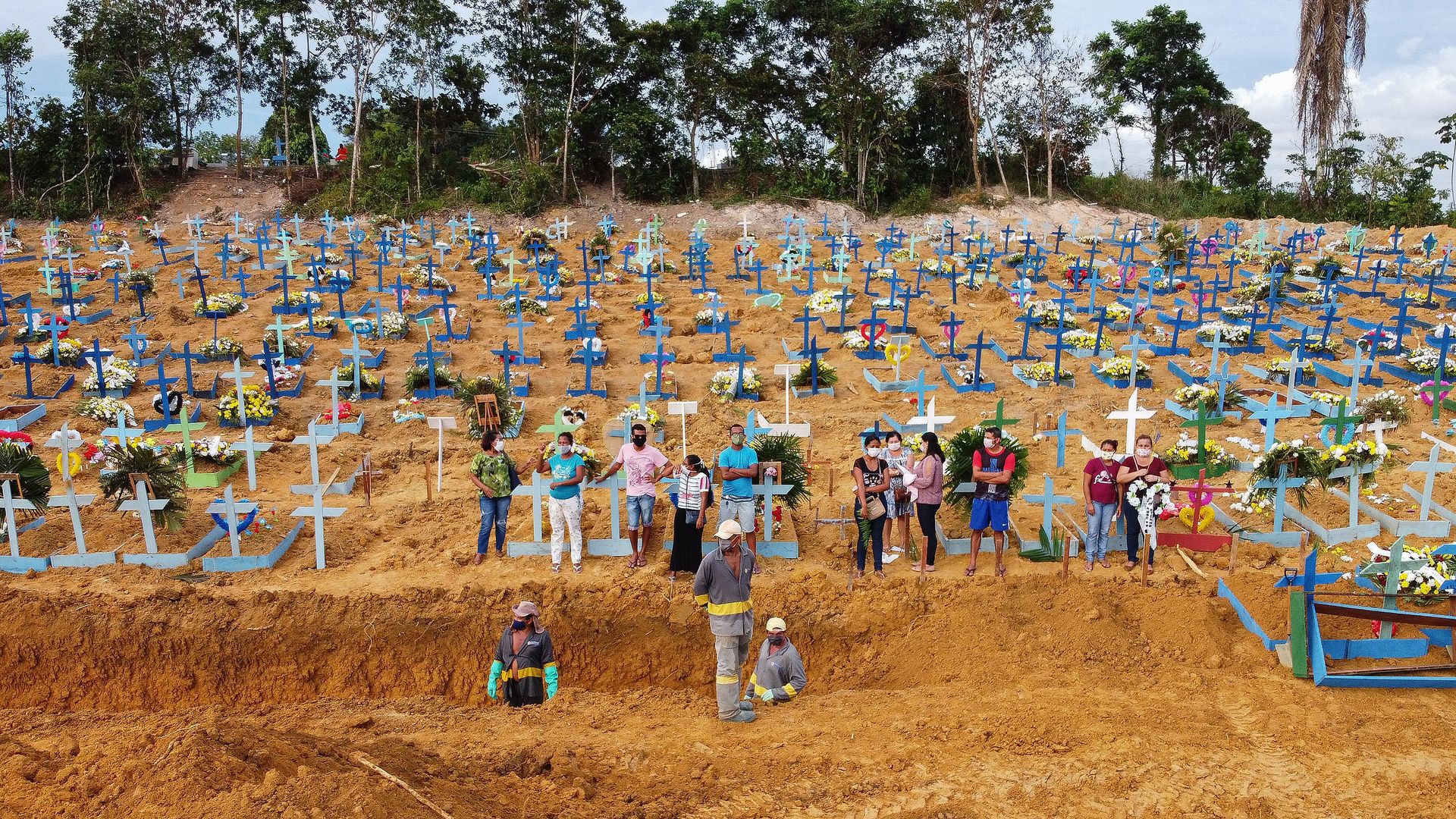
Brazil and Ecuador have become coronavirus epicenters in Latin America, as prolonged lapses in tracking and testing have led to severely undercounted death tolls, the Washington Post and the New York Times report.
Where it stands: Brazil's health minister, appointed by far-right President Jair Bolsonaro last week, said the government plans to buy 46 million tests, but has not detailed when they will arrive or be distributed, per the Post. Authorities in Ecuador, including the country's president, believe the national death toll is much higher than currently reported.
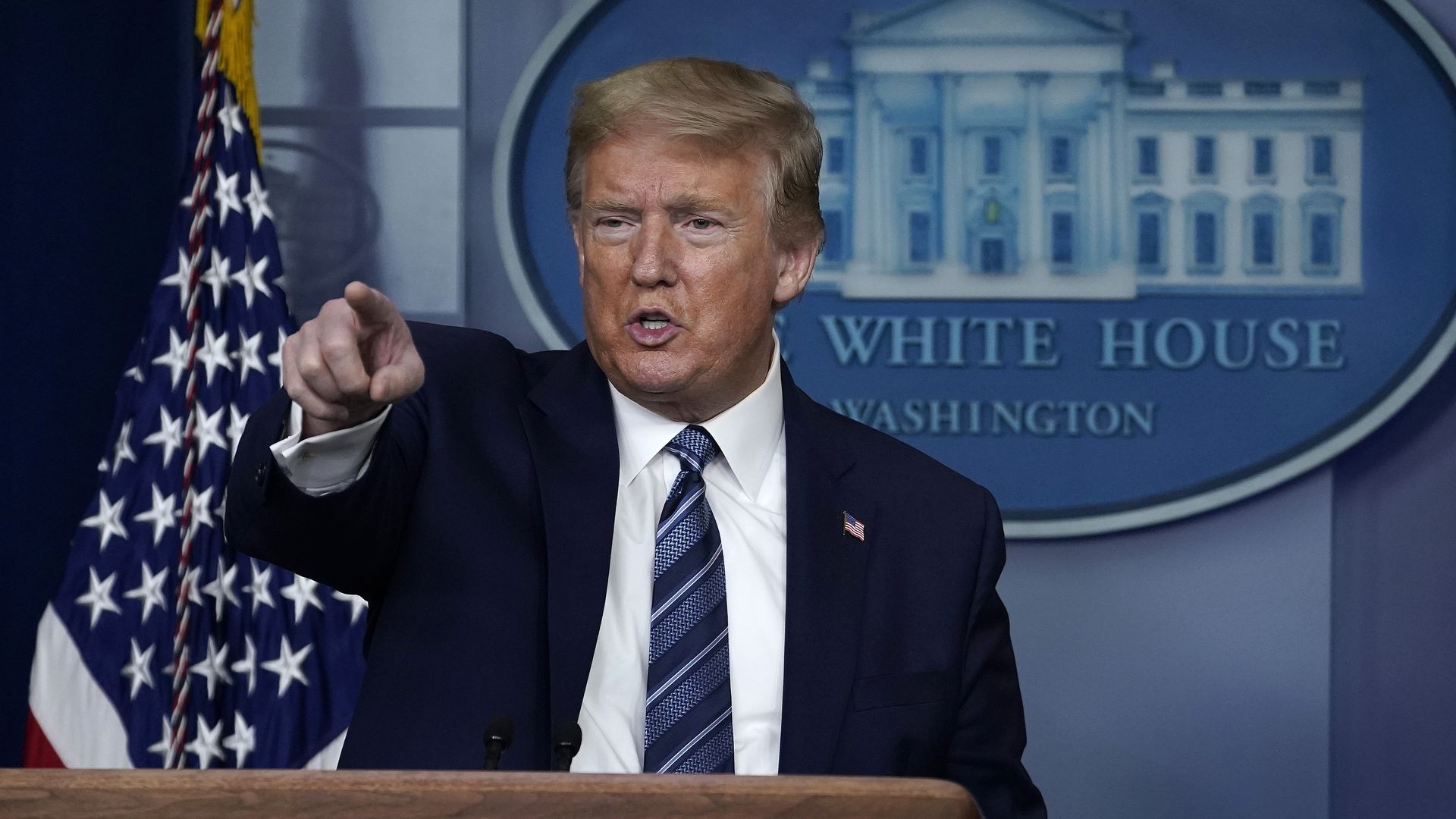
President Trump said at a press briefing that he disagrees with Anthony Fauci's assessment that the U.S. is "just not there yet" in terms of reaching the testing capacity needed to reopen large parts of the economy.
Why it matters: Fauci is the nation's top infectious diseases expert and is among the most trusted voices on the White House's coronavirus task force.
Google plans to cut its marketing budgets by as much as 50% for the second half of 2020, CNBC reports, citing internal emails from the company.
The big picture, via Axios' Ina Fried: Google is doing what most big tech companies are or will be doing soon — looking for budget cuts that can mitigate the coronavirus fallout, with marketing expenses likely to be on the chopping block.
In the race to create a vaccine for the novel coronavirus, some researchers are testing new approaches they hope can ultimately produce vaccines in months rather than years.
Why it matters: The global COVID-19 outbreak is a harsh reminder of the urgent need to be able to vaccinate large swaths of the population fast — in this pandemic and the next.
A likely coronavirus scenario:More inequality among schoolkids, made worse the longer they're not in classrooms.
Why it matters: Summer breaks already require some kids to do more catchup than others, and many students won't return to schools until the fall — at the earliest.
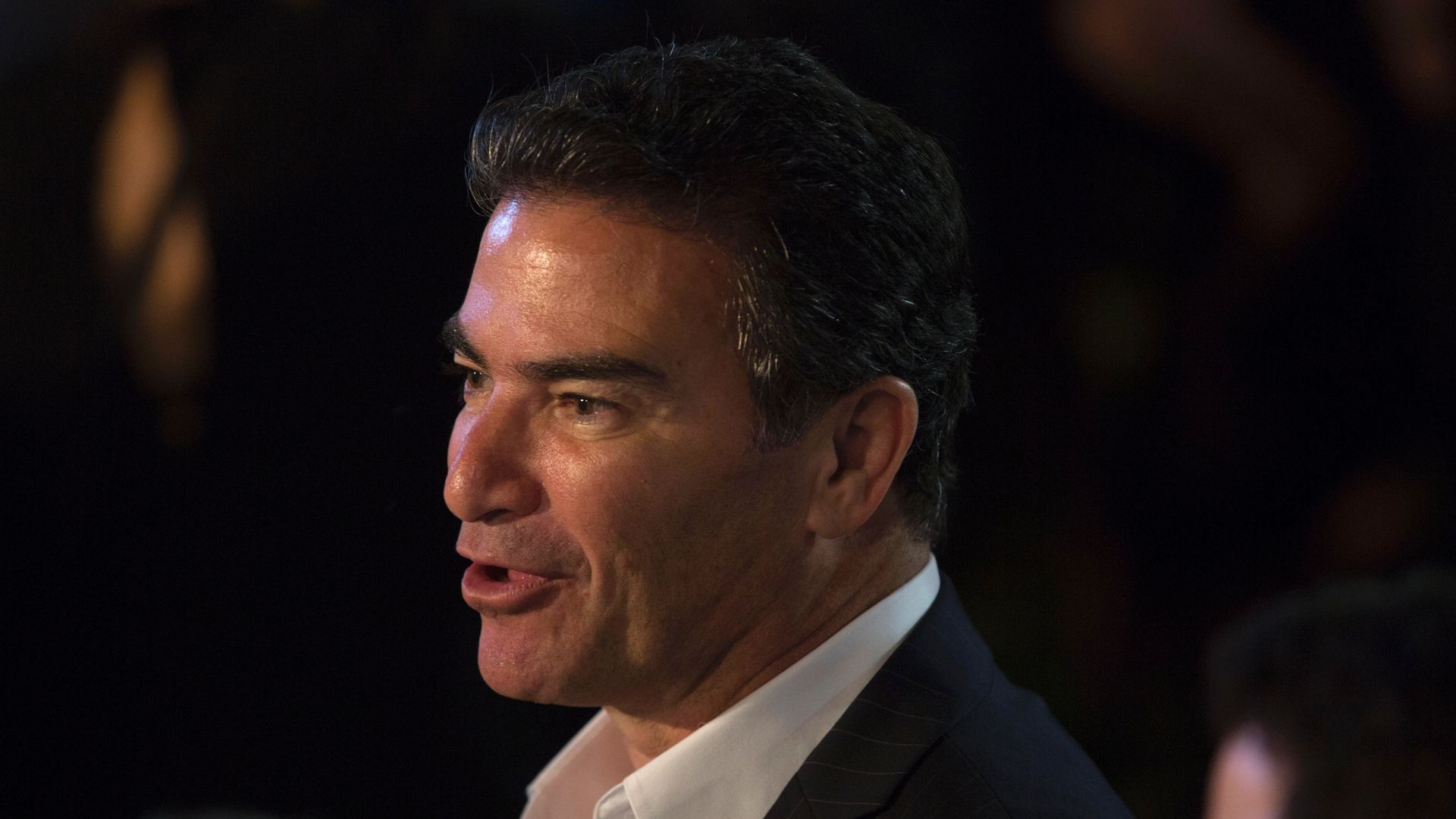
The director of Israel's foreign intelligence agency, Mossad, said in a briefing to health care officials on Thursday that Iran and its regional allies are intentionally underreporting cases and deaths from the coronavirus, officials who attended the event tell Axios.
What he's saying: According to officials who attended the briefing, Mossad Director Yossi Cohen said the situation in Iraq, Lebanon, Syria and Iran is much worse than the governments of those countries publicly acknowledge.
Bankruptcy is not an option for sovereign borrowers. That's not a big problemfor countries like the U.S. that can borrow unlimited amounts in their own currency.
Yes, but: It's a huge problem for most countries that need to fund their coronavirus response while also servicing existing debts. For those countries, one solution is the creation of new obligations issued at a super-sovereign level.
What to do about the billions of dollars of non-payroll liabilities that can't or shouldn't be paid? In normal times, companies file for bankruptcy protection when they can't pay their debts — but these aren't normal times.
The big picture: The costs of bankruptcy are enormous. It is a huge burden on the court system, it can last for years, and it tends to destroy institutional capital. Few companies come out of it unscathed, with a motivated and largely intact workforce.
Tyson Foods said Thursday it's closing a beef plant in Washington state indefinitely as workers undergo coronavirus testing, warning in a statement that "the closure will mean reduced food supplies."
Why it matters: The facility in Pasco, Wash., produces enough beef in one day to feed four million people, according to Tyson. At least 12 meatpacking plants and three processed food plants have now closed due to the coronavirus, according to data collected by the Food and Environment Reporting Network (FERN).
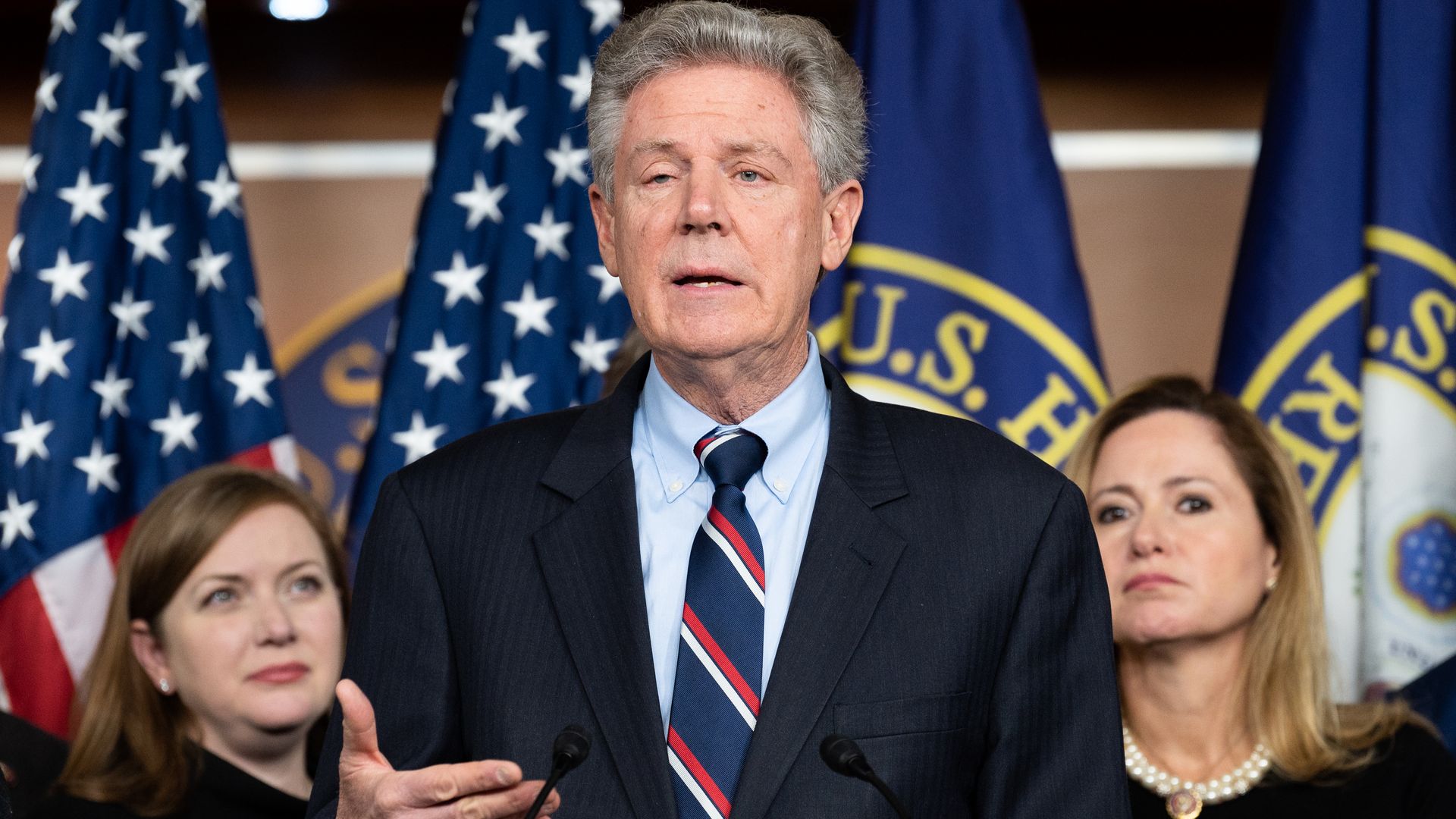
House Energy and Commerce Committee Chair Frank Pallone (D-N.J.) sent a letter Thursday requesting that the Department of Health and Human Services' inspector general investigate the removal of a doctor leading the federal agency tasked with developing a coronavirus vaccine.
Driving the news: Rick Bright, director of the U.S. Biomedical Advanced Research and Development Authority, claimed his removal was retaliation for his attempts to limit the use of chloroquine and hydroxychloroquine — drugs touted by President Trump and his allies — to treat the coronavirus.
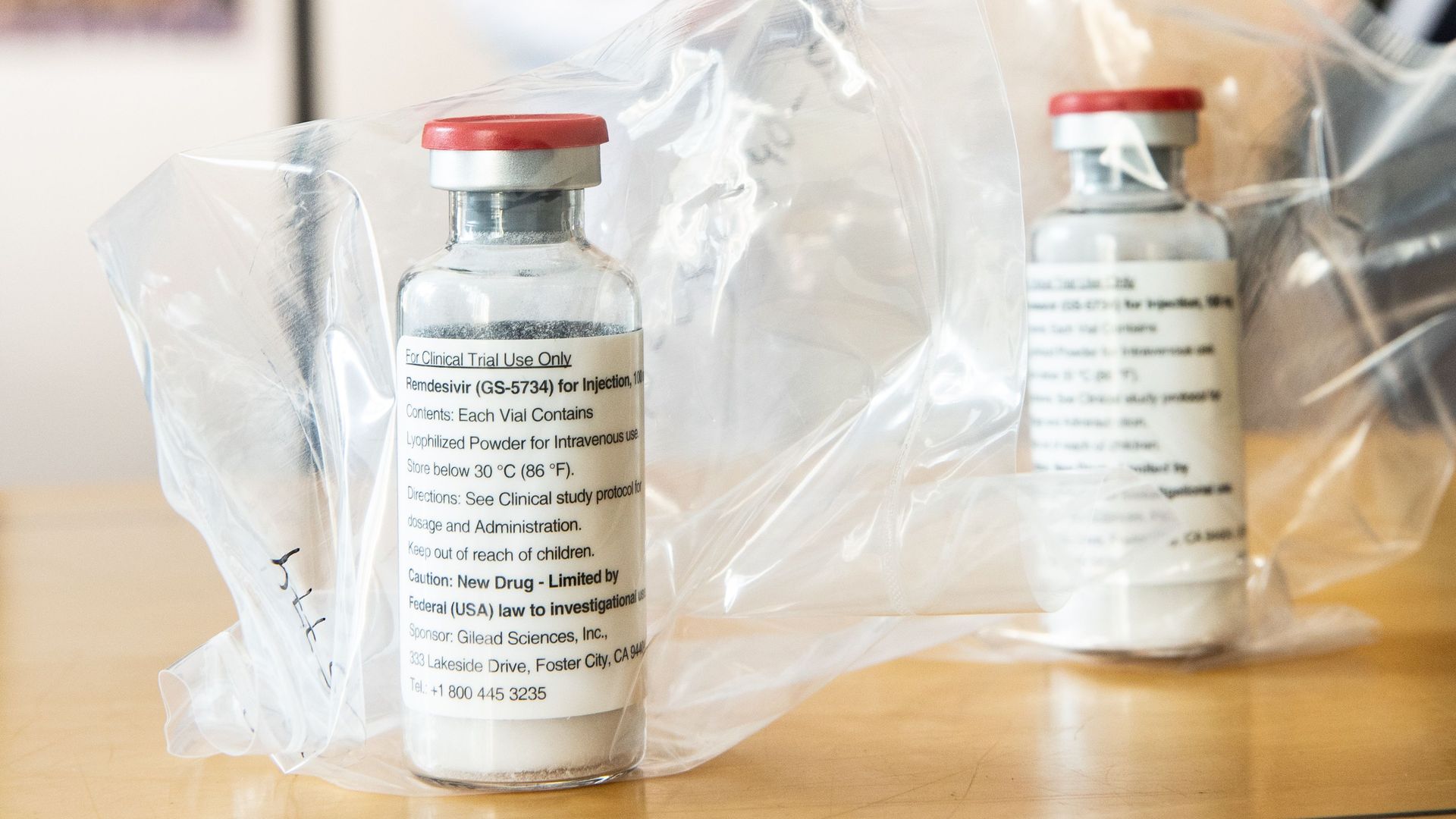
Remdesivir, the drug made by Gilead Sciences that is being tested on coronavirus patients, "was not associated with clinical or virological benefits," according to a leaked summary of a randomized trial posted by the World Health Organization and viewed by STAT and the Financial Times on Thursday.
Why it matters: Experts have placed a lot of hope in remdesivir as an antiviral treatment for COVID-19, but the preliminary results of this study dash a lot of that hope. However, the study is still undergoing peer review, and Gilead is arguing the results weren't characterized appropriately.
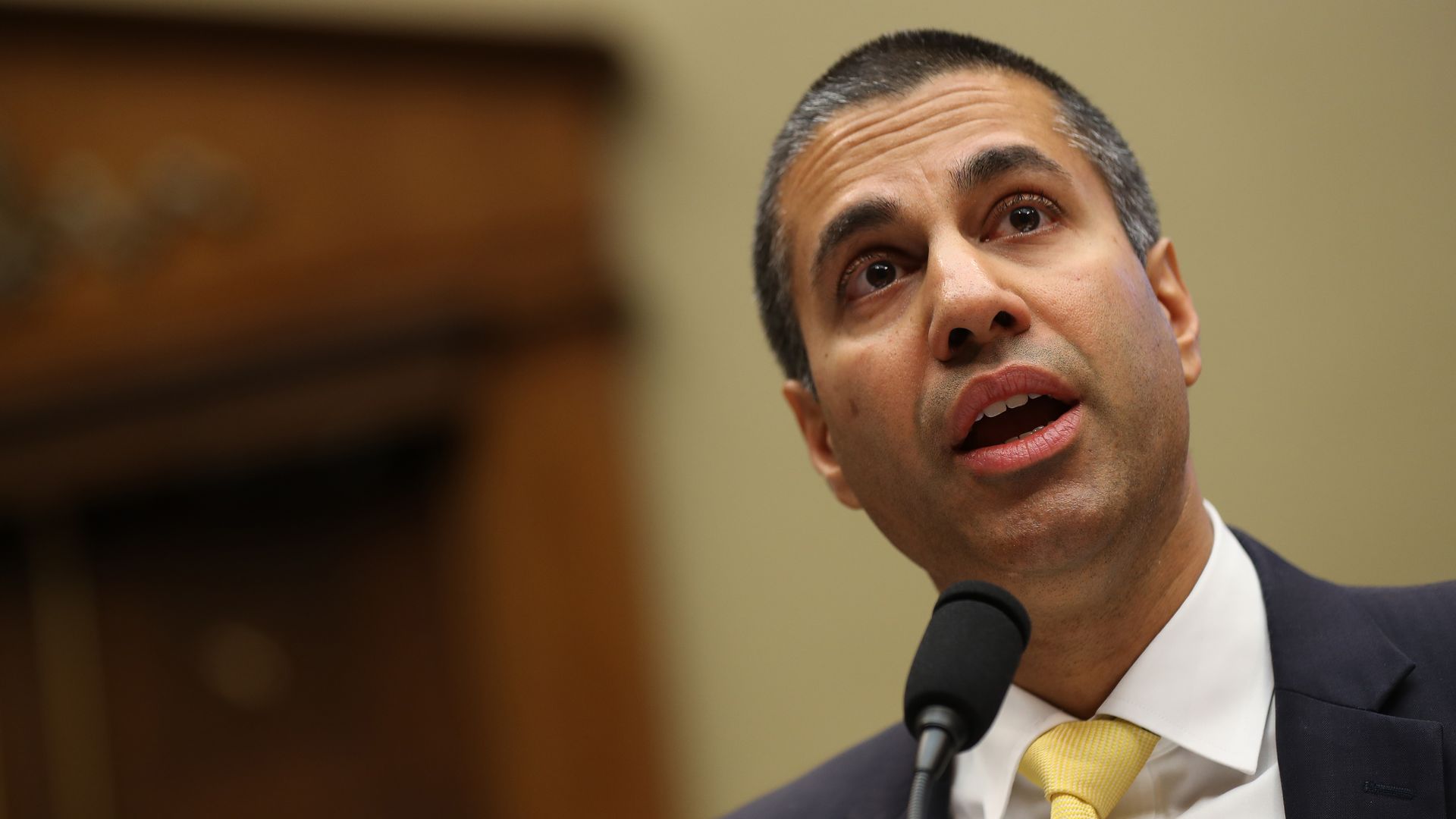
FCC Chair Ajit Pai said Thursday during an Axios virtual event that internet connectivity is "the glue" for many Americans' daily lives during the coronavirus pandemic.
Why it matters: Pai specifically cited both education and telehealth as reasons why internet access is so important in the age of social distancing. He added that he hopes that both Democrats and Republicans in Washington use this time to recognize the issue's importance in order to move to create more opportunities for access in underserved communities.
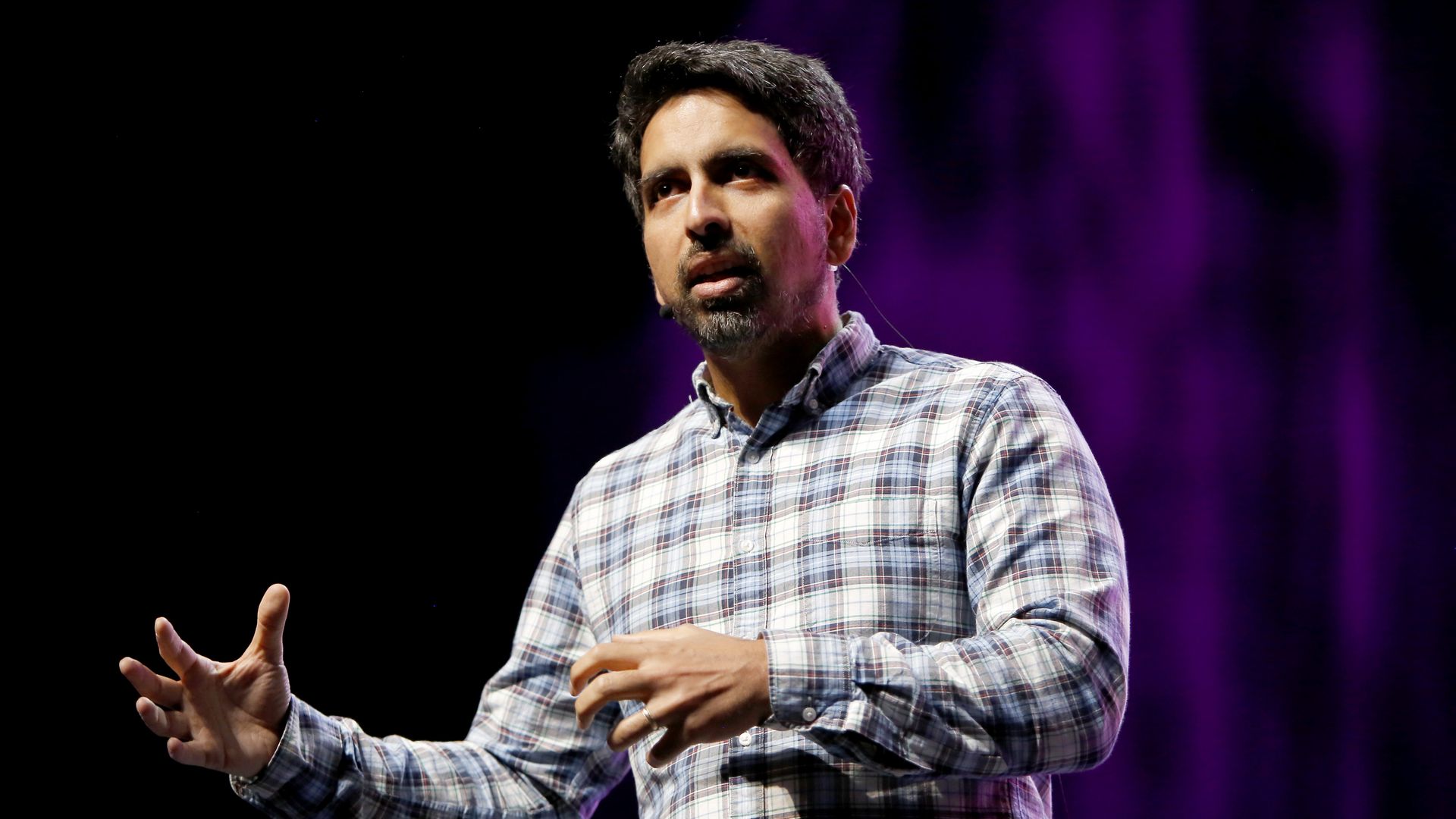
Sal Khan, the CEO and founder of education company Khan Academy, told Axios' Kim Hart on Thursday that education experts are preparing for at least a year of learning loss after the coronavirus pandemic forced schools to shut down across the country.
What he's saying: "What used to be a three-month summer learning loss, which was always an issue, is now going to be a five- or six-month summer learning loss. ... Based on the historical data, it looks like kids will not only not learn for those six months, but they’ll be forgetting for those six months — so they’ll probably lose an entire year."
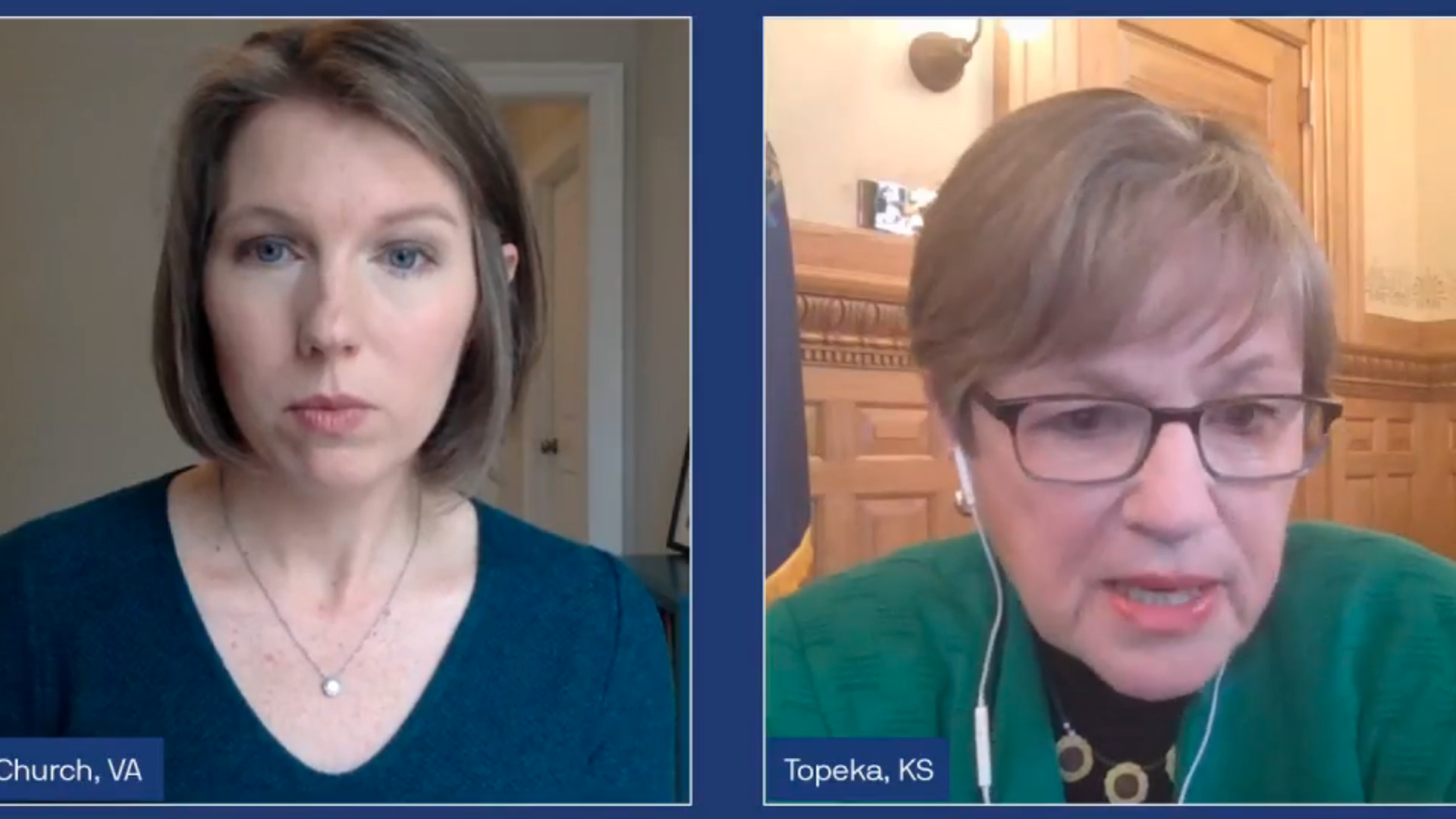
Kansas Gov. Laura Kelly (D) said Thursday during an Axios virtual event that it's "way too early to call" whether the states' schools will reopen in the fall amid the coronavirus pandemic.
The big picture: Kelly was one of the fastest governors in the country to move to close school buildings at the start of the outbreak, making that decision in mid-March. She added that the state would "prepare for the worst" in anticipation of a second wave of the virus in the fall and be prepared whether school buildings were open or shut.
Another 4.4 million Americans filed for unemployment benefits last week, as the economy continues to hemorrhage jobs. Dan digs in with New York Times econ and tax policy reporter Jim Tankersley.
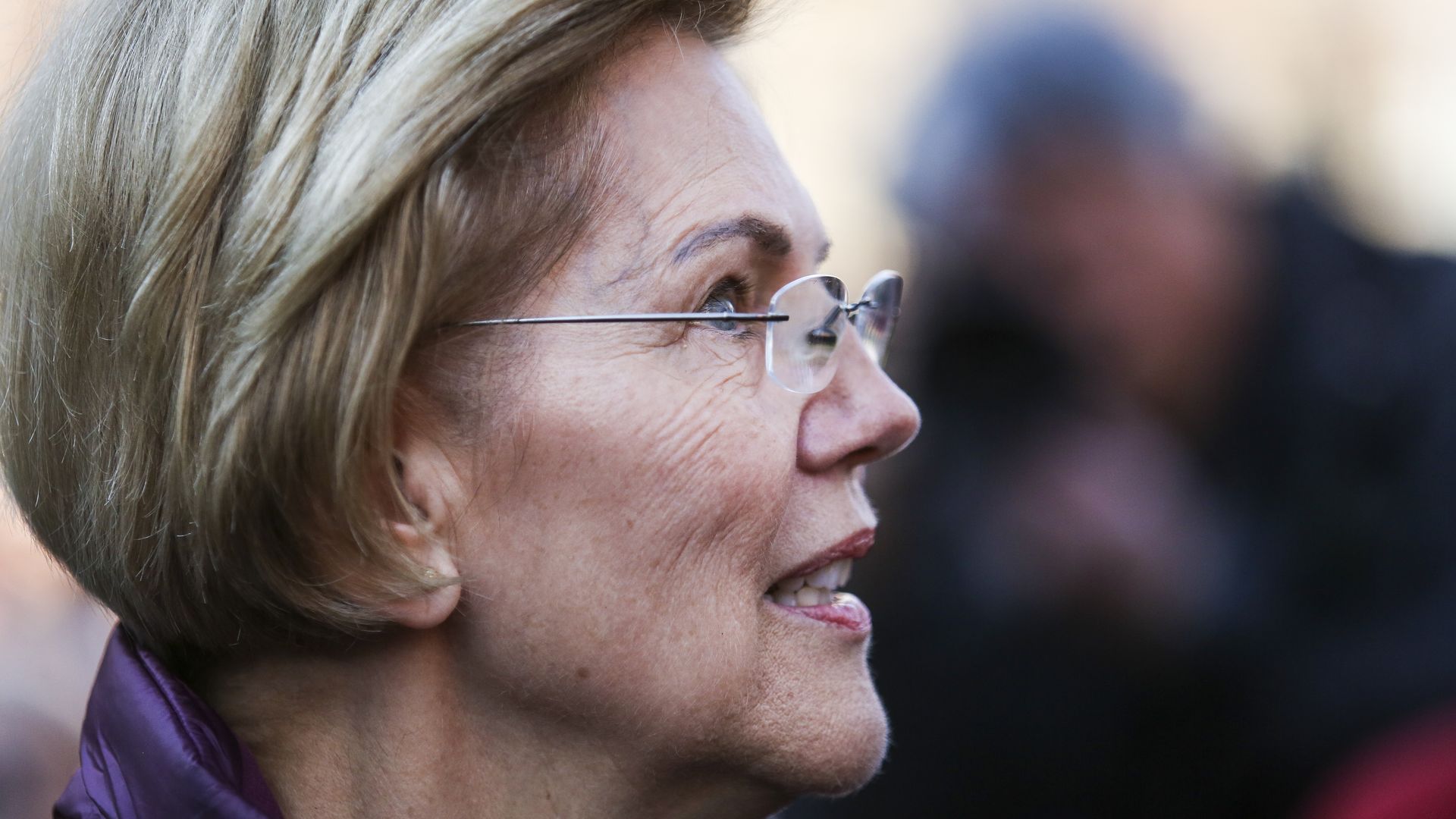
Sen. Elizabeth Warren (D-Mass.) announced that brother, Don Reed Herring, died Tuesday at age 86 from the coronavirus.
"He joined the Air Force at 19 and spent his career in the military, including five and a half years off and on in combat in Vietnam. He was charming and funny, a natural leader."
Americans are looking more favorably on the tech industry and are especially cheered by efforts to help track coronavirus cases, according to recent polling.
Why it matters: The industry's image was taking a beating over concerns around misinformation, privacy and other issues before the coronavirus pandemic, but sentiment has shifted as the virus has forced more Americans to rely on online services.
More than 40 factory workers outside of Philadelphia spent nearly a month living at their facility in order to manufacture a component for protective equipment for health care workers battling the coronavirus pandemic, 6ABC reports.
The state of play: The 43 workers at Braskem America, which creates polypropylene, a key element in medical items, volunteered to live in the factory and work 12-hour shifts to meet skyrocketing demand.
The multinational oil giant Equinor said Thursday that it's sharply cutting its first quarter dividend payouts by 67% compared to the prior quarter, citing "unprecedented market conditions and uncertainties."
Why it matters: Norway-based Equinor is the first oil major to cut dividends due to the pandemic-fueled collapse in oil prices and demand.
Another 4.4 million Americans filed for unemployment last week, according to Labor Department data released Thursday.
Why it matters: While the pace of layoffs is easing, more than 26 million Americans have filed jobless claims in recent weeks as the coronavirus pandemic takes a never-before-seen toll on the job market.
The U.S. stock market closely tracked its performance from 2008 following the first major decline of the bear market this year, but has now diverged greatly.
What's happening: Comparing the period of 31 market days starting from Sept. 29, 2008, to the same period beginning March 9 this year, the S&P 500 has fallen by much less than it did, despite expectations for this to be a far more damaging recession.
Even before expected new stimulus measures are passed, the U.S. government's annual deficit will likely top $4 trillion this year, analysts at BMO Capital Markets write.
Why it matters: "These are astronomical numbers that will reshape the Treasury market for years, if not decades, to come."
Consumer sentiment around the globe is starting to recover, data firm Morning Consult finds, despite economic projections for weakening growth and worse outcomes.
Where it stands: Ratings agency Fitch said Wednesday it expects global GDP to decline by 3.9% this year, "twice as large as the decline" it predicted just weeks ago and "twice as severe as the 2009 recession."
Unemployment is likely to hit levels not seen since the Great Depression and remain elevated, economists warn, weakening the U.S. economy and making a V-shaped recovery increasingly doubtful.
Why it matters: That will be true even if states allow businesses to reopen sooner than expected, as surveys show most Americans aren't ready to go back to their normal routines.
Nearly 265 million people worldwide could be pushed to starvation by the end of the year as the coronavirus pandemic strains supply chains, agricultural production and national economies, the New York Times reports.
The state of play: Measures in place to combat the illness, such as social distancing and lockdowns, have made it nearly impossible for many around the world to work and be able to feed their families.
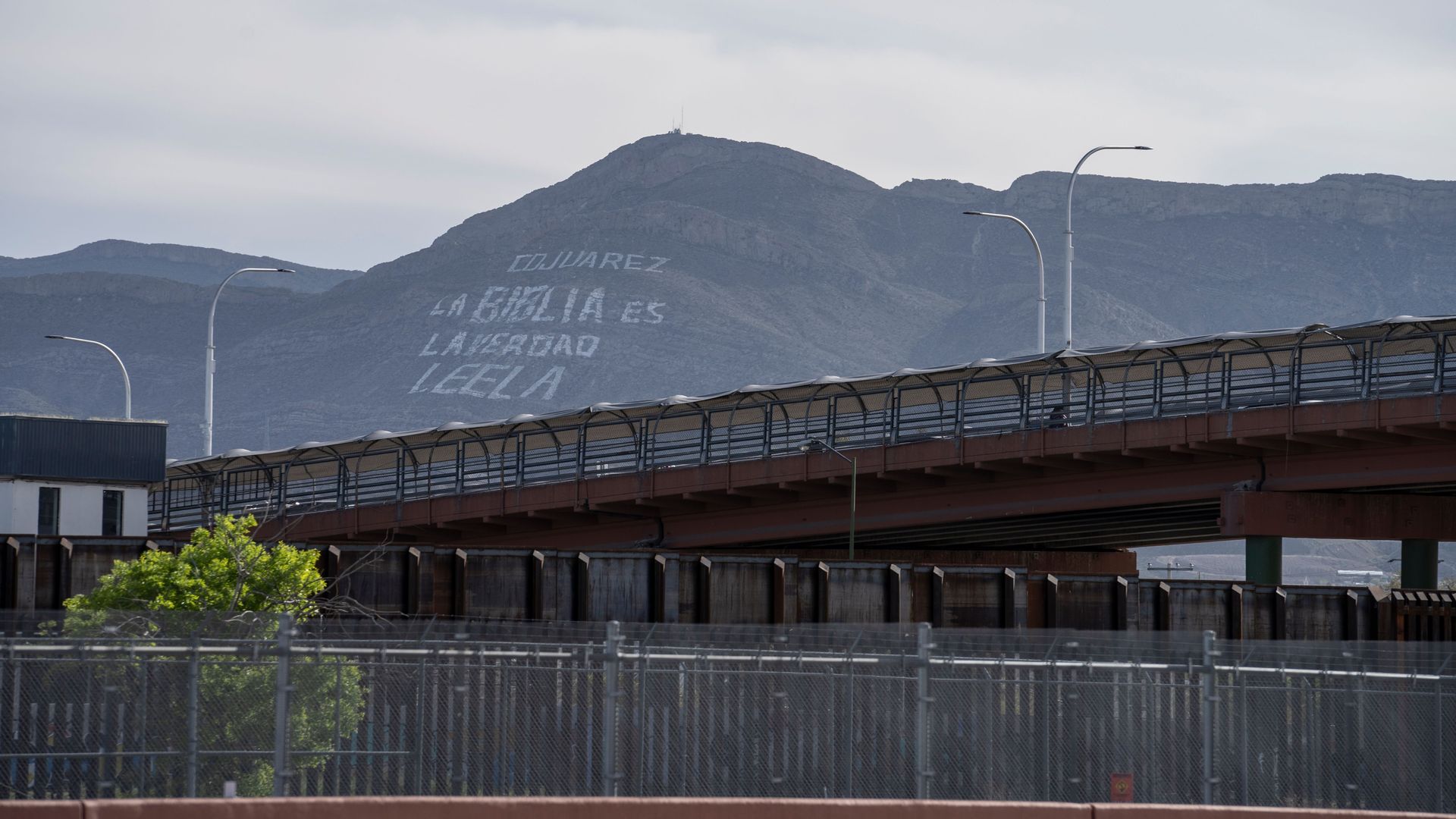
The Trump administration has been installing surveillance cameras on the U.S.-Mexico border because of the coronavirus pandemic, according to documents reviewed by AP.
Why it matters: It is adding the cameras, which are manned by manned by the military, even though fewer people appear to be crossing illegally.
A majority of Americans are willing to share their coronavirus test results with public health officials, but fewer are willing to download an app that tracks who they come in contact with, according to new poll by the Kaiser Family Foundation.
Why it matters: To lift social distancing measures without allowing the virus to spread rampantly again, we'll need to know in real time who has the virus, and who they could have potentially infected.
Political machinations within the Trump administration are playing a bigger and bigger role in the federal response to the coronavirus.
Why it matters: This probably isn't much of a confidence-booster for the American public as we navigate a pandemic and an economic freefall — and Wednesday's events were a microcosm of that larger issue.
This month, Jaguar Health more than tripled the price of its lone FDA-approved drug, right after asking the federal government to expand the use of its drug to coronavirus patients.
Why it matters: Jaguar Health drastically raised the price of a drug during the height of the pandemic, but executives argued the move was needed to stave off the company's collapse.
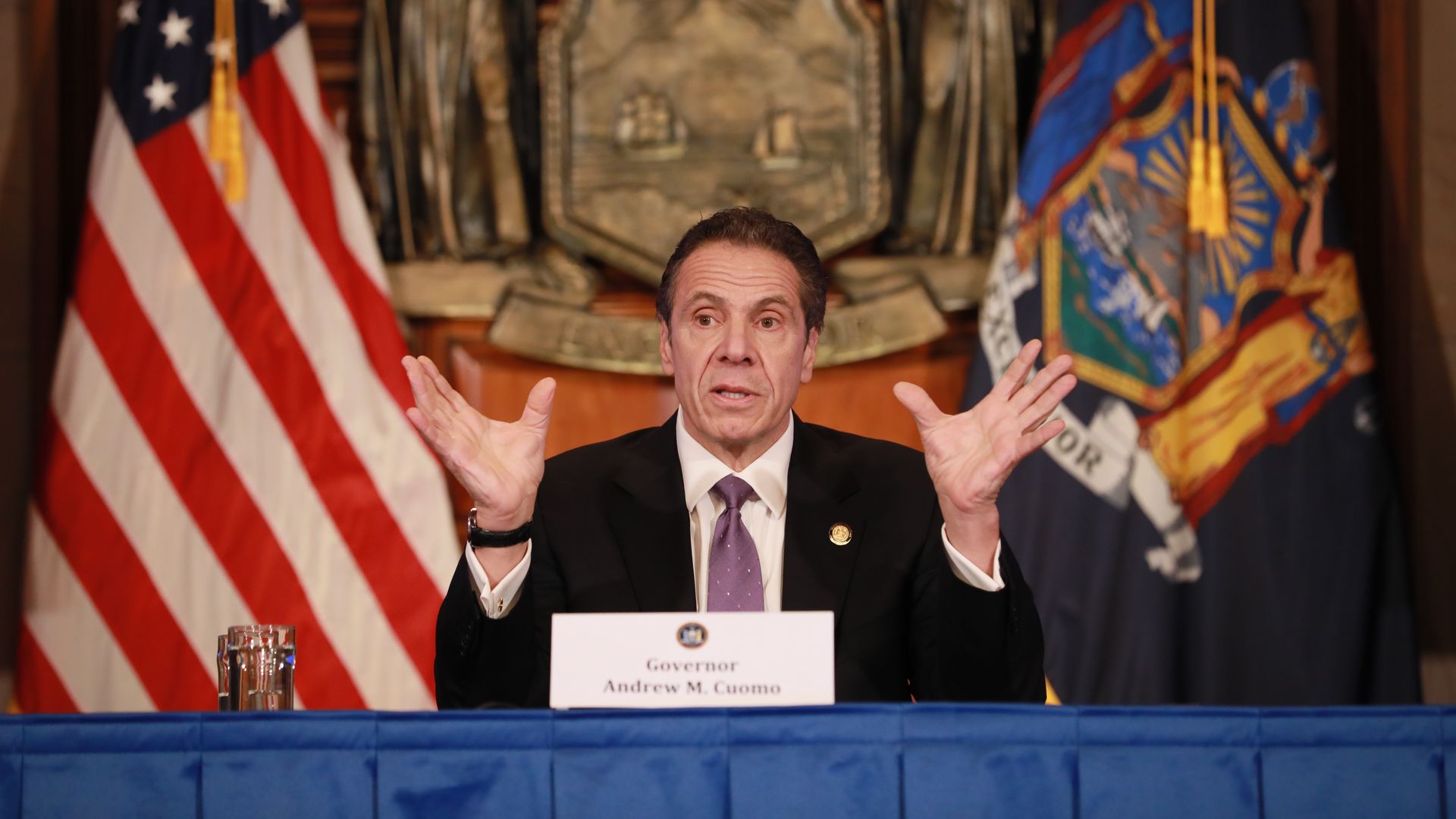
New York Gov. Andrew Cuomo pushed back on calls to reopen the state's economy following an anti-lockdown protest outside the state Capitol in Albany on Wednesday.
The big picture: Cuomo said at a briefing Wednesday there were 474 deaths in the past 24 hours, a drop of 481 deaths in the previous 24-hour period. But he warned of a potential "second wave" if restrictions were hastily relaxed. "We get the economic anxiety," he said. "The question is how do you respond to it and do you respond to it in a way that jeopardizes public health and possibly causes more people to die?" Cuomo suggested those wanting to work could "get a job as an essential worker." He doubled down on his comments on CNN Wednesday night.
Rick Bright said Wednesday he believes he was removed from his role as director of the U.S. Biomedical Advanced Research and Development Authority this week after clashing with Health and Human Services leadership over his attempts to limit the use of chloroquine and hydroxychloroquine to treat the coronavirus. The New York Times first reported the news.
Why it matters: President Trump and his allies in conservative media have repeatedly touted hydroxychloroquine, an antimalarial drug, as a potential game-changer for treating the coronavirus. Health experts have taken a more cautious approach, noting that the drug has shown anecdotal promise but that its efficacy has not yet been proven.
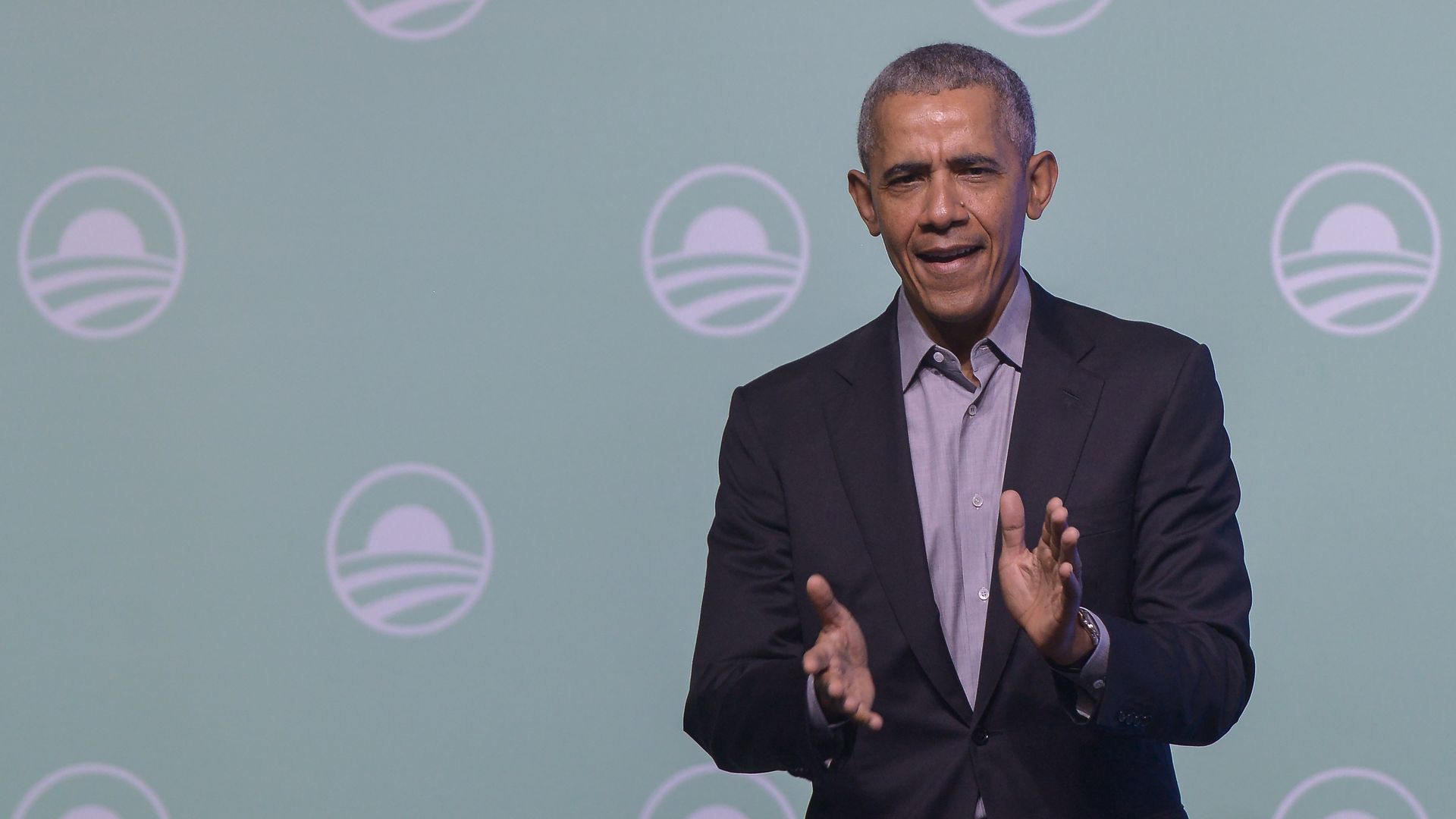
Former President Obama tweeted Wednesday the U.S. is still waiting for a "coherent national plan" to manage the novel coronavirus, as he praised Massachusetts for its response to the pandemic.
Why it matters: Obama rarely comments on Trump administration policies, though he did call for Americans last month to stay home and maintain social distancing protocols. He also urged mayors at a town hall this month to "speak the truth" about the outbreak.