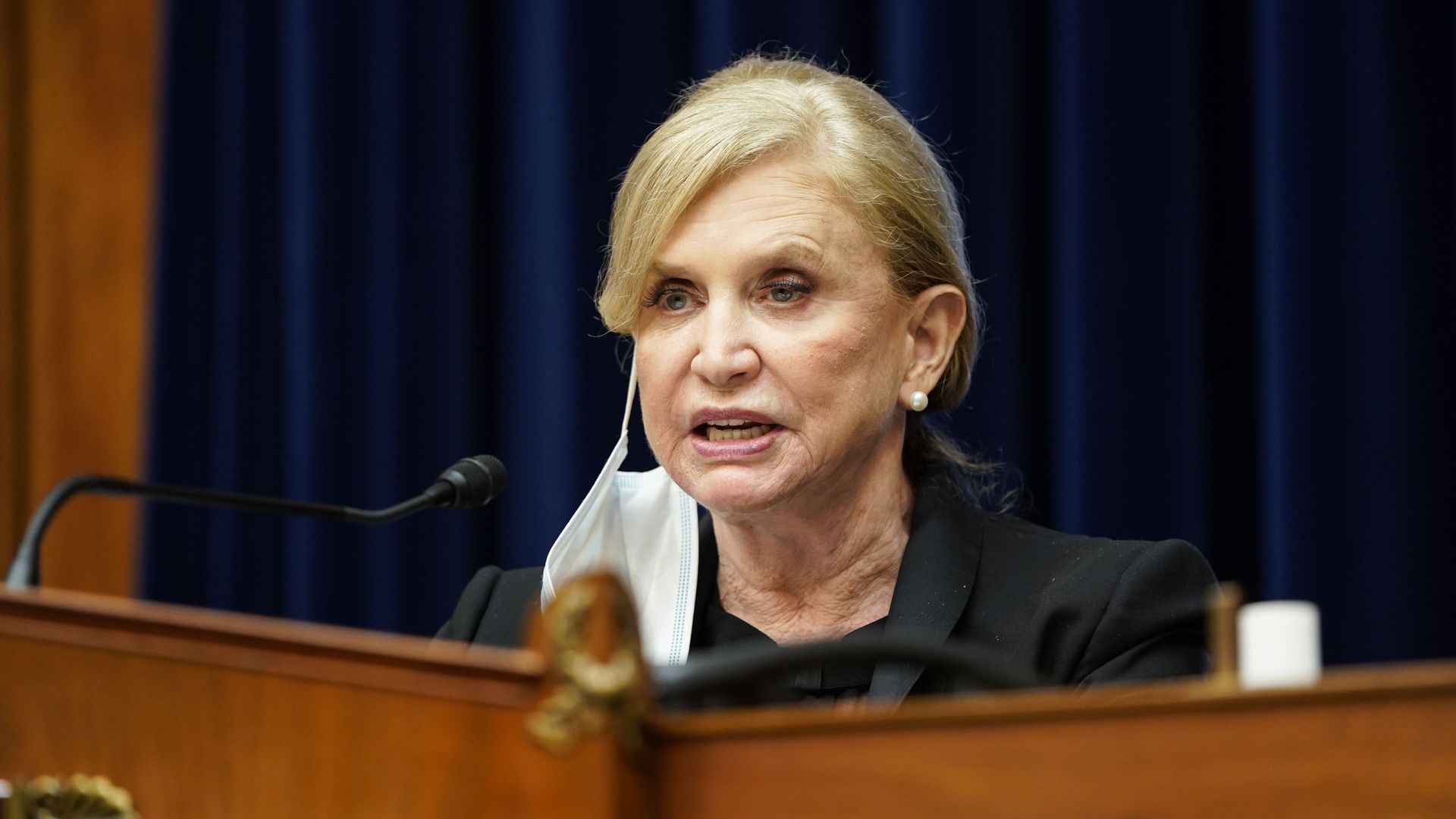
The House Committee on Oversight and Government Reform will issue subpoenas to top fossil fuel companies Tuesday over several "key documents" they have not turned over to the committee.
Why it matters: The subpoenas will come days after the committee held a "landmark" hearing with fossil fuel executives and amid a broader discussion on climate disinformation and what the industry knew about climate change.
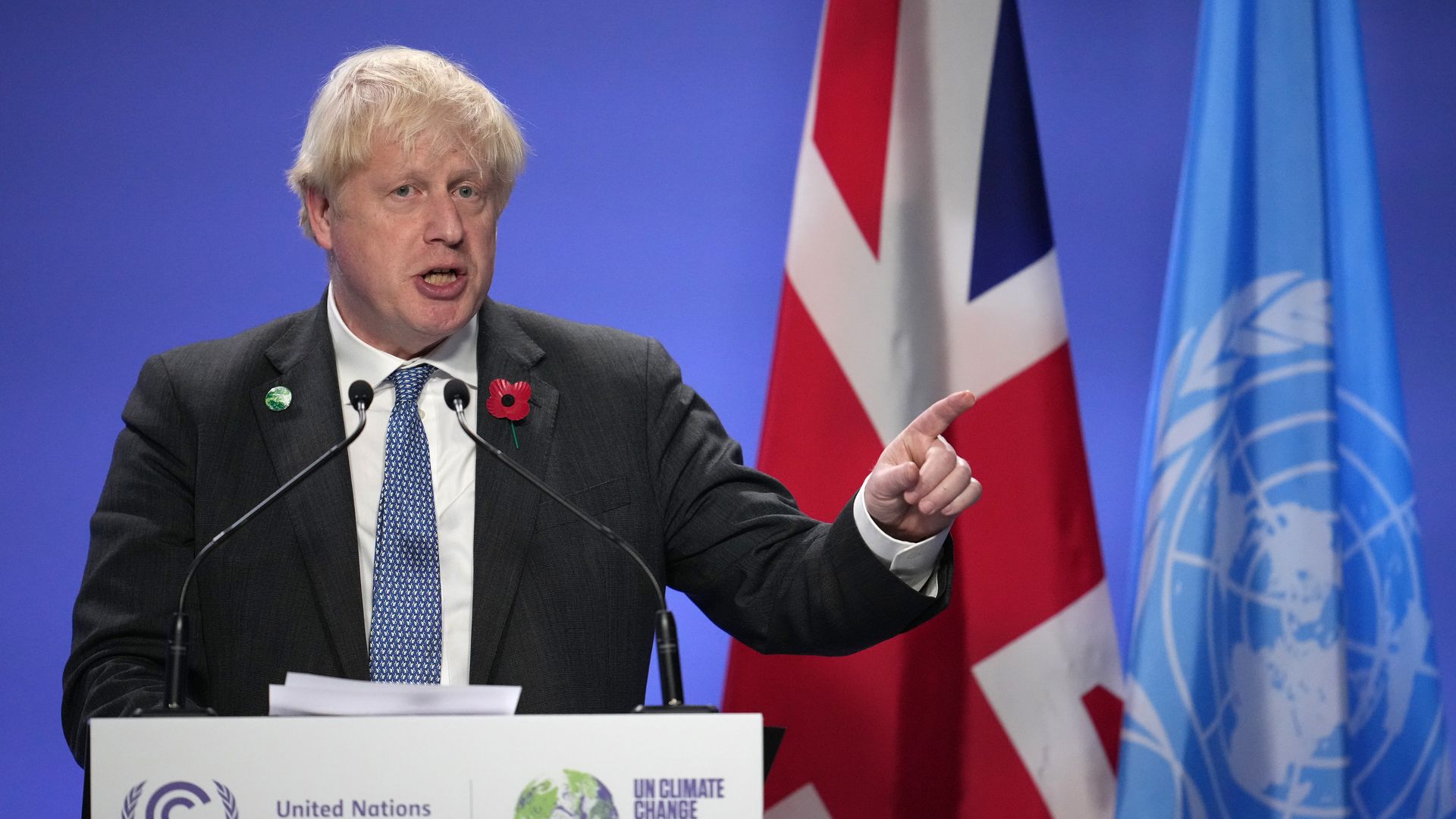
GLASGOW, Scotland — As world leaders departed Glasgow on Tuesday, U.K. Prime Minister Boris Johnson contended that the crucial COP26 climate summit was producing real progress, but there was “a very long way to go” to make it a success.
Why it matters: Johnson is hosting the most significant climate gathering since the Paris Agreement was signed in 2015, but the early gains have been at the margins and not on the scale envisioned by many participants in a conference Johnson has called the “last, best hope” to save the planet. Now, the negotiating phase really begins.
105 world leaders on Tuesday signed onto the Global Methane Pledge, a U.S. and EU joint initiative, to cut methane emissions by 30% by 2030 at the COP26 conference in Glasgow, Scotland.
Why it matters: "Though it's less abundant than longer-lived carbon dioxide, methane is dozens of times more powerful at trapping heat in the atmosphere," Axios' Andrew Freedman reports.
Big-dollar efforts from public and private entities announced Tuesday could yield carbon emissions reductions in the electricity sector, via land and forest conservation and other means.
Why it matters: A running theme at COP26 is corporations and nonprofits teaming up to build momentum toward climate solutions.
Bolder action to cut greenhouse gas emissions, to mobilize development financing and to potentially design a carbon trading deal are on the agenda for COP26 underway in Glasgow, Scotland.
The big picture: What global leaders actually commit to could signal investors as to the upcoming pace of change and the regions where it'll happen.
On Tuesday, leaders of more than 90 countries will sign the U.S. and E.U.-sponsored Global Methane Pledge, which is designed to cut emissions of the powerful but short-lived planet-warming gas.
Why it matters: The significance of this pledge at the COP26 summit shouldn't be overlooked.Though it's less abundant than longer-livedcarbon dioxide, methane is dozens of times more powerful at trapping heat in the atmosphere.
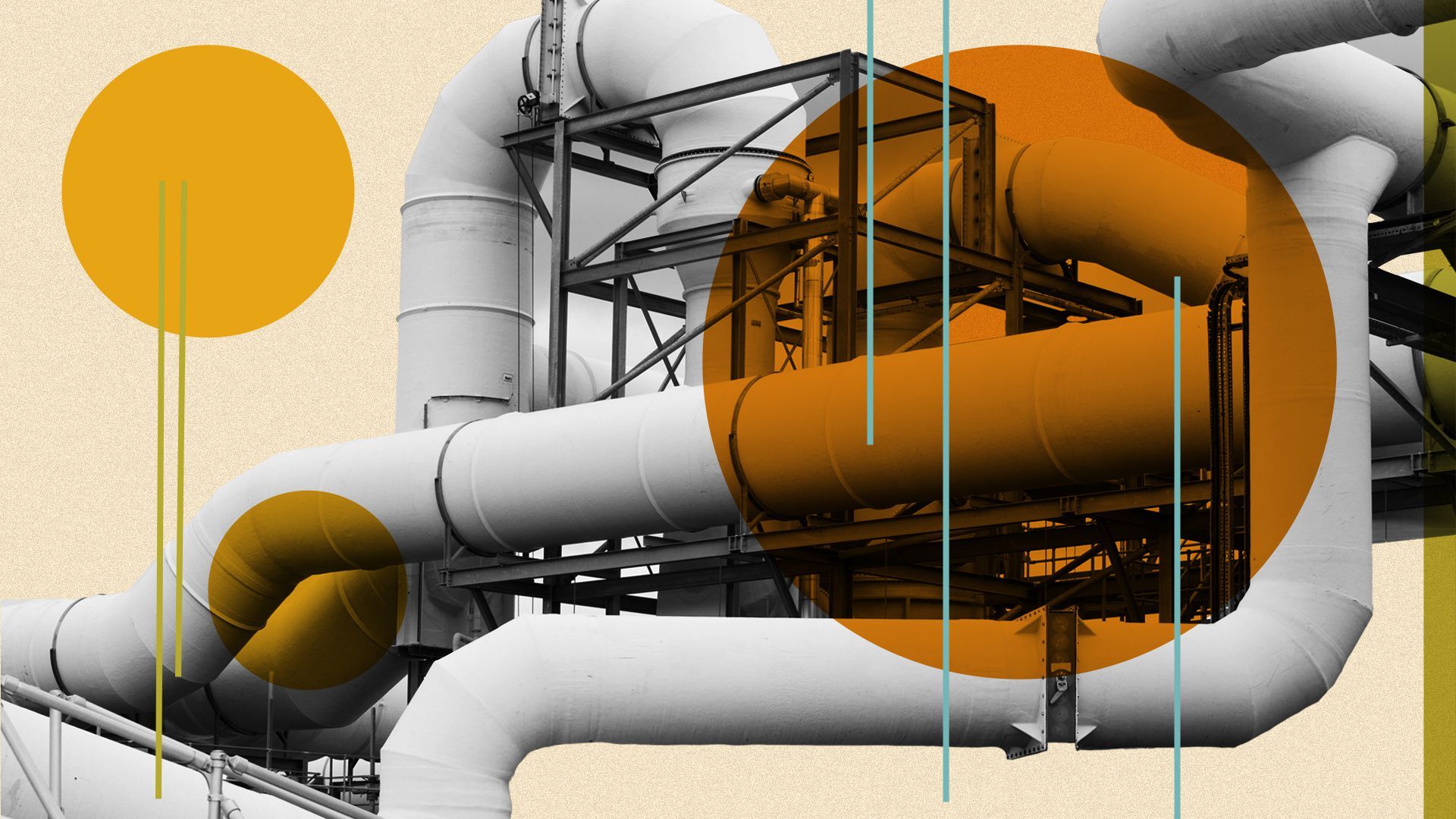
The Biden administration announced Tuesday plans to reduce methane emissions from the gas and oil sector.
Why it matters: For the first time ever, the Environmental Protection Agency would move to regulate new and existing oil and gas operations for methane emissions, a potent greenhouse gas, Biden administration officials said at a briefing.
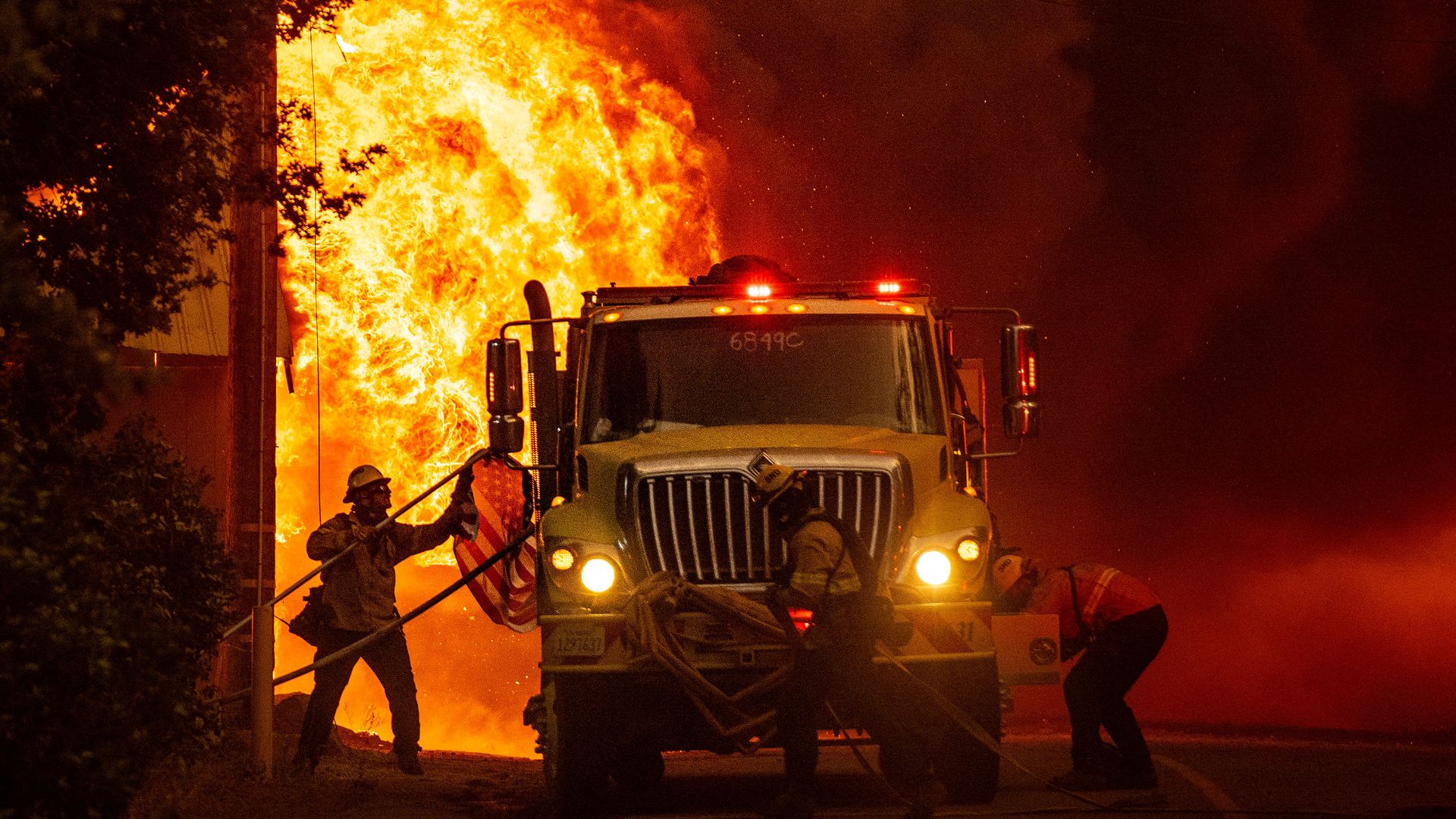
Human-caused climate change is the main driver behind increased wildfire risk in the U.S. West, according to a study published Monday.
Why it matters: Researchers hadn't expected human-caused global warming to take over from natural climate variability as the main contributor to fire weather until much later this century, around 2080, per the Los Angeles Times.
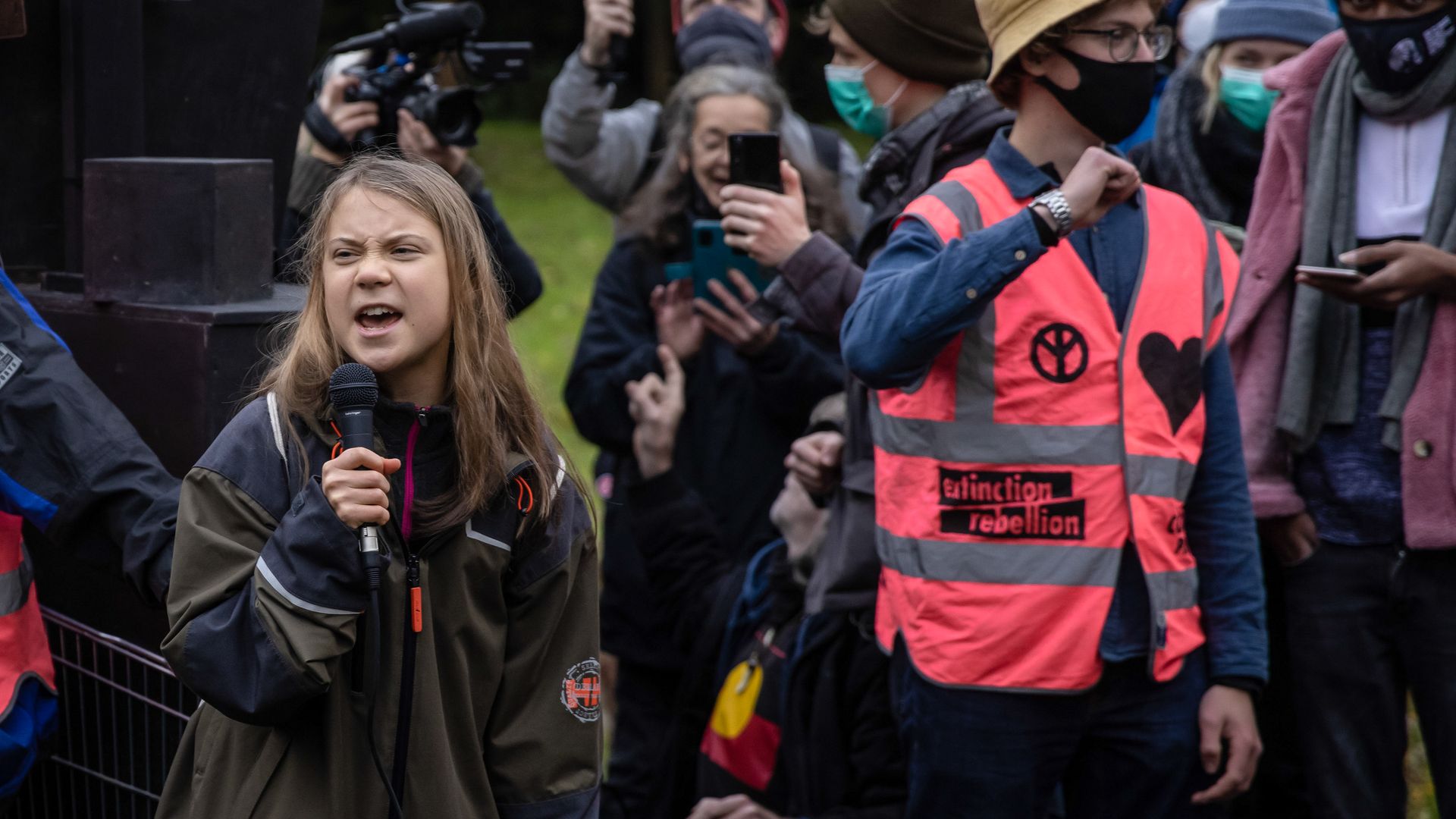
Climate activist Greta Thunberg joined protesters Monday at a demonstration outside the COP26 conference to call out world leaders for failing to meet their goals to address global warming.
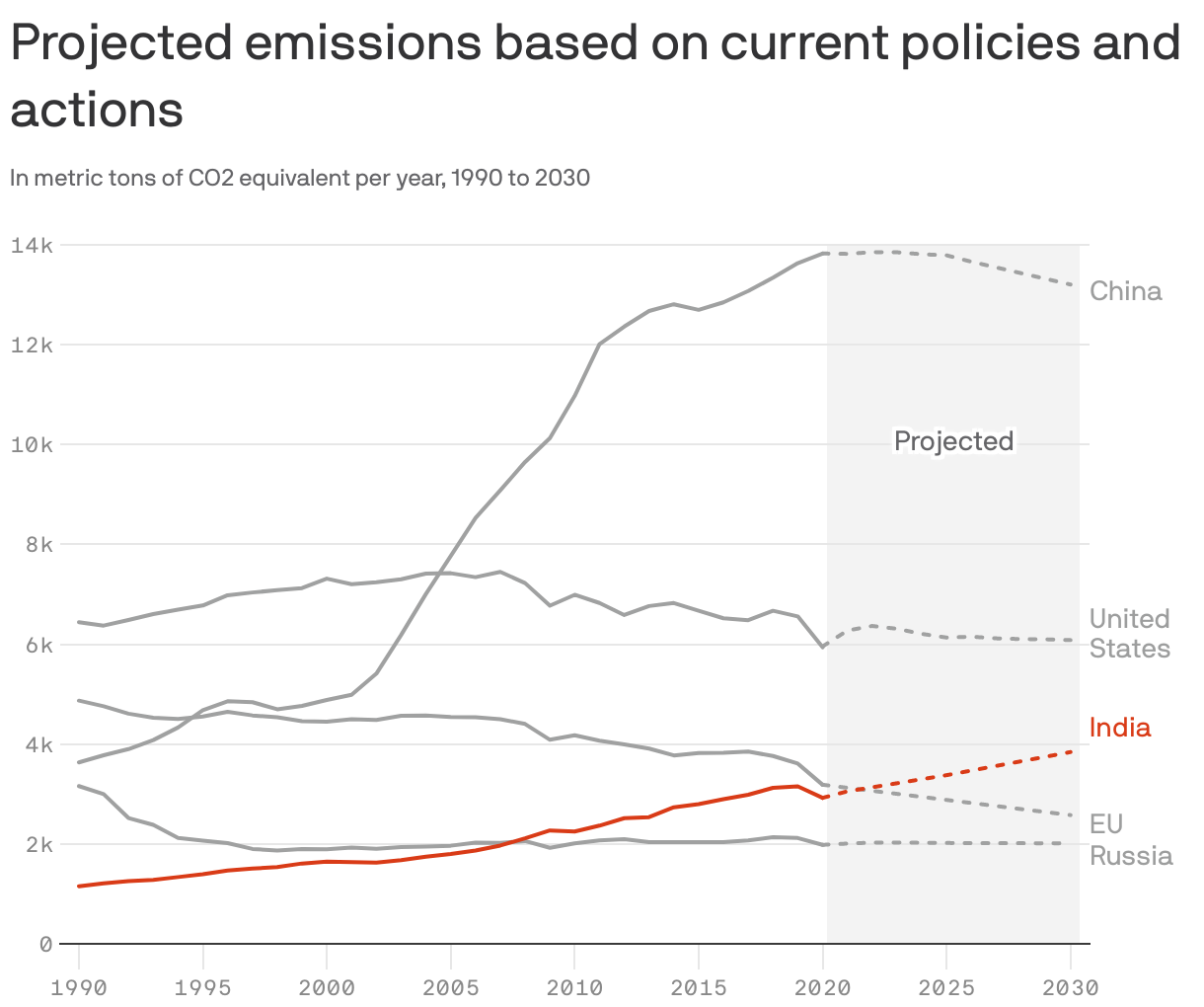
Data: Climate Action Tracker; Chart: Will Chase/Axios
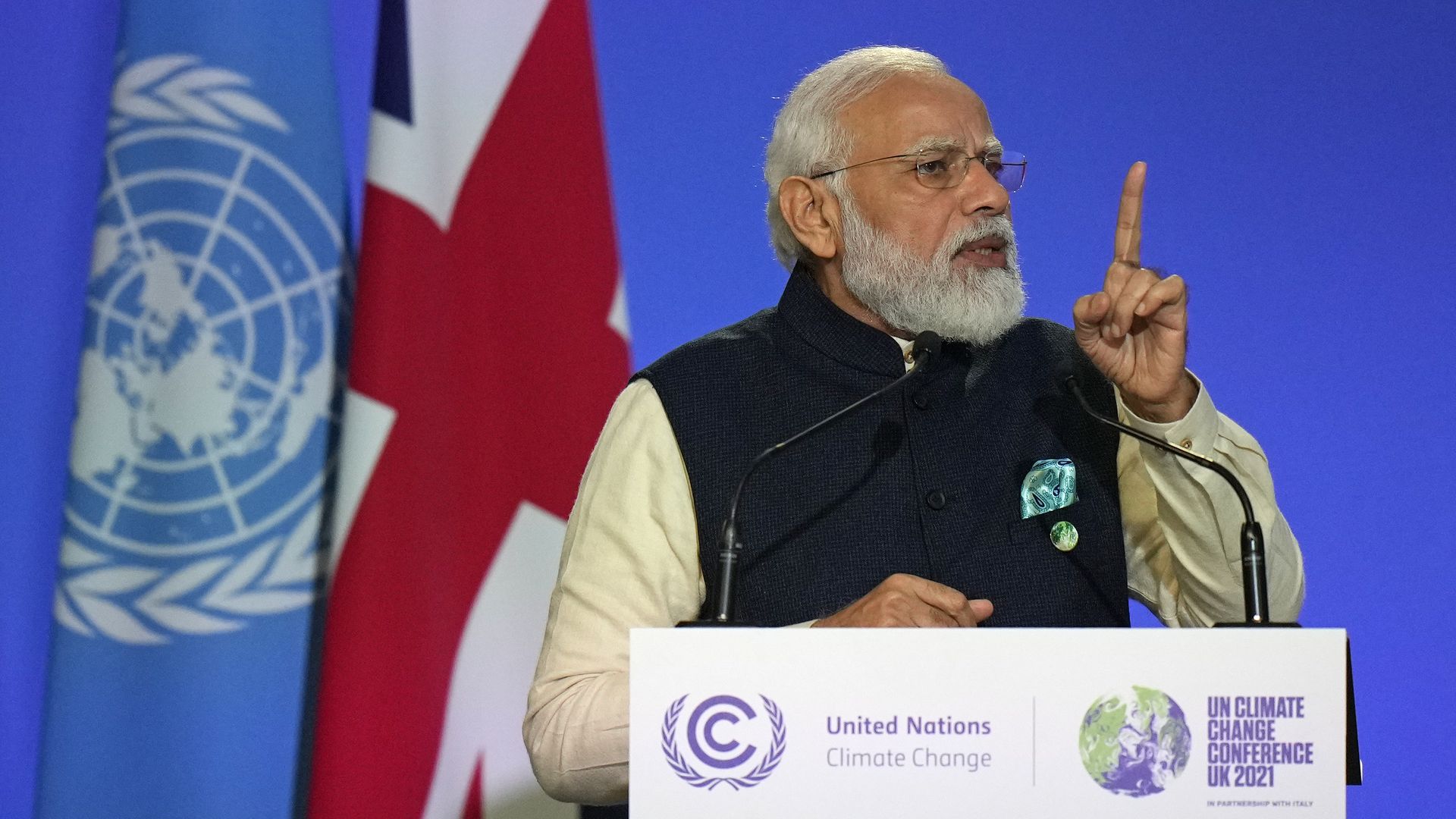
GLASGOW, Scotland — Indian Prime Minister Narendra Modi's much-anticipated speech today at the COP26 climate summit broke new ground for the world’s third-largest emitter, but it won’t calm fears that the summit has failed to summon the urgency required to truly change the trajectory of the planet.
The big picture: Success or failure in Glasgow will largely be defined by the plans that individual countries bring to the table to limit their emissions this decade and strive toward net zero.
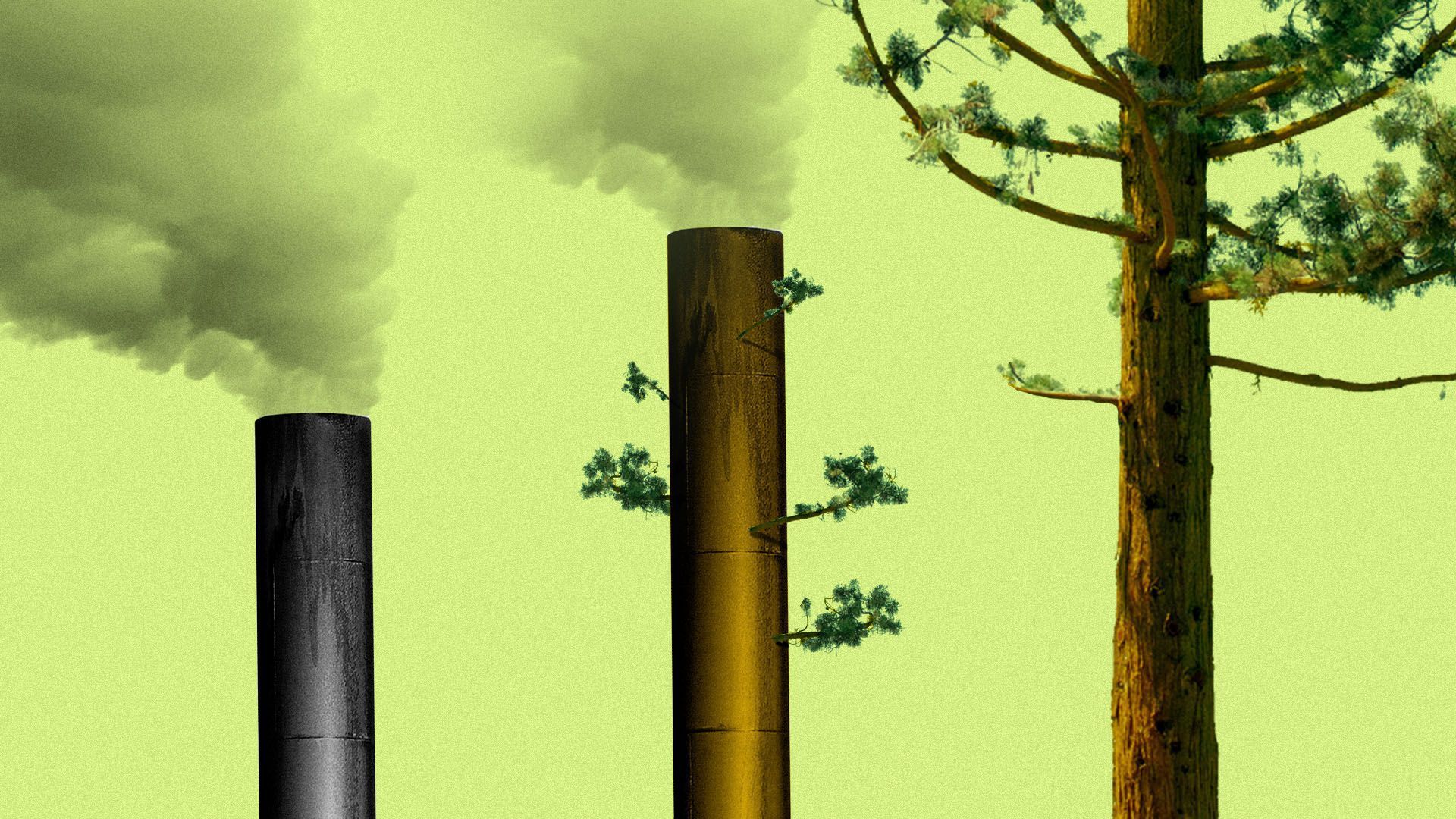
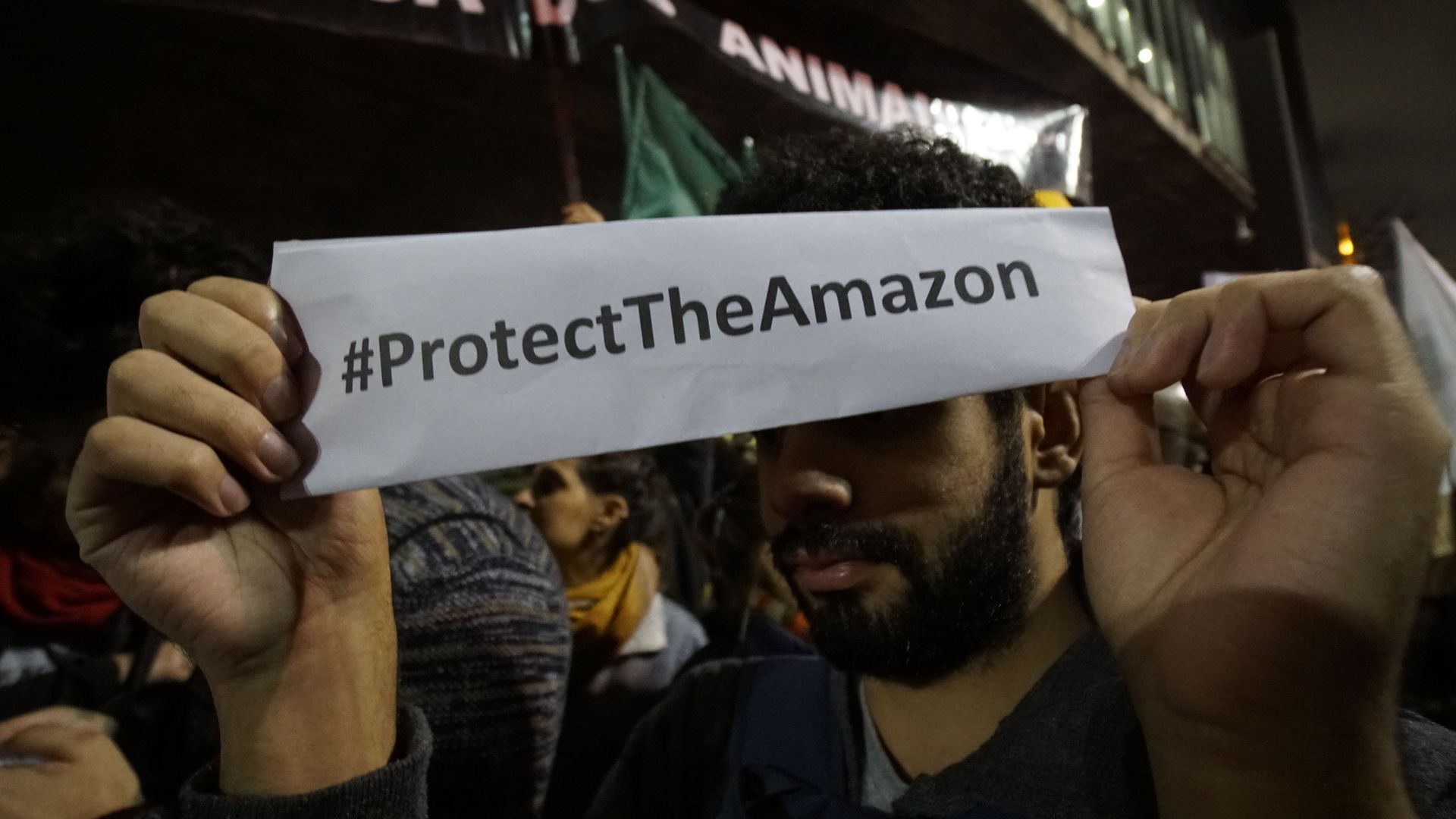
More than 100 world leaders representing over 85% of the world's forests say they will halt and reverse deforestation and land degradation by 2030, the U.K. government announced Monday as the COP26 conference continued in Glasgow, Scotland.
Why it matters: Forests are considered a key to addressing the effects of climate change — one-third of global CO2 released from burning fossil fuels is absorbed by forests every year, according to the International Union for Conservation of Nature — but they're disappearing at an alarming rate.
India will cut its carbon emissions to net zero by 2070, Prime Minister Narendra Modi pledged at the COP26 climate summit Monday.
Why it matters: This is the first time the country has committed to net zero emissions and comes amid a broader discussion among global leaders to address climate change.
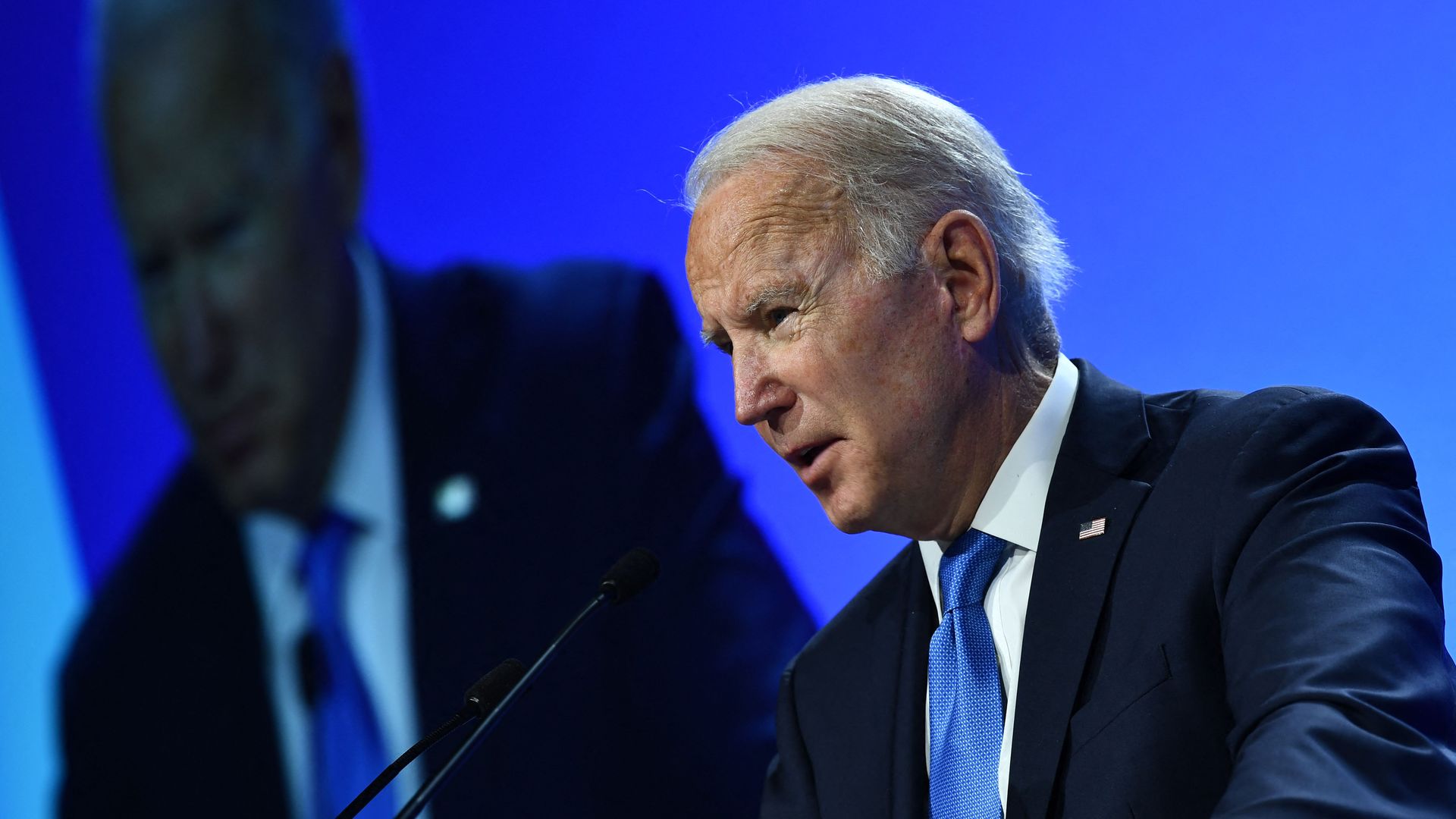
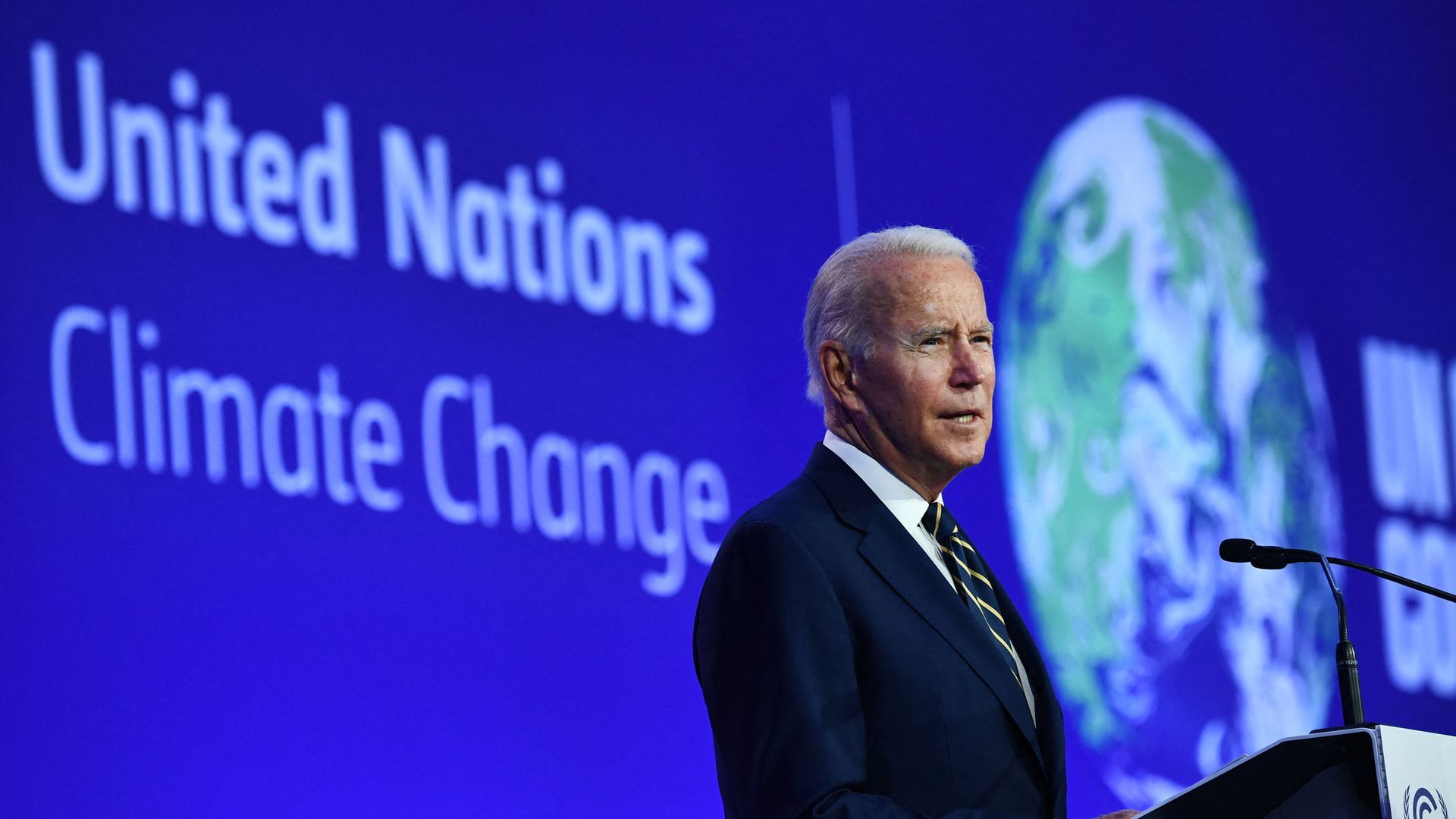
President Biden's delivery at the COP26 climate summit today wasn't especially lively, but his words were heavy on hope.
What they're saying: "The American people, four or five years ago, weren't at all sure about climate change," Biden said. "Well they have, as they say in southern parts of my state, seen the Lord. ... They're now finally — finally, finally, finally — realizing the sense of urgency that you all are."
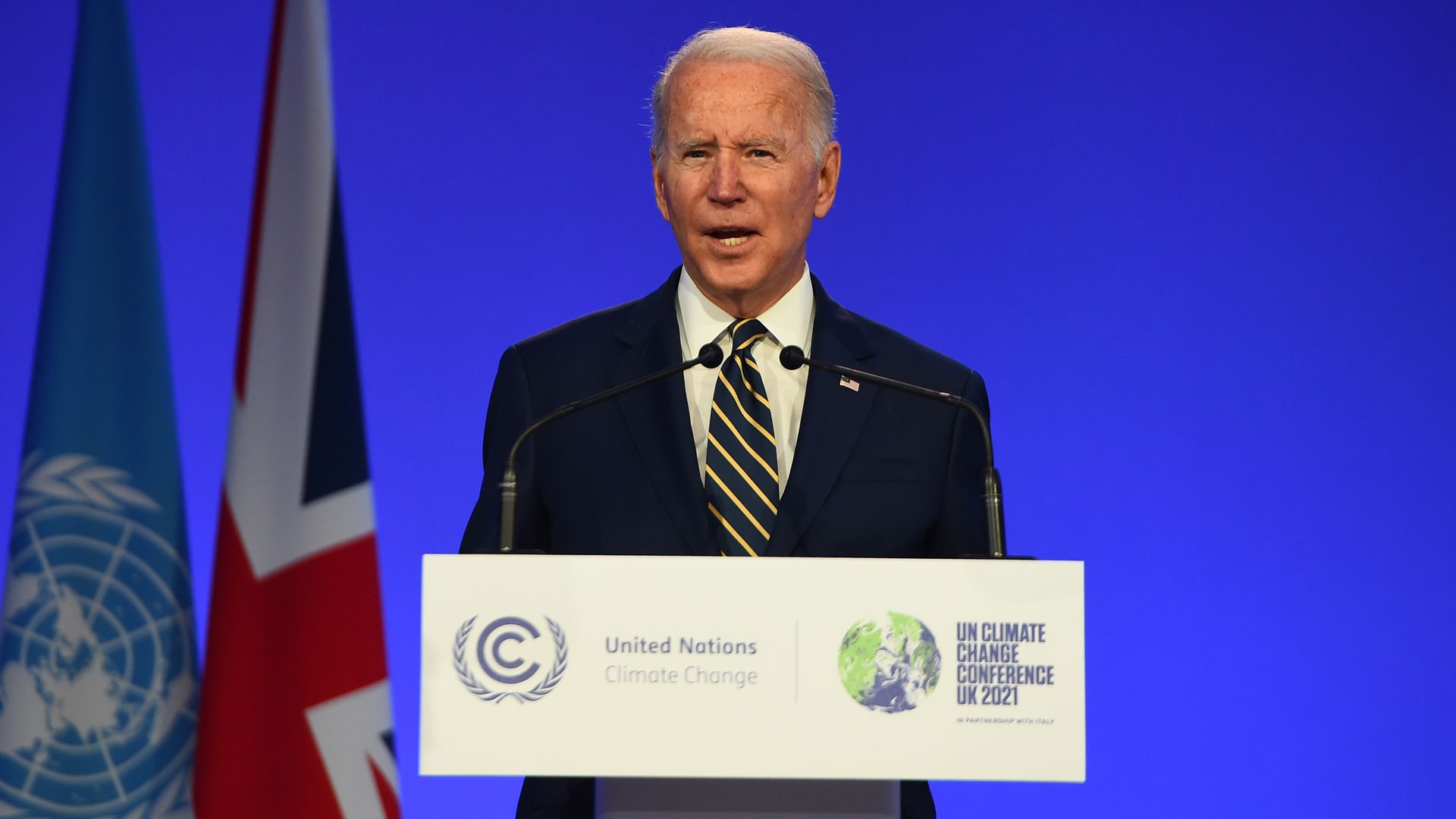
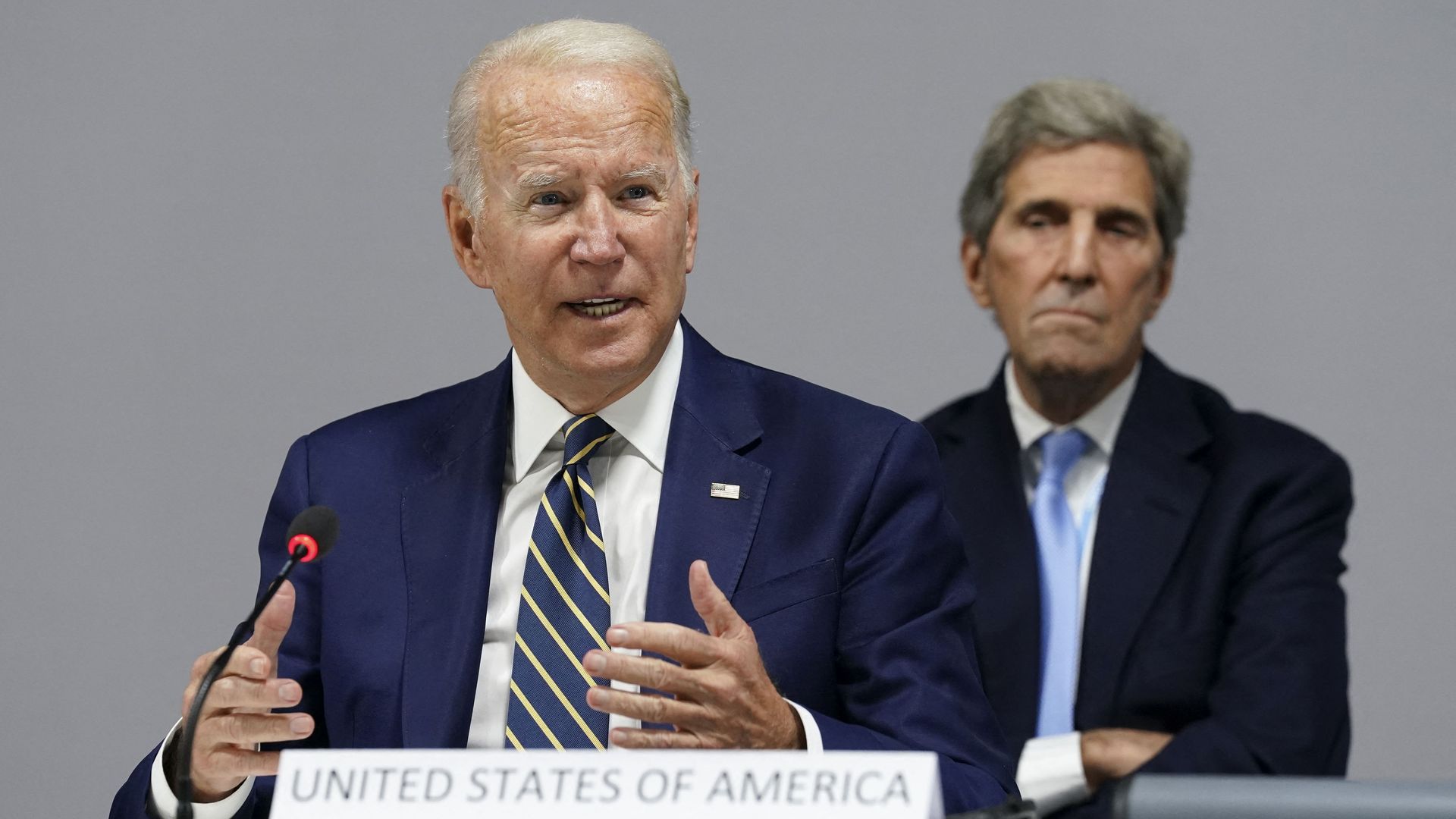
GLASGOW, Scotland — Addressing his fellow world leaders at the COP26 climate summit, President Biden apologized for former President Trump's decision to withdraw the U.S. from the Paris climate accord.
Why it matters: Biden is trying to rally more ambitious climate action at the crucial summit in Glasgow, and he elected to acknowledge the elephant in the room — that it's no sure thing that the only country in the world to withdraw from Paris will be embraced as a moral leader on climate.
President Biden, speaking at COP26 in Glasgow, Scotland, on Monday, warned that "every day we delay" strong action on climate change, "the cost of inaction increases."
Why it matters: The United States' climate credibility is on the line during this year's summit, which has been billed as a crucial moment for countries to pledge more dramatic actions in order to avoid potentially devastating climate change effects over the next several decades.
GLASGOW, Scotland — While negotiators haggle over targets and finance pledges at COP26, many of the world's poorest nations are already experiencing acute harm from climate change.
Driving the news: Joseph Africano Bartel, undersecretary with South Sudan's Ministry of Environment and Forestry, told Axios that the "climate disaster is not waiting," and while South Sudan's "emissions are negligible," it is "now experiencing the brunt of climate change."
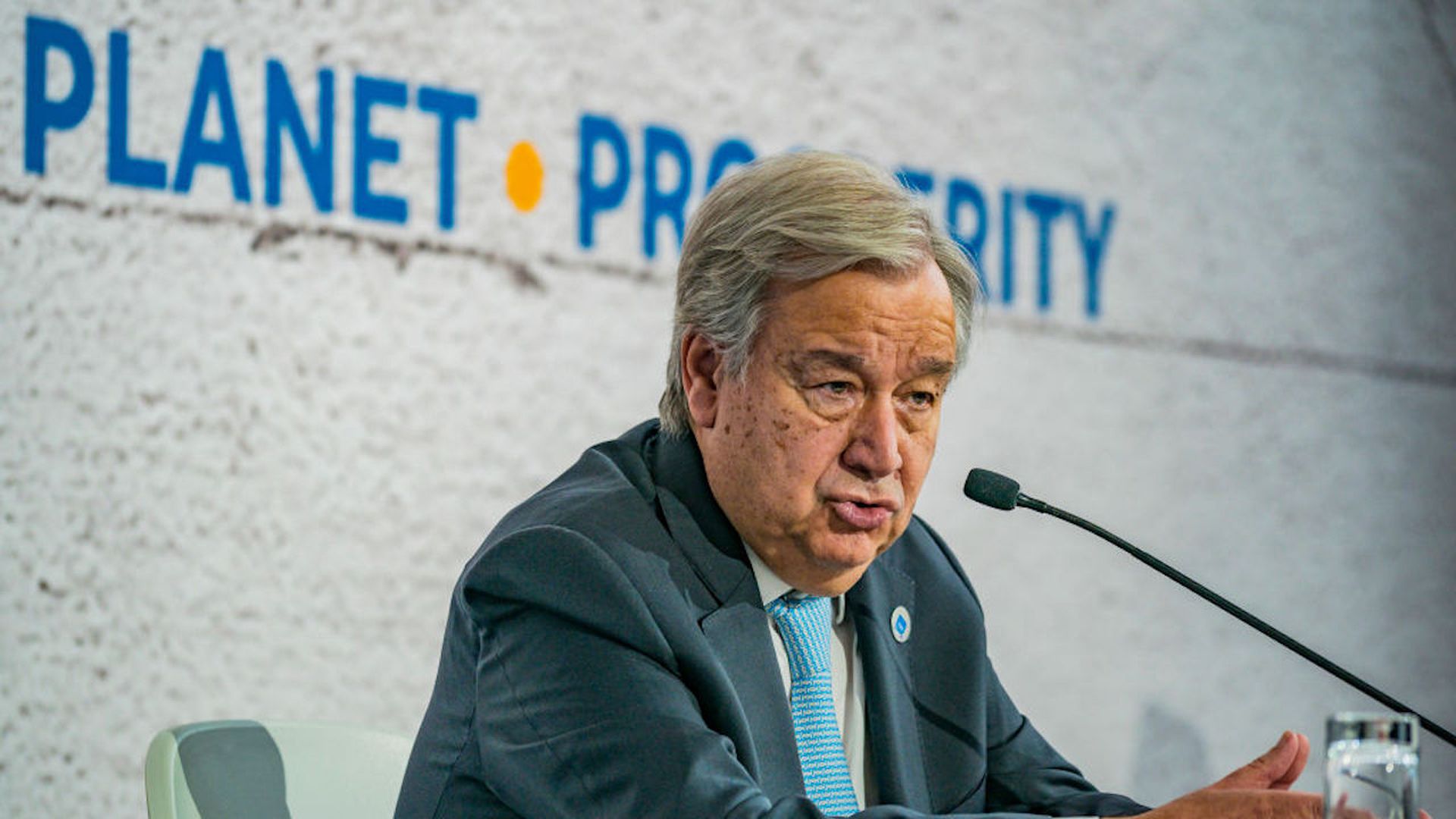
GLASGOW, Scotland — UN Secretary-General António Guterres on Monday pleaded for more aggressive steps to curb climate change, telling the COP26 conference that current plans fall short and "our addiction to fossil fuels is pushing humanity to the brink."
Why it matters: Guterres' stark language signals his concern COP26 won't lay the groundwork to put global emissions on a sustainable path.
Tech companies are cracking down on climate misinformation ahead of this year's United Nations COP26 climate summit, in an effort to get ahead of an expected surge in climate misinformation during the global conference.
Why it matters: Internet platforms have let climate denialism run rampant for years. New efforts to curb climate misinformation are finally happening in the wake of a more serious global conversation around the crisis.
GLASGOW, Scotland — The U.S., U.K. and other countries are charging into COP26 with bruises from difficult climate and energy negotiations at the G20 meeting in Rome.
Why it matters: That meeting's outcome previews what is to come in Glasgow, where the climate summit is entering its early and frenetic phase today with leader speeches and events.
Twitter on Monday said it will be making authoritative information about climate change more accessible to users during this year's United Nations COP26 climate summit.
Why it matters: It’s the latest tech giant to take aim at climate misinformation, expected to be more prevalent during the global conference, which brings together leaders from around the world to discuss the climate crisis.
Cities around the world — starting with the ones most imperiled by climate change — are hiring "chief heat officers" to devise cooling strategies and take immediate action.
Why it matters: Fatal heat waves, wildfires, hurricanes and floods are growing more frequent and deadly, and —to date — few municipalities have dedicated officials or organized structures in place to handle them.




/2021/11/02/1635852984404.gif?w=3840)








/2021/10/31/1635716706865.gif?w=3840)