The United States government will run a deficit of around $2 trillion, double last year's number, for the fiscal year that ends in just over three weeks. Understanding why is key to revealing something important about how inflation and debt interact.
Why it matters: It can sometimes seem like a burst of inflation is a get-out-of-jail-free card for a highly indebted government. Inflating away debts can sound like a way to reduce the real burden of previously accumulated debt with one weird trick.
The White House, the Detroit Three automakers and the United Auto Workers are at odds over the state of contract negotiations — with the serious prospect of a debilitating strike looming.
Why it matters: With eight days to go before the expiration of UAW deals with General Motors, Ford and Stellantis, insiders are expecting a strike that could affect one, two or all three automakers.
When the Securities and Exchange Commission comes knocking, most companies clam up and hunker down, but that's not the way Coinbase Global is doing it.
Why it matters: The crypto exchange's unusually loud strategy could determine the fate of its legal battle with the regulator — a prize fight being watched as a bellwether for the fate of crypto in the U.S.
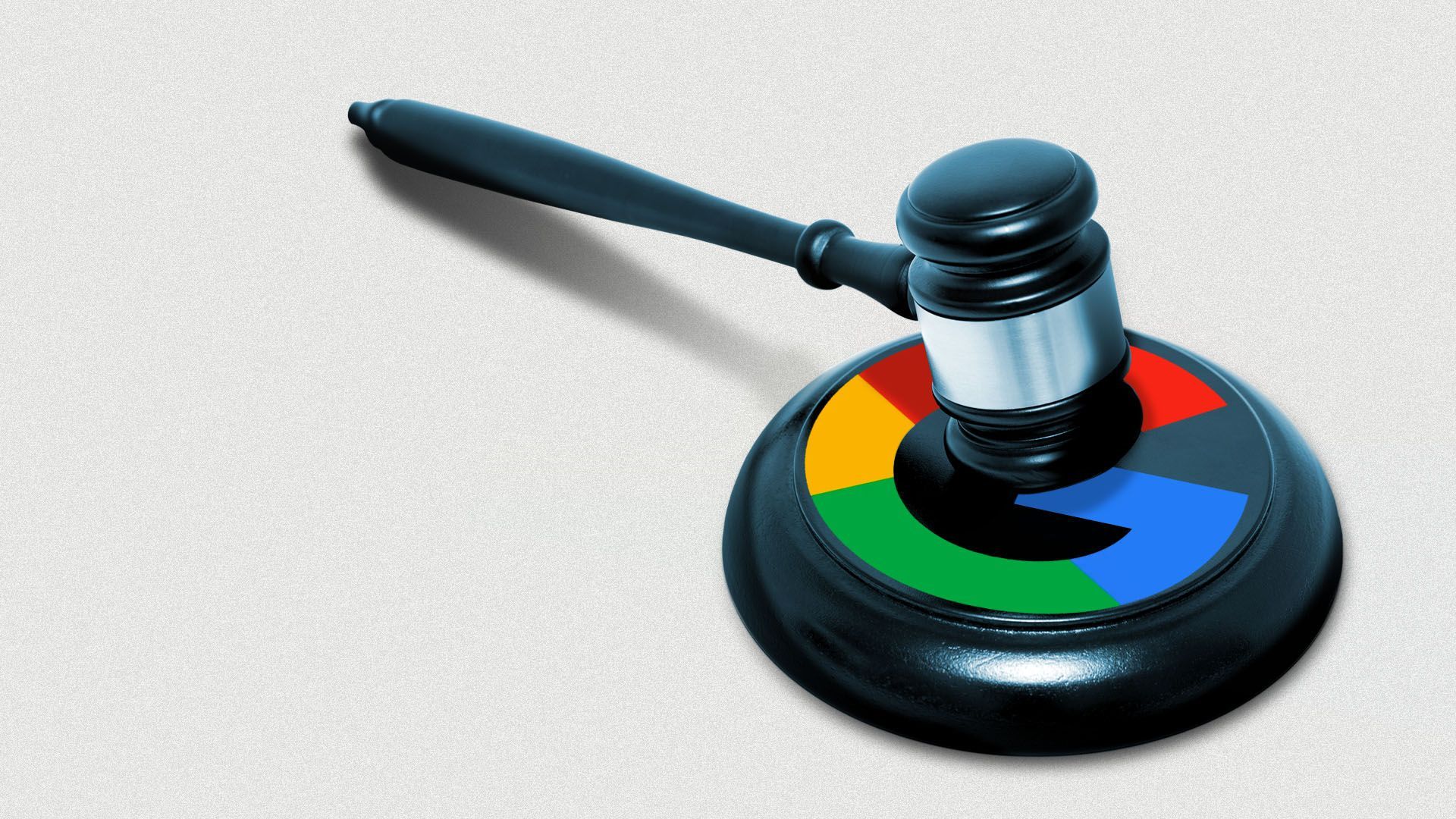
Google on Friday filed a motion to dismiss a federal antitrust lawsuit from Gannett, America's largest newspaper chain. The complaint alleged Google's dominance in digital advertising undercut revenue for news publishers.
The big picture: Gannett's lawsuit, filed in June in the Southern District of New York, is one of several antitrust complaints made in recent years against Google over its ad tech dominance.
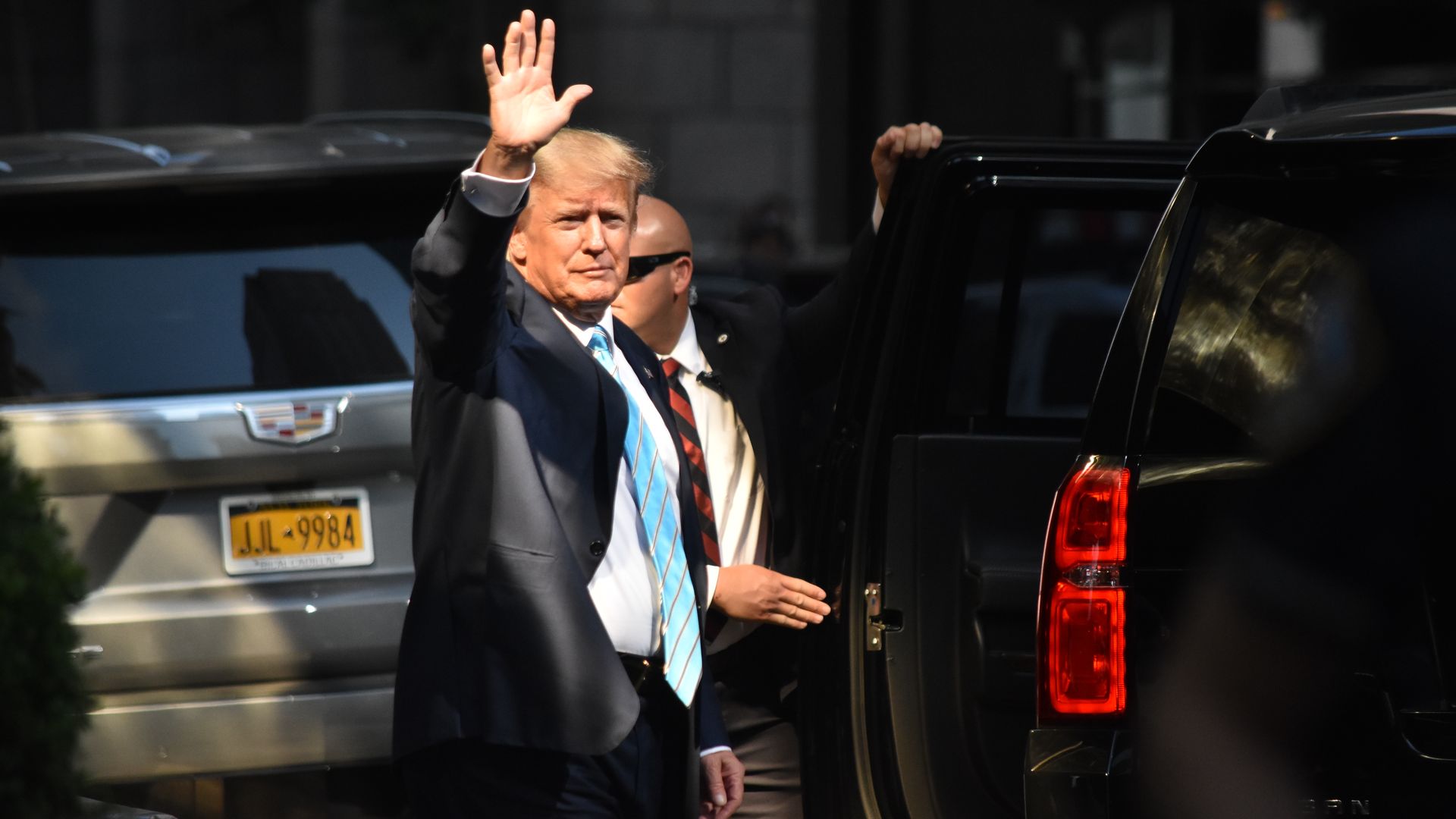
Former President Trump overstated his net worth by as much as $3.6 billion annually, New York's attorney general said in a new court filing on Friday.
Driving the news: Trump and people working for him allegedly made false entries in business records, falsified financial statements and committed insurance fraud, per the filing by Attorney General Letitia James' office.
China's tightly managed currency fell to the lowest level against the greenback in almost 16 years on Thursday.
Why it matters: The weakness of the currency (officially known as the renminbi, but often referred to as the yuan) reflects the growing consensus that the world's second-largest economy and biggest single driver of global economic growth for decades is in deep trouble.
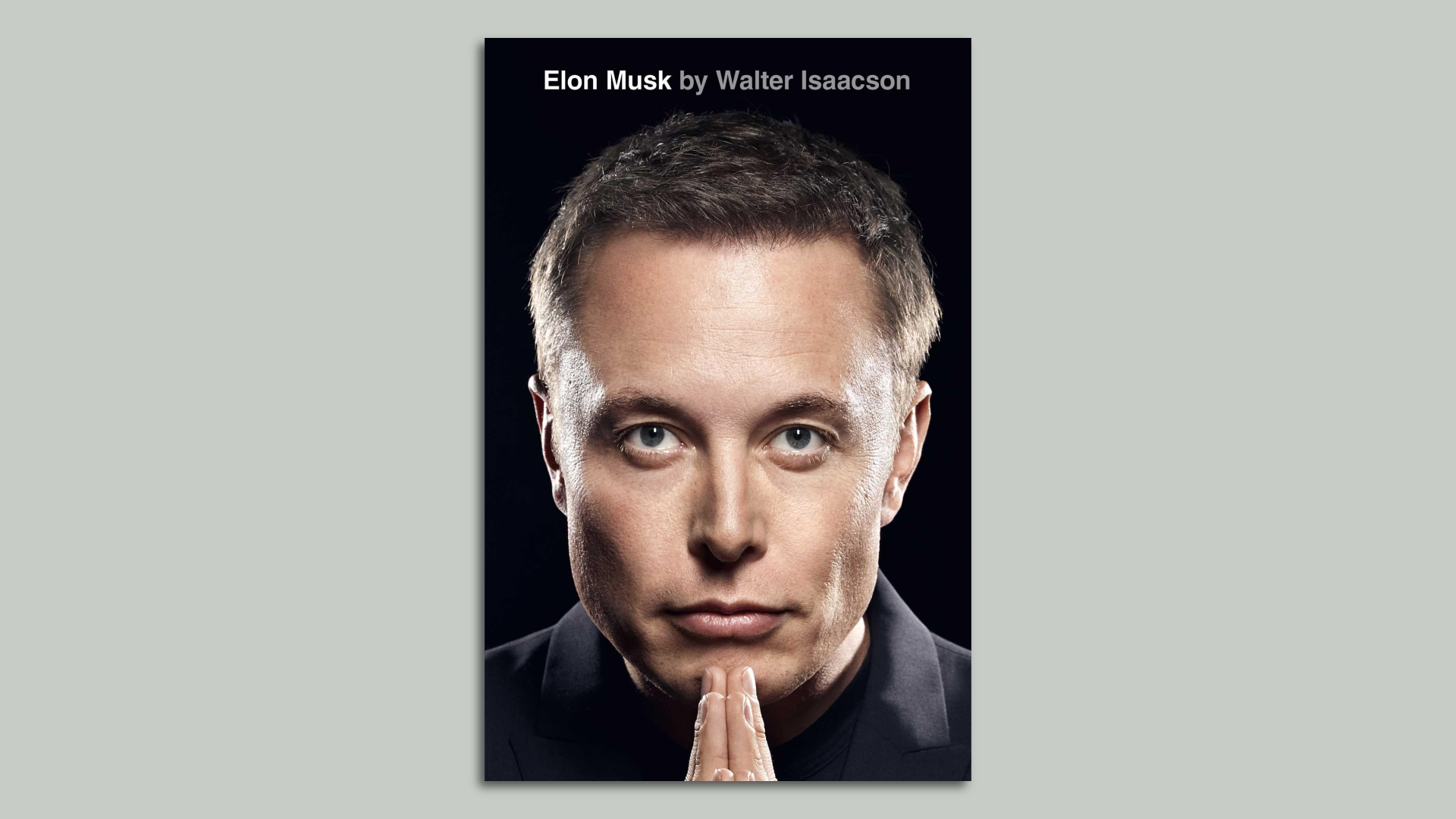
An exclusive excerpt for Axios readers, adapted from Walter Isaacson's biography, "Elon Musk," out Sept. 12:
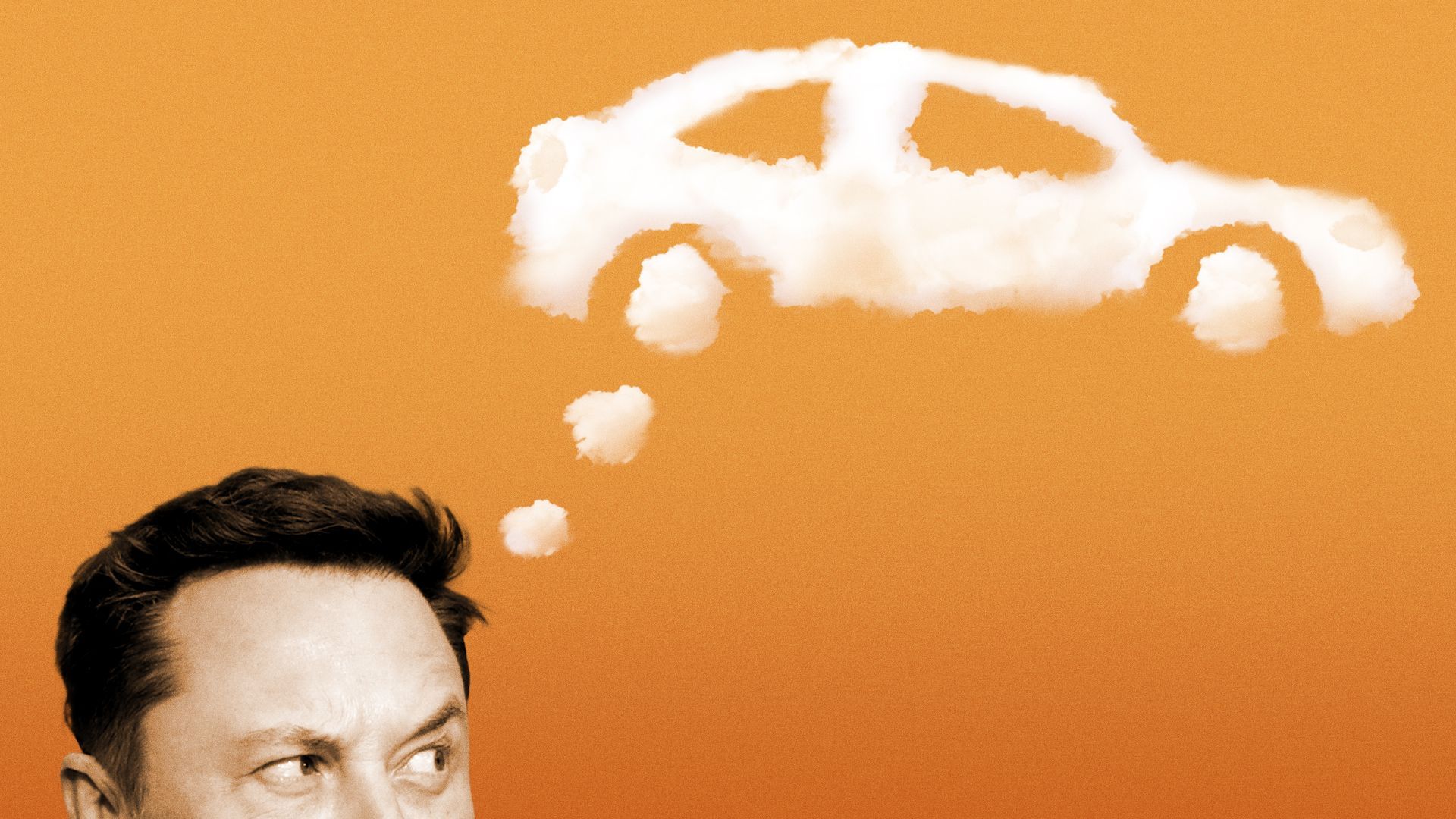
Elon Musk has long believed that self-driving cars would do more than merely free folks from the drudgery of driving. They would, to a large extent, eliminate the need for people to own cars. The future would belong to what he called the Robotaxi: a driverless vehicle that would appear when you summoned it, take you to your destination, then ride off to the next passenger.
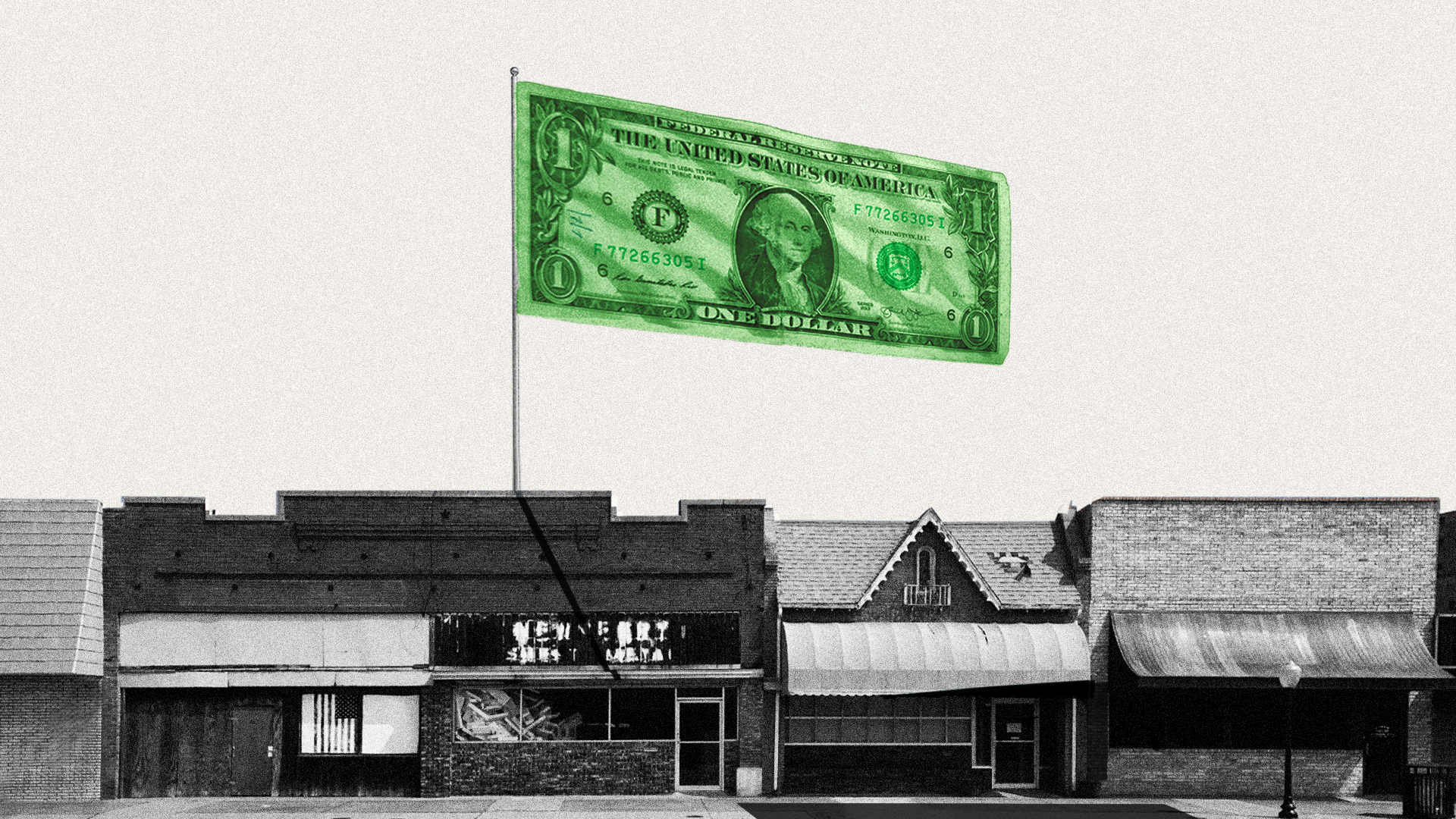
Goldman Sachs on Friday announced plans to invest $100 million in rural communities across the U.S., deepening its efforts to bolster small businesses.
Driving the news: Beginning in North Dakota and Arkansas, the Wall Street giant's push will eventually reach small business owners in 20 states over the next five years.
Elon Musk was so obsessed with robotaxis that he repeatedly vetoed his own plan to build a $25,000 electric car in favor of them — until skeptical Tesla executives persuaded him to hedge his bet, Musk biographer Walter Isaacson tells Axios.
The notoriously stubborn Tesla CEO finally relented when aides revealed a plan to build both a robotaxi and an inexpensive small car side by side in a cutting-edge factory, according to an exclusive Axios excerpt from Isaacson's forthcoming book, "Elon Musk," out Tuesday.
For millions of Americans, their car is their safe haven — a rare place to find some privacy between a busy home and an open-plan office. It's too bad, then, that automakers have no respect for our privacy, per a stunning new report from the Mozilla Foundation.
Why it matters: Cars are now computers on wheels — which means they "have an unmatched power to watch, listen, and collect information about what you do and where you go," per the report. That information is then shared with or sold to data brokers, law enforcement, and others.
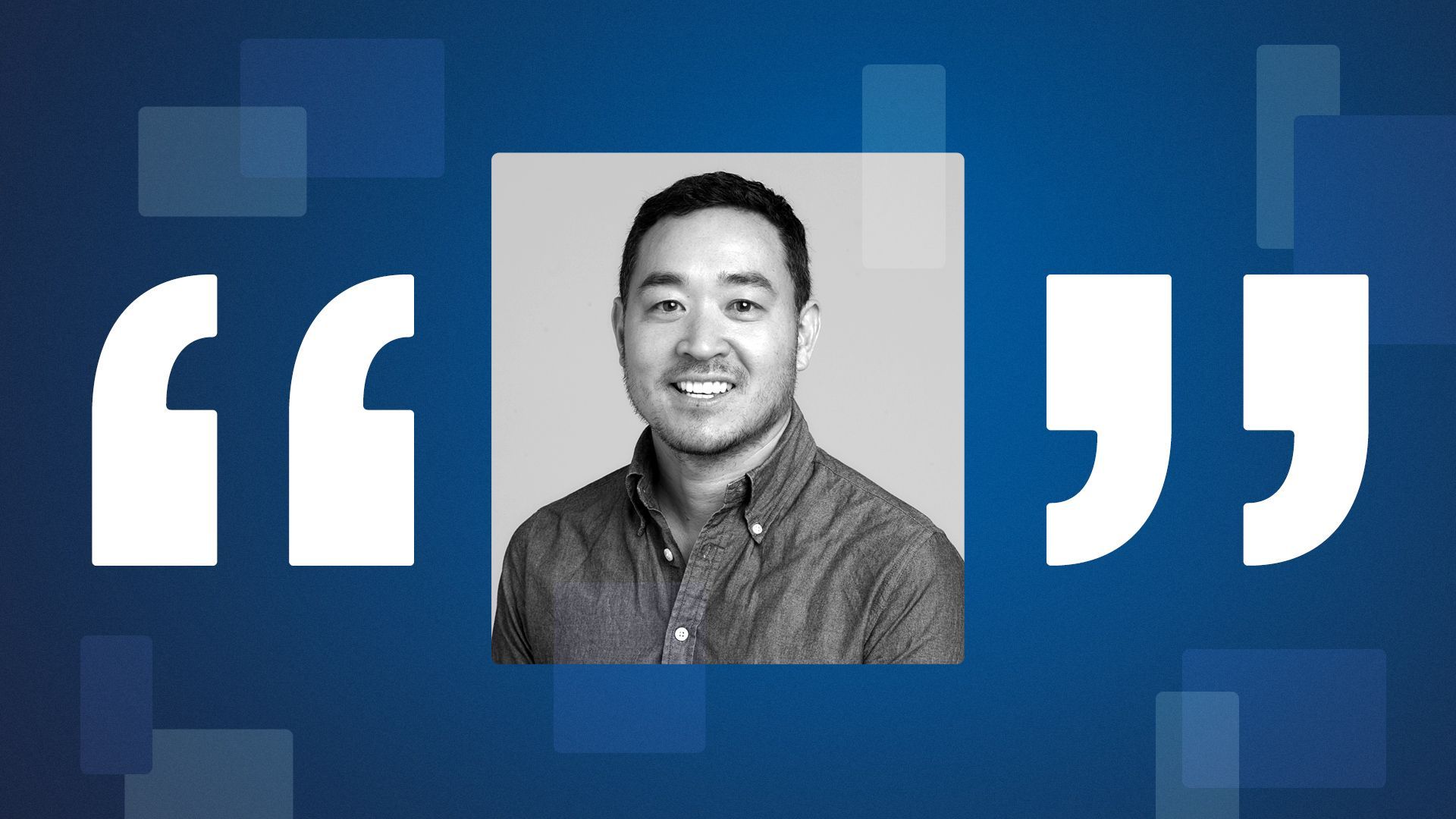
Ken Ohashi, the 48-year-old CEO of Brooks Brothers, is the son of Japanese immigrants who's modernizing a 205-year-old brand that long defined what a high-achieving — and very traditional — man should wear.
Why he matters: Ohashi took over just two months after the iconic company filed for bankruptcy during COVID shutdowns. After Ohashi's shake-ups in the stores and behind the scenes, Brooks Brothers' total global sales are expected to approach nearly $1 billion this year.
Grindr expects to be operating with significantly fewer employees in the near term.
Why it matters: What the company is billing as a repercussion of a strict return-to-office mandate, a union is calling an unlawful attempt to silence workers.




/2023/09/07/1694118723752.gif?w=3840)