Friday's economy stories

Spicer: Carrier will maintain its job quota in Trump deal
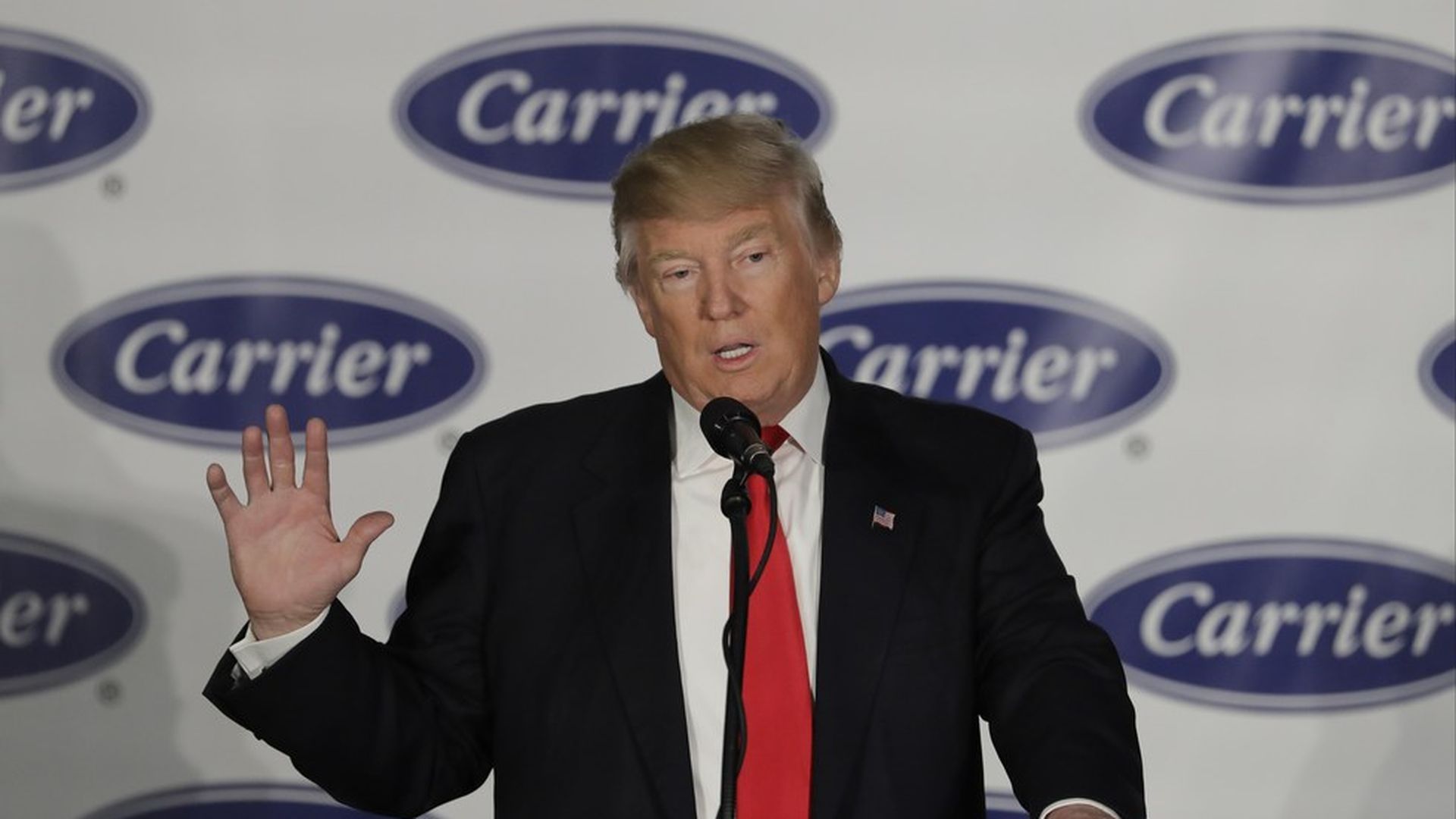
Sean Spicer told reporters Friday that the deal Carrier, the heating and air-conditioning manufacturer, made with Trump in November is still in tact, and that news of the company laying off more than 600 employees from its Indianapolis plant was announced last year.
Yesterday, reports surfaced that Carrier was cutting more than 600 jobs from its Indianapolis plant. Spicer clarified Friday that the lay offs were announced last year and would not affect the company's agreement to maintain the deal's 1,069 job quota.

Gig economy senior citizens are typically handymen and wedding officiants

When American workers decide or are forced to strike out on their own, their most frequent job is handyman, and a lot of the people taking that work are senior citizens, according to Thumbtack, the local services website.
Marco Zappacosta, CEO of Thumbtack, said almost a fifth of the 260,000 people and businesses using Thumbtack are 55 or older, reflecting a trend in which people are looking for ways to stay in the work force longer. Thumbtack operates in every county in the U.S., apart from two, he said. It has raised more than $270 million in venture capital.
After handymen, senior citizens are building contractors, photographers, painters and cleaners. But the gig jobs in which senior citizens predominate: professional wedding officiant (45% of them are senior citizens) and musicians.
- The phenomenon is global (see the photo above, of a street musicians festival in Novi Sad, Serbia): "They want to keep working and to make sure they don't get left out of the digital revolution in the workplace," Zappacosta said.
- Their biggest problem: is finding new customers.

These truckers are helping Silicon Valley to automate their jobs

Bloomberg Businessweek profiles startup Starsky Robotics, which is using machine learning to train its semi-trailer trucks to one day be completely self-driving. Starsky is earning revenue hauling loads while it tests its self-driving technology, but because its vehicles are still in beta, they are manned by a truck driver and an AI specialist for safety and research purposes.
The arrangement makes for strange bedfellows, as the folks who drive trucks and those in cutting-edge computer science tend to live worlds apart, culturally speaking. But apart from being a sociologically revealing portrait of America in 2017, Starsky's staff might also foreshadow changes to the workplace that will arrive in other industries in the years to come.
Study: $13 minimum wage didn't cause Seattle job losses
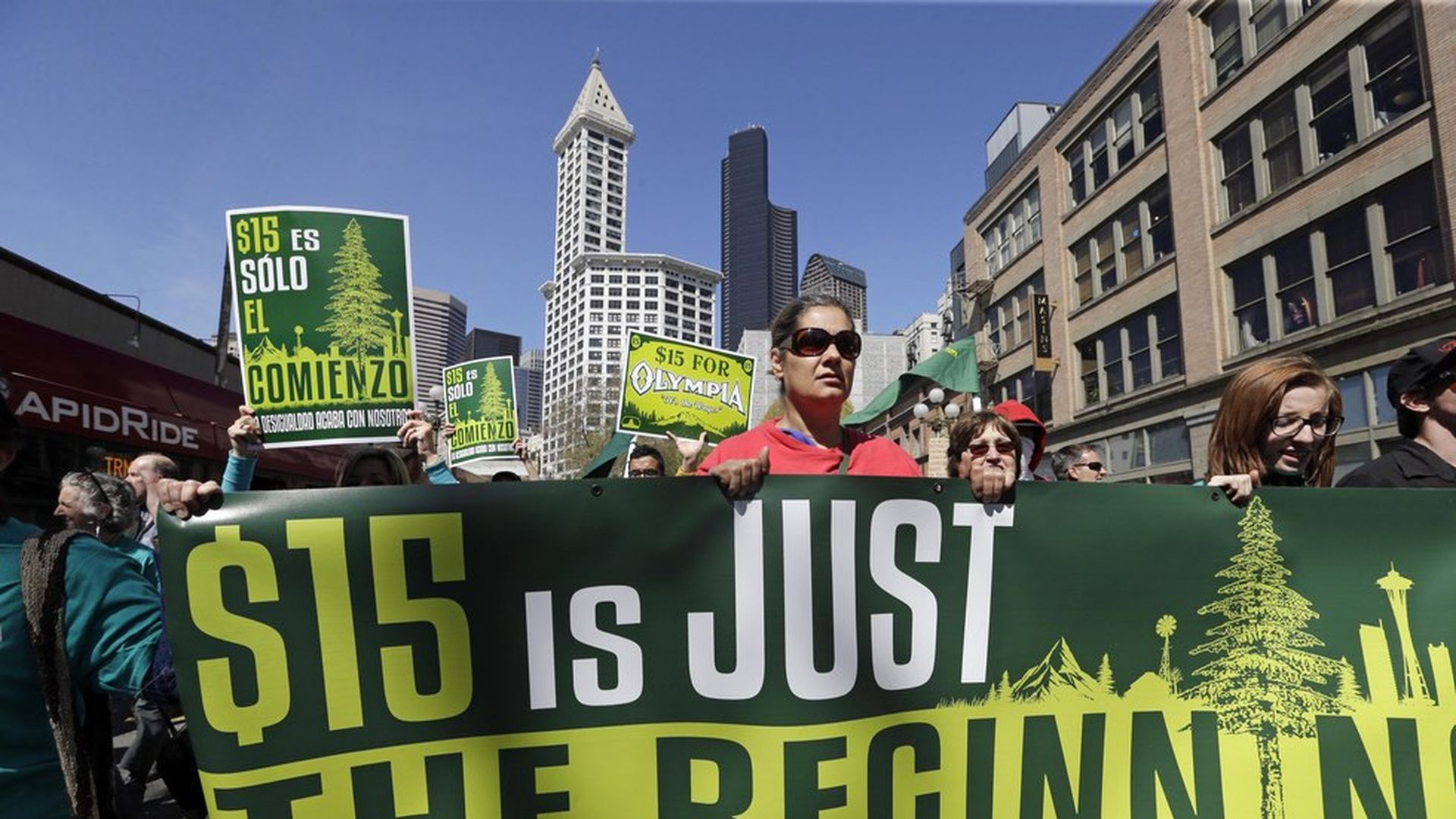
Seattle has been the vanguard of the newly energized minimum wage movement, hiking its pay floor from $8.55 in 2010 to between $11 and $15 in 2017. Other cities have followed suit — in all, nine big cities and eight states have passed minimum wages between $12 to $15, depending on the size of the employer and other factors.
Berkeley's Institute for Research on Labor and Employment is out with a new study on the effects of Seattle's wage policies, and found that there was no job loss as a result of the mandate.

This AI camera is built to think like the human brain
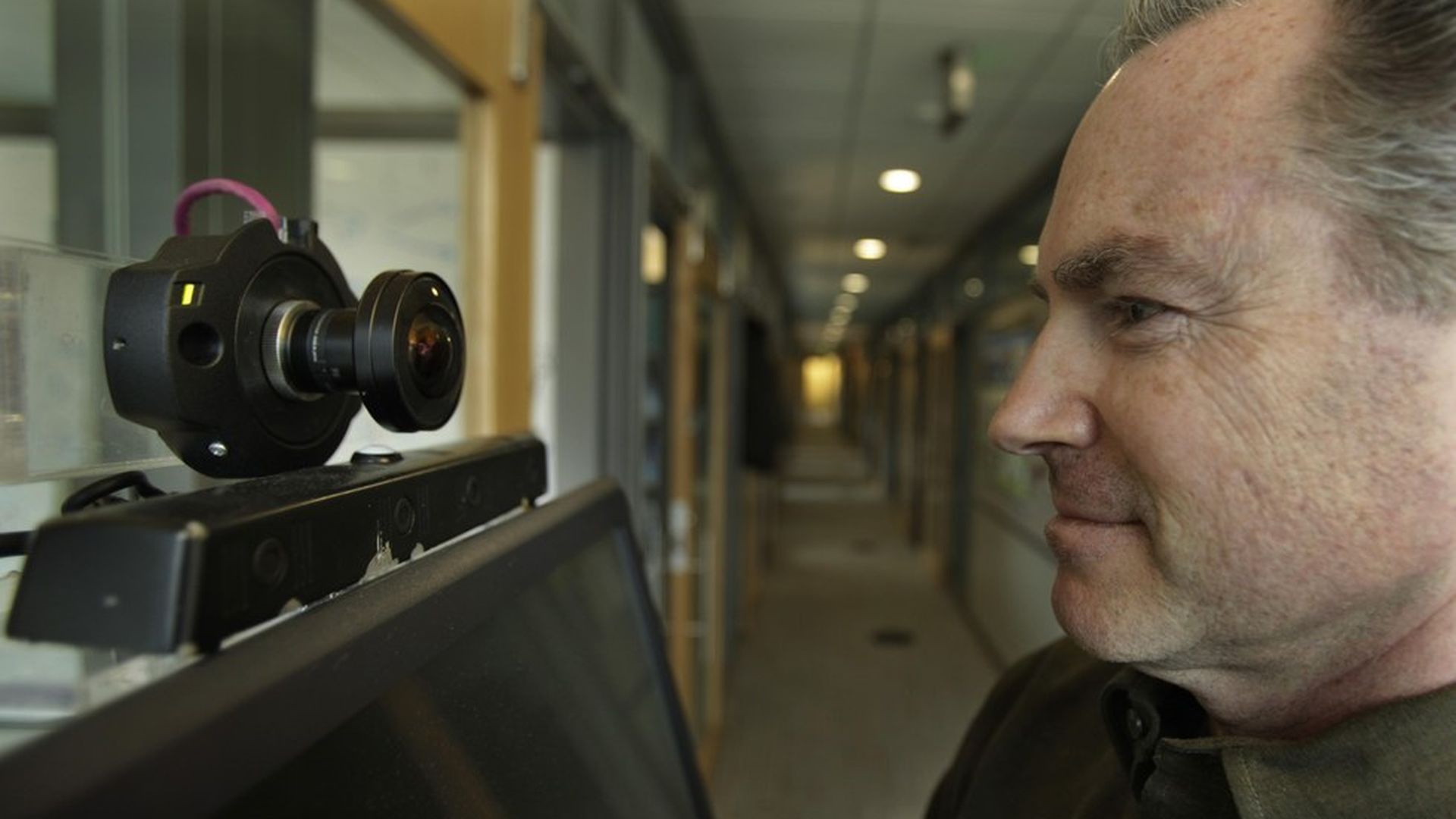
A new AI camera can mimic signaling patterns of the human brain, reports Scientific American.
The camera's photo sensors are like a pair of eyes that "wake up" and start looking around when they detect changes in light and movement. Next, the "eyes" send electrical signals to the circuits that control the backend of the camera and mimic the neuron pathways of the human brain. As the camera keeps working and sending more signals, its internal "neuron network" will learn to react more quickly to external stimuli, such as traffic lights changing and pedestrians crossing.
Why it matters: The camera does not start recording until it detects stimuli — a feature which makes it a more intelligent device that saves memory and power. This new technology also shows that AI, often requiring expensive and large-scale hardware, can be applied to devices small enough to be affixed to a drone.
Carrier moving jobs to Mexico
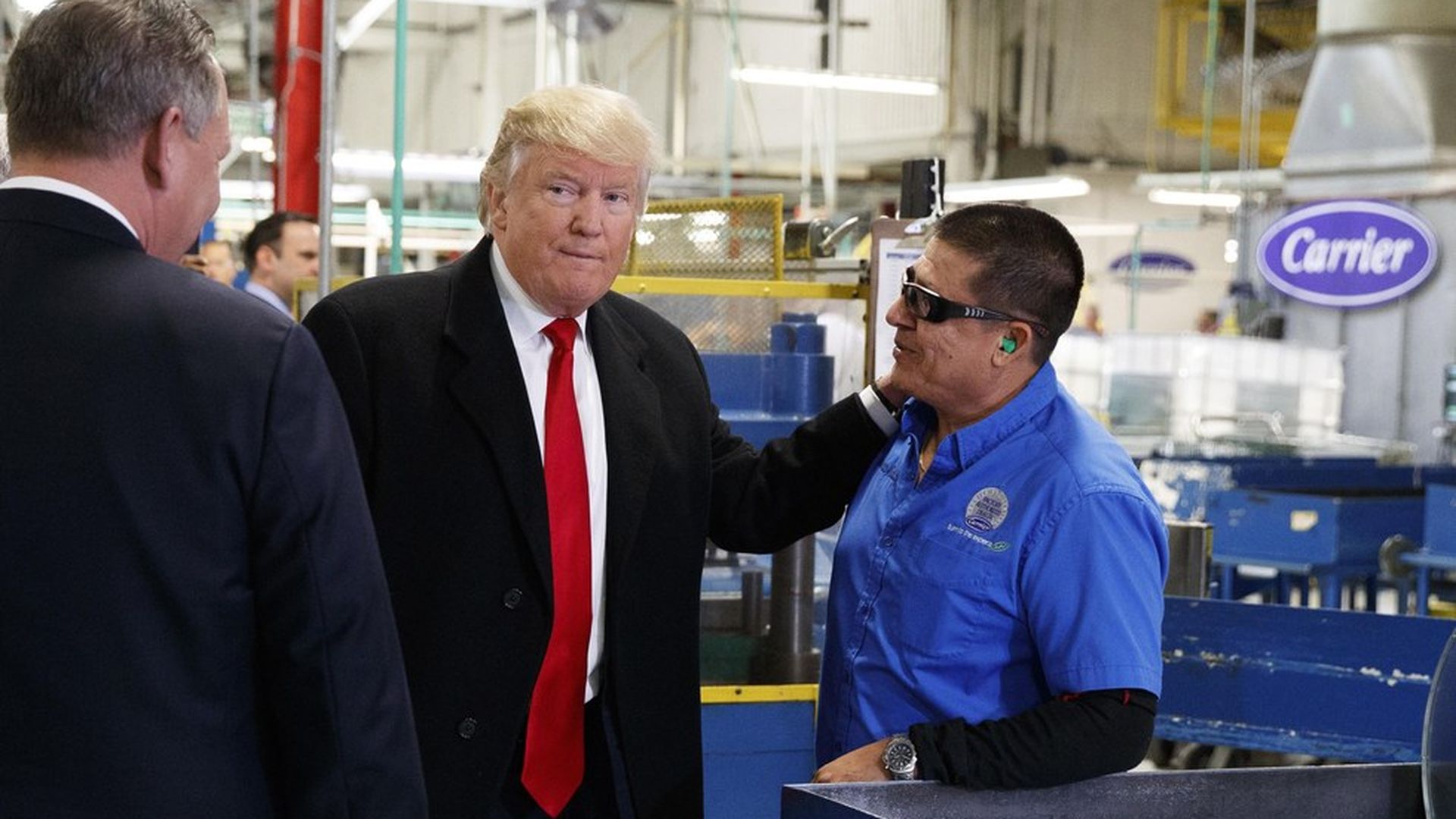
Carrier, the heating and air-conditioning manufacturer, is laying off more than 600 employees from its Indianapolis plant next month, the same plant Trump vowed to keep on American soil, per CNBC. Those manufacturing jobs will go to Mexico, where labor is significantly cheaper.
Why it matters: Trump heralded the November deal as proof he'd live up to his pledge to protect U.S. jobs. And this comes just a day after Ford announced that it will move production of its Focus model to China, just months after pressure from the Trump administration resulted in its cancelling plans to move to Mexico.
Refresher on the deal: Carrier, a unit of United Technologies, would receive up to $7 million in exchange for agreeing to employ at least 1,069 people at the facility for 10 years, rather than moving it abroad in search of cheaper labor, as originally planned. Carrier also vowed to invest $16 million into the plant. But just a month after the deal was made, CEO Greg Hayes said the $16 million would be invested in automation.
Update from WH Press Secretary: Spicer told reporters Friday that the lay offs at Carrier were announced last year, and the company will maintain the 1,069 job quota it agreed to in its deal with Trump.
This post was updated on June 23 at 2:54pm to reflect Sean Spicer's briefing comments.

Pelosi fights back against criticism after Ossoff loss
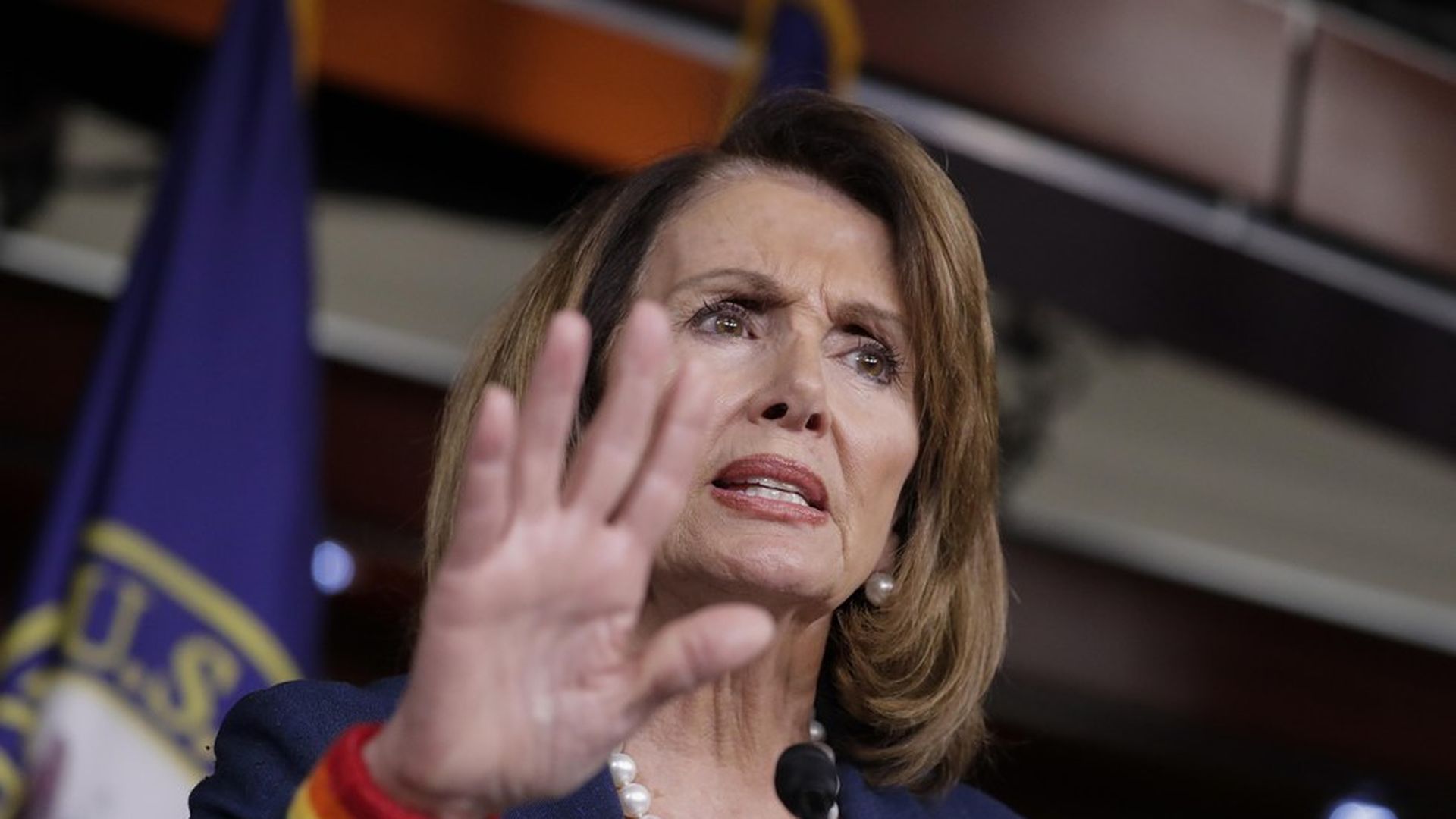
Minority Leader Nancy Pelosi told reporters, "I feel very confident in the support that I have in my caucus" when questioned about how she has been criticized for her leadership in the Democratic Party.
Why now: Many are blaming Pelosi after Dem. candidate Jon Ossoff lost the Georgia 6th special election earlier this week — despite millions of dollars the party pumped to back him.
Pelosi listed her qualifications as another form of defense. "I'm a master legislator. I'm a strategic, politically astute leader," she said. And she spoke on behalf of Dems by saying "we're very proud of the campaign that was run there" in spite of the loss. The kicker: "I think I'm worth the trouble."

Hugh Hewitt lands his own MSNBC show
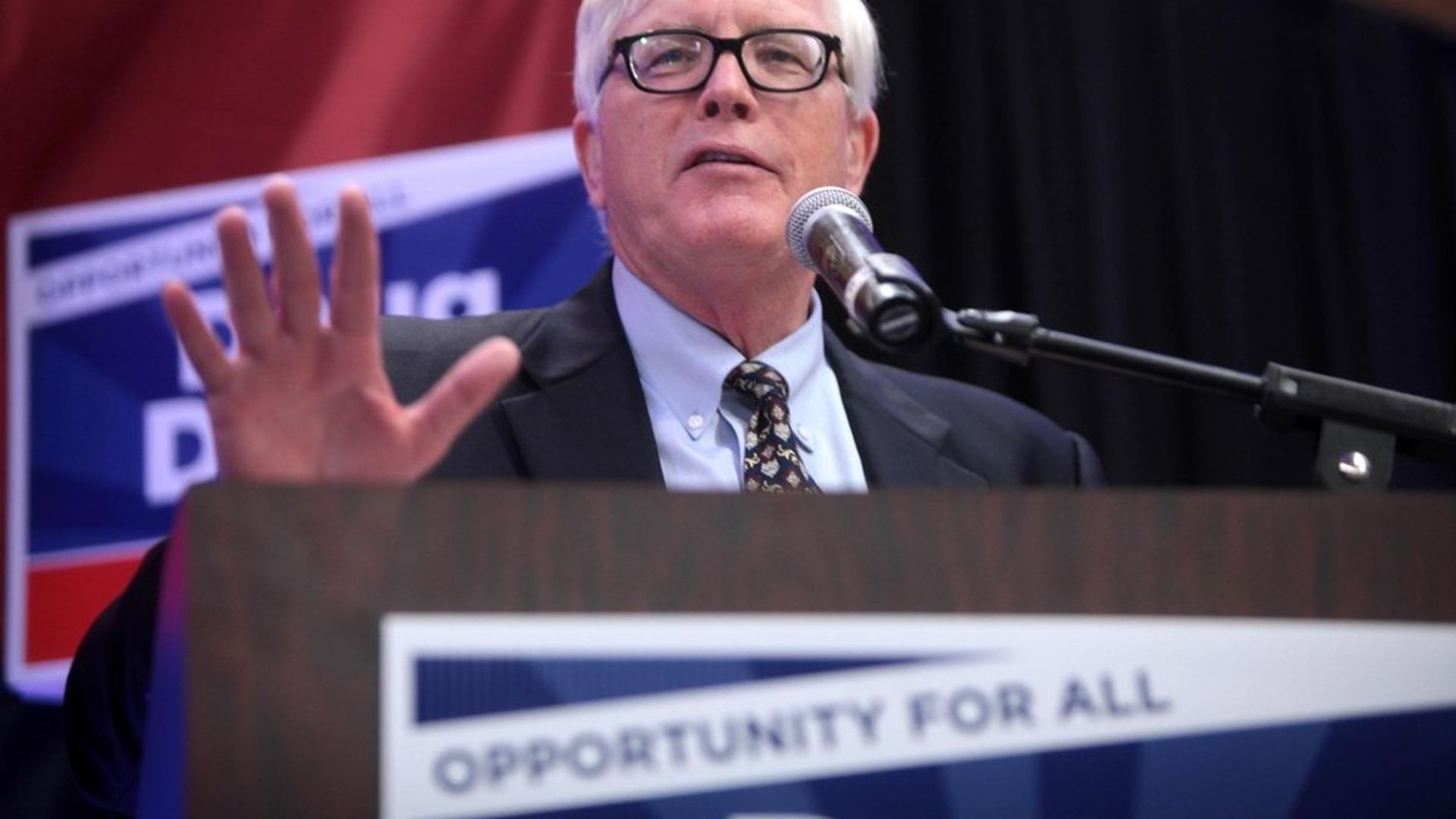
Conservative radio show host Hugh Hewitt will helm his own live weekly news program on MSNBC beginning this Saturday, per TVNewser.
Hewitt's show will air on Saturdays at 8 am. MSNBC will also be expanding their nightly live weekend coverage by two hours until 9 pm with programming anchored by Thomas Roberts.
Why it matters: MSNBC has seen a big boost in its ratings under the Trump administration — with wins for weeknight hosts Rachel Maddow and Lawrence O'Donnell — so they're aggressively expanding their coverage, including bringing in hosts like Hewitt from across the political spectrum, to build on that success.

Why Facebook doesn't have to reveal political ad data
Political researchers are frustrated that Facebook will not release aggregate data about political advertising on its platform, Reuters reports. They currently don't have any way to track political ad spend trends (frequency of ads, how they were viewed, creative that resonated with people, etc.).
Why it matters: As the law currently stands, candidates do not need to formally and publicly disclose political ad spend data on Facebook or any other digital property, like they have to with TV spending. Facebook, as they noted in an interview with Reuters, contractually guarantees its advertisers' discretion and will likely continue to honor that without a law in place to force them to act otherwise.
Trump trade rep threatens WTO on China market status
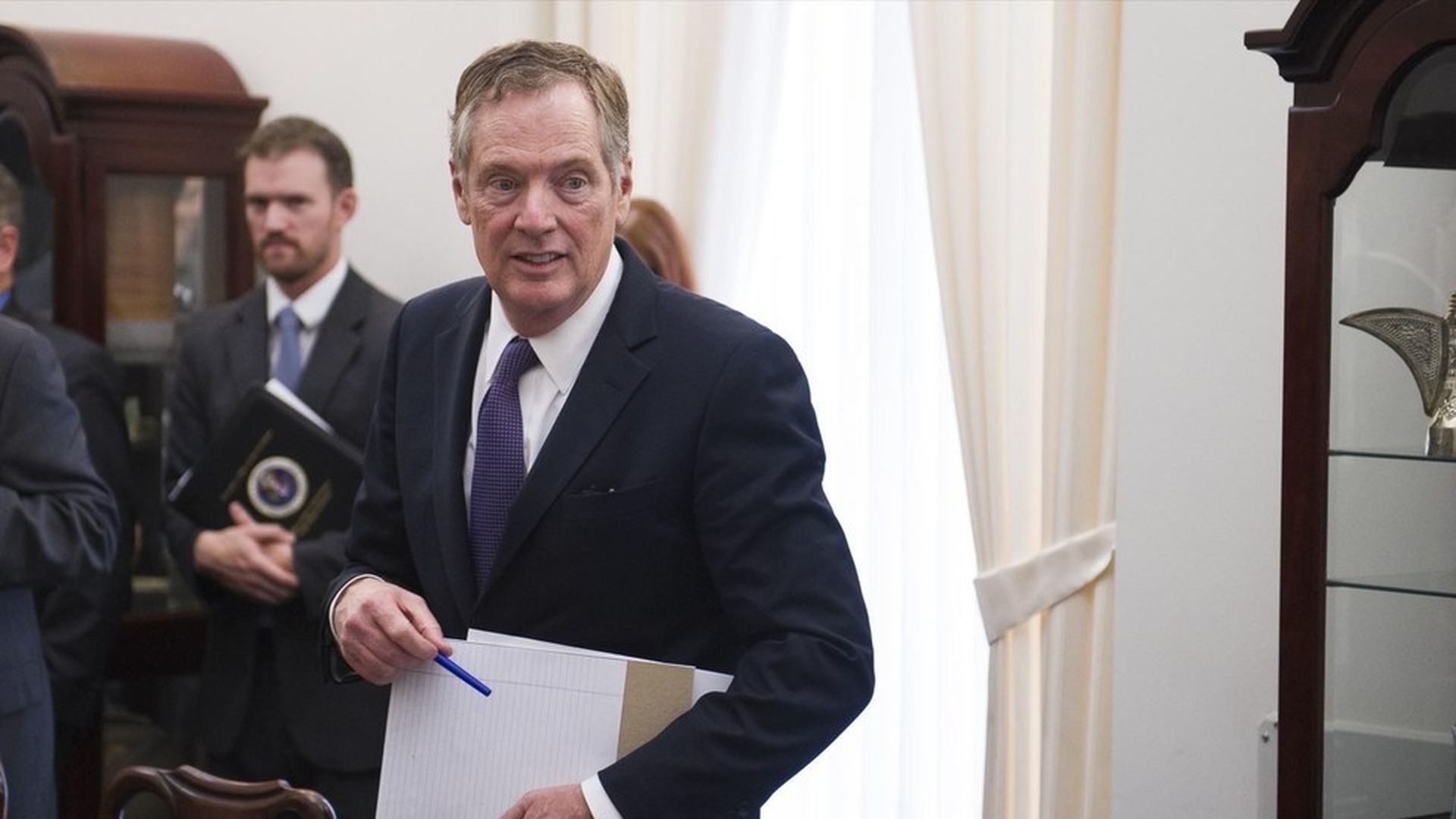
U.S. Trade Representative Robert Lighthizer testified Wednesday before Congress that it would be a "cataclysmic" mistake for the WTO to grant China market economy status — as the Chinese believe it is required to do this year.
- What's market economy status? A designation recognizing a country's commitment to free market policies. If China wins this label, it would make it more difficult for the U.S. to win cases it brings against China for violations like selling steel below cost of production.
- Why it matters for workers: There's good evidence that allowing China's accession to the WTO fifteen years ago was the trade policy decision that most led to joblessness and stagnant incomes, specifically in the manufacturing sector.
- The Trump Administration has taken a dismissive stand toward the WTO, even saying that it may ignore its rulings. But the Trump trade policy has been all bark and no bite, and there's no reason to believe that revoking the privileges China receives for its membership would bring back lost manufacturing jobs.
Spotify's leaders are being replaced before it goes public
Spotify's getting a leadership shakeup before it goes public. Sean Parker, an early private investor in the company who previously founded the online music store Napster and helped grow Facebook; and Klaus Hommels, also an early supporter, have left Spotify's board of directors, per TechCrunch.
Four new high-profile executives with public market experience have come on in their place:
- Cisco's former CTO and CSO Padmasree Warrior
- Disney's former COO Thomas Staggs
- Ex-YouTube exec Shishir Mehrotra
- Investor Cristina Stenbeck
Why it matters: Spotify, which is currently valued at roughly $13 billion, will need all the public market experience it can get, given the company plans to go public via an unusual direct listing process as early as this fall.

The power of the green light
Hollywood Reporter's 100 Most Powerful People in Entertainment, edited by Alison Brower:
The top 5:
- Bob Iger, Chairman/CEO, Walt Disney Co.
- Netflix CEO Reed Hastings and Netflix chief content officer Ted Sarandos
- Steve Burke, CEO, NBCUniversal, and senior executive V.P., Comcast Corp.
- Leslie Moonves, President/CEO, CBS Corp.
- James Murdoch, Lachlan Murdoch and Rupert Murdoch, 21st Century Fox
"THR 100 essentially is a greenlight list: who has the authority to take projects from a no to a yes or the talent and track record to make what he or she wants. There are objective factors, like the size of an executive's empire (owning it helps, a la Shari Redstone), access to vast sums of money (both Megan Ellison and David Ellison) or the number of series a showrunner has on the air and their ratings (congrats, Ryan Murphy).
"Then there's the subjective element of heat around town: 'juice,' for lack of a better word. The Murdoch family's 21st Century Fox is far more profitable than Netflix, but Reed Hastings and Ted Sarandos rank higher because there's no company more the subject of Hollywood fascination and envy these days than theirs. Patty Jenkins' Wonder Woman probably will end up grossing less worldwide than F. Gary Gray's The Fate of the Furious, but the fact that Jenkins broke ground for female directors lands her (and not him) on the list."
Labor shortages plague midwest manufacturing towns
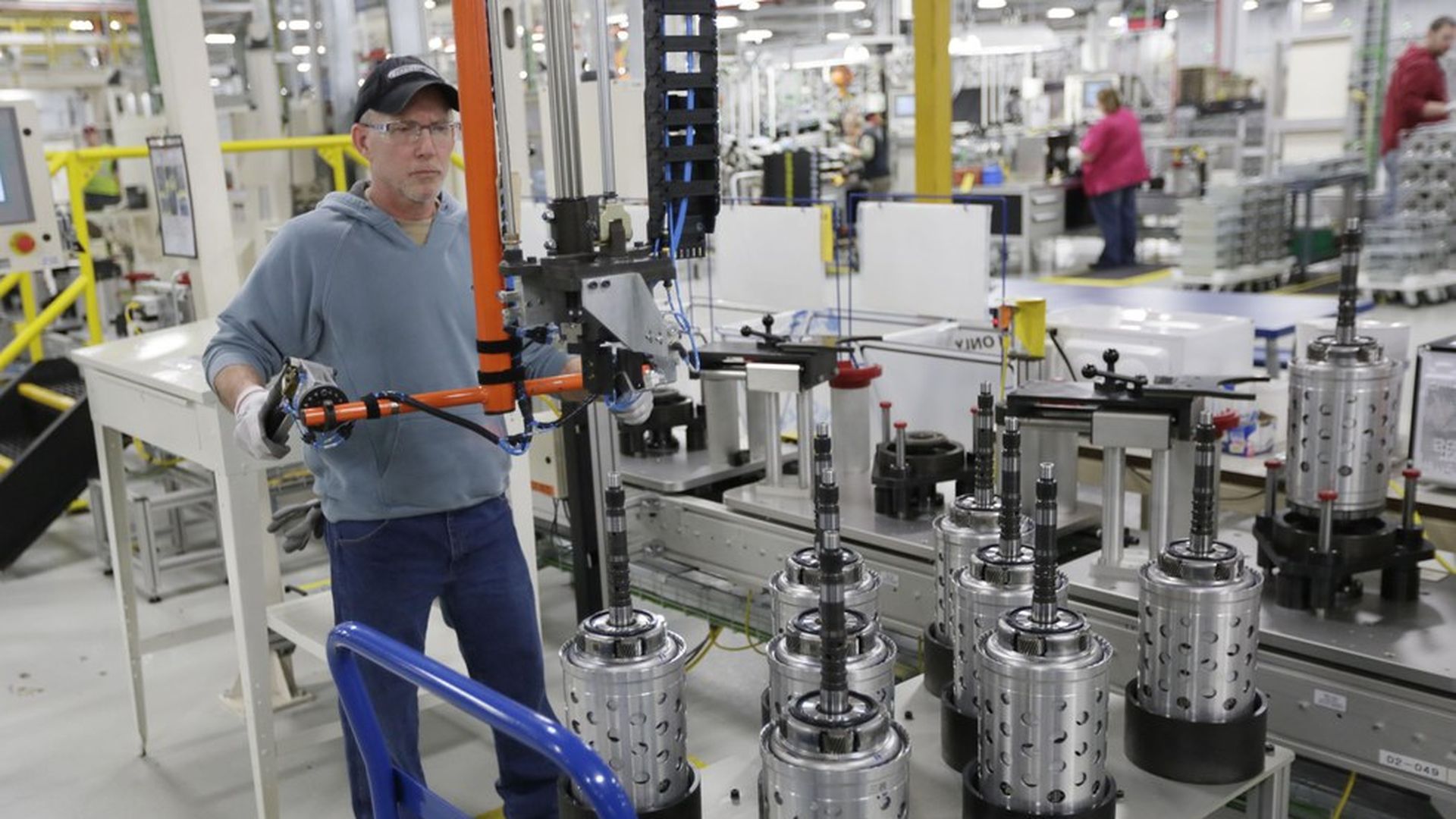
While economists and futurists are rightly concerned about the possibility of mass unemployment precipitated by automation technology, right now the U.S. economy is experiencing one of the tightest labor markets in a generation.
The immigration paradox: It's rural counties in midwest states like Indiana that have the lowest unemployment rates in America, and could therefore benefit from a bit more immigrant labor. In all, 73 U.S. counties have 2% joblessness or lower, according to government statistics.